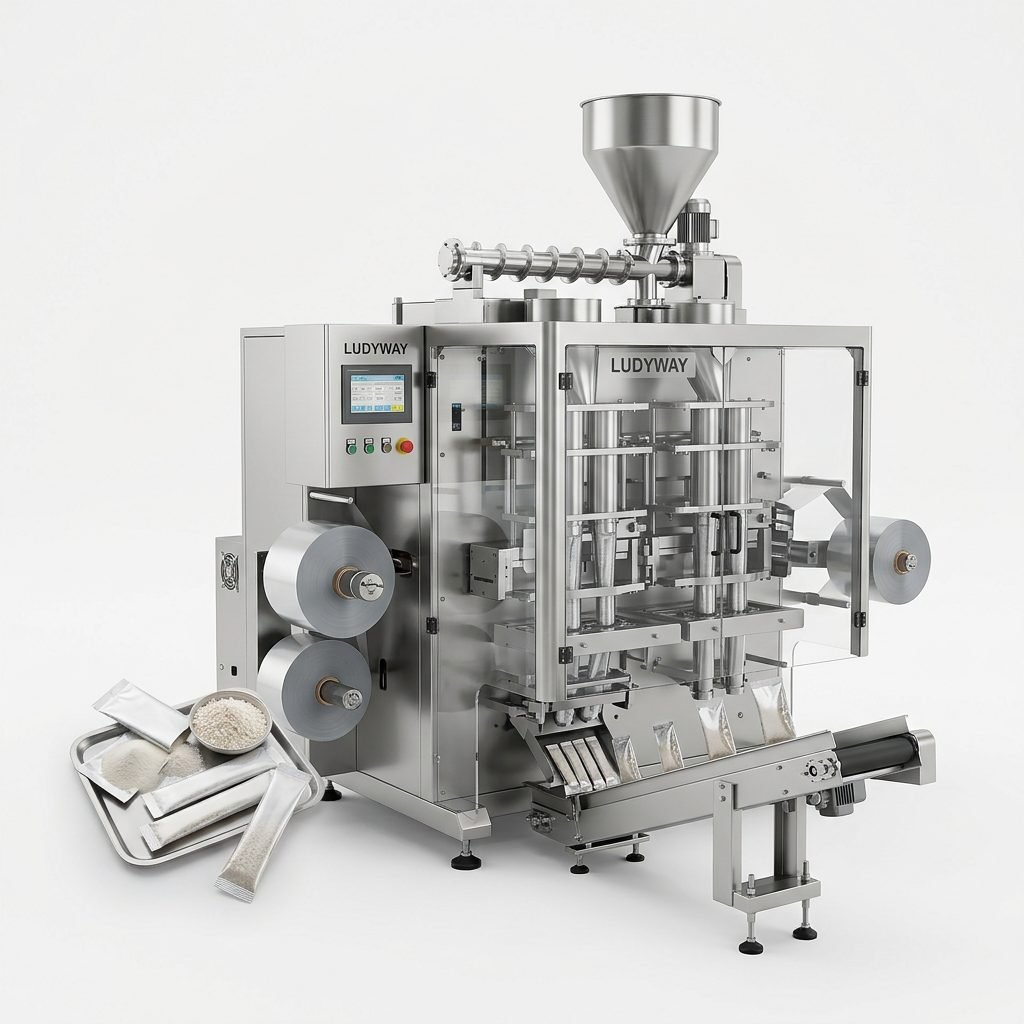
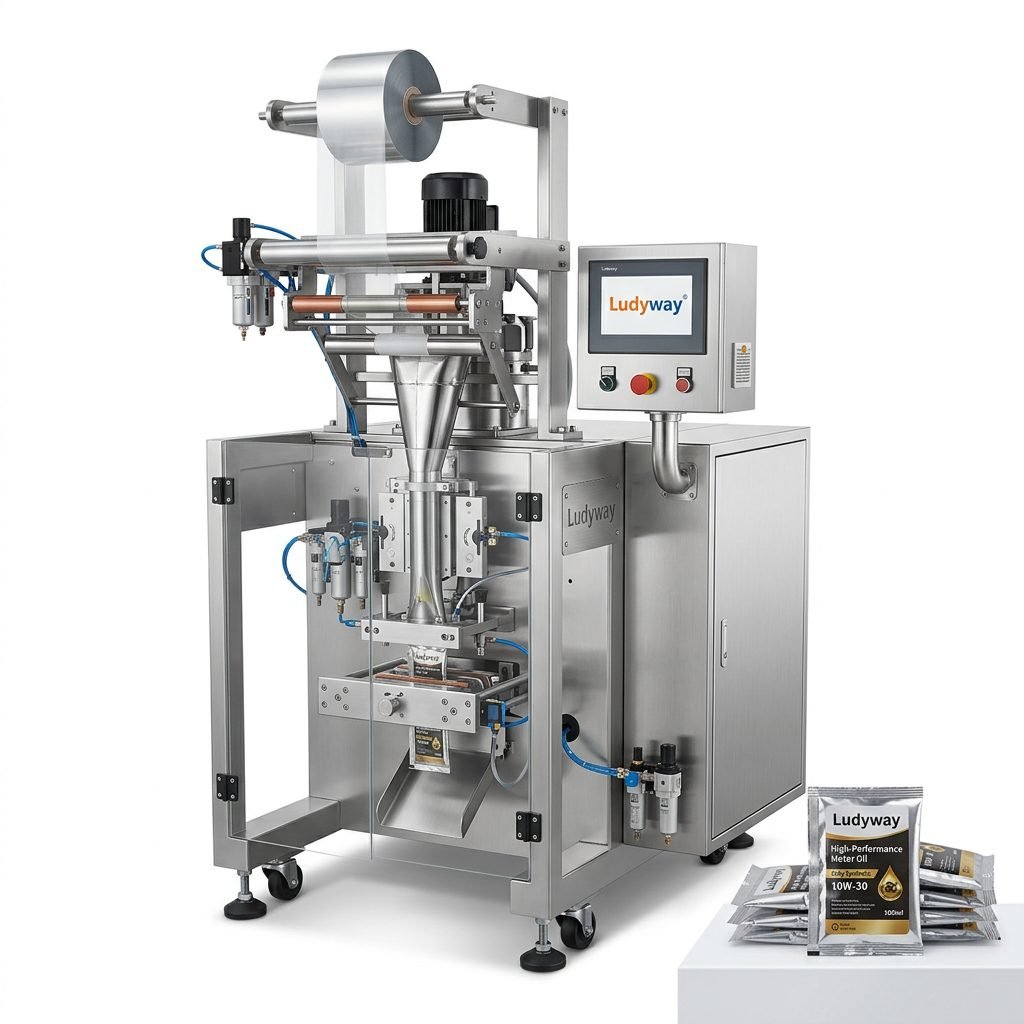
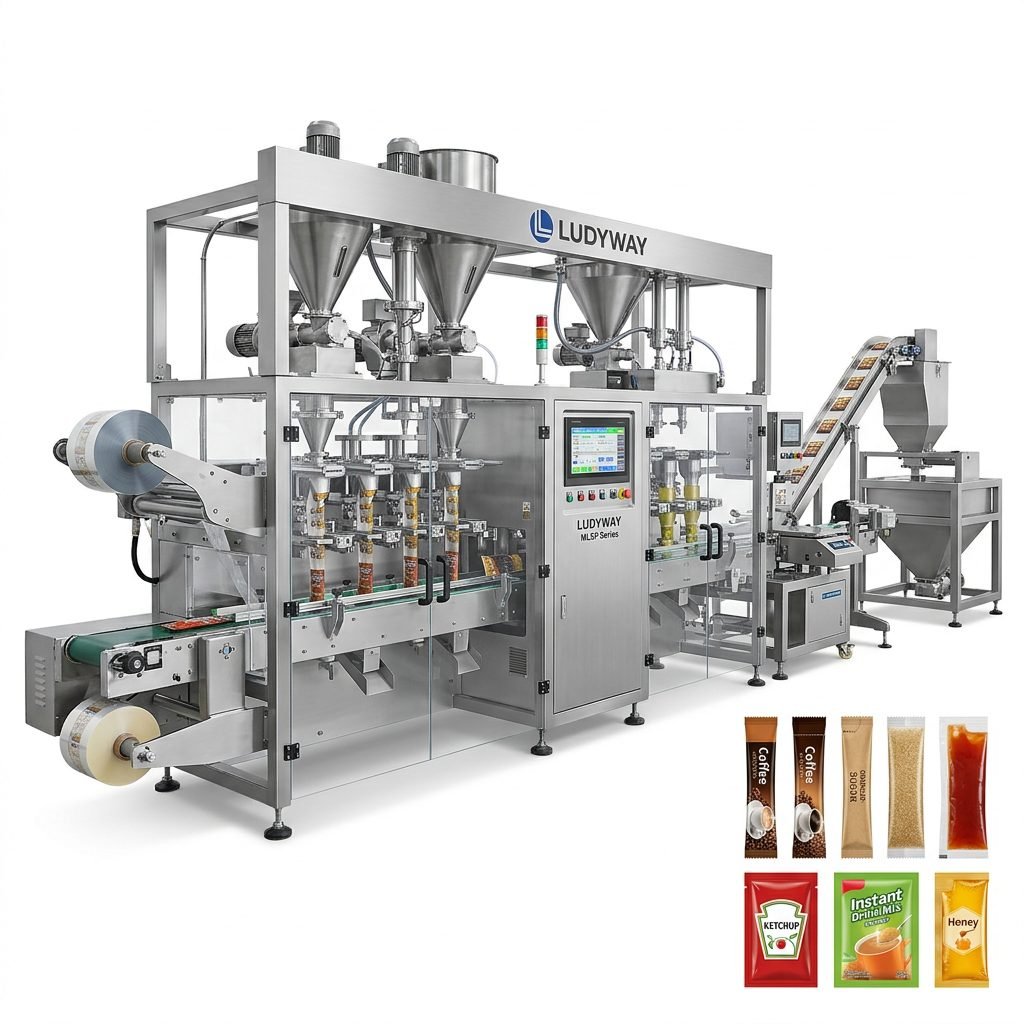
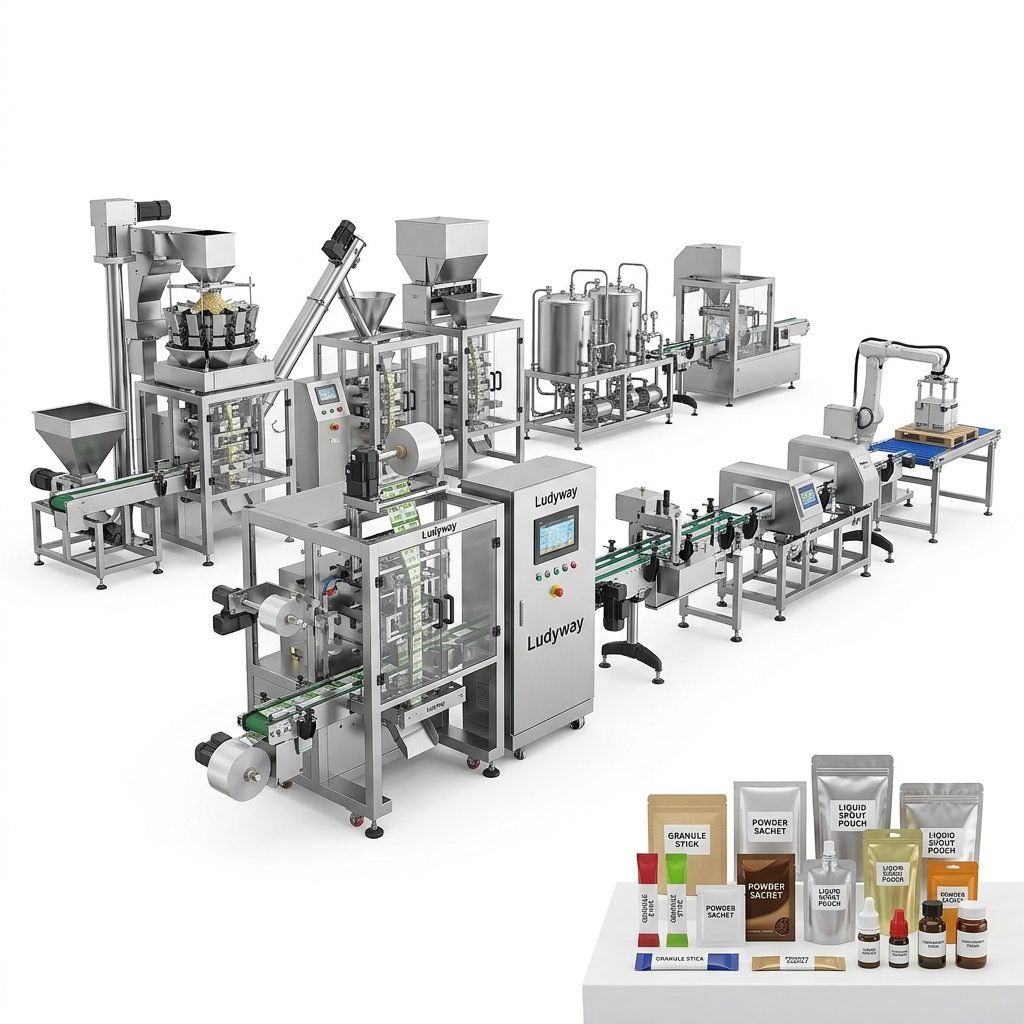
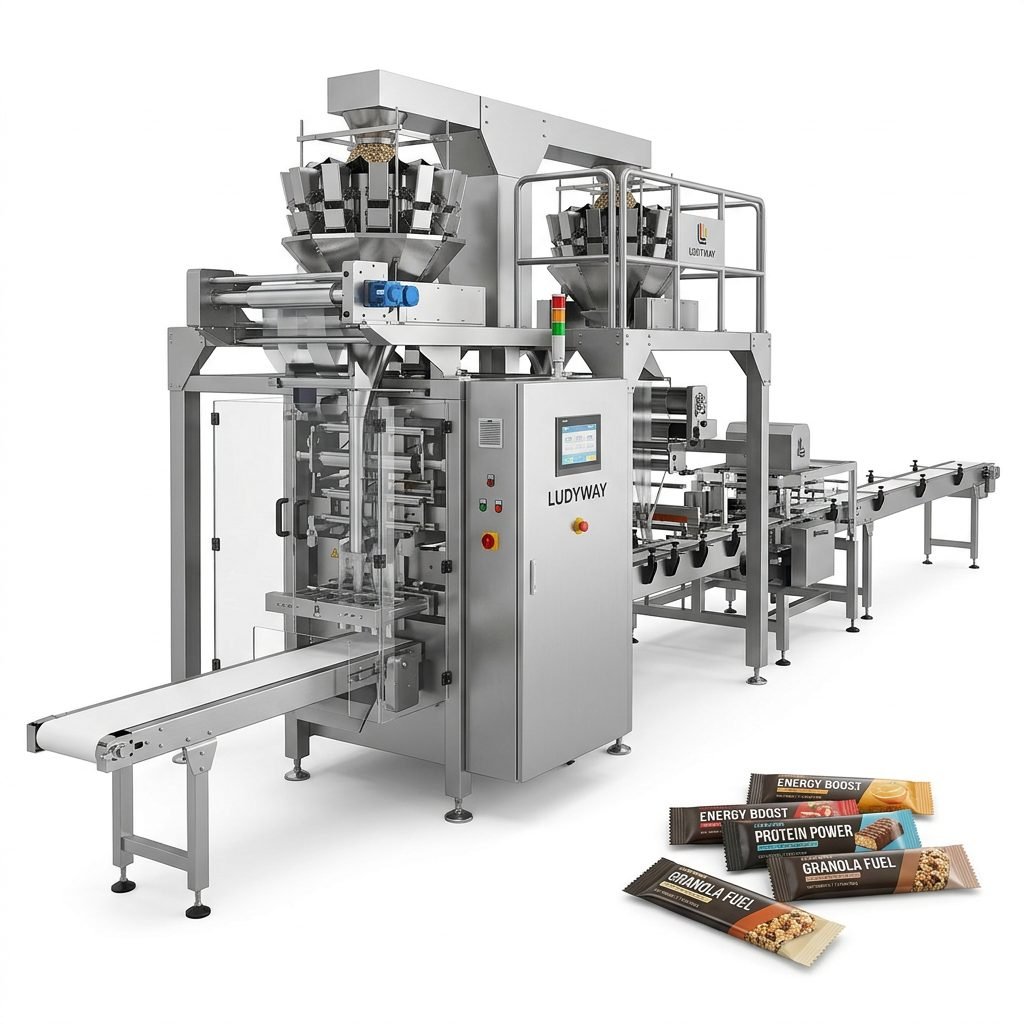
In the fast-paced world of pharmaceutical manufacturing, precision, safety, and efficiency are non-negotiable. The medication unit dose packaging machine stands as a critical piece of technology that directly addresses these demands. This specialized equipment automates the packaging of individual doses of medication—be it tablets, capsules, powders, or liquids—into sealed, single-use packets or blisters. For pharmaceutical companies, hospitals, and long-term care facilities, adopting this technology is a strategic move towards enhancing patient safety, improving operational workflows, and ensuring strict compliance with regulatory standards. This article delves into the inner workings of these machines, explores their significant benefits, and provides a comprehensive guide for making an informed purchase decision.
How a Medication Unit Dose Packaging Machine Works
The operation of a unit dose packaging machine is a symphony of precision engineering and automated control, designed to handle sensitive pharmaceutical products with utmost care. The process typically follows a seamless, multi-stage workflow.
1. Product Feeding and Orientation
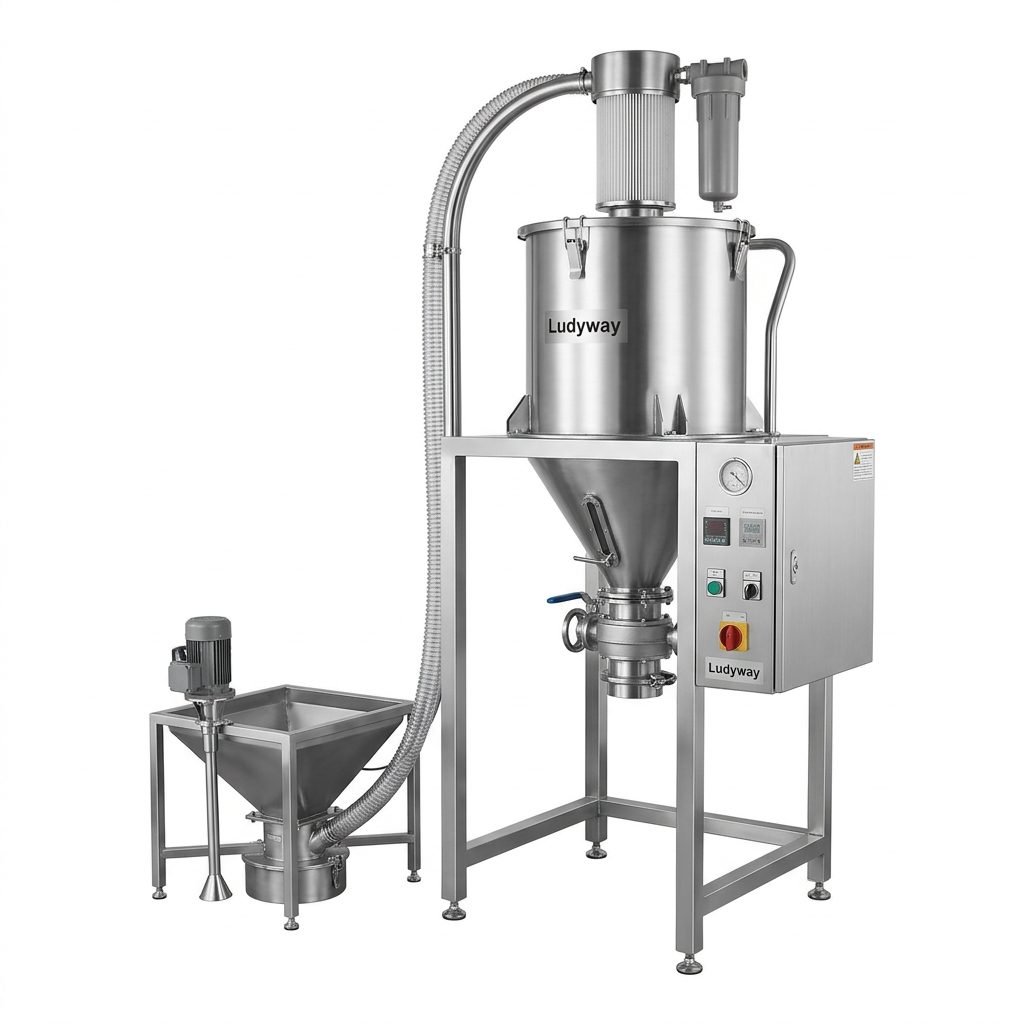
The process begins with the feeding system. Tablets or capsules are loaded from a bulk hopper or via an integrated feeding system like a vibratory bowl feeder. Advanced machines often include vision inspection systems at this stage to check for defects, ensure correct orientation, and verify count before packaging, rejecting any unsatisfactory units.
2. Film Unwinding and Forming
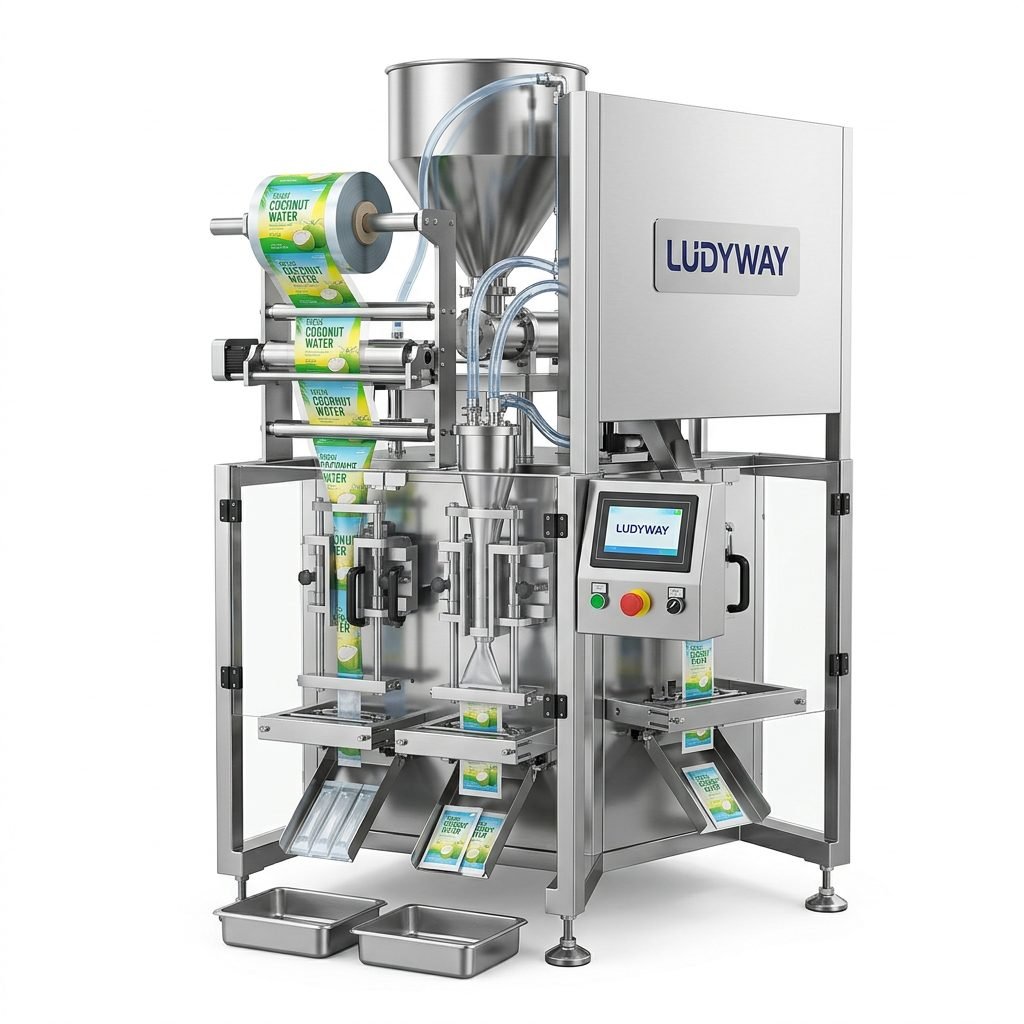
Two webs of packaging film—typically a forming film (bottom web) and a lidding film (top web)—are fed from large rolls. The bottom film passes over a forming station where it is heated and then drawn by vacuum or pressed into precise cavities or pockets using a forming die. The shape and depth of these pockets are customized to the specific medication’s size and shape.
3. Product Placement
The oriented and verified medications are then precisely transferred and dropped into the formed pockets on the bottom web. This step requires high accuracy to prevent missed or double placements. Modern machines use servo-driven pick-and-place systems or precision chutes for this task.
4. Sealing and Coding
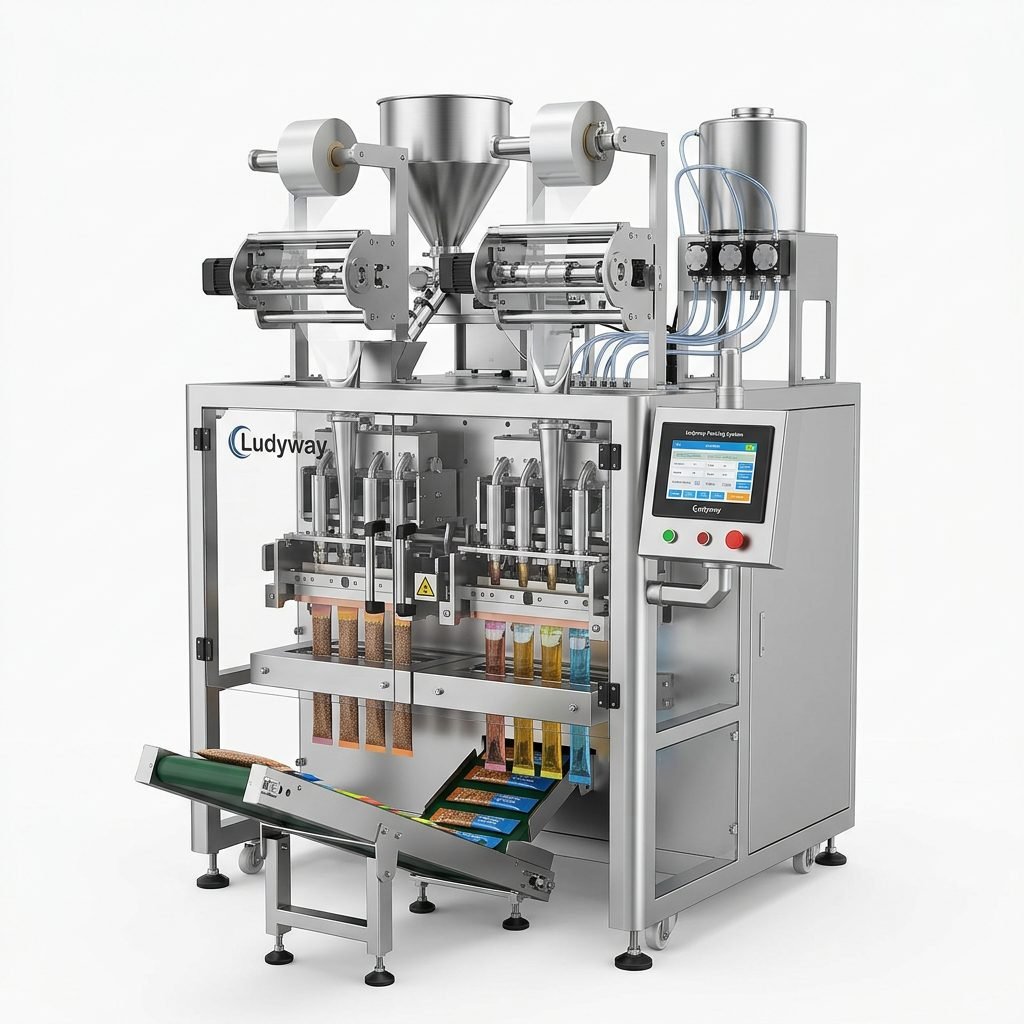
The top lidding film is then laid over the filled bottom web. The two films pass through a heated sealing station (often a heated die or roller) where they are bonded together under controlled temperature and pressure, creating a hermetic seal around each dose. Immediately after or during sealing, crucial information is printed onto each packet. This includes:
• Medication name and strength
• Lot number and expiration date
• Patient-specific details (for hospital pharmacy systems)
• Barcodes for inventory tracking and administration safety checks.
5. Cutting and Separation
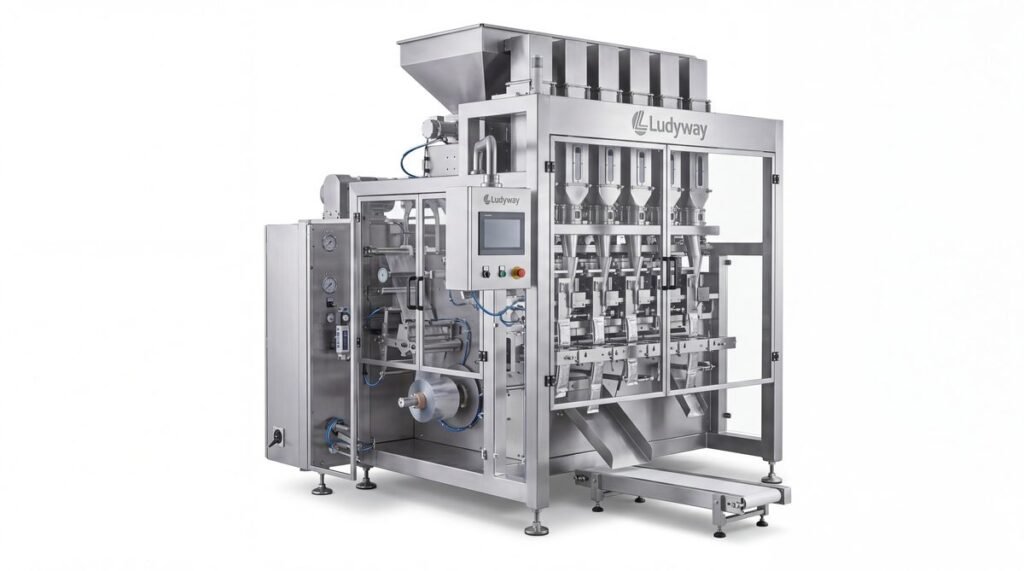
The continuous sealed web then moves to a cutting unit. Here, a die cutter or cross-cut perforator separates the web into individual unit dose packets or strips of connected doses. The finished products are then discharged onto a conveyor or collected in a bin, ready for secondary packaging or distribution.
Key Benefits of Implementing Unit Dose Packaging
Transitioning to automated unit dose packaging delivers transformative advantages across clinical, operational, and commercial domains.
Enhanced Patient Safety and Medication Adherence
This is the most significant benefit. Each sealed packet clearly displays the drug name, dosage, and expiry date, drastically reducing medication errors during dispensing and administration. For patients, especially the elderly or those on complex regimens, individual packets simplify adherence by clearly organizing doses by time (e.g., “Morning,” “Evening”).
Improved Product Integrity and Stability
The hermetic seal created by the packaging machine protects each dose from moisture, light, oxygen, and contamination. This extends shelf life, maintains potency, and is particularly vital for hygroscopic or light-sensitive drugs. It also prevents tampering, ensuring the product reaches the patient in its original, safe condition.
Operational Efficiency and Cost Savings
Automation speeds up the packaging process exponentially compared to manual counting and bottling. It reduces labor costs, minimizes product waste from overfills or spills, and optimizes material usage. Furthermore, integrated tracking via barcodes streamlines inventory management, recall processes, and supply chain logistics, leading to significant long-term operational savings.
Regulatory Compliance and Traceability
Pharmaceutical regulations like the U.S. FDA’s Drug Supply Chain Security Act (DSCSA) mandate stringent traceability. Unit dose packaging machines facilitate compliance by allowing accurate printing of unique identifiers, lot numbers, and barcodes on every single dose. This creates a complete, auditable trail from manufacturing to patient administration.
Essential Buying Guide: Choosing the Right Machine
Selecting a unit dose packaging machine is a major capital investment. Here are the critical factors to consider to ensure you choose equipment that aligns perfectly with your current and future needs.
1. Assess Your Product and Material Requirements
• Product Type & Form: Specify whether you are packaging tablets, capsules, soft gels, powders, or liquids. The machine’s feeding and forming system must be compatible.
• Packaging Material: Determine the required film structure (e.g., ALU/ALU, PVC/ALU, paper/PE). Ensure the machine’s sealing system (temperature range, sealing pressure) is designed for your chosen materials to guarantee a perfect seal.
• Output Speed (Doses per Minute): Calculate your required production volume. Speeds can range from 100 to over 1000 doses per minute. Balance speed needs with budget and available floor space.
2. Evaluate Machine Features and Technology
• Automation & Control System: Look for a user-friendly PLC-based HMI (Human-Machine Interface) with recipe storage for quick changeovers between different products. Servo-driven systems offer higher precision and flexibility than mechanical systems.
• Vision Inspection Systems: This is a critical add-on. It should perform 100% inspection for missing, broken, or incorrect products before sealing, ensuring zero-defect output.
• Printing and Coding Integration: Verify the compatibility and quality of the integrated printer (thermal transfer, inkjet) for clear, smudge-proof text and barcodes.
• Changeover Time & Flexibility: How quickly can you switch between different product sizes? Machines with quick-change forming dies and tooling reduce downtime and are ideal for contract packagers or facilities with diverse product lines.
3. Consider Supplier Credentials and Support
The machine is only as good as the company behind it. Partner with a supplier known for quality and reliability.
• Industry Experience: Choose a manufacturer with a proven track record in pharmaceutical packaging machinery. Their expertise in GMP (Good Manufacturing Practice) design and validation support is invaluable.
• Service and Parts Availability: Ensure they offer comprehensive after-sales service, training, and readily available spare parts. Global support is crucial for multinational operations.
• Validation Documentation: The supplier should provide essential documentation (FAT, SAT, IQ/OQ protocols) to assist in your regulatory validation process.
4. Analyze Total Cost of Ownership (TCO)
Look beyond the initial purchase price. Consider long-term costs including:
• Energy consumption
• Required maintenance and part replacement costs
• Compatibility with affordable, readily available packaging films
• Potential costs of future upgrades or integration with other packaging line equipment like cartoners.
Partnering with a Trusted Technology Provider
For over a decade, Ludyway Machinery has been at the forefront of providing advanced and reliable packaging solutions to the global pharmaceutical industry. With deep-rooted expertise and a commitment to innovation, we understand the critical need for precision, compliance, and efficiency in medication packaging.
Our range of intelligent packaging systems is engineered to meet the rigorous demands of unit dose applications. We focus on delivering robust machines that incorporate high-precision servo technology, integrated vision inspection, and user-friendly controls to ensure seamless operation and maximum output quality. From standalone machines to complete turnkey production line solutions, our team works closely with clients to design, implement, and support systems that enhance safety, streamline operations, and protect product integrity.
Frequently Asked Questions (FAQs)
Q1: What types of medications are best suited for unit dose packaging?
Unit dose packaging is ideal for solid oral dosages like tablets and capsules, especially for medications where precise dosing is critical (e.g., anticoagulants, opioids). It is also highly effective for powders (antibiotics, nutritional supplements) and liquids in single-dose sachets. It is widely used in hospitals for in-patient medications and in retail for compliance packs.
Q2: How does unit dose packaging improve hospital pharmacy operations?
In hospitals, it centralizes and automates the dispensing process, reducing pharmacist and nurse time spent on manual counting. Barcoded doses enable bedside scanning, ensuring the “Five Rights” of medication administration (right patient, drug, dose, route, time). It also minimizes drug waste from multi-dose containers and improves charge capture accuracy.
Q3: What is the typical lead time for acquiring and installing a new machine?
Lead times vary based on machine complexity and customization. For standard models from a reputable supplier with stock, it could be 8-12 weeks. For highly customized systems, it may take 4-6 months from order to factory acceptance test (FAT), followed by site installation and validation.
Q4: Can one machine handle different sizes and shapes of tablets?
Yes, most modern machines are designed for changeover. However, the ease and speed depend on the machine’s design. Machines with quick-change forming dies and adjustable feeding systems allow for faster switching between product formats, which is essential for facilities with multiple SKUs.
Q5: What are the key maintenance requirements for these machines?
Regular preventive maintenance is crucial. Daily tasks include cleaning dust and debris, especially from sealing jaws and optical sensors. Weekly or monthly tasks involve lubricating moving parts (as per manual), checking pneumatic filters, and calibrating sensors. An annual comprehensive inspection by a qualified technician is recommended to ensure long-term reliability and performance.