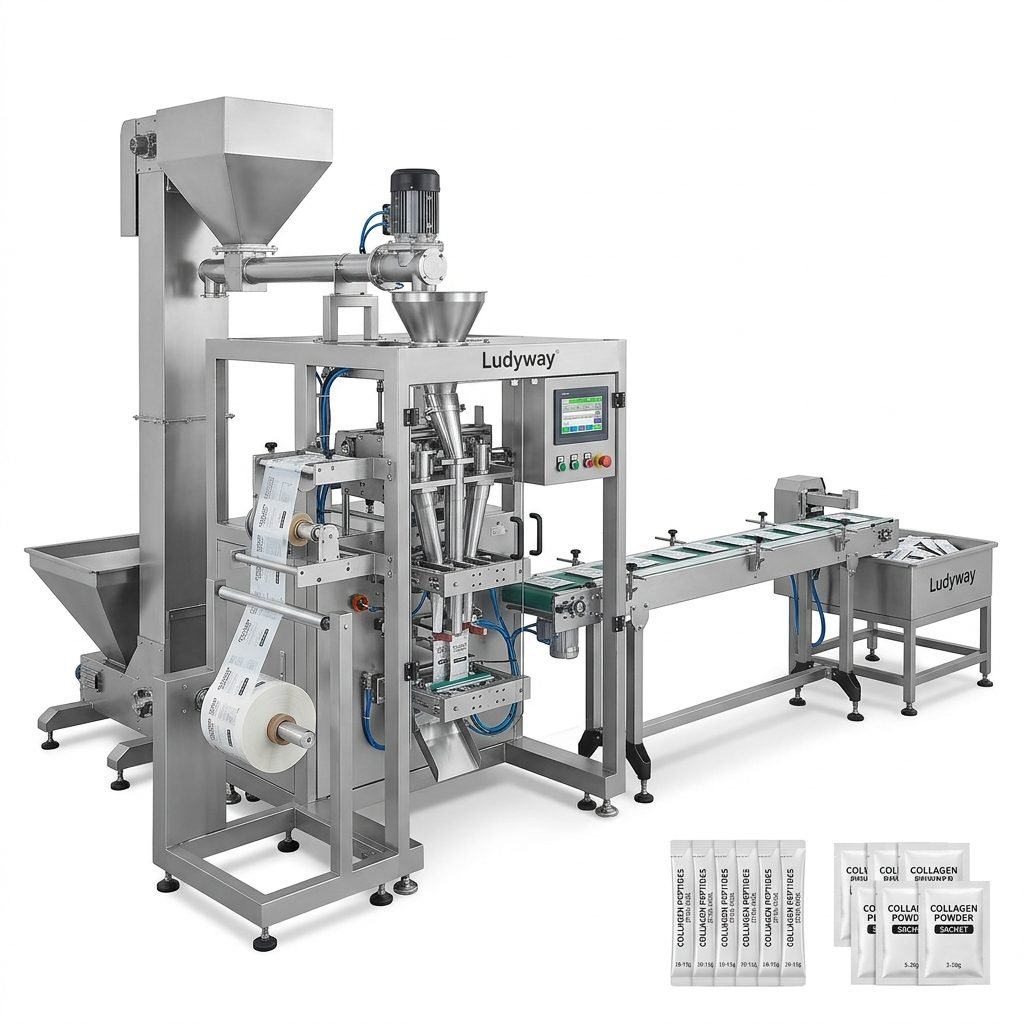
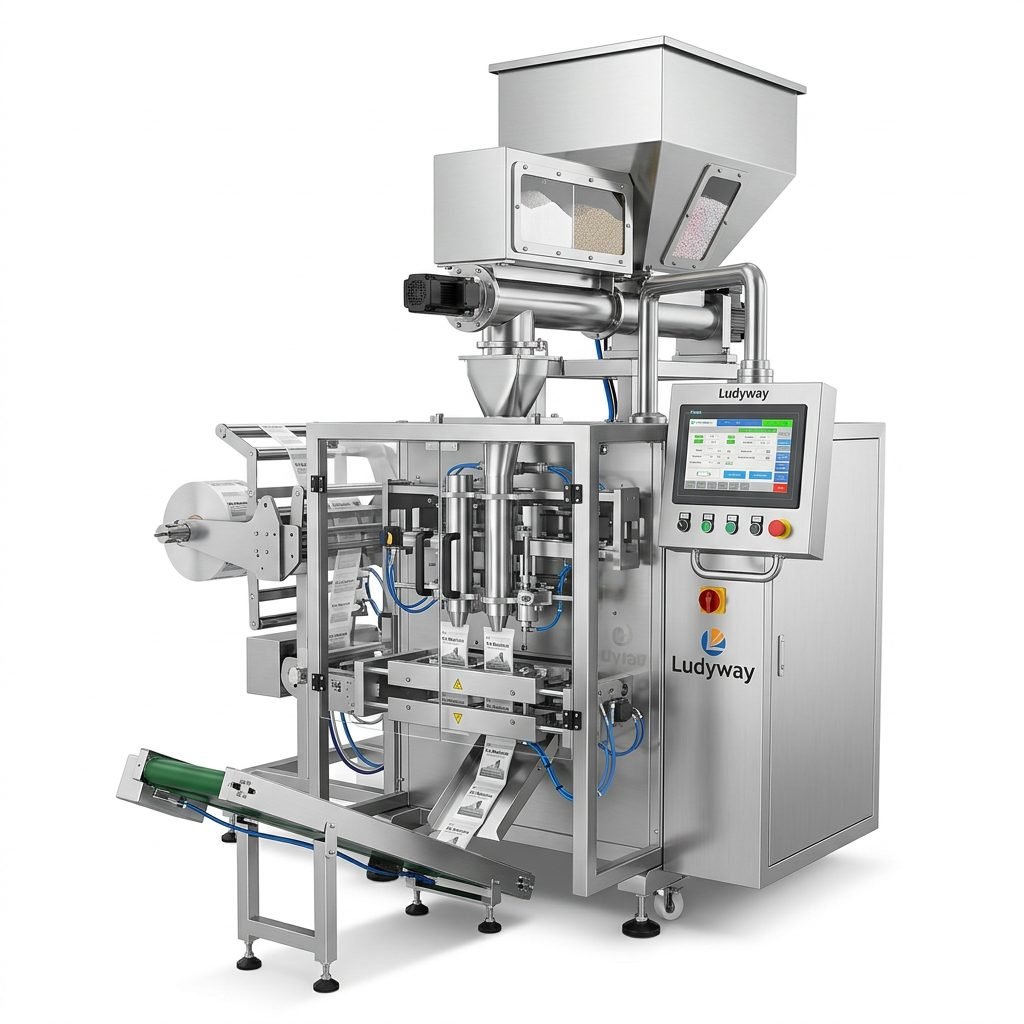
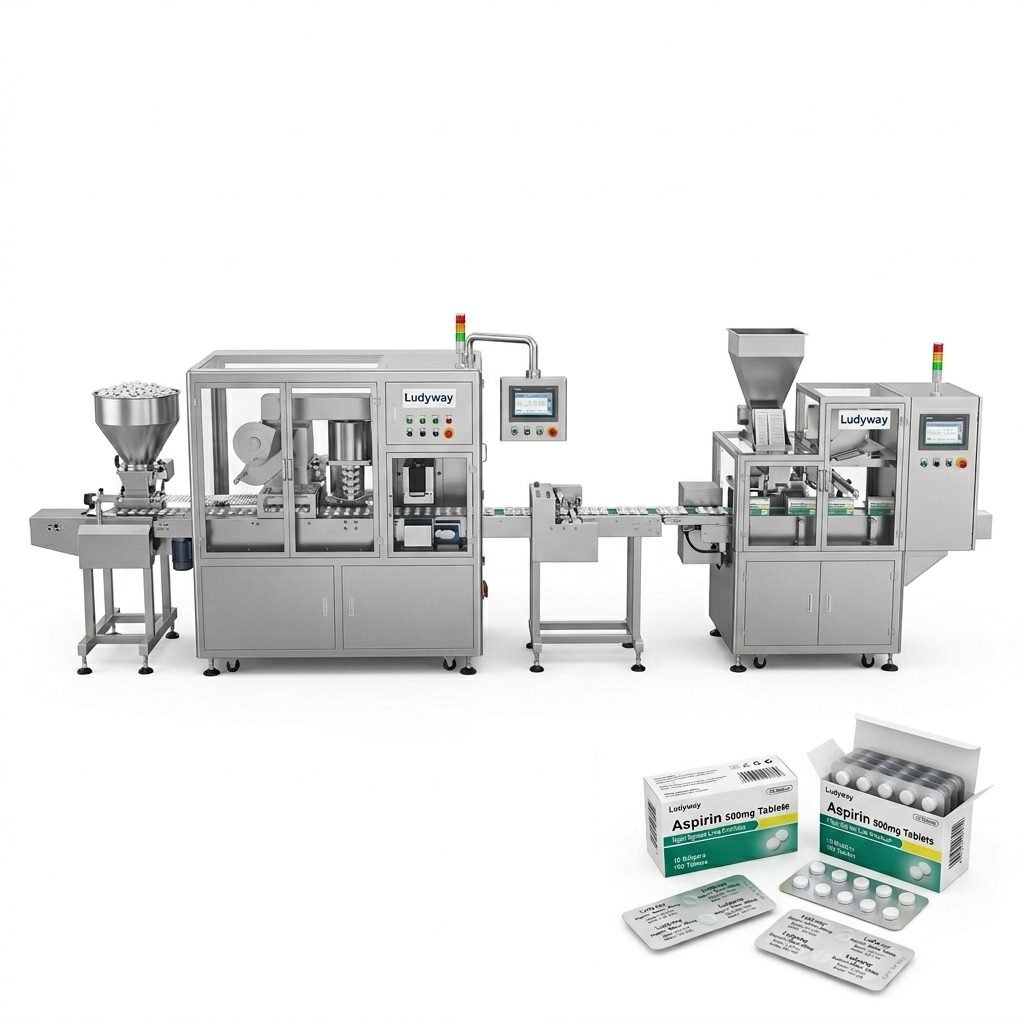
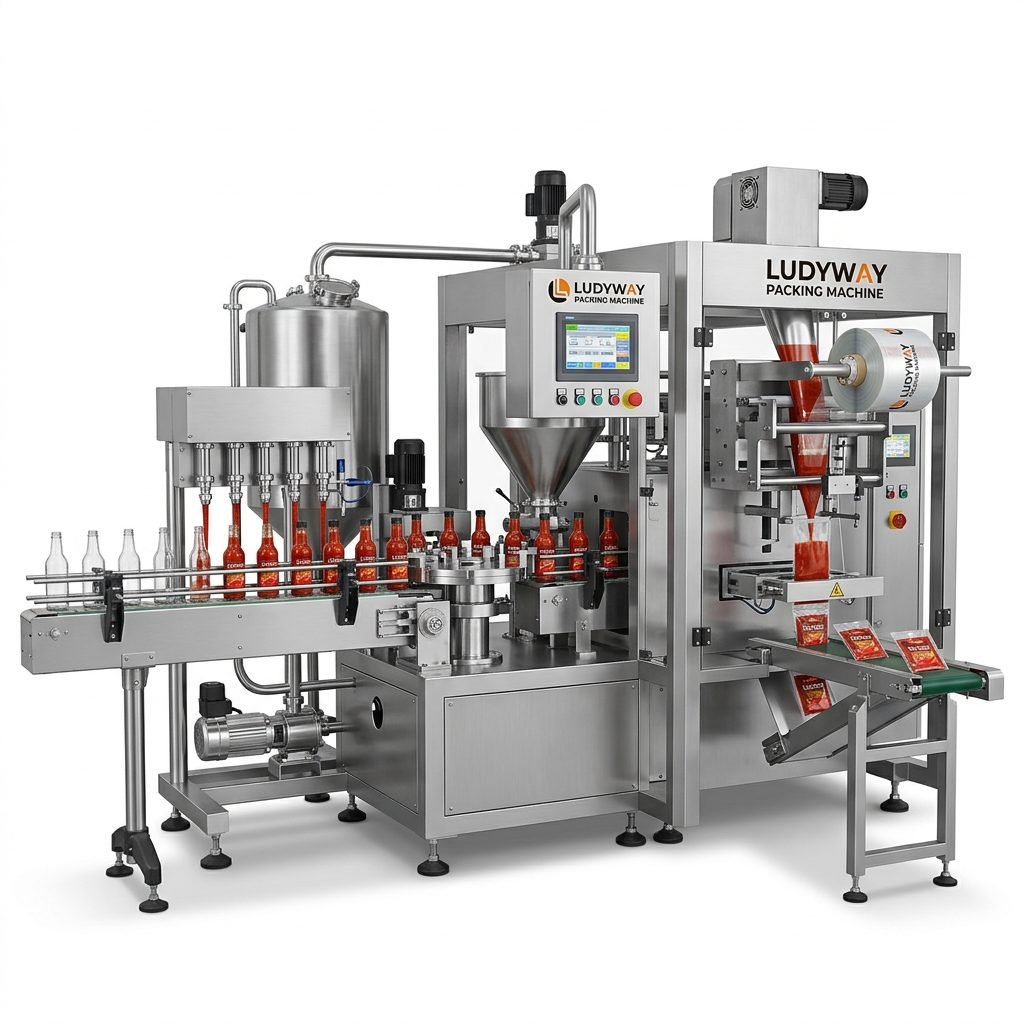
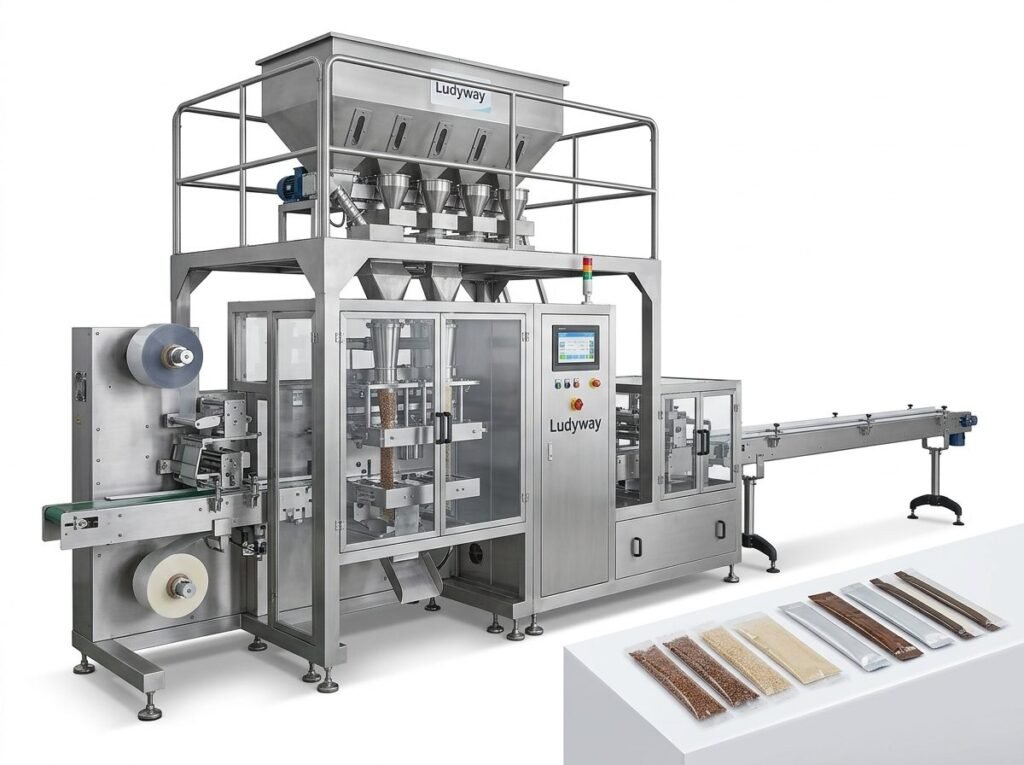
Managing daily medications can be a complex task, especially for individuals with multiple prescriptions or those caring for family members. A personal pill packaging machine offers a streamlined solution, transforming the way medications are organized, dispensed, and tracked. This guide explores how to choose the right machine, utilize it effectively, and unlock its full benefits for improved health management.
Understanding Personal Pill Packaging Machines
These are compact, automated devices designed for home or small clinic use. They typically package individual doses of pills into sealed pouches or blister packs, clearly labeled with details like medication name, dosage, and the intended time for consumption. This replaces manual sorting into weekly pill organizers or simple containers.
Key Functions and Output
The core function is automated, accurate dose packaging. Machines can often handle different pill shapes and sizes, creating single-dose packs. Advanced models may include features like printing patient information, barcodes for tracking, and integration with medication management software.
How to Choose the Right Machine
Selecting a suitable machine depends on individual needs and circumstances.
1. Assess Your Medication Routine
Consider the number of medications, frequency of doses (once daily, multiple times), and whether you manage prescriptions for yourself or others. A simpler machine may suffice for a single daily regimen, while complex routines require models with multi-dose scheduling and labeling.
2. Key Selection Criteria
- Capacity & Speed: How many doses can it package per hour? Match this to your weekly prep time.
- Pill Compatibility: Ensure it can handle the size and type of your specific pills (tablets, capsules, large supplements).
- Labeling & Information: Clear printing of drug name, dose, date, and time is crucial for safety.
- Software & Connectivity: Some machines sync with apps for schedule management and reminders.
- Ease of Use & Maintenance: Look for intuitive interfaces and simple cleaning procedures.
- Safety Features: Error alerts for incorrect loading or packaging faults are important.
3. Budget and Space Considerations
Prices vary from basic models to advanced systems. Also, consider the physical space available in your home for the machine and its supplies (film rolls, labels).
For Caregivers & Families
When managing medications for multiple people, especially across generations, choose a machine with robust labeling and batch packaging capabilities. Features that prevent cross-contamination and allow for distinct, clear labeling for each person’s regimen are vital. In many cultures, family-based care is central, and a machine that supports clear, organized distribution can reduce anxiety and ensure adherence.
How to Use a Personal Pill Packaging Machine
Effective use involves setup, operation, and integration into your daily life.
Step-by-Step Setup and Operation
- Initial Setup: Install the machine in a clean, dry area. Load the packaging film and label stock according to the manual.
- Programming: Input the medication schedule. This often involves connecting to a companion app or using the machine’s interface to set drug names, doses, and times for each day of the week.
- Loading Pills: Fill the designated hoppers or chambers with the correct pills. Accuracy here is critical.
- Running the Cycle: Start the packaging cycle. The machine will automatically dispense, seal, and label each dose.
- Quality Check: After packaging, briefly inspect the packs for correct pills and clear labeling before storing or distributing them.
Integration into Daily Management
Use the packaged doses to fill a portable weekly container or distribute them directly. Set reminders based on the labeled times. If the machine has software, use it to review schedules and receive alerts for refills or missed doses.
Benefits for Daily Medication Management
The advantages extend beyond simple organization.
Enhanced Safety and Accuracy
Reduces human error in dose selection and timing. Each pack is a verified single dose, minimizing the risk of taking incorrect pills or double doses. Clear labeling prevents confusion, especially when multiple medications look similar.
Improved Adherence and Convenience
Pre-packaged doses make it easier to take medications correctly, whether at home or while traveling. It simplifies complex regimens, increasing the likelihood of adherence. For busy individuals, it saves the daily time spent sorting pills.
Support for Caregivers and Families
It provides a clear, reliable system for managing medications for children, elderly parents, or multiple family members. It can reduce the stress and responsibility burden on the primary caregiver by automating a critical task.
Better Tracking and Record-Keeping
Labeled packs with dates serve as a physical record. Software-integrated machines can generate digital logs, useful for discussions with healthcare providers and monitoring long-term adherence patterns.
Cultural Considerations in Medication Management
In many societies, respect for routine and organization in health matters is deeply valued. A tool that brings order and visible control to medication can align well with cultural preferences for methodical self-care and family responsibility. It can also support intergenerational care practices by providing a tangible, trustworthy system.
Common Questions (FAQs)
1. Can the machine handle all types of pills, including large supplements or odd shapes?
Most machines are designed for standard tablet and capsule sizes. It’s essential to check the specific machine’s compatibility list. Some models have adjustable chambers or different hopper options for larger or non-standard pills.
2. How time-consuming is the weekly packaging process?
For a typical personal regimen, the automated packaging process itself is fast (often minutes). The main time investment is the initial setup and loading of pills for the week. This weekly batch processing is generally much quicker than daily manual sorting.
3. Is it safe for use by elderly individuals?
Yes, with proper setup by a caregiver or family member. The machine automates the complex part. The elderly user then only needs to take the clearly labeled, pre-packaged dose, which is often safer than managing multiple loose bottles. The interface should be evaluated for ease of use if the elder will operate it independently.
4. What about cost? Is it worth the investment?
The value depends on the individual situation. For those with complex, multi-drug regimens, or caregivers managing medications for others, the benefits in safety, adherence, time savings, and reduced stress can justify the investment. It’s a tool for improving health outcomes and quality of life.
5. How do I get started and learn to use one?
Start by researching models that fit your needs. Review user manuals and video tutorials provided by manufacturers. Many suppliers offer customer support for setup. Consider connecting with online communities or forums where users share tips and experiences.
For those interested in the technology behind such automation, you can learn more about packaging machinery innovation. Understanding turnkey production solutions can provide context for how these personal devices scale into industrial applications. The journey of companies specializing in this field, like the evolution of packaging equipment brands, highlights the continuous improvement driving these helpful tools into homes.