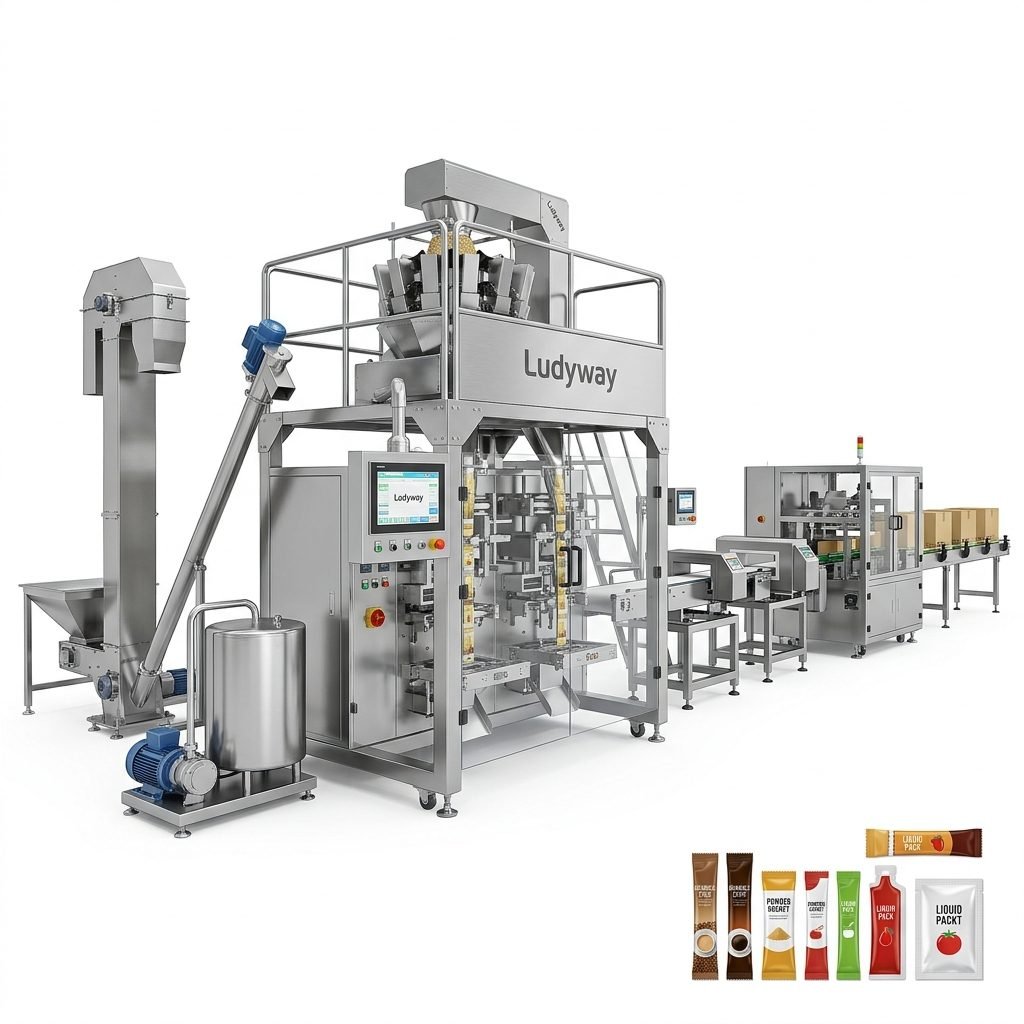
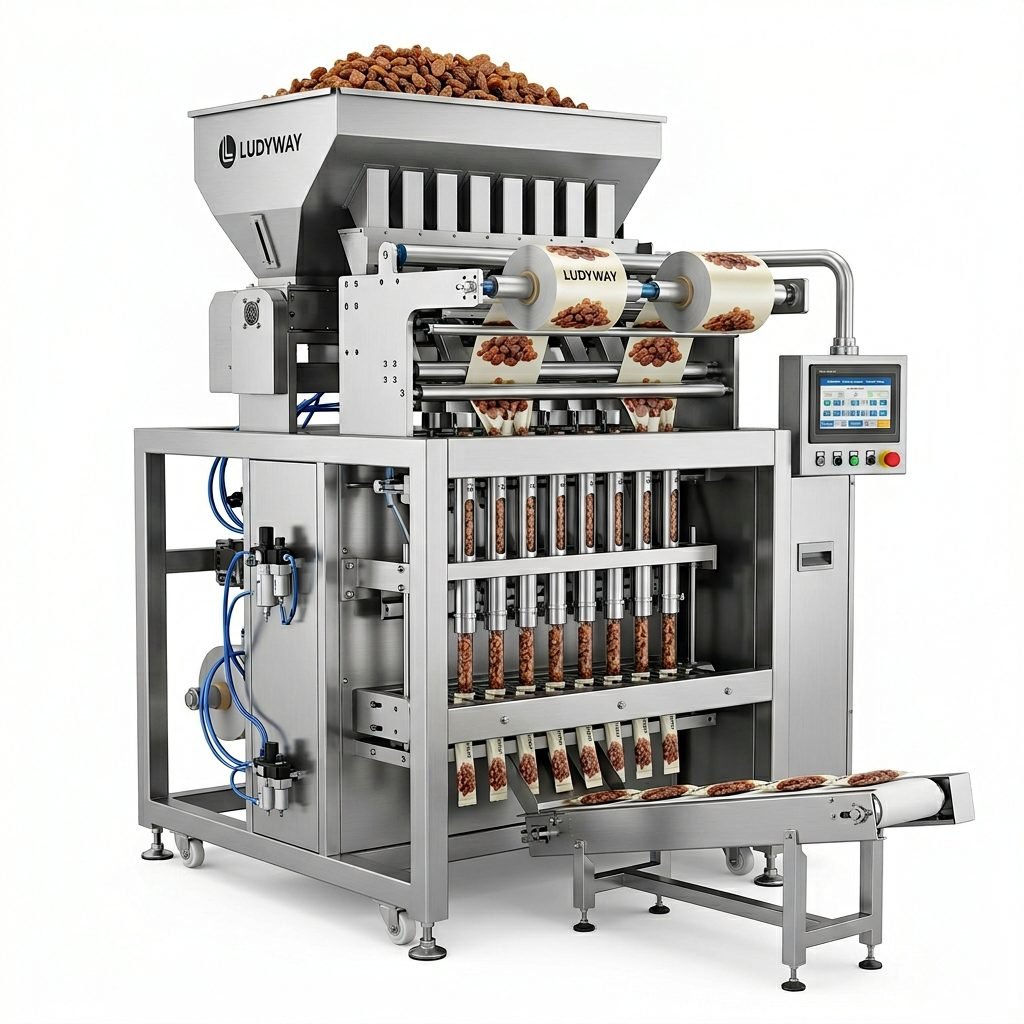
Selecting the right packaging machine for pet treats is a critical decision that impacts production efficiency, product shelf life, and brand presentation. This comprehensive guide explores the various types of packaging machines available, their key features, and provides a step-by-step framework to help you choose the optimal solution for your specific needs.
Understanding the Different Types of Pet Treats Packaging Machines
The pet treats market is diverse, encompassing dry biscuits, semi-moist chews, freeze-dried meats, and soft training bites. Each product type has unique packaging requirements, which are met by specialized machinery.
Vertical Form-Fill-Seal (VFFS) Machines
These are the most common and versatile machines for packaging free-flowing products. A roll of flat packaging film is formed into a tube, filled with the product, and then sealed vertically and horizontally to create individual bags. They are ideal for loose, dry treats like kibble or small biscuits. Modern VFFS machines offer high-speed operation and can integrate multi-head weighers for precise filling.
Horizontal Form-Fill-Seal (HFFS) Machines
In an HFFS system, the film is fed horizontally. These machines are excellent for packaging individual or stacked treats, such as large chews or jerky strips. They often use pre-printed roll stock and can create more complex, retail-ready packages with excellent graphical presentation. The process is gentler, making it suitable for more fragile treats.
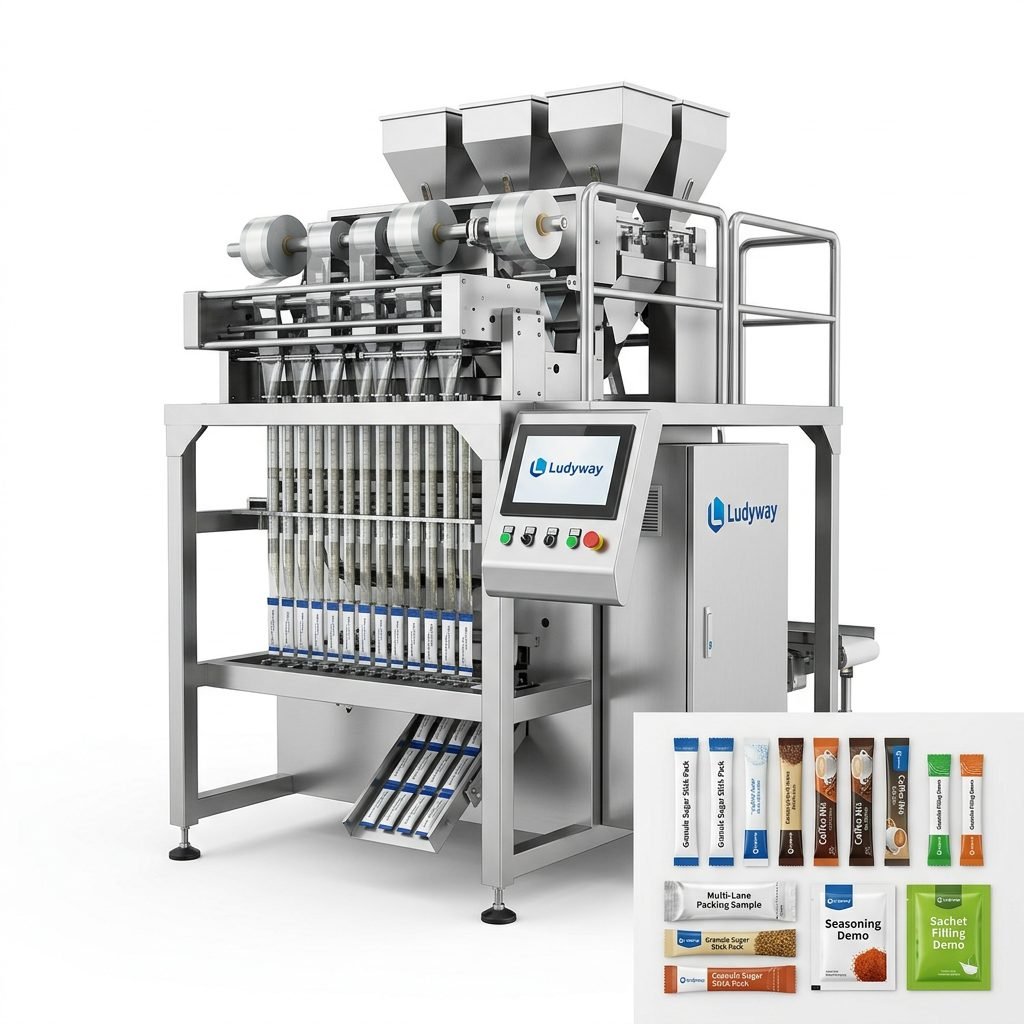
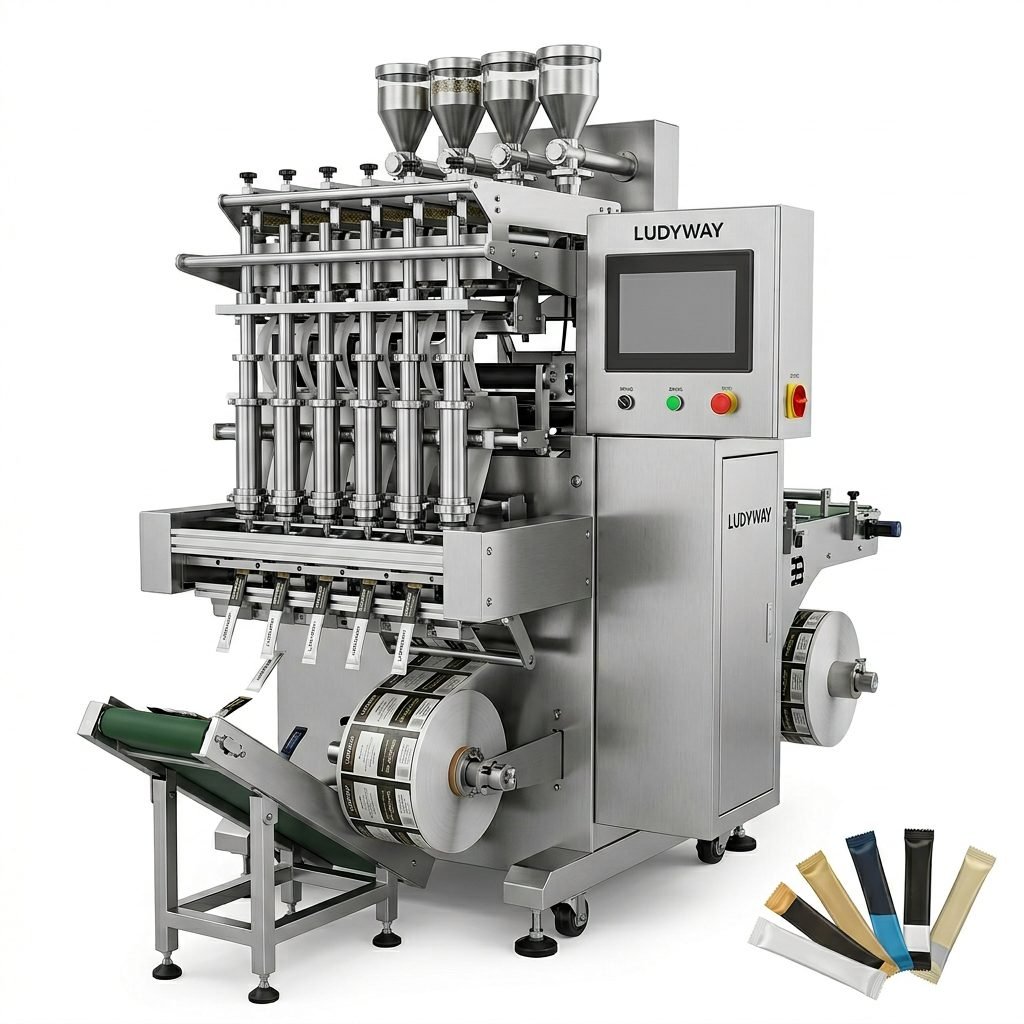
Stick Pack and Sachet Packaging Machines
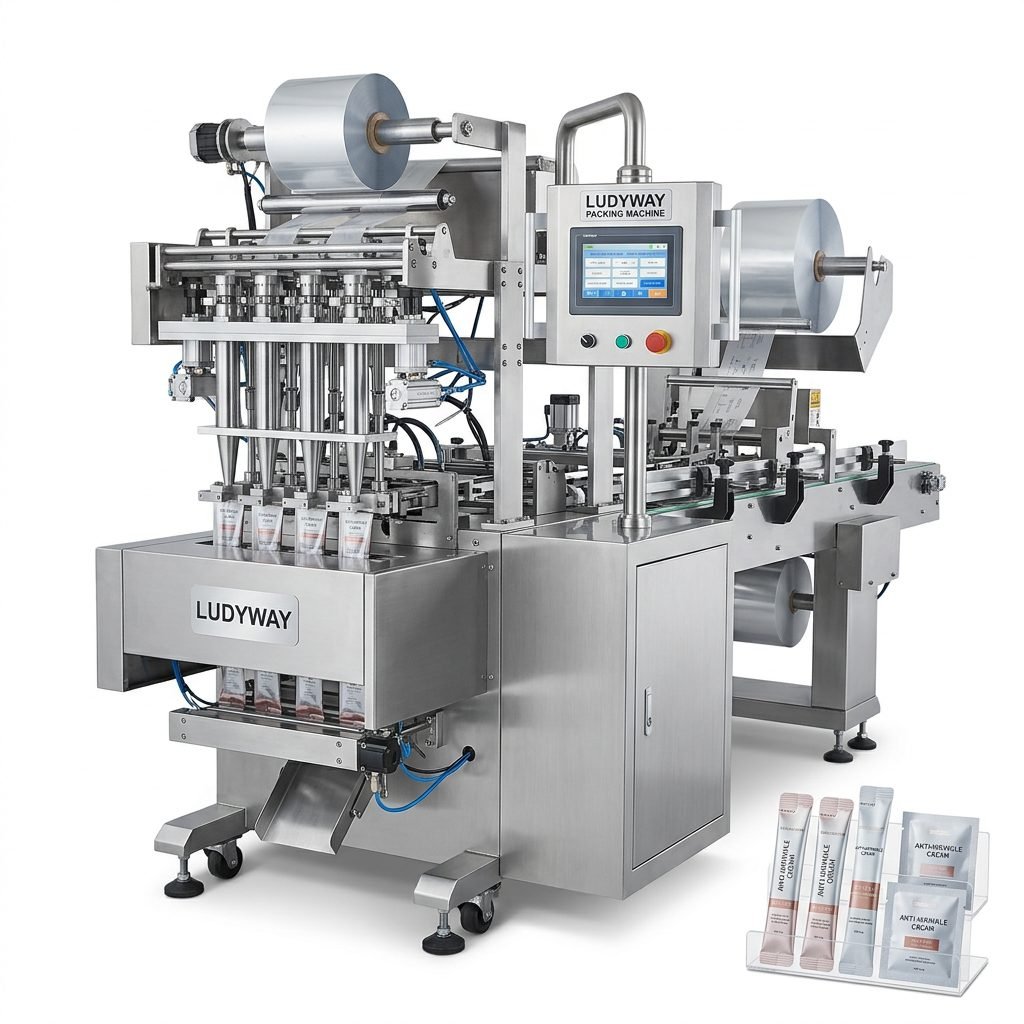
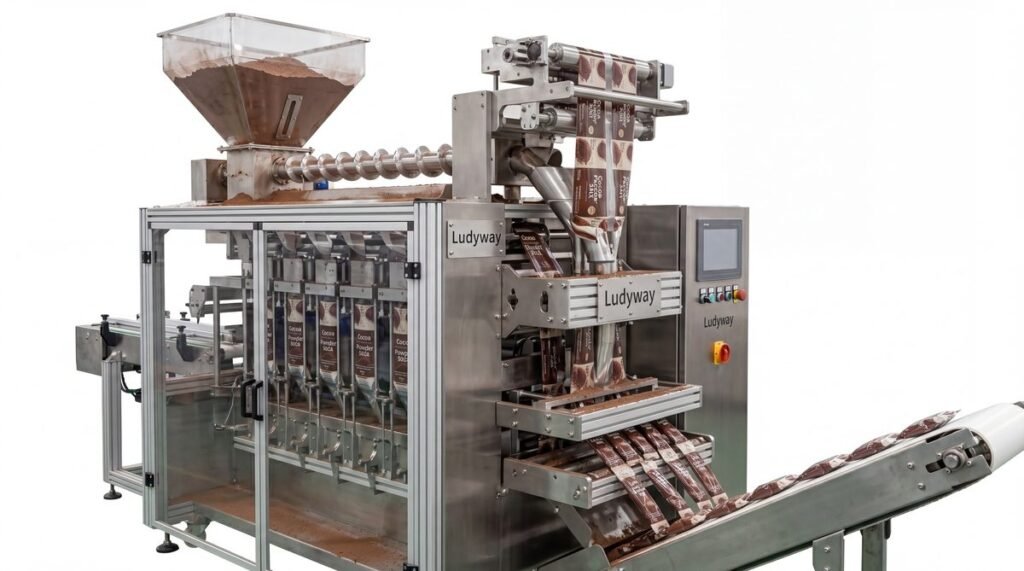
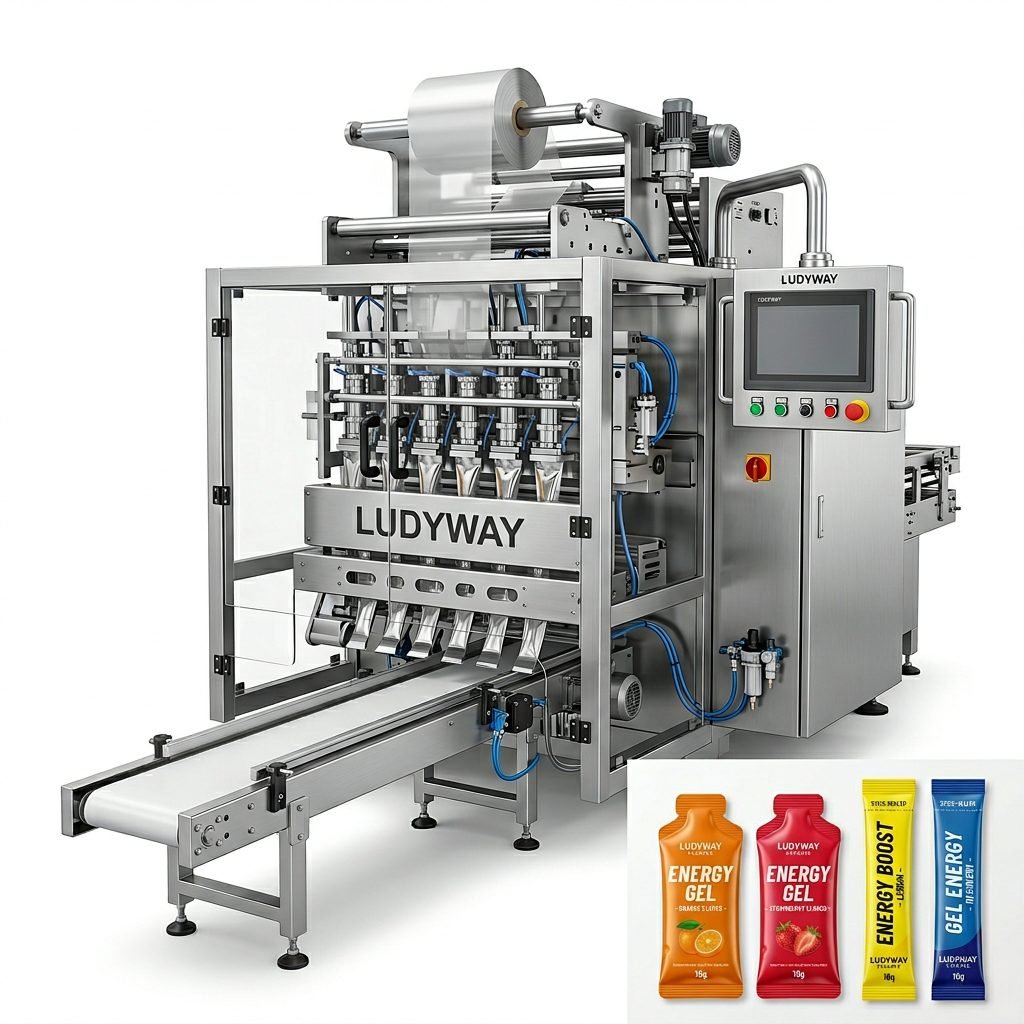
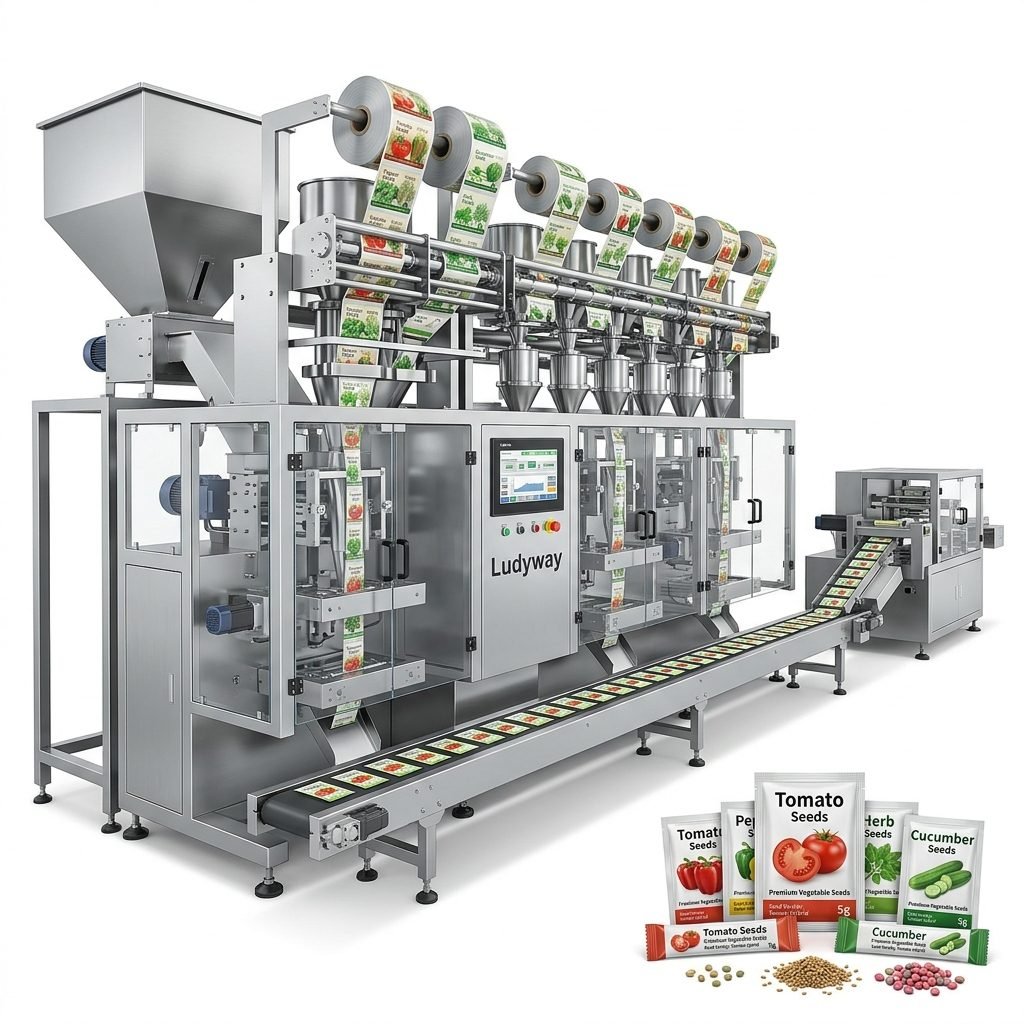
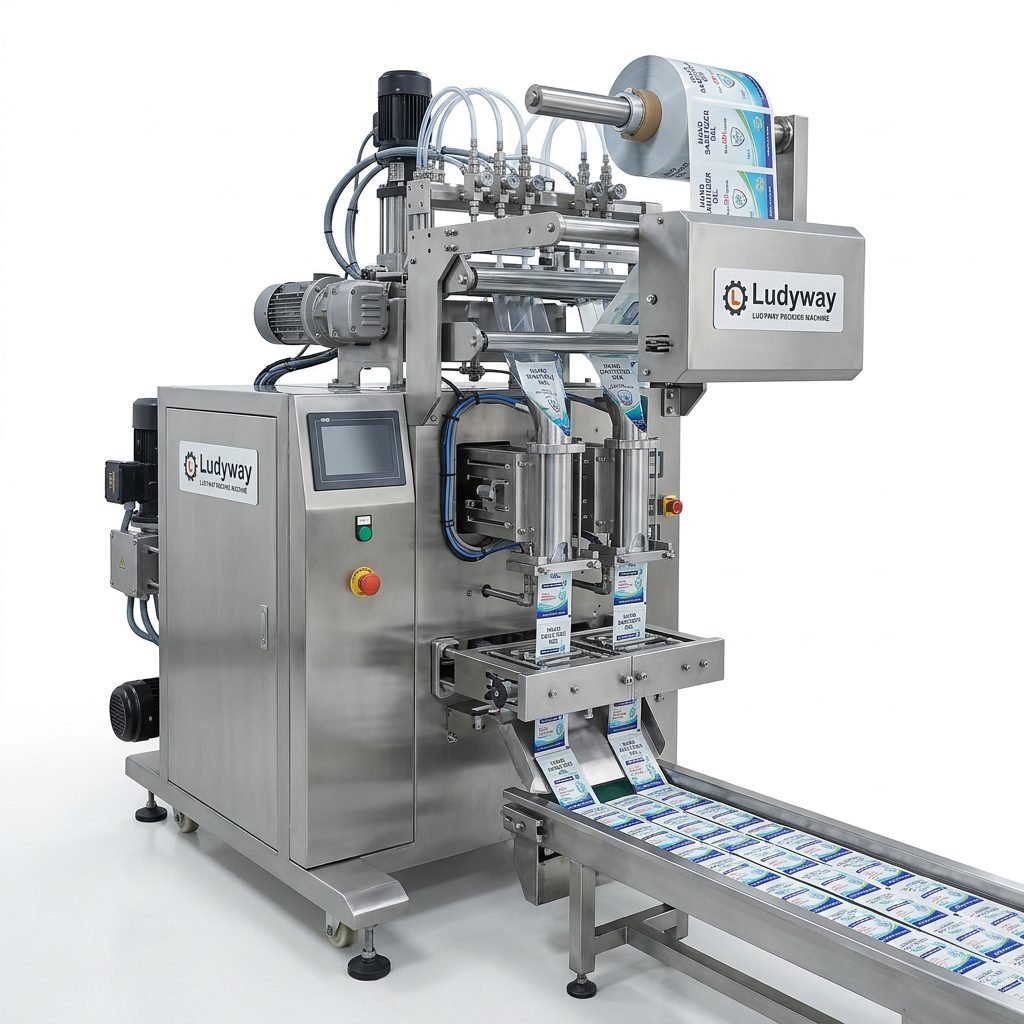
For single-serve portions, powder supplements, or liquid toppers, stick pack and sachet machines are perfect. They create long, narrow packs or small rectangular pouches. This format is gaining popularity for sample packs, meal toppers, and functional powder additives. Multi-lane systems can produce dozens of packs per minute, offering high efficiency for small-portion packaging.
Cartoning and Tray Sealing Machines
For premium treats or multi-piece boxes, secondary packaging is essential. Cartoners automatically erect, load, and seal cartons. Tray sealers place treats in a pre-formed tray and apply a lidding film. This method provides superior product protection, a high-end look, and excellent visibility for the product inside, which is crucial for shelf appeal.
Essential Features to Evaluate in a Packaging Machine
Beyond the machine type, several core features determine performance, reliability, and long-term value.
1. Speed and Production Capacity
Measured in bags or packs per minute (BPM/PPM), this must align with your current and projected output. A common mistake is under-specifying, leading to bottlenecks as demand grows. Consider machines with adjustable speed settings to handle different product lines.
2. Precision and Consistency of Filling
Accurate filling minimizes product give-away and ensures compliance with net weight regulations. Look for machines equipped with advanced weighing systems (like multi-head weighers), volumetric cup fillers, or auger fillers with servo-drive technology for powders. Consistency in seal integrity is equally critical for product freshness.
3. Material and Film Compatibility
Your choice of barrier films (e.g., metallized, clear high-barrier) to maintain freshness depends on the machine’s sealing capabilities. Ensure the machine can reliably handle the specific laminate structures you plan to use, whether for high-speed VFFS operations or delicate HFFS applications.
4. Automation and Integration Level
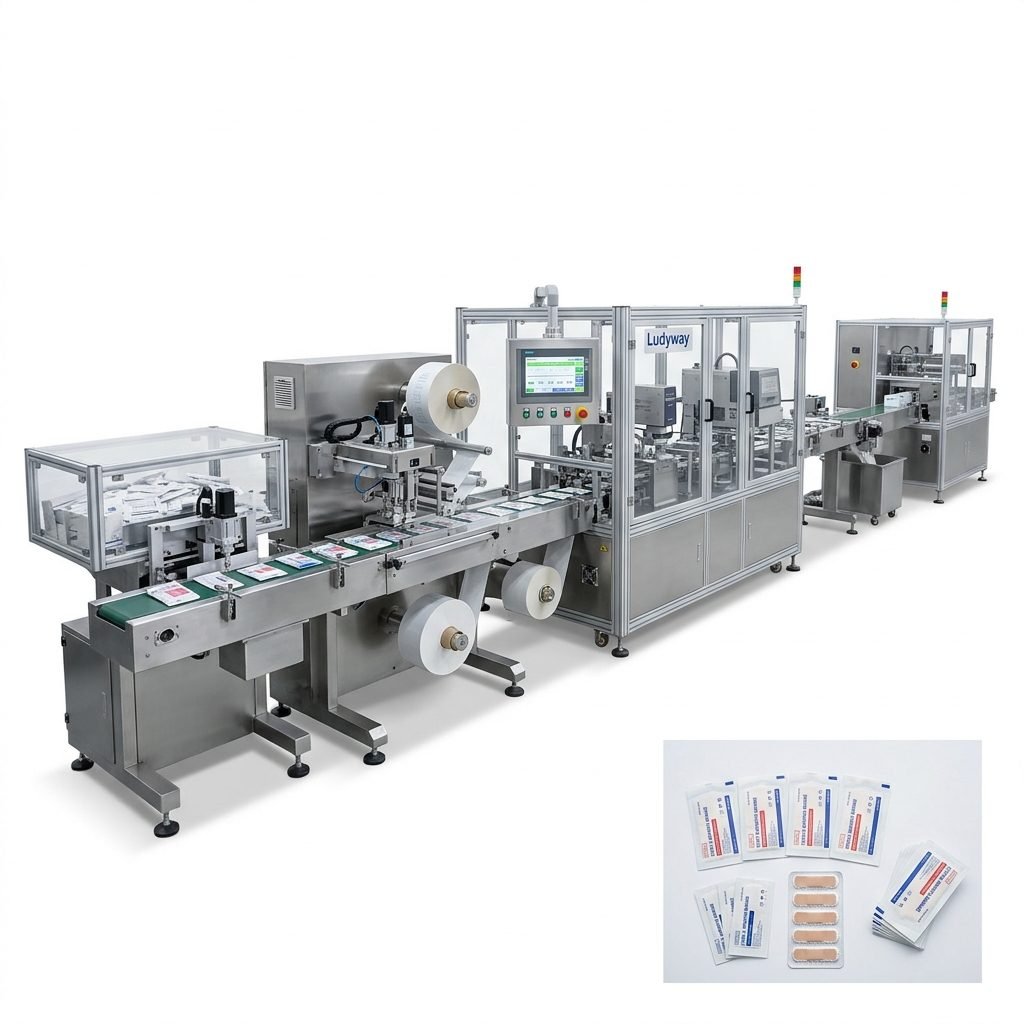
Modern lines often integrate upstream (e.g., conveyors from ovens) and downstream (e.g., checkweighers, labelers, case packers) equipment. A machine with a Programmable Logic Controller (PLC) and Human-Machine Interface (HMI) allows for easier integration, recipe storage, and production data tracking.
5. Hygiene and Sanitation Design
Food-grade construction with easy-clean surfaces (stainless steel, rounded corners) is non-negotiable. Machines designed for quick tooling changeovers and minimal downtime for cleaning significantly improve operational efficiency and food safety compliance.
A Step-by-Step Guide to Choosing the Best Solution
Follow this structured process to make an informed investment decision that aligns with your business goals.
Step 1: Define Your Product and Packaging Specifications
Start with clarity. What is the exact size, shape, and fragility of your treat? What is your target package size and style (pillow bag, stand-up pouch, flat sachet)? Determine the required barrier properties (oxygen, moisture) and the packaging material. This is the foundation for all subsequent choices.
Step 2: Analyze Your Production Volume and Growth Plan
Calculate your required output in packs per shift, day, and week. Be realistic about near-term growth. Investing in a slightly more capable machine than you currently need is often wiser than facing a costly upgrade in two years. Consider scalability and flexibility for future product variations.
Step 3: Evaluate Machine Suppliers Thoroughly
Look beyond the brochure. Assess the supplier’s industry experience, reputation, and technical support network. Review their company profile and history to understand their expertise. A supplier with deep experience, like Ludyway Machinery, which has over 30 years in the industry, can offer more reliable and innovative solutions. Request references and, if possible, visit a site where their equipment is running.
Step 4: Request a Product Test and Quotation
Never buy based on paper specs alone. Send your actual product and packaging materials to the supplier for a live performance test. This demonstrates speed, accuracy, and seal quality. Analyze the detailed quotation, comparing not just price but also warranty terms, spare parts cost, and training offerings.
Step 5: Plan for Installation, Training, and Support
The best machine can underperform without proper setup and operator knowledge. Ensure the supplier provides comprehensive on-site installation, thorough training for your maintenance and production teams, and clear documentation. Confirm the availability and response time for technical support and spare parts. A partner committed to long-term cooperation and innovation is invaluable.
Common Questions (FAQs)
What is the typical price range for a pet treat packaging machine?
Prices vary widely based on type, speed, and automation. A basic single-lane VFFS machine may start in the tens of thousands of dollars, while a fully integrated, high-speed multi-lane line with advanced weighing and robotics can cost several hundred thousand dollars. The key is to view it as a long-term investment in efficiency and quality.
How do I maintain my packaging machine to ensure longevity?
Follow the manufacturer’s preventive maintenance schedule strictly. This includes daily cleaning, regular lubrication of moving parts, inspection and replacement of wear items like sealing jaws and film pull belts, and keeping electrical components free of dust and debris. Proper maintenance is the most effective way to maximize uptime and extend machine life.
Can one machine handle different sizes and shapes of treats?
Many machines are designed with quick-change capabilities. By switching out forming tubes, filling heads, and sealing jaws, you can often run different package sizes on the same base machine. However, significant shape differences (e.g., from powder to large chews) typically require different machine types or major reconfiguration.
What are the key trends in pet treat packaging machinery?
Major trends include increased integration of Industry 4.0 features for data collection and predictive maintenance, the use of more sustainable and recyclable mono-material films requiring advanced sealing technology, and greater demand for flexible, compact machines that allow for smaller batch production and rapid product line changeovers.
Why is supplier experience so important in this field?
An experienced supplier brings invaluable practical knowledge. They have likely encountered and solved the specific challenges you face—whether it’s dealing with oily treats that affect sealing, fragile shapes that require gentle handling, or achieving high-speed accuracy. Their engineering capabilities and industry experience translate into more reliable machine recommendations, better customization, and superior troubleshooting support, reducing your project risk.