Plastic film packaging machines are essential equipment in modern manufacturing, enabling efficient, hygienic, and cost-effective packaging for a vast range of products. From food and pharmaceuticals to consumer goods, these machines automate the process of forming, filling, and sealing packages using flexible materials like polyethylene, polypropylene, and laminates. This guide explores the different types of machines, how they work, their key features, and what to consider when purchasing one for your production line.
Main Types of Plastic Film Packaging Machines
The market offers several types of machines, each designed for specific packaging formats and production speeds.
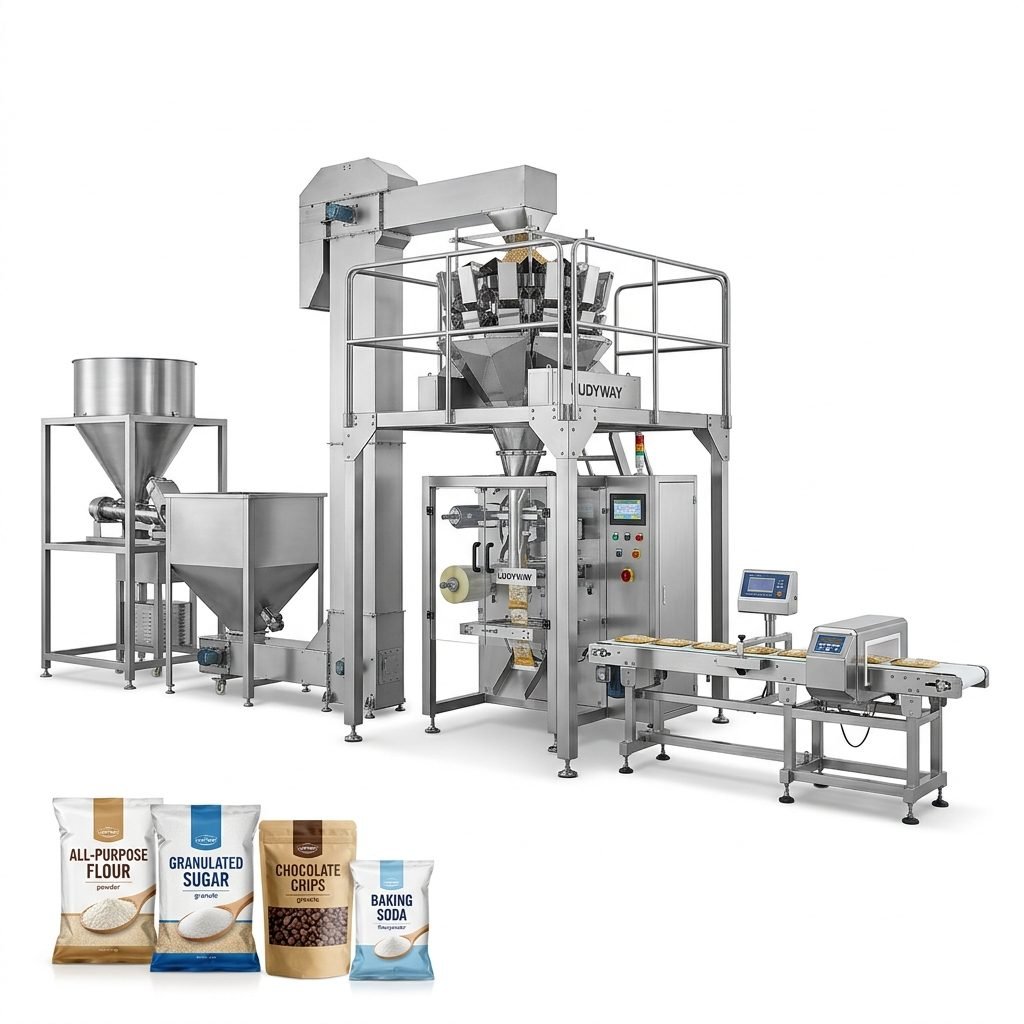
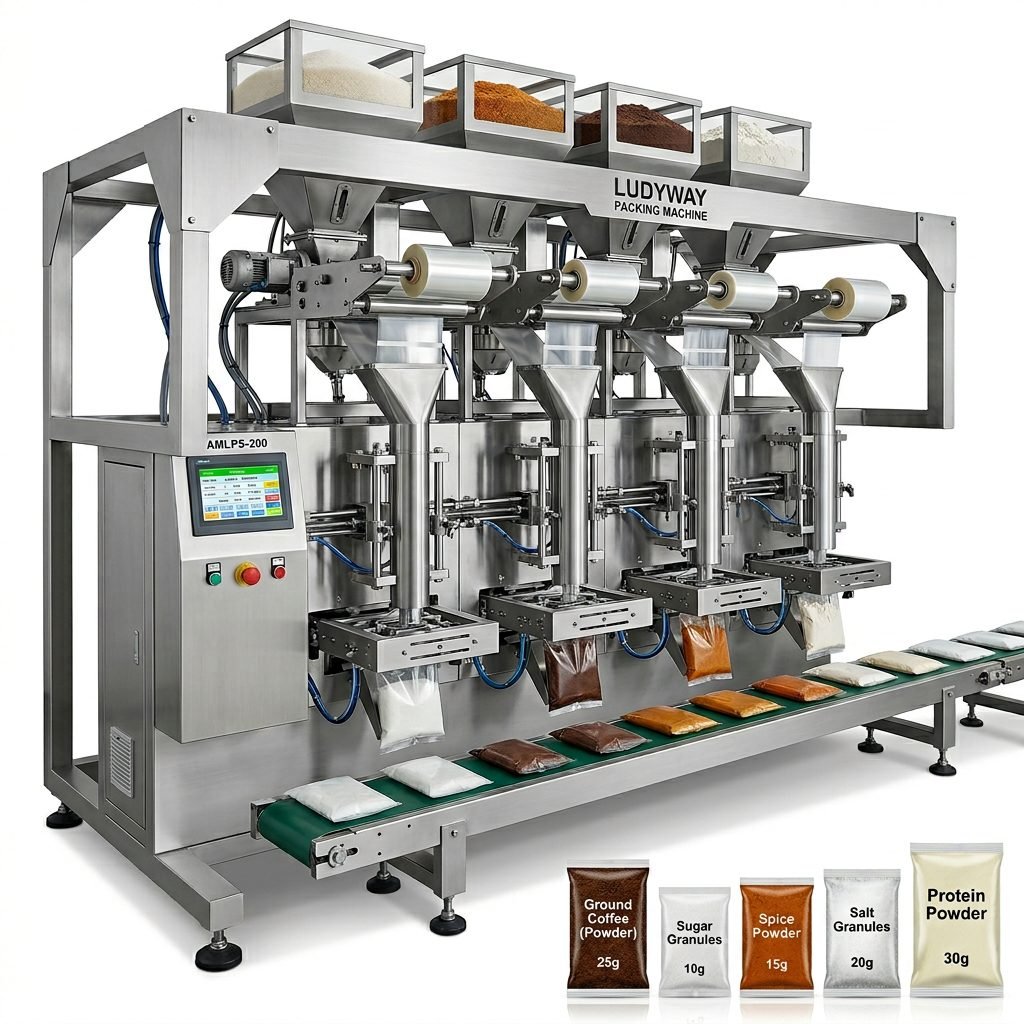
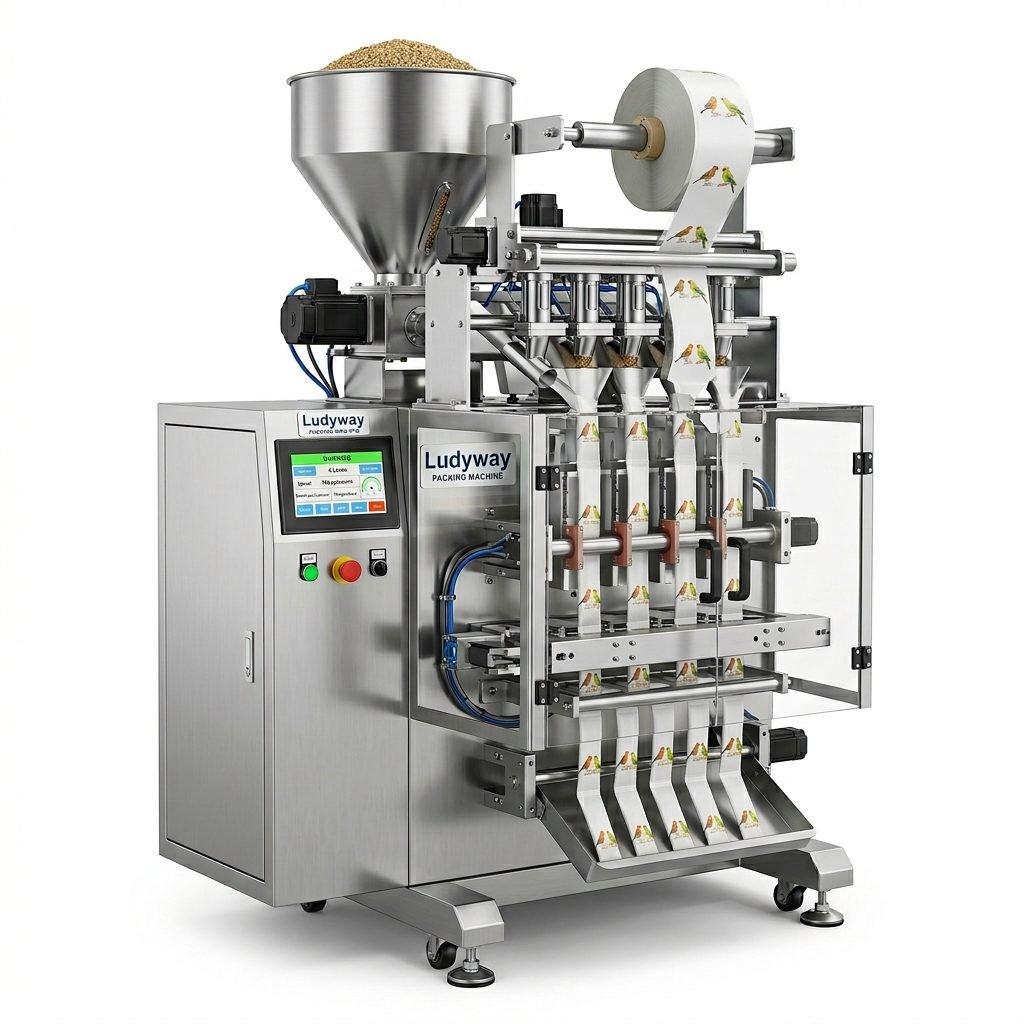
Vertical Form-Fill-Seal (VFFS) Machines
These are the most common type. A roll of flat film is formed into a tube vertically. The product is filled into this tube, and then the machine makes horizontal seals to create individual bags or pouches. They are ideal for granules, powders, snacks, and liquids.
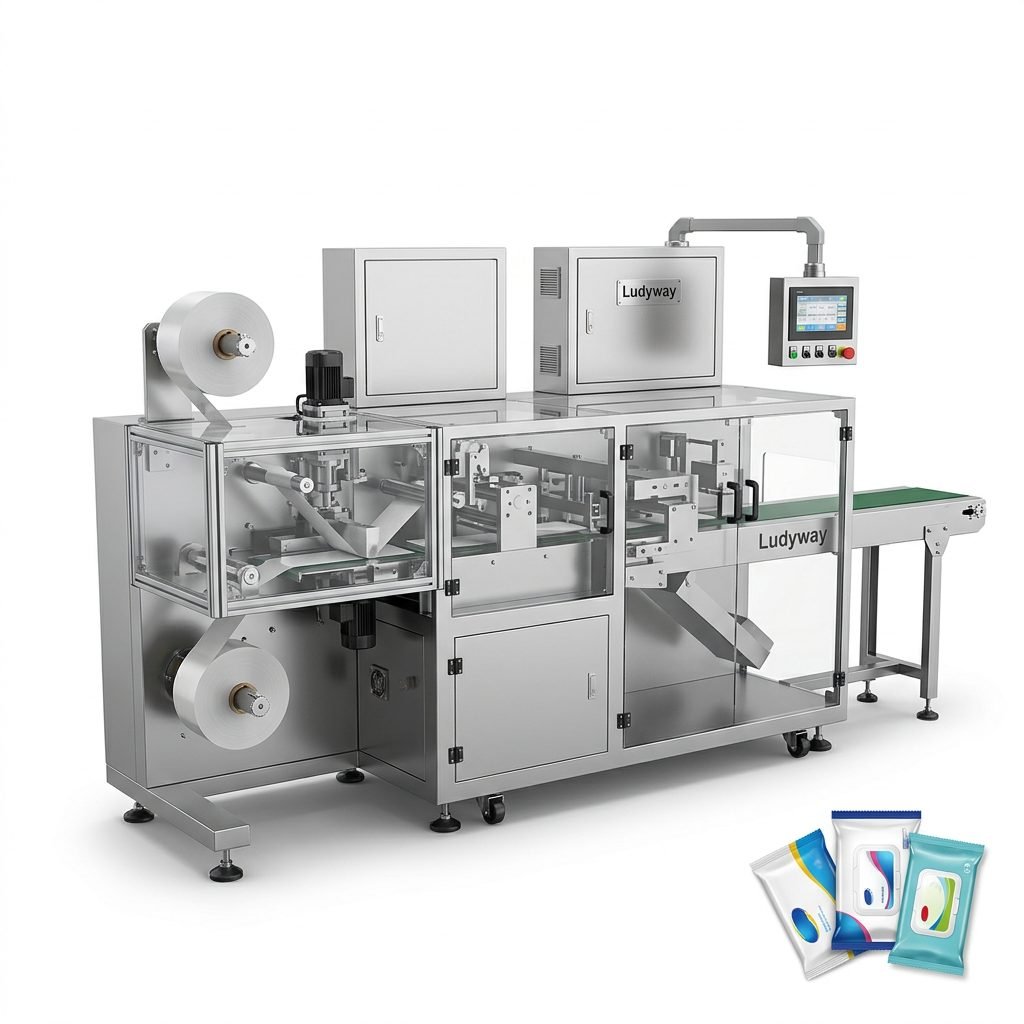
Horizontal Form-Fill-Seal (HFFS) Machines
In HFFS machines, the film is fed horizontally. The product is placed on the lower web of film, and a top web is sealed over it. This type is perfect for packaging items that need to lie flat, such as biscuits, medical devices, or blister packs.
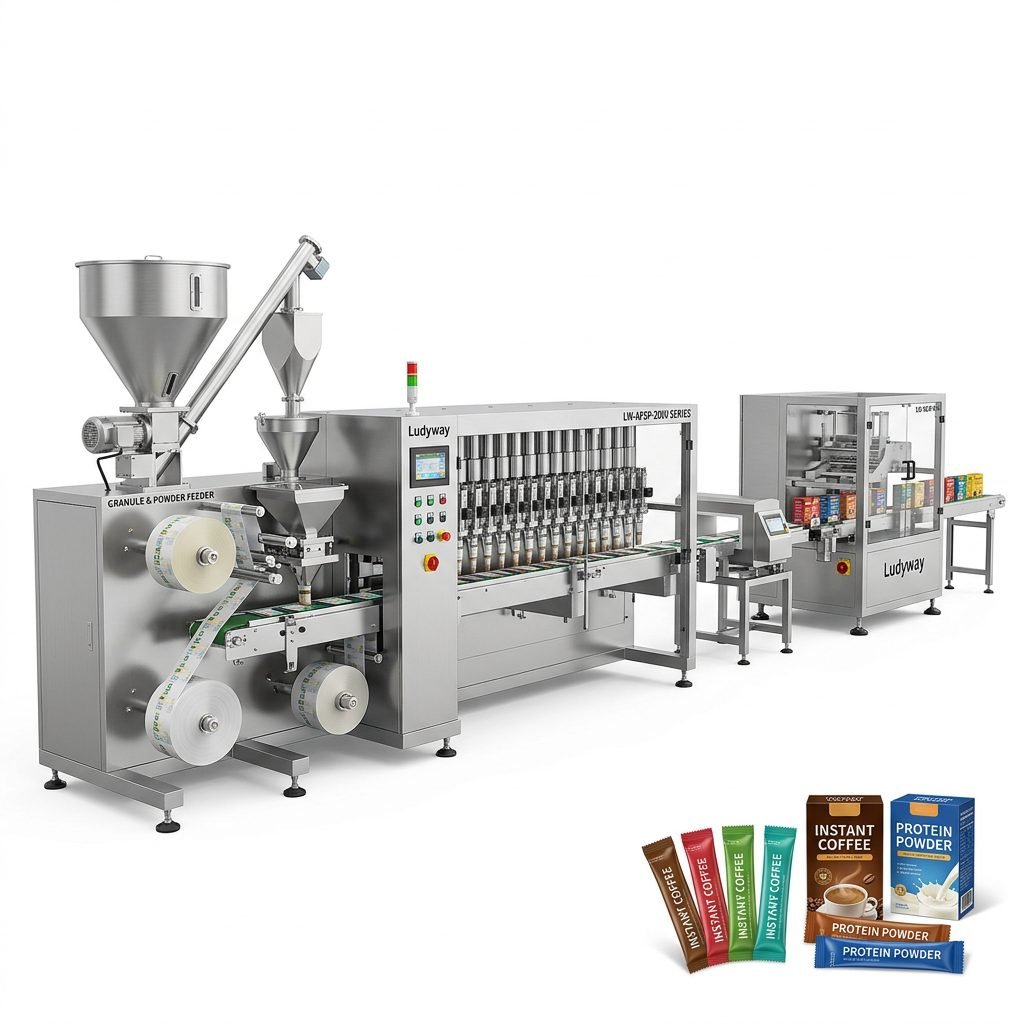
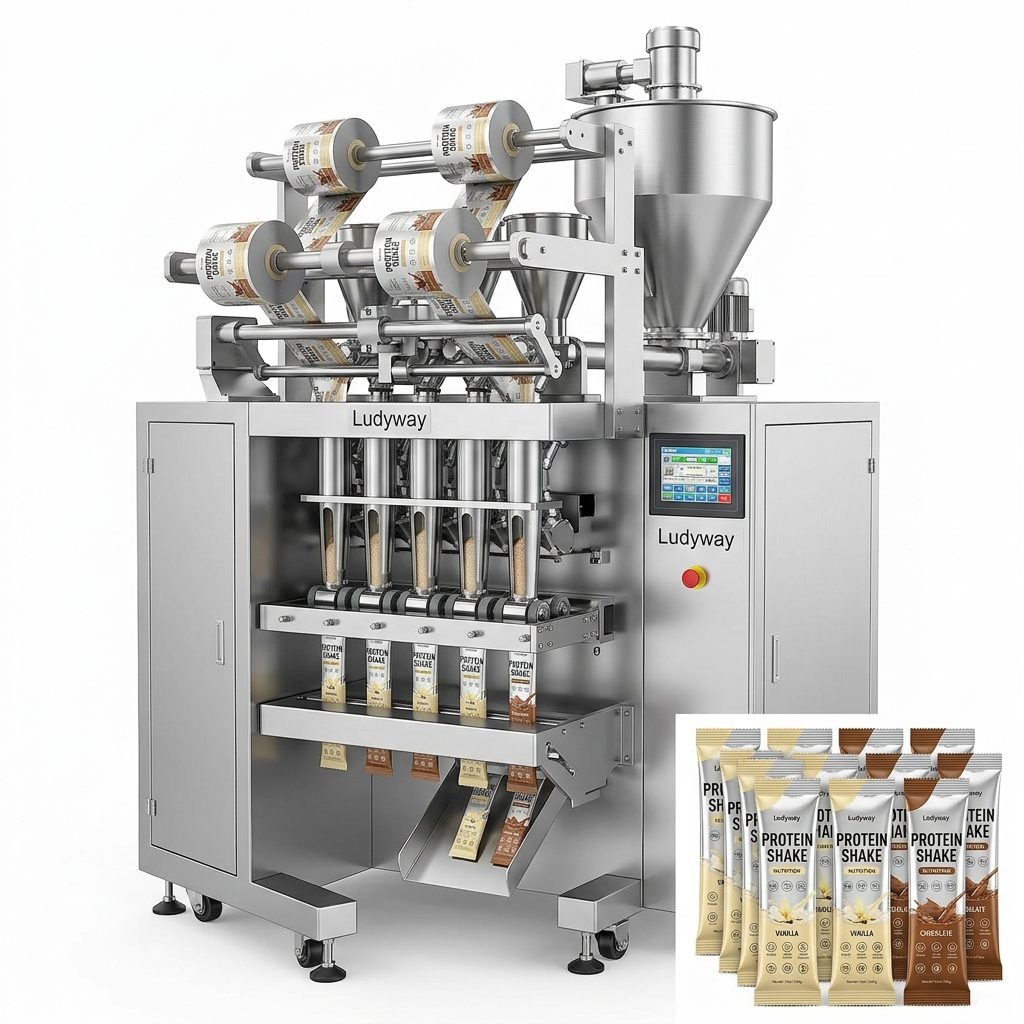
Stick Pack Machines
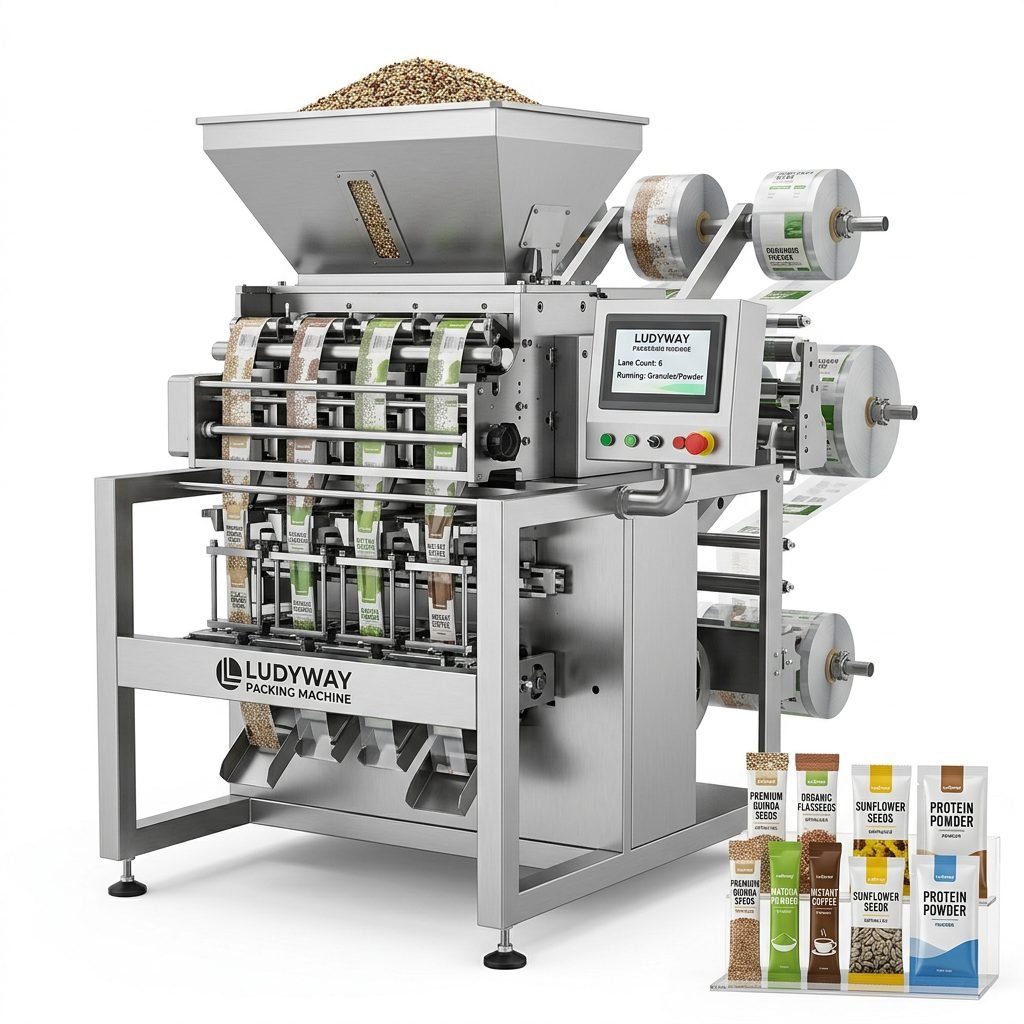
Specialized for creating long, narrow single-serve sticks. They are extremely popular for packaging instant coffee, sugar, supplements, and powdered drinks. Modern multi-lane stick pack machines can produce dozens of sticks simultaneously, dramatically boosting output.
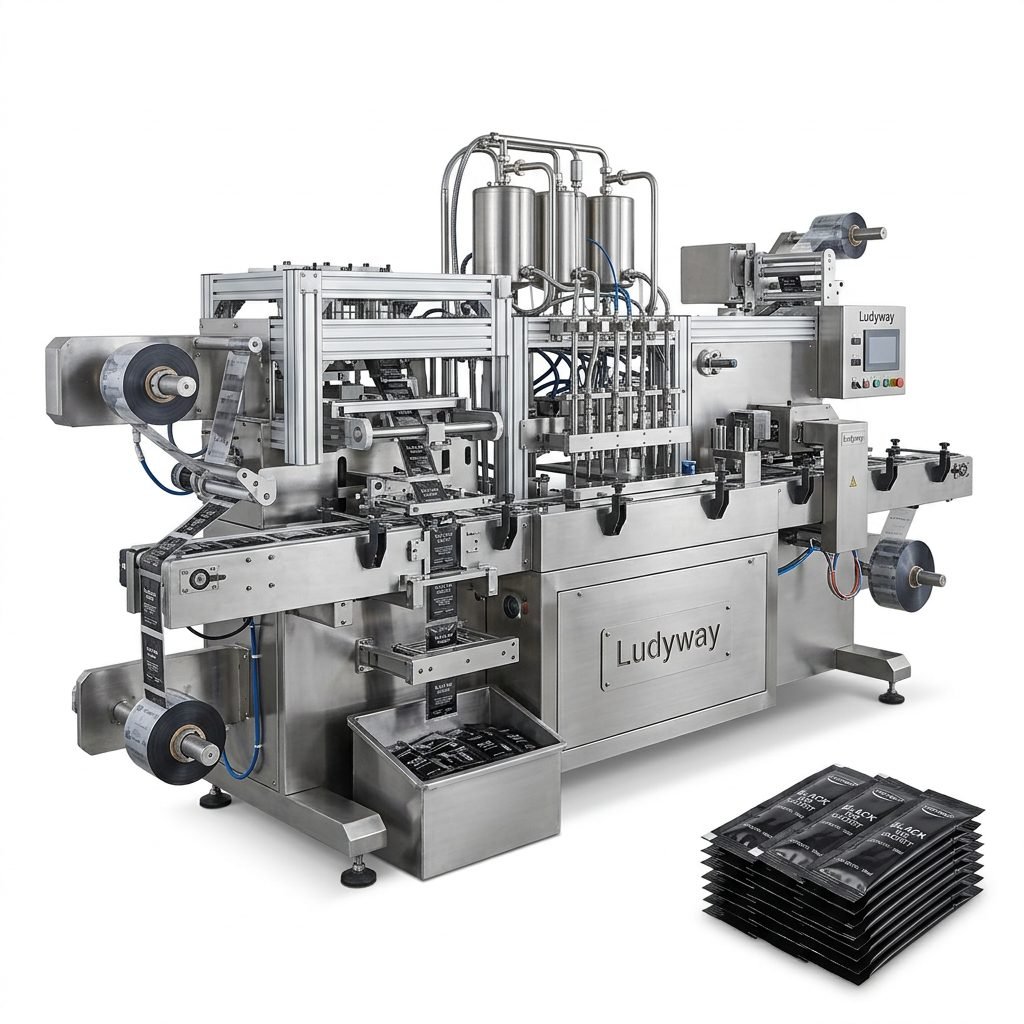
Sachet Packaging Machines
These machines produce small, flat pouches (sachets) for single-use products like ketchup, shampoo, seasoning, or pharmaceuticals. They can handle liquid, paste, or powder filling with high precision.
Working Principle: From Film Roll to Finished Pack
The core process for most plastic film packaging machines, especially VFFS types, follows a consistent sequence.
1. Film Unwinding & Forming
The machine draws a roll of flat plastic film over a forming collar, which shapes it into a cylindrical tube around the filling tube.
2. Vertical Sealing
A vertical sealing mechanism (often a heated jaw) seals the longitudinal seam of the film tube.
3. Product Filling
The product is measured and dispensed through the filling tube into the newly formed film bag. Fillers can be volumetric cups, auger screws for powders, or liquid pumps.
4. Horizontal Sealing & Cutting
Horizontal sealing jaws close to create the top seal of the current bag and the bottom seal of the next bag simultaneously. A knife then cuts between these seals to separate the finished package.
Key Features of Modern Packaging Machines
When evaluating machines, look for these critical features that impact performance, reliability, and ease of use.
High-Speed Automation & Control
Modern machines are driven by Programmable Logic Controllers (PLCs) and feature touch-screen HMIs (Human-Machine Interfaces). This allows for easy setup, recipe storage, and monitoring of production parameters like speed, temperature, and count.
Precision Filling Systems
Accuracy is paramount. Look for machines with servo-driven auger fillers for powders, precision piston pumps for liquids, or weighing scales for the highest accuracy. This minimizes product giveaway and ensures compliance with net content regulations.
Robust Construction & Hygiene
The frame should be made of sturdy stainless steel or powder-coated carbon steel. For food and pharmaceutical applications, food-grade stainless steel (304 or 316) on contact parts is essential for cleanliness and corrosion resistance.
Flexibility & Quick Changeover
A good machine can handle different film types and bag sizes with minimal downtime. Features like tool-less changeover of forming tubes and sealing jaws are a significant advantage for producers with multiple SKUs.
Advanced Sealing Technology
Consistent seals are critical for product integrity. Features like independently controlled temperature zones on sealing jaws and cooling jaws for laminated films ensure strong, leak-proof seals on various materials.
Comprehensive Buying Guide: Choosing the Right Machine
Selecting the ideal plastic film packaging machine requires careful analysis of your specific needs.
1. Define Your Product & Packaging Requirements
What are you packaging (powder, granule, liquid)? What is the desired package size and shape (pouch, stick pack, sachet)? What film material will you use? Answering these questions narrows down the machine type.
2. Determine Required Production Speed
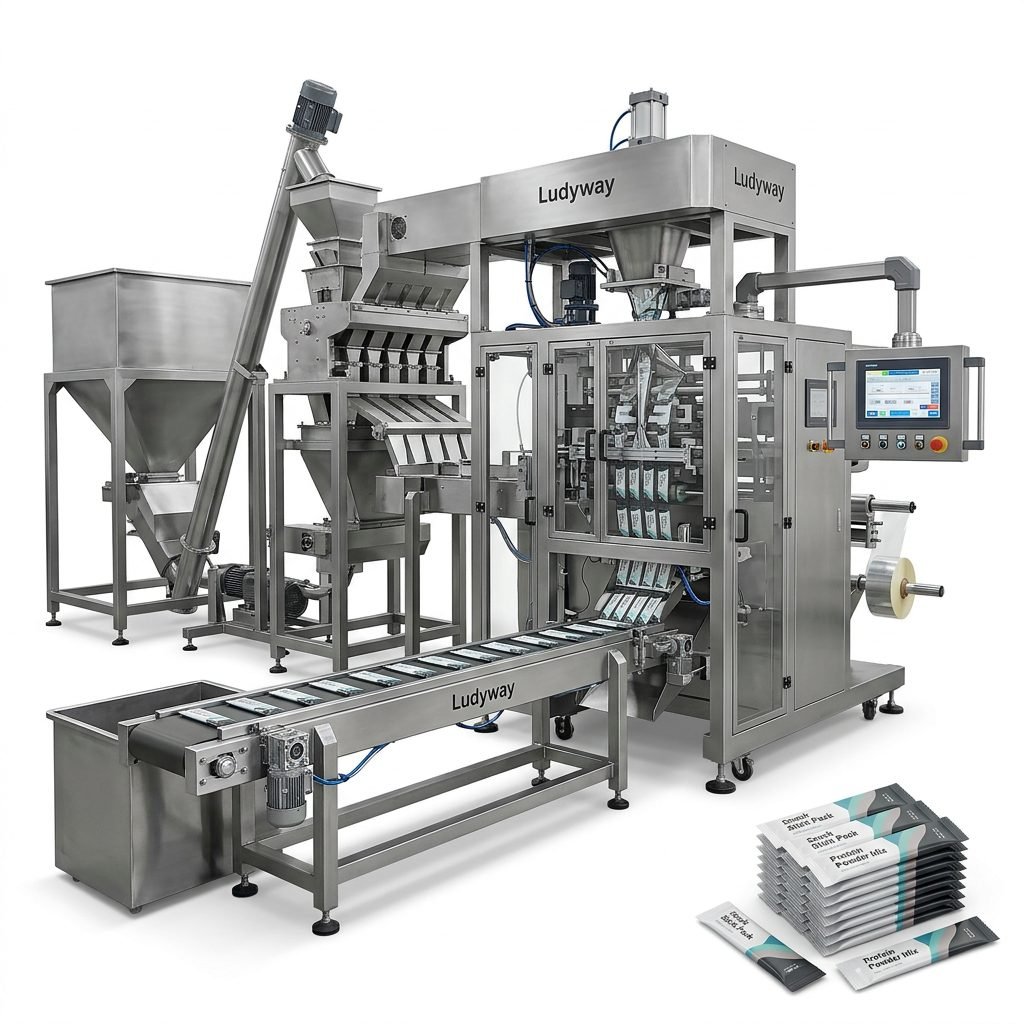
Calculate your required output in bags per minute (BPM) or per hour. Consider future growth. A multi-lane stick pack machine from a supplier like Ludyway Machinery can offer much higher speeds than a single-lane model for the same product.
3. Evaluate Accuracy and Flexibility Needs
If you run multiple products, prioritize machines with quick changeover capabilities. If your product is expensive or regulated, invest in the most precise filling system available.
4. Consider Hygiene and Construction
For food, dairy, or pharmaceutical products, a machine with a stainless steel construction and easy-clean design is non-negotiable to meet GMP and food safety standards.
5. Assess Supplier Expertise and Support
The machine is only part of the solution. Choose a supplier with proven experience, like Ludyway, which offers over 50 models and has deep industry knowledge. Ensure they provide comprehensive installation, training, technical support, and spare parts availability.
6. Plan for Integration and Future Upgrades
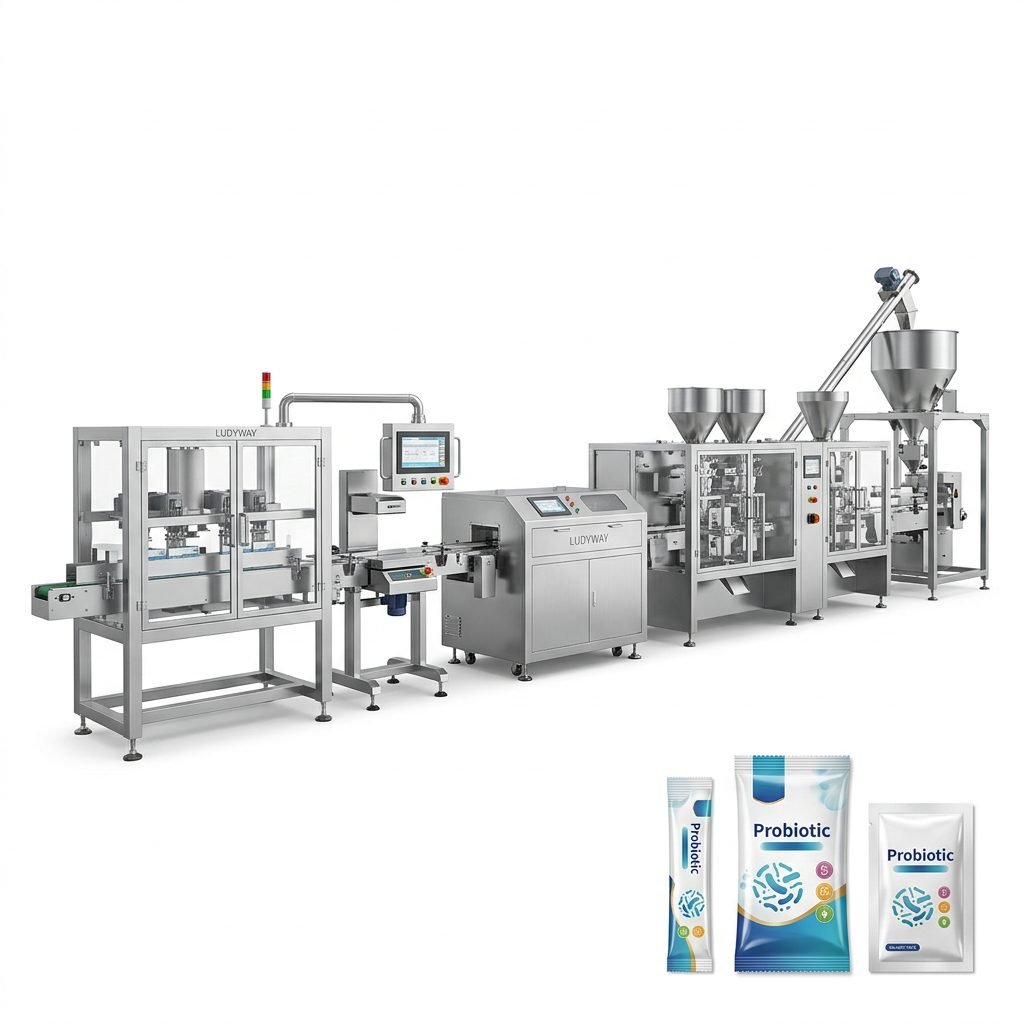
Consider if the machine needs to integrate with existing checkweighers, labelers, or cartoners. A modular design from a professional supplier allows for easier future upgrades and automation.
Conclusion
Investing in the right plastic film packaging machine is a strategic decision that impacts your production efficiency, product quality, and operational costs. By understanding the different types, their working principles, and key features, you can make an informed choice. Partnering with a reliable and experienced manufacturer who provides tailored solutions and strong after-sales support is crucial for long-term success and maximizing your return on investment. For businesses looking to enhance their packaging operations, exploring the range of intelligent packaging solutions available from specialized providers is an excellent first step.
Frequently Asked Questions (FAQs)
What is the main difference between VFFS and HFFS machines?
VFFS (Vertical) machines form bags vertically and are best for free-flowing products like granules and powders. HFFS (Horizontal) machines form bags horizontally and are ideal for placing solid items or creating blister packs.
Can one machine handle different packaging materials?
Many modern machines are versatile, but switching between very different materials (e.g., simple PE film to a complex laminate) may require adjustments to sealing temperature, pressure, and sometimes different sealing jaw surfaces. Quick-changeover features simplify this process.
How important is the filling accuracy of the machine?
Extremely important. Inaccurate filling leads to product giveaway (cost loss) or underfilling (regulatory and customer satisfaction issues). Precision filling systems are critical for profitable and compliant operation.
What kind of maintenance do these machines require?
Regular daily cleaning and lubrication as per the manual are essential. Periodic checks and replacement of wear parts like sealing jaw Teflon covers, cutter blades, and gaskets are needed. A good supplier will provide a maintenance schedule and training.
How do I choose between a single-lane and a multi-lane machine?
It depends on your output target. Single-lane machines are simpler and suitable for lower volumes. For high-volume production of small sachets or stick packs (like sugar or instant coffee), a multi-lane machine produces multiple packages in parallel, offering a much higher total output rate.