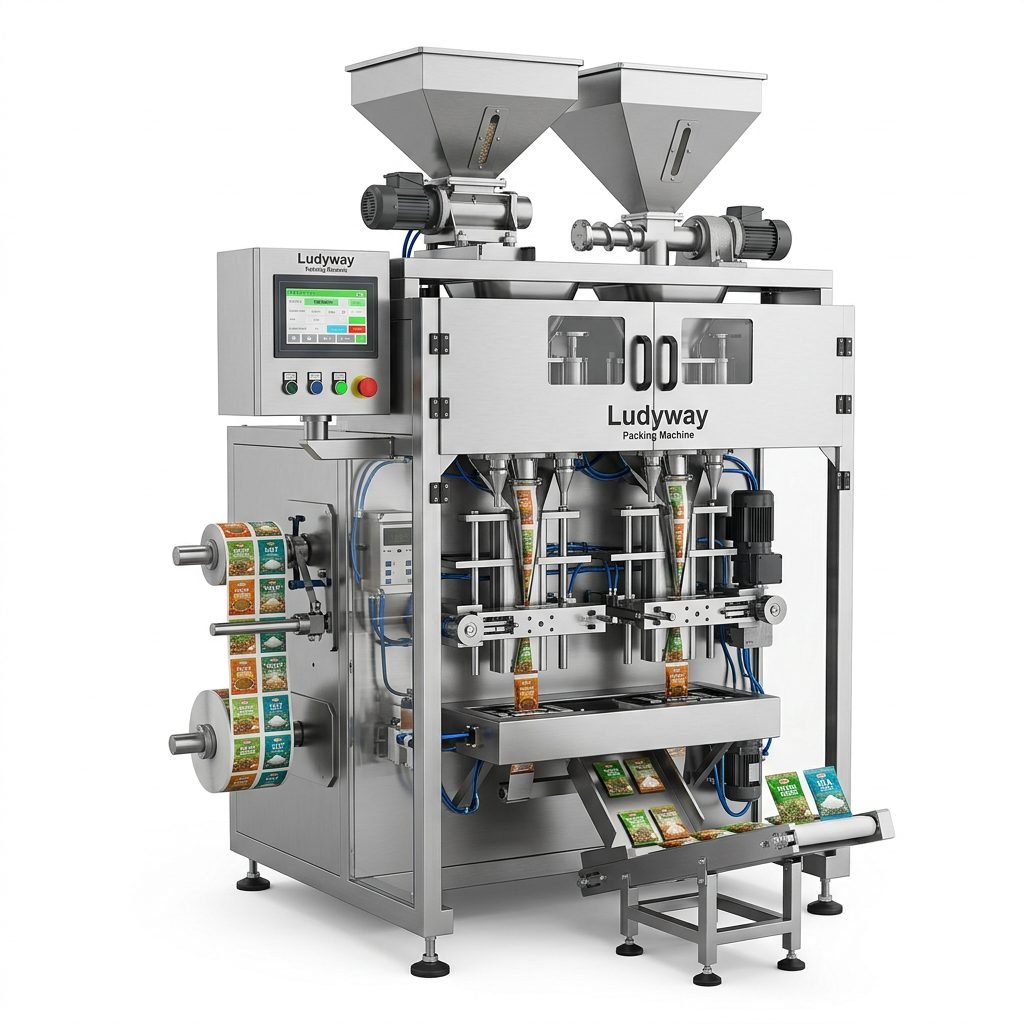
In the dynamic world of manufacturing and product distribution, packaging plays a pivotal role in product protection, preservation, and presentation. Among the various packaging technologies available, plastic seal packaging machines stand out for their versatility, efficiency, and widespread application. This guide delves deep into the world of these machines, exploring their types, uses, and providing a clear framework for selecting the perfect one for your operational needs.
Understanding Plastic Seal Packaging Machines
A plastic seal packaging machine is an automated or semi-automated device designed to enclose products within a plastic film or pouch and securely seal it. The seal is typically created through the application of heat and pressure, which melts the inner layers of the plastic film to form a hermetic, tamper-evident closure. This process is fundamental across countless industries, from food and pharmaceuticals to electronics and hardware.
The core principle behind these machines is thermosealing. By precisely controlling temperature, pressure, and dwell time, they create strong, consistent seals that protect contents from moisture, dust, and contamination.
Key Components and How They Work
The typical workflow involves: Film Unwinding → Product Loading (manually or via conveyor) → Pouch Forming → Sealing (top and bottom or four sides) → Cutting/Separation. Critical components include the sealing jaws (often made from coated aluminum or copper), a temperature controller, a feeding system, and a cutting mechanism.
Major Types of Plastic Seal Packaging Machines
Choosing the right machine starts with understanding the different configurations available. The classification is primarily based on the sealing mechanism and the package style they produce.
1. Vertical Form-Fill-Seal (VFFS) Machines
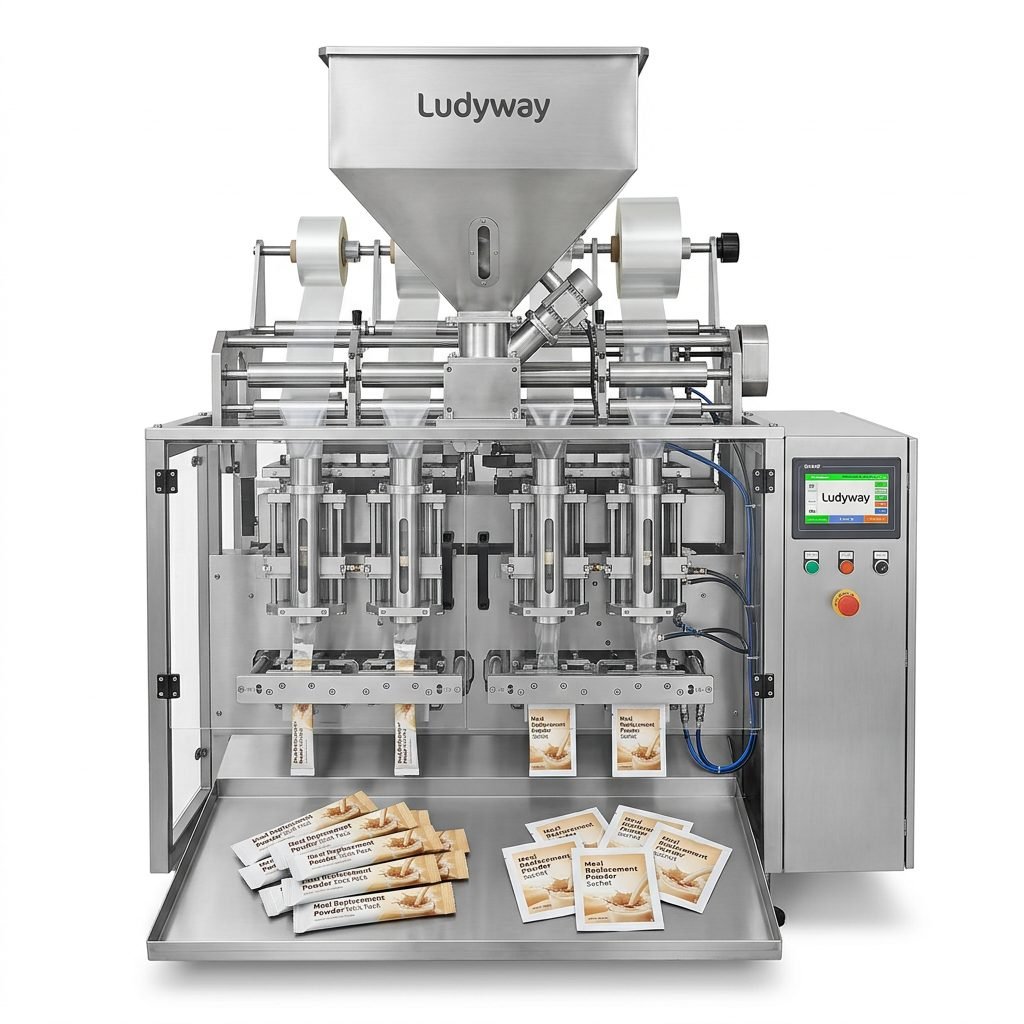
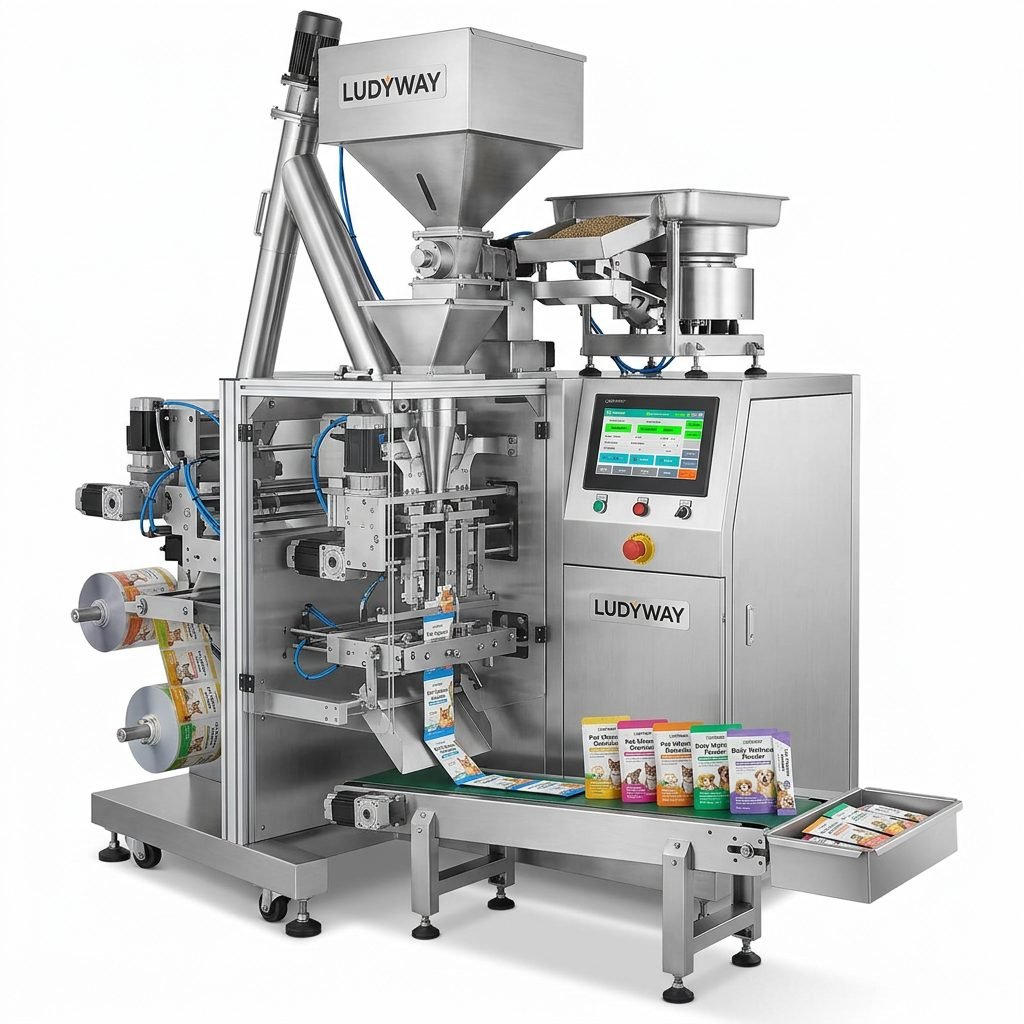
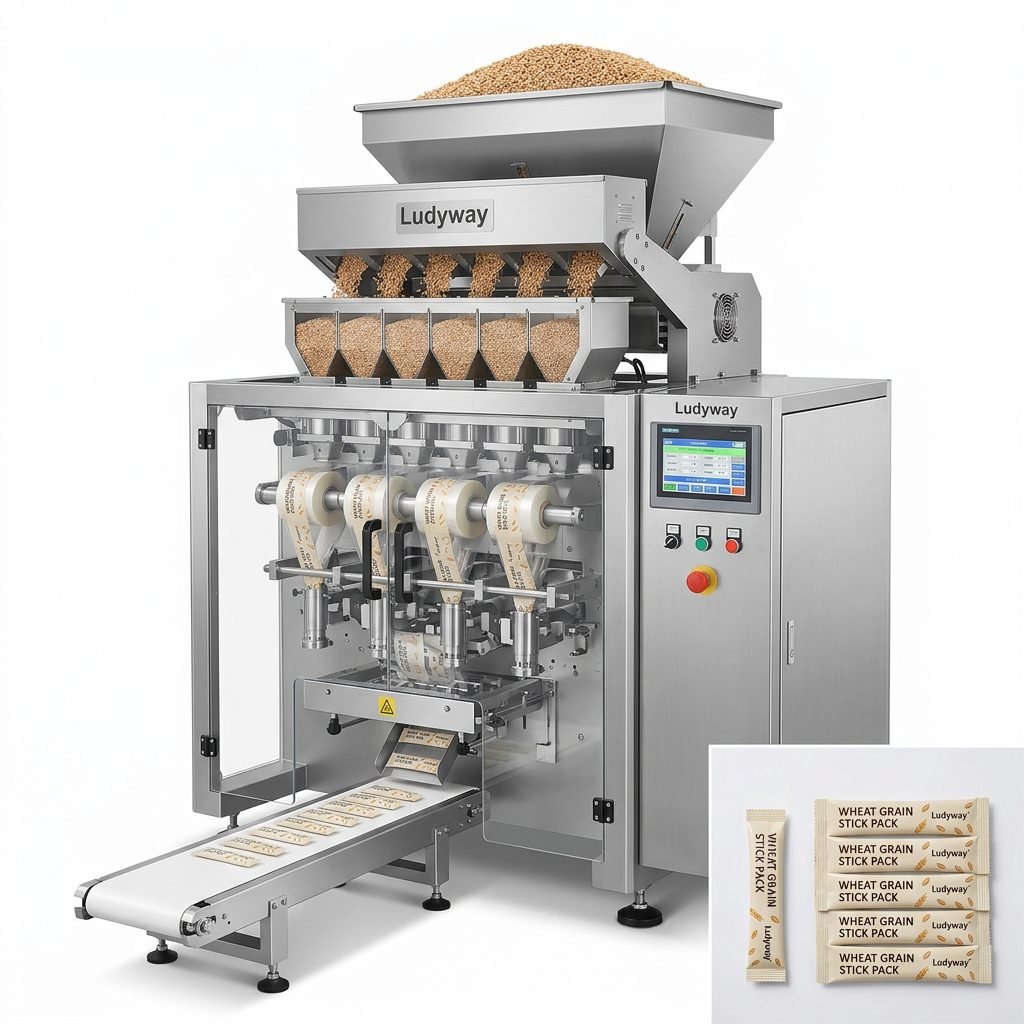
These are the workhorses of high-volume packaging. A roll of flat plastic film is formed into a tube vertically. The product is dropped into this tube, after which horizontal seals are made above and below the product, creating individual pouches. They are ideal for granules, powders, snacks, and liquids.
- ✓ Best For: High-speed, continuous packaging of free-flowing products.
- ✓ Output: Can reach hundreds of packs per minute.
2. Horizontal Form-Fill-Seal (HFFS) Machines
Here, the film is fed horizontally. The machine forms pockets in the bottom web of film, the product is placed inside, a top web is laid over it, and then a seal is made around the product contour. This is perfect for blister packs, sachets for wet wipes, or arranging multiple items in a single pack.
- ✓ Best For: Structured, tray-like packaging and portion-controlled items.
- ✓ Output: High speed with excellent presentation.
3. Vacuum Sealers
These machines remove air from the package before sealing, significantly extending the shelf life of products by inhibiting the growth of aerobic bacteria and fungi. They are categorized into chamber vacuum sealers (for liquids and soft products) and external (nozzle) vacuum sealers (for pre-made bags).
Pro Tip:
For food processors, especially those dealing with meats, cheeses, and prepared meals, a vacuum sealer is indispensable for both safety and reducing food waste. In markets with a strong culture of home food preservation, like North America and parts of Europe, commercial-grade vacuum sealers are in high demand.
4. Shrink Sealers (Shrink Tunnels & Chambers)
These machines use heat to apply a loose plastic sleeve or bag around a product, then apply controlled heat to shrink the film tightly around the product’s contours. This is excellent for multi-packs, bundling, and creating tamper-evident seals on bottle caps.
5. Band Sealers & Impulse Sealers
These are often used for sealing the open end of pre-made bags or pouches. Band sealers use a continuously moving heated band and are great for sealing bags with residual product in the seal area. Impulse sealers use a heated wire that momentarily heats up to melt the film and are common in retail and light industrial settings.
Primary Uses and Industry Applications
The application of plastic seal packaging is virtually limitless. Here’s a breakdown by industry:
Food & Beverage: This is the largest segment. Machines package everything from spices and coffee to frozen vegetables and meat slices. Vacuum sealing is critical here for freshness. In regions with a strong street food culture or a preference for single-serve portions, such as across Asia, small sachet packaging for sauces, condiments, and snacks is a massive market driver for stick pack and sachet machines.
Pharmaceutical & Healthcare: Sterility and precision are paramount. Machines are used to package tablets, capsules, medical devices, and swabs in blister packs or sterile pouches. The seals must be absolutely reliable to maintain product integrity.
Industrial & Hardware: Packaging small parts, screws, electronic components, and chemicals. The seal protects against corrosion and keeps parts organized.
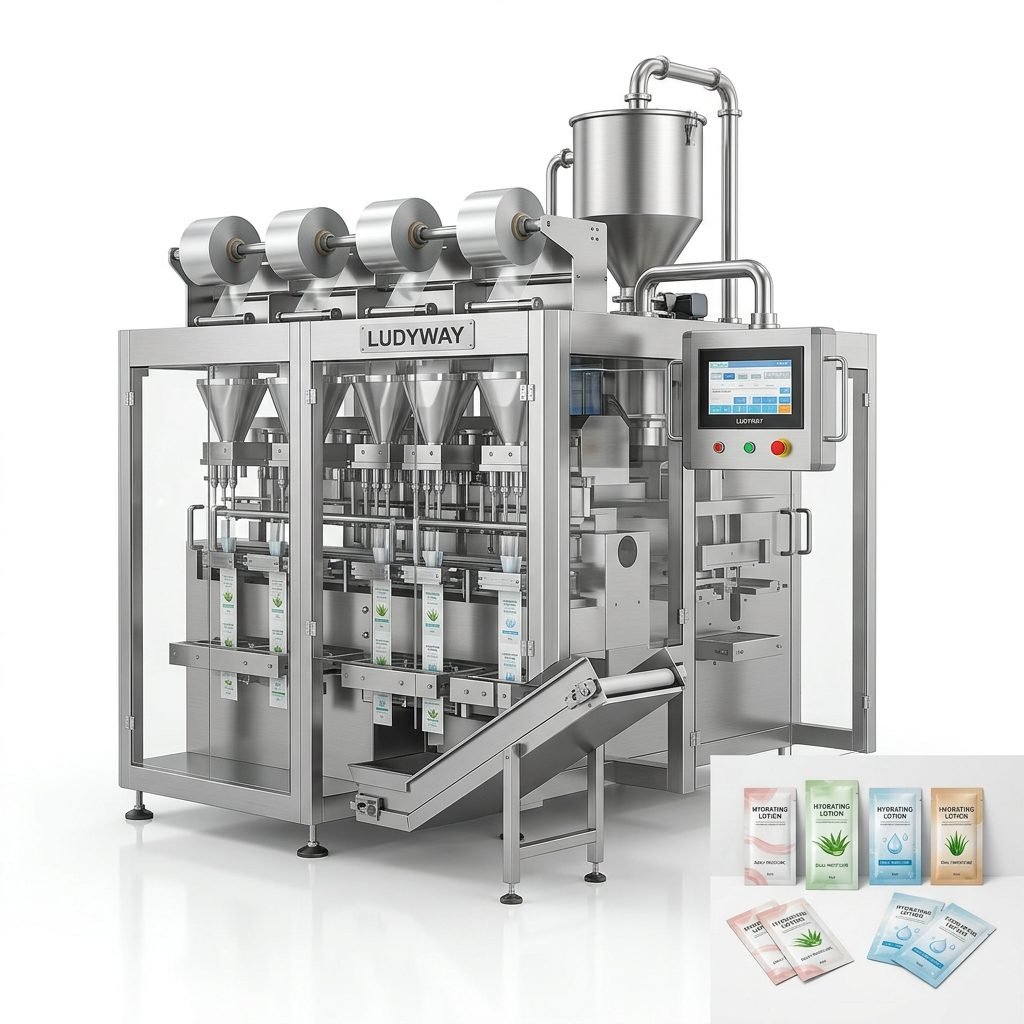
Cosmetics & Personal Care: Single-use sachets for shampoo, lotion, or face masks, as well as blister packs for lip balms or compacts. The visual appeal of the package is often as important as the seal itself.
How to Choose the Right Plastic Seal Packaging Machine
Selecting the ideal machine is a strategic decision. Follow this step-by-step guide to ensure your investment meets your needs.
Step 1: Define Your Product and Packaging Requirements
This is the foundation. Answer these questions:
- Product Form: Is it a powder, granule, liquid, solid, or irregular shape?
- Package Size & Style: What are the dimensions? Do you need a pillow bag, stand-up pouch, flat sachet, or blister pack?
- Film Material: What type of plastic laminate (e.g., PET/PE, OPP/CPP, aluminum foil) is required for barrier properties and machinability?
Step 2: Determine Your Production Volume and Speed
Match the machine’s capacity (packs per minute, PPM) to your current and projected output. A small bakery might need a simple tabletop sealer, while a large snack manufacturer will require a high-speed VFFS line. Consider future growth to avoid premature obsolescence.
Step 3: Evaluate Key Machine Features
Look beyond the basic function. Important features include:
- Sealing Technology: Constant heat vs. impulse. Does it offer cool seals?
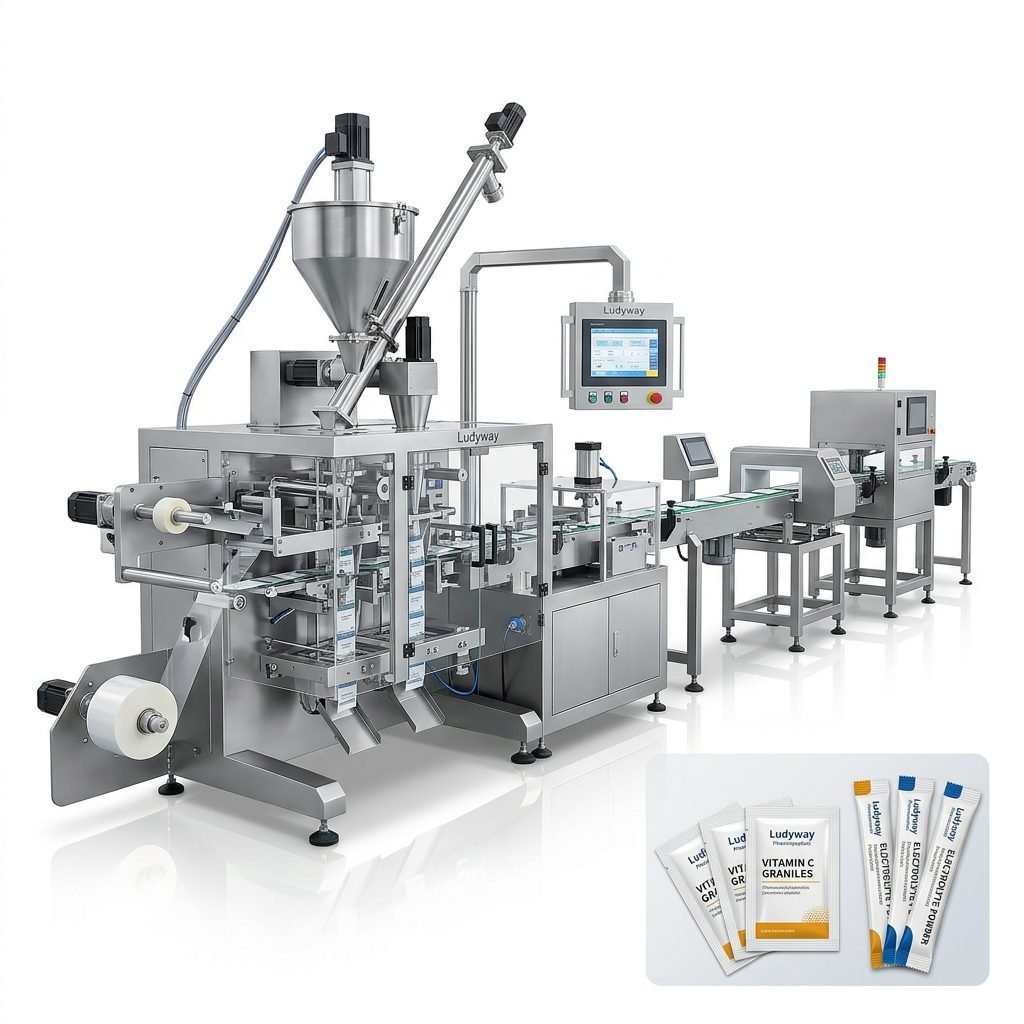
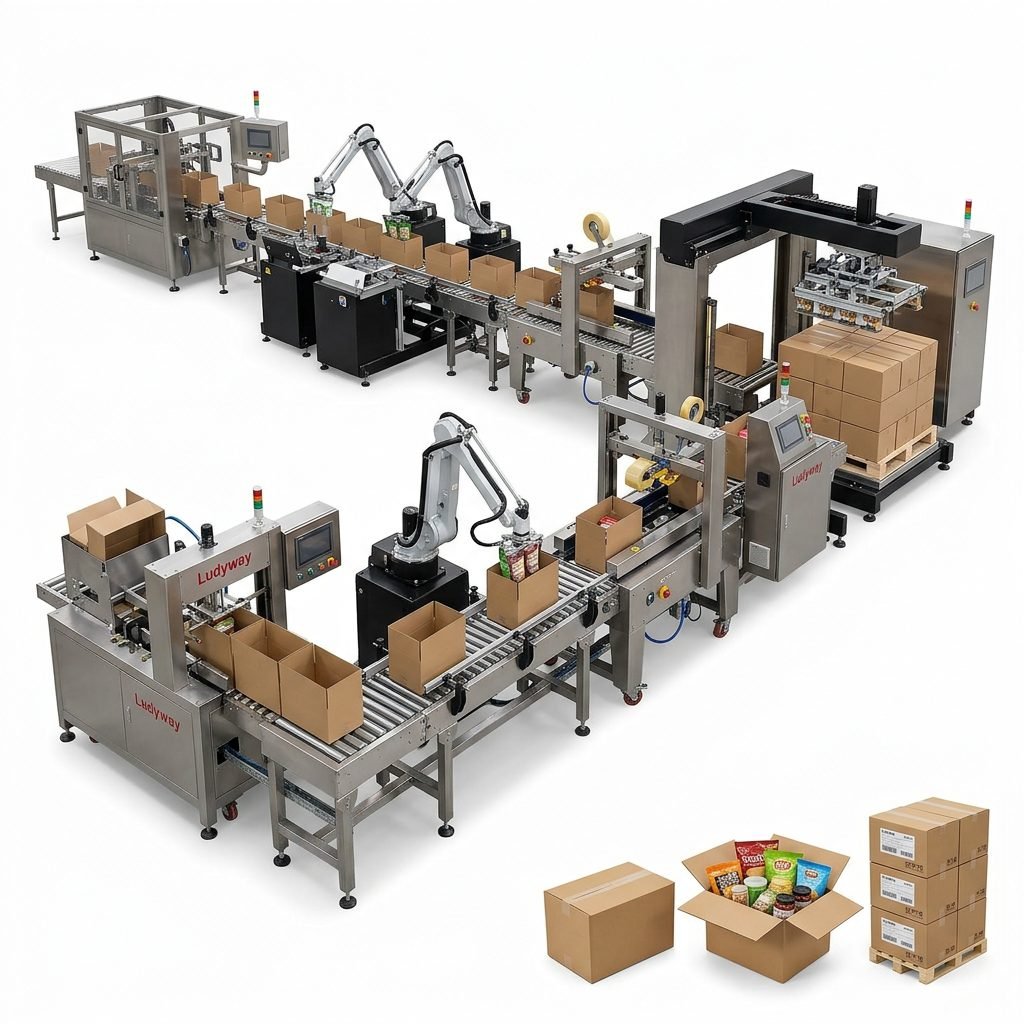
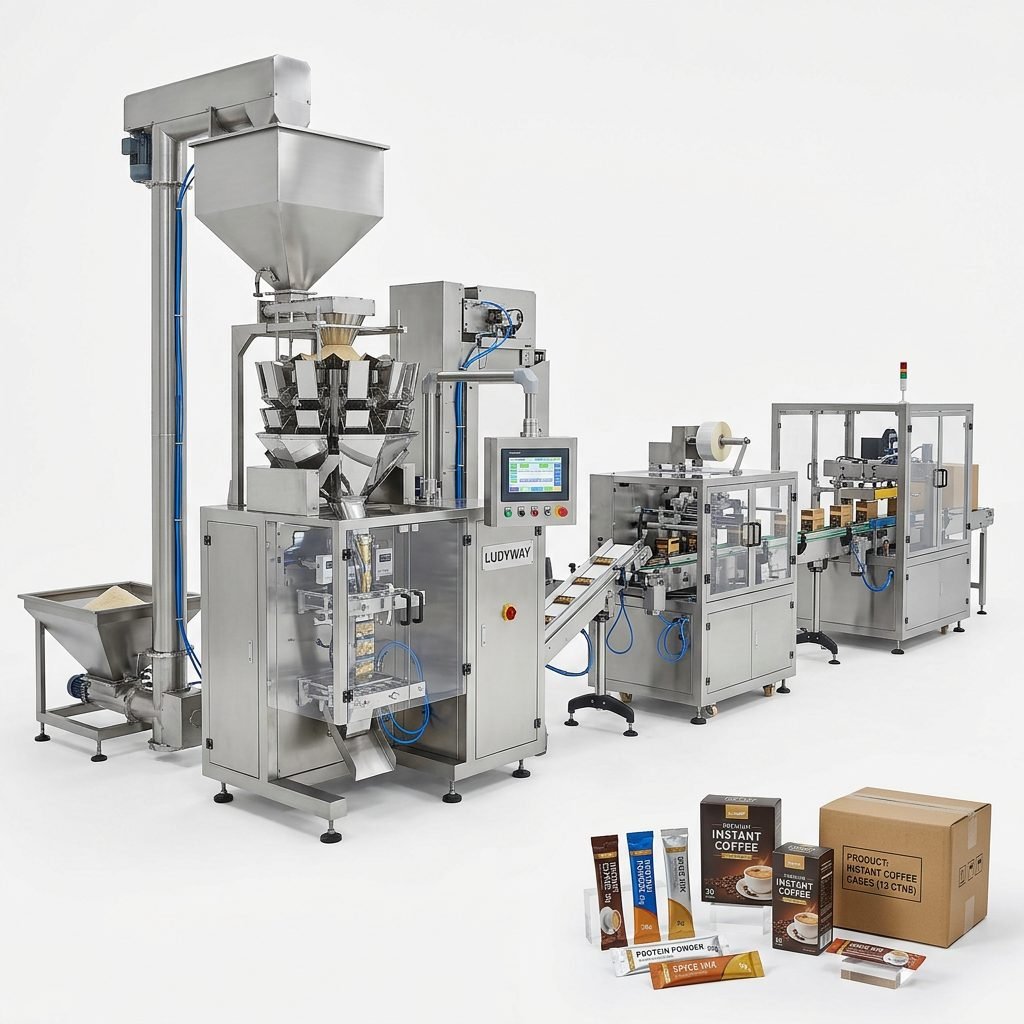
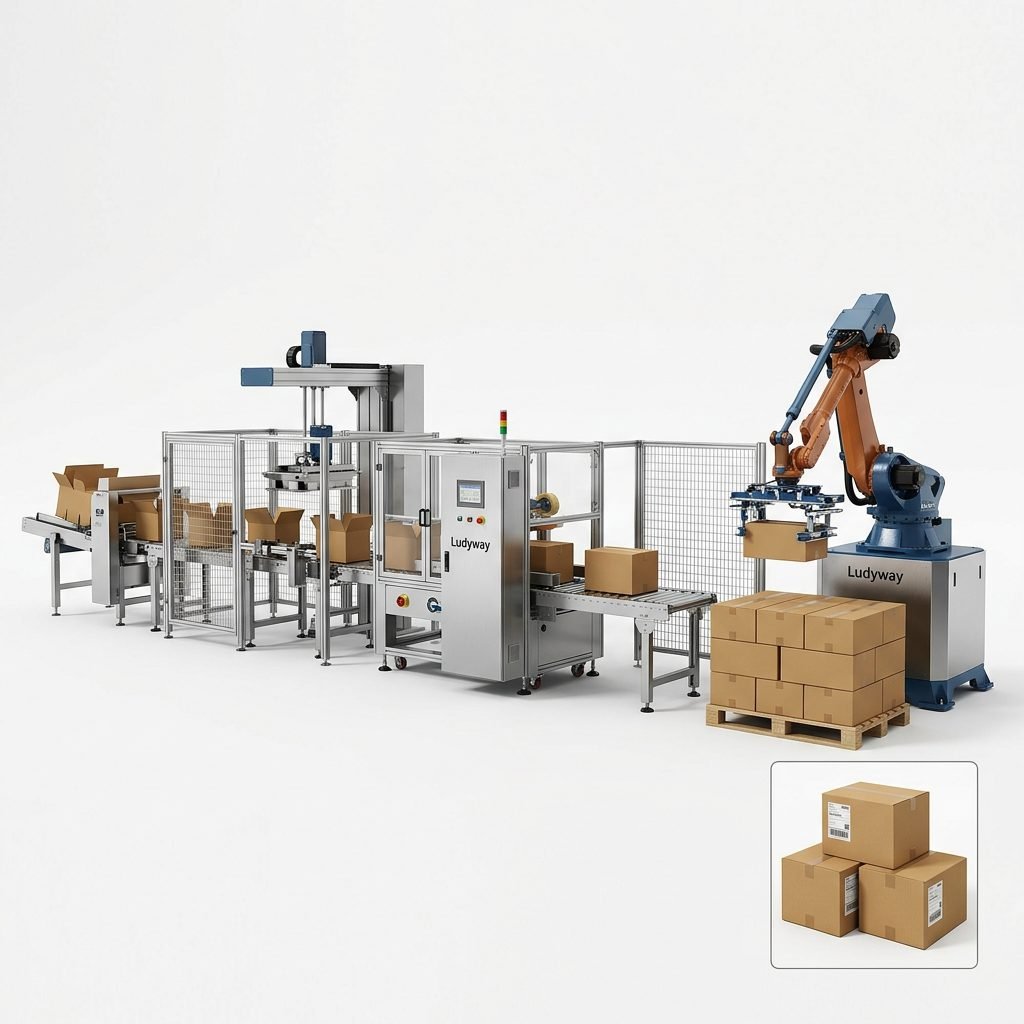
- Automation Level: Manual loading vs. fully integrated with feeders, checkweighers, and cartoners.
- Control System: User-friendly PLC/HMI interface for easy recipe changes and diagnostics.
- Changeover Ease: How quickly can you switch between different bag sizes or products? Look for tool-less adjustments.
- Durability & Construction: The frame should be robust, and critical components like sealing jaws should be high-quality.
The Importance of Supplier Support
Your relationship with the machine supplier is crucial. A reliable partner like Ludyway Packing Machine offers more than just equipment. They provide comprehensive technical support, readily available spare parts, operator training, and assistance with film selection. This ensures maximum uptime and a better return on your investment over the machine’s entire lifecycle. Choosing a supplier with a proven track record in your specific industry can prevent countless operational headaches.
Step 4: Consider Your Budget and Total Cost of Ownership (TCO)
The initial purchase price is just one part of the cost. Factor in installation, maintenance, energy consumption, and the cost of packaging materials. A slightly more expensive, energy-efficient, and reliable machine from a reputable brand like Ludyway often has a lower TCO than a cheaper, less reliable alternative that causes frequent downtime and product waste.
Step 5: Plan for Integration and Future-Proofing
Will the machine need to connect to existing conveyors, fillers, or labeling systems? Ensure compatibility. Also, consider if the machine can be upgraded or modified to handle new products or packaging formats you may introduce in the next 5-7 years.
Frequently Asked Questions (FAQs)
Q1: What is the main difference between a constant heat sealer and an impulse sealer?
A: A constant heat sealer maintains a consistently hot sealing jaw. An impulse sealer uses a nichrome wire that heats up only during the sealing cycle (when you press the handle/trigger) and then cools. Impulse sealers are better for materials that might stick to a constantly hot jaw.
Q2: Can one machine handle different types of plastic films?
A: Most machines can handle a range of films (polyethylene, polypropylene, laminates), but the sealing parameters (temperature, pressure, time) must be adjusted for each material. High-quality machines offer precise controls to make these adjustments easily.
Q3: How important is the cooling time during the sealing process?
A: Extremely important. After the heat melts the film, pressure must be maintained during a cooling period to allow the seal to solidify and gain strength. Insufficient cooling time is a common cause of weak seals that peel apart.
Q4: What regular maintenance does a plastic seal packaging machine require?
A: Regular maintenance includes cleaning the sealing jaws and cutting blades to remove film residue, checking and calibrating the temperature settings, lubricating moving parts as per the manual, and inspecting electrical connections and belts for wear.
Q5: My seals are inconsistent. What could be the problem?
A: Inconsistent seals can be caused by several factors: uneven temperature across the sealing jaw, fluctuating line voltage, worn or dirty sealing surfaces, incorrect pressure setting, or using a film type that is not suitable for the machine’s sealing method. Systematic troubleshooting is key.