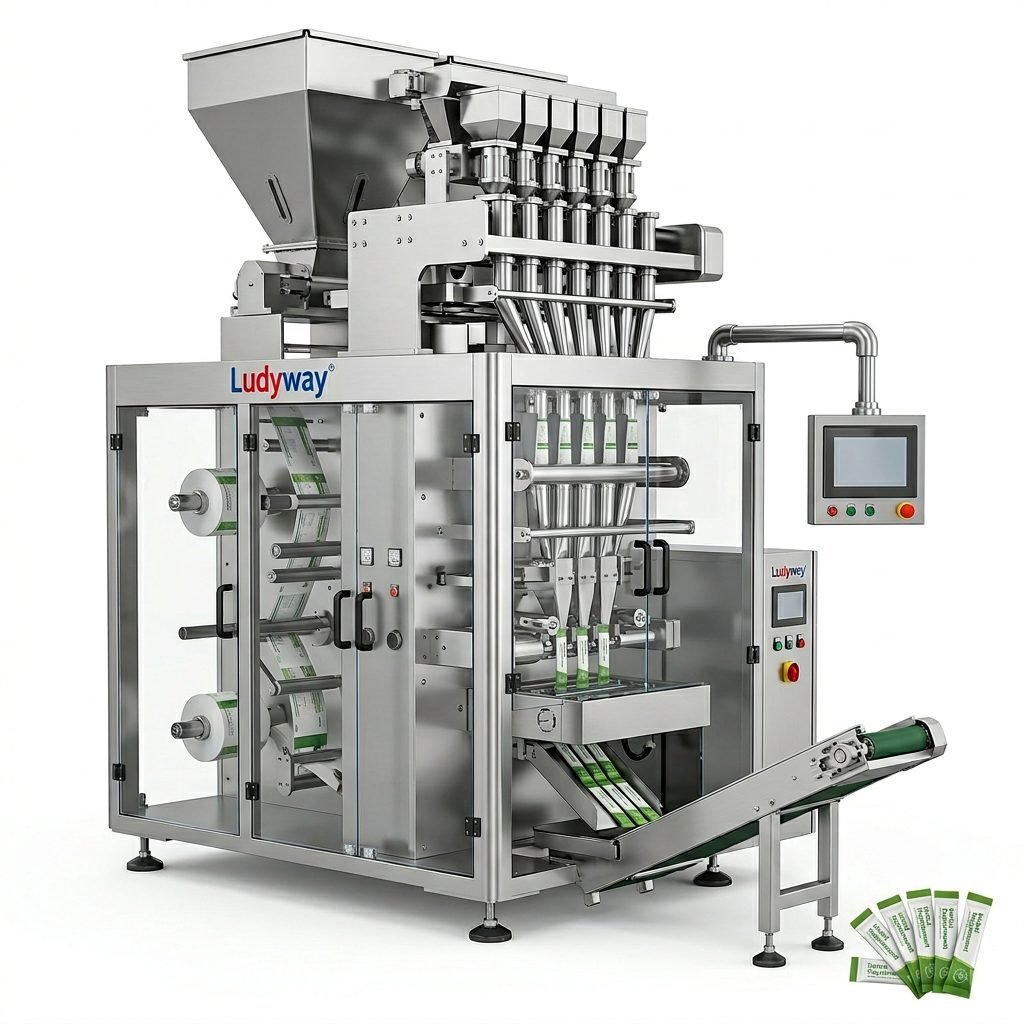
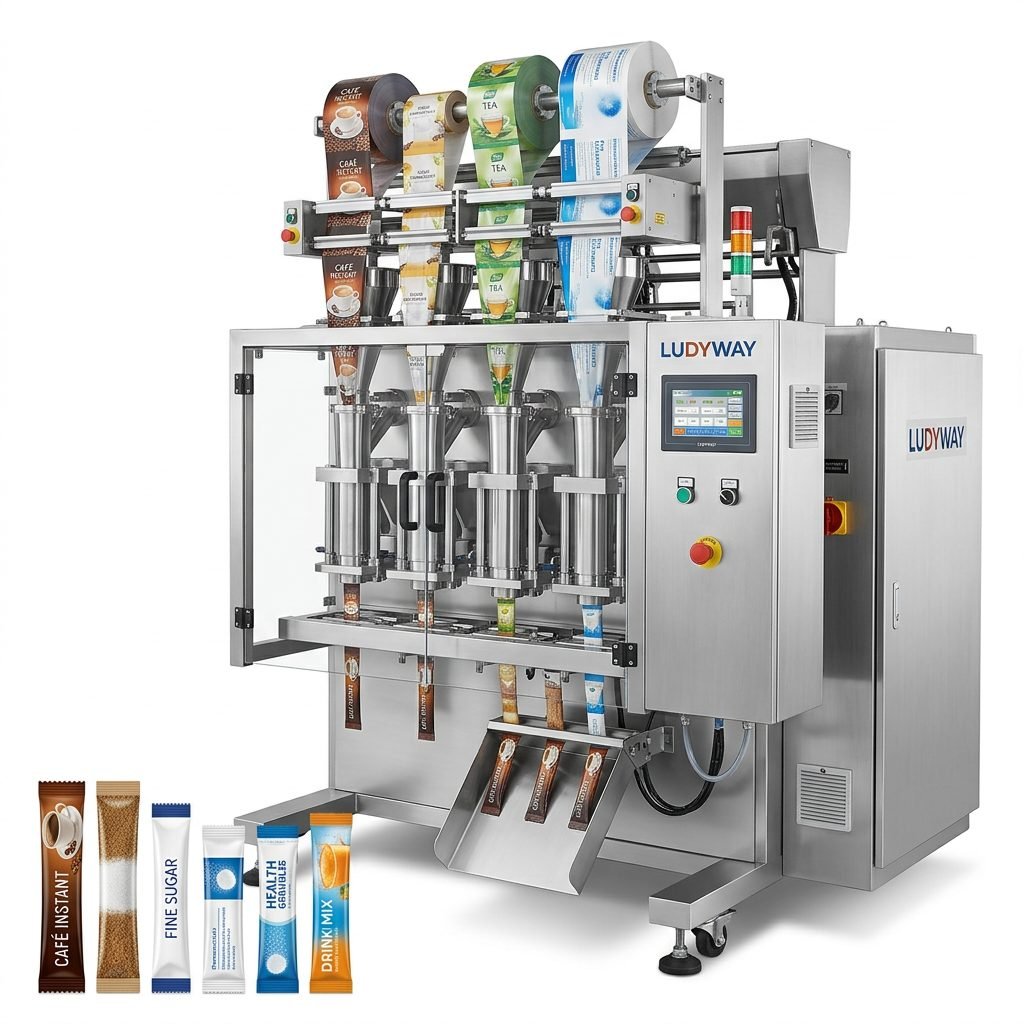
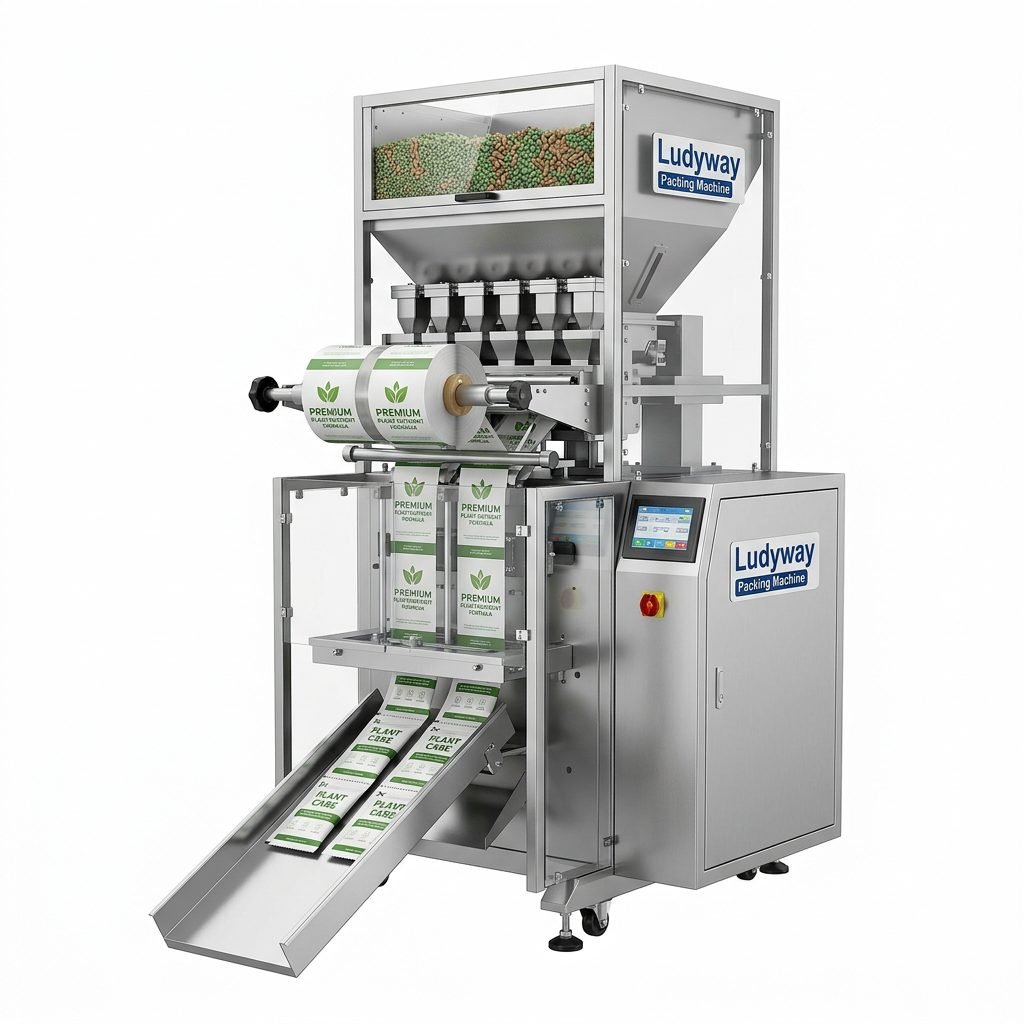
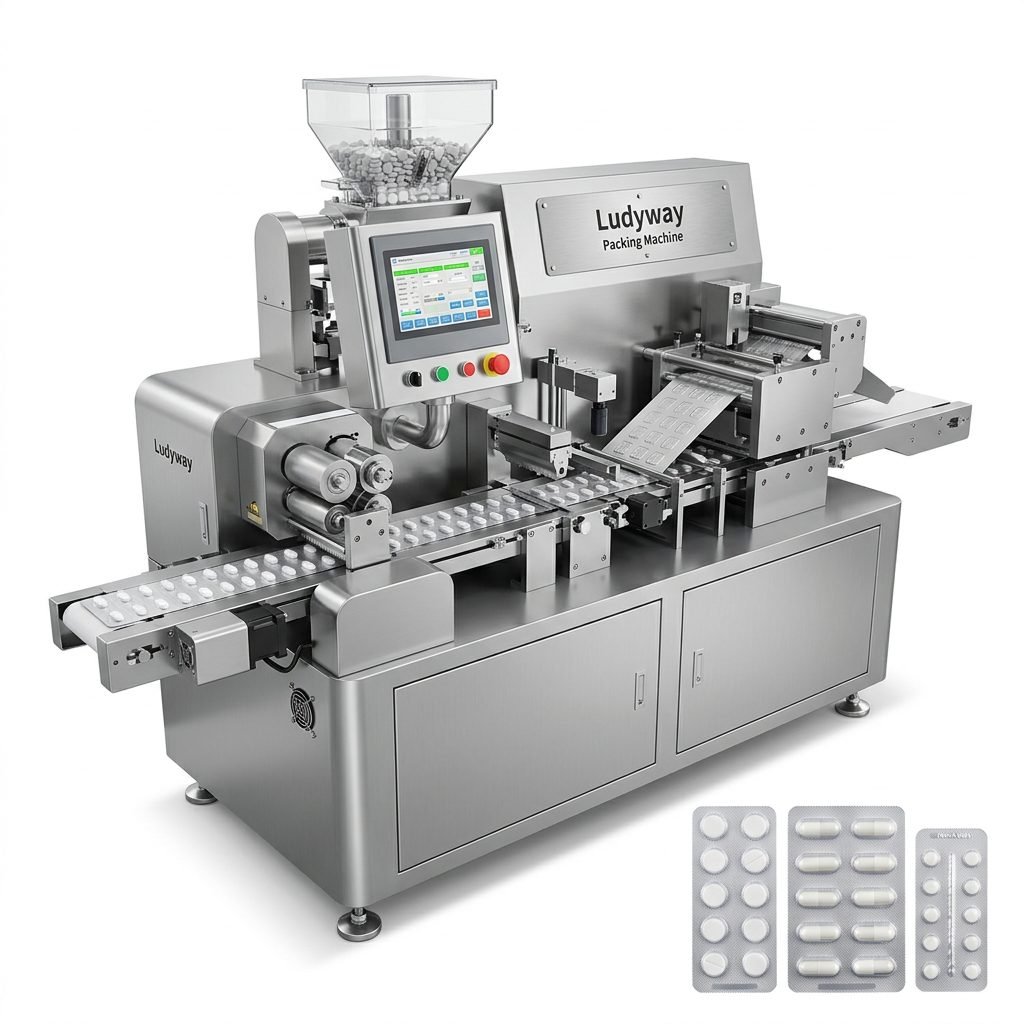
Choosing the right pure water packaging machine is a critical decision for any bottled water business. The correct equipment directly impacts your production efficiency, product quality, and overall operational costs. This comprehensive guide will walk you through the different types of machines available, factors influencing their prices, and key considerations to help you select the best solution for your specific needs.
Understanding Pure Water Packaging Machines
Pure water packaging machines are specialized systems designed to fill and seal purified water into various containers, primarily bottles. The core function is to maintain the water’s purity from the filling point to the sealed package, ensuring no contamination occurs during the process. These machines are engineered for high hygiene standards, speed, and reliability to meet the demands of the competitive bottled water market.
Key Takeaway: The primary goal is speed without compromising sterility. A machine that introduces contaminants defeats its core purpose, regardless of how fast it operates.
Core Components of a Packaging Line
A complete packaging line is more than just a filler. It typically integrates several key stations:
- Bottle Unscrambler: Automatically orients and feeds empty bottles onto the conveyor.
- Air Blower/Cleaner: Removes dust and particles from bottles before filling.
- Filling Machine: The heart of the line, which precisely measures and dispenses water.
- Capping Machine: Applies and tightens caps or closures securely.
- Labeling Machine: Applies product labels accurately.
- Packing/Sealing Station: Groups bottles into packs, wraps them, or places them in cartons.
Main Types of Pure Water Packaging Machines
The market offers several types of fillers, each with its own advantages and ideal applications. Your choice depends heavily on your production scale, bottle type, and budget.
1. Gravity Filling Machines
These machines use the simple principle of gravity to fill bottles. A tank located above the filling nozzles allows water to flow down into the containers. They are known for their simplicity, ease of maintenance, and gentle filling action, which minimizes foaming—a crucial factor for still water.
Best for: Small to medium-scale producers of still water. They are cost-effective and reliable for operations that don’t require extremely high speeds.
2. Pressure Gravity Filling Machines
An enhanced version of the gravity filler. The holding tank is pressurized with sterile air or inert gas (like nitrogen). This pressure assists the flow of liquid, allowing for faster filling speeds than pure gravity systems while still being suitable for non-carbonated beverages.
Best for: Medium-scale producers looking for a balance between speed, cost, and gentle handling of still water.
3. Volumetric Filling Machines
These machines use piston cylinders or similar mechanisms to draw a precise volume of water from a reservoir and then inject it into each bottle. They offer exceptional accuracy (±0.5% or better) regardless of variations in liquid viscosity or bottle placement.
💡 Important Note: Volumetric fillers are highly versatile and can handle a wider range of viscosities, making them a good choice if you plan to package flavored water or other liquid products in the future.
4. Automatic Inline Filling Machines
This refers to high-speed, fully integrated production lines where bottles move in a single file (in-line) through all stages—unscrambling, rinsing, filling, capping, and labeling—on a single conveyor. Automation is high, requiring minimal manual intervention.
Best for: Large-scale production facilities with high output requirements (e.g., thousands of bottles per hour).
5. Monobloc Filling Systems
The pinnacle of integration. A monobloc combines the rinser, filler, and capper into a single, compact machine frame. This design saves significant floor space, reduces transfer points where contamination could occur, and enhances synchronization for maximum efficiency and hygiene.
Best for: Modern, high-hygiene production environments for both medium and large-scale operations where space optimization and contamination control are top priorities.
Factors Influencing Machine Prices
The cost of a pure water packaging machine can vary dramatically, from tens of thousands to hundreds of thousands of dollars. Understanding what drives these costs will help you budget effectively.
Production Capacity (Bottles Per Hour – BPH)
This is the most significant factor. A machine rated for 2,000 BPH will cost substantially less than one rated for 12,000 BPH. Be realistic about your current needs and near-term growth projections.
Level of Automation
Fully automatic lines with touchscreen PLC controls, automatic CIP (Clean-in-Place) systems, and sophisticated sensors are more expensive than semi-automatic or manual machines. Automation boosts output and consistency but increases upfront investment.
Number of Filling Heads
More filling heads allow more bottles to be filled simultaneously, increasing speed. Prices rise with each additional head. Common configurations range from 4-head models for smaller operations to 32-head or more for large lines.
Construction Materials and Build Quality
Machines built with food-grade 304 or 316L stainless steel for all product-contact parts are standard for hygiene but add cost. The quality of motors, drives, pneumatics, and electrical components from reputable brands (e.g., Siemens, Mitsubishi) also affects price and long-term reliability.
Brand and Manufacturer Support
Established brands with a proven track record, like Ludyway Machinery, often command a premium. This price includes the value of their engineering expertise, reliable after-sales service, availability of spare parts, and comprehensive warranties. Choosing a supplier with over 30 years of industry experience can prevent costly downtime later.
How to Choose the Best Solution for Your Business
Selecting a machine is not just about technical specs; it’s a strategic business decision. Follow this step-by-step framework.
Step 1: Conduct a Thorough Needs Analysis
- Current & Future Output: Calculate your required BPH. Add a 20-30% buffer for future growth.
- Bottle Specifications: Define material (PET, glass), size(s), shape, and neck finish. Ensure the machine is compatible.
- Product Type: Still water, mineral water, or plans for flavored/vitamin water? This affects the filler type.
- Factory Space: Measure your available floor space. Monobloc systems are great for tight spaces.
Step 2: Evaluate Key Machine Features
Look beyond the brochure. Focus on these critical aspects:
Hygiene & Sanitation Design: Are surfaces smooth and crevice-free? Is CIP/SIP (Sterilize-in-Place) an option? How easy is it to disassemble for deep cleaning?
Filling Accuracy & Consistency: Inquire about the guaranteed tolerance (e.g., ±5ml). Overfilling wastes product; underfilling violates regulations.
Changeover Flexibility: How long does it take to switch between different bottle sizes or caps? Quick-change parts are vital for multi-SKU producers.
Energy & Water Efficiency: Modern machines should minimize utilities consumption to lower your operating costs.
Step 3: Assess the Supplier Thoroughly
The machine is only as good as the company behind it. Your supplier should be a long-term partner.
- Technical Expertise: Can they provide a detailed layout and offer customization? Do they understand turnkey production line solutions?
- After-Sales Service: What is their response time for support? Is local technical service available? Ask for client references.
- Spare Parts Availability: Ensure common wear parts are in stock and can be shipped quickly to avoid prolonged stoppages.
- Installation & Training: Does the price include professional installation, commissioning, and thorough operator training?
Partnering with a provider that offers more than 50 intelligent packaging machine models indicates a breadth of knowledge that can be applied to your specific challenge.
Step 4: Consider Total Cost of Ownership (TCO)
Look at the complete financial picture over 5-10 years:
Initial Cost: Purchase price, shipping, installation.
Operating Cost: Utilities, maintenance labor, consumables (seals, filters).
Maintenance & Repair Cost: Cost and frequency of spare parts, service contracts.
Downtime Cost: The hidden killer. A reliable machine from a reputable supplier minimizes lost production.
Often, a slightly higher upfront investment in a robust machine from an expert like Ludyway Packaging Machinery results in a much lower TCO due to superior uptime and efficiency.
Conclusion and Final Recommendations
Investing in a pure water packaging machine is a significant step toward scaling your business. There is no universal “best” machine, only the best machine for your unique operational and financial parameters. Prioritize hygiene, accuracy, and reliability above all. Remember, the goal is to find a balance between capability, cost, and the quality of support you will receive for years to come. A well-chosen machine becomes a reliable asset that drives your profitability and brand reputation.
Frequently Asked Questions (FAQs)
What is the typical lifespan of a pure water packaging machine?
With proper maintenance and operation, a well-built machine from a quality manufacturer can last 15 to 20 years or more. Key components like motors and seals will need replacement over time, but the core stainless-steel structure is highly durable.
Can one machine handle different bottle sizes and shapes?
Yes, most modern machines are designed for changeover. However, the ease and speed of changeover vary. You will typically need to change parts like bottle guides, filling nozzles, and cap chutes. Discuss your specific bottle range with the supplier to ensure smooth transitions.
How important is a Clean-in-Place (CIP) system?
For pure water packaging, hygiene is paramount. A CIP system automates the cleaning and sanitization of the product-contact parts (tanks, pipes, valves) without full disassembly. It is highly recommended for medium to large-scale operations as it ensures consistent cleaning, saves labor, reduces downtime, and minimizes the risk of human error in sanitation procedures.
What kind of maintenance is required daily?
Daily maintenance usually involves visual inspection, lubricating moving parts as specified by the manual, checking for loose fittings, and performing a basic cleaning of external surfaces and the conveyor. Always follow the manufacturer’s detailed maintenance schedule.
Should I buy a semi-automatic or fully automatic machine?
This depends entirely on your production volume and labor costs. Semi-automatic machines require operators to handle bottles for loading/unloading at some stations. They have a lower initial cost but higher ongoing labor costs. Fully automatic lines require a larger upfront investment but produce much higher output with minimal labor, leading to a lower cost per bottle at scale. For any serious commercial operation targeting growth, a fully automatic system is the standard choice.