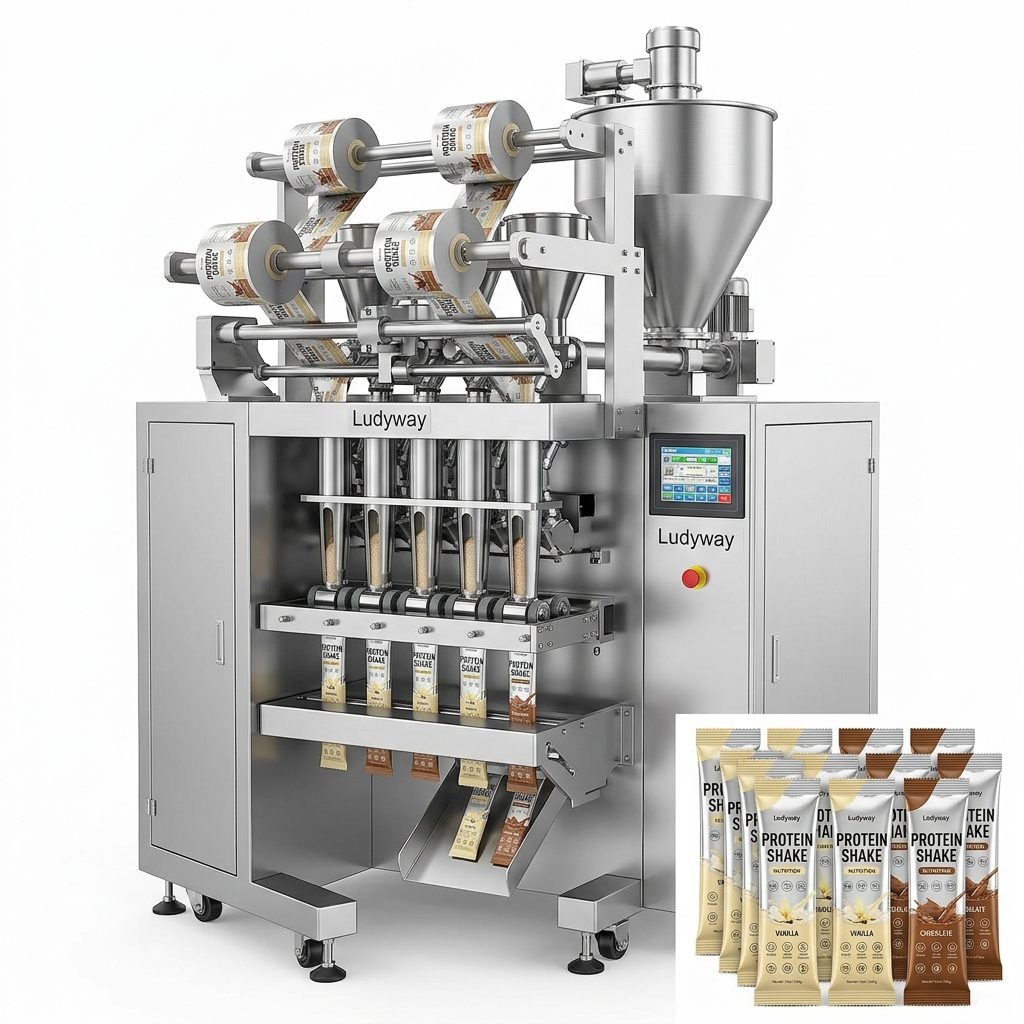
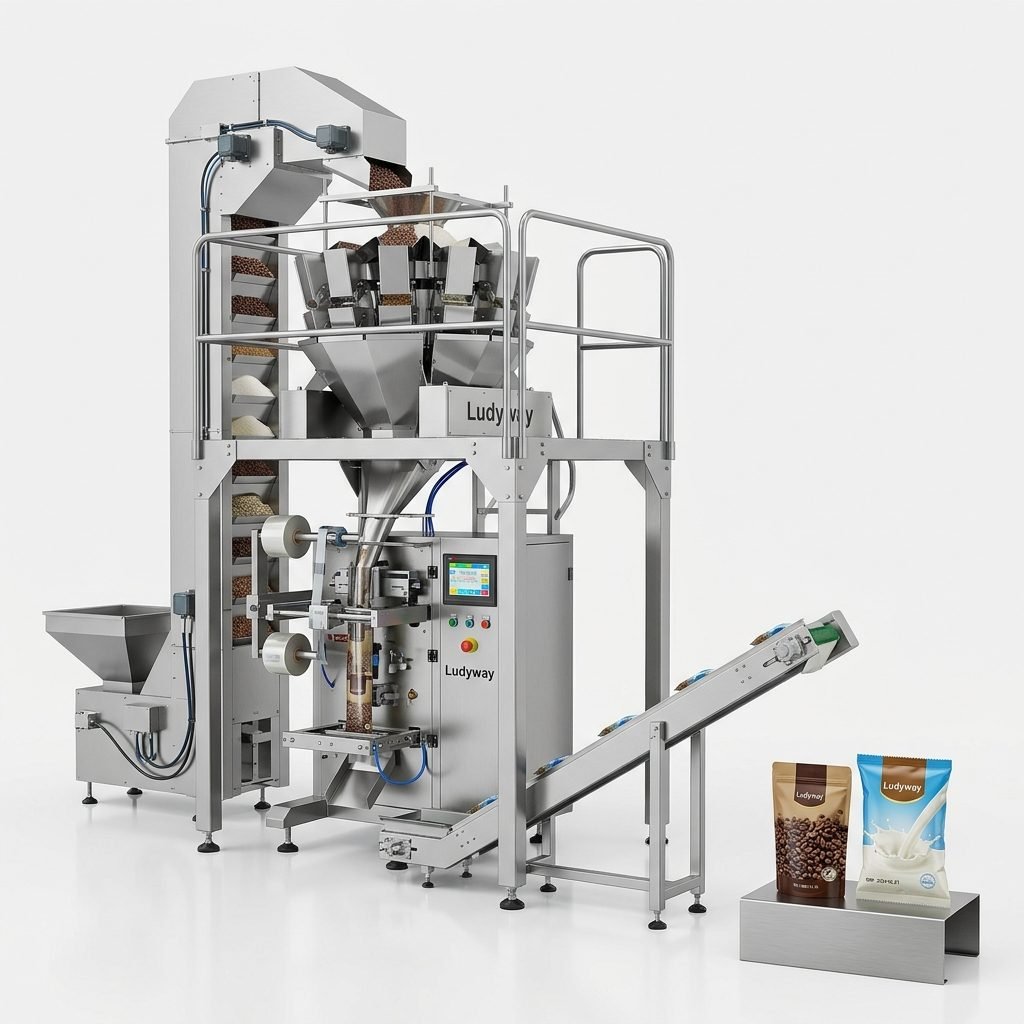
In today’s competitive food and pharmaceutical markets, product freshness, shelf life, and presentation are paramount. Reduced Oxygen Packaging (ROP) has emerged as a critical technology for achieving these goals, and the machines that enable this process are at the heart of modern packaging lines. This guide delves into how ROP machines work, their significant benefits, and the essential factors to consider when making a purchase.
Understanding Reduced Oxygen Packaging (ROP)
Reduced Oxygen Packaging, often synonymous with Modified Atmosphere Packaging (MAP), is a technique where the natural air inside a package is replaced with a protective gas mix. This altered atmosphere significantly slows down product degradation. The primary goal is to reduce the level of oxygen (O₂), as oxygen is the main culprit behind oxidation, microbial growth (especially aerobic bacteria and molds), and enzymatic spoilage.
Core Principles of the Technology
The science behind ROP is straightforward yet powerful. By creating a low-oxygen environment, the chemical and biological processes that cause food to spoil are inhibited. Common gas mixtures used include:
- High Nitrogen (N₂): An inert gas used to displace oxygen and prevent package collapse (acting as a filler).
- Carbon Dioxide (CO₂): Possesses antimicrobial properties, particularly effective against bacteria and molds.
- Argon (Ar): Another inert gas sometimes used for sensitive products.
How a Reduced Oxygen Packaging Machine Works
The process is automated and precise, typically following these sequential steps within a single machine or integrated line:
Step 1: Product Loading & Tray Positioning
The product is placed into a pre-formed tray, cup, or pouch. The filled container is then positioned accurately within the machine’s sealing station.
Step 2: Air Evacuation
The machine’s sealing head lowers, creating a sealed chamber over the product and container. A powerful vacuum pump then removes the ambient air from this chamber and the package itself. This is the critical “reduced oxygen” phase.
Step 3: Gas Flushing
Immediately after evacuation, the desired protective gas mixture is injected into the chamber, flooding the package. The gas composition is precisely controlled by a gas mixer to match the specific needs of the product (e.g., meat, cheese, snacks, pharmaceuticals).
Step 4: Heat Sealing
While the package is still under the protective atmosphere, a heated sealing bar presses a lidding film onto the container rim, creating a hermetic seal that locks the modified atmosphere inside.
Step 5: Chamber Release & Ejection
The sealing head lifts, breaking the chamber seal. The finished, atmosphere-protected package is conveyed out of the machine, ready for labeling and boxing.
Key Benefits of Using ROP Machines
Investing in ROP technology delivers multifaceted advantages for producers and consumers alike.
Extended Shelf Life
This is the most significant benefit. By minimizing oxidative and microbial spoilage, ROP can extend a product’s freshness by 50% to 400% compared to traditional air-packed products. This reduces food waste, allows for broader distribution, and improves inventory management.
Enhanced Product Quality & Appearance
ROP helps preserve the original color, texture, flavor, and nutritional value of food. For example, red meats retain their bright red color, and crispy snacks stay crunchy longer. The sealed, often see-through package also offers an appealing, high-quality visual presentation on retail shelves.
Reduced Need for Preservatives
With the packaging itself acting as a preservation system, manufacturers can often reduce or eliminate chemical preservatives. This aligns perfectly with the growing consumer demand for “clean-label” and naturally preserved products.
Improved Safety
While ROP inhibits aerobic pathogens, it’s crucial to follow strict hygiene protocols and, for certain products, use complementary hurdles like refrigeration. The technology, when applied correctly, contributes to a safer food supply chain.
Essential Factors to Consider When Buying
Choosing the right ROP machine requires careful evaluation of your specific needs. Here are the key buying factors:
1. Product Type and Characteristics
The machine must be compatible with your product’s form (solid, granular, powder, liquid), size, and sensitivity. Delicate baked goods require gentle handling, while oily snacks need specific film barriers.
2. Production Speed and Output Requirements
Assess your required cycles per minute (CPM). Machines range from small, semi-automatic tabletop models for low-volume production to high-speed, fully automatic rotary or in-line systems for large-scale output. Consider future growth when selecting capacity.
3. Packaging Materials and Formats
Determine your container type (tray, bowl, pouch) and lidding film specifications. The machine must handle the material thickness and provide consistent sealing. Discuss barrier properties (oxygen transmission rate) with your material supplier to ensure they match the intended shelf life.
4. Gas Mixing and Precision
A high-precision gas mixing system is non-negotiable. Look for machines with reliable gas flush technology that ensures minimal residual oxygen levels (often targeting <1%). Consistent gas mixture accuracy is vital for predictable results.
5. Automation and Integration Level
Decide between manual loading, semi-automatic, or fully automatic systems integrated with upstream fillers and downstream labelers. Higher automation boosts efficiency and reduces labor costs but requires a larger initial investment.
6. Machine Durability and Support
Opt for robust construction from reputable manufacturers known for reliability. Crucially, evaluate the supplier’s technical support, availability of spare parts, and service network. A machine is a long-term investment; strong after-sales support is essential. For insights into a provider with decades of industry experience, you can explore their company profile and commitment to innovation.
7. Budget and Total Cost of Ownership
Look beyond the purchase price. Consider operational costs (gas consumption, energy, film waste), maintenance expenses, and potential for scalability. The most cost-effective machine balances initial investment with long-term efficiency and reliability.
Frequently Asked Questions (FAQs)
What is the main difference between Vacuum Packaging and Reduced Oxygen Packaging?
Vacuum packaging removes almost all air but can crush delicate products. ROP (MAP) replaces air with a gas mix, protecting product shape while still drastically reducing oxygen. ROP is often preferred for fragile items like chips, baked goods, and fresh produce.
Can ROP machines be used for all types of food?
While highly versatile, ROP is not ideal for all foods. Live, respiring products like fresh fruits and vegetables often require a very specific, balanced atmosphere (sometimes called Equilibrium Modified Atmosphere Packaging – EMAP) to avoid anaerobic conditions. Always test your specific product.
How low should the oxygen level be inside the package?
The target residual oxygen level varies by product. For highly sensitive products like cooked meats or oily snacks, targets are often below 1%. For less sensitive goods, levels between 1-3% may be sufficient. Your machine’s performance and packaging film’s barrier properties determine the achievable level.
Is ROP packaging safe from bacteria like Clostridium botulinum?
ROP inhibits aerobic bacteria but can create conditions favorable for anaerobic pathogens like C. botulinum in low-acid, moist foods. Therefore, it is critical to combine ROP with other safety hurdles such as strict refrigeration, pH control, or preservatives, as mandated by food safety regulations.
What maintenance does an ROP machine require?
Regular maintenance includes daily cleaning of the sealing area, checking and replacing sealing gaskets, verifying vacuum pump oil levels, and calibrating the gas mixer. Following the manufacturer’s scheduled maintenance plan is vital for consistent performance and machine longevity. Understanding a supplier’s support structure, as detailed in their company history, can give confidence in long-term operational support.