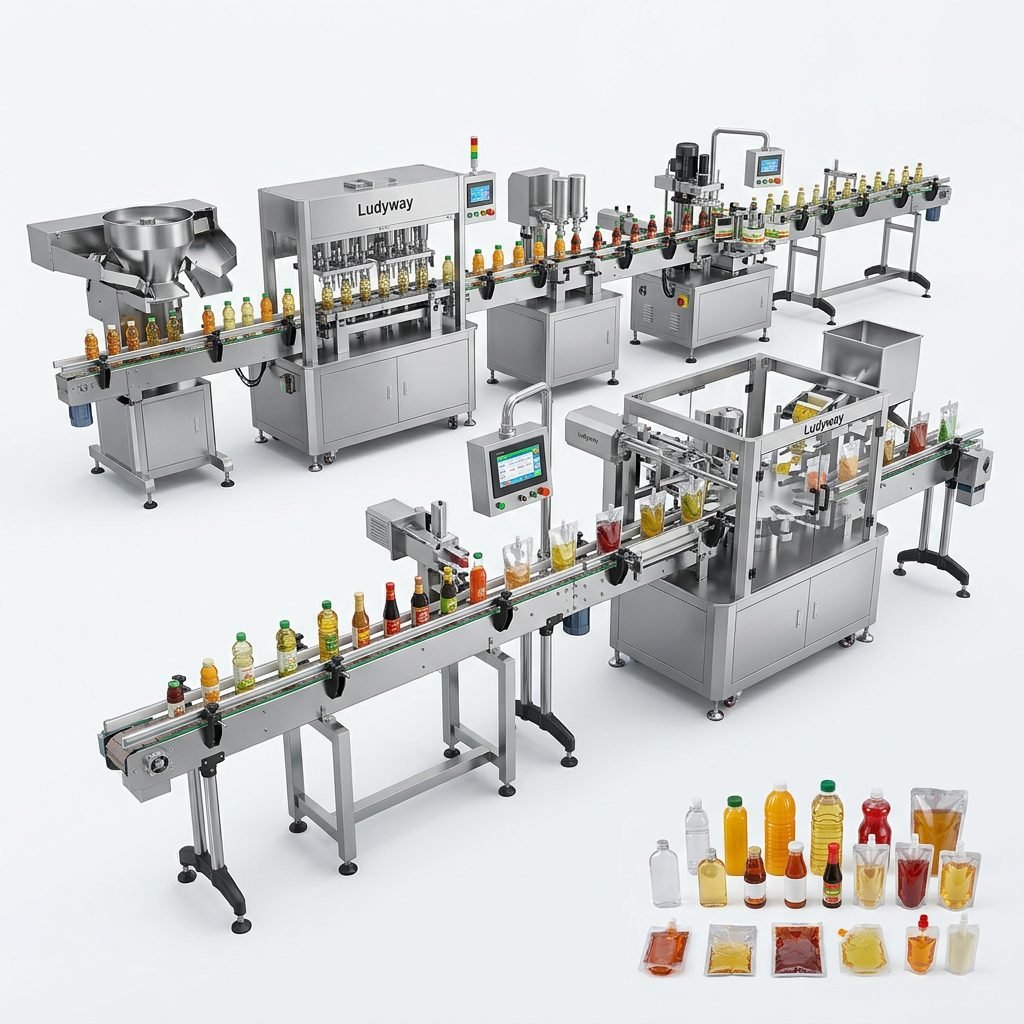
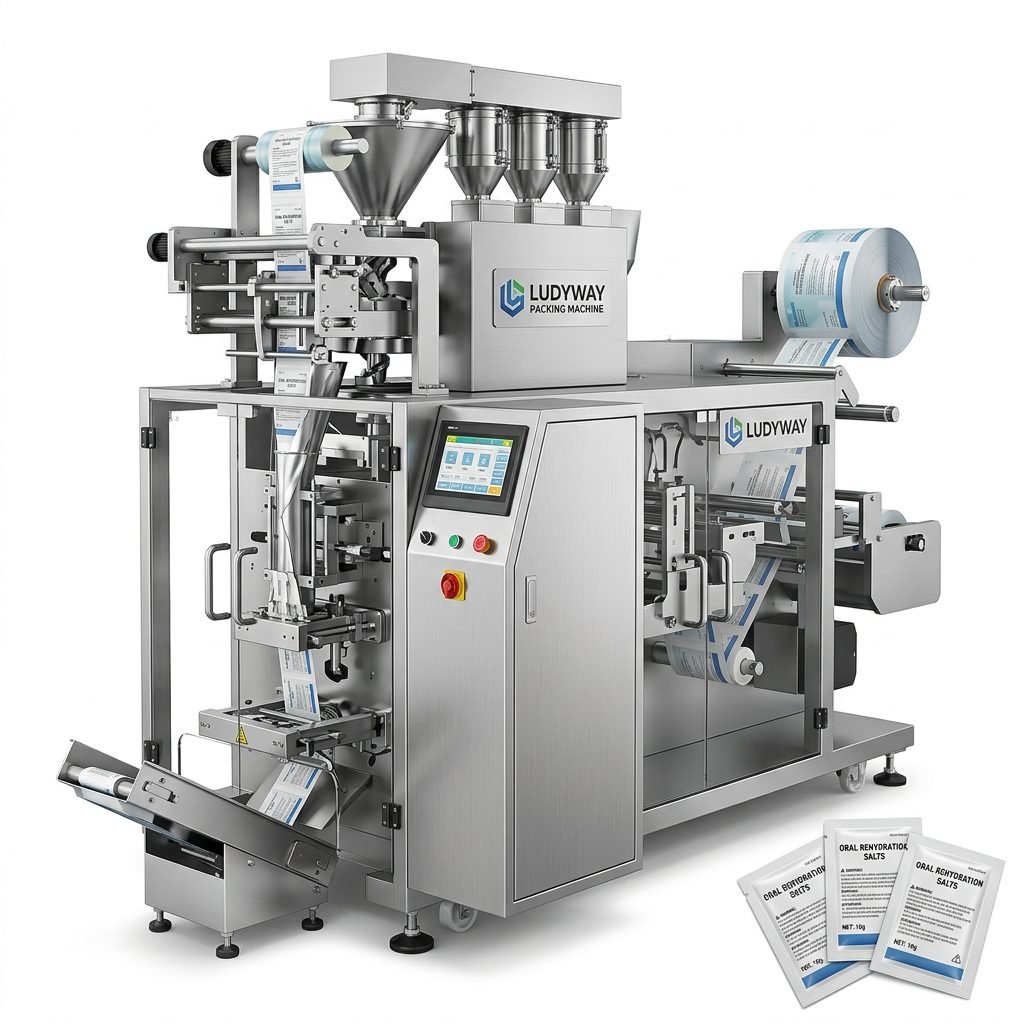
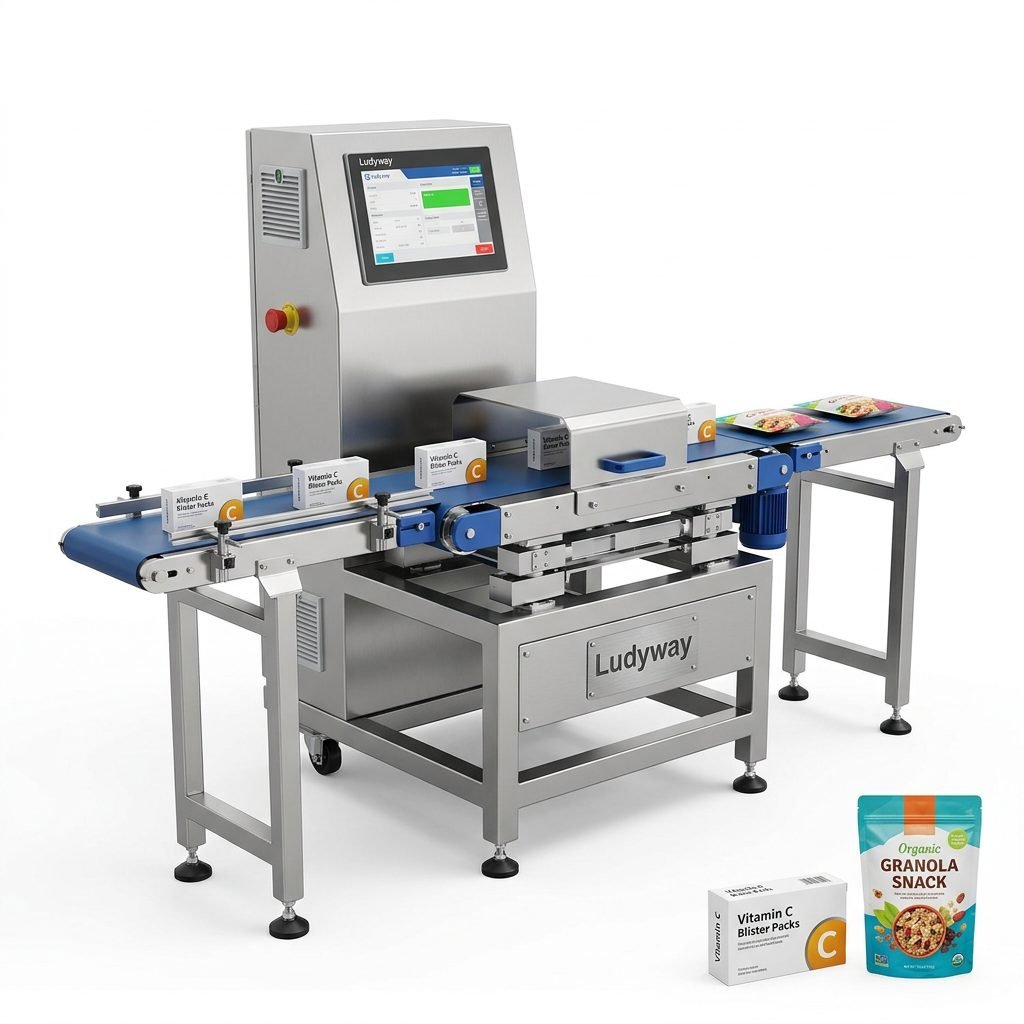
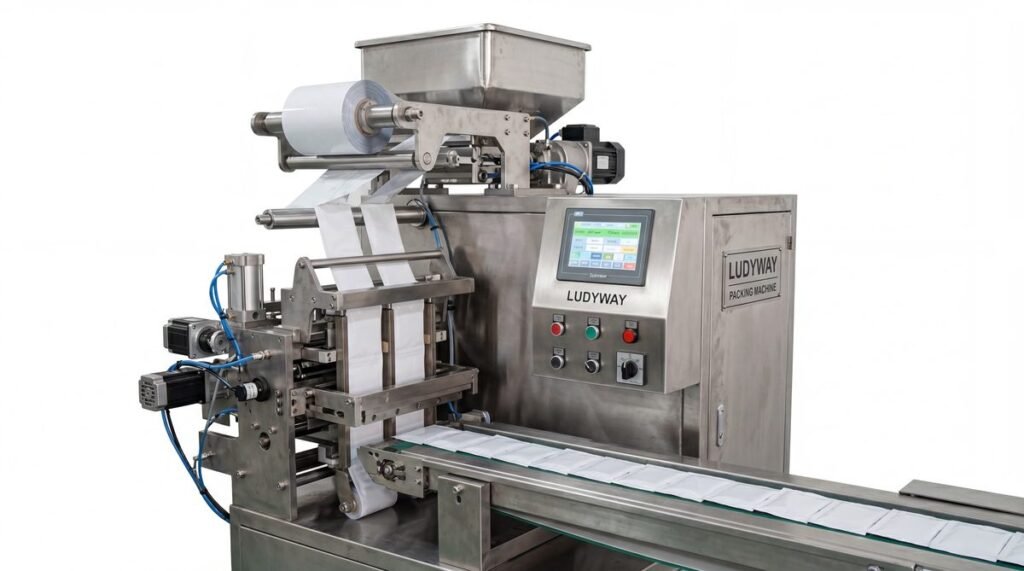
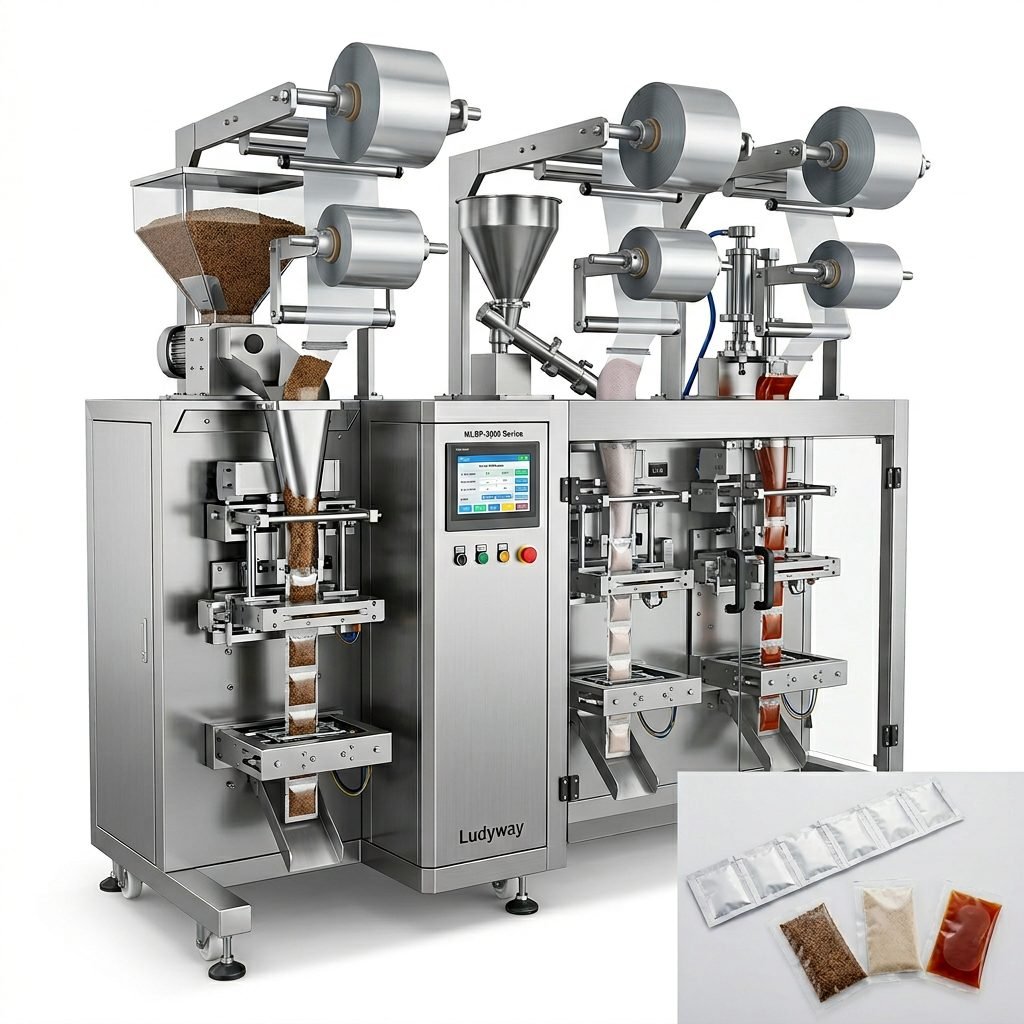
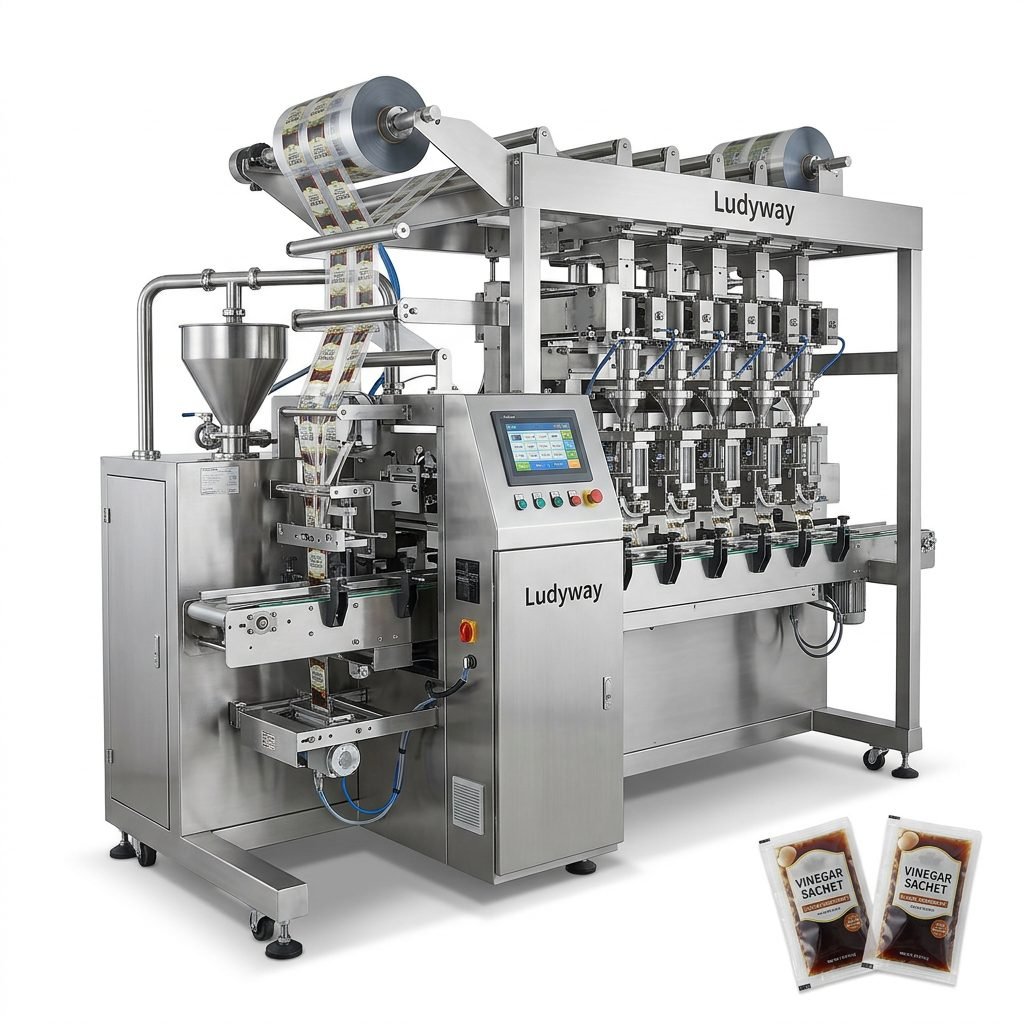
In today’s fast-paced consumer market, efficiency and presentation are paramount. For businesses packaging products like instant coffee, sugar, spices, sauces, pharmaceuticals, or cosmetics, the sachet packaging machine is an indispensable piece of equipment. This comprehensive guide delves into the various types of sachet packaging machines, explains their core working principles, and provides a detailed framework to help you select the perfect model for your production needs.
Understanding Sachet Packaging Machines
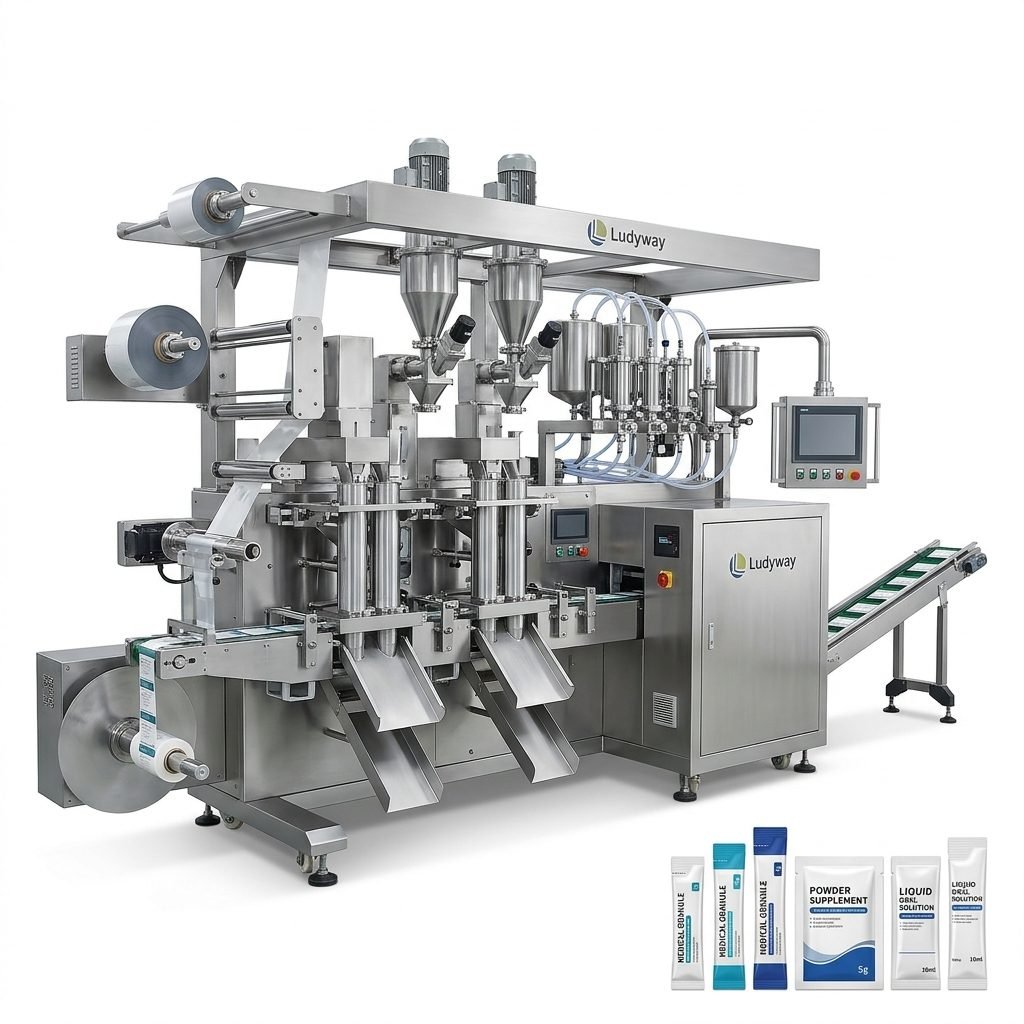
A sachet packaging machine is an automated system designed to form, fill, and seal individual pouches from a roll of packaging film. These machines are engineered for high-speed, precise, and hygienic packaging of a wide range of products in measured quantities. The primary goal is to protect the product, extend its shelf life, and present it in a convenient, attractive, and portable format that appeals to end-users.
The versatility of these machines makes them a cornerstone in industries where single-serve or small-quantity packaging is standard. From the food and beverage sector to pharmaceuticals and personal care, sachet packaging offers a cost-effective and consumer-friendly solution.
Core Advantages of Automated Sachet Packaging
Adopting an automated sachet packaging system brings transformative benefits to a production line:
↳ High Efficiency & Speed: Modern machines can produce hundreds, even thousands, of sachets per minute, dramatically increasing output compared to manual packaging.
↳ Exceptional Accuracy: Advanced volumetric, auger, or liquid pumps ensure each sachet contains the exact predetermined amount of product, minimizing giveaway and ensuring consistency.
↳ Enhanced Hygiene & Safety: The closed, automated process minimizes human contact with the product, which is critical for food and pharmaceutical applications to meet stringent health standards.
↳ Reduced Operational Costs: While the initial investment is significant, automation reduces long-term labor costs, material waste, and product loss, offering an excellent return on investment.
↳ Packaging Versatility: These machines can handle various film materials (like laminates, PET, AL foil) and create different sachet styles (pillow, gusseted, stand-up) to match brand requirements.
Exploring the Different Types of Sachet Packaging Machines
Choosing the right machine starts with understanding the available configurations. They are primarily categorized by their operation method and the number of packaging lanes.
1. By Operation Method
Vertical Form-Fill-Seal (VFFS) Machines
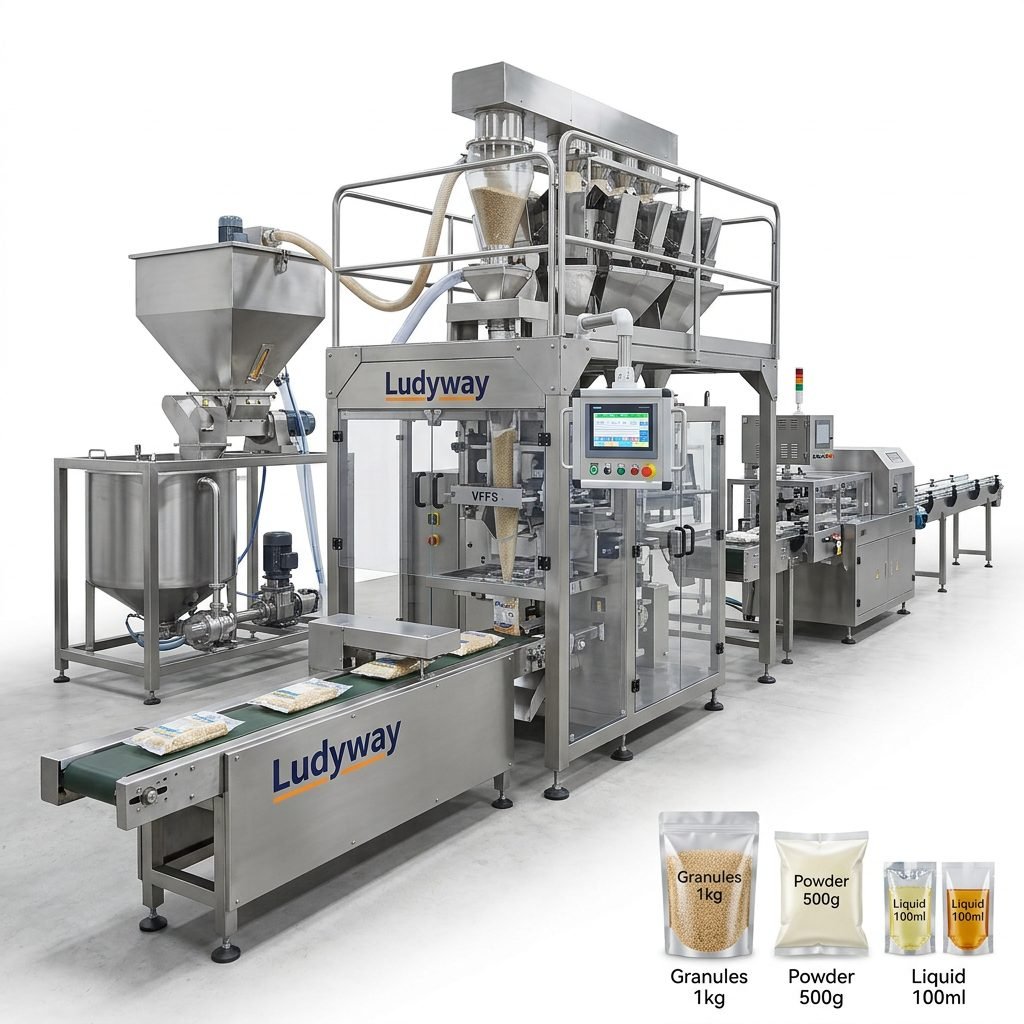
The most common type, where the film roll is fed vertically. The machine forms a tube, seals the bottom, fills the product, and then seals the top before cutting the individual sachet. Ideal for granules, powders, seeds, and small solid items.
Horizontal Form-Fill-Seal (HFFS) Machines
The film is fed horizontally. These are often used for more complex sachet shapes, multi-layered products, or when inserting items like spoons or straws. Excellent for liquid, paste, and viscous products where a flat seal is preferred.
2. By Number of Lanes
Single-Lane Machines
The standard configuration, producing one stream of sachets. Perfect for small to medium-scale production, product trials, or businesses with limited floor space.
Multi-Lane Machines (Dual-Lane, Four-Lane, etc.)
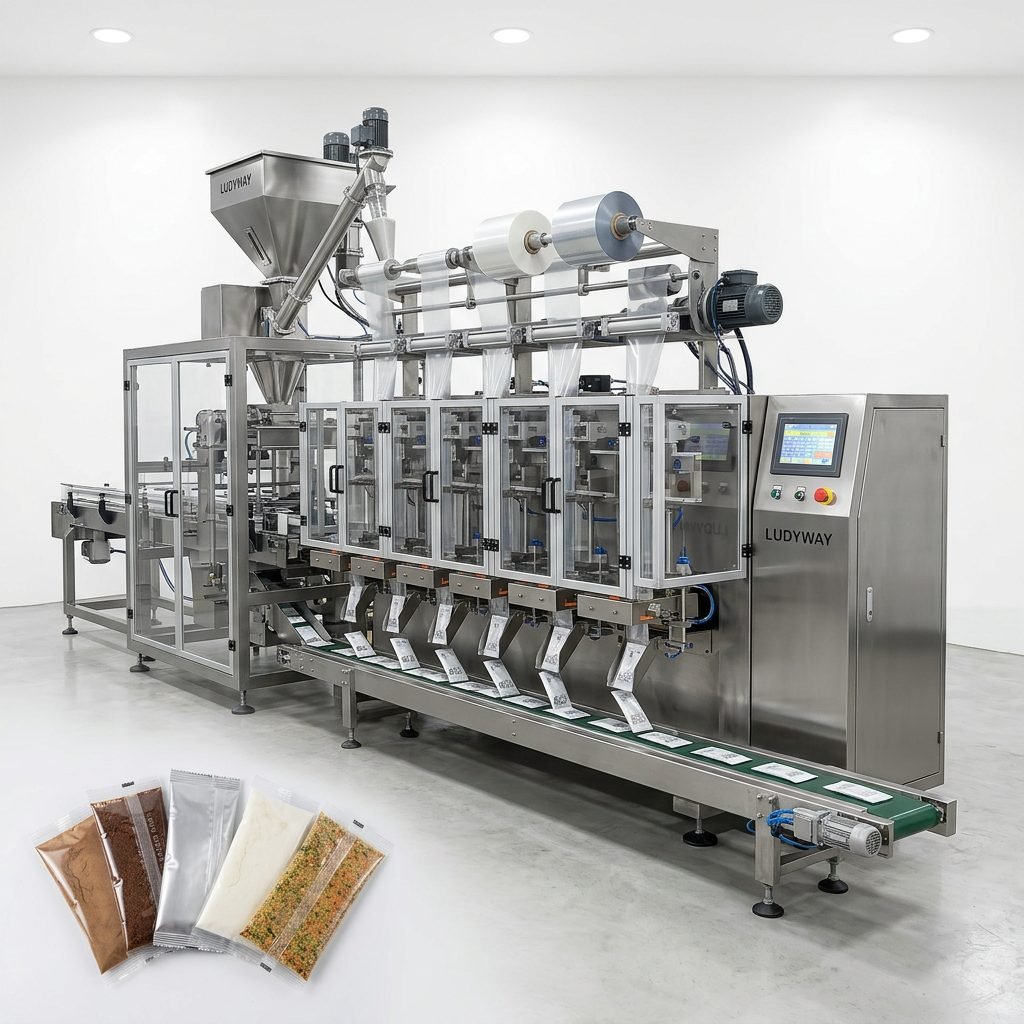
These high-output machines feature multiple parallel packaging lanes operating simultaneously from a single film roll. They effectively double, triple, or quadruple production speed and are essential for large-scale, high-volume manufacturing.
How Does a Sachet Packaging Machine Work? The Working Principle
The process, though rapid, follows a precise and sequential cycle. Here’s a step-by-step breakdown of the typical VFFS operation:
1. Film Unwinding & Forming: The packaging film roll is mounted and fed through tensioners and guides. It passes over a forming collar, which shapes the flat film into a cylindrical tube.
2. Back Sealing: The longitudinal back seal of the tube is created by a vertical sealing mechanism.
3. Bottom Cross Sealing & Cutting: A pair of heated jaws close to create the bottom seal of the first sachet and simultaneously cut off the finished sachet from the previous cycle.
4. Product Filling: The measured dose of product is dropped through the filling tube into the now-open sachet below. The filling system (auger, cup, pump) is chosen based on product characteristics.
5. Top Cross Sealing & Final Cut: The film tube is pulled down to the next position. The sealing jaws close again to create the top seal of the finished sachet and the bottom seal of the next one, completing the cycle.
How to Choose the Right Sachet Packaging Machine Model
Selecting the ideal machine is a critical investment. A methodical evaluation based on your specific needs will ensure you get a system that delivers performance and value for years. Partnering with an experienced supplier like Ludyway Machinery can provide invaluable guidance through this process.
1. Analyze Your Product Characteristics
This is the most crucial factor. The machine must be compatible with your product’s physical properties.
• Physical State: Is it a free-flowing powder, granule, flake, liquid, paste, or cream? Each requires a different filling system (e.g., auger filler for powders, piston pump for pastes).
• Product Sensitivity: Does it require protection from moisture, oxygen, or light? This determines the necessary barrier properties of the packaging film (e.g., aluminum laminate).
• Abrasiveness/Corrosiveness: Abrasive products (like certain spices) require hardened contact parts, while corrosive chemicals need stainless steel or special coatings.
2. Define Your Production Requirements
Your output goals dictate the machine’s capacity and features.
• Required Output Speed (sachets per minute): Calculate your current and projected future needs. A single-lane machine may suffice for 60-120 sachets/min, while higher volumes demand a multi-lane system.
• Sachet Size & Style: What are the dimensions (length & width) of your sachet? Do you need a standard pillow pack, a gusseted base for stability, or a stand-up pouch? Ensure the machine’s forming range covers your specifications.
3. Evaluate Machine Features & Construction
Look beyond the basic specs to the quality and functionality that impact long-term operation.
• Control System & UI: A user-friendly, digital touchscreen interface with recipe storage simplifies operation and changeovers. PLC control ensures reliability.
• Material of Construction: For food and pharma, food-grade stainless steel (304 or 316) on all product contact points is non-negotiable for hygiene and cleanability.
• Changeover Flexibility: How quickly and easily can you switch sachet sizes or products? Look for machines with tool-less or quick-change mechanisms to minimize downtime.
• Integration Capabilities: Can the machine easily connect to upstream equipment (like mixers or conveyors) or downstream systems (like cartoners or case packers)?
4. Consider Supplier Support and Service
The machine is only as good as the support behind it. A reliable partner is essential.
• Technical Expertise & Customization: Does the supplier understand your industry and offer customized solutions? Can they tailor the machine to your unique process?
• After-Sales Service: What is the warranty period? Is there prompt local or remote technical support? Availability of spare parts is critical to avoid prolonged stoppages.
• Training & Documentation: Comprehensive operator and maintenance training, along with clear manuals, are vital for smooth commissioning and daily operation.
Common Questions (FAQs)
Q1: What is the typical price range for a sachet packaging machine?
Prices vary widely based on type, speed, automation level, and brand. Basic single-lane machines can start from $20,000, while high-speed, multi-lane, fully integrated systems can exceed $150,000. It’s best to request a detailed quotation based on your specific requirements.
Q2: Can one machine package different types of products?
Yes, many machines are designed for flexibility. However, switching between vastly different products (e.g., powder to liquid) usually requires changing the filling system and potentially other components, which involves time and cost. Dedicated machines are often more efficient for high-volume, single-product lines.
Q3: How do I ensure the sachet seals are strong and leak-proof?
Strong seals depend on three factors: correct film material (with a sealant layer), properly calibrated heat and pressure on the sealing jaws, and clean, uncontaminated sealing areas. Regular maintenance and parameter checks are essential. Your machine supplier should provide guidance on film selection and seal settings.
Q4: What kind of maintenance does these machines require?
Daily cleaning of product contact parts is mandatory. Regular maintenance includes lubrication of moving parts, inspection and cleaning of sealing jaws, checking drive belts for wear, and verifying the accuracy of the filling system. A preventive maintenance schedule provided by the manufacturer should be strictly followed.
Q5: Where can I find a reliable supplier for sachet packaging solutions?
Look for suppliers with a proven track record, strong industry experience, and positive customer testimonials. Companies that offer comprehensive support from initial consultation and testing to installation, training, and after-sales service, like experienced providers in the field, are ideal partners for your packaging automation journey.