In today’s competitive manufacturing landscape, efficient use of physical space is a critical factor influencing operational costs, production scalability, and overall profitability. Warehouses and production floors are expensive real estate, and every square foot wasted on bulky, inefficient packaging machinery directly impacts the bottom line. This guide explores the world of space-saving packaging machines—compact, intelligent solutions designed to maximize your available footprint without compromising on speed, versatility, or output quality. By integrating these compact systems, businesses can unlock new levels of efficiency, streamline workflows, and future-proof their operations for growth.
The Critical Need for Compact Packaging Solutions
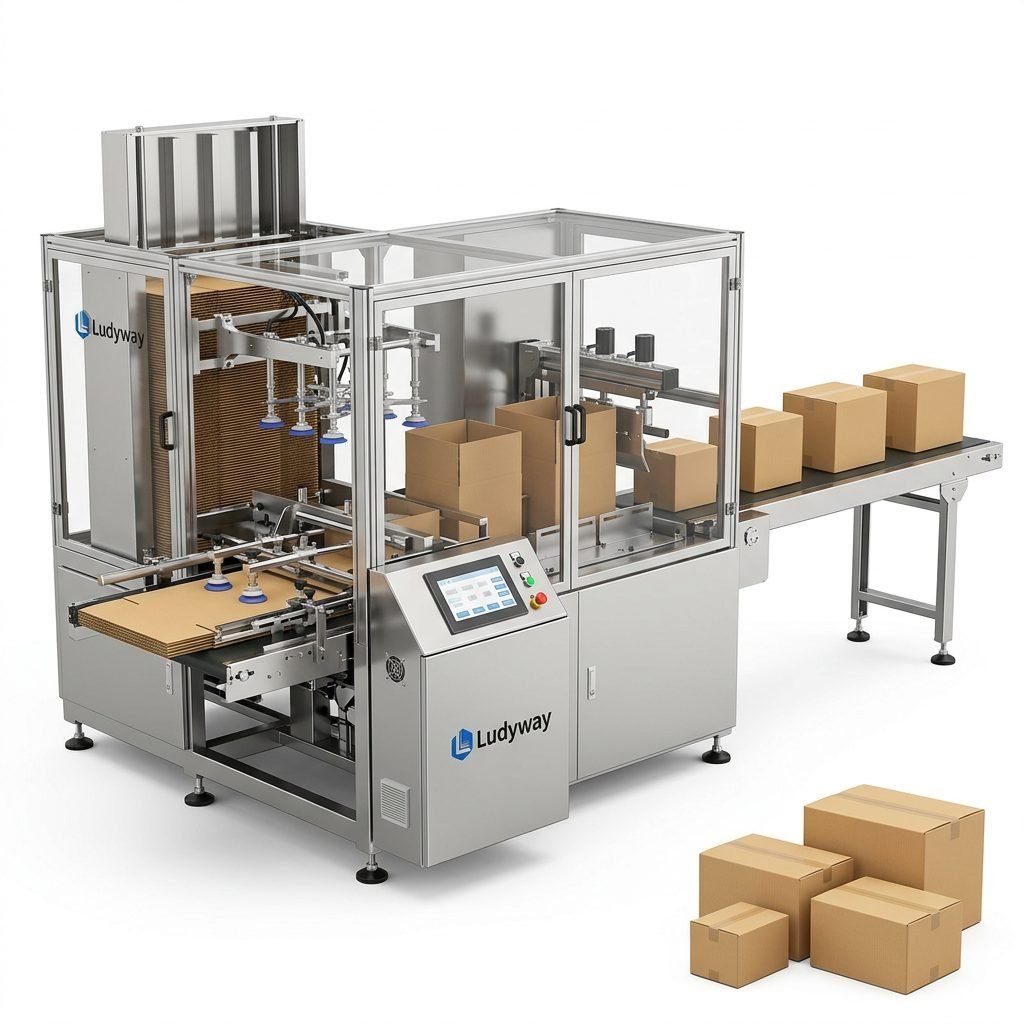
The drive toward compact machinery is not merely a trend but a strategic response to modern industrial challenges. Rising real estate costs, the need for flexible production lines that can be reconfigured quickly, and the demand for higher output from existing facilities all contribute to this shift. Traditional, large-format packaging machines often create bottlenecks, consume excessive energy, and limit a facility’s ability to adapt to new product lines or packaging formats.
Key Insight: A compact packaging machine does more than save floor space. It often incorporates a modular design, allowing for easier integration into existing lines, simpler maintenance access, and the potential for vertical stacking or clustering of units to utilize overhead space effectively.
Core Advantages of Implementing Space-Saving Machines
Adopting a compact packaging strategy delivers multifaceted benefits that extend far beyond the initial footprint reduction.
1. Maximized Production Density
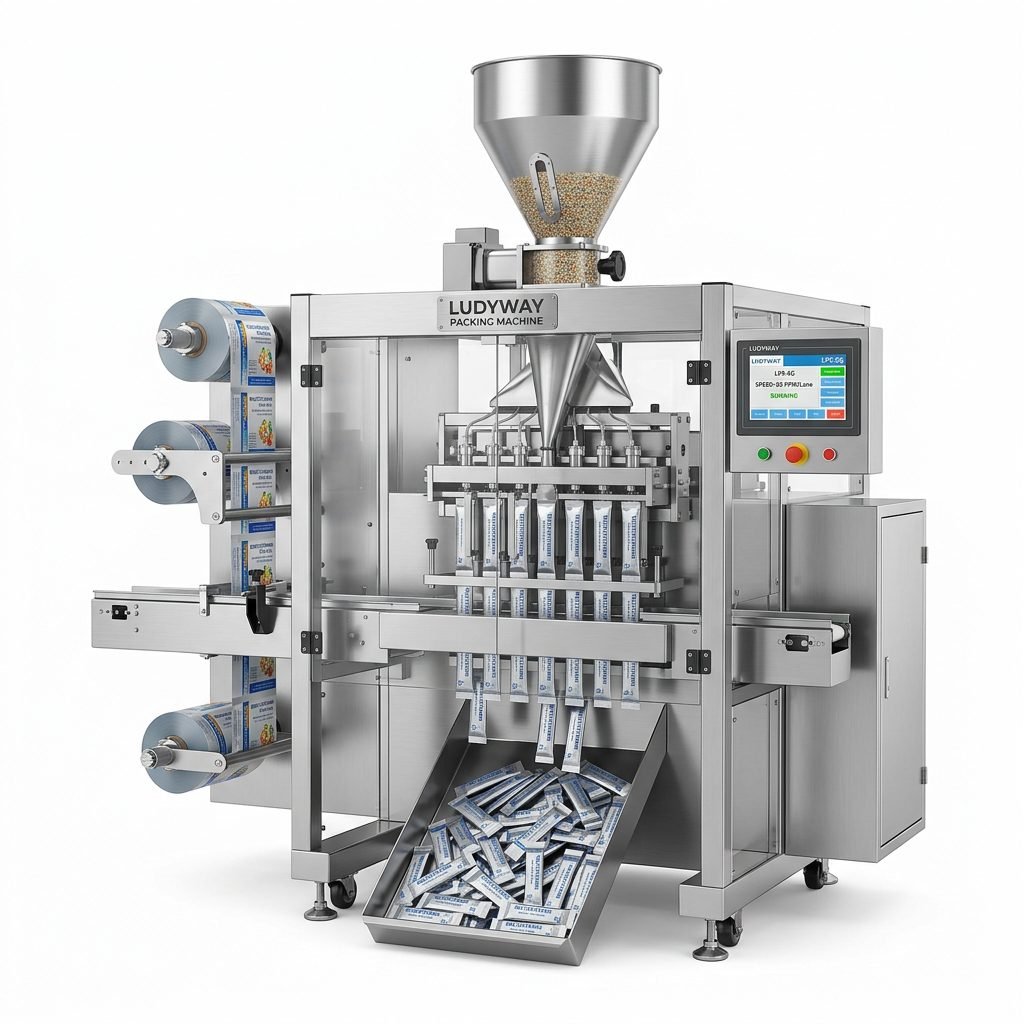
By replacing a single large machine with multiple compact, synchronized units, you can achieve higher total output within the same area. This is particularly effective for multi-lane packaging of items like stick packs, sachets, or single-serve portions.
2. Enhanced Layout Flexibility and Workflow
Smaller machines are easier to position, move, and reconfigure. This enables lean manufacturing principles, such as creating U-shaped cells or in-line sequences that minimize material handling and operator movement, drastically improving workflow efficiency.
3. Reduced Overhead and Operational Costs
Less floor space directly translates to lower leasing or facility costs. Furthermore, modern compact machines are engineered for energy efficiency, using smaller motors and optimized drives, which reduces your ongoing utility expenses.
4. Scalability and Future-Proofing
As your business grows, you can add additional compact modules rather than undertaking a costly and disruptive replacement of an entire monolithic line. This modular approach allows for incremental investment and scaling aligned with demand.
Exploring Types of Compact Packaging Machinery
The market offers a variety of space-optimized machines tailored to different product forms and production volumes. Understanding these options is the first step toward selecting the right solution.
Vertical Form-Fill-Seal (VFFS) Machines
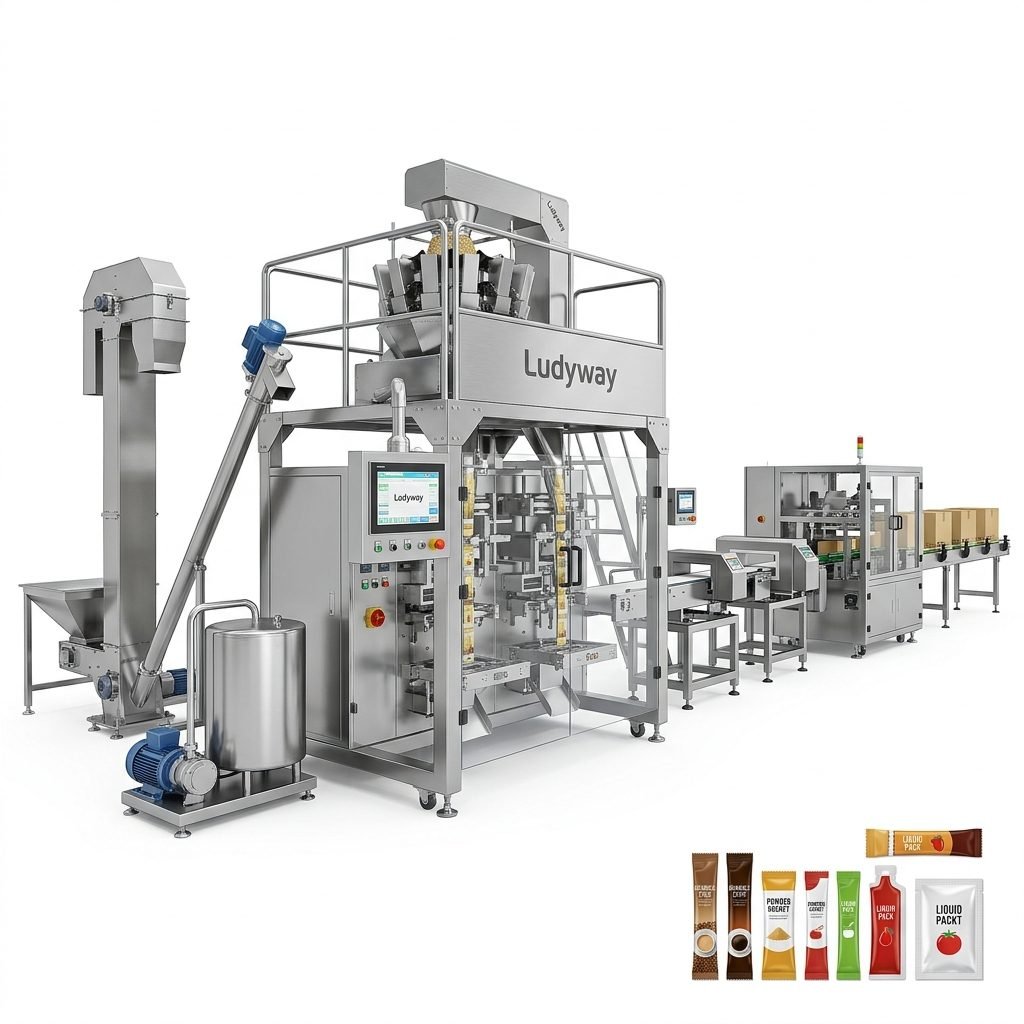
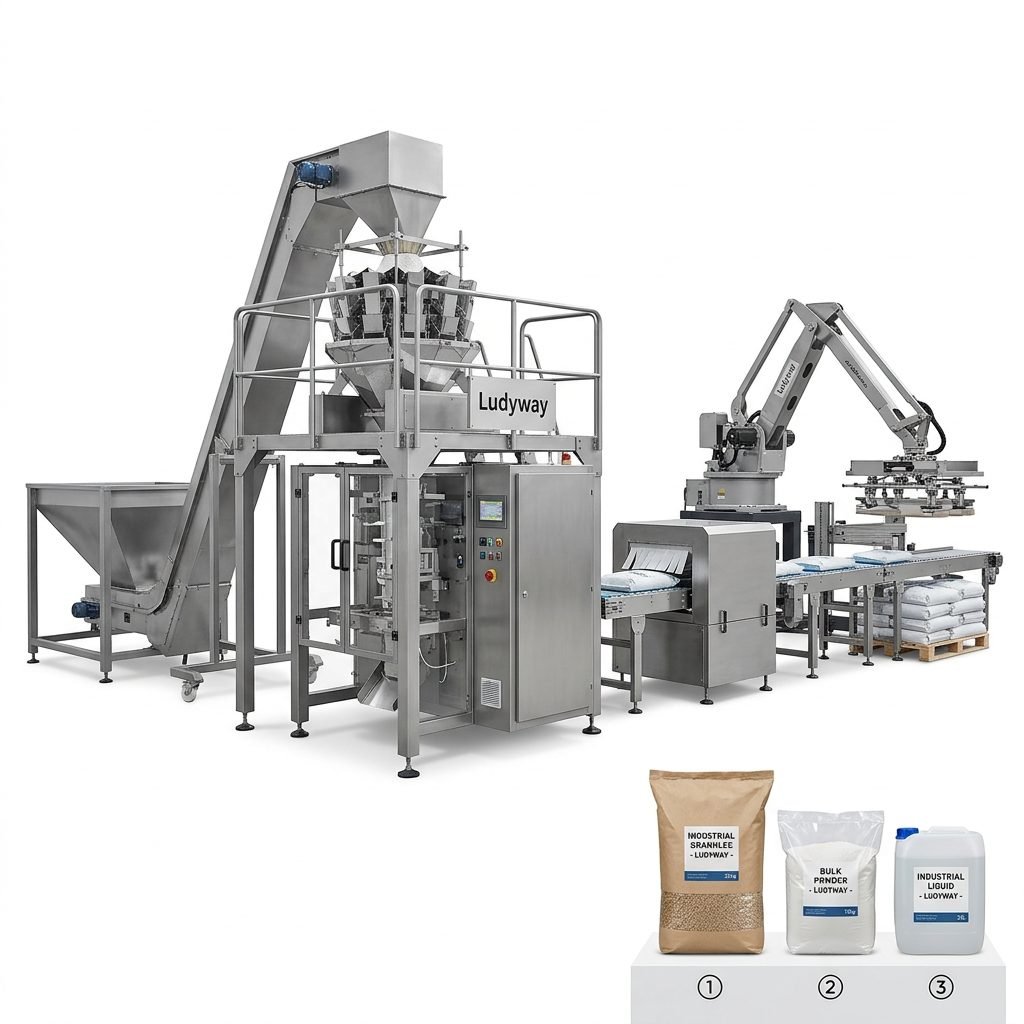
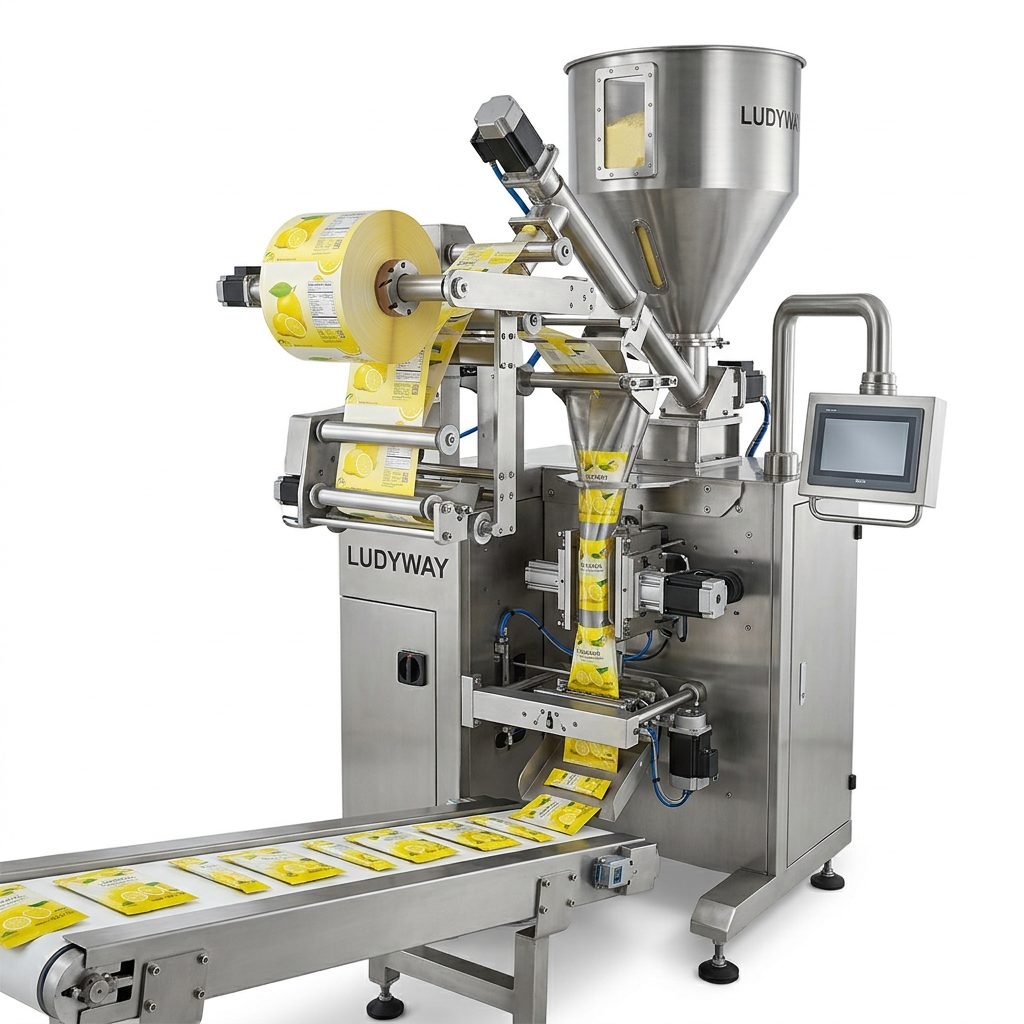
These are the quintessential space-savers for granule, powder, and liquid packaging. Their vertical design minimizes the machine’s footprint while utilizing gravity in the bag-forming process. Modern VFFS systems feature incredibly tight mechanical designs and can be fitted with multiple feeding systems for complex product mixes.
Multi-Lane Stick Pack & Sachet Machines
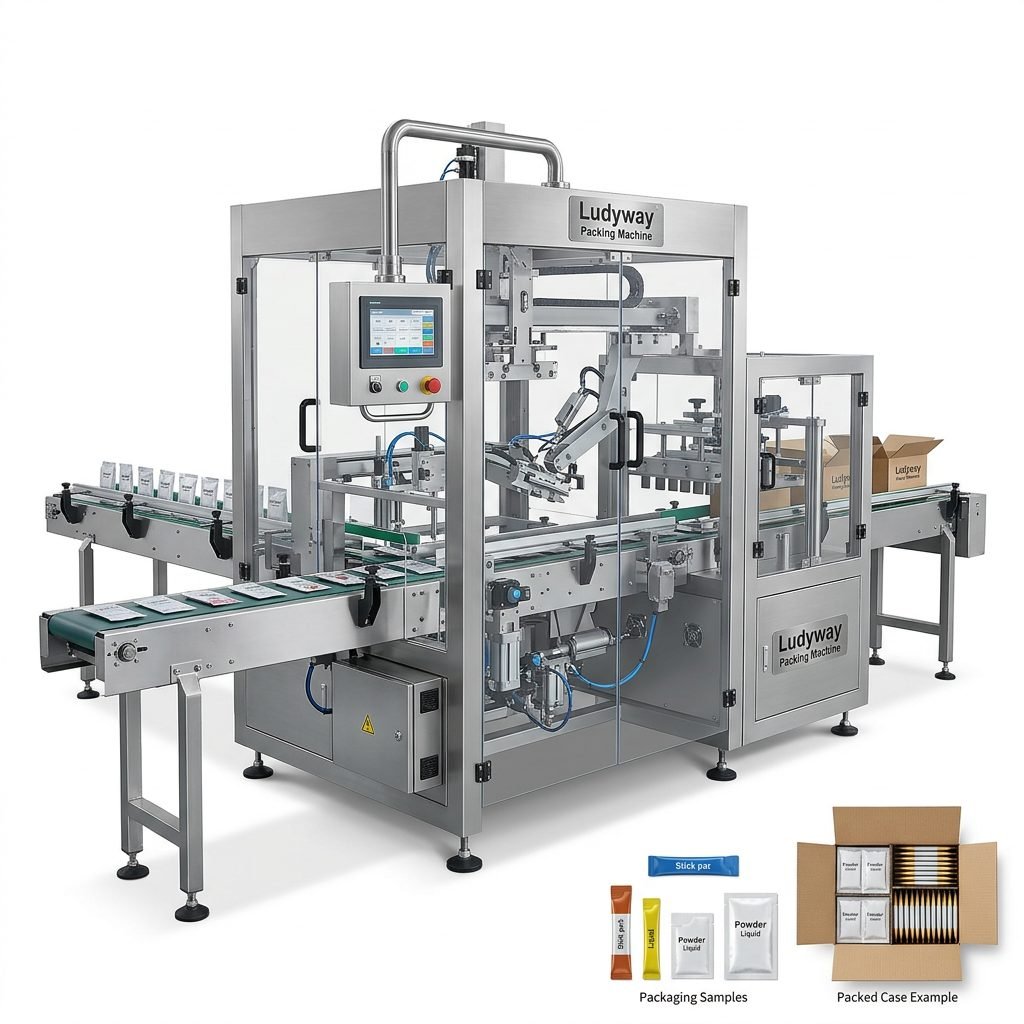
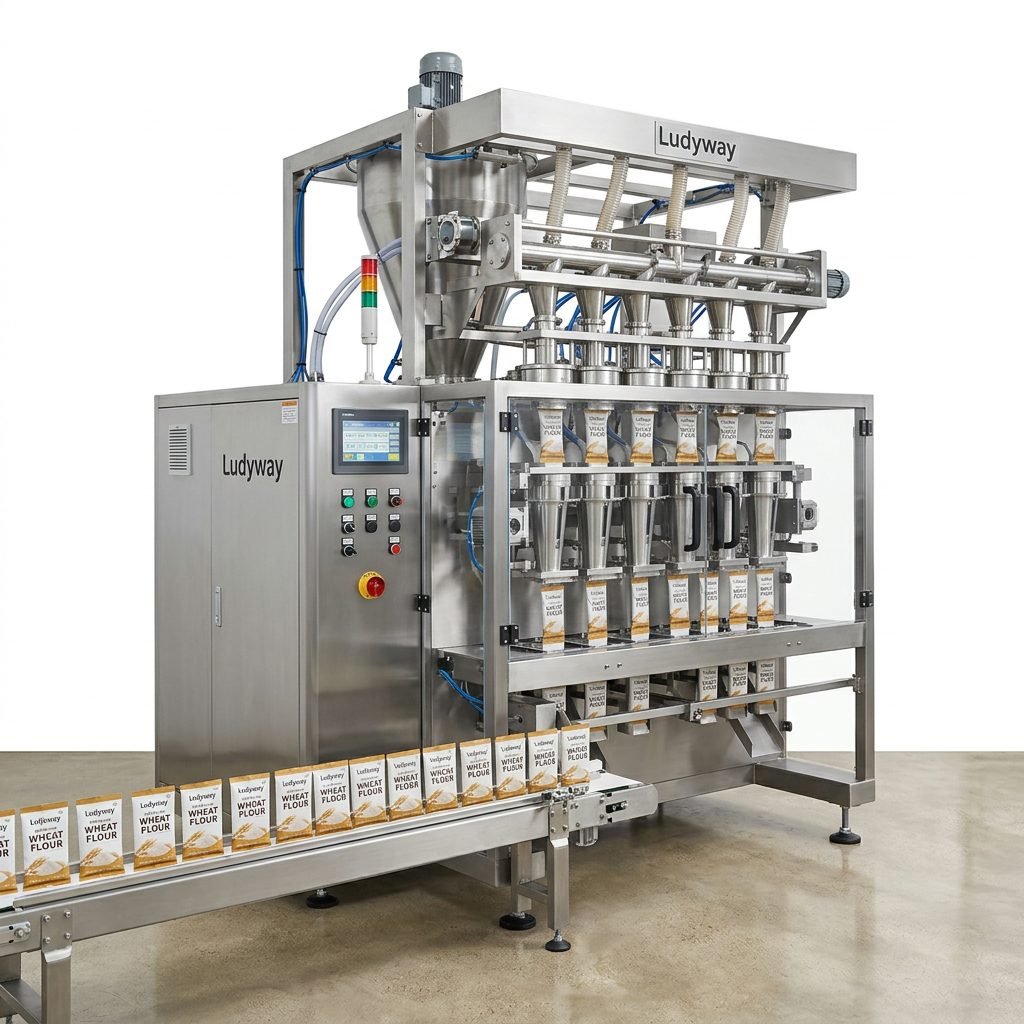
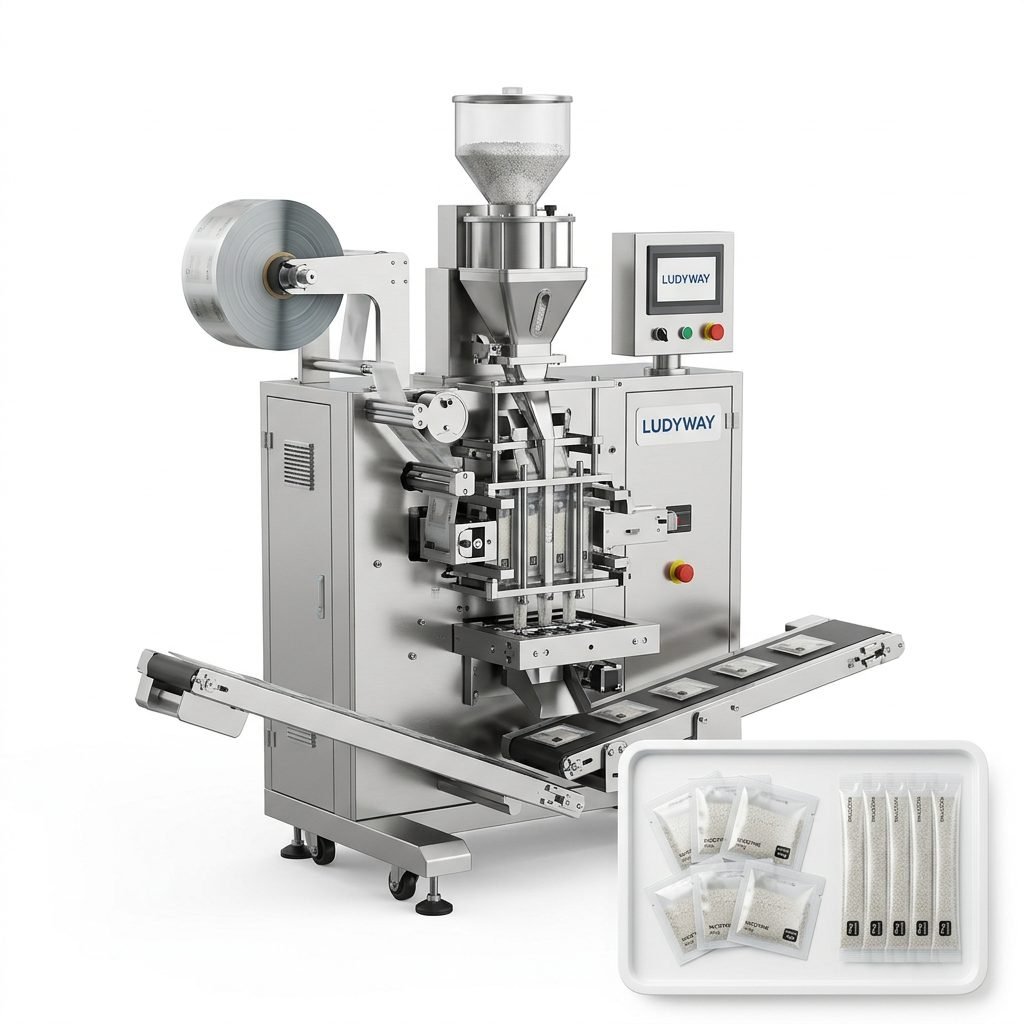
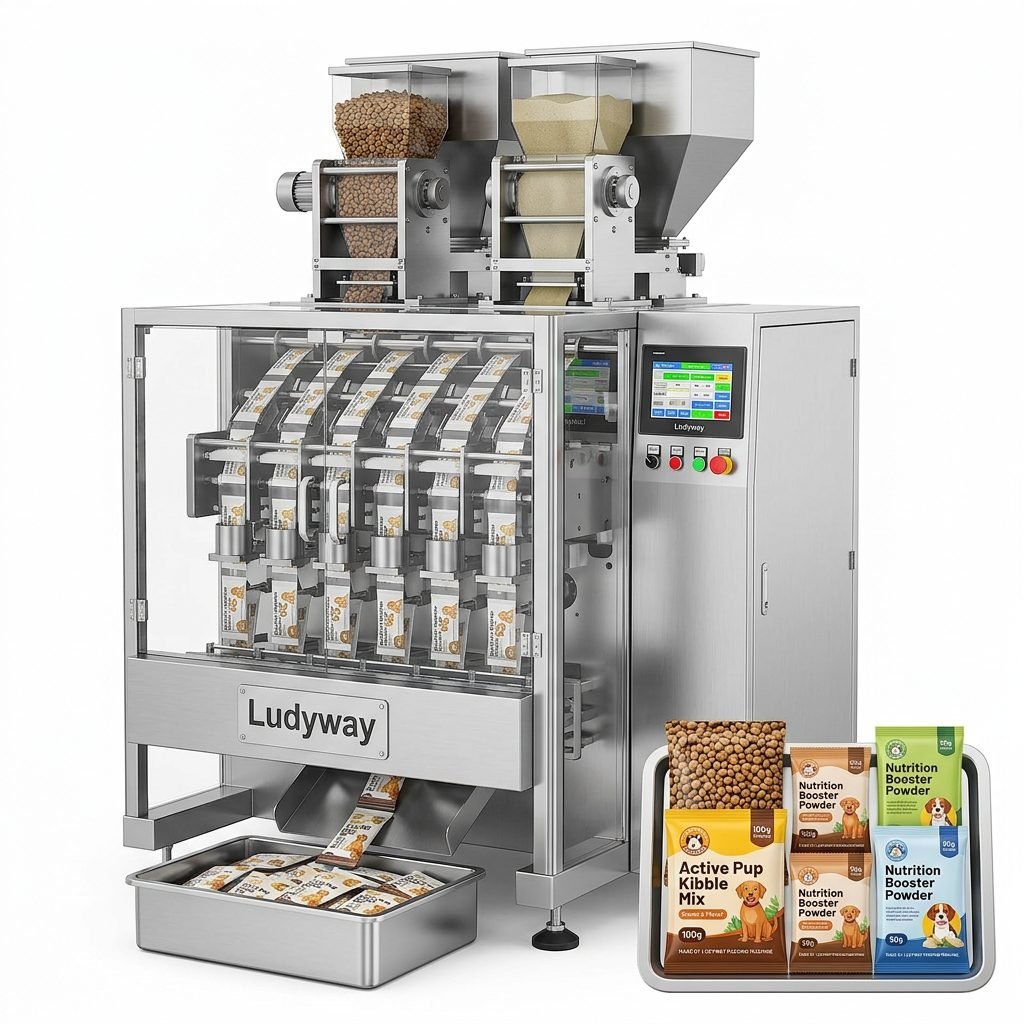
Designed for high-speed, small-portion packaging, these machines pack immense productivity into a small area. By running several packaging lanes in parallel within a single frame, they output hundreds of sticks or sachets per minute from a unit that often requires less than 5 square meters of floor space.
Compact Liquid & Pouch Fillers
Advanced liquid filling technology has been miniaturized into robust, compact units perfect for sauces, oils, pharmaceuticals, and cosmetics. These systems often combine filling, capping, and labeling in one integrated, footprint-conscious station.
Pro Tip: When evaluating compact liquid packaging machines, pay close attention to the changeover time between different container sizes or products. The best space-saving designs also prioritize quick, tool-less adjustments to maintain operational agility.
Strategic Integration into Your Production Environment
Purchasing the machine is only half the battle. Its successful implementation requires careful planning.
Conducting a Pre-Installation Space Audit
Map your current production flow in detail. Identify dead zones, unnecessary gaps between equipment, and potential for vertical integration. Use this audit to visualize the new machine’s placement and its interaction with upstream (e.g., mixing) and downstream (e.g., cartoning) processes.
Embracing Modularity and Connectivity
Choose machines that support industry-standard communication protocols (e.g., OPC UA, Ethernet/IP). This ensures your compact packaging cell can seamlessly exchange data with your Manufacturing Execution System (MES) or ERP, enabling real-time monitoring, predictive maintenance, and data-driven optimization—all crucial for maximizing the value of your compact footprint.
Prioritizing Operator Accessibility and Safety
A cramped machine that is difficult to service or clean will quickly become a bottleneck. Opt for designs with wide-access doors, slide-out components, and clear safety guarding that doesn’t impede necessary operational tasks. Easy access directly reduces downtime.
Ludyway’s Approach to Compact, High-Performance Packaging
With over 30 years of industry experience, Ludyway Machinery has developed a deep understanding of the challenges manufacturers face in optimizing their production space. Our philosophy centers on delivering intelligent, space-conscious automation without compromise.
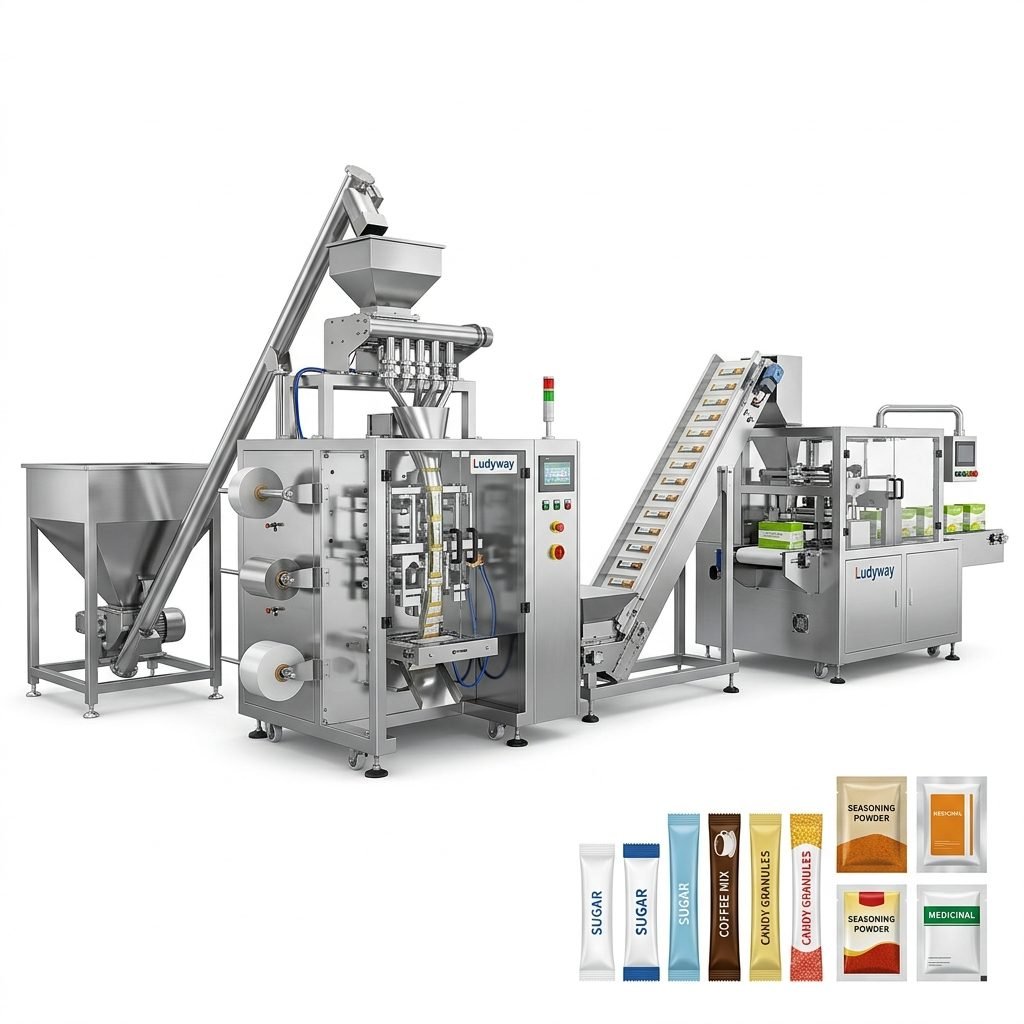
We offer a portfolio of more than 50 machine models, many of which are engineered specifically for high-density production environments. Our multi-lane stick pack and sachet systems exemplify this, delivering remarkable output from a minimal footprint. Furthermore, our engineering team specializes in creating turnkey production solutions that integrate compact packaging machines into a cohesive, streamlined line, eliminating wasted space between processes.
Our Commitment: Every Ludyway solution is backed by professional service and a focus on long-term partnership. We work closely with clients to analyze their spatial constraints and production goals, ensuring the recommended compact machinery delivers not just space savings, but tangible gains in efficiency, reliability, and ROI.
Conclusion: Building a Denser, Smarter, and More Profitable Operation
The transition to space-saving packaging machinery is a clear strategic move for any business looking to enhance its competitiveness. It’s an investment that pays dividends through lower overhead, greater operational flexibility, and improved scalability. By carefully selecting the right type of compact machine and integrating it thoughtfully into your production ecosystem, you transform spatial limitations into a powerful advantage.
In an era where efficiency is paramount, the compact footprint of your packaging line becomes a direct contributor to your company’s agility and resilience, allowing you to respond faster to market opportunities with higher-quality, cost-effective products.
Frequently Asked Questions (FAQs)
1. Are compact packaging machines less durable or powerful than larger models?
No, not necessarily. Modern engineering and high-strength materials allow compact machines to be built with robust frames and high-performance components. The power and durability come from design efficiency and quality manufacturing, not sheer size. Many compact models match or exceed the speed and reliability of their larger counterparts.
2. Can I retrofit a compact machine into my old production line?
Yes, in most cases. This is a key benefit. Their smaller size and often modular design make them easier to integrate into existing layouts. A professional supplier like Ludyway can assess your current line and provide a integration plan, including any necessary conveyors or interface platforms to ensure smooth material flow.
3. Do space-saving machines limit my packaging format options?
On the contrary, many compact machines are highly versatile. For example, a modern vertical form-fill-seal machine can often handle a wide range of bag sizes and styles with quick changeover. The key is to discuss your required format range with the supplier during the selection process to ensure the machine’s capabilities meet your needs.
4. How do I calculate the ROI of switching to compact packaging equipment?
ROI should factor in both direct and indirect savings: Direct includes reduced floor space cost (lease savings), lower energy consumption, and potentially higher output. Indirect includes reduced maintenance time due to better accessibility, lower spare parts inventory, and gains from improved production flexibility and faster changeovers.
5. What is the most common mistake when implementing a compact packaging system?
The most common mistake is focusing solely on the machine’s footprint without planning for adequate service clearance and operator workspace. Always ensure there is sufficient space around the machine for safe operation, routine maintenance, and cleaning, as this is essential for long-term reliability and efficiency.