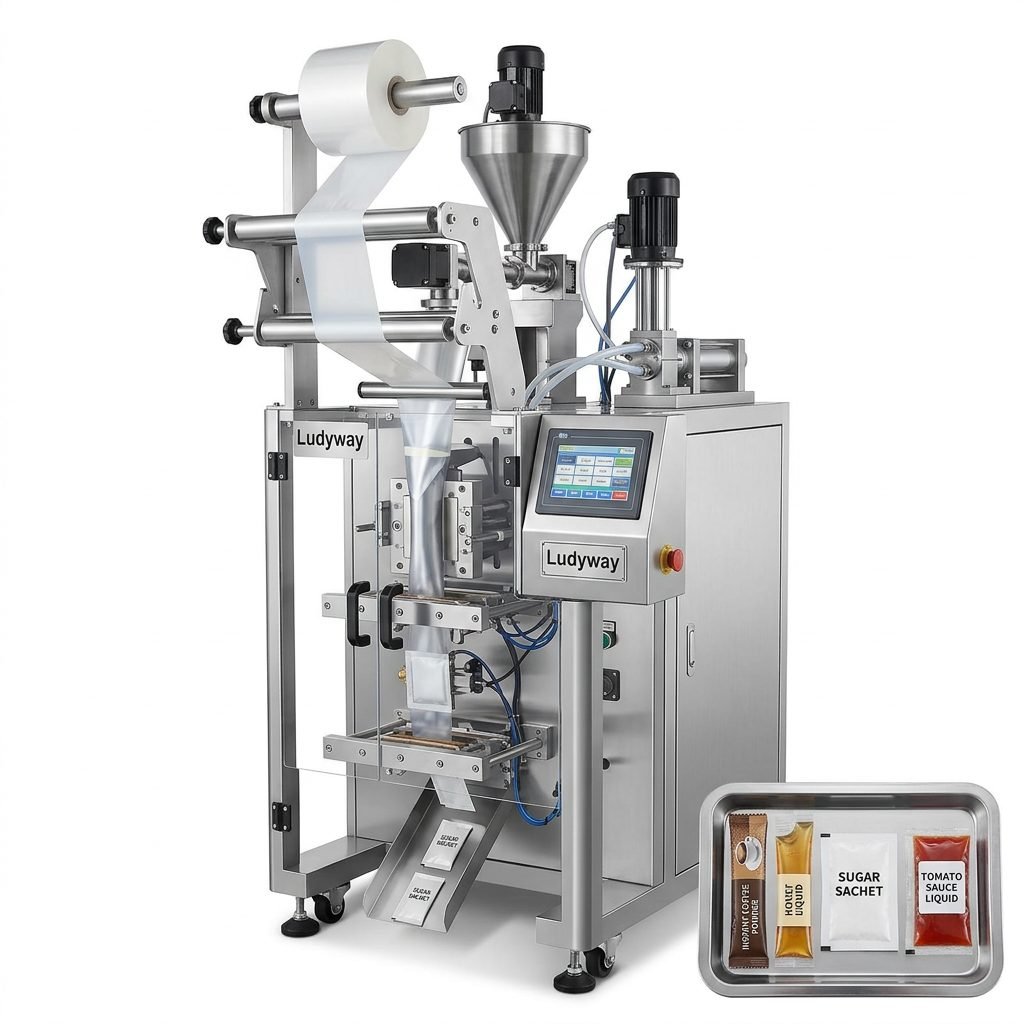
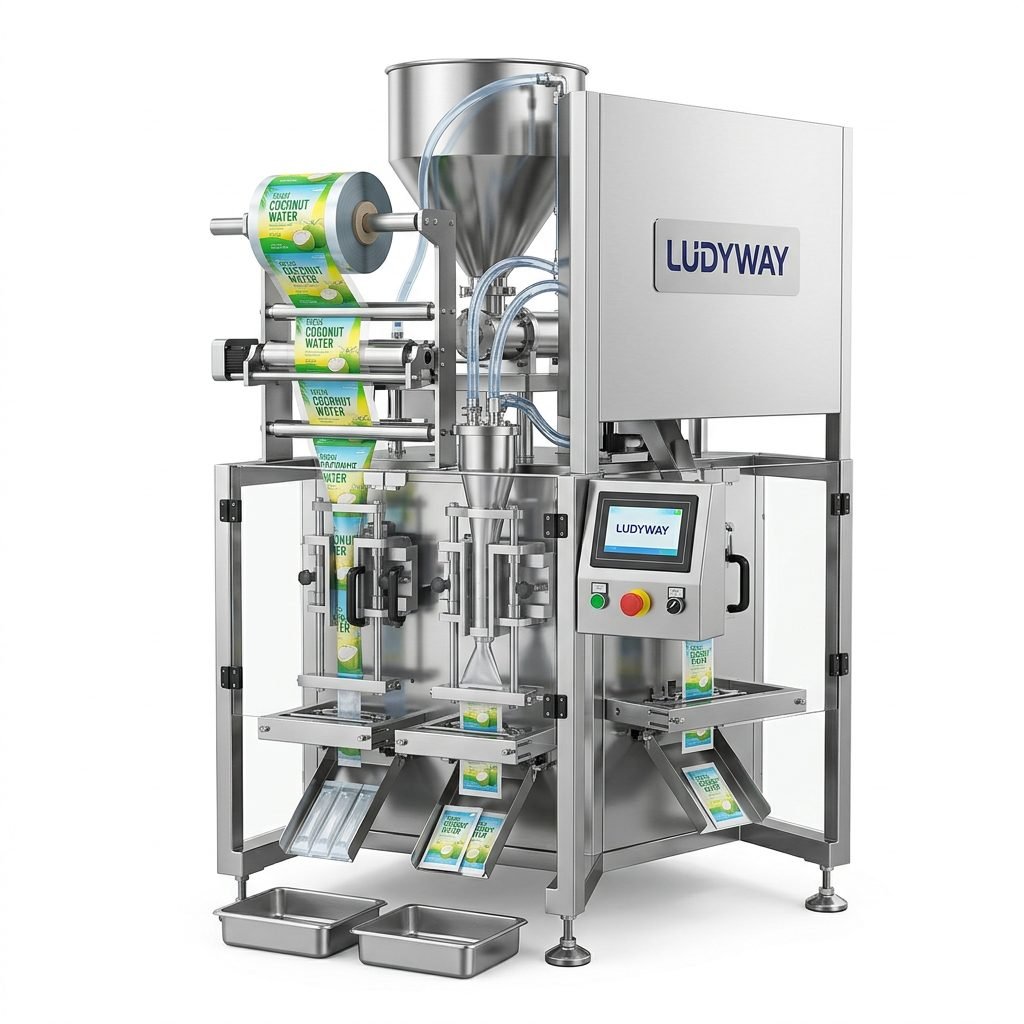
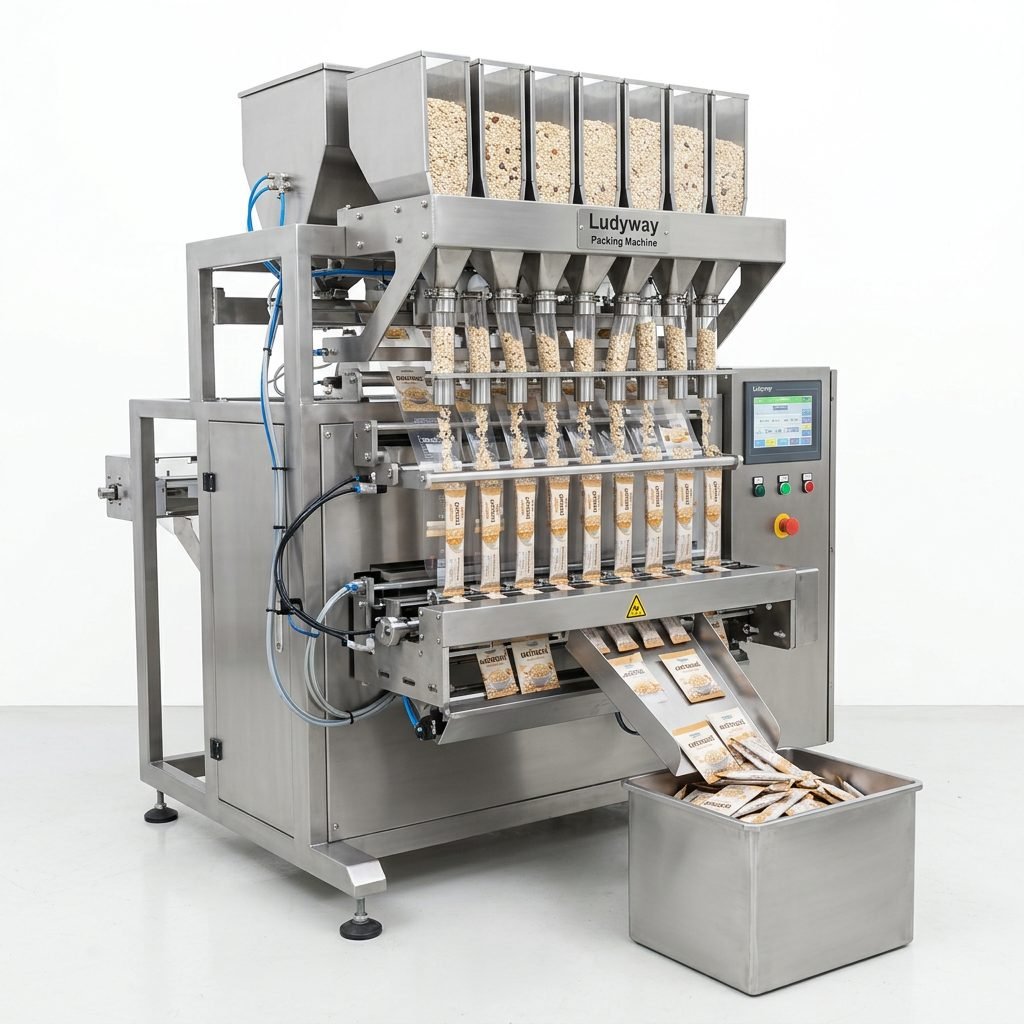
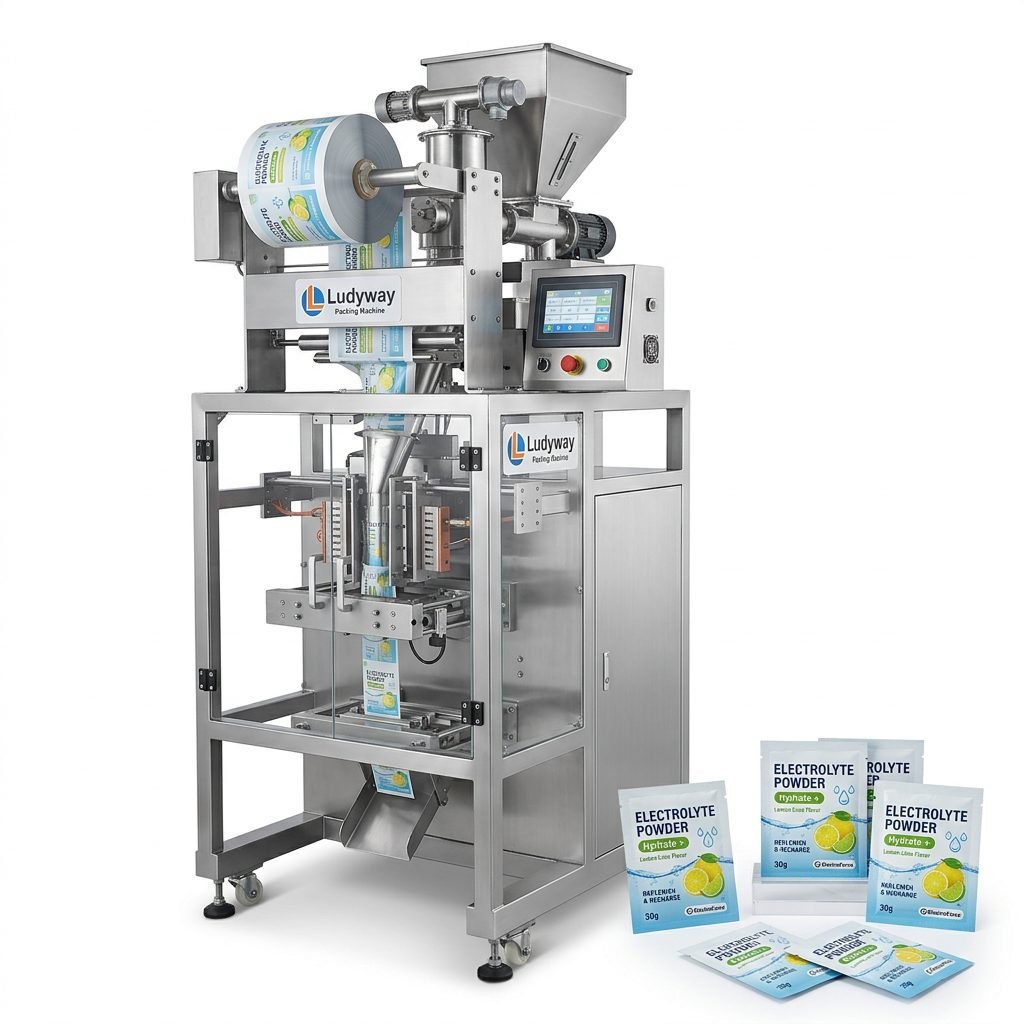
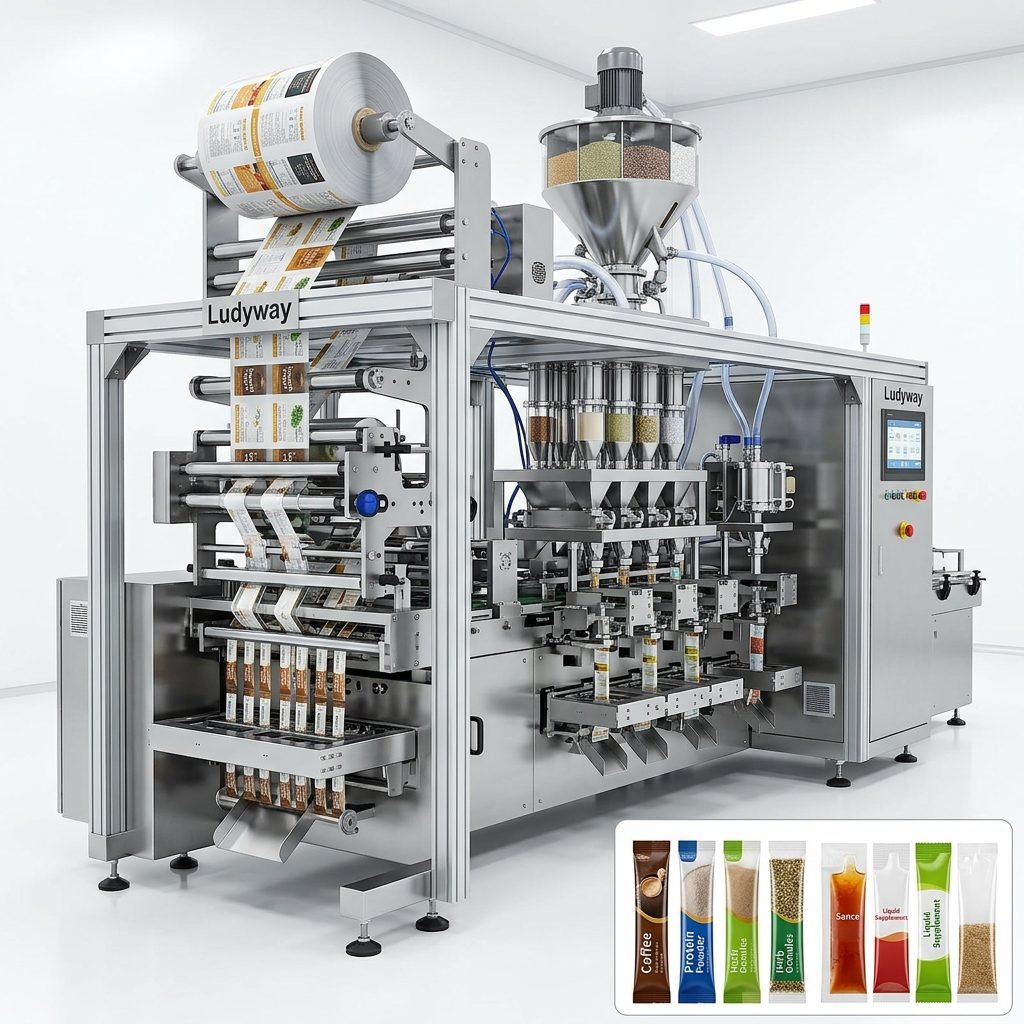
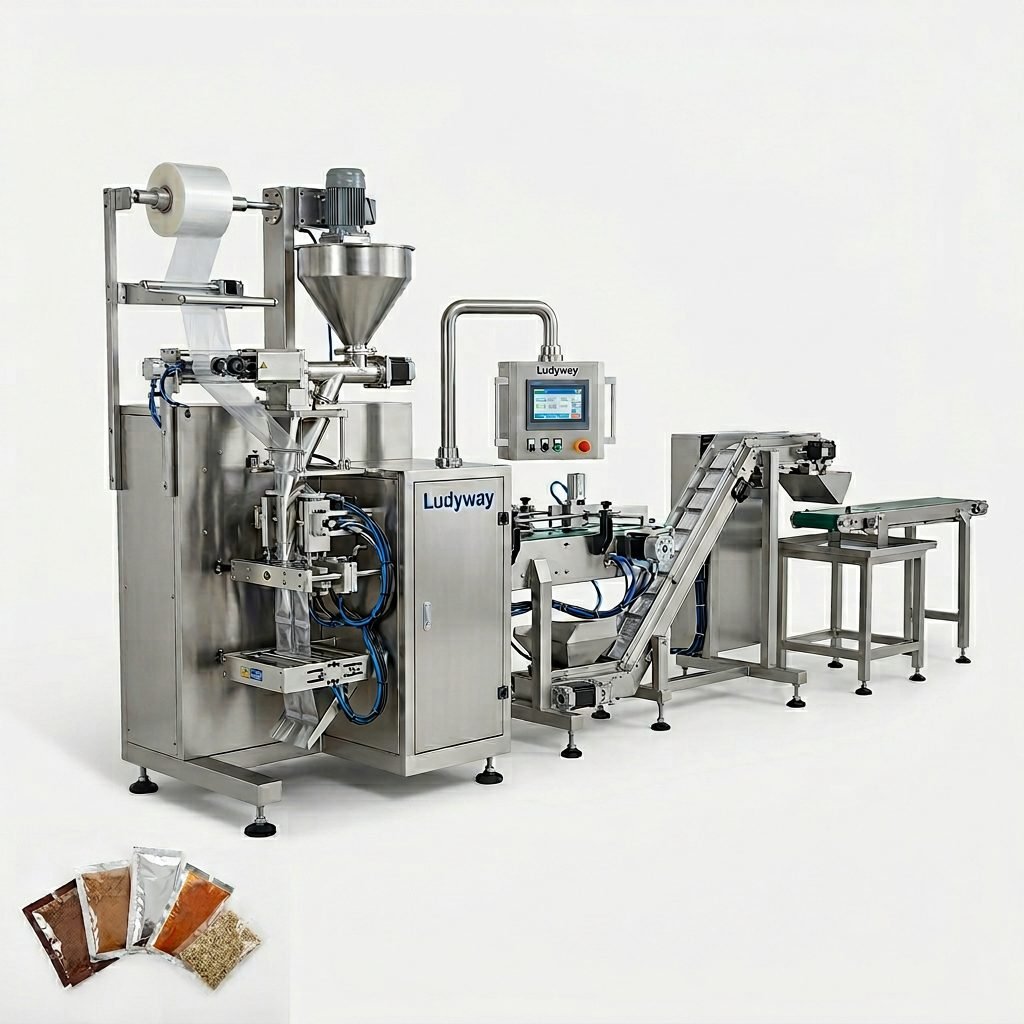
In the fast-paced world of manufacturing and retail, the humble tissue paper product is a staple. Its presentation and protection, however, rely heavily on the technology behind the scenes: the tissue paper packaging machine. This ultimate guide delves into the types, key features, and essential buying tips for these vital pieces of equipment, empowering businesses to make informed decisions that enhance efficiency and product appeal.
Understanding Tissue Paper Packaging Machines
A tissue paper packaging machine is an automated system designed to fold, count, stack, and package individual sheets or bundles of tissue paper into ready-for-sale units. These machines are critical for maintaining hygiene, ensuring consistent pack counts, and creating a professional, shelf-ready product. They range from semi-automatic models suitable for smaller operations to fully integrated, high-speed lines for large-scale production.
Core Function:
The primary function is to automate the packaging process, which traditionally is labor-intensive and prone to inconsistency. By automating folding, counting, and wrapping, these machines significantly increase output, reduce labor costs, and minimize product waste.
Primary Types of Tissue Paper Packaging Machines
The market offers various machines tailored to different production scales, package styles, and budgets. Understanding these types is the first step in selecting the right equipment.
1. By Automation Level
Semi-Automatic
These machines require some manual intervention, such as feeding stacks of tissue or initiating cycles. They are ideal for small businesses, start-ups, or low-volume production due to their lower initial investment and flexibility.
Fully Automatic
Designed for continuous, hands-off operation. They automatically feed, count, fold, and package tissues at high speeds. This type is essential for medium to large-scale manufacturers seeking maximum throughput and efficiency.
2. By Packaging Style
Flow Wrap Machines: These are the most common type, creating a sealed pouch around a stack of tissues. The packaging material (usually polypropylene or cellophane) is formed around the product and sealed at the ends. Perfect for individual pocket tissue packs.
Cartoning Machines: For packaging tissue boxes. They erect cartons, insert the filled tissue box or bundle, and close the flaps. This is crucial for creating the final retail box for facial tissues or napkins.
Bundling Machines: Used to group multiple individual packs (like flow-wrapped packs) into a larger bundle or shrink-wrapped multi-pack for wholesale or club store sales.
Key Consideration:
Your choice of machine type must align with your final product format. A company specializing in on-the-go pocket tissues will prioritize a high-speed flow wrapper, while a facial tissue brand will need a reliable cartoning system downstream.
Essential Features to Look For
Beyond basic type, several features define a machine’s capability, reliability, and suitability for your operation.
Speed and Output Capacity
Measured in packs per minute (PPM). Assess your current and projected future demand. A machine with a modular design or adjustable speed allows for scalability as your business grows.
Versatility and Changeover
Can the machine handle different tissue sizes, fold types (e.g., C-fold, pop-up), and packaging materials? Quick-change mechanisms for forming tools and film rolls drastically reduce downtime when switching products, a vital feature for contract packagers or brands with multiple SKUs.
Control System and User Interface
A modern, PLC-based touchscreen interface is essential. It should allow for easy parameter setting, recipe storage for different products, and provide clear diagnostics. Look for intuitive controls that minimize operator training time.
Durability and Construction
The frame and critical components should be made of stainless steel or high-grade alloys for longevity, hygiene (especially for food-contact tissues), and resistance to wear in a 24/7 production environment.
Safety and Compliance
Essential safety features include emergency stop buttons, safety guards, and interlocks. Ensure the machine complies with relevant international safety standards (e.g., CE, UL) for your target markets.
Critical Buying Tips for Your Investment
Purchasing a packaging machine is a significant capital expenditure. These tips will guide you toward a successful acquisition.
1. Conduct a Thorough Needs Analysis
Before speaking to suppliers, document your precise requirements: product dimensions, desired pack size, target output, available factory space, and utility connections (power, compressed air).
2. Prioritize Supplier Reputation and Support
The machine is only as good as the company behind it. Research suppliers with a proven track record. A partner like Ludyway Machinery, with over 30 years of industry experience, offers not just equipment but reliable solutions and peace of mind. Evaluate their after-sales service, availability of spare parts, and technical support network.
3. Request a Live Demonstration or Trial
Never buy based on specifications alone. Insist on seeing the machine run, preferably with a sample of your own tissue product and packaging material. This reveals its true performance and suitability.
4. Consider Total Cost of Ownership (TCO)
Look beyond the purchase price. Factor in installation, maintenance costs, energy consumption, and the cost of changeover parts. A slightly more expensive, robust machine with lower maintenance needs often has a better TCO than a cheaper, less reliable alternative.
5. Plan for Integration and Future Growth
Consider how the new machine will fit into your existing line. Does it offer integration capabilities with upstream tissue converting machines or downstream case packers? Choosing a supplier that can provide complete turnkey production line solutions ensures seamless integration and single-point accountability.
The Role of a Trusted Packaging Partner
Navigating the complex landscape of packaging machinery is challenging. Partnering with an experienced provider transforms this from a simple transaction into a strategic investment. Established experts bring invaluable insights from serving diverse global markets, helping you avoid common pitfalls. They offer more than 50 intelligent packaging machine models and are committed to delivering innovative, efficient, and high-quality automated packaging solutions tailored to specific production needs. Their strong engineering capabilities ensure machines are not just sold but are supported throughout their lifecycle, from installation and training to ongoing maintenance and upgrades. This long-term partnership approach, focused on reliable solutions for granule, powder, and liquid packaging applications, is crucial for maximizing your return on investment and achieving sustainable production growth.
Frequently Asked Questions (FAQs)
1. What is the typical production speed of an automatic tissue packaging machine?
Speeds vary widely based on machine type and pack complexity. Semi-automatic machines may produce 20-60 packs per minute (PPM), while high-speed fully automatic flow wrappers can achieve 150-300 PPM or more for simple configurations.
2. How difficult is it to changeover the machine for a different tissue size or pack style?
Modern machines designed for versatility feature quick-change tooling and digital recipe recall. A well-designed machine can have changeover times reduced to under 30 minutes with proper training, minimizing production downtime.
3. What kind of maintenance do these machines require?
Regular maintenance includes daily cleaning, lubrication of moving parts as per the manual, and inspection of seals and cutting blades. Periodic preventive maintenance (quarterly or annually) by a qualified technician is essential to ensure long-term reliability and consistent output quality.
4. Can one machine handle both facial tissue boxes and pocket tissue packs?
Generally, no. These are distinct packaging processes requiring different machine types—cartoning for boxes and flow wrapping for pocket packs. Some manufacturers offer modular systems, but dedicated machines are typically more efficient for high-volume production of a specific format.
5. What are the most important factors for ensuring packaging quality (seal integrity, appearance)?
Key factors are: precise temperature control on sealing jaws, consistent film tension, proper alignment of the forming tools, and using packaging film that is compatible with the machine and suitable for the product. Regular calibration and operator training are critical.