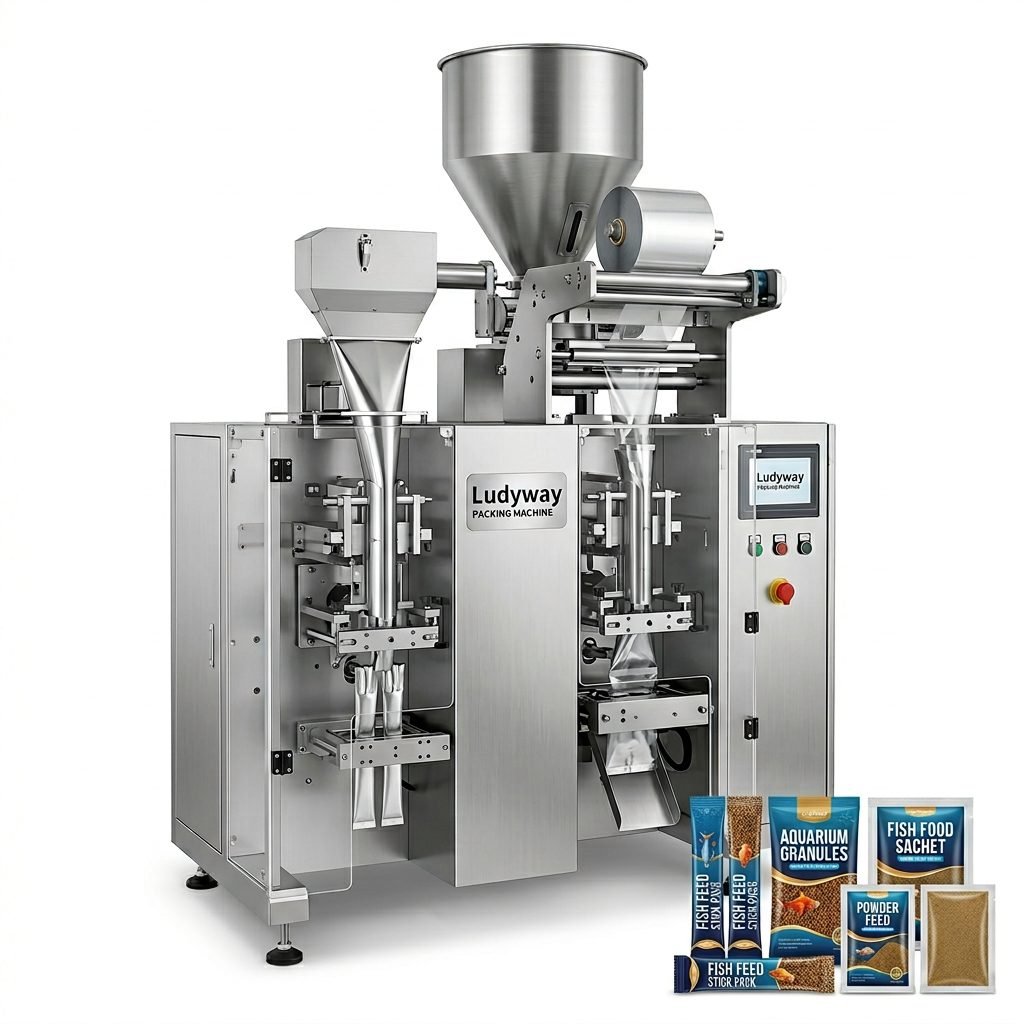
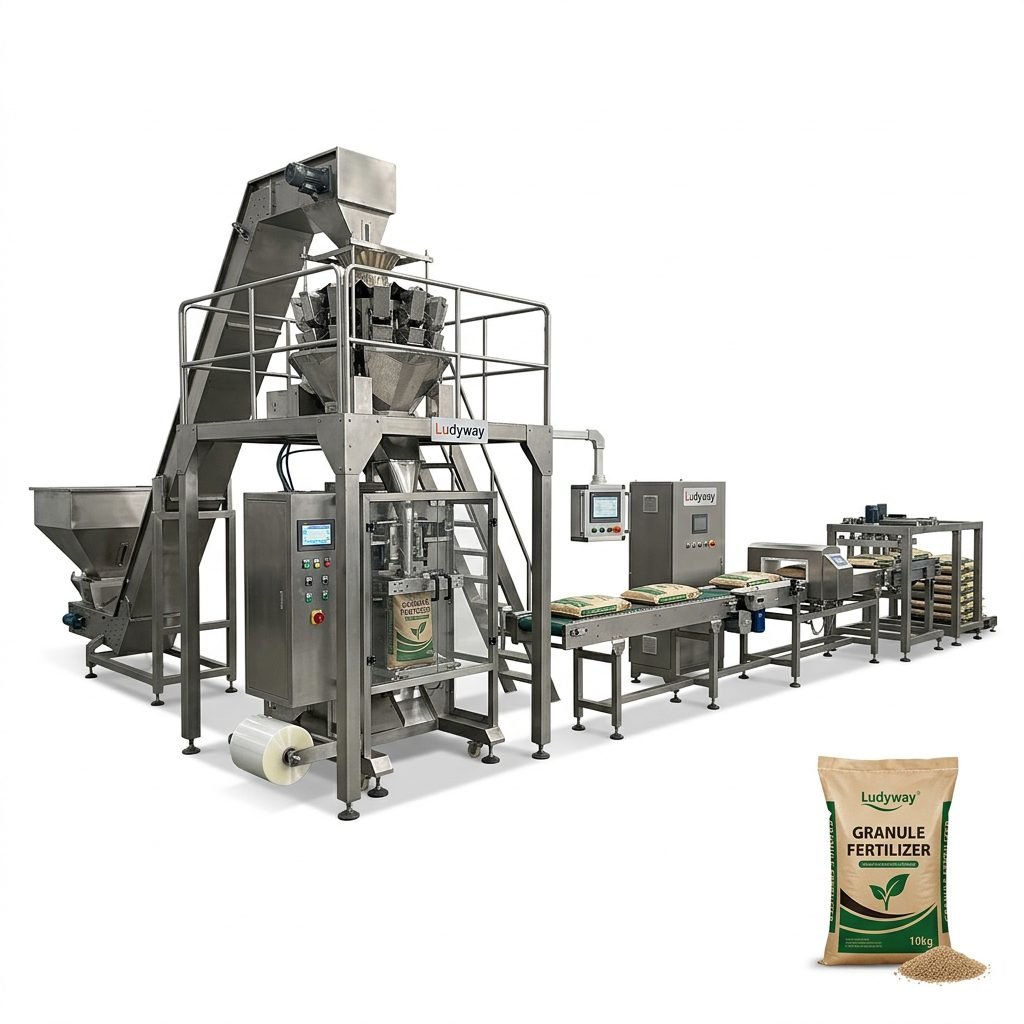
Selecting the right vacuum sealing packaging machine is a critical decision for businesses in the food and product manufacturing sectors. The correct equipment not only preserves freshness and extends shelf life but also enhances product presentation, improves operational efficiency, and ensures compliance with safety standards. This ultimate guide will walk you through the key factors, technical considerations, and practical steps to choose the optimal vacuum sealing machine for your specific needs.
Understanding Vacuum Sealing Technology
Vacuum sealing works by removing air from a package before sealing it, creating an oxygen-depleted environment that significantly slows down degradation processes like oxidation and microbial growth. For food products, this is paramount for maintaining flavor, texture, and nutritional value. Beyond food, this technology is indispensable for preserving pharmaceuticals, electronic components, medical supplies, and specialty industrial goods from moisture and contamination.
Key Benefit: The primary advantage of vacuum sealing is the dramatic extension of product shelf life. For perishable foods, this can mean days or even weeks of additional freshness, reducing waste and expanding distribution possibilities.
Core Components of a Vacuum Sealer
Understanding the machine’s anatomy helps in evaluating quality and suitability:
- Vacuum Pump: The heart of the system. Rotary vane pumps are common for their durability and strong vacuum pull.
- Sealing Bar: Uses heat to melt and fuse the packaging film. Look for consistent temperature control.
- Control System: Modern machines feature programmable logic controllers (PLCs) and touchscreen interfaces for precise operation.
- Chamber or Nozzle: Chamber machines seal the product inside a closed box, ideal for liquids and powders. Nozzle-type machines use an external hose, better for pre-bagged items.
Critical Factors for Machine Selection
1. Product Type and Characteristics
Your product dictates the machine type. For dry goods like nuts or chips, a standard single-chamber vacuum sealer suffices. For liquid or semi-liquid products (sauces, soups, marinated meats), a double-chamber or rotary chamber machine is essential to prevent spillage during the vacuum process. Powders and fine granules require machines with gentle handling and excellent dust management systems to avoid clogging the pump.
2. Production Volume and Speed Requirements
Match the machine’s cycle speed to your output needs. For low to medium volumes, a single or double-chamber machine might be adequate. For high-volume production lines, continuous rotary vacuum sealers or automated belt systems are necessary to maintain throughput without bottlenecks. Consider the seal bar length and the number of seals per cycle.
Operational Tip:
Always factor in future growth. Investing in a slightly higher-capacity machine than your current need can save costly upgrades later and provides scalability for increased demand.
3. Packaging Material Compatibility
The machine must be compatible with your chosen film. Common materials include Polyethylene (PE), Polypropylene (PP), and multi-layer laminates with EVOH or Nylon barriers for high barrier needs. Ensure the sealer’s temperature range and sealing mechanism can reliably seal your specific film type. Some advanced machines offer gas flushing (Modified Atmosphere Packaging – MAP) capabilities, which replace air with a gas mix like nitrogen for even better preservation.
4. Hygiene, Safety, and Compliance
For food and pharmaceutical applications, hygiene is non-negotiable. Machines should have easy-to-clean, stainless steel food-contact surfaces. Look for certifications relevant to your market (e.g., CE, FDA, USDA). Safety features like thermal overload protection, emergency stops, and protective guarding are mandatory for operator safety.
Evaluating Machine Types
Here’s a breakdown of common vacuum sealer types:
Single Chamber Vacuum Sealers
Ideal for small to medium businesses, R&D, and batch processing. The product is placed in the chamber, the lid closes, and the cycle runs. They are versatile and can handle a wide range of products, including those with liquid content.
Double Chamber Vacuum Sealers
Feature two chambers that work alternately: one is sealing while the other is being loaded. This dramatically increases efficiency and is perfect for medium to high-volume production, offering nearly continuous operation.
Rotary & Belt Vacuum Sealers
The choice for large-scale, continuous production. Products move on a rotary carousel or conveyor belt through different stations (loading, vacuum, sealing, cooling, discharge). They offer the highest speed and full automation integration, often seen in major food processing plants.
External (Nozzle) Vacuum Sealers
Used with pre-made bags or pouches. A nozzle is inserted into the bag’s opening to extract air before heat sealing. Best for large, bulky items or operations where products are already bagged.
Integration and Automation Potential
Consider how the vacuum sealer will fit into your existing or planned production line. Can it be integrated with upstream equipment like weighers and fillers and downstream systems like labelers and case packers? Modern machines with PLC controls and standard communication protocols (like Ethernet/IP) allow for seamless data exchange and synchronized operation, creating a true turnkey packaging line.
💡 The Supplier Advantage
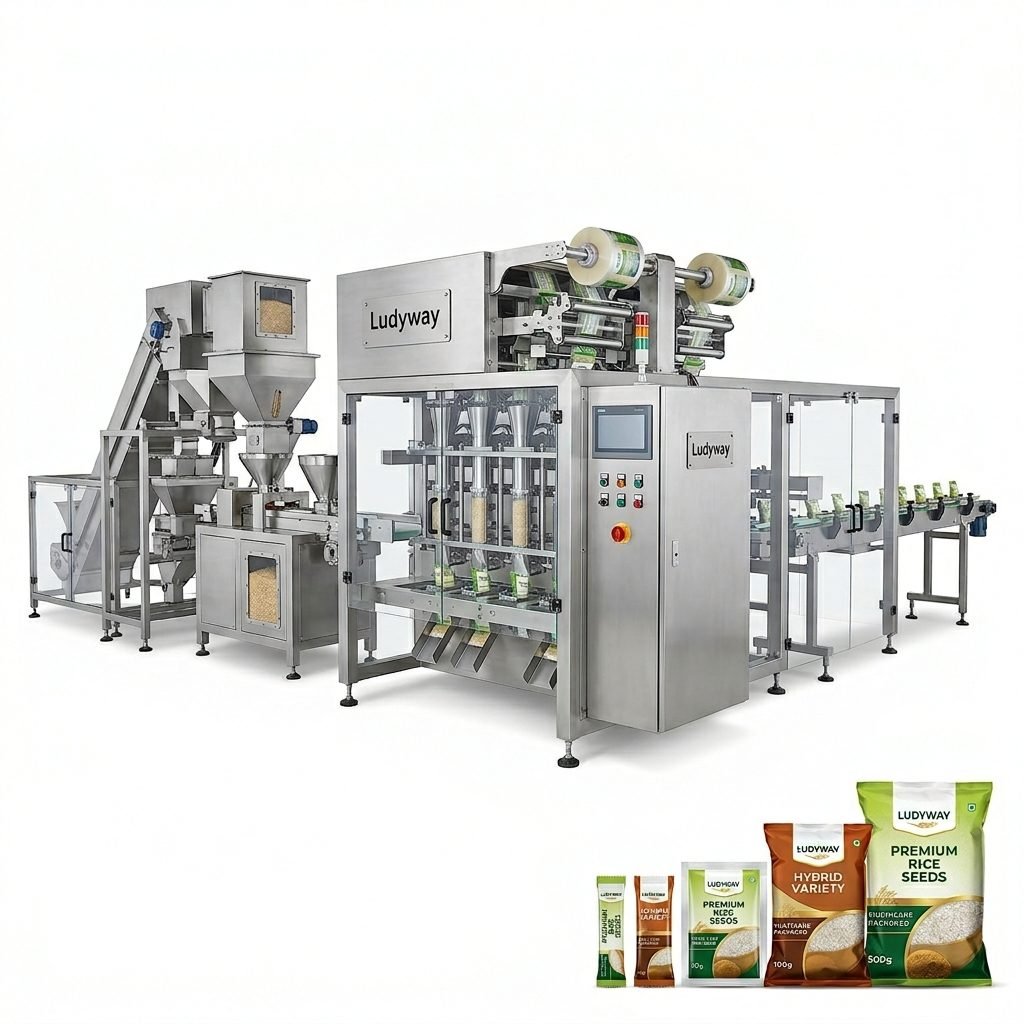
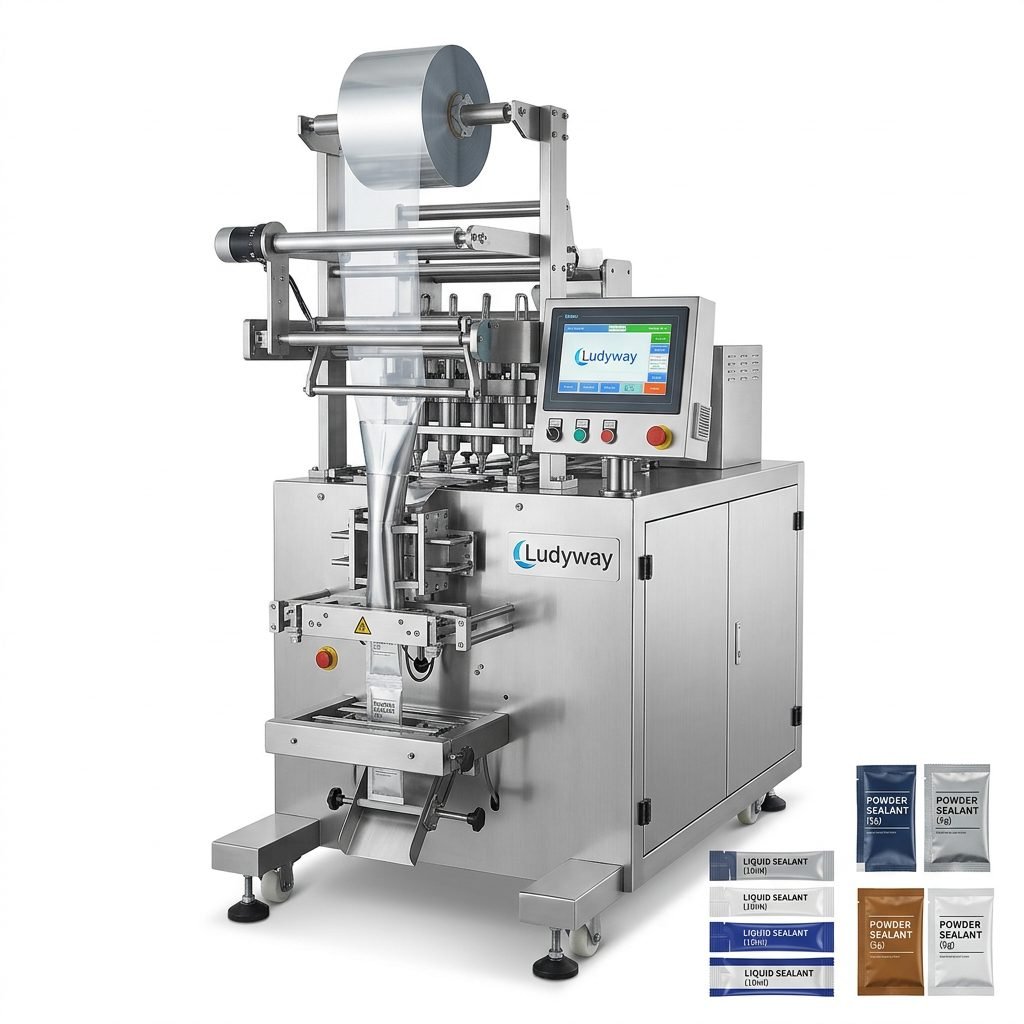
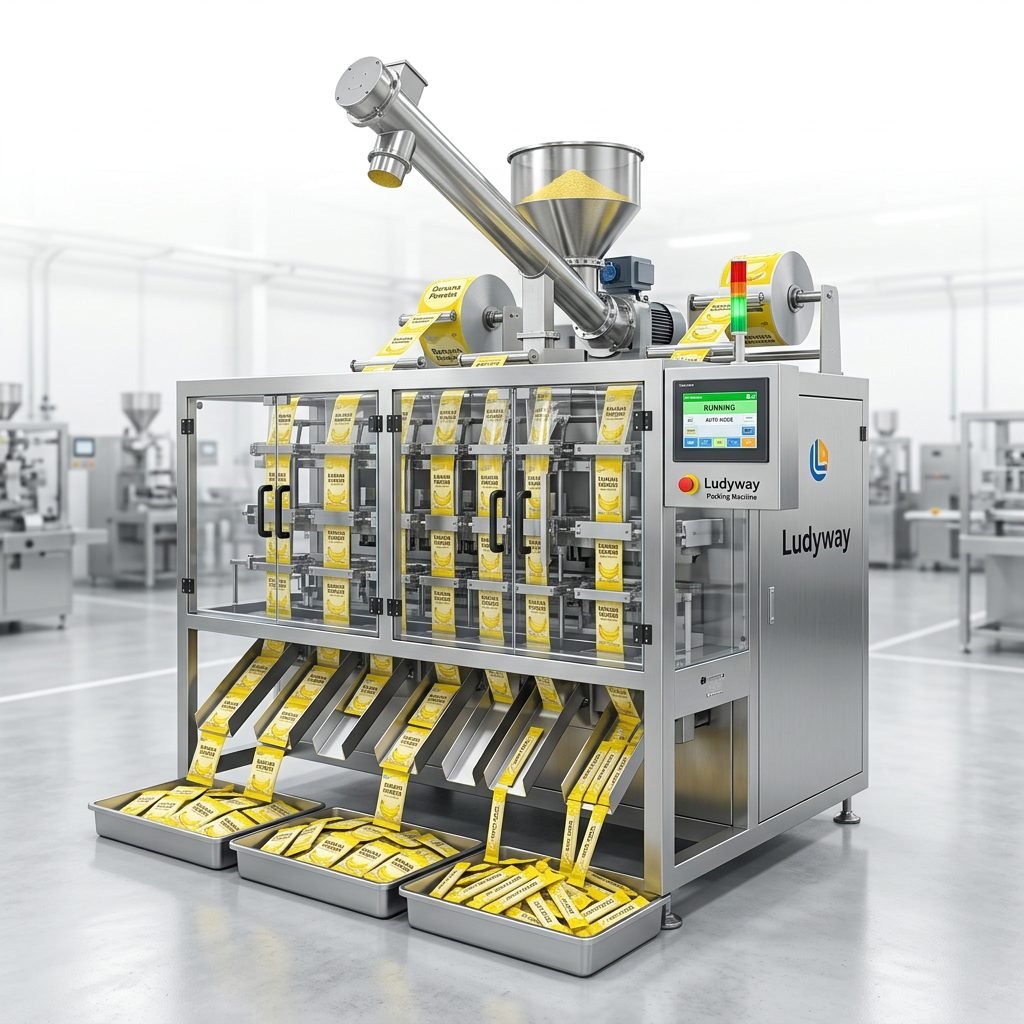
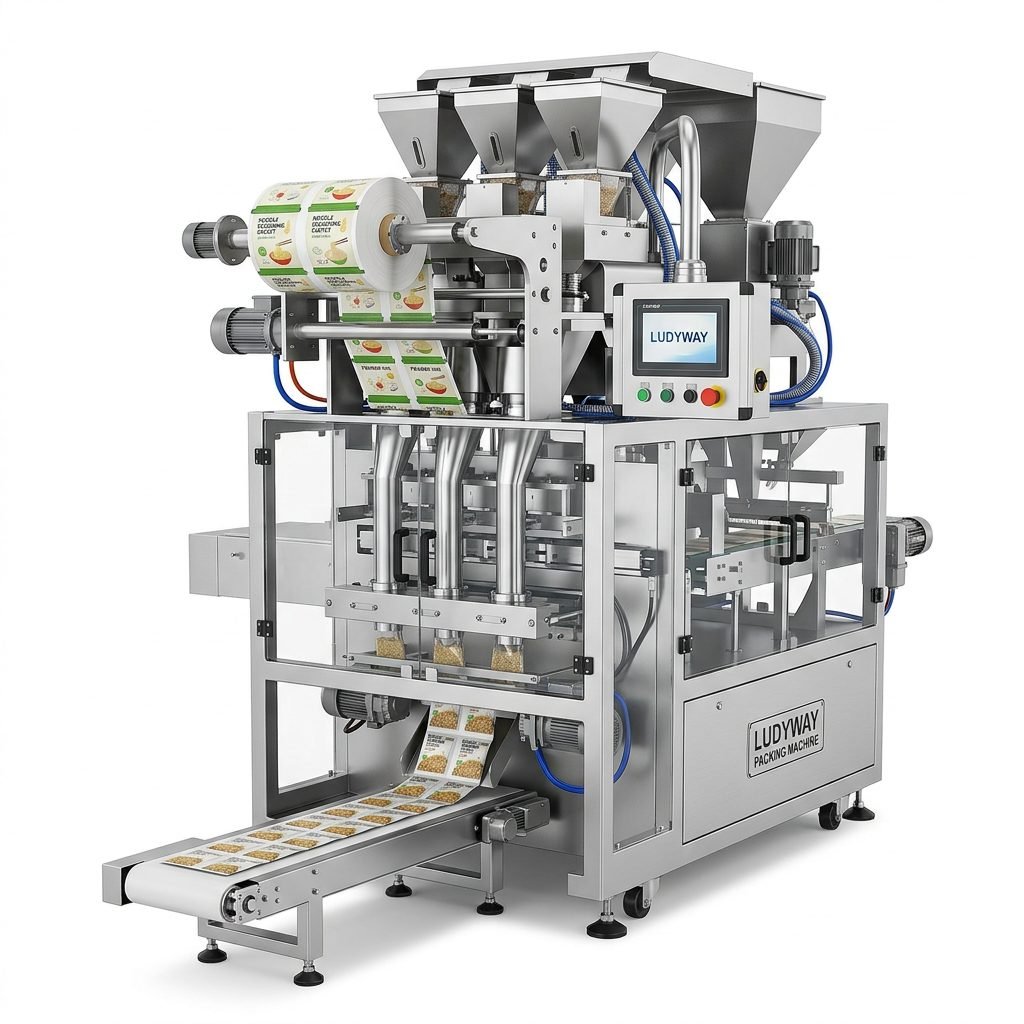
Choosing a supplier like Ludyway Machinery, with over 30 years of industry experience, brings significant advantages. They offer more than just a machine; they provide a solution. With a portfolio of over 50 intelligent packaging models and a deep understanding of granule, powder, and liquid applications, they can guide you to the optimal machine type. Their strength lies in tailoring reliable, efficient, and high-quality automated solutions to meet specific global production needs, backed by strong engineering support from concept to installation.
The Selection Checklist
Before making a final decision, run through this checklist:
- ✅ Product Test: Have you run your actual product on the machine?
- ✅ Output Verification: Does the machine meet your required cycles per hour?
- ✅ Film Test: Does it seal your chosen material perfectly and consistently?
- ✅ Service & Support: What is the warranty, and how accessible are technical support and spare parts?
- ✅ Total Cost of Ownership: Have you factored in energy consumption, maintenance costs, and expected lifespan?
Investing time in thorough research, product testing, and supplier evaluation is the most crucial step. The right vacuum sealing packaging machine is a long-term partner in your product’s quality, safety, and market success.
Frequently Asked Questions (FAQs)
Q1: What is the main difference between a chamber vacuum sealer and an external nozzle sealer?
A: Chamber sealers place the entire product and bag inside a sealed chamber to remove air, making them excellent for liquids, powders, and moist products. Nozzle sealers extract air directly from a bag’s opening via a hose and are better suited for dry, bulky items or where pre-made bags are used.
Q2: How important is gas flushing (MAP) for food packaging?
A: For products highly sensitive to oxidation (like fresh meats, sliced cheeses, or snack nuts), gas flushing is crucial. It replaces oxygen with gases like nitrogen or carbon dioxide, further extending shelf life and preserving color and texture beyond what vacuum sealing alone can achieve.
Q3: Can one machine handle different types of packaging films?
A: Most quality machines can be adjusted to handle various film types within a range. However, significant changes in material thickness or composition (e.g., switching from a simple PE bag to a multi-layer laminate) may require adjustments to sealing temperature, time, and pressure. Consult your supplier for specific compatibility.
Q4: What regular maintenance does a vacuum packaging machine require?
A: Daily cleaning of the sealing bar and chamber, weekly checks of the vacuum pump oil level (for oil-lubricated pumps), and periodic inspection of seals and gaskets for wear are essential. Following the manufacturer’s maintenance schedule is key to longevity and consistent performance.
Q5: How do I choose between a single and double-chamber machine?
A: Choose a single-chamber for lower volume, batch processing, or greater flexibility with product types. Opt for a double-chamber when you need higher, more consistent output. The double-chamber design eliminates operator wait time, as one chamber seals while the other is being loaded, effectively doubling productivity.