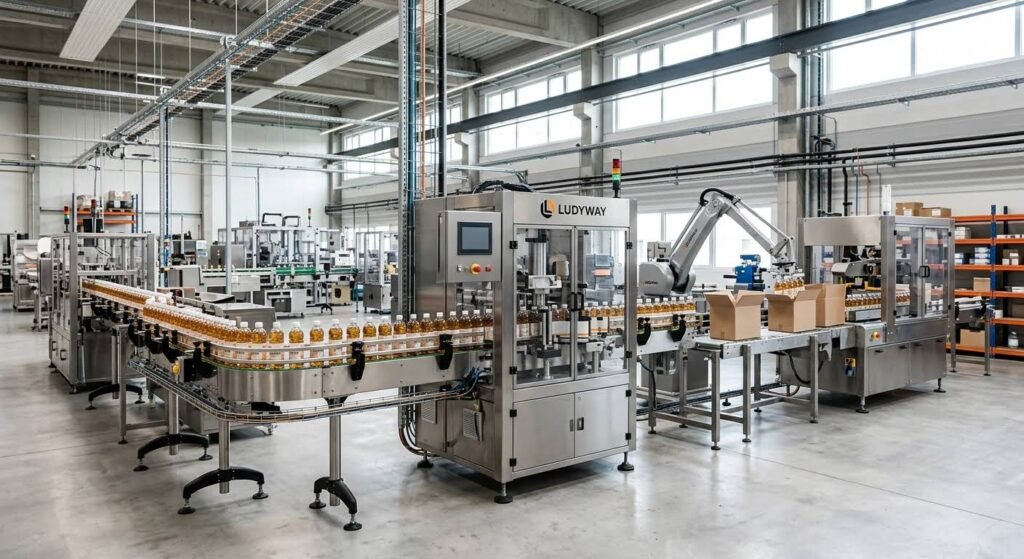
In the fast-paced world of manufacturing, efficiency, product protection, and presentation are paramount. Among the various packaging technologies available, the wrap around packaging machine stands out as a versatile and highly efficient solution for a wide range of products. This article delves into what this machine is, how it operates, and the significant benefits it can bring to your production line.

Understanding the Wrap Around Packaging Machine
A wrap around packaging machine is a type of automated equipment designed to encase products, typically boxes, cartons, or trays, with a flexible film material. Unlike a full shrink wrap system that creates a loose bag, this machine forms the film tightly around the product’s contours, creating a neat, secure, and tamper-evident package. It is widely used across industries such as food & beverage, pharmaceuticals, cosmetics, and consumer goods for bundling multi-packs, securing primary packaging, or creating retail-ready displays.
Core Components and Functionality
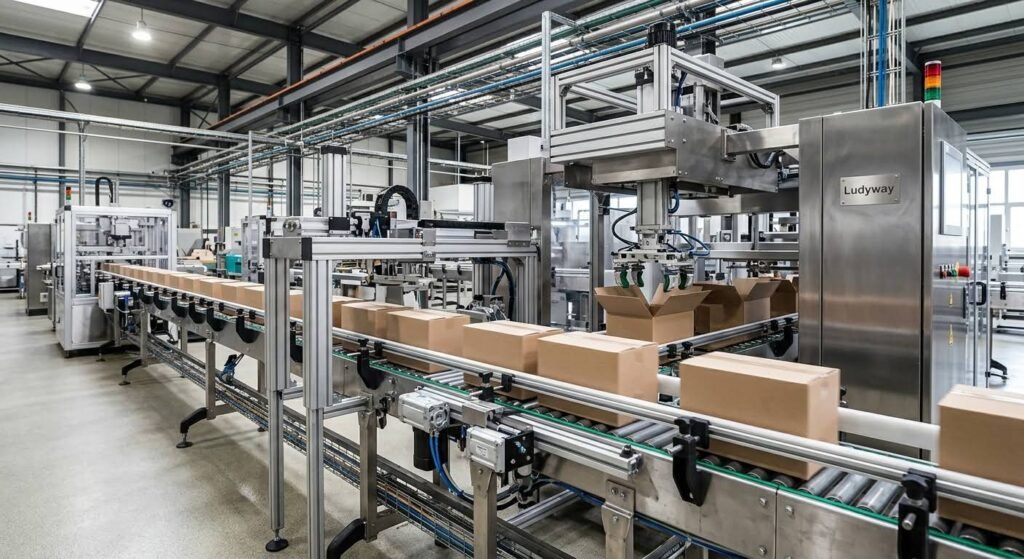
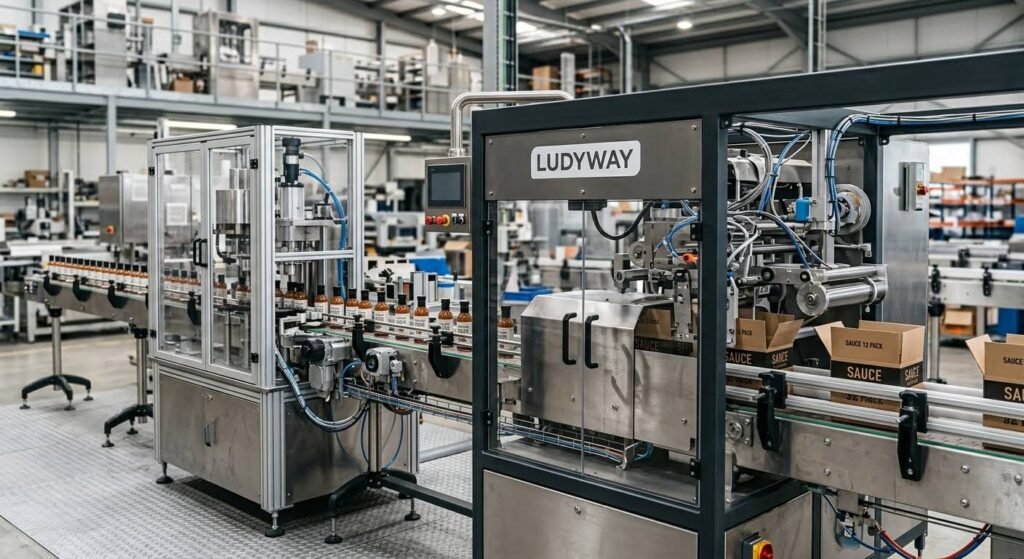
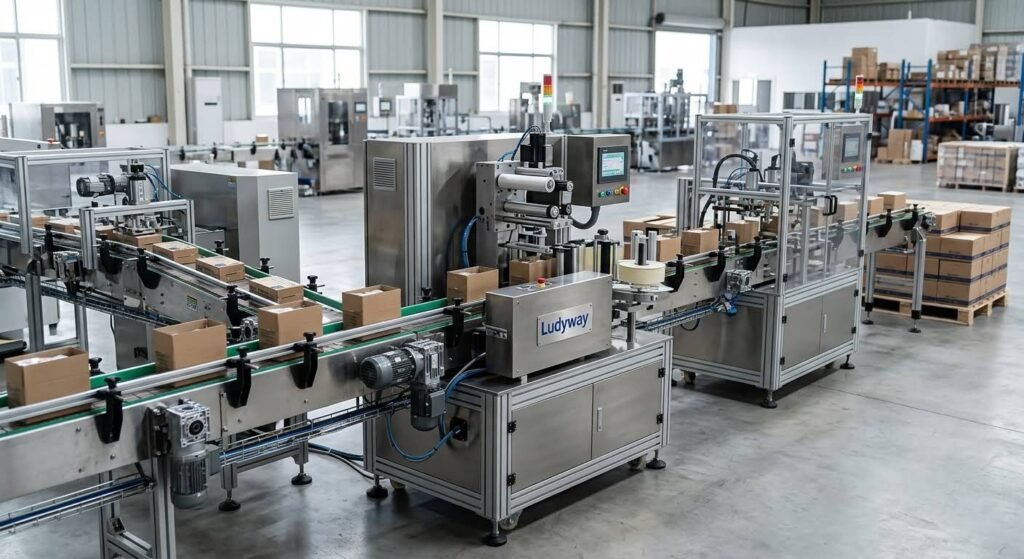
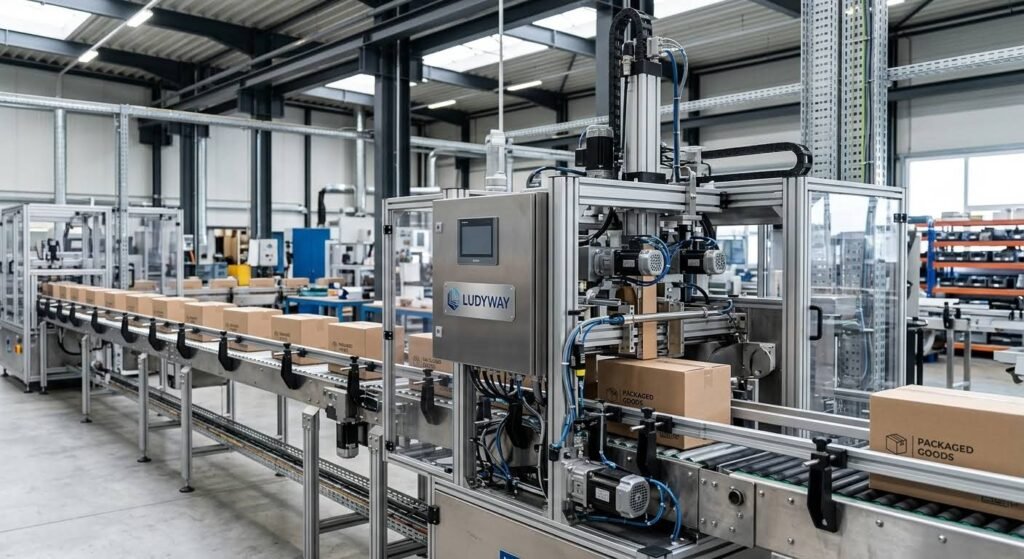
The machine’s efficiency stems from its integrated components working in harmony. Key parts include the film unwind and pre-stretch unit, which controls and stretches the film to optimize material usage; the product infeed conveyor that aligns items for packaging; the forming section where the film is shaped around the product; and the sealing and cutting mechanism that creates a tight seal and trims excess film.
How a Wrap Around Packing Machine Works: A Step-by-Step Process
The operation of a wrap around packer is a continuous, automated cycle designed for high-speed production. Understanding this flow is key to appreciating its efficiency.
Step 1: Product Infeed and Grouping
Products are fed into the machine via a conveyor system. They can be grouped automatically into the desired configuration (e.g., 6 cans, 12 boxes) before entering the wrapping zone.
Step 2: Film Feed and Formation
A roll of polyethylene (PE) or polyolefin film is mounted and fed into the machine. The film is precisely measured and cut to size. It is then formed into a loose “tube” or guided around a forming shoulder.
Step 3: The Wrap Around Action
As the product group pushes forward, it enters the formed film tube. The film is draped around the product. The machine’s mechanics then fold the trailing end of the film underneath the product.
Step 4: Sealing and Cutting
The overlapped film on the bottom is sealed using a heated seal bar or impulse sealer. Simultaneously, the film is cut from the roll, completing the package. The final package is then discharged onto an outfeed conveyor, often passing through a heat tunnel to tighten the film for a sleek finish.
🔍 Key Takeaway:
The entire process is continuous and automatic, requiring minimal operator intervention once configured. This seamless operation is what allows wrap around machines to achieve such high output rates, often reaching hundreds of packages per minute.
Key Benefits for Your Production Line
Integrating a wrap around packaging machine offers a multitude of advantages that directly impact your bottom line and operational efficiency.
1. Enhanced Product Protection and Stability
The tight wrap holds multi-packs or individual items firmly together, preventing movement and damage during transit and handling. It also provides a degree of dust and moisture resistance, keeping products clean and intact from production to point-of-sale.
2. Significant Material and Cost Savings
Wrap around packaging uses significantly less film compared to traditional full bag shrink wrapping. By conforming directly to the product’s shape, it eliminates excess material. Furthermore, modern machines with pre-stretch technology can stretch film by up to 300%, dramatically reducing film consumption and packaging costs. For businesses looking to optimize their packaging line efficiency, this is a major factor.
3. High-Speed Operation and Increased Output
Designed for continuous motion, these machines can operate at very high speeds, seamlessly integrating with upstream and downstream equipment like cartoners or case packers. This maximizes your production line’s throughput and minimizes bottlenecks.
4. Improved Product Presentation
The tight, clear film creates a professional, “shelf-ready” appearance that enhances brand image. Products are clearly visible, and printing on the film can be used for branding, promotions, or barcoding. A sleek package presentation can be a decisive factor in consumer choice, much like the precision offered by a high-quality sachet packaging machine for smaller items.
5. Versatility and Flexibility
Many wrap around machines are easily adjustable to handle products of different sizes and shapes with quick changeovers. This flexibility is crucial for manufacturers producing multiple SKUs, allowing for responsive production scheduling without major downtime.
6. Space and Energy Efficiency
Compared to large chamber shrink systems, wrap around machines typically have a smaller footprint. They also often require less energy, as they may use a smaller heat tunnel or, in some cases, rely on the film’s memory to tighten without heat (for certain polyolefin films).
Choosing the Right Machine for Your Needs
Selecting a wrap around packaging machine requires careful consideration of your specific application. Partnering with an experienced provider like Ludyway Machinery can be invaluable. With over 30 years of industry experience and a portfolio of more than 50 intelligent packaging models, they understand the nuances of different production needs. Key factors to discuss with your supplier include:
- Product Type & Size: The dimensions and stability of your items (e.g., cans, boxes, trays).
- Required Speed (Output per Minute): To match your production line’s capacity.
- Film Type: The grade and thickness of shrink film required for your product.
- Level of Automation: From semi-automatic to fully integrated line solutions.
- Future-Proofing: The machine’s ability to adapt to potential new products or packaging changes.
For complex requirements, such as integrating a wrap around system with existing granule or powder filling machines, expert consultation ensures a seamless and efficient turnkey solution.
💡 Final Insight
The wrap around packaging machine is more than just a piece of equipment; it’s a strategic investment in production efficiency, cost reduction, and brand enhancement. By securely bundling products, conserving material, and operating at high speeds, it addresses core challenges in modern manufacturing. As you evaluate options, consider partners with proven expertise and a commitment to reliable, innovative solutions that support your long-term growth and operational goals on the global stage.
Frequently Asked Questions (FAQs)
What types of products are best suited for wrap around packaging?
This method is ideal for stable, rigid, or semi-rigid items like beverage cans, food cartons, pharmaceutical boxes, cosmetic containers, and software bundles. It is perfect for creating multi-packs or securing primary packaging.
How does wrap around packaging differ from full shrink wrapping?
Wrap around packaging uses a sheet of film that is formed directly around the product and sealed only on the bottom or back, using less film. Full shrink wrapping places the product inside a pre-made bag, which is then sealed and shrunk, typically using more material.
Can these machines handle different product sizes easily?
Yes, most modern machines are designed for quick changeover. Adjustments to film width, length, and forming parts can often be made mechanically or through a PLC interface, allowing flexibility for multiple product lines.
What is the role of the heat tunnel in the process?
The heat tunnel applies controlled heat to the wrapped product, causing the film to shrink tightly around its contours. This creates a neat, rigid, and tamper-evident final package. Some films are designed to shrink at lower temperatures, improving energy efficiency.
What should I look for in a reliable machine supplier?
Look for a supplier with strong industry experience, robust manufacturing capabilities, and a proven track record. Key indicators include the availability of comprehensive technical support, a range of customizable solutions, and reliable after-sales service to ensure your production line runs smoothly.