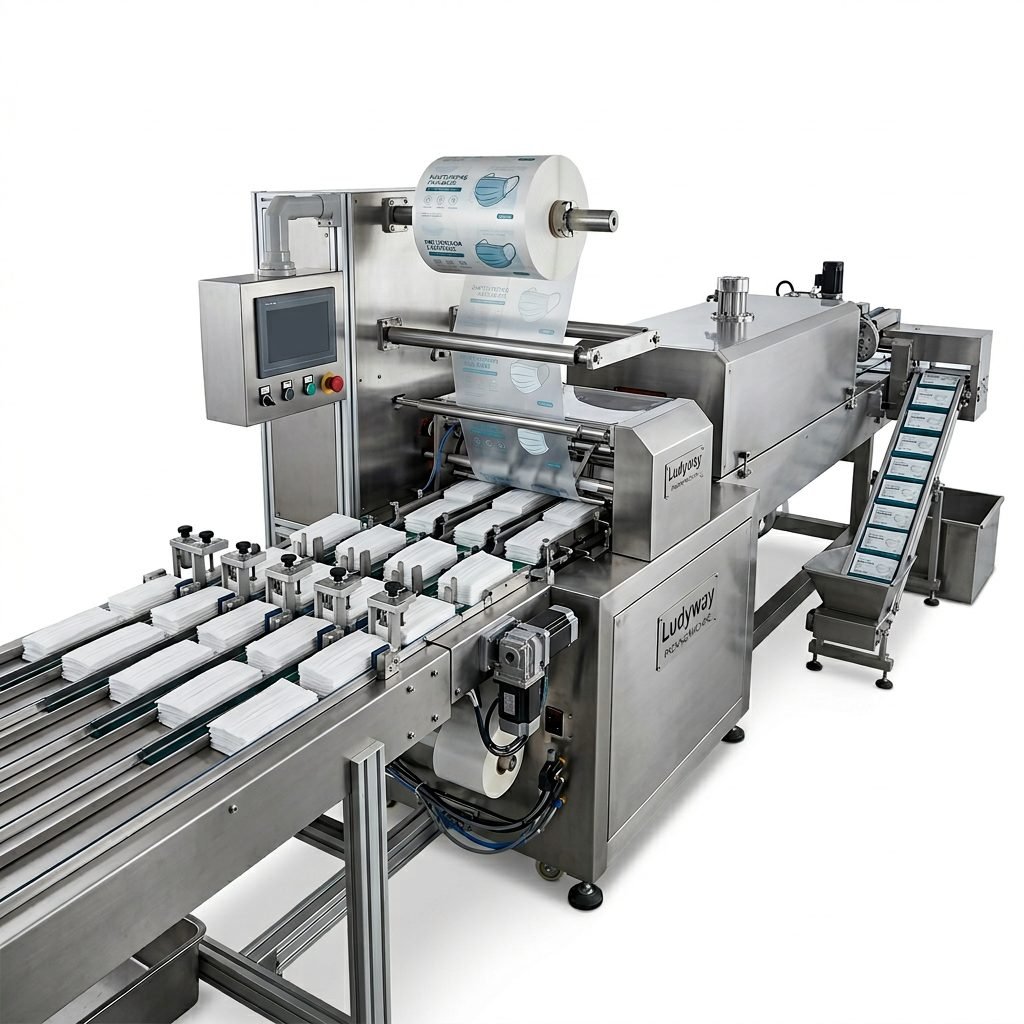
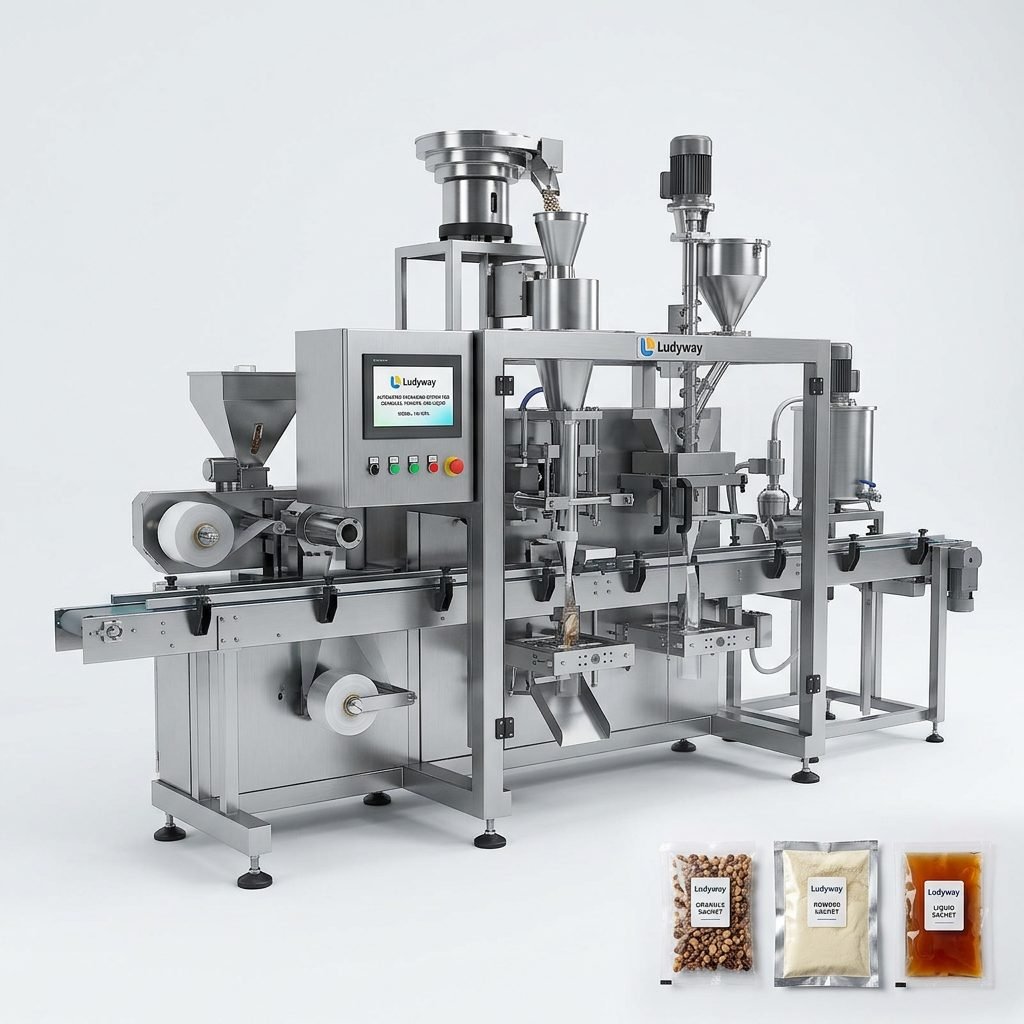
In the fast-paced world of manufacturing, efficiency and cost control are paramount. For businesses packaging everything from food powders to pharmaceutical granules, the choice of machinery can make or break operational success. The traditional approach of using multiple, standalone packaging machines often leads to bottlenecks, high labor costs, and inconsistent output. This is where the strategic shift to consolidated packaging machinery comes into play, offering a transformative solution through integrated systems.
The Core Concept: What is Consolidated Packaging Machinery?
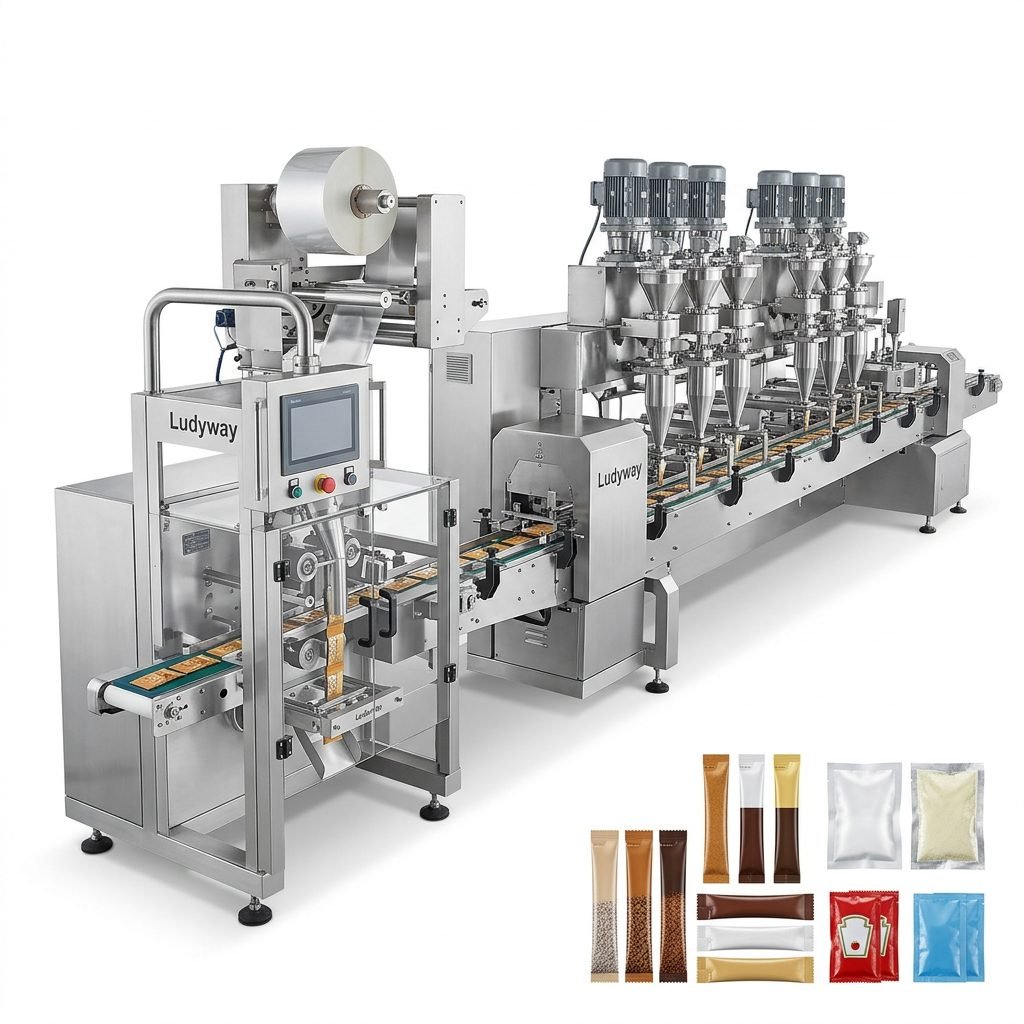
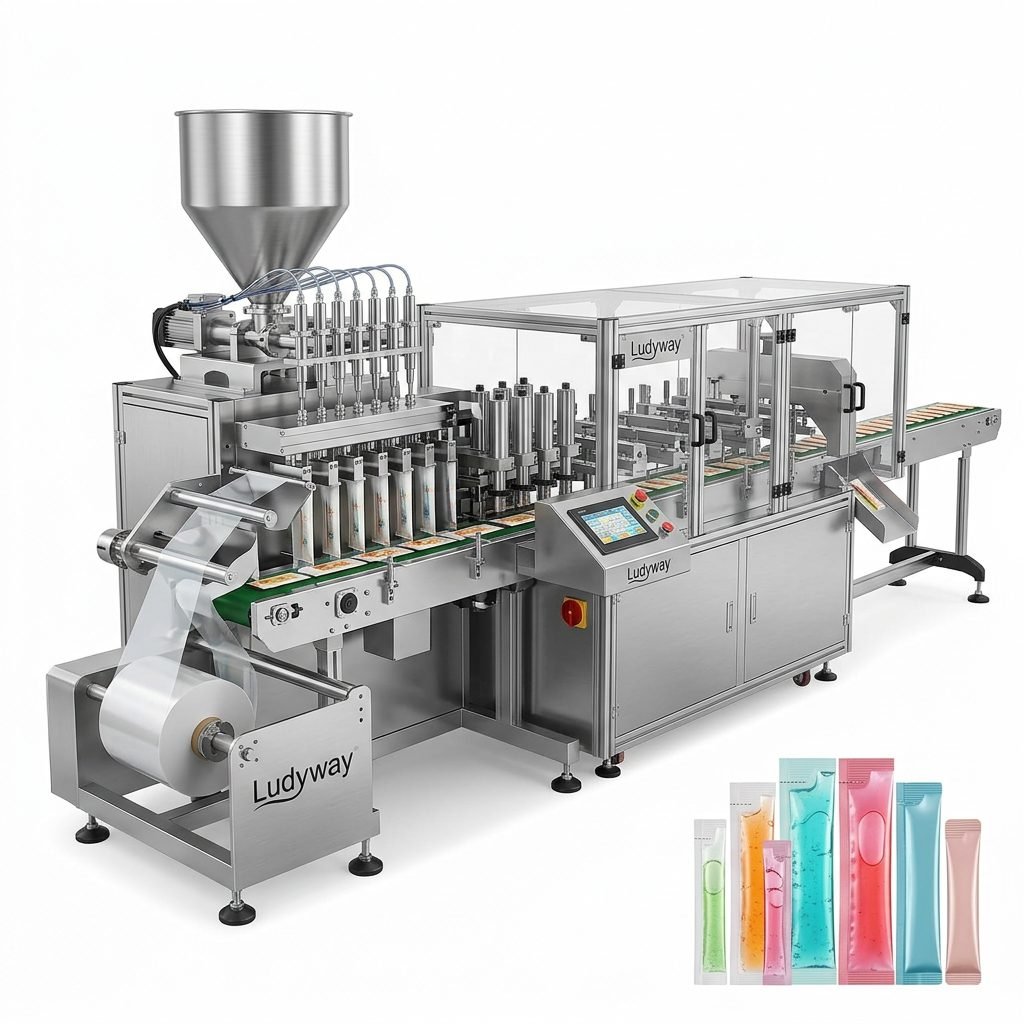
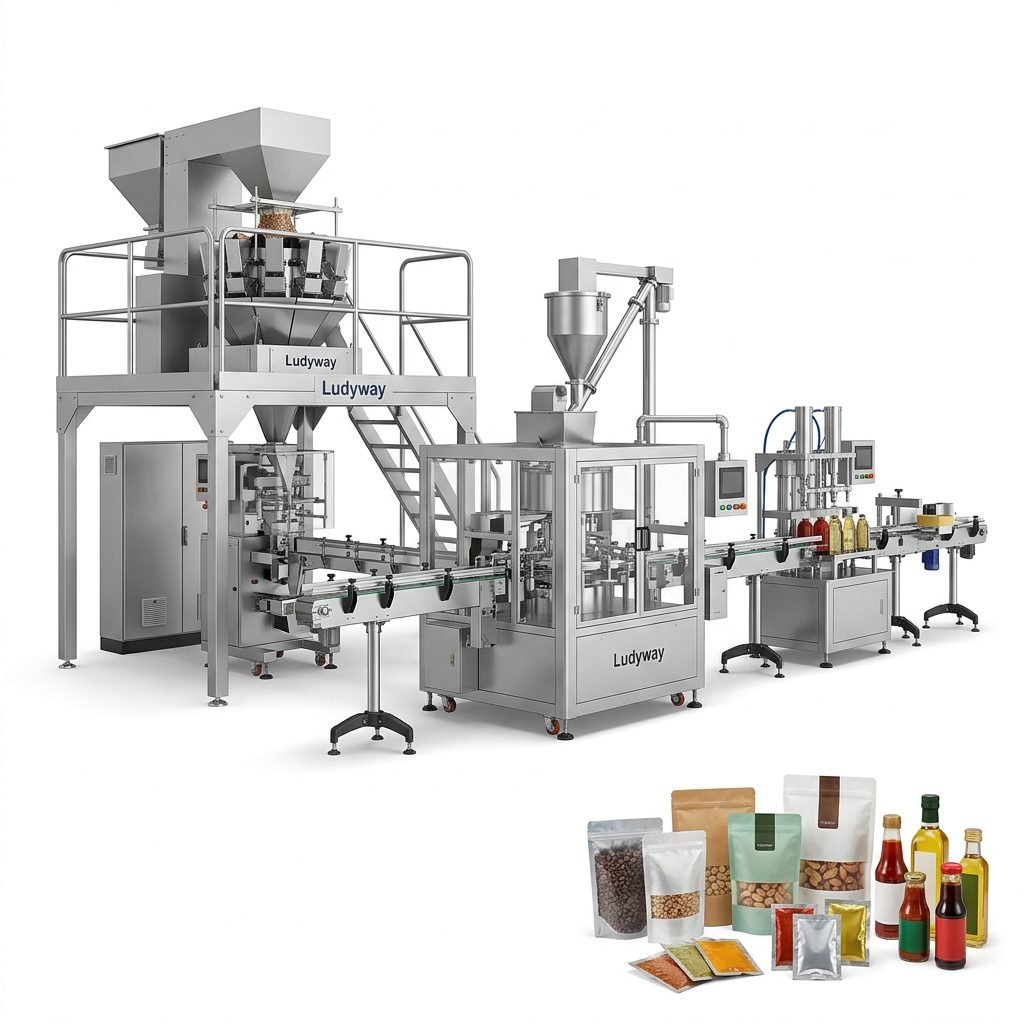
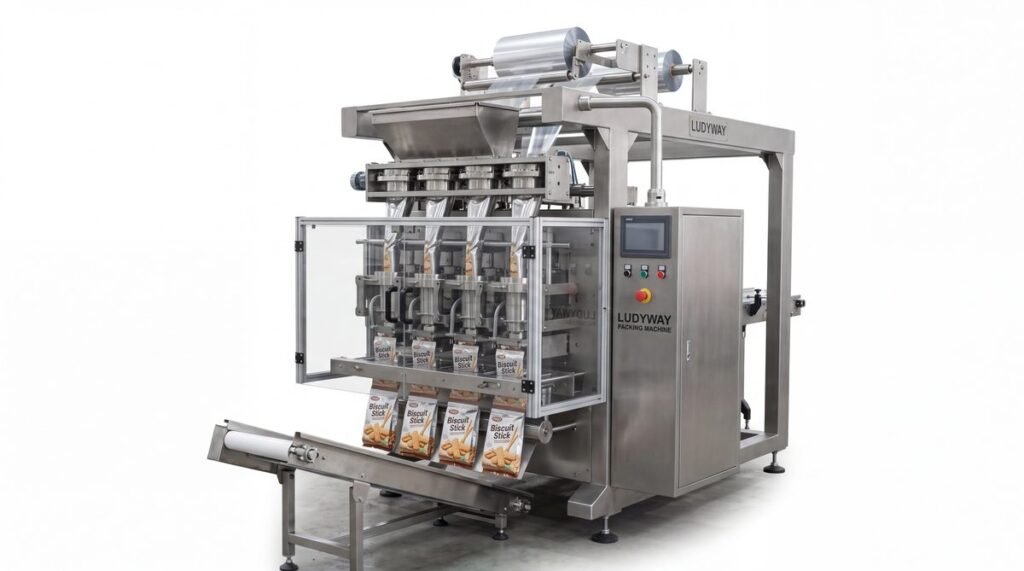
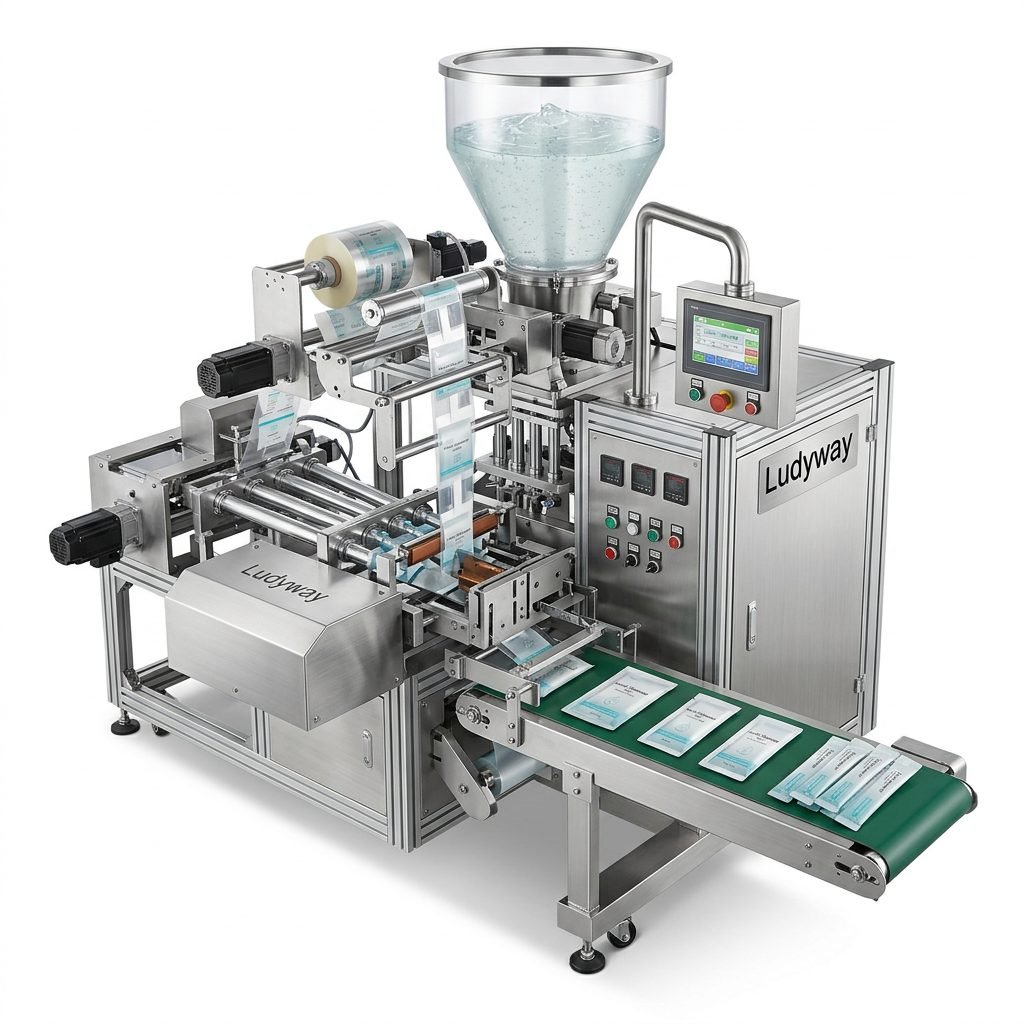
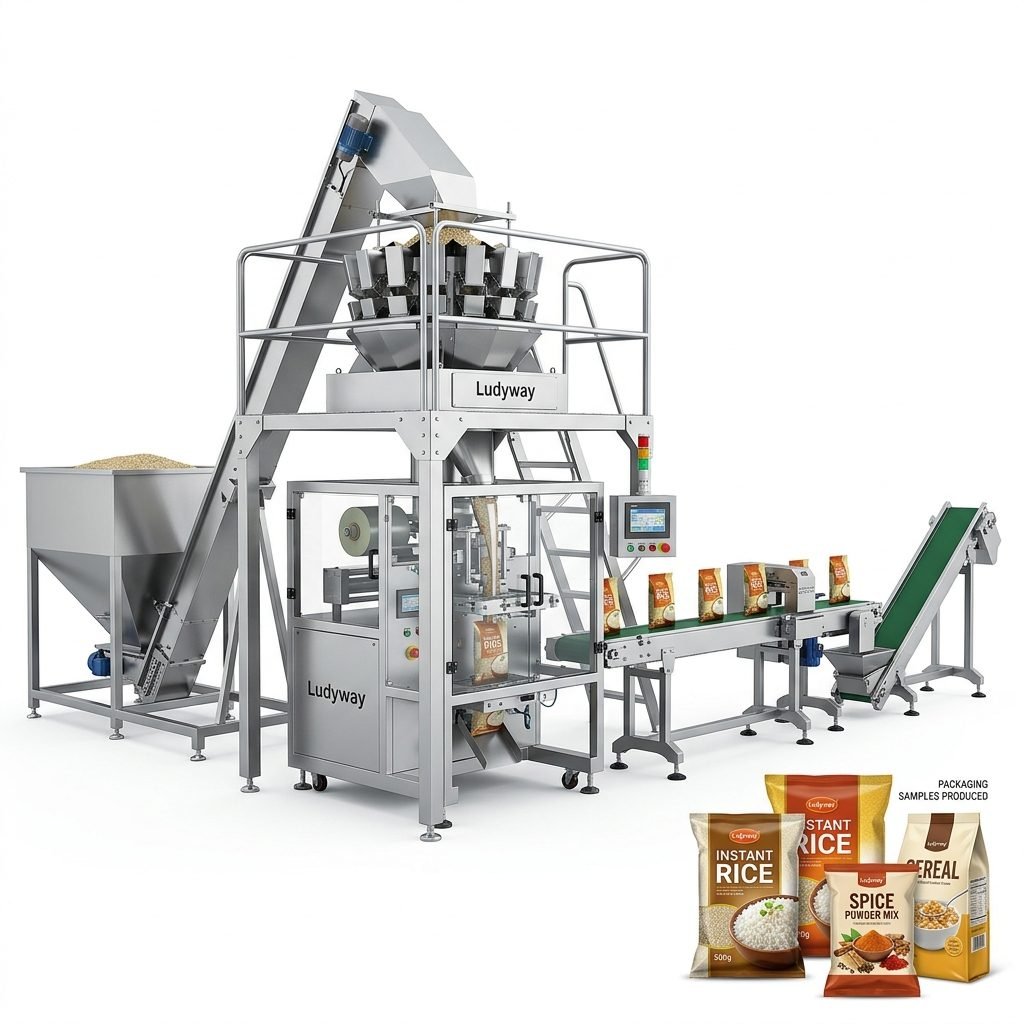
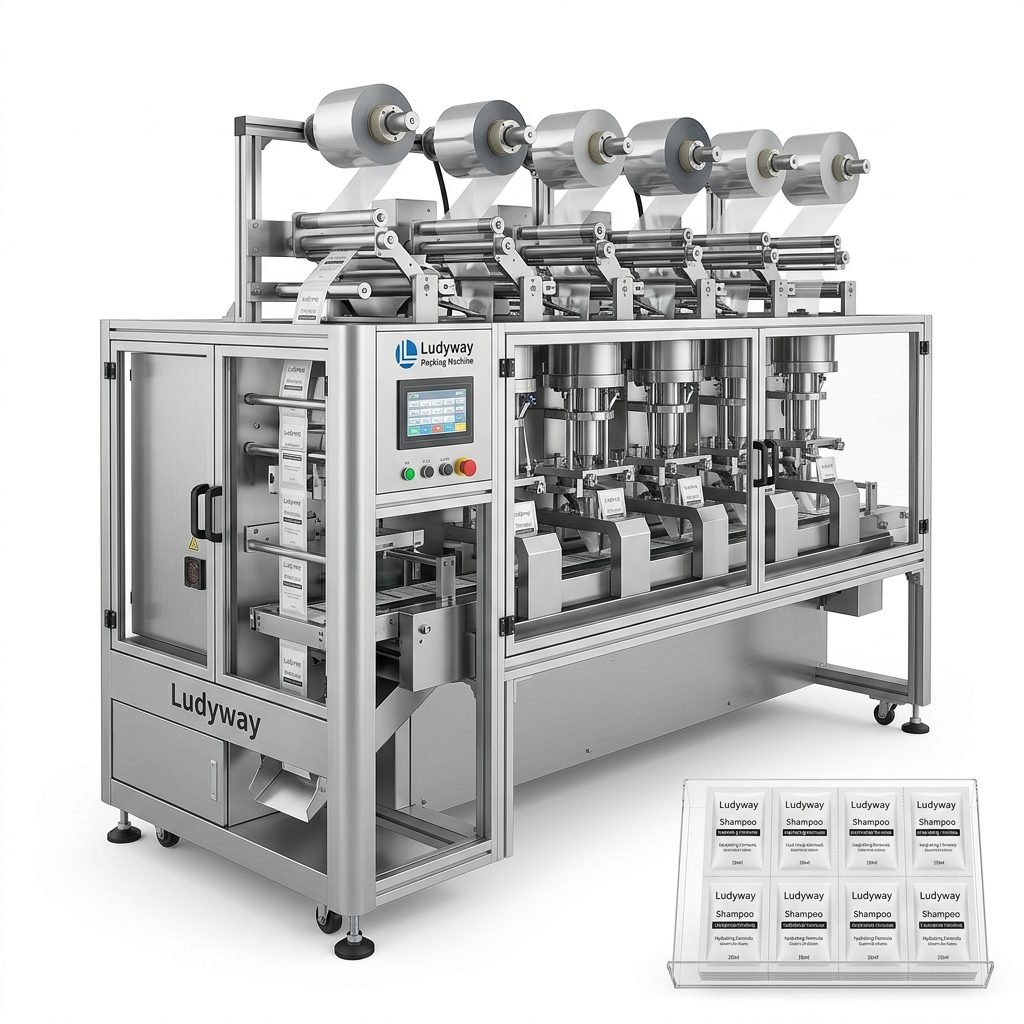
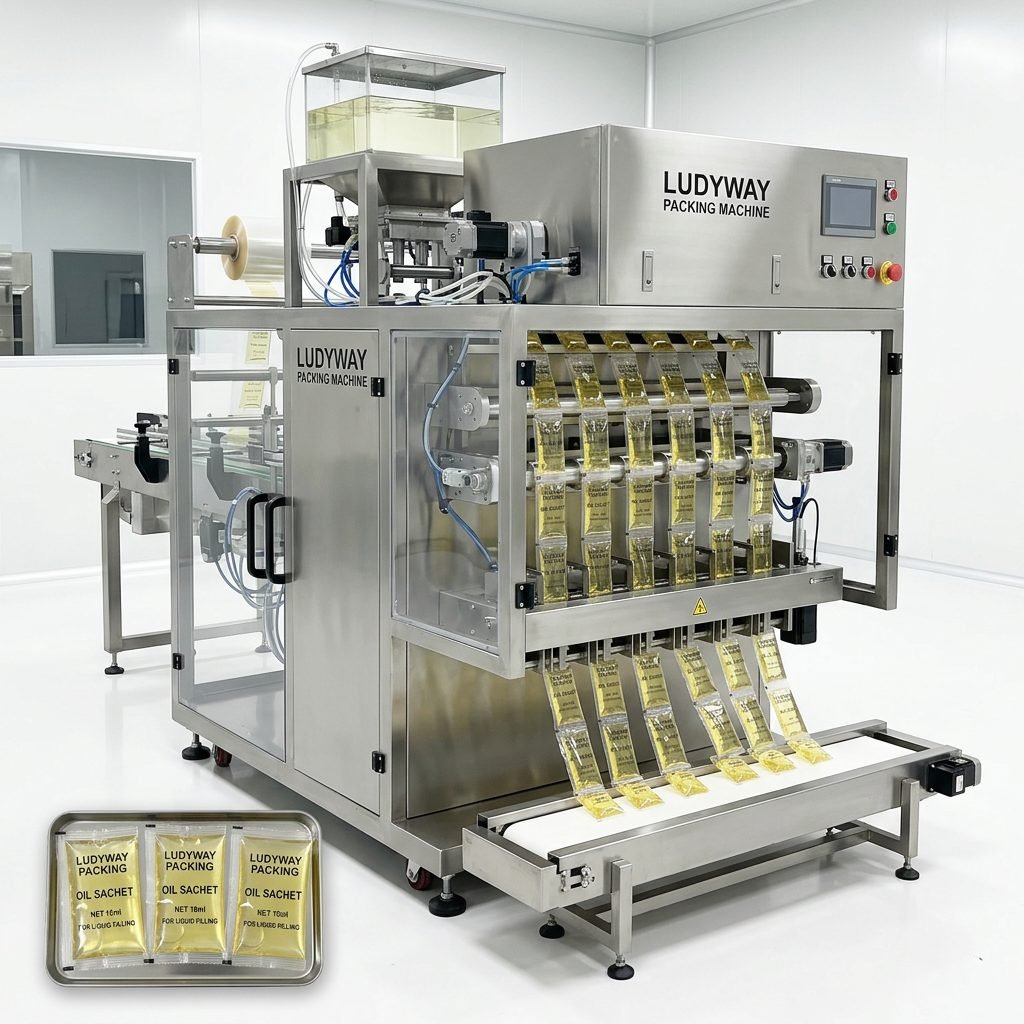
Consolidated, or integrated, packaging machinery refers to a unified system where multiple packaging functions—such as weighing, filling, sealing, coding, and cartoning—are seamlessly combined into a single, synchronized production line. Unlike a collection of individual machines, an integrated system is designed from the ground up to work as one cohesive unit, managed by a central control system. This holistic approach eliminates the hand-off points and buffering common in fragmented setups, creating a continuous, streamlined flow from raw material to packaged product.
Key Insight: The true power of consolidation lies not just in connecting machines, but in integrating their intelligence. Data from a weighing module can instantly adjust filler performance, while vision inspection systems can halt the entire line if a sealing fault is detected, preventing waste.
Direct Efficiency Gains: Streamlining the Production Flow
The most immediate impact of an integrated system is a dramatic improvement in production efficiency. Standalone machines require manual transfer of product between stations, creating inherent delays and opportunities for error. An integrated line automates this transfer, often using conveyors, robotic arms, or pneumatic transfers that are precisely timed.
- Increased Output (OEE): By minimizing stoppages and changeover times, integrated systems significantly boost Overall Equipment Effectiveness (OEE). Production speeds can increase by 30-50% compared to unconnected equipment.
- Reduced Labor Dependency: One operator can often monitor the entire consolidated line from a central HMI (Human-Machine Interface), replacing the need for multiple attendants at each standalone machine. This reallocates human resources to higher-value tasks like quality assurance and maintenance.
- Minimized Changeover Time: Modern integrated systems feature quick-change parts and recipe-driven controls. Switching from packaging one product variant to another can be accomplished in minutes instead of hours, enhancing flexibility for batch production.
Substantial Cost Reduction: Beyond the Price Tag
While the initial investment in a consolidated system may be higher than purchasing separate machines, the total cost of ownership (TCO) and operational savings are profound. Cost-cutting occurs across several dimensions.
1. Lower Operational & Labor Costs
Automation directly reduces the number of operators required per shift. Furthermore, with less manual handling, the risk of repetitive strain injuries and associated costs decreases. Energy consumption is also optimized, as a single, efficiently designed system often uses less power than multiple older machines running independently.
2. Dramatic Reduction in Material Waste
Precision is inherent in integrated systems. Synchronized filling and sealing ensure accurate doses and perfect seals, drastically reducing giveaway (overfilling) and rejected packages due to leaks or misalignment. This directly saves on expensive raw materials and packaging films.
3. Reduced Floor Space Requirements
A compact, consolidated line occupies significantly less factory floor space than a series of standalone machines with safety zones and walkways between them. This freed-up space can be used for storage, staging, or other value-adding processes, effectively increasing the utility of your facility. For more on optimizing your production layout, explore our insights on turnkey packaging solutions.
The Quality & Consistency Advantage
Beyond speed and cost, integrated systems deliver superior and consistent product quality. Every package is treated identically as it flows through the controlled environment of the line. Parameters like fill weight, seal temperature, and pressure are maintained with digital accuracy, eliminating the variability introduced by manual intervention or machine-to-machine transfer. This consistency is critical for brand reputation, regulatory compliance (especially in pharmaceutical packaging), and customer trust.
Implementation Considerations for Integrated Systems
Transitioning to consolidated packaging requires careful planning. Key considerations include:
- Product Analysis: Thoroughly understand your product’s characteristics (flowability, abrasiveness, sensitivity) to specify the correct integrated modules.
- Future-Proofing: Choose a system with scalability. Can it handle increased speed or additional functions (like checkweighing or vision inspection) in the future?
- Supplier Expertise: Partner with a provider experienced in designing and supporting complete lines, not just individual machines. Their ability to offer comprehensive technical support and training is crucial.
- Data Integration: Ensure the system can provide production data (OEE, waste counts, speed) for analysis and continuous improvement initiatives.
The journey toward packaging consolidation is an investment in future competitiveness. By replacing fragmented equipment with a smart, integrated system, manufacturers unlock new levels of efficiency, quality, and cost control. The result is a more agile, profitable, and sustainable operation capable of meeting modern market demands.
Frequently Asked Questions (FAQs)
1. Is consolidated packaging machinery only for large-scale manufacturers?
Not at all. While beneficial for high-volume production, modular integrated systems are also scalable for mid-sized operations. The key is the design flexibility offered by suppliers, allowing lines to be configured for different outputs and functionalities, making the efficiency gains accessible to a wide range of businesses.
2. How difficult is the changeover between different products on an integrated line?
Modern integrated systems are designed for flexibility. They often feature quick-release mechanisms, change parts, and digital recipe storage. An operator can call up a pre-set recipe for a different product, and the system will guide them through the changeover, which can often be completed in under 30 minutes, minimizing downtime.
3. What is the typical ROI (Return on Investment) period for such a system?
The ROI period varies based on scale, labor costs, and current waste levels. However, by combining savings from reduced labor, lower material waste, decreased energy use, and higher output, many companies see a full return on investment within 1 to 3 years. A detailed feasibility analysis with your supplier can provide a more accurate projection.
4. Can I integrate my existing standalone machines into a new consolidated system?
It is sometimes possible, but often not optimal. Older machines may lack the communication protocols (like Ethernet/IP) and control precision needed for seamless integration. Retrofitting can be complex and costly. A purpose-built integrated system is usually more reliable, efficient, and offers better long-term support.
5. How does an integrated system improve quality control?
Quality is built into the process. Integrated in-line checkweighers, metal detectors, and vision systems can inspect 100% of products at full speed. Any defect automatically triggers a rejection and can alert the control system to pause for adjustment, preventing large batches of non-conforming product and ensuring consistent, high-quality output.