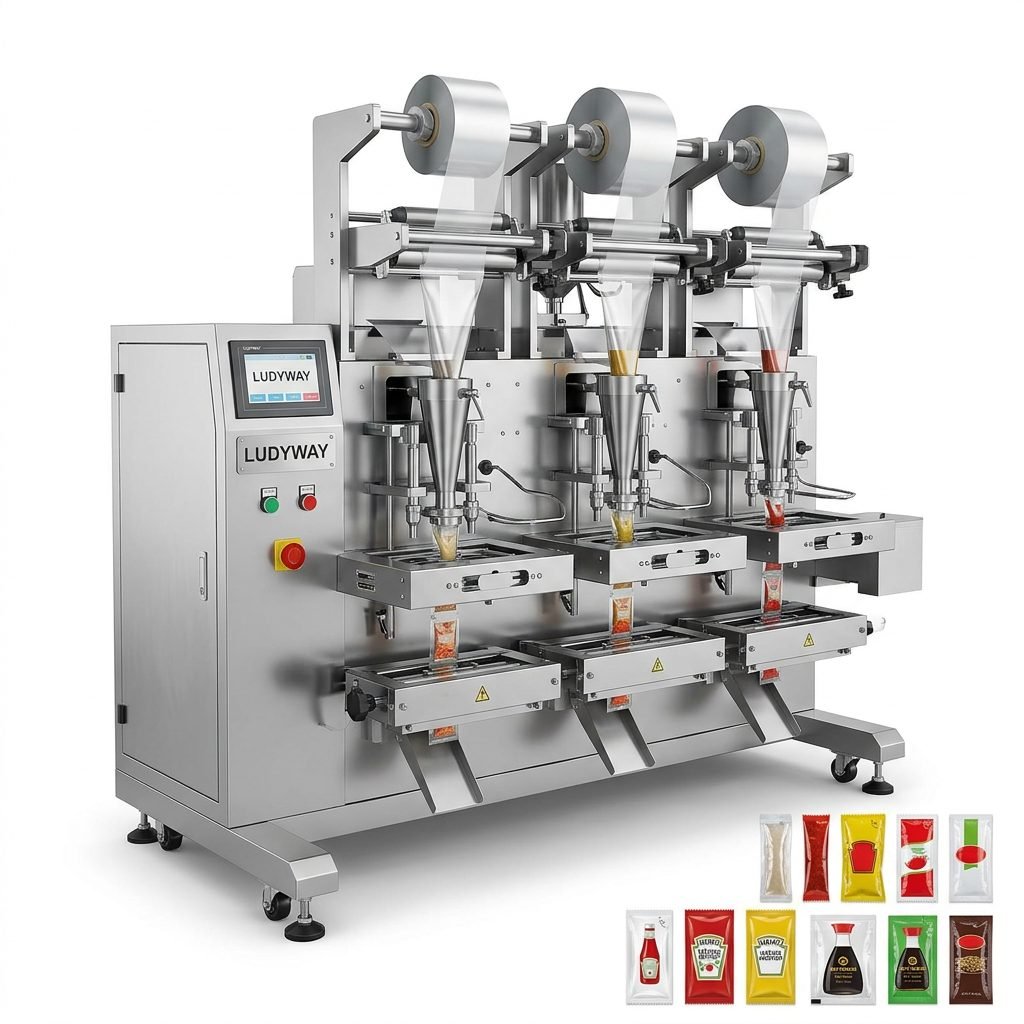
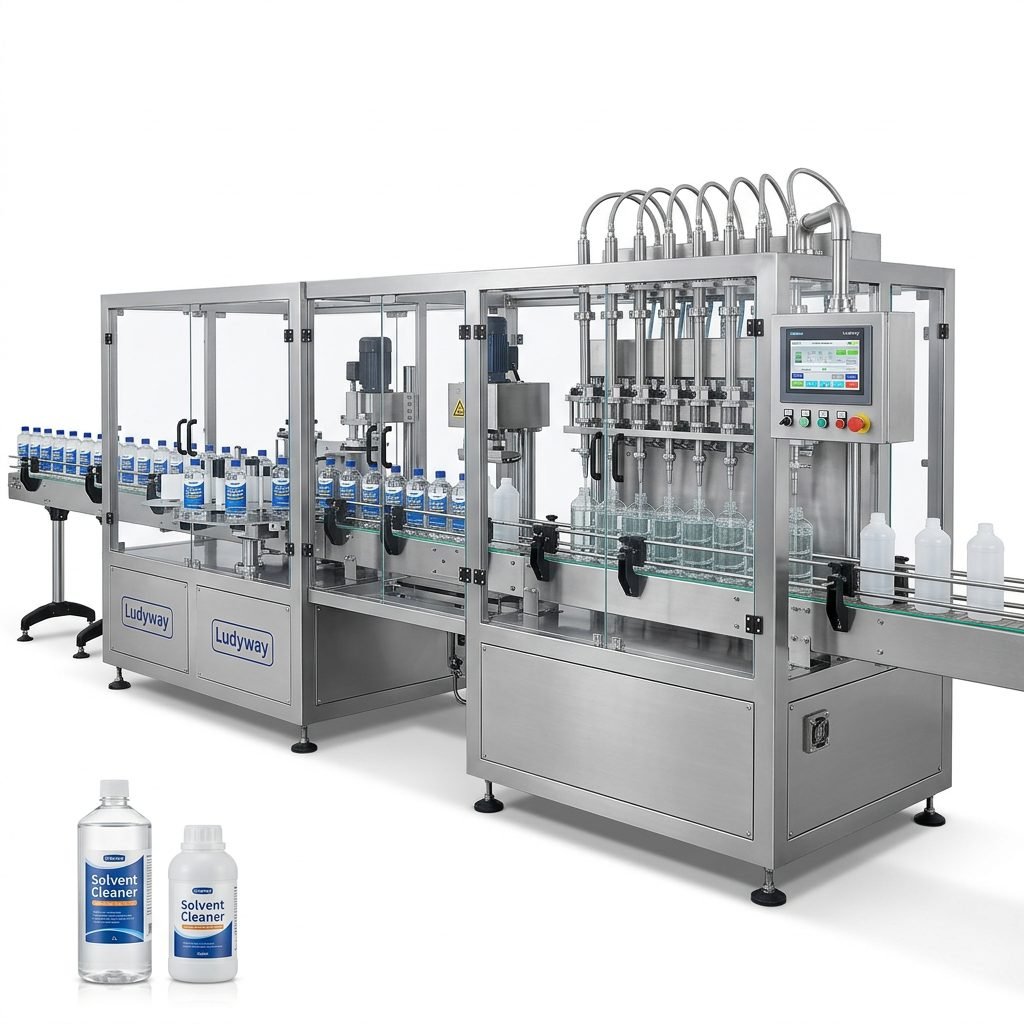
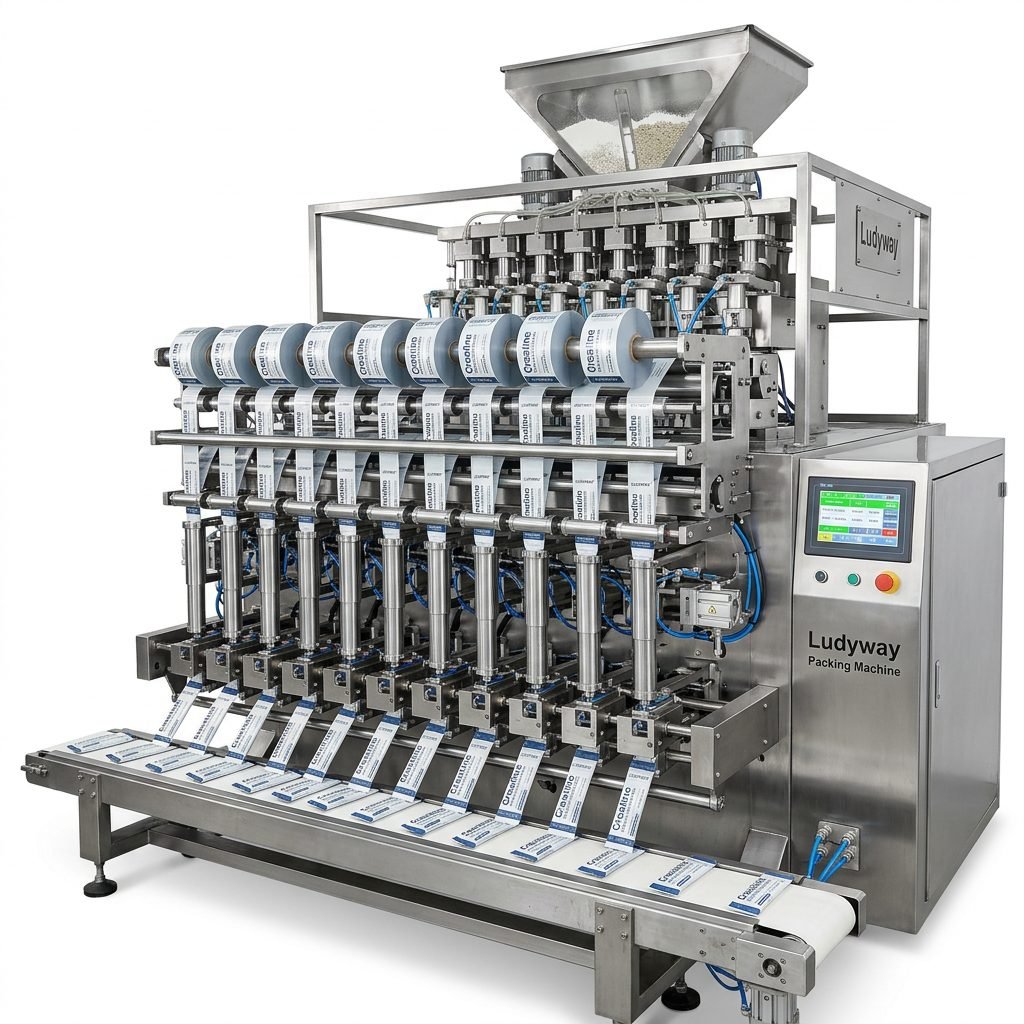
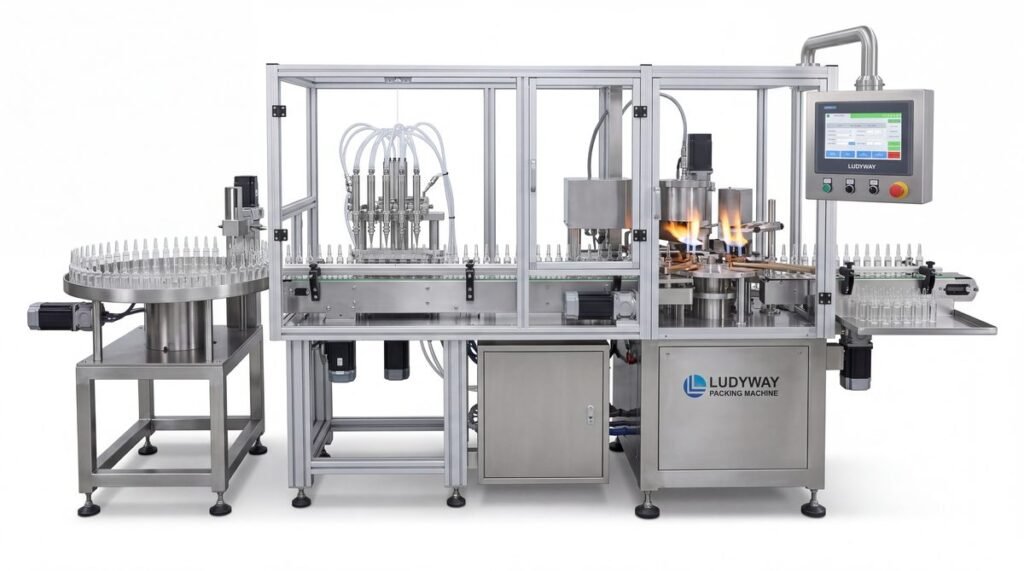
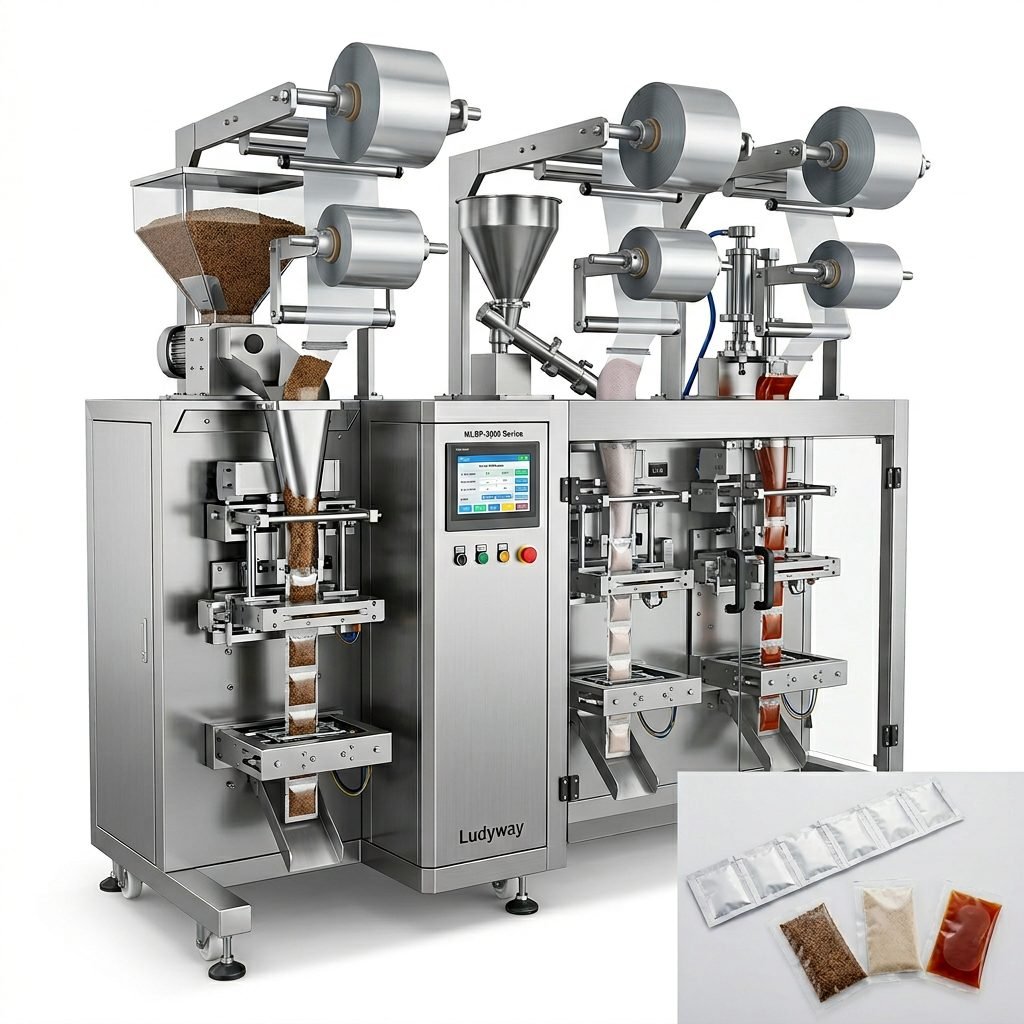
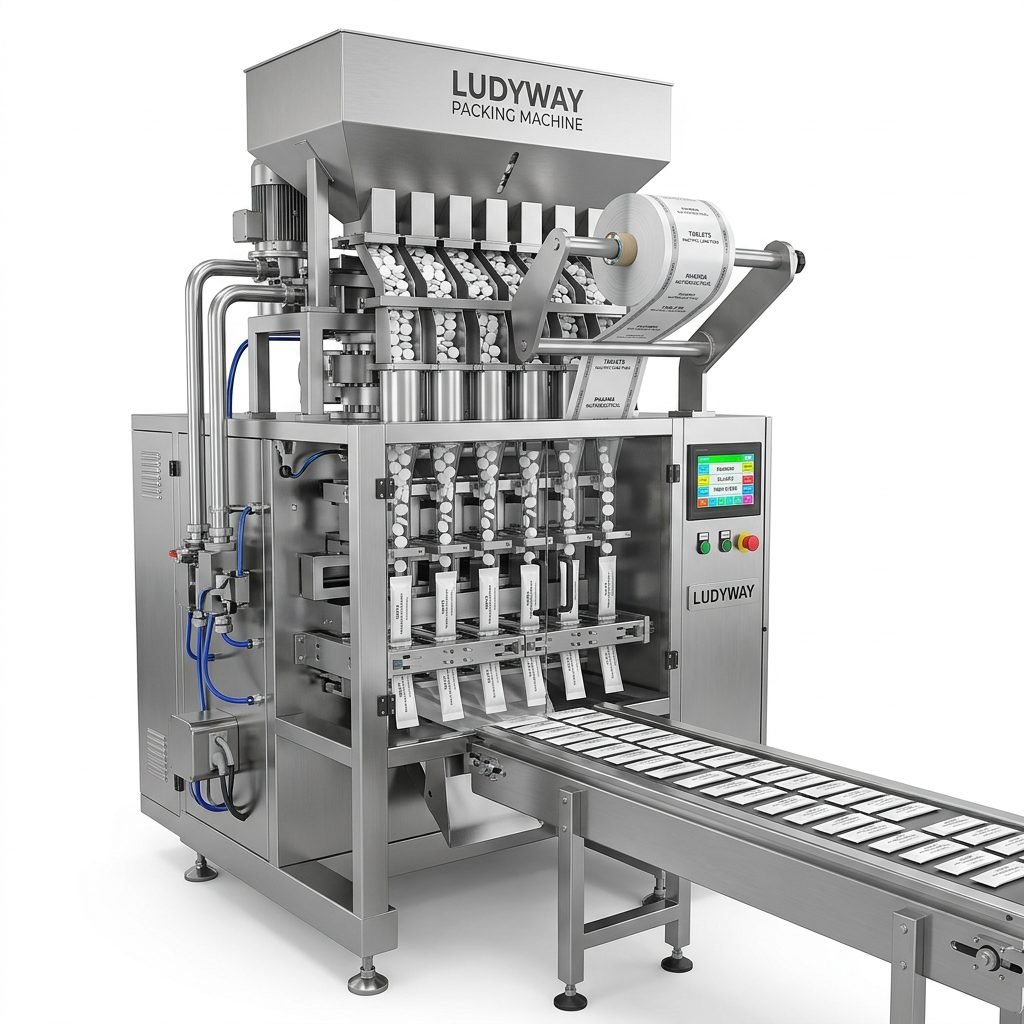
Corner spout packaging machinery represents a specialized segment in the flexible packaging industry, designed for creating convenient, stand-up pouches with an integrated spout at the corner. This guide provides a comprehensive overview of the different types of machinery, their working principles, and essential buying considerations for businesses looking to invest in this technology.
Understanding Corner Spout Packaging Machinery
Corner spout packaging machines automate the process of forming, filling, and sealing flexible pouches that feature a spout at one corner. This design is particularly popular for liquid and viscous products like sauces, oils, detergents, and dairy items, as it allows for clean, controlled pouring and easy re-closure. The machinery integrates several stations to handle the pouch material, attach the spout, fill the product, and hermetically seal the package.
Key Advantage: The primary benefit of corner spout pouches is enhanced user convenience and reduced product waste compared to traditional packaging. The machinery that produces them must offer high precision and hygiene standards.
Primary Types of Corner Spout Packaging Machines
The market offers various configurations to suit different production scales and product types. Understanding these categories is the first step in selecting the right equipment.
Vertical Form-Fill-Seal (VFFS) with Spout Attachment
This is the most common type. The machine forms a pouch from a roll of flat film, attaches a pre-made spout to the corner during the forming process, then fills and seals the pouch. It’s highly efficient for medium to high-speed production lines.
Horizontal Form-Fill-Seal (HFFS) Systems
Less common for corner spouts, but used for specific applications where the product or pouch shape benefits from horizontal handling. These machines often have a different spout placement mechanism.
Pre-made Pouch Fillers with Spout Applicator
This system uses pre-manufactured corner spout pouches. The machine’s function is to open, fill, and seal the spout. It’s ideal for lower-volume operations or products requiring very specific, complex pouch materials that are difficult to form on-site.
Choosing the Right Type:
Your choice depends on production volume, pouch material, product viscosity, and budget. VFFS systems offer the best balance of speed and flexibility for most food and non-food liquid applications.
Core Working Principles and Process Flow
The operation of a corner spout packaging machine is a synchronized sequence of precision engineering. Here’s a breakdown of the standard workflow:
1. Film Unwinding & Pouch Forming: A roll of laminated packaging film is fed into the machine. A forming collar shapes the flat film into a tube.
2. Spout Feeding & Attachment: This is the critical stage. Pre-molded plastic spouts are fed from a hopper or bowl feeder. A robotic or mechanical arm precisely picks and places a spout into the corner of the forming pouch. Heat is applied to weld the spout’s flange to the inner layer of the film.
3. Bottom Sealing: The bottom of the pouch is sealed horizontally, creating the pouch’s base.
4. Product Filling: The pouch is moved to the filling station. A nozzle descends through the open spout (or a separate filling tube is used) to dispense a pre-measured volume of product. Filling can be volumetric, piston-driven, or via flow meter, depending on the product.
5. Gas Flushing (Optional): For oxygen-sensitive products, an inert gas like nitrogen can be injected to displace air before sealing, extending shelf life.
6. Top Sealing & Spout Capping: The top of the pouch is sealed below the spout. Simultaneously, a cap is screwed or snapped onto the spout. Some machines include a leak-test function at this stage.
7. Cutting & Discharge: The individual finished pouch is cut from the film web and discharged onto a conveyor for collection or secondary packaging.
Essential Buying Tips for Your Investment
Selecting the right corner spout packaging machine requires careful evaluation of your specific needs. Here are the crucial factors to consider:
1. Assess Your Product Characteristics
The machine must be compatible with your product. Consider its viscosity (e.g., water, syrup, paste), acidity, particulate content, and whether it requires hot filling or aseptic processing. This determines the required filling system, material compatibility, and machine hygiene design.
2. Determine Production Speed Requirements
Machines are rated by pouches per minute (PPM). Speeds can range from 20-30 PPM for semi-automatic models to over 120 PPM for high-speed fully automatic lines. Match the speed to your current and near-future output needs to avoid over- or under-investing.
3. Evaluate Pouch and Spout Specifications
Define your pouch size range (width, length, gusset), film structure, and spout type/size. Ensure the machine can handle the desired spout design (e.g., screw cap, flip-top, tamper-evident) and the specific multilayer films you plan to use.
4. Prioritize Hygiene and Construction
For food, pharmaceutical, or cosmetic products, the machine should have a sanitary design: easy-to-clean surfaces, food-grade contact parts (stainless steel 304 or 316), and protection against contamination. Look for machines with IP-rated electrical panels if washdowns are frequent.
5. Consider Automation and Integration Level
Do you need a standalone machine or a fully integrated line with upstream mixers and downstream cartoners? Consider features like automatic film splicing, CIP (Clean-in-Place) systems, vision inspection systems, and connectivity for Industry 4.0 data collection.
6. Analyze Supplier Credibility and Support
The manufacturer’s reputation is paramount. Look for a supplier with proven experience in corner spout technology. Evaluate their after-sales service, availability of spare parts, training programs, and technical support network. A reliable partner like Ludyway Machinery, with deep industry expertise, can ensure a smoother project lifecycle from installation to long-term operation.
Pro Tip: Always request a product sample test run at the manufacturer’s facility. This is the best way to verify machine performance, seal integrity, and output quality with your actual product and packaging materials.
Partnering with a Knowledgeable Equipment Provider
Navigating the technicalities of corner spout packaging is complex. Partnering with an experienced packaging machinery provider can mitigate risk. Companies such as Ludyway Packaging Machinery bring valuable assets to the table: extensive application knowledge, the ability to customize solutions, and robust global support. They can help you optimize the entire packaging process, not just sell you a machine.
Investing in the right corner spout packaging machinery is a strategic decision that impacts your product’s market appeal, operational efficiency, and bottom line. By thoroughly understanding the machine types, principles, and following a structured buying process, you can select equipment that delivers reliability, quality, and a strong return on investment for years to come.
Frequently Asked Questions (FAQs)
What are the main benefits of using corner spout pouches?
Corner spout pouches offer superior consumer convenience with easy pouring and re-closing, reduce product waste, are lightweight which lowers shipping costs, and provide an excellent branding surface. They are also often perceived as more modern and sustainable than rigid containers.
What is the typical speed range for an automatic corner spout machine?
Speeds vary widely. Standard fully automatic vertical machines typically operate between 40 to 80 pouches per minute (PPM). High-speed models can exceed 120 PPM. The actual speed depends on pouch size, product, and machine configuration.
Can one machine handle different spout sizes and pouch designs?
Most machines are designed with changeover capabilities. You can switch spout sizes and pouch dimensions by changing parts like the forming collar, filling nozzles, spout feed parts, and sealing jaws. The time and complexity of changeover vary by machine design.
What kind of maintenance do these machines require?
Regular maintenance is crucial. Daily cleaning and lubrication of specific points, weekly checks of seals and sensors, and periodic replacement of wear parts like sealing jaws and cutting blades are standard. A good supplier will provide a detailed maintenance schedule and training. For professional support, consider providers like Ludyway’s service team.
Are corner spout packaging machines suitable for dry products?
While primarily designed for liquids and semi-liquids, they can be adapted for certain free-flowing granules or powders. However, the filling process and spout design need careful evaluation to prevent clogging and ensure accurate filling. A pre-made pouch filler system might be more suitable for dry goods in spouted pouches.