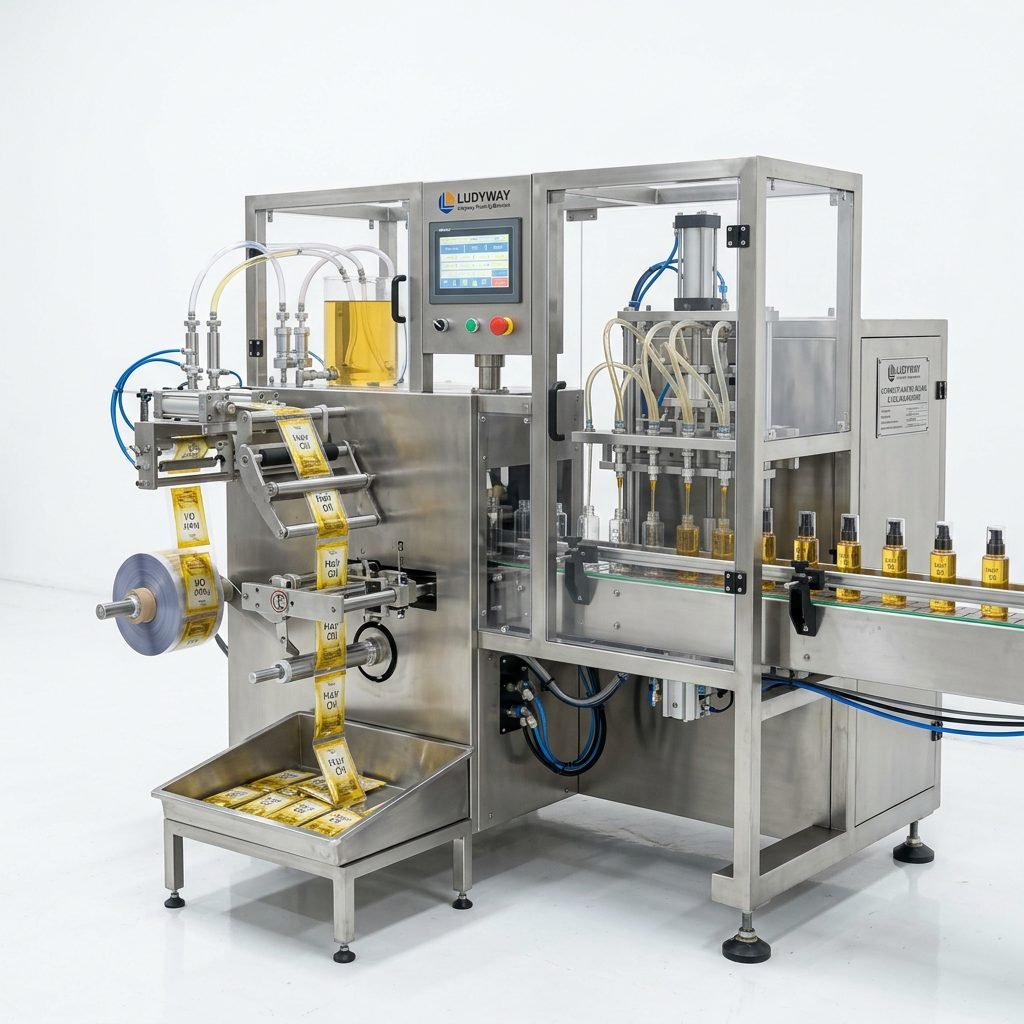
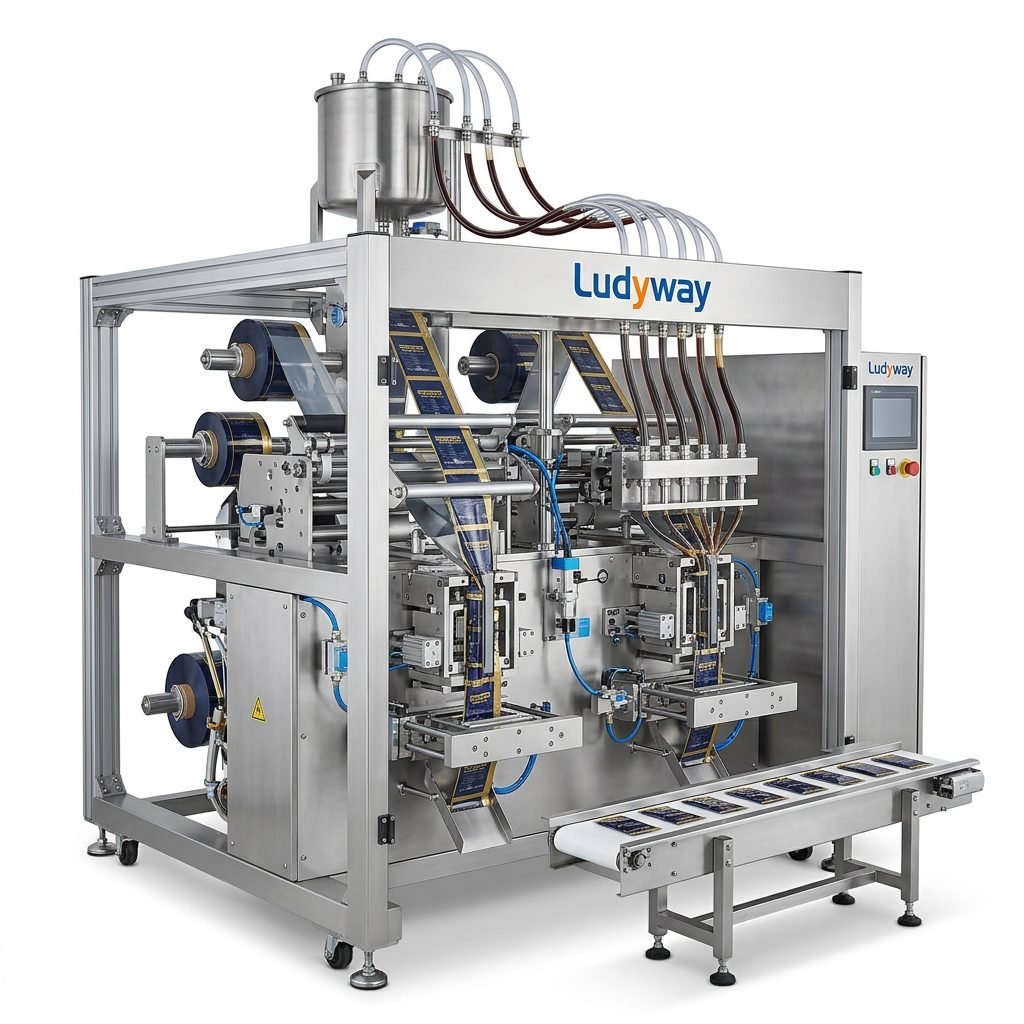
In today’s fast-paced global manufacturing landscape, achieving peak efficiency on automated production lines is paramount. High-performance global packaging machinery solutions are the critical link that transforms raw materials into finished, market-ready products with speed, precision, and reliability. These advanced systems are engineered to meet the rigorous demands of continuous operation, minimizing downtime and maximizing output for industries ranging from food and beverage to pharmaceuticals and consumer goods.
The Core of Modern Automation: Integrated Packaging Systems
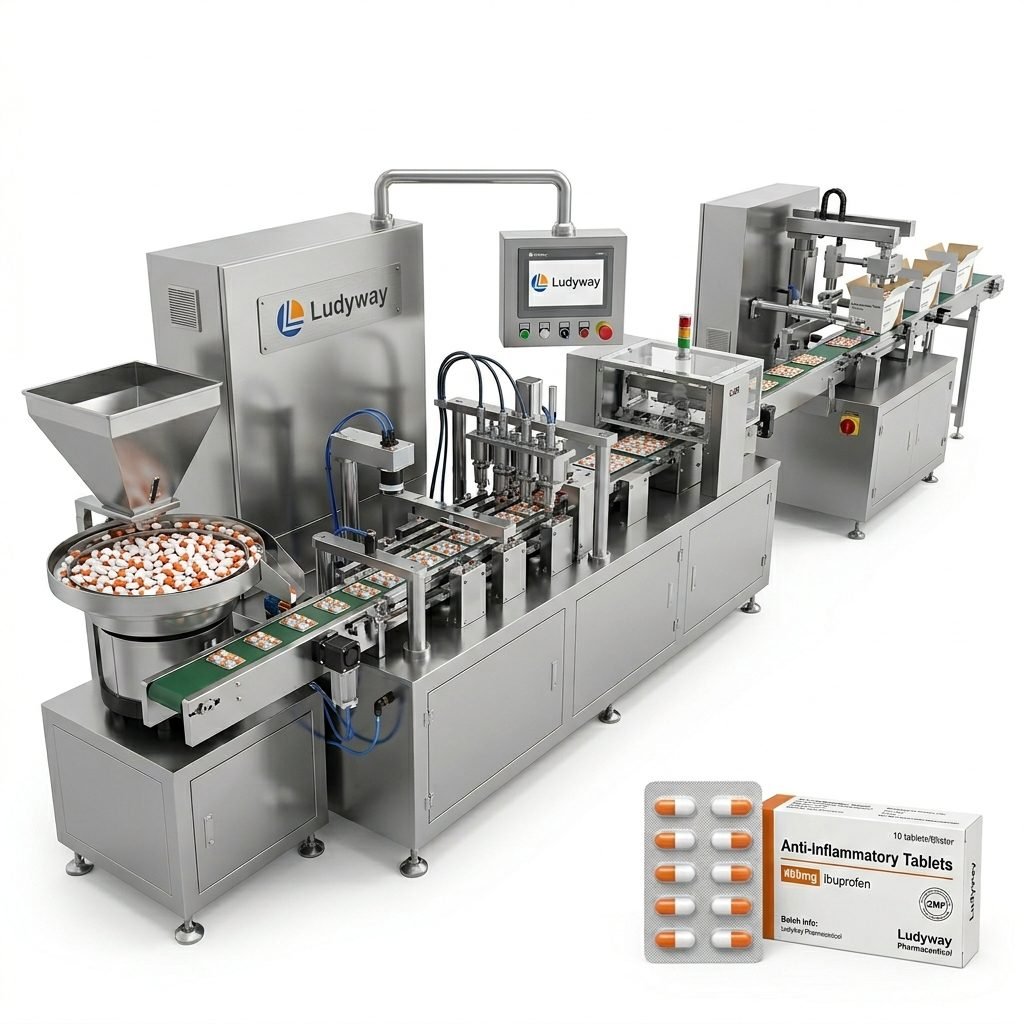
At the heart of any automated production line lies the packaging segment. Modern solutions go far beyond simple bagging or boxing. They represent fully integrated systems that handle product feeding, precise weighing or volumetric filling, sophisticated bag forming, sealing, coding, and final cartoning or palletizing—all in one seamless, synchronized flow. This integration eliminates manual handling bottlenecks, ensures consistent package quality, and provides unparalleled traceability through every step of the process.
Key Advantage: A truly high-performance packaging line is characterized by its flexibility. The ability to quickly changeover between different package sizes, formats, and materials without significant downtime is a competitive necessity in a market driven by diverse consumer preferences and frequent product launches.
Driving Factors for Global Adoption
The shift towards automated, high-performance packaging is driven by several universal factors. Labor cost pressures and shortages make automation a sound economic investment. Stringent global safety and hygiene regulations, especially in food and pharma, demand the consistency and cleanliness that automated machinery provides. Furthermore, the need for supply chain resilience encourages manufacturers to invest in reliable, efficient equipment that can maintain production under varying demands.
Essential Machinery for a Complete Production Line
Building a high-performance line requires selecting the right components for your specific product. Here are some core machinery types:
Vertical Form-Fill-Seal (VFFS) Machines
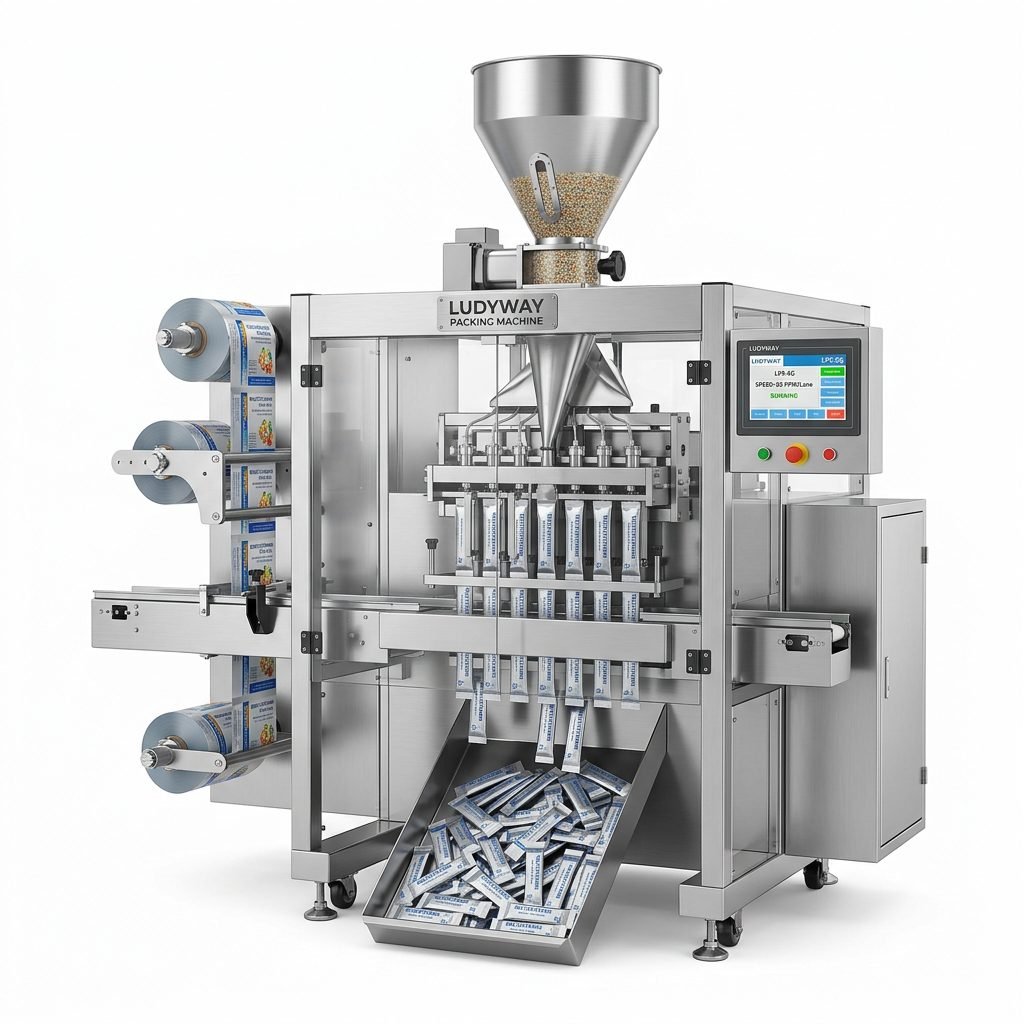
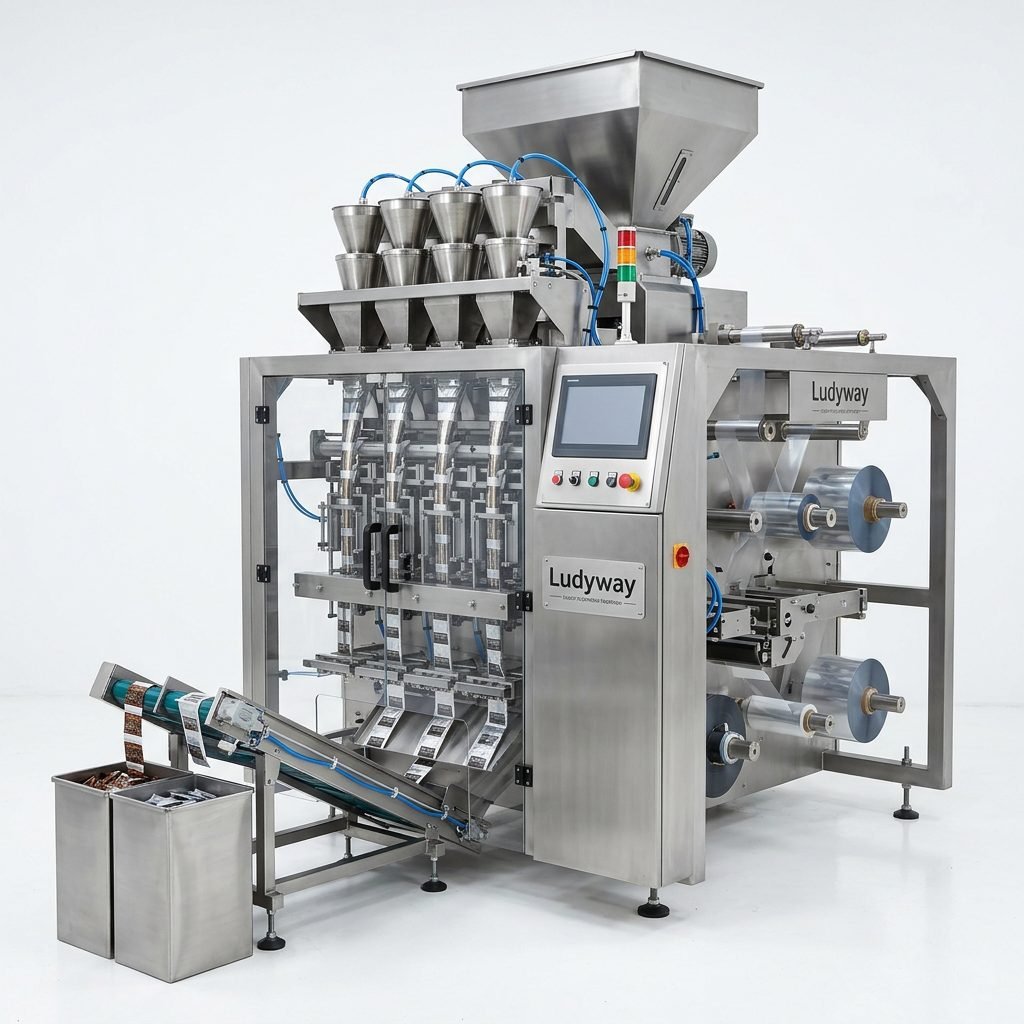
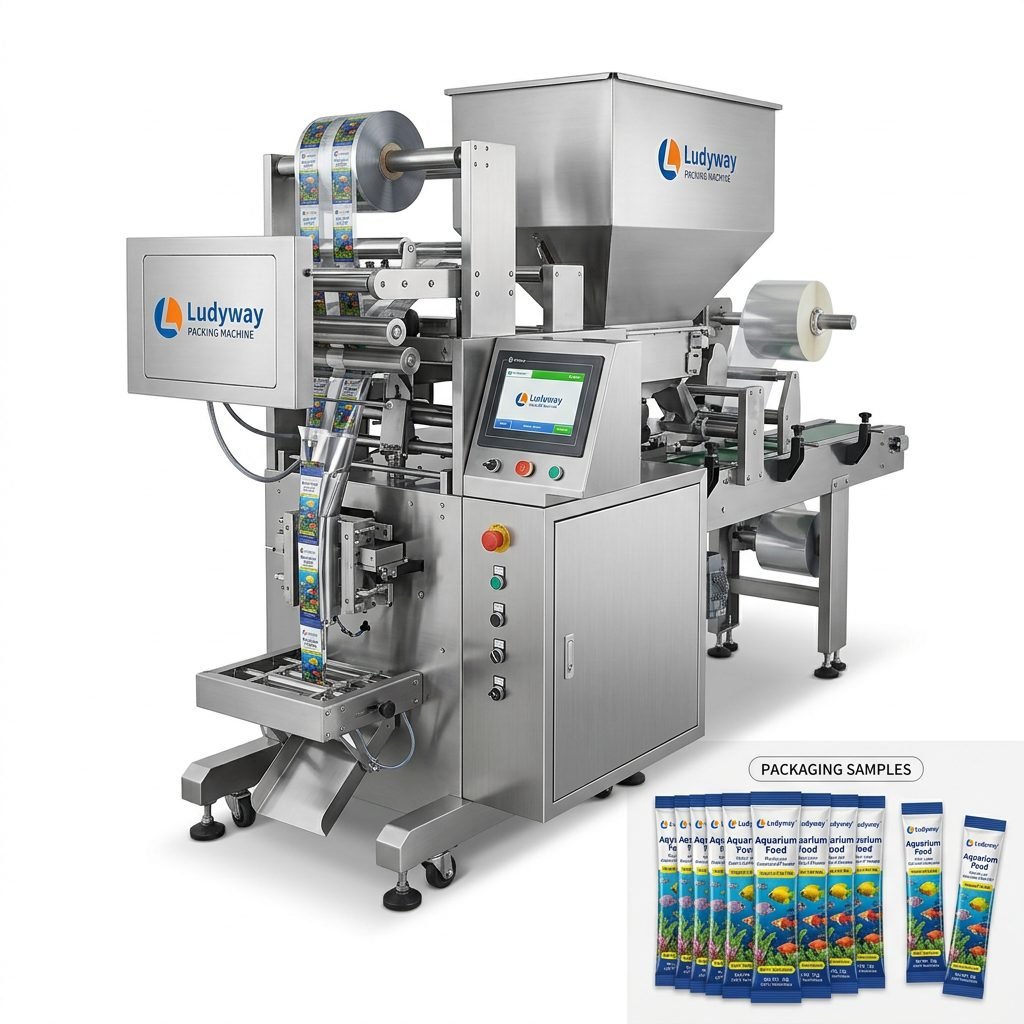
The workhorse of flexible packaging. These machines form bags from a roll of film, fill them with product—be it granules, powders, or liquids—and seal them, all at high speeds. Modern VFFS units feature advanced servo drives for precise film control and integrated checkweighers for portion accuracy.
Horizontal Flow Wrappers
Ideal for bundling individual items like snack bars, biscuits, or pharmaceuticals into multi-packs. They offer high-speed operation and excellent presentation, often being the final retail-ready package.
Cartoning and Case Packing Systems
These systems automate the loading of primary packages into cartons or cases, applying glue or tuck closures. Robotic case packers are increasingly popular for their gentle handling and flexibility in packing patterns.
The Ludyway Approach to Performance
With over 30 years of industry experience, the team behind Ludyway Packaging Machinery understands what drives production line success. It’s not just about selling a machine; it’s about providing a reliable solution. This philosophy is built on a foundation of practical knowledge and a commitment to long-term partnership.
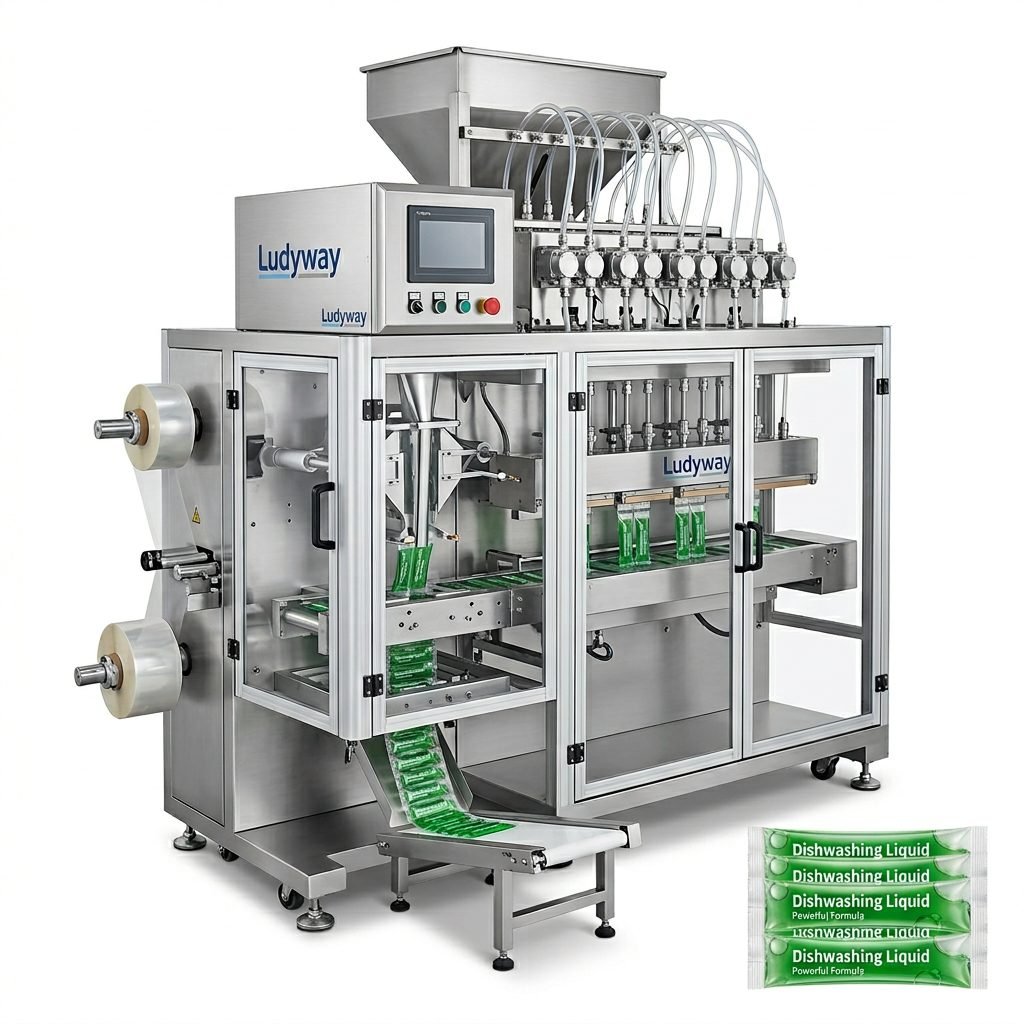
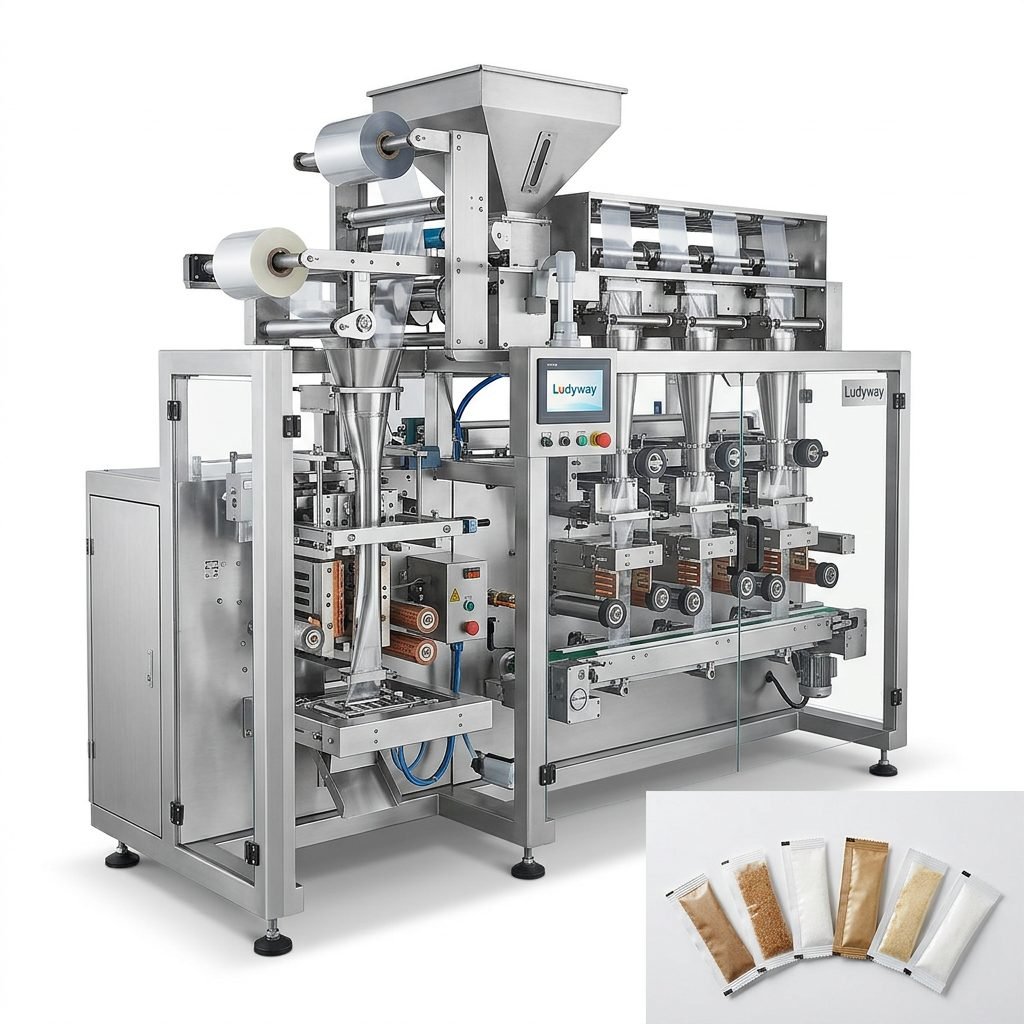
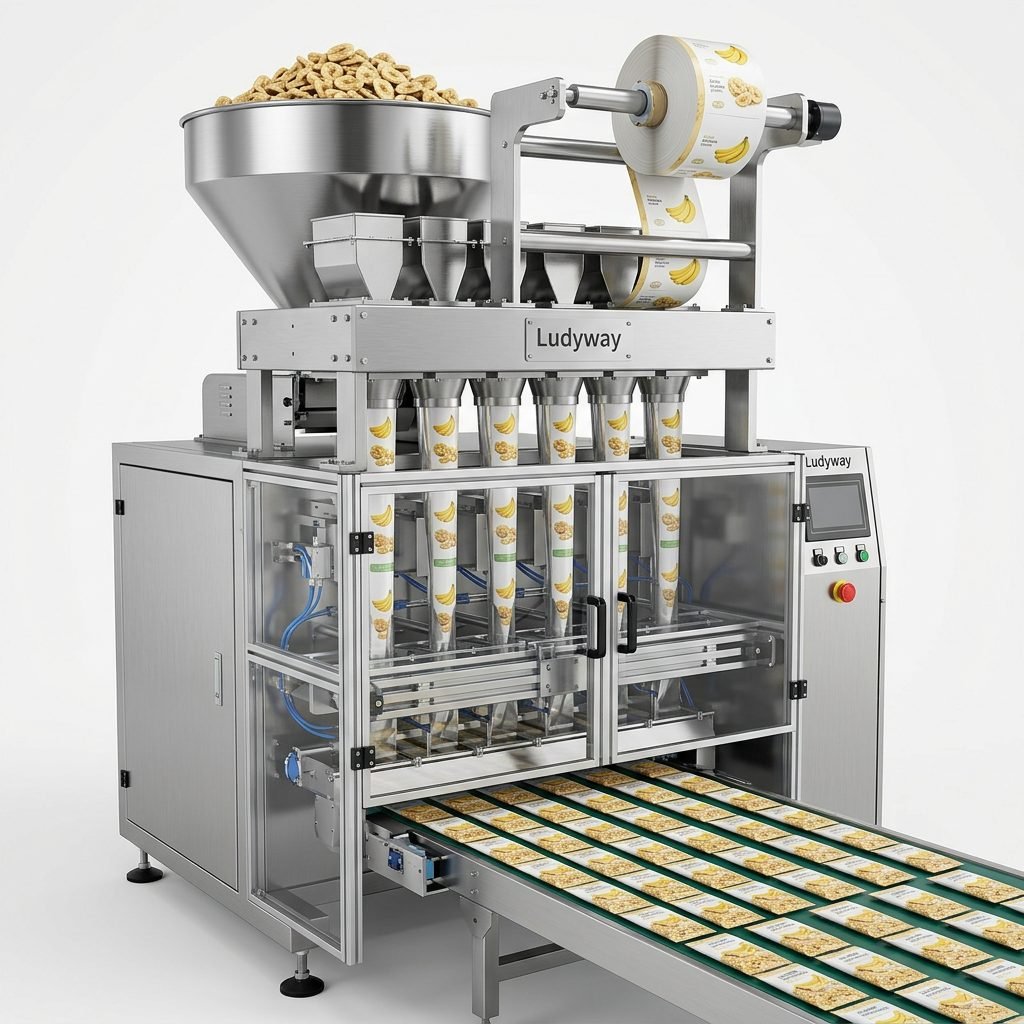
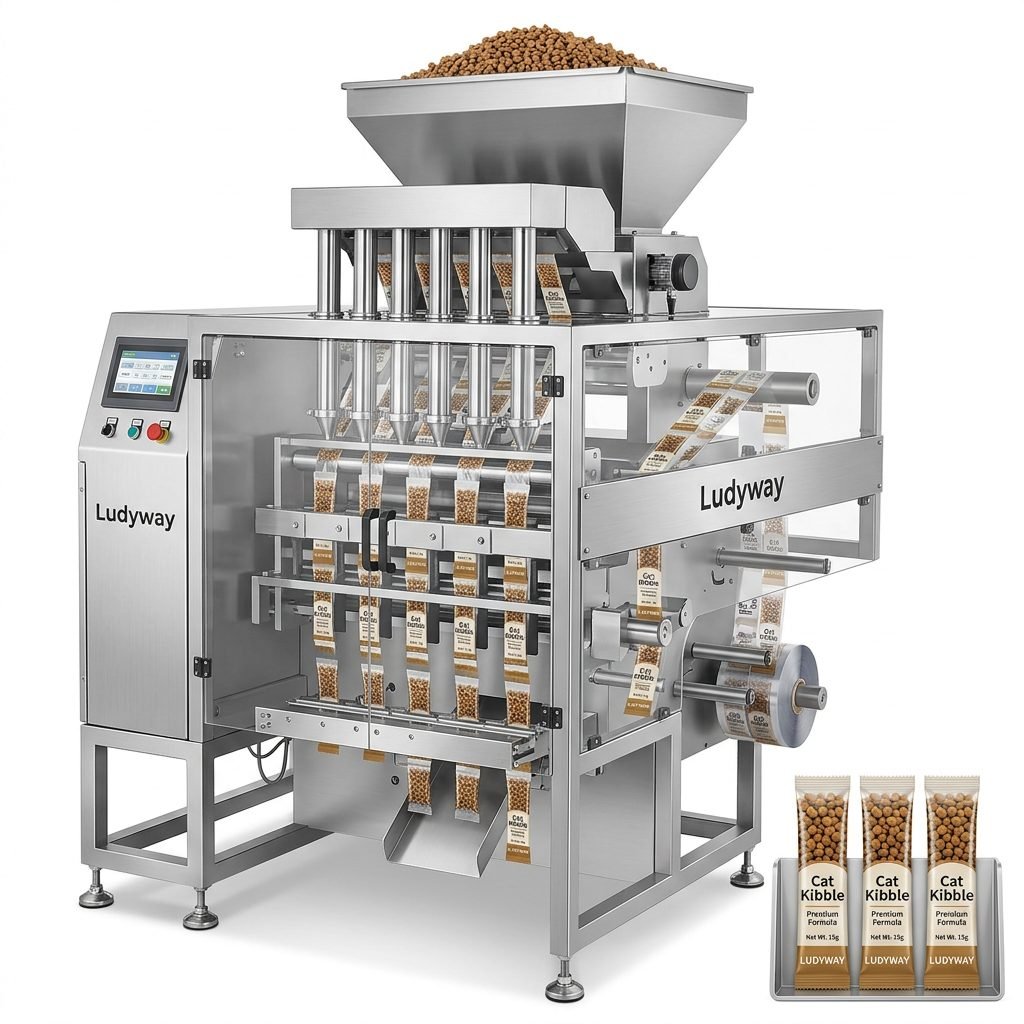
Operating from a modern 20,000㎡ facility, Ludyway focuses on intelligent packaging solutions for granules, powders, and liquids. The portfolio includes more than 50 machine models, such as multi-lane stick pack and sachet packaging systems, designed to integrate smoothly into automated lines worldwide. The focus is always on delivering innovative, efficient, and high-quality automation that is tailored to the specific needs of global producers.
Selecting the Right Partner for Your Packaging Solution
Choosing a machinery supplier is a strategic decision. Look for a partner with proven experience in your industry and with your product type. Evaluate their engineering support capabilities, availability of spare parts, and training programs. A supplier who offers comprehensive project management and technical support can significantly reduce the risk and timeline of your automation project.
Ultimately, the goal is to find a partner who views your production challenges as their own and works collaboratively to design a system that not only meets today’s specifications but can also adapt to tomorrow’s opportunities.
The Future: Smart, Connected Packaging Lines
The next frontier for high-performance packaging is the Industrial Internet of Things (IIoT). Smart machines equipped with sensors can predict maintenance needs, self-adjust for optimal performance, and provide real-time production data to central monitoring systems. This connectivity enables unprecedented levels of efficiency, quality control, and supply chain integration, paving the way for fully lights-out manufacturing operations.
Investing in high-performance global packaging machinery is an investment in the future resilience and profitability of your manufacturing operation. By prioritizing integration, flexibility, and partnering with experienced experts, you can build an automated production line that delivers consistent quality, maximizes throughput, and provides a solid foundation for growth in the global marketplace.
Frequently Asked Questions (FAQs)
1. What are the primary benefits of automating a packaging line?
The main benefits include significantly increased production speed and output, improved packaging consistency and product quality, reduced labor costs and dependency, enhanced worker safety by removing them from repetitive tasks, and better compliance with traceability and hygiene regulations.
2. How do I choose between Vertical (VFFS) and Horizontal packaging machines?
The choice depends on your product and market needs. VFFS machines are typically used for granular, powdered, or liquid products packed into pouches or bags. Horizontal machines are often used for wrapping solid, already-formed items like candy bars or soap bars. A consultation with a packaging expert is the best way to determine the optimal technology for your application.
3. Can automated packaging lines handle frequent product changeovers?
Yes, modern high-performance lines are designed for flexibility. Machines with servo-driven technology and recipe storage allow for quick changeovers. The key is to discuss your changeover frequency and requirements during the design phase so the line can be engineered with features like quick-release mechanisms and digital settings recall.
4. What kind of support should I expect from my machinery supplier?
You should expect comprehensive support including detailed installation and commissioning, thorough operator and maintenance training, readily available spare parts, and responsive technical service. A good supplier acts as a long-term partner, offering ongoing support to ensure your line’s productivity and longevity. Learn more about our commitment to service on our company profile page.
5. How long does it typically take to see a return on investment (ROI) on packaging automation?
ROI timelines vary based on the project’s scale, labor costs, and production volume increases. Many operations see a return within 1 to 3 years through savings in labor, reduced material waste, and higher production capacity. A detailed feasibility analysis during the planning stage can provide a more accurate projection for your specific situation.