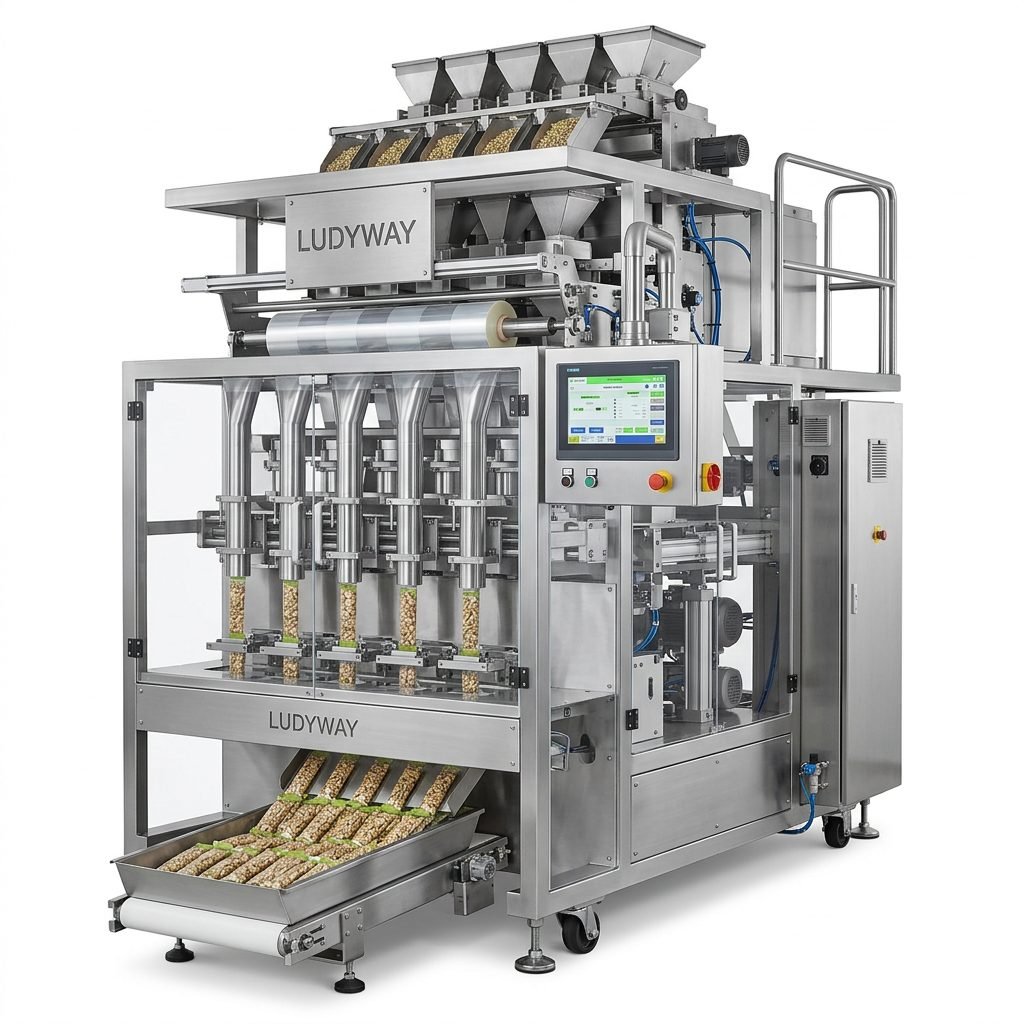
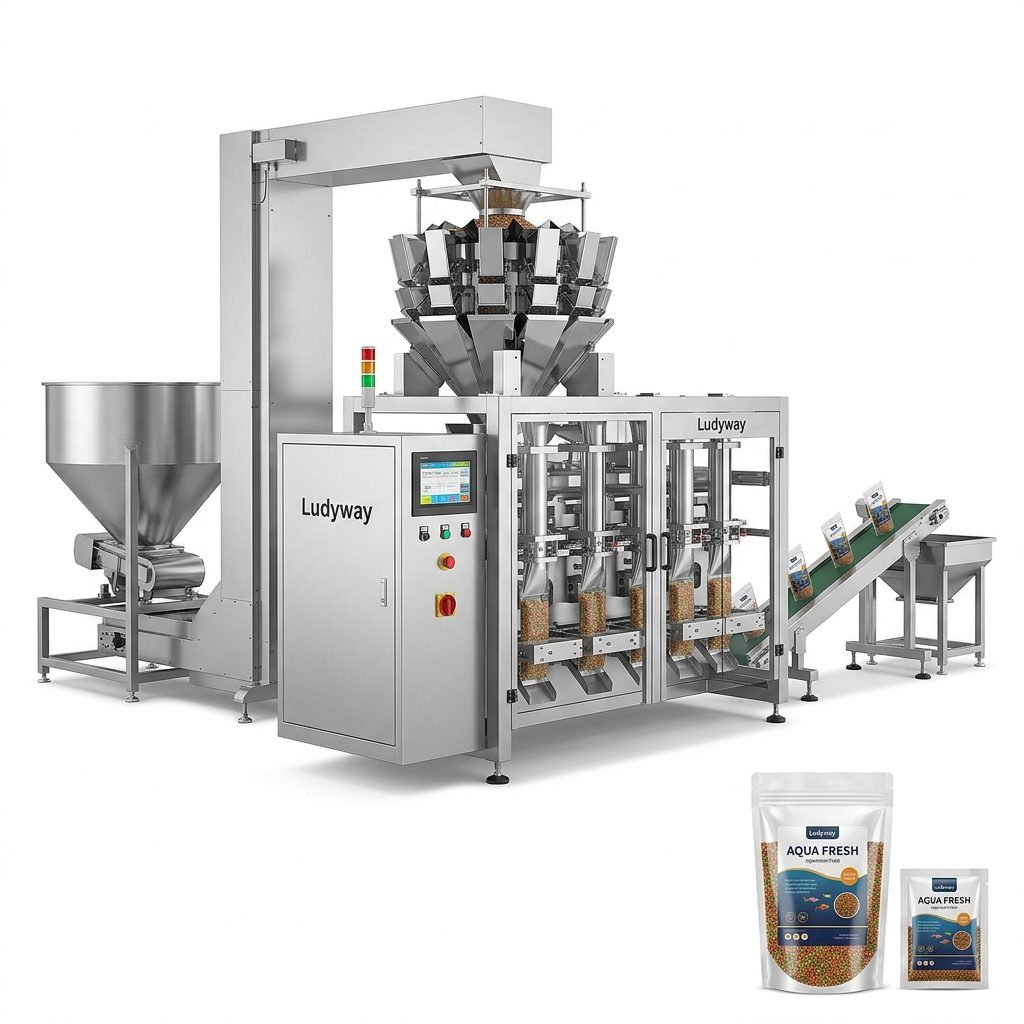
Selecting the right industrial packaging machinery is a critical decision for any manufacturing operation. The ideal equipment can dramatically enhance production efficiency, product consistency, and overall profitability. This comprehensive guide explores the main types of packaging machinery, their key benefits, and provides a structured framework to help you make an informed choice for your specific needs.
Understanding Core Types of Industrial Packaging Machinery
The packaging machinery landscape is diverse, with equipment specialized for different product forms and production scales. Understanding these core categories is the first step in the selection process.
1. Form-Fill-Seal (FFS) Machines
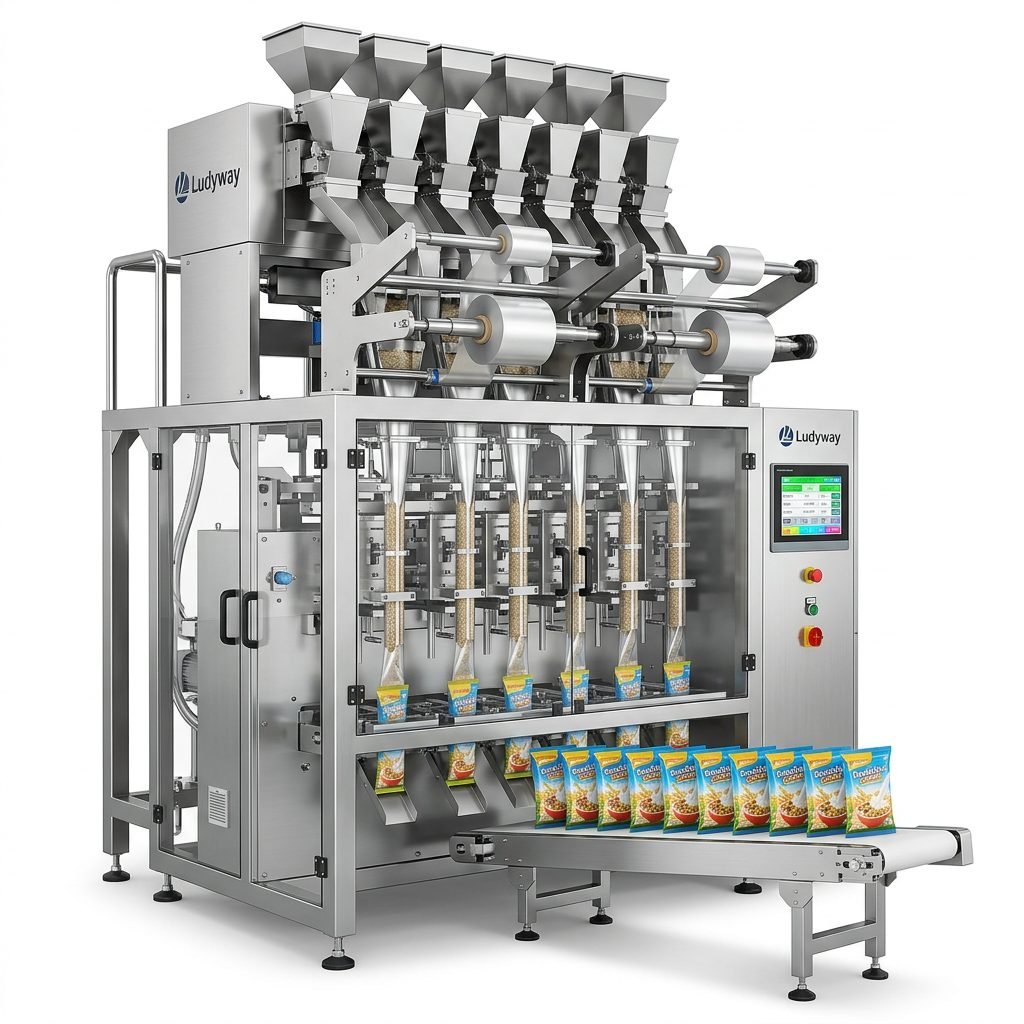
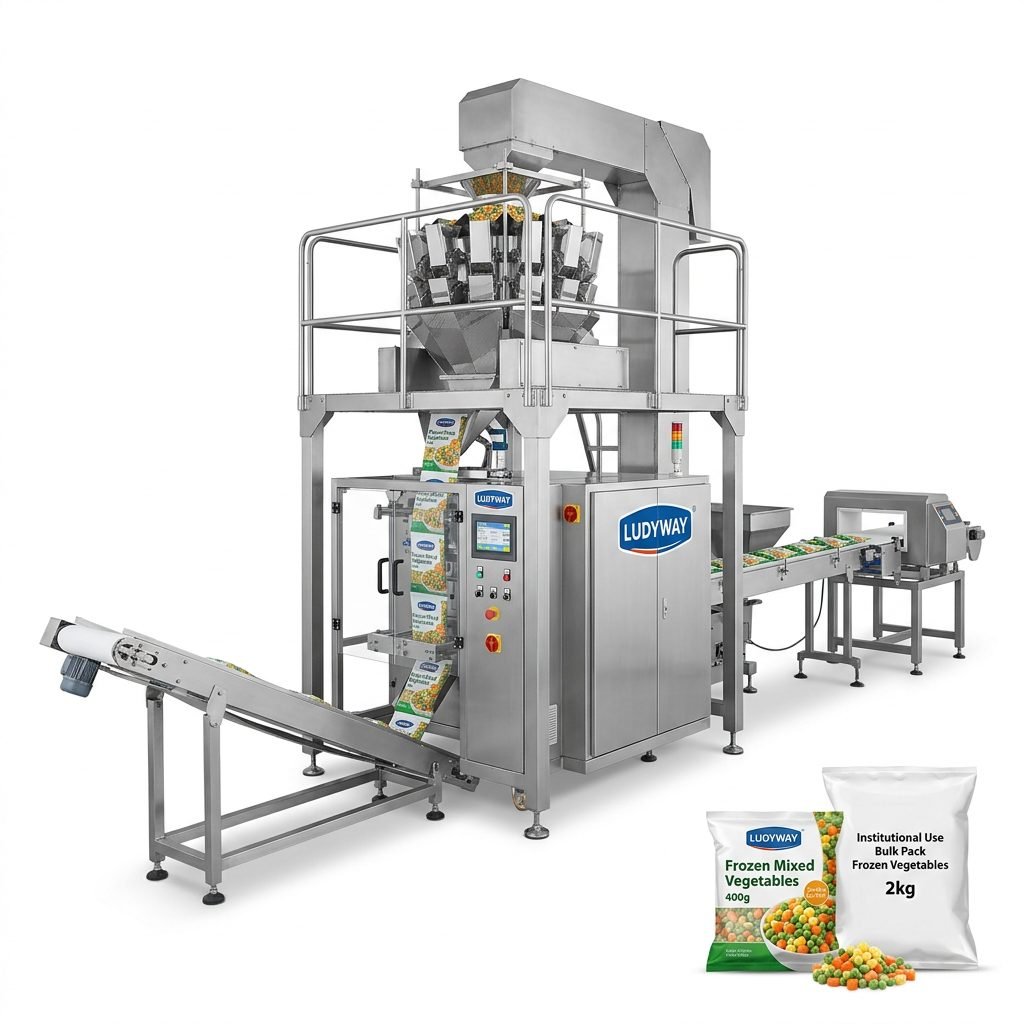
These versatile systems form the package from a roll of film, fill it with product, and seal it in one continuous operation. They are highly efficient for medium to high-volume production.
→ Vertical Form-Fill-Seal (VFFS): Ideal for packaging granules, powders, snacks, and liquids. Product is filled vertically into bags formed from a single roll of film. They are space-saving and perfect for free-flowing products.
→ Horizontal Form-Fill-Seal (HFFS): Often used for bundling multiple items, packaging bars, or creating pillow packs. The film wraps around the product horizontally, excellent for pre-formed or fragile items.
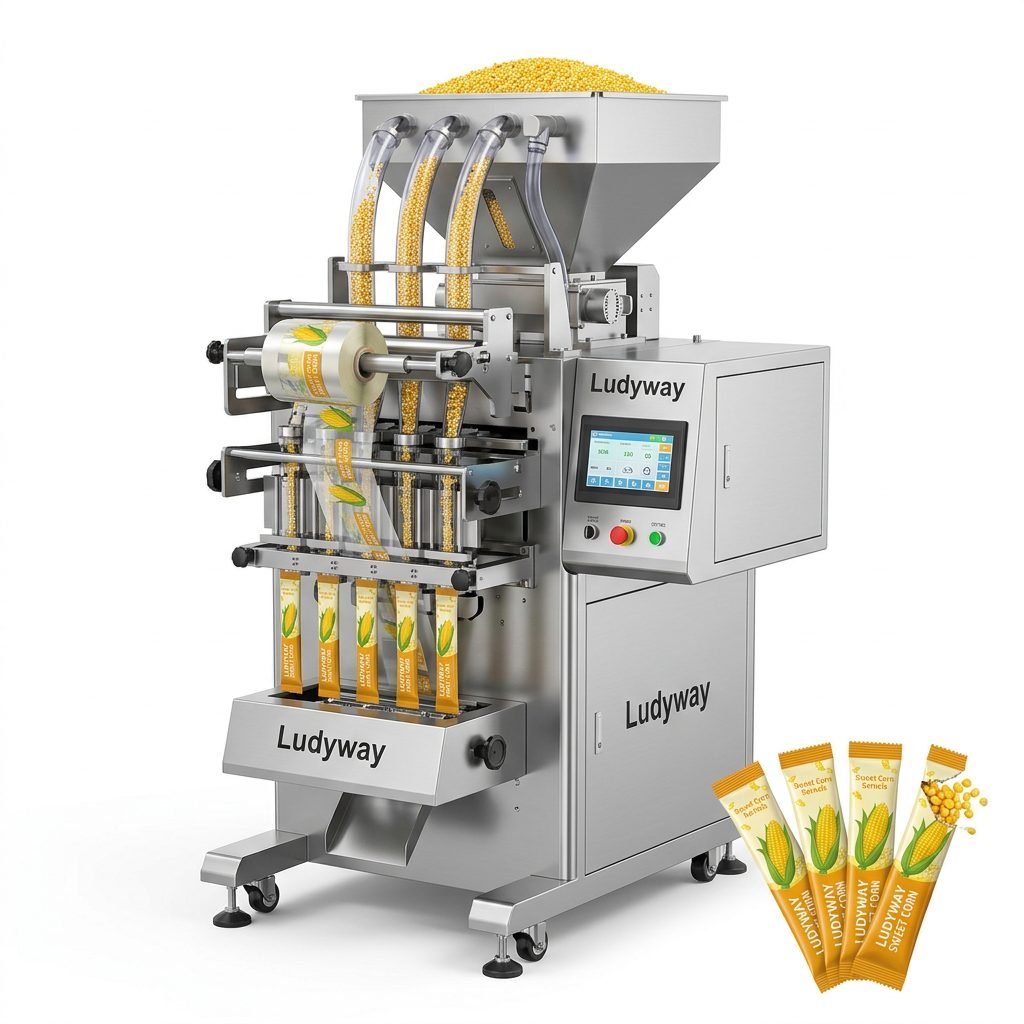
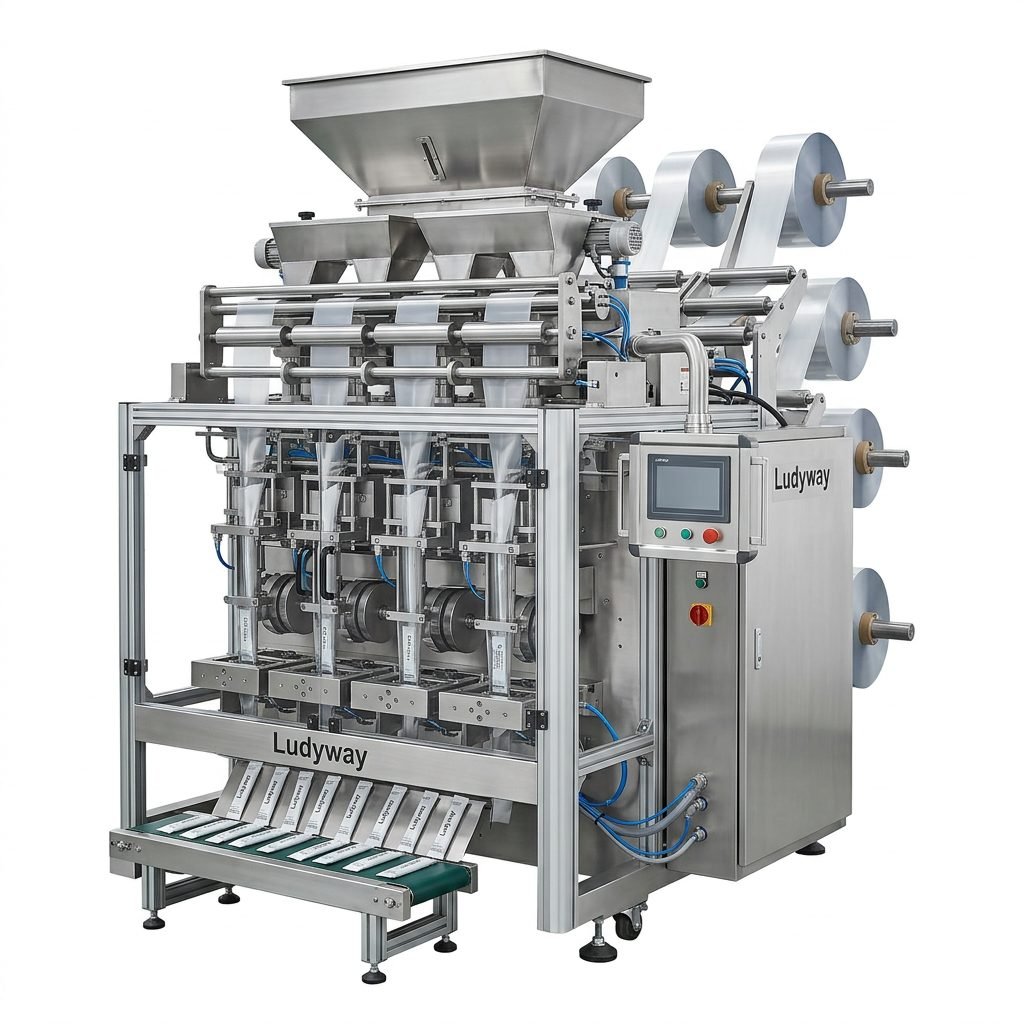
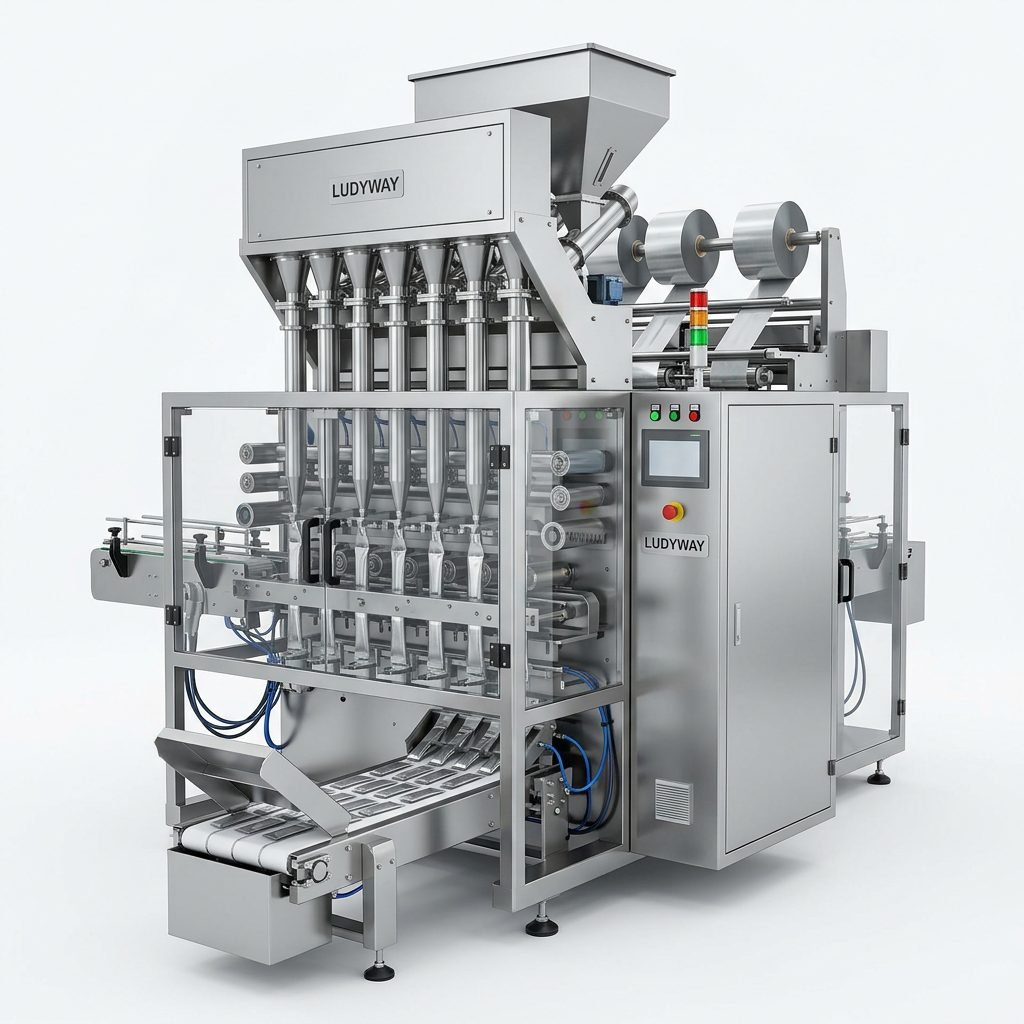
2. Sachet & Stick Pack Machines
Designed for creating small, single-serve packages for powders, liquids, granules, or creams. These machines are prevalent in the food, pharmaceutical, and cosmetics industries.
Key Feature: Modern multi-lane sachet machines can produce dozens of small packets simultaneously, offering incredible output speeds for products like sugar, instant coffee, shampoo, or pharmaceutical powders.
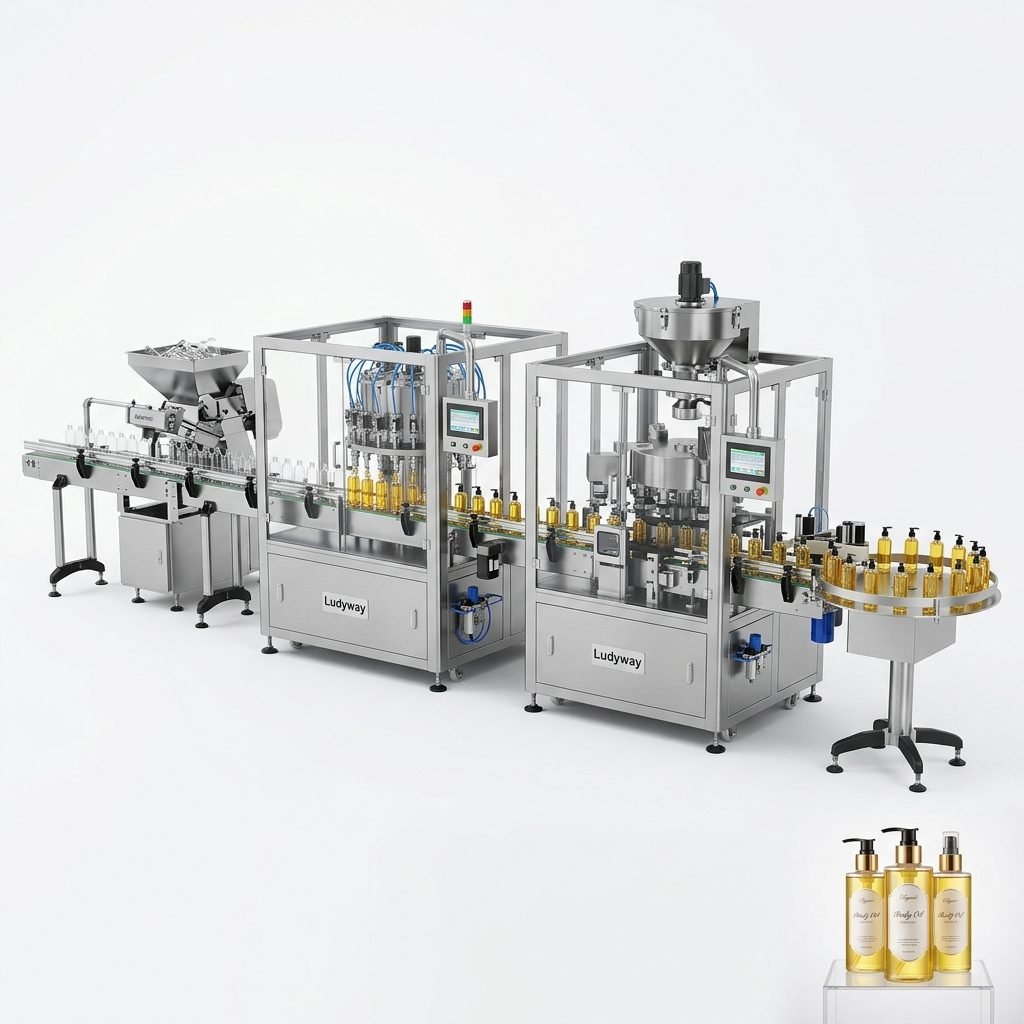
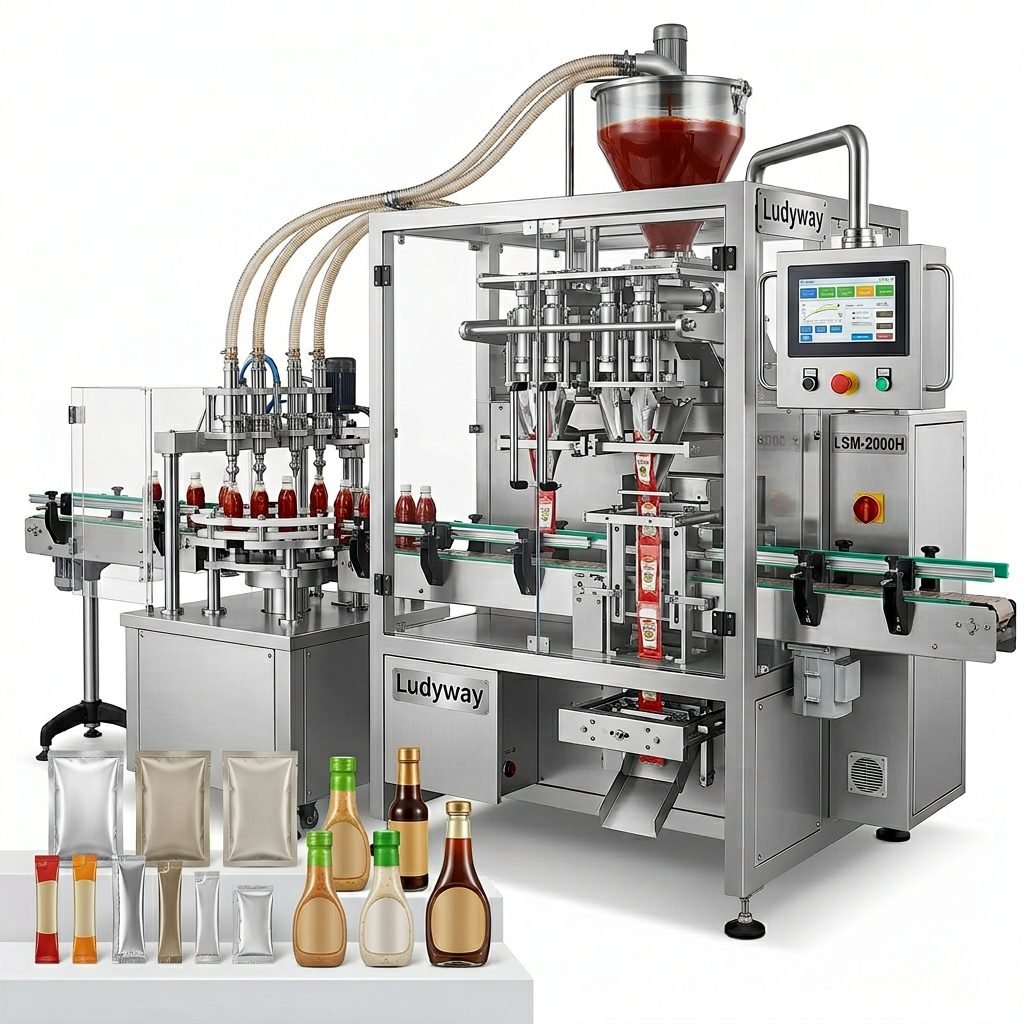
3. Liquid & Paste Filling Machines
This category includes piston fillers, gravity fillers, and volumetric fillers designed to handle products ranging from water and oils to viscous pastes and creams with high accuracy.
✔ Piston Fillers: Best for thick, non-free-flowing products like sauces, gels, and adhesives. They offer excellent precision.
✔ Gravity/Pressure Fillers: Suited for thin, free-flowing liquids like water, juice, or solvents. They are typically faster for low-viscosity products.
4. Capping, Labeling, and Sealing Machines
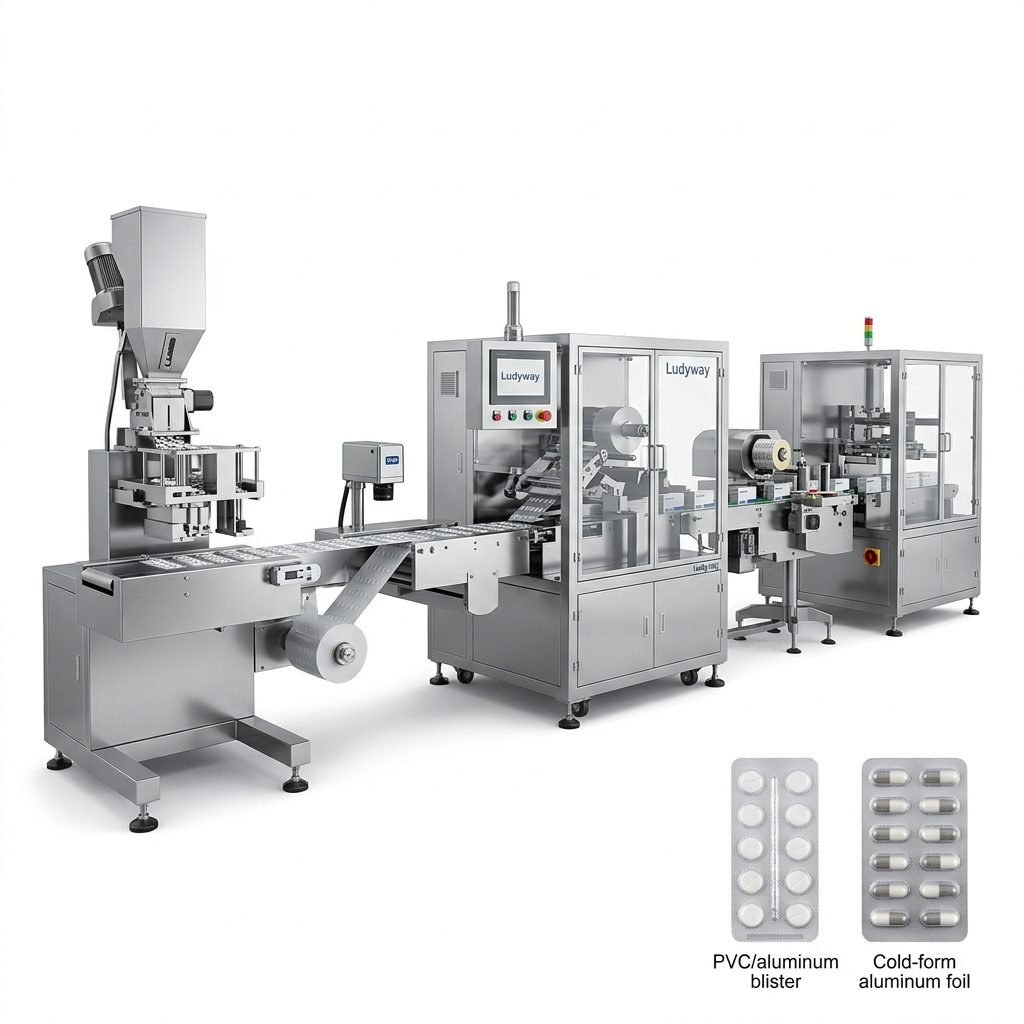
These are secondary packaging machines that complete the packaging process. They include automatic cappers (screw capping, snap capping), label applicators (front/back/wrap-around), and induction sealers for tamper-evident safety.
Tangible Benefits of Automated Packaging Systems
Investing in quality industrial packaging machinery delivers measurable returns across your operation.
Enhanced Production Efficiency & Speed
Automation drastically increases output compared to manual packaging. Machines can run continuously at consistent speeds, reducing bottlenecks and maximizing production line throughput. This allows you to scale operations to meet market demand effectively.
Superior Product Consistency & Quality
Machines eliminate human error in filling weights, seal integrity, and label placement. Every package meets the same high standard, enhancing brand reputation, reducing waste from under/over-filling, and ensuring compliance with stringent industry regulations, especially critical in pharmaceutical and food sectors.
Significant Cost Reduction
While the initial investment is notable, the long-term savings are substantial. Automation reduces labor costs, minimizes material waste through precise dosing, and decreases losses from product giveaway. The return on investment (ROI) is often realized faster than anticipated through these efficiencies.
Improved Workplace Safety & Hygiene
Automating repetitive or strenuous tasks reduces the risk of worker injury. In hygienic-critical environments like food and food processing, closed automated systems minimize product contamination from human contact, ensuring higher safety standards.
How to Choose the Right Manufacturer: A Step-by-Step Guide
Choosing a machinery supplier is as important as choosing the machine itself. Follow this framework to find a reliable partner.
Step 1: Precisely Define Your Requirements
Start with a clear specification list: Product type (granule, powder, liquid), required output speed (packages per minute), bag/film material, floor space, and desired level of automation. This clarity will help potential suppliers provide accurate proposals.
Step 2: Evaluate Technical Expertise & Experience
Look for a manufacturer with proven experience in your specific industry. For example, a company like Ludyway Machinery, with deep roots in food and pharmaceutical packaging, understands the unique hygiene and precision requirements of these fields. Review their project portfolio and case studies.
Checklist for Manufacturer Vetting:
• Industry Specialization: Do they focus on your sector?
• Engineering Support: Can they offer custom modifications?
• Manufacturing Control: Do they own their production facility for quality control?
• Global Support Network: Is after-sales service available in your region?
Step 3: Assess Manufacturing Quality & Compliance
Inquire about the construction materials (e.g., food-grade stainless steel), quality control processes during assembly, and compliance with international standards (CE, ISO, etc.). A visit to their manufacturing facility, if possible, is highly revealing.
Step 4: Analyze After-Sales Service & Support
The relationship begins after installation. Ensure the manufacturer provides comprehensive training, detailed documentation, readily available spare parts, and responsive technical support. Downtime is costly, so reliable service is non-negotiable.
Step 5: Consider Scalability and Future Needs
Choose a partner that can grow with you. Can the machine be upgraded later? Does the manufacturer offer a broader range of equipment for future expansion into different product lines or formats? A forward-thinking partner like Ludyway, which develops complete turnkey production line solutions, can be a valuable long-term asset.
Common Questions (FAQs)
Q1: What is the typical lead time for a custom packaging machine?
Lead times vary based on complexity and customization. For standard models, it can be 8-12 weeks. For fully customized solutions, it may take 14-20 weeks or more. A reputable manufacturer will provide a clear timeline after reviewing your specifications.
Q2: How do I ensure the machine will work with my specific product?
The best practice is to conduct a product test at the manufacturer’s facility. Reputable suppliers offer this service to verify machine performance, filling accuracy, and seal quality using your actual product and packaging materials before purchase.
Q3: What kind of training is provided with the machine?
Professional suppliers include on-site installation, commissioning, and operator training as part of the service. Training should cover machine operation, routine maintenance, troubleshooting basic issues, and safety procedures.
Q4: What are the most important maintenance routines?
Daily cleaning, lubrication of moving parts as per the manual, and inspection of seals and critical components are essential. Following the manufacturer’s preventative maintenance schedule is crucial to avoid unplanned downtime and extend the machine’s lifespan.
Q5: Can I get a single machine, or do I need a full production line?
It depends on your current process. Many manufacturers offer standalone machines that can be integrated into existing lines. For new setups, they can provide and engineer a complete synchronized line from feeding to primary and secondary packaging for optimal efficiency.