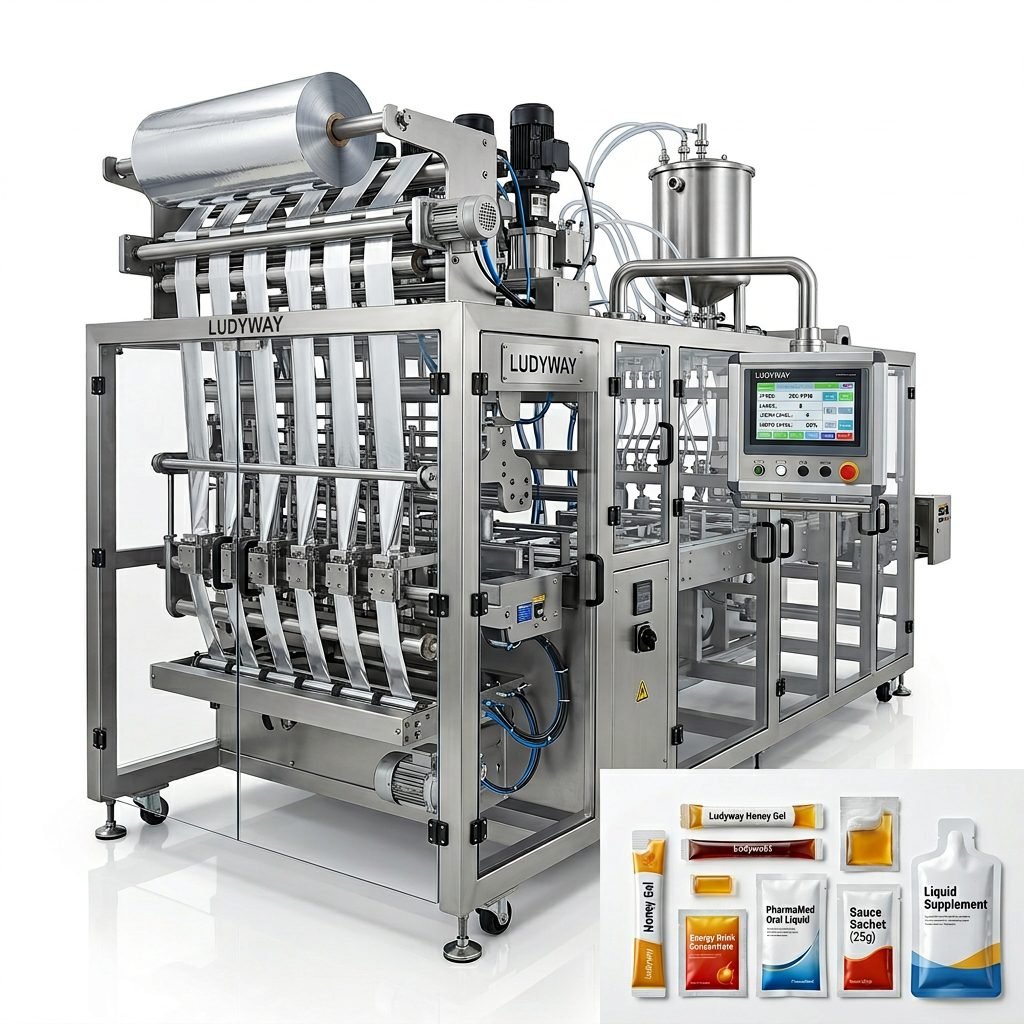
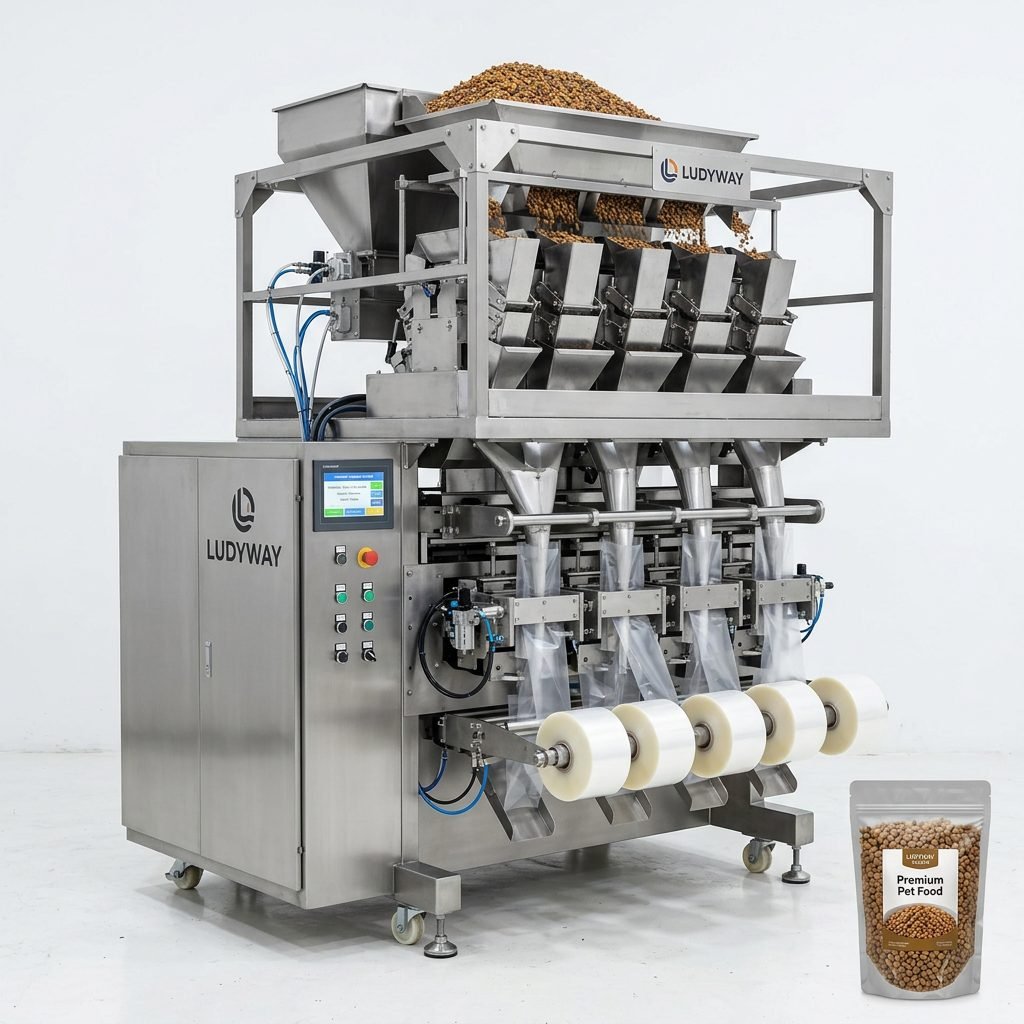
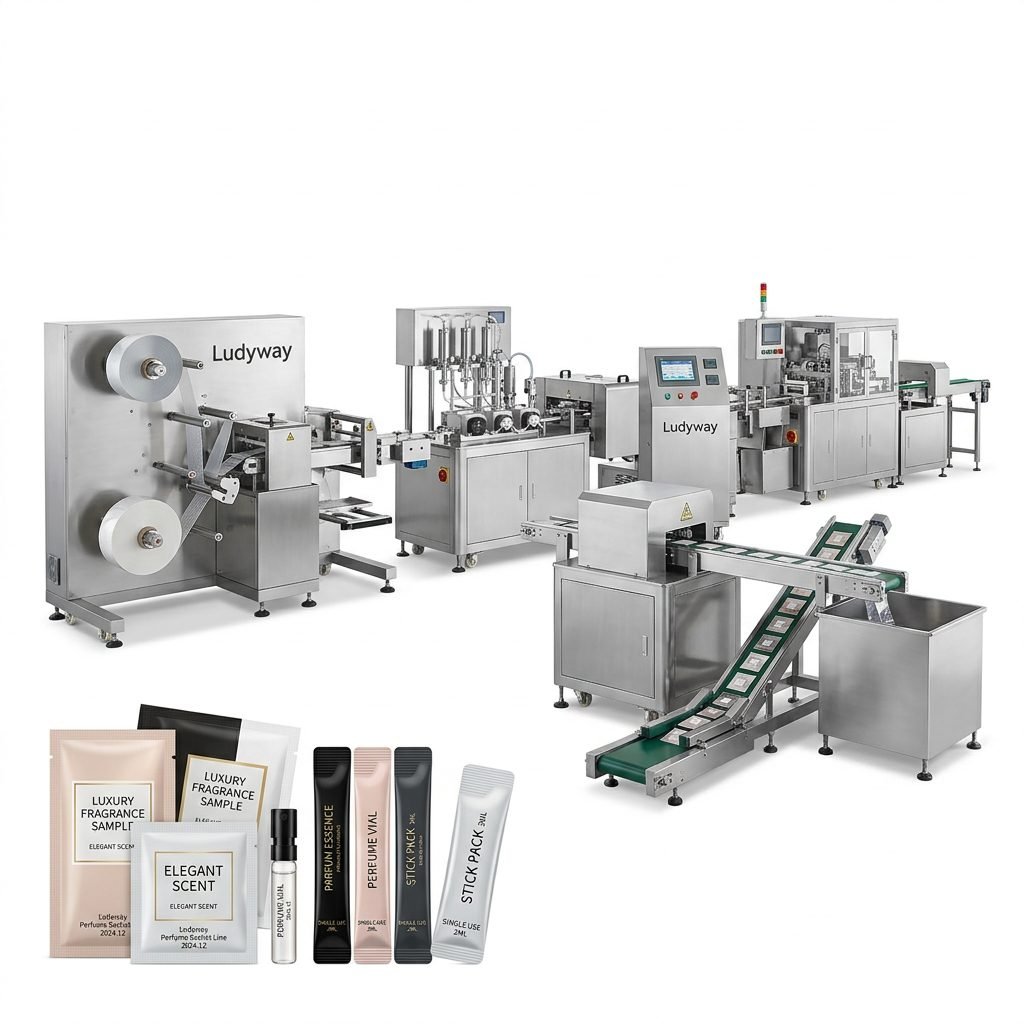
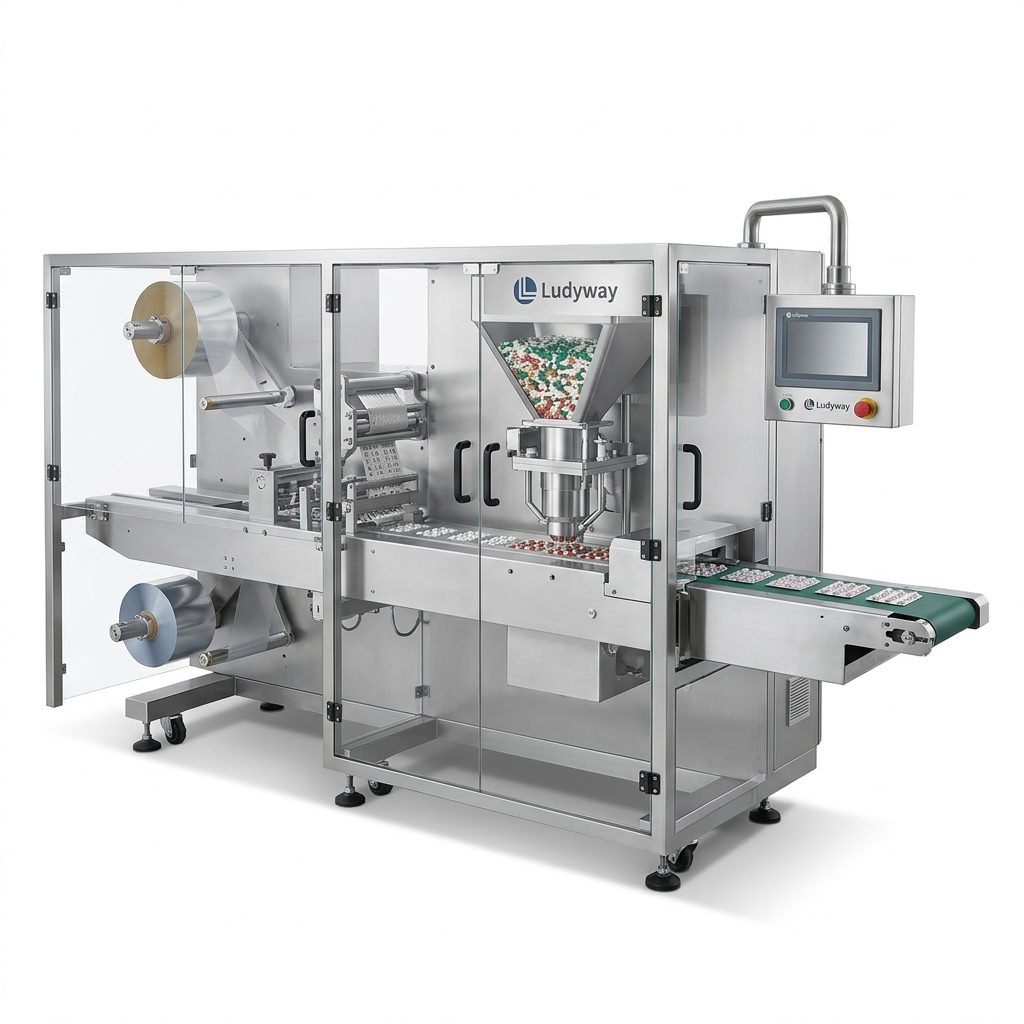
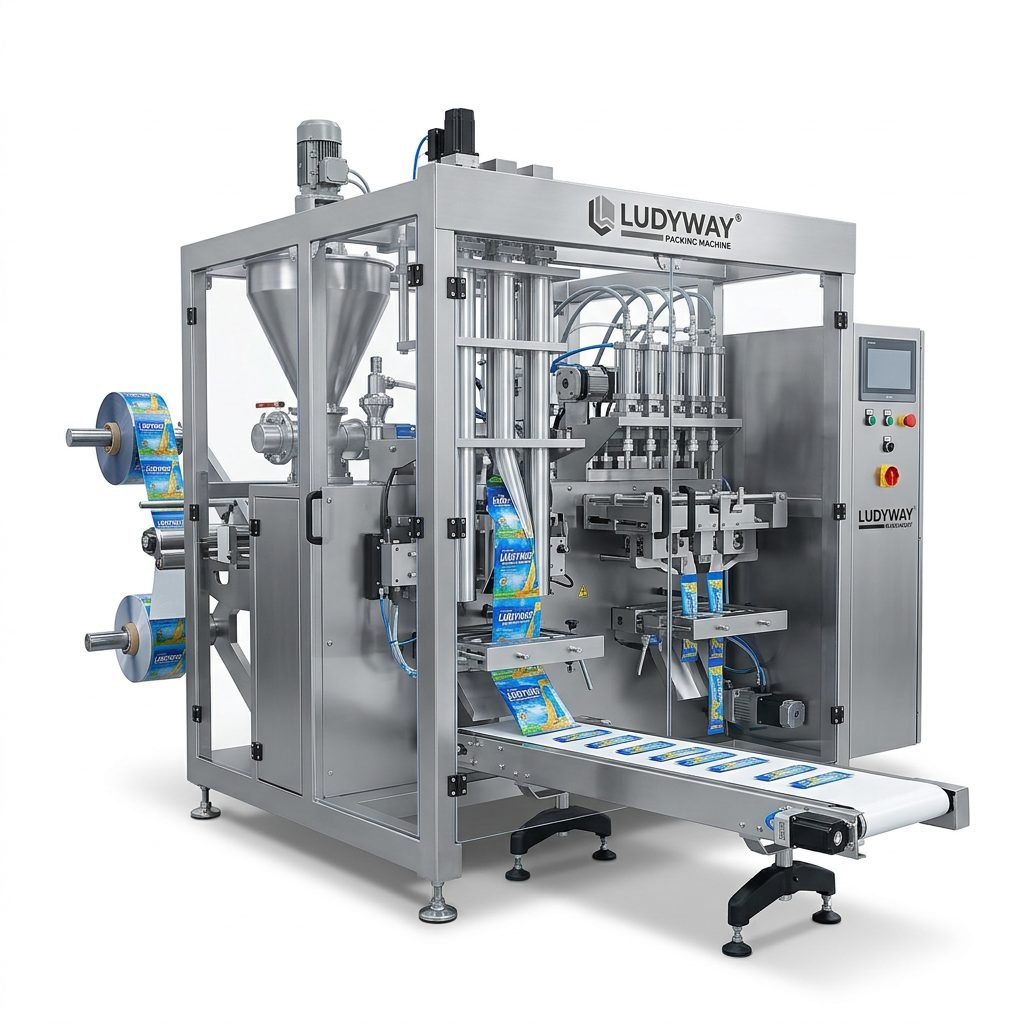
In today’s fast-paced manufacturing landscape, high‑speed packaging machinery has become a cornerstone for businesses in the food and industrial product sectors. These advanced systems are engineered to handle large volumes with precision, speed, and reliability, directly impacting production efficiency, product quality, and overall operational cost. This article delves into the core features, tangible benefits, and diverse applications of modern high‑speed packaging equipment, providing a comprehensive overview for industry professionals.
Core Features of Modern High‑Speed Packaging Machinery
The effectiveness of high‑speed packaging systems stems from a suite of integrated features designed for peak performance.
Advanced Automation and Control Systems
At the heart of these machines are sophisticated programmable logic controllers (PLCs) and human‑machine interfaces (HMIs). These systems allow for precise control over every packaging parameter—from film tension and sealing temperature to fill weight and production speed. Operators can store multiple product recipes, enabling quick changeovers between different packaging formats or products, which is crucial for batch production and flexibility.
Key Automation Features:
- Touch‑Screen HMIs for intuitive operation and monitoring.
- Servo‑Motor Drives ensuring accurate and synchronized motion control.
- Automatic Fault Diagnostics that alert operators to issues like film jams or misaligned seals.
- Data Logging Capabilities for tracking production efficiency and downtime.
Versatile Material Handling and Format Flexibility
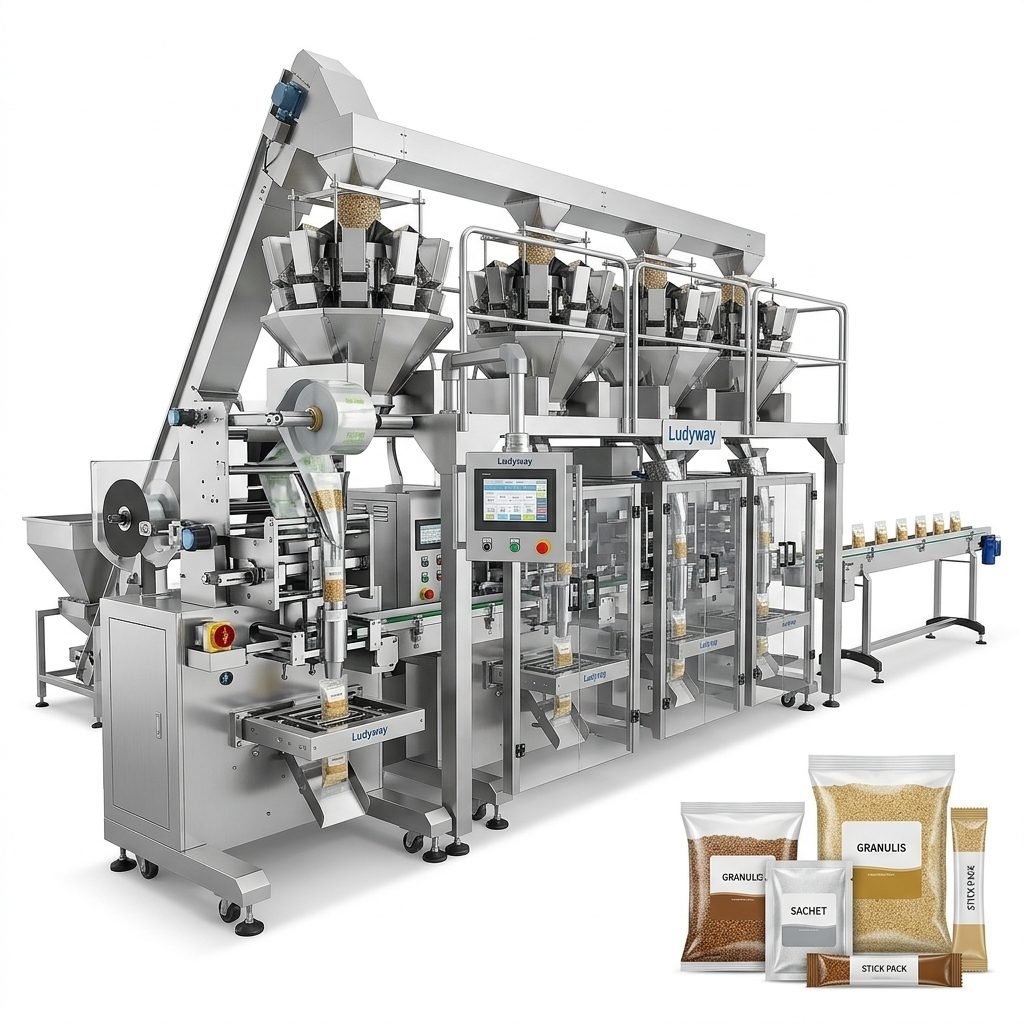
High‑speed machines are built to handle a wide array of materials. They can efficiently package granules, powders, liquids, pastes, and solid items. Crucially, they support various packaging formats, including:
- ✔ Stand‑up pouches (Doypack) for retail appeal.
- ✔ Flat‑bottom bags for stability.
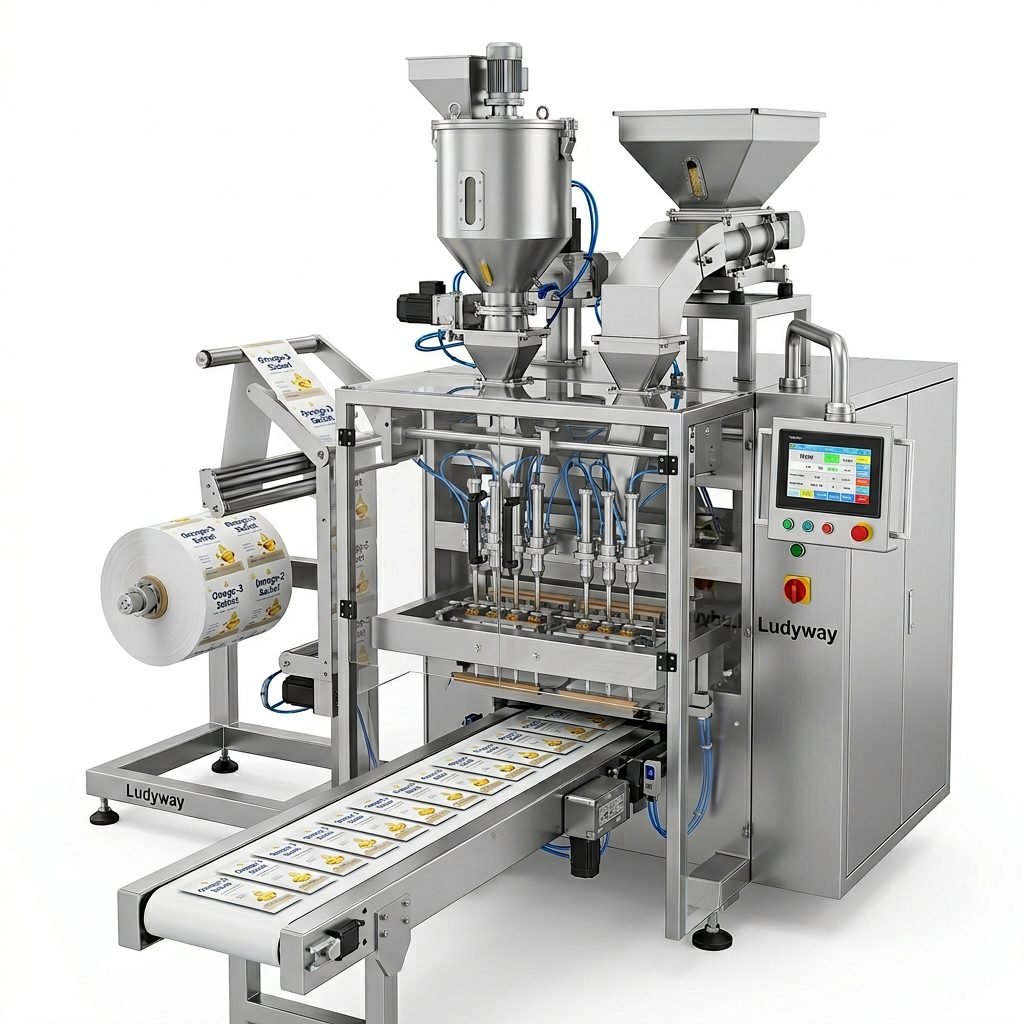
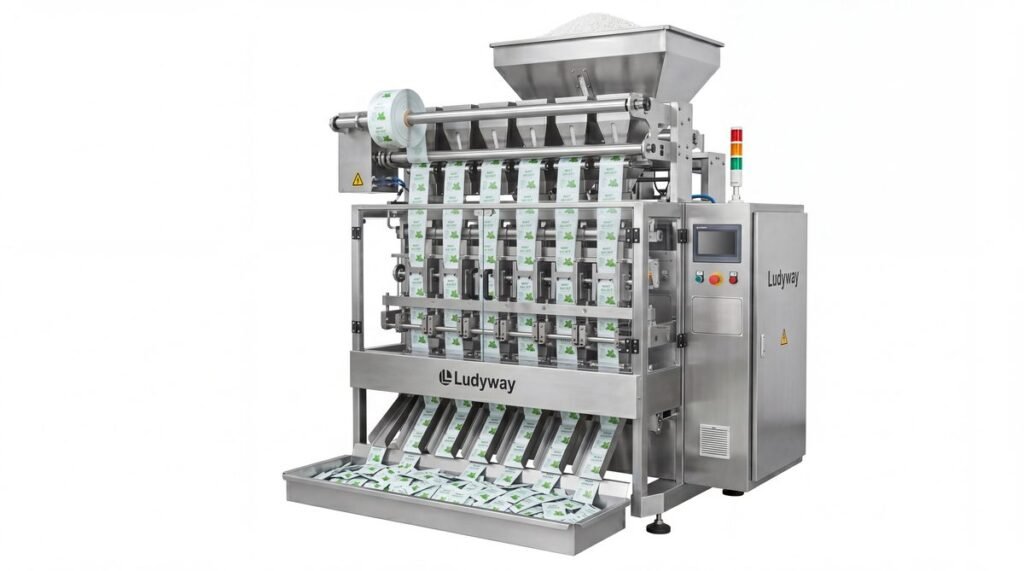
- ✔ Stick packs and sachets for single‑serve portions.
- ✔ Pre‑made pouches for specialized applications.
This versatility allows a single production line to cater to multiple product lines or market segments.
Robust Construction and Hygienic Design
Durability is non‑negotiable. Machines are constructed from high‑grade stainless steel and food‑safe polymers, ensuring longevity and compliance with stringent hygiene standards like FDA and EHEDG guidelines, especially critical for food and pharmaceutical applications. Easy‑clean designs with minimal crevices prevent product contamination and facilitate faster sanitation cycles.
Tangible Benefits for Your Production Line
Investing in high‑speed packaging technology delivers measurable returns across several key operational areas.
Dramatically Increased Production Output
The primary advantage is a substantial boost in output. Machines capable of producing hundreds of packages per minute far outpace manual or semi‑automatic methods. This increased throughput allows businesses to meet large‑scale orders, reduce lead times, and scale production up or down based on demand without a proportional increase in labor.
Enhanced Product Quality and Consistency
Automation eliminates human error in critical steps like weighing, filling, and sealing. Every package receives an identical, precise fill weight, and seals are uniform and hermetic. This consistency protects product integrity—preventing spoilage for food items or maintaining potency for pharmaceuticals—and reinforces brand reputation for quality.
Significant Cost Reduction
While the initial investment is notable, the long‑term savings are compelling:
- Labor Costs: One automated line can replace several manual stations, reallocating staff to higher‑value tasks.
- Material Waste: Precision control minimizes film and product giveaway.
- Downtime: Reliable machinery with predictive maintenance alerts reduces unexpected stoppages.
- Return on Investment (ROI): The combined savings often lead to a rapid ROI, sometimes within just a few years of operation.
Improved Safety and Sustainability
Automating repetitive and potentially hazardous tasks improves workplace safety. Furthermore, modern machines are designed for efficiency, often incorporating features that reduce energy consumption and optimize material usage, contributing to more sustainable manufacturing practices.
Diverse Applications Across Industries
The utility of high‑speed packaging machinery spans numerous sectors, each with unique requirements.
Food and Beverage Industry
This is the largest application sector. Machines package everything from snack foods, coffee, and spices to sauces, dressings, and dairy powders. For instance, multi‑lane stick pack machines are ideal for single‑serve drink mixes, sugar, or instant soup, while vertical form‑fill‑seal (VFFS) machines handle bulk grains or frozen vegetables. The need for hygiene, speed, and attractive packaging is paramount here. Companies like Ludyway Packing Machine provide tailored solutions for these demanding environments.
Pharmaceutical and Healthcare
Precision and contamination control are critical. Packaging machinery in this field must meet Good Manufacturing Practice (GMP) standards. Applications include dosing powdered supplements, herbal extracts, and single‑dose pharmaceutical powders into sachets or stick packs. The machinery ensures accurate dosage and tamper‑evident, child‑resistant packaging where required.
Industrial and Chemical Products
From detergents and cleaning powders to sealants, adhesives, and lubricants, industrial products require robust packaging that protects against moisture and damage. High‑speed machines can handle abrasive or corrosive materials with appropriate material contact parts and provide secure seals to prevent leaks during storage and transport.
Agricultural and Pet Food
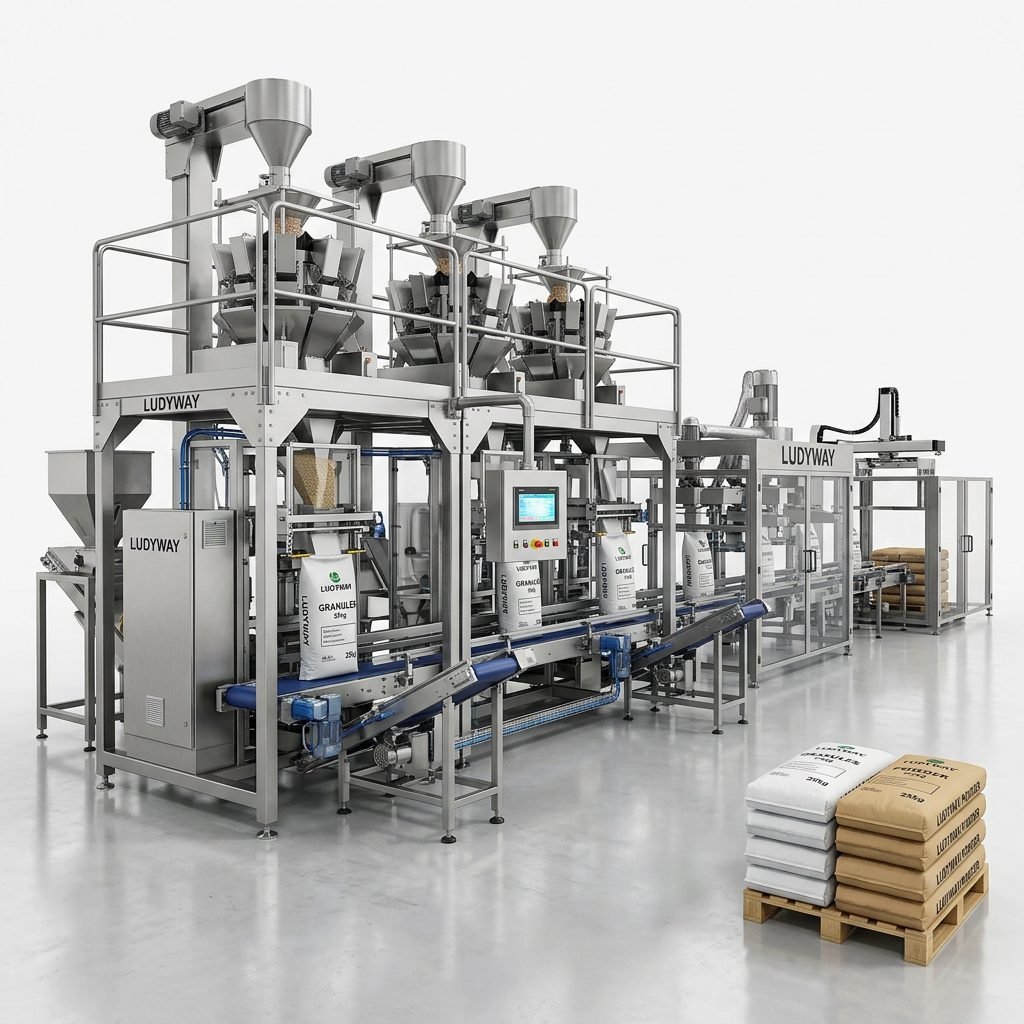
This sector benefits from machines that can package seeds, fertilizers, and animal feed in large, durable bags. High‑speed weighers and baggers are essential for handling bulk quantities efficiently, often in challenging, dusty environments.
Choosing the Right Machinery Partner
Selecting equipment is a strategic decision. Key considerations include:
- Product Characteristics: Analyze your product’s form, flowability, and sensitivity.
- Required Output Speed: Match machine speed to your current and forecasted volume.
- Packaging Material: Ensure compatibility with your chosen films or laminates.
- Integration Needs: Consider how the packager will integrate with upstream (mixers, processors) and downstream (cartoning, case packing) equipment.
- Supplier Expertise: Partner with a provider known for reliable machinery and strong technical support. A partner with deep industry experience, like Ludyway Machinery, can offer valuable guidance and customized production solutions.
Frequently Asked Questions (FAQs)
What is the typical speed range for high‑speed packaging machines?
Speeds vary greatly by format and product. Stick pack and sachet machines can range from 200 to over 1,000 packs per minute for multi‑lane systems. Vertical form‑fill‑seal machines for larger bags typically operate between 20 and 150 bags per minute. The exact speed depends on product characteristics, bag size, and machine configuration.
How difficult is it to change over packaging formats on these machines?
Modern machines are designed for faster changeovers. While some mechanical adjustments may be needed for major format changes (e.g., from a stick pack to a sachet), many adjustments for bag length or width are stored digitally and executed via the HMI. Quick‑change parts kits further reduce downtime, with some changeovers achievable in under 30 minutes.
Can one machine handle both food and non‑food products?
Technically, yes, but it is not recommended without a thorough cleaning and validation process. To prevent cross‑contamination and meet regulatory standards, most manufacturers dedicate machinery to specific product categories. If flexibility is needed, a robust cleaning protocol and potentially different material contact parts are required.
What kind of maintenance do high‑speed packagers require?
Regular preventive maintenance is essential. This includes daily cleaning and lubrication, weekly checks of seals and sensors, and periodic inspection of wear parts like forming tubes and sealing jaws. A reliable supplier will provide a detailed maintenance schedule and training.
What is the average lead time for installing a new high‑speed packaging line?
Lead times can range from 3 to 9 months or more. It includes machine manufacturing, factory acceptance testing, shipping, and on‑site installation and commissioning. The timeline depends on the machine’s complexity, customization level, and the supplier’s production schedule. Planning well in advance with your machinery partner is crucial.