In today’s fast-paced manufacturing landscape, achieving optimal efficiency, product integrity, and cost-effectiveness is paramount. For industries like food, beverage, and general industrial production, the right packaging machinery is not just an operational component—it’s a critical strategic asset. High-performance packaging solutions directly impact shelf life, brand perception, supply chain speed, and overall profitability. This article explores the essential role of advanced packaging machinery and the comprehensive solutions available to meet the diverse and demanding needs of modern producers.
The Critical Role of Packaging in Modern Production
Packaging serves multiple vital functions beyond mere containment. It protects products from contamination, moisture, and physical damage during transit and storage. For food and beverages, it is the first line of defense in preserving freshness, flavor, and nutritional value. In industrial sectors, it ensures components and chemicals remain pure and undamaged. Furthermore, packaging is a powerful marketing tool, communicating brand values and information directly to consumers at the point of sale. Investing in machinery that delivers consistent, high-quality packaging is therefore an investment in product quality, safety, and market success.
Key Packaging Objectives:
- Product Protection & Preservation: Maintaining quality and extending shelf life.
- Operational Efficiency: Maximizing line speed and minimizing waste.
- Brand Enhancement: Creating attractive, reliable, and informative packs.
- Supply Chain Optimization: Ensuring secure, stackable, and traceable units.
Tailored Solutions for the Food & Beverage Industry
The food and beverage sector presents unique challenges, including strict hygiene standards, variable product consistencies (granules, powders, liquids, pastes), and the need for modified atmosphere packaging (MAP) for freshness. High-performance machinery for this sector must be constructed from food-grade materials, allow for easy cleaning and sanitation (often featuring CIP/SIP systems), and offer exceptional precision in dosing and sealing.
Primary Applications and Machine Types
Vertical Form-Fill-Seal (VFFS) Machines: The workhorses of the industry, ideal for packaging snacks, coffee, pasta, and powders into bags or pouches. They offer versatility and high speed.
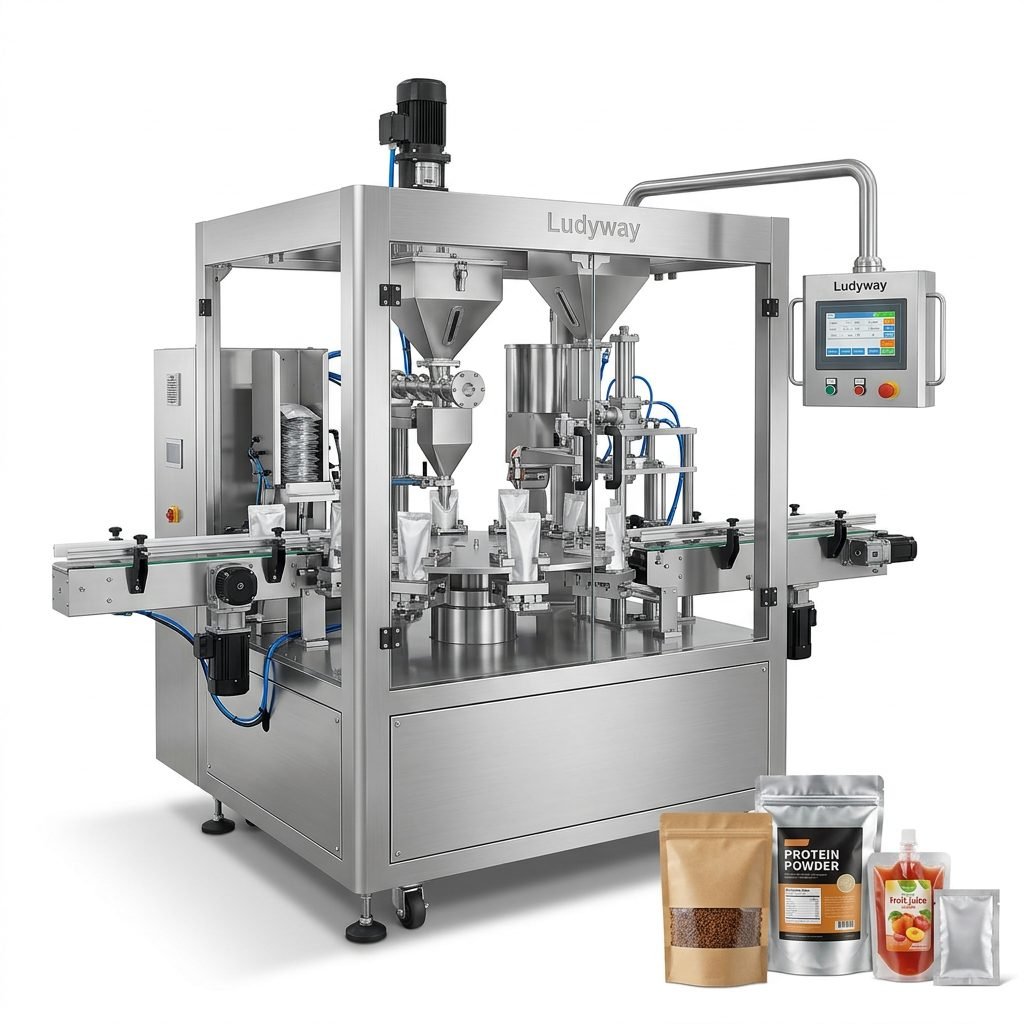
Liquid & Pouch Filling Lines: Designed for beverages, sauces, oils, and dairy products. These systems integrate filling, capping, sealing, and labeling with high accuracy to prevent leaks and ensure consistent fill volumes.
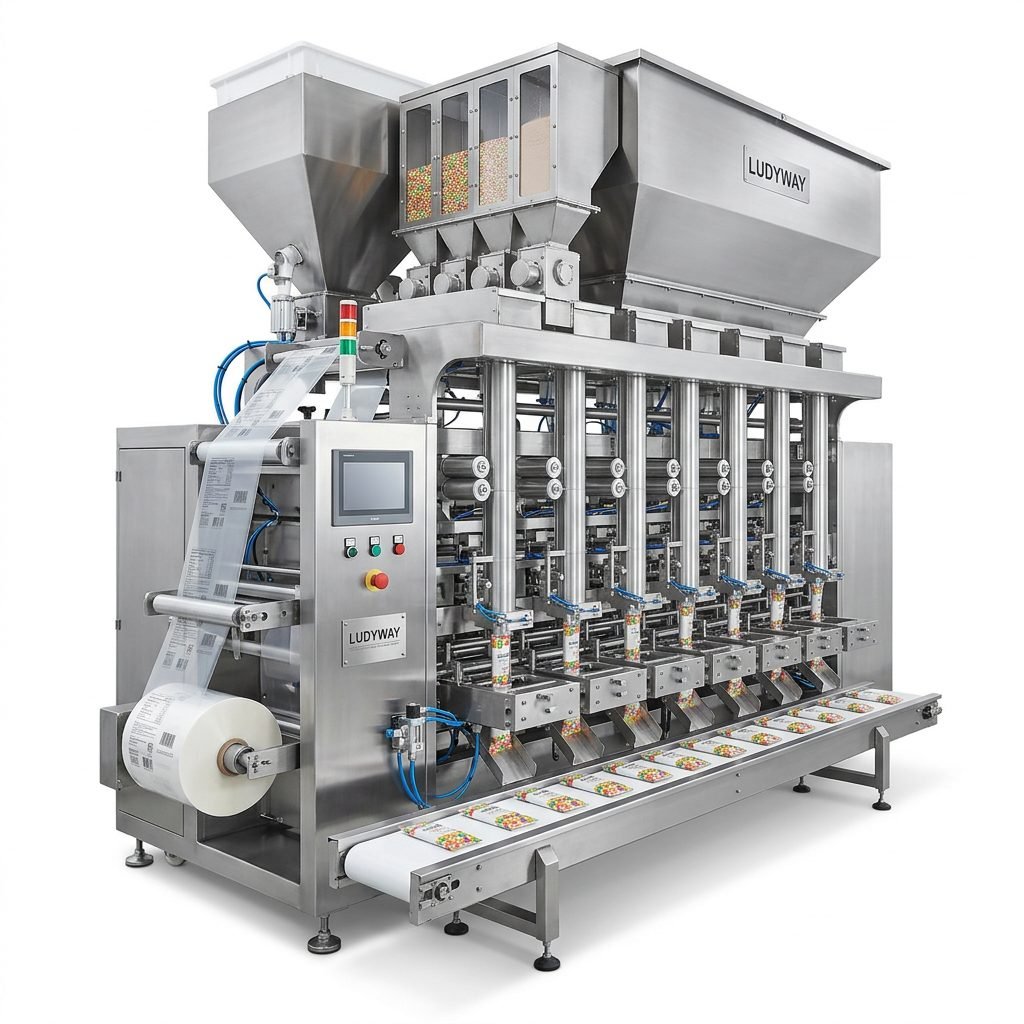
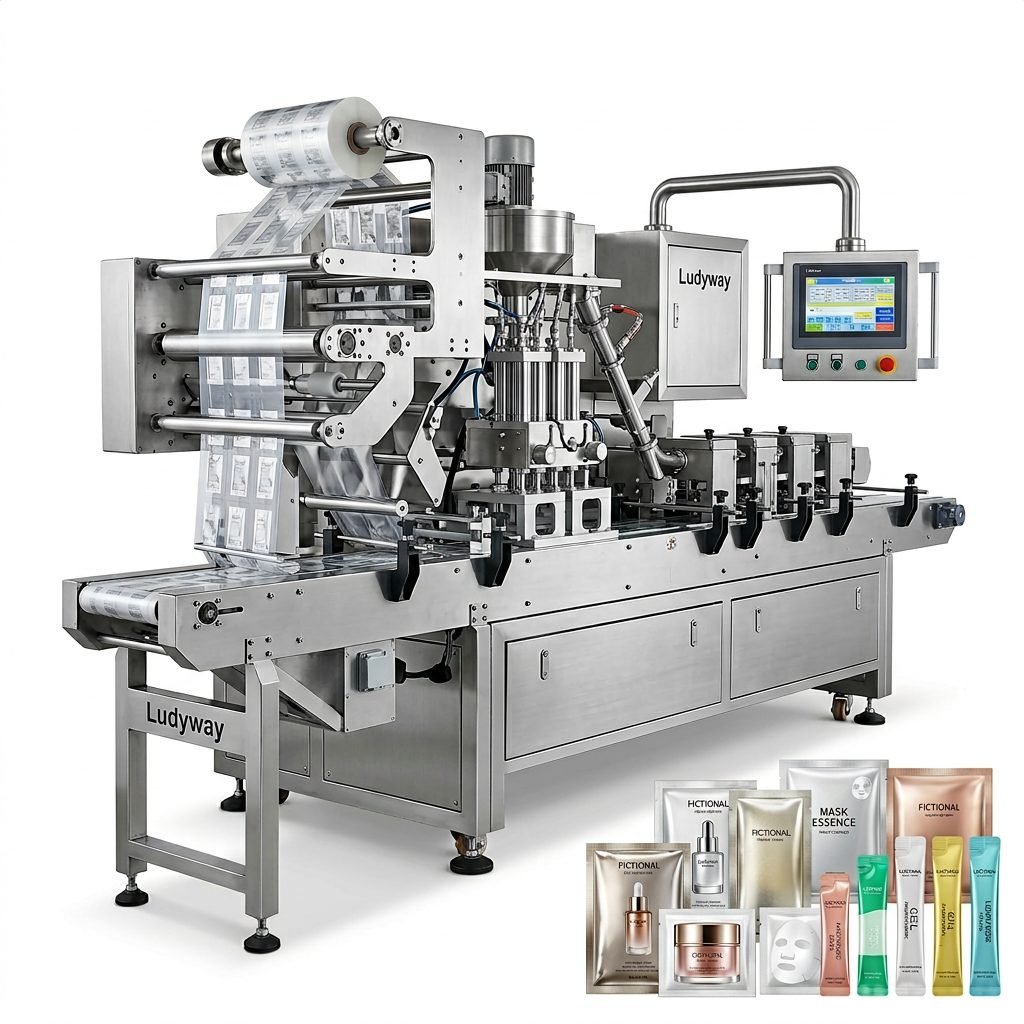
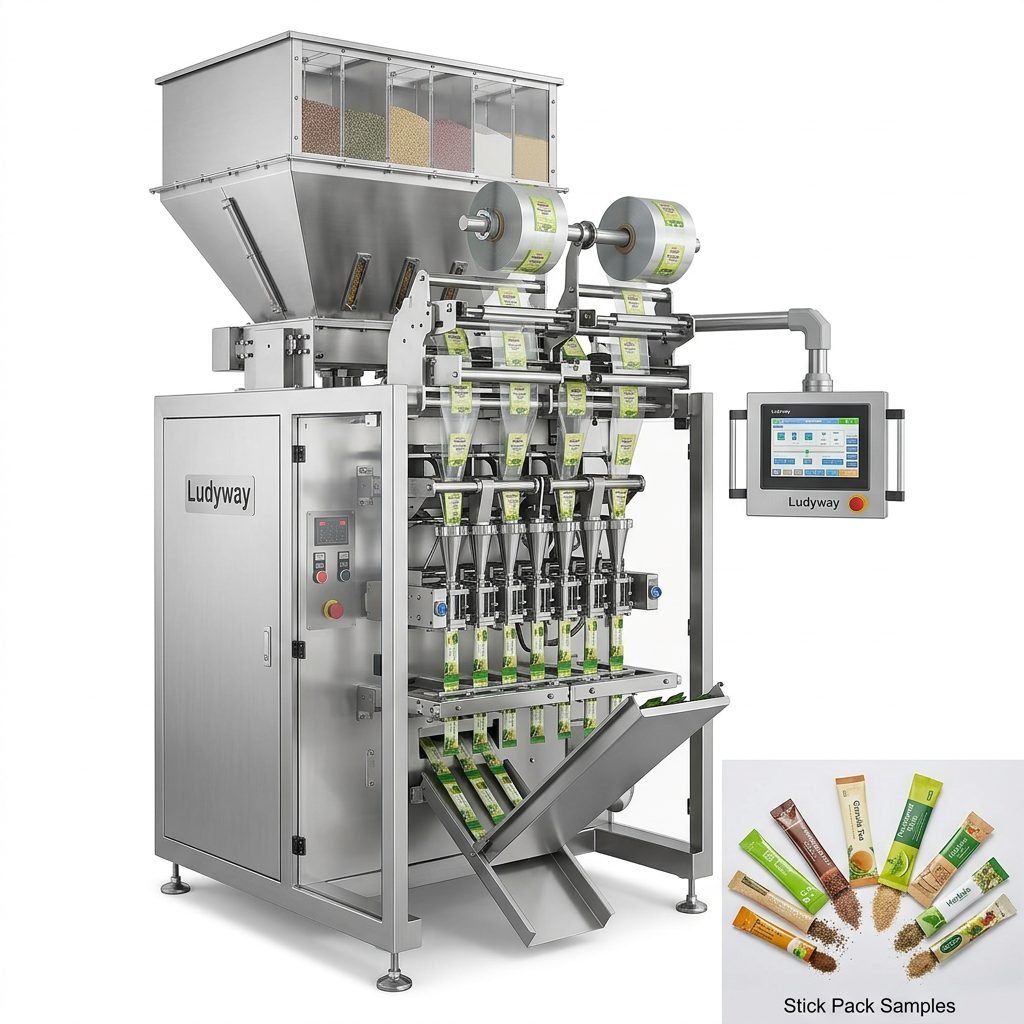
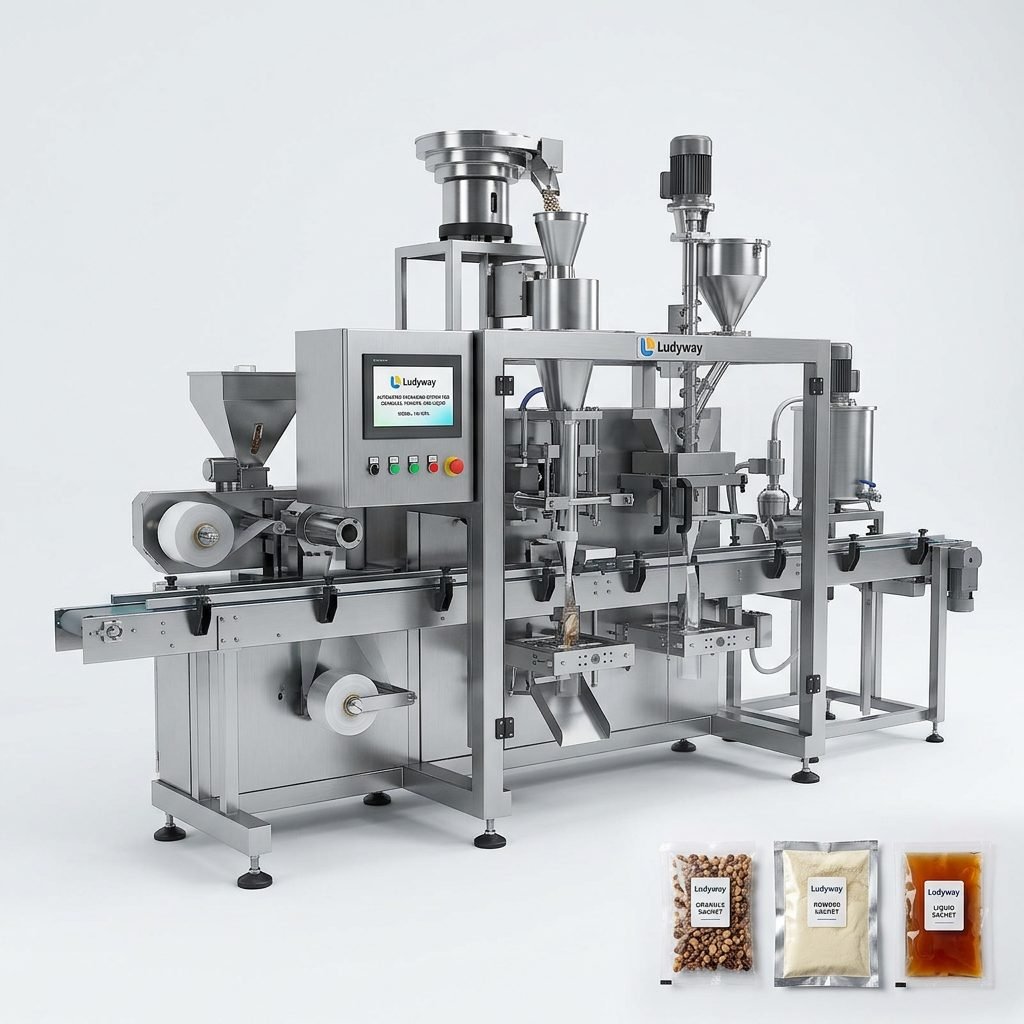
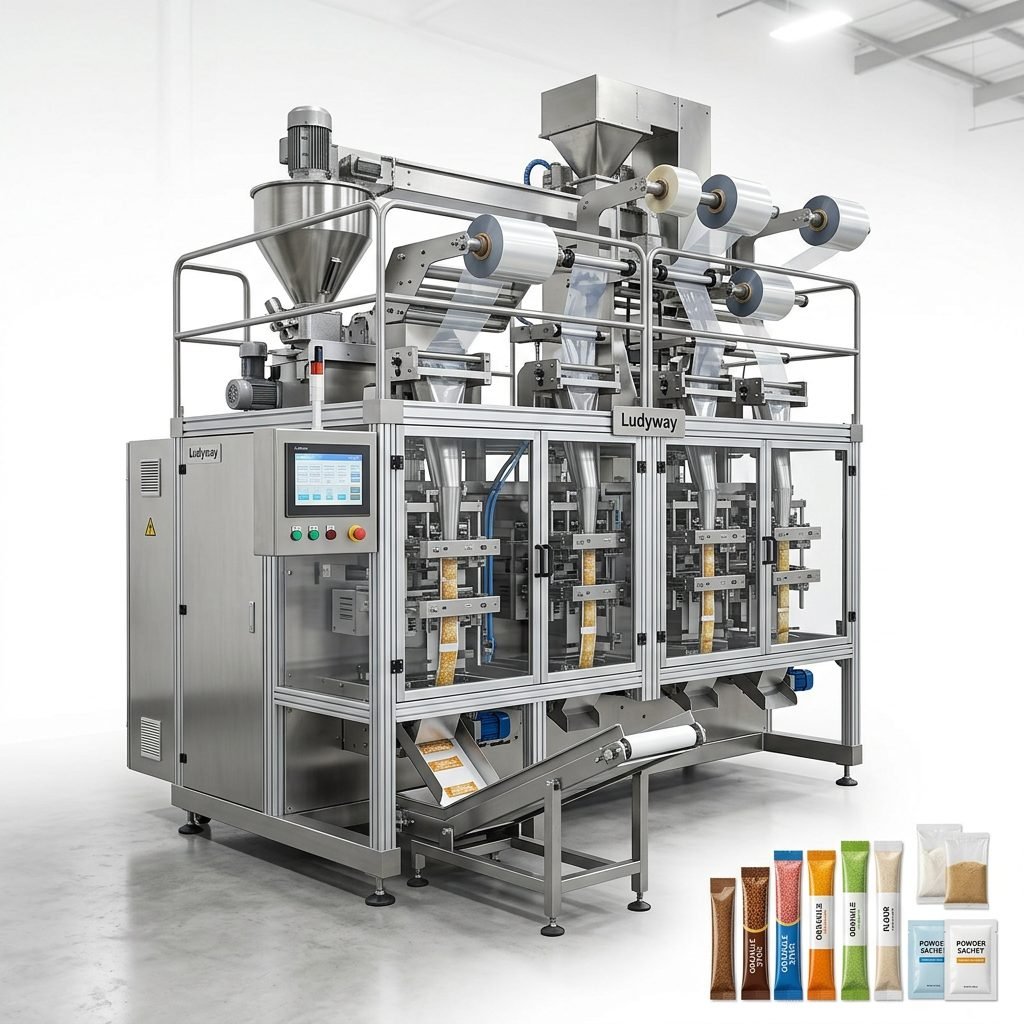
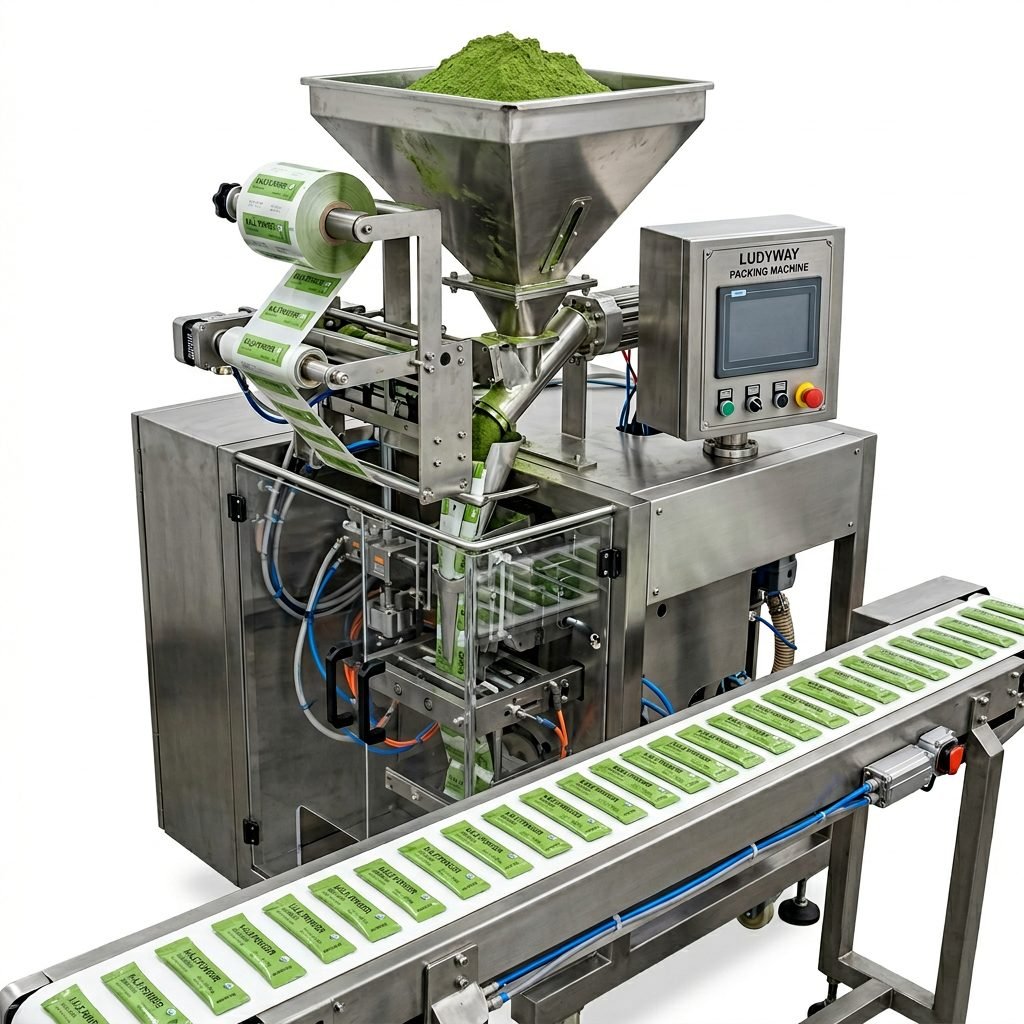
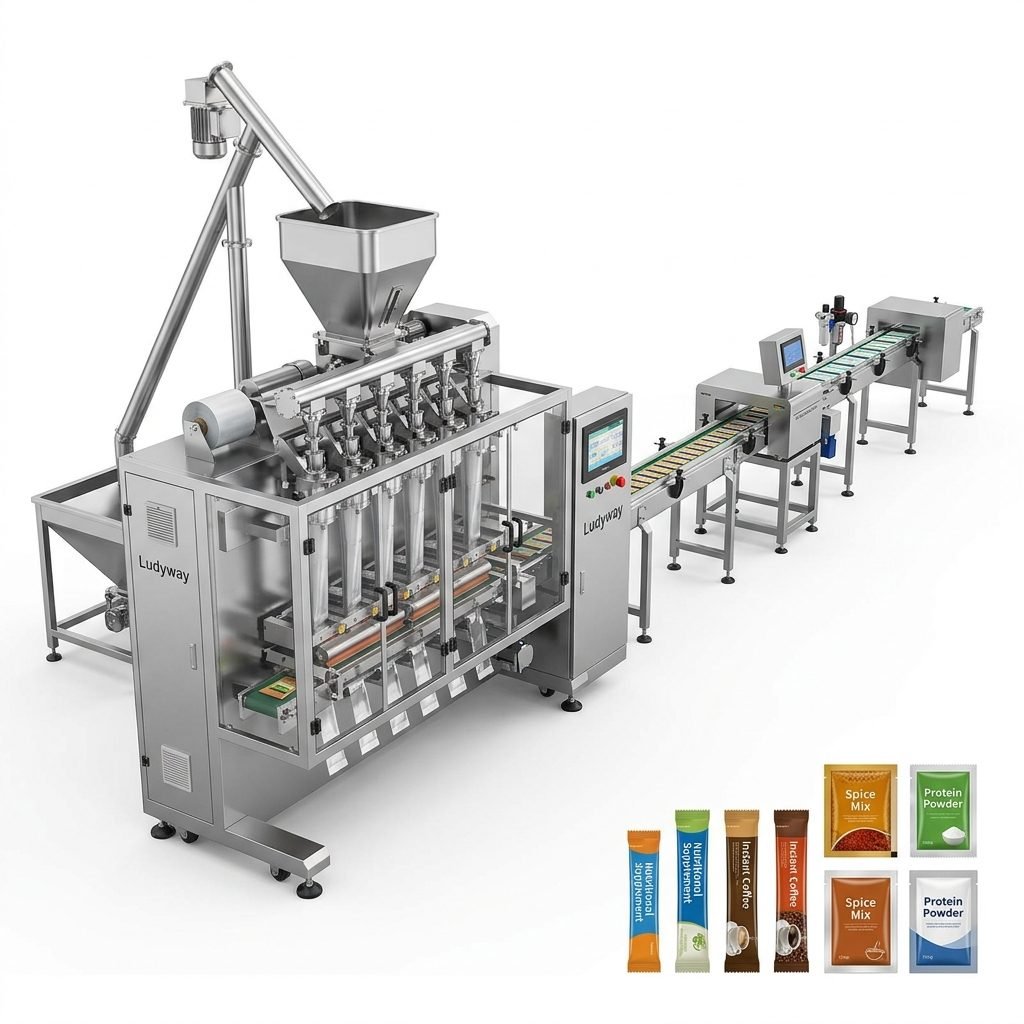
Stick Pack & Sachet Machines: Perfect for single-serve portions of sugar, instant drinks, condiments, or supplements. They provide excellent barrier properties and are highly efficient for high-volume production. Companies like Ludyway Machinery offer advanced multi-lane systems that significantly boost output for these small-format packages.
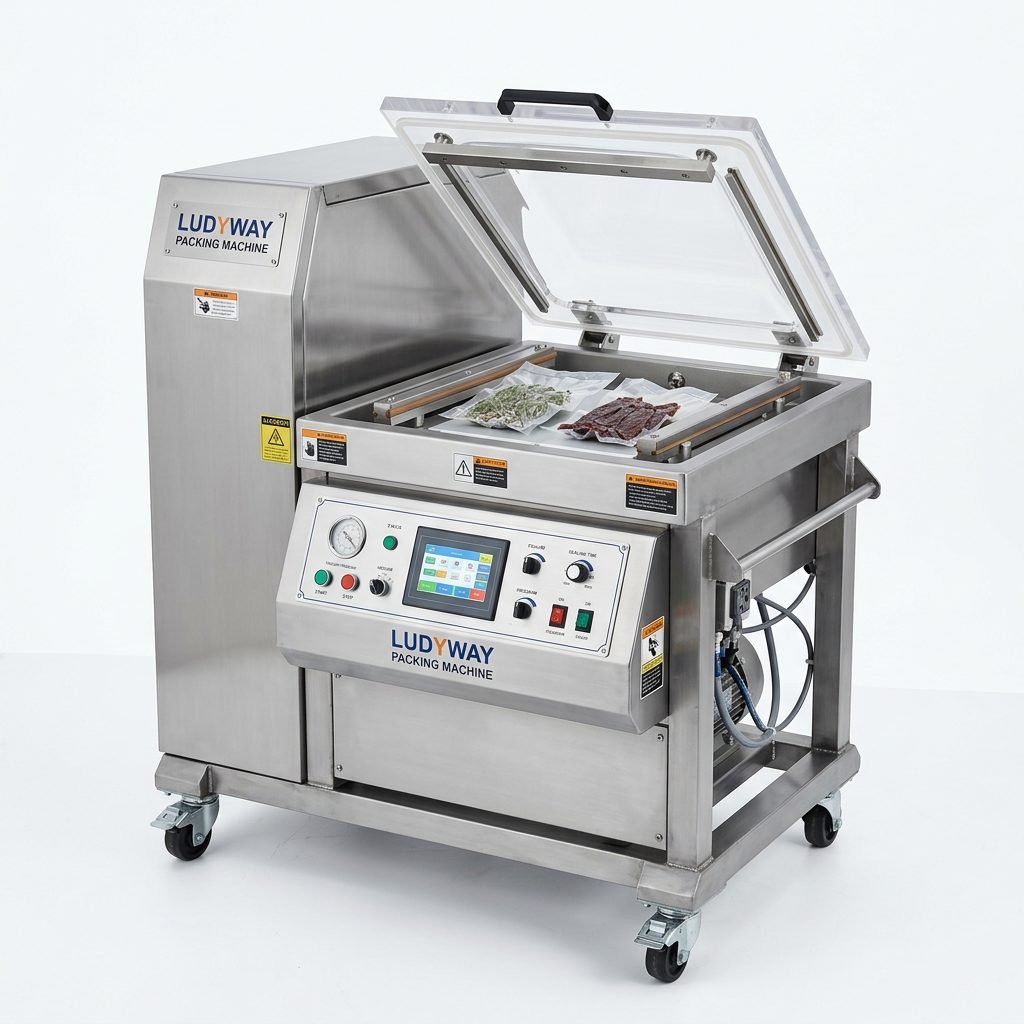
Thermoforming & Tray Sealing Machines: Used for ready meals, fresh produce, and meat products. They provide a rigid, visually appealing package and are excellent for MAP applications.
Robust Packaging for Industrial Production
Industrial products, such as chemicals, hardware, automotive parts, and building materials, require durable and functional packaging. The focus here shifts towards strength, security, and efficient handling. Machinery must be robust enough to handle heavier, sometimes abrasive materials, and often integrates with palletizing and robotic handling systems.
Essential Industrial Packaging Systems
Bundling & Shrink Wrapping Systems: Used to group multiple products (bottles, cans, boxes) into a secure, tamper-evident unit for distribution. They improve load stability and reduce material costs compared to cardboard.
Bagging & Sack Filling Machines: For bulk materials like fertilizer, cement, sand, or granules. These heavy-duty machines feature precise weighing systems (net or gross weigh) and create strong, stackable bags.
Case Packing & Cartoning Equipment: Automatically erect, load, and seal cardboard boxes or trays. They are crucial for end-of-line efficiency, ensuring products are packed correctly and ready for shipment. Exploring comprehensive packaging solutions can reveal integrated lines that connect filling to cartoning seamlessly.
The Advantage of Turnkey Solutions
Instead of sourcing individual machines from different vendors, a turnkey packaging line from a single provider like Ludyway offers unparalleled benefits. It ensures all components—from the infeed conveyor and filler to the sealer and case packer—are perfectly synchronized for maximum throughput. It simplifies training, maintenance, and service, as you have a single point of contact. This holistic approach, backed by 30+ years of industry experience, minimizes integration headaches and accelerates your time-to-market for new products.
Selecting the Right High-Performance Partner
Choosing a packaging machinery supplier is a long-term decision. Beyond the machine specifications, consider the provider’s expertise, support network, and ability to customize. A partner with deep application knowledge in your specific sector (e.g., dairy, snacks, chemicals) will anticipate challenges and design more effective solutions. Look for a provider with a strong track record of innovation, reliable after-sales service, and the capability to offer scalable solutions as your business grows.
Future Trends: Smart & Sustainable Packaging
The future of high-performance packaging is intelligent and eco-conscious. Industry 4.0 integration allows machines to communicate data on output, downtime, and maintenance needs, enabling predictive analytics and smarter factory management. Simultaneously, there is a massive push towards sustainable packaging. Modern machinery is being adapted to handle recyclable, biodegradable, or mono-material films, and is designed to minimize film waste through precise cutting and sealing technologies.
Ultimately, deploying high-performance packaging machinery is a strategic move that safeguards product quality, optimizes operational costs, and enhances brand value. By understanding the specific demands of your products—whether perishable food, delicate beverages, or rugged industrial goods—and partnering with an experienced solution provider, you can build a packaging operation that is not only efficient today but also adaptable for the challenges and opportunities of tomorrow.
Frequently Asked Questions (FAQs)
1. What factors are most important when choosing packaging machinery for a food product?
The key factors include: the product’s physical state (liquid, powder, solid), required shelf life and barrier properties (needing MAP or high-barrier films), production speed requirements, hygiene and cleanability standards (e.g., USDA, FDA compliance), and the desired package format (pouch, stick pack, bottle). A thorough product and process review with your supplier is essential.
2. Can existing packaging lines be upgraded or retrofitted for better performance?
Yes, in many cases. Older lines can often be upgraded with new controllers for better speed and diagnostics, more accurate weighing/filling systems, or enhanced sealing jaws. Retrofitting is a cost-effective way to improve efficiency, accuracy, and sometimes enable the use of new packaging materials without investing in a completely new line.
3. How does a turnkey solution differ from buying individual machines?
A turnkey solution is a fully integrated, ready-to-operate production line supplied and guaranteed by a single provider. It includes all machinery, conveyors, controls, and software designed to work harmoniously. This eliminates compatibility issues, reduces project management burden, and typically results in faster installation and commissioning compared to sourcing and integrating separate machines from multiple vendors.
4. What kind of technical support and training can we expect after purchase?
Reputable suppliers offer comprehensive support, including on-site installation supervision, operator and maintenance technician training, detailed manuals, and access to spare parts. Many also provide remote support via phone or video call. Ensure your supplier’s support terms are clear, including response times for service requests and the availability of local or regional service engineers.
5. Are modern packaging machines adaptable to different package sizes and materials?
Most high-performance machines are designed with changeover in mind. Look for features like tool-less changeover, programmable recipes stored in the HMI, and quick-release mechanisms for forming tubes and sealing jaws. This flexibility allows you to run multiple SKUs on the same line with minimal downtime, which is crucial for meeting diverse market demands.