Entering the world of packaging machinery can be overwhelming for newcomers. This guide breaks down the essential concepts, types, functions, and key benefits to provide a solid foundation for understanding this critical aspect of modern manufacturing.
Understanding the Core Role of Packaging Machinery
At its heart, packaging machinery automates the process of placing a product into a container or wrapping material. This goes far beyond simple containment. Modern systems are integrated solutions that handle everything from precise product dosing and high-speed bag forming to sealing, coding, and cartoning. The primary goal is to enhance efficiency, ensure product safety and integrity, and present the product in a market-ready format consistently and reliably.
Key Function: More Than Just Wrapping
Packaging machines perform several vital functions simultaneously:
- Product Protection: Shielding contents from environmental factors like moisture, light, and contamination.
- Efficiency & Speed: Dramatically increasing output compared to manual packaging, reducing labor costs.
- Accuracy & Consistency: Ensuring each package contains the exact weight or volume, maintaining brand quality standards.
- Hygiene & Safety: Providing a sanitary barrier, which is crucial for food, pharmaceutical, and health products.
Major Types of Packaging Machinery
The industry categorizes machinery based on the form of packaging and the product type. Here are the fundamental types every beginner should know.
1. Filling and Sealing Machines
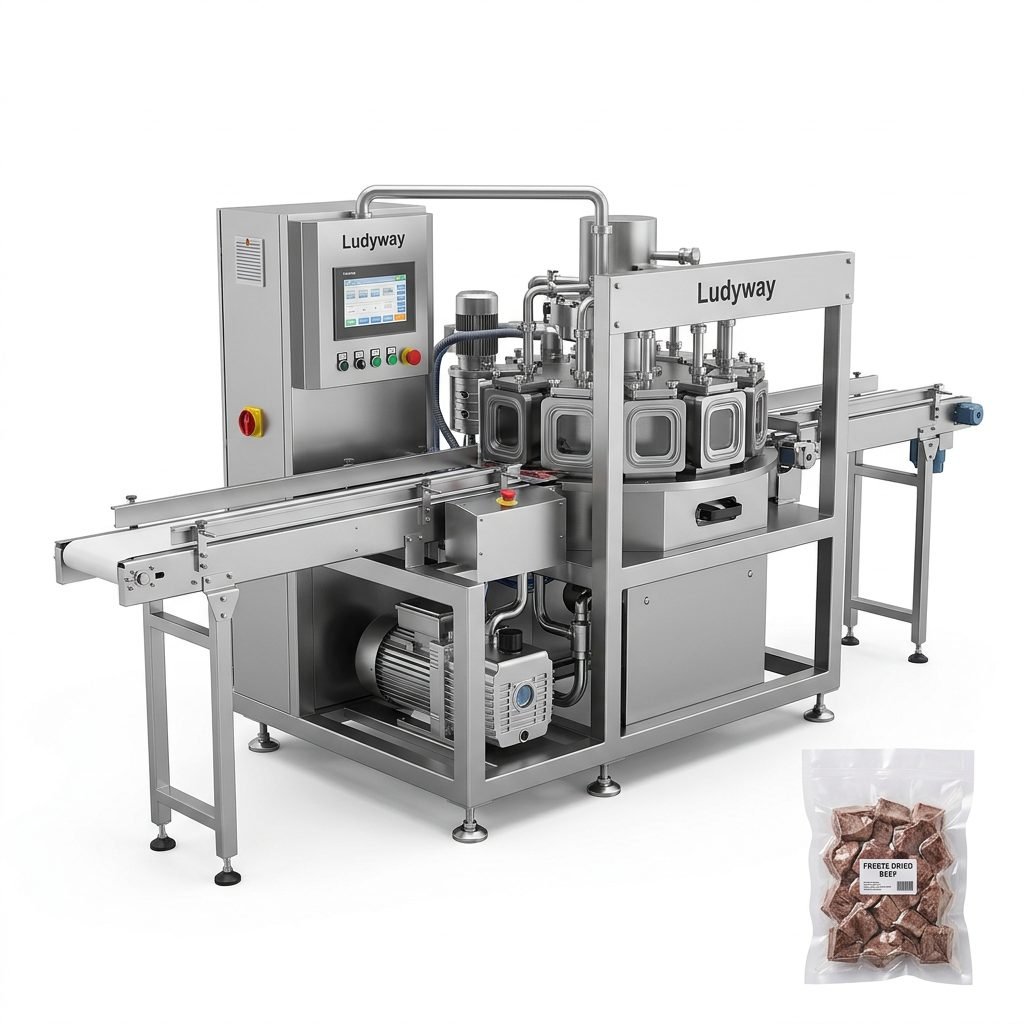
This broad category includes machines that dose a product into a package and then hermetically seal it. They are often defined by the package style they create.
Vertical Form-Fill-Seal (VFFS) Machines
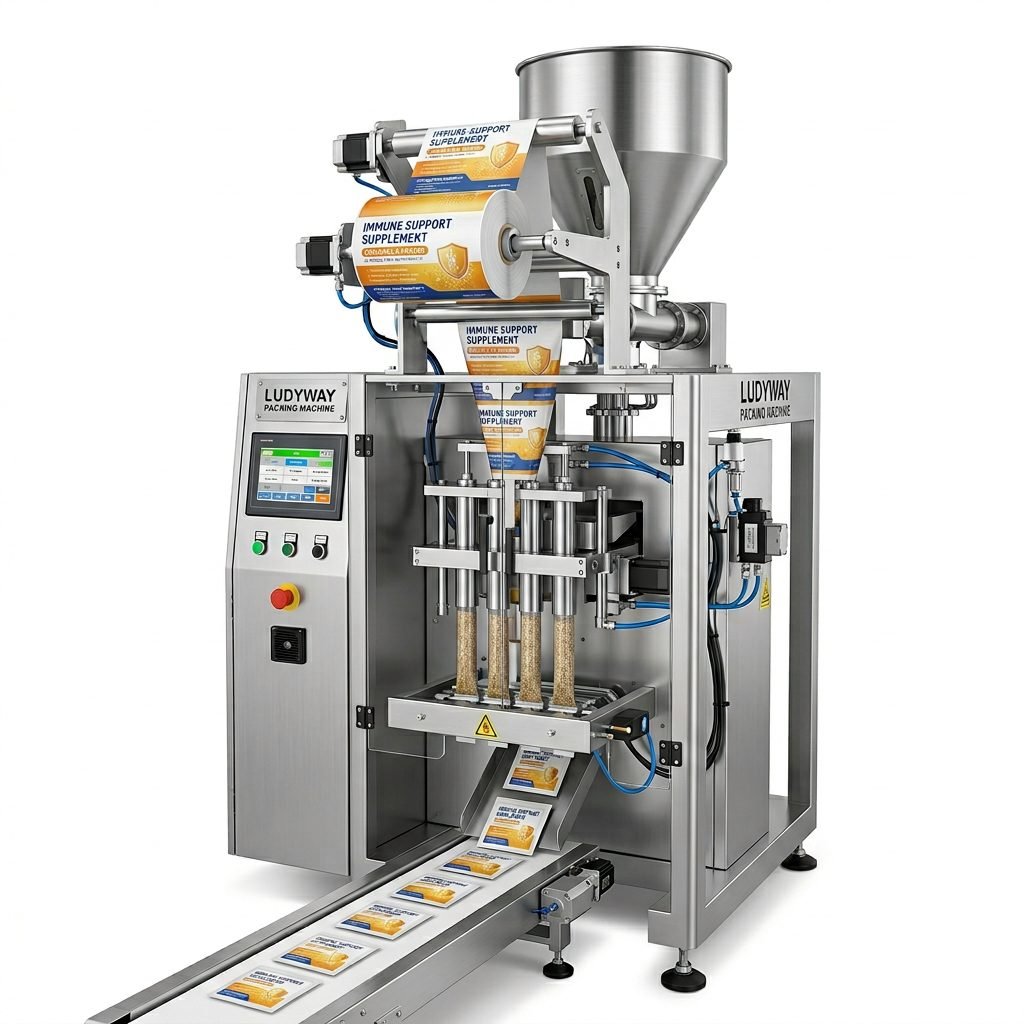
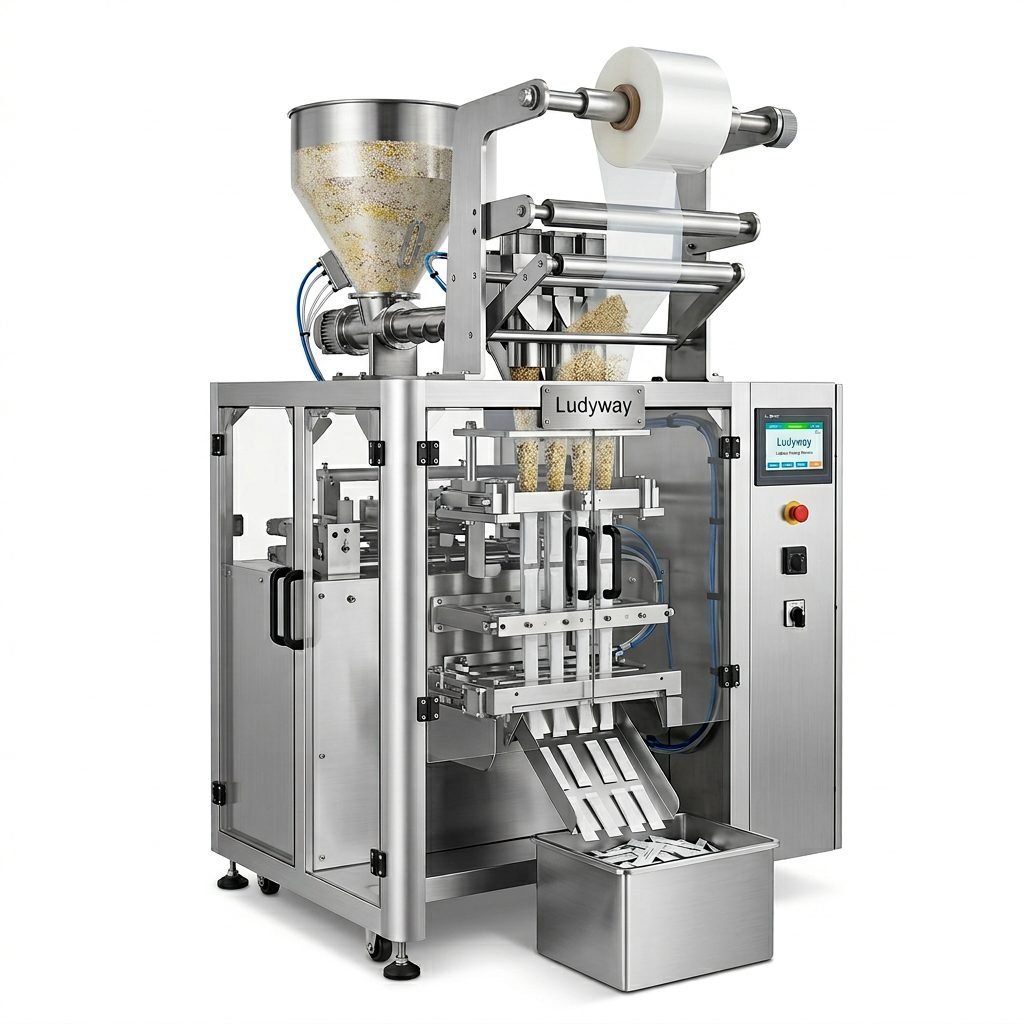
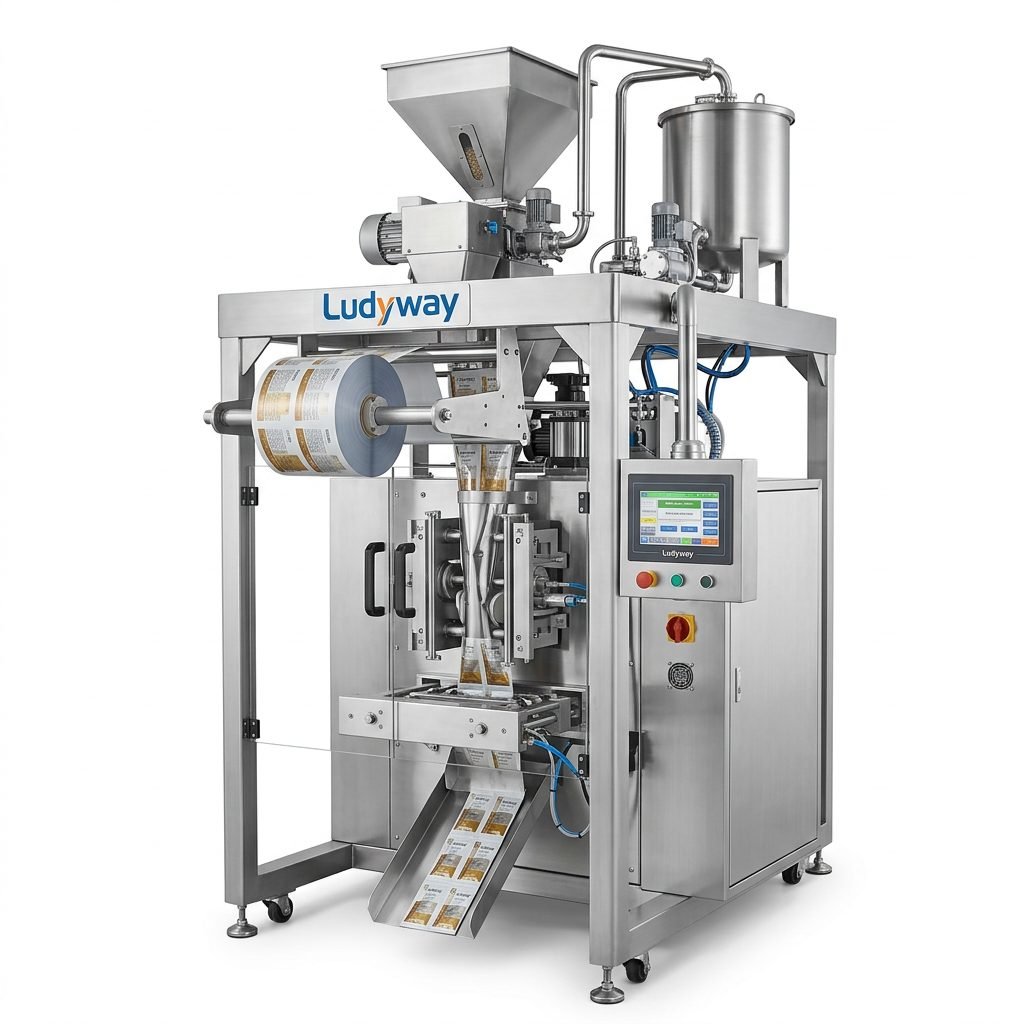
These are the workhorses of the industry. A VFFS machine forms a bag from a roll of flat film, fills it with a precise amount of product (granules, powders, liquids), and then seals it—all in a continuous vertical motion. They are incredibly versatile and used for everything from snacks to hardware.
Horizontal Form-Fill-Seal (HFFS) Machines
Ideal for bundling multiple items or creating pillow packs, HFFS machines form the package horizontally. They are commonly used for biscuits, candy bars, and medical device kits where the product is laid into the film before sealing.
Sachet & Stick Pack Machines
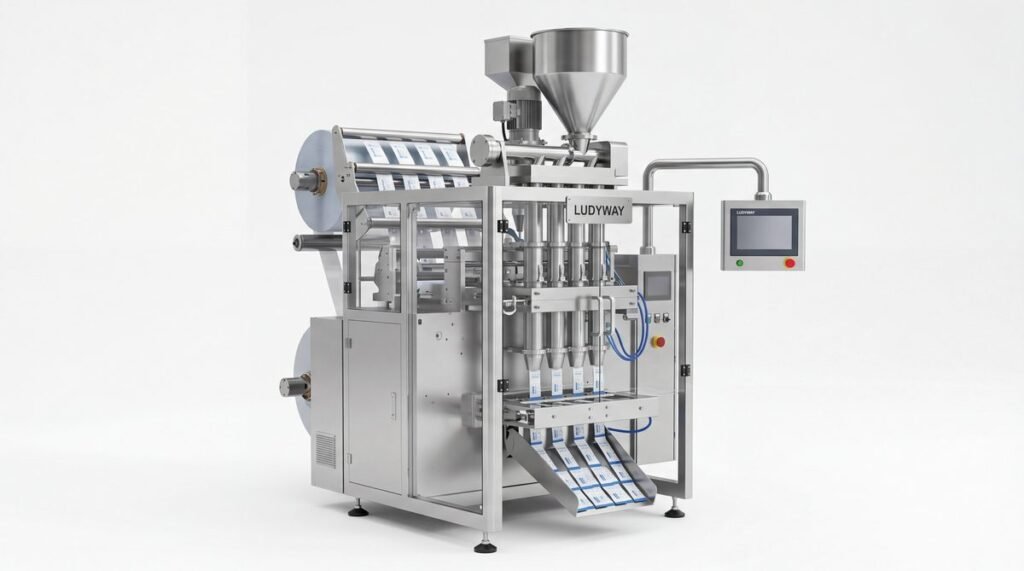
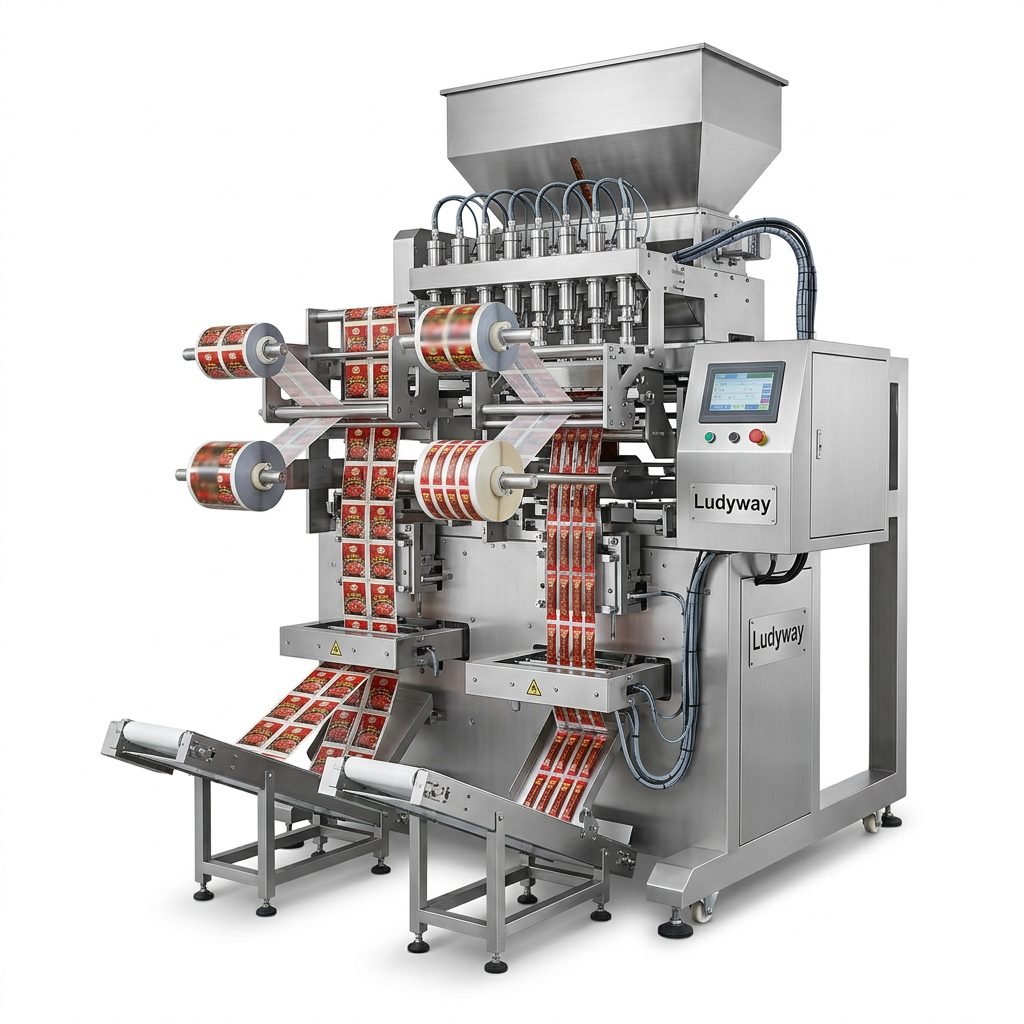
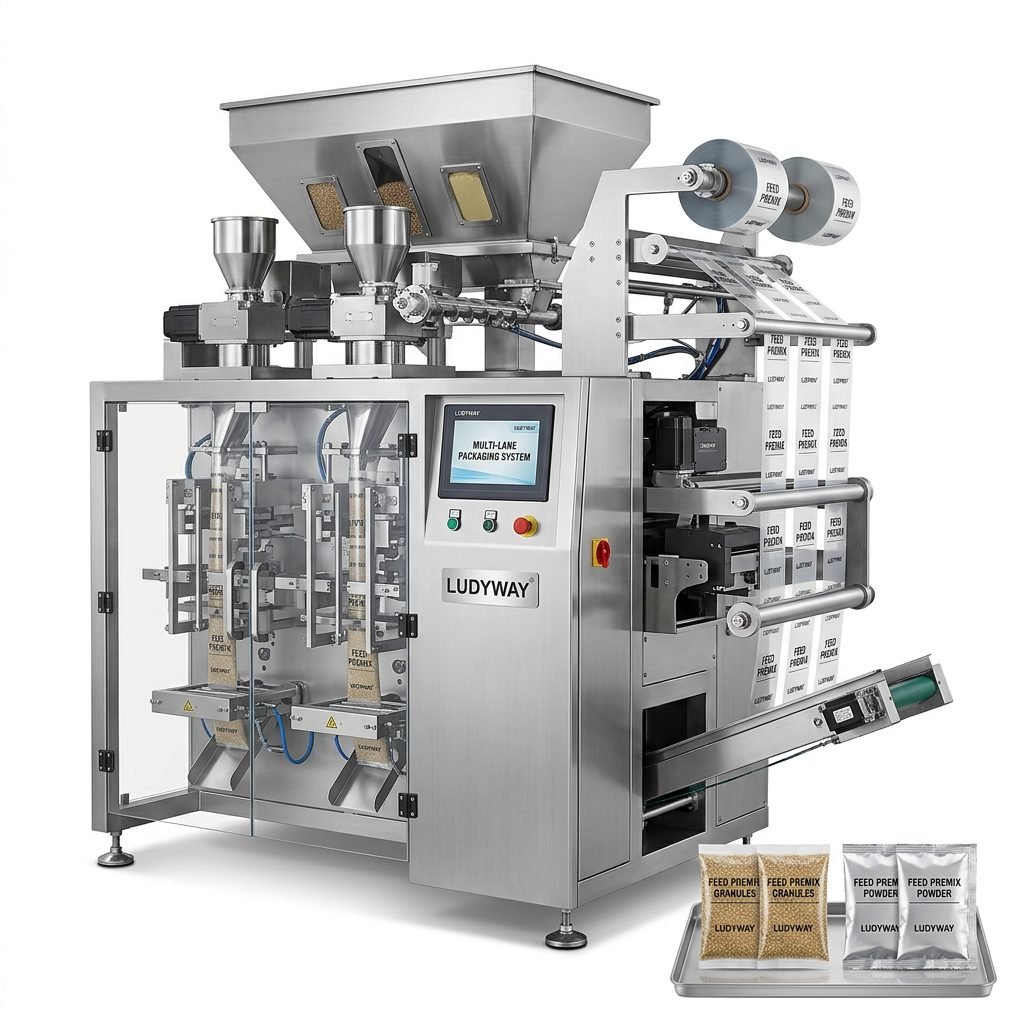
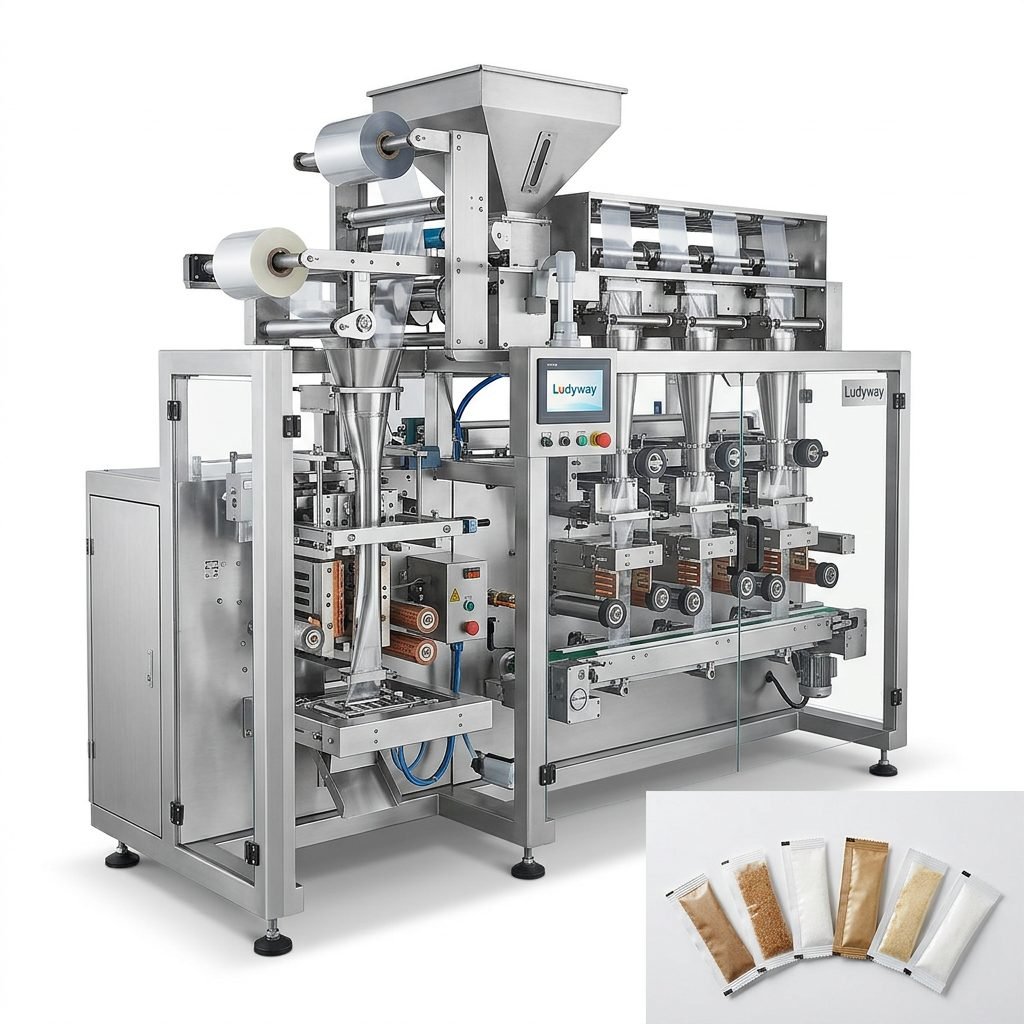
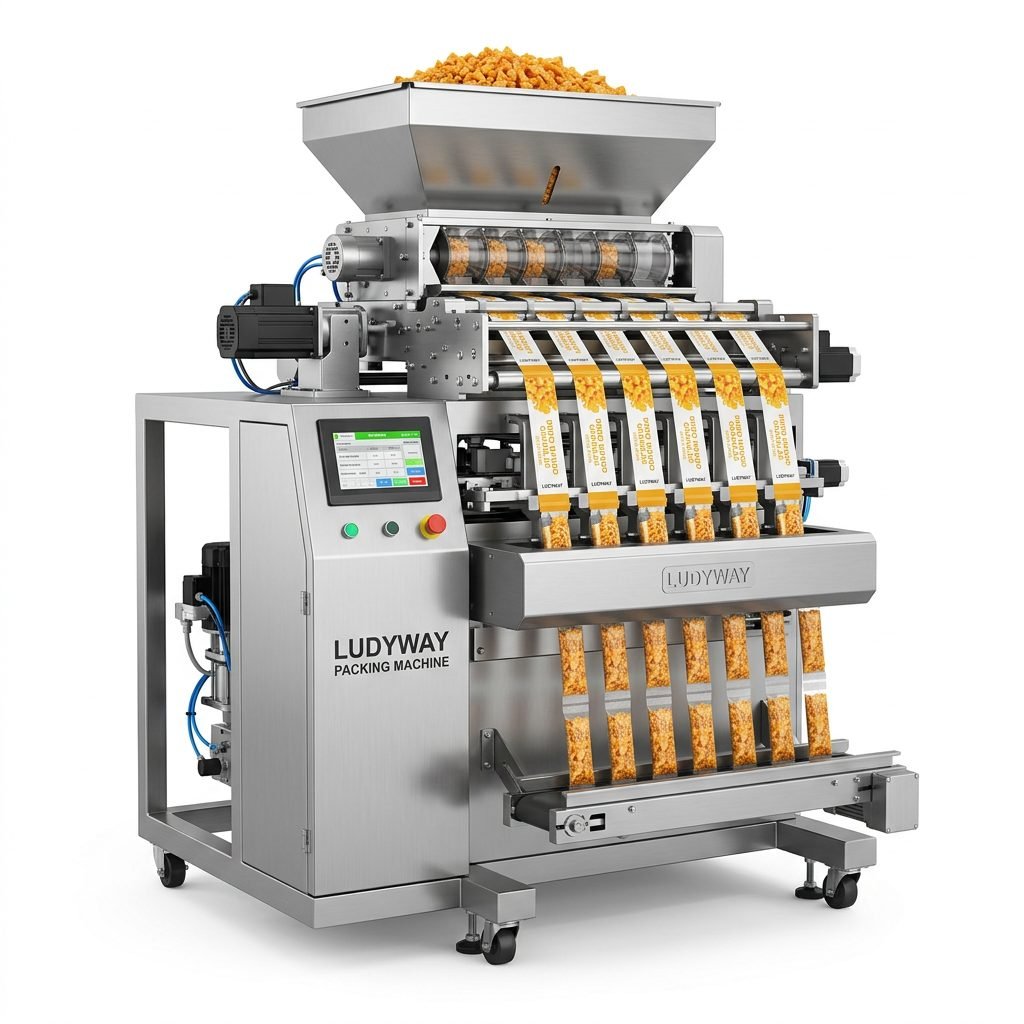
Designed for single-serve or small-quantity packaging, these machines create small, sealed pouches. They are perfect for coffee, sugar, condiments, pharmaceuticals, and supplements. Multi-lane versions can produce dozens of sachets per minute, offering exceptional speed for high-volume needs.
2. Capping, Sealing, and Labeling Machines
Once a container is filled, these machines complete the packaging process.
- Cappers: Apply screw caps, snap-on lids, or press-on caps to bottles and jars.
- Induction Sealers: Apply an airtight, tamper-evident foil liner under a plastic cap, commonly seen in food and pharmaceutical bottles.
- Labelers: Automatically apply product labels with precise placement. This includes wrap-around, front-and-back, and top-labeling systems.
3. Cartoning and Case Packing Machines
These machines handle secondary packaging, grouping primary packages for distribution.
Cartoners erect, load, and close folding cartons. Case Packers automatically load bottles, cans, or pouches into shipping cases or trays. They are essential for creating retail-ready displays and secure shipping units.
💡 Spotlight on Turnkey Solutions
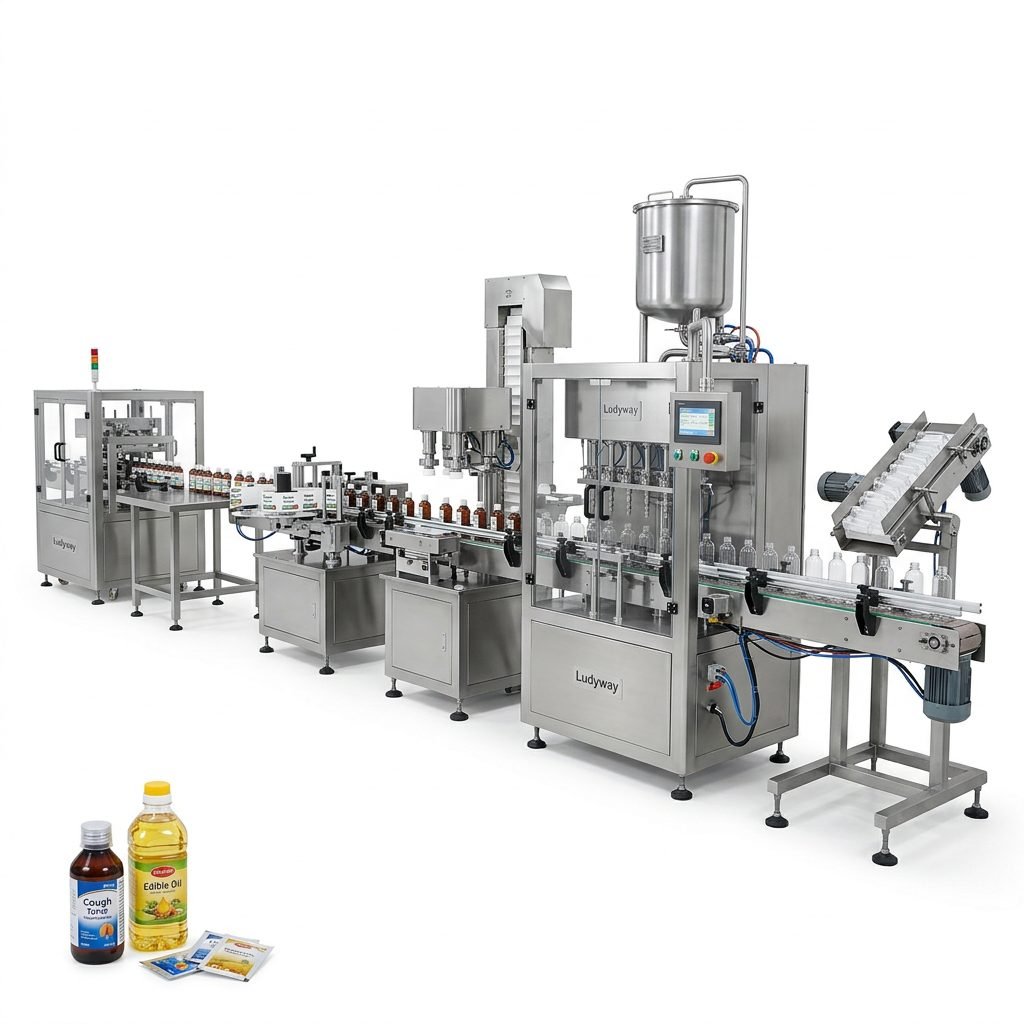
For manufacturers, especially beginners, investing in individual machines that may not integrate well can be a pitfall. This is where partnering with a provider like Ludyway Machinery for a turnkey production line becomes a strategic advantage. A turnkey solution is a fully integrated, ready-to-operate system designed from the ground up for a specific product and output goal. It combines compatible filling, sealing, and handling equipment into one seamless workflow, managed by a unified control system. This approach eliminates compatibility headaches, optimizes throughput, and ensures a faster, smoother path to production.
The Tangible Benefits: Why Automation is Essential
Investing in automated packaging machinery delivers a compelling return on investment through multiple channels.
Dramatic Increase in Production Efficiency
Machines operate at constant, high speeds 24/7 if needed. A single automated line can replace dozens of manual workers, drastically increasing output while reducing per-unit packaging costs and minimizing human error.
Unmatched Consistency and Quality Control
Every package is identical. Weight is precise, seals are uniform, and labels are perfectly aligned. This consistency protects your brand reputation, reduces product giveaway, and ensures compliance with stringent industry regulations, particularly in food and pharmaceutical packaging.
Enhanced Product Safety and Shelf Life
Automated systems provide a hygienic barrier, minimizing human contact with the product. Advanced sealing technologies create airtight environments that significantly extend shelf life by preventing oxidation and contamination.
Improved Sustainability and Material Savings
Modern machines are engineered for material efficiency. They use precise amounts of film and generate less waste through accurate forming and cutting. This not only saves on material costs but also supports corporate sustainability goals by reducing packaging footprint.
Scalability and Flexibility
Many contemporary machines are designed for quick changeovers. With minimal adjustments, the same line can package different product sizes or varieties, allowing manufacturers to respond swiftly to market demands and seasonal changes.
Choosing the Right Machinery: A Beginner’s Checklist
Selecting your first packaging system is a critical decision. Focus on these key factors:
- Product Characteristics: Is it a granule, powder, liquid, or solid? What is its flowability and density?
- Production Volume: Define your required output in packages per minute/hour/shift.
- Packaging Material: What type of film, pouch, or container will you use?
- Available Floor Space: Measure your production area to ensure the line will fit.
- Future-Proofing: Consider potential new products or increased volumes. Can the machine adapt?
- Supplier Support: Choose a partner with strong technical support, training, and spare parts availability. A provider’s experience, like Ludyway’s 30+ years in the industry, is invaluable for long-term success.
Frequently Asked Questions (FAQs)
1. What is the most common type of packaging machine for powders and granules?
The Vertical Form-Fill-Seal (VFFS) machine is the most prevalent and versatile solution for packaging free-flowing powders, granules, and seeds. Its ability to form bags from a roll of film and fill them with high precision makes it a cost-effective and efficient choice for a wide range of industries.
2. How do I know if I need a single machine or a complete turnkey line?
If you are adding automation to an existing, slow part of your process, a single machine (like a filler) may suffice. However, if you are setting up a new production line from scratch or aiming for a significant capacity jump, a turnkey solution is highly recommended. It ensures all components work in harmony, maximizing overall efficiency and minimizing integration challenges.
3. What are the key maintenance requirements for packaging machinery?
Regular maintenance is crucial. Daily tasks include cleaning and visual inspection. Weekly and monthly schedules should involve lubricating moving parts, checking seal integrity, and verifying sensor accuracy. Always follow the manufacturer’s maintenance manual and use genuine spare parts to ensure longevity and consistent performance.
4. Can one machine handle different package sizes?
Yes, many modern machines are built with quick-changeover capabilities. This involves interchangeable parts like forming tubes, fill nozzles, and sealing jaws. The speed and complexity of the changeover vary by machine type and design, so discuss your flexibility needs with your equipment supplier during the selection process.
5. What should I look for in a packaging machinery supplier?
Prioritize proven industry experience, a strong portfolio of successful installations, and comprehensive after-sales support. A reliable supplier will not just sell you a machine but will partner with you to understand your needs, offer expert advice, provide thorough training, and ensure prompt technical support to keep your operation running smoothly.