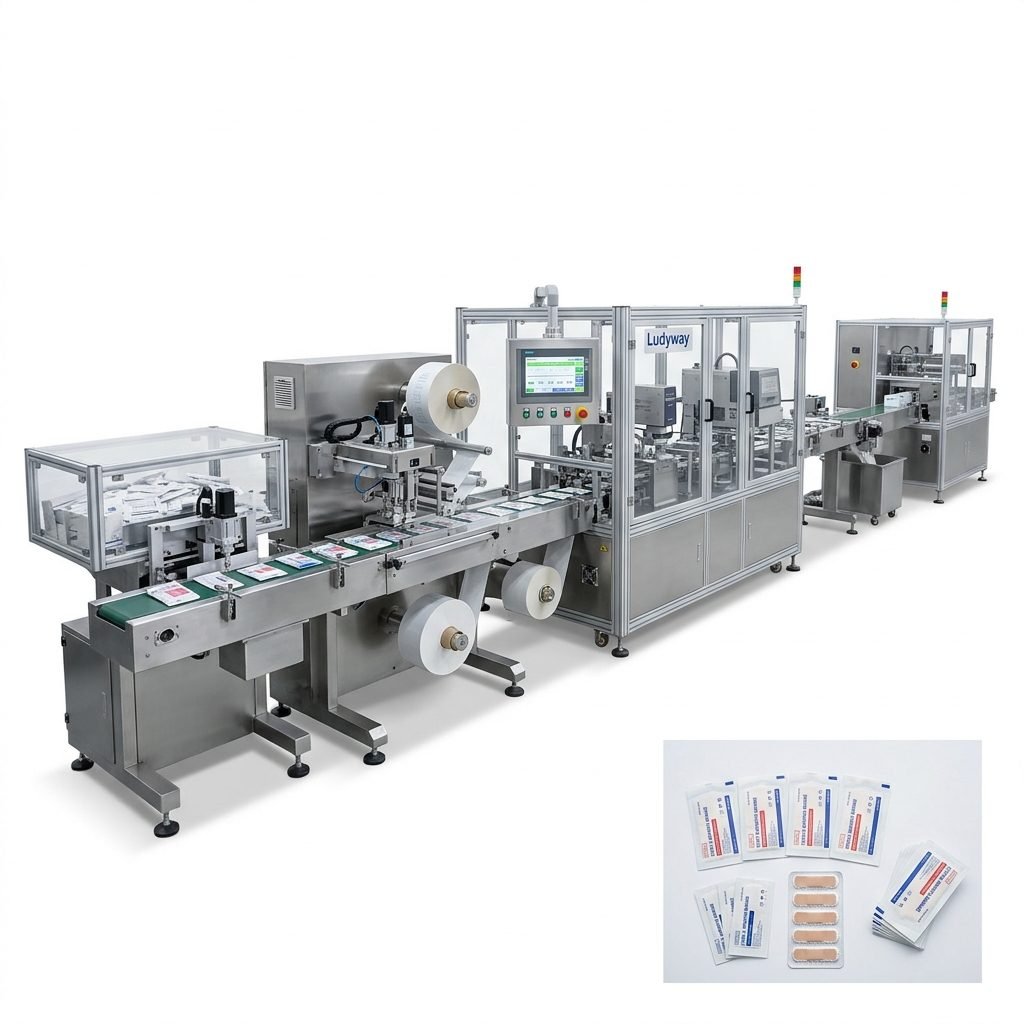
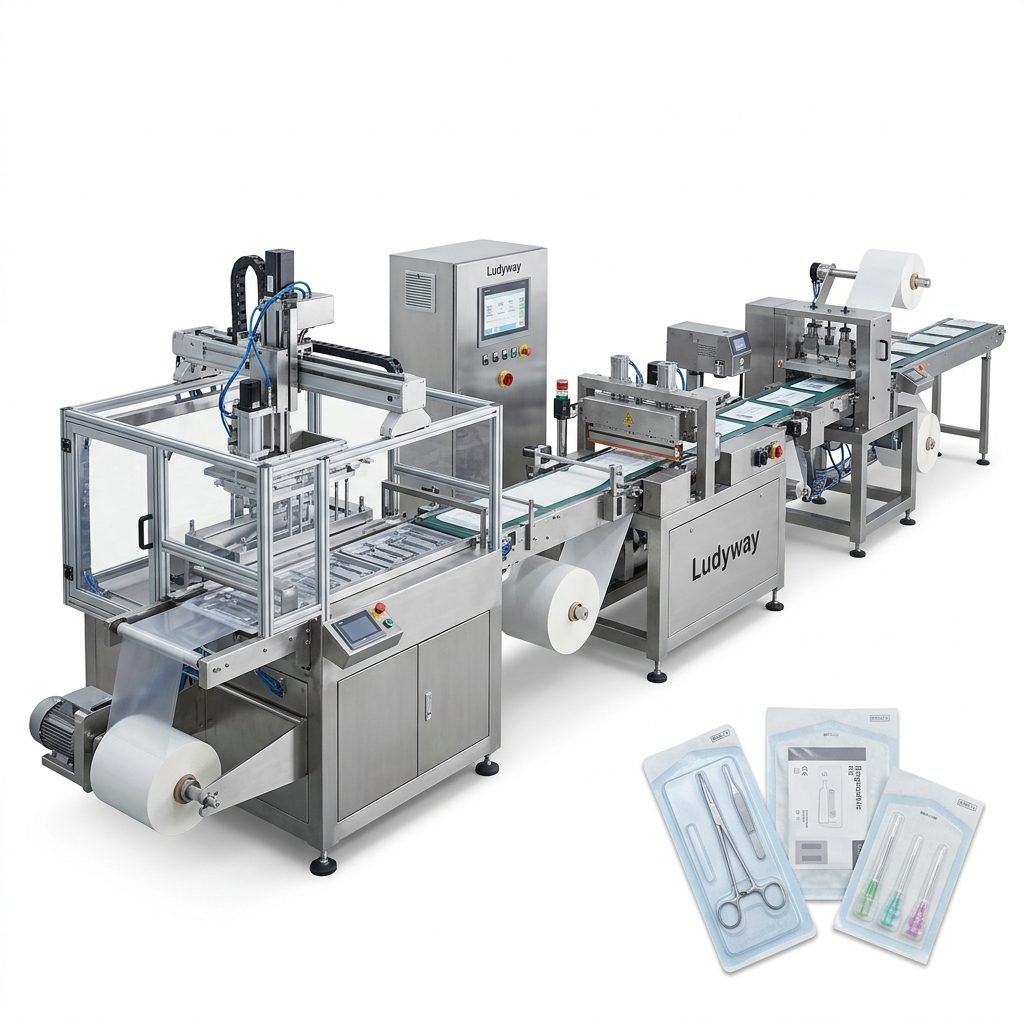
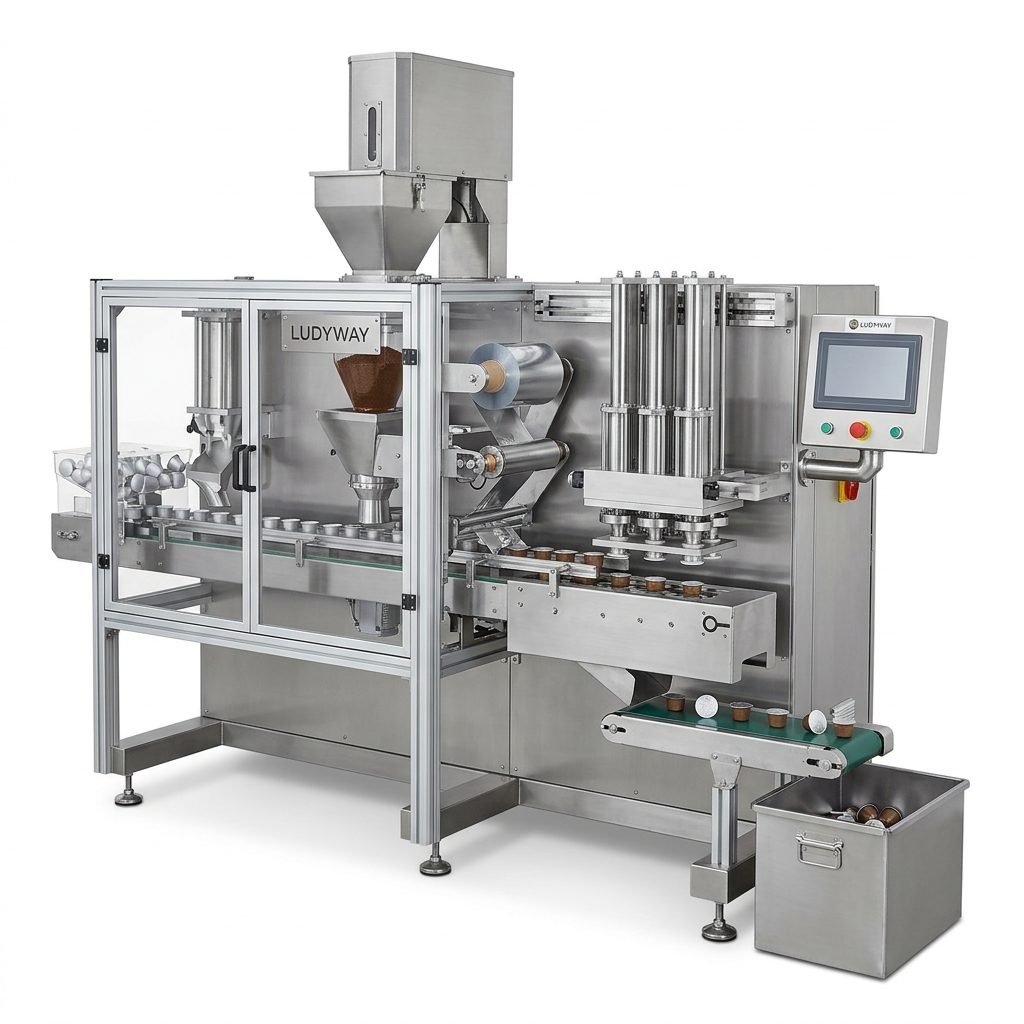
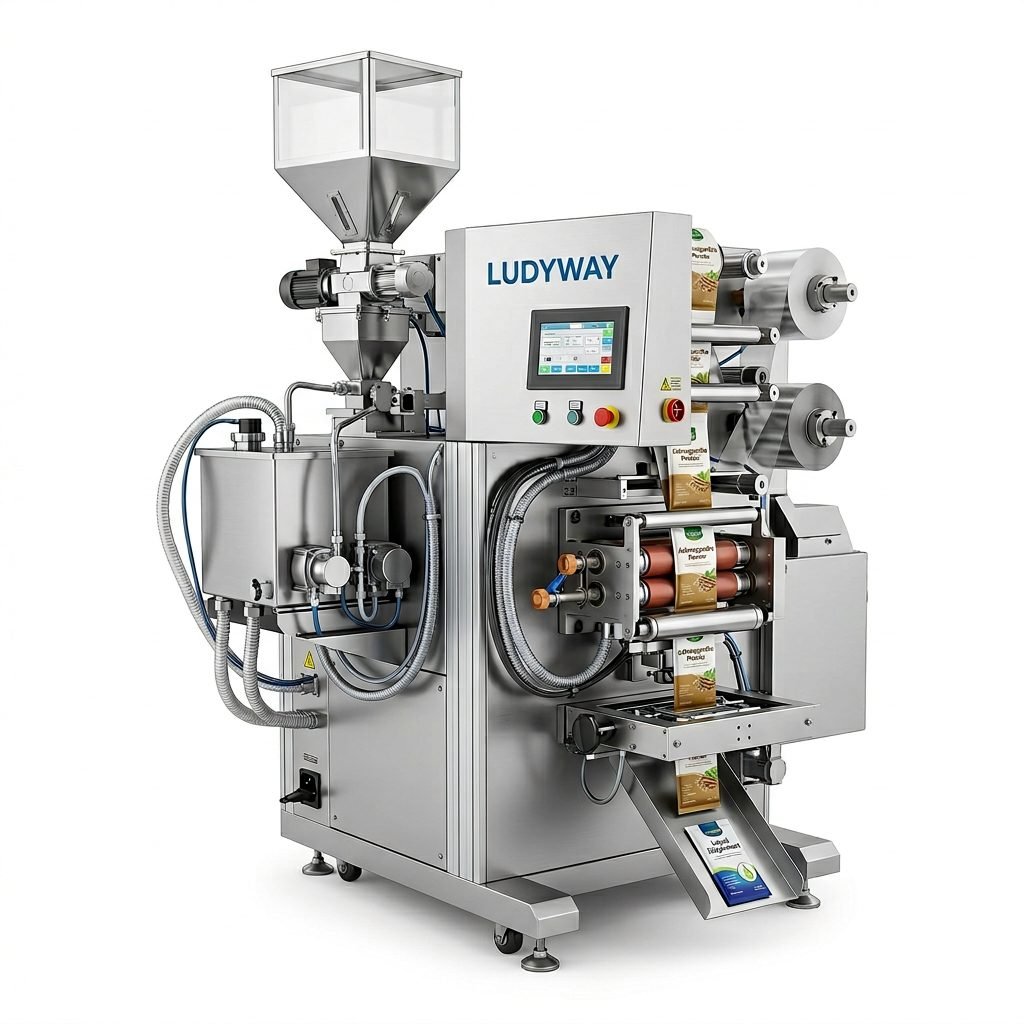
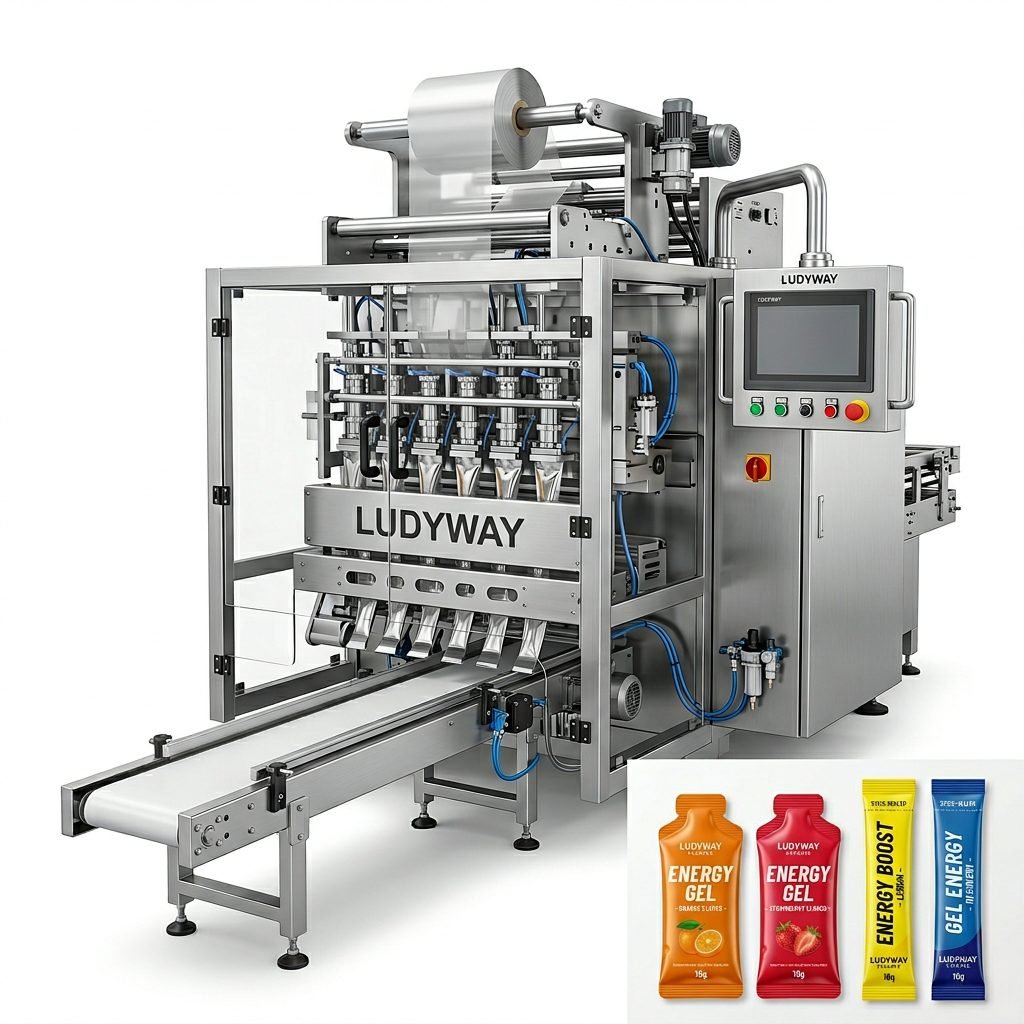
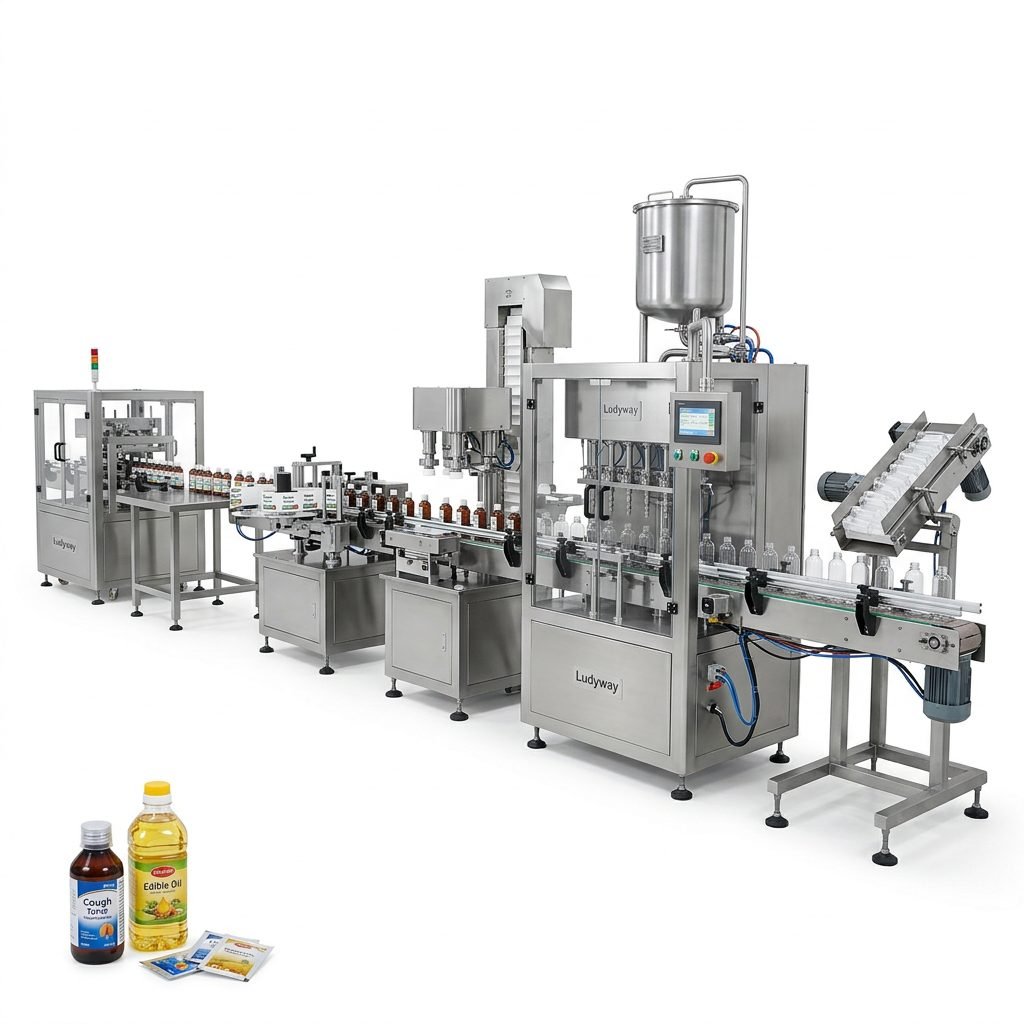
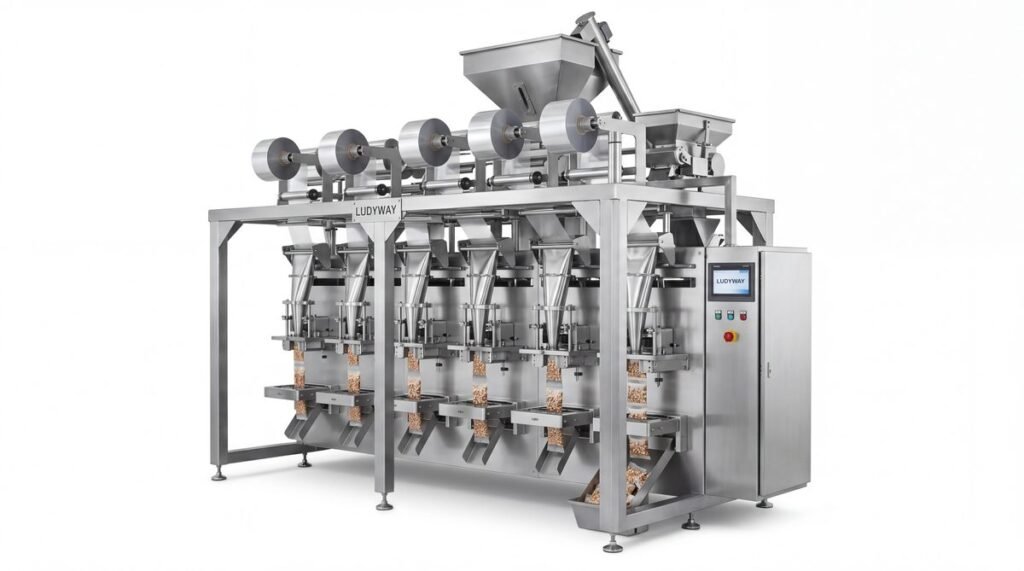
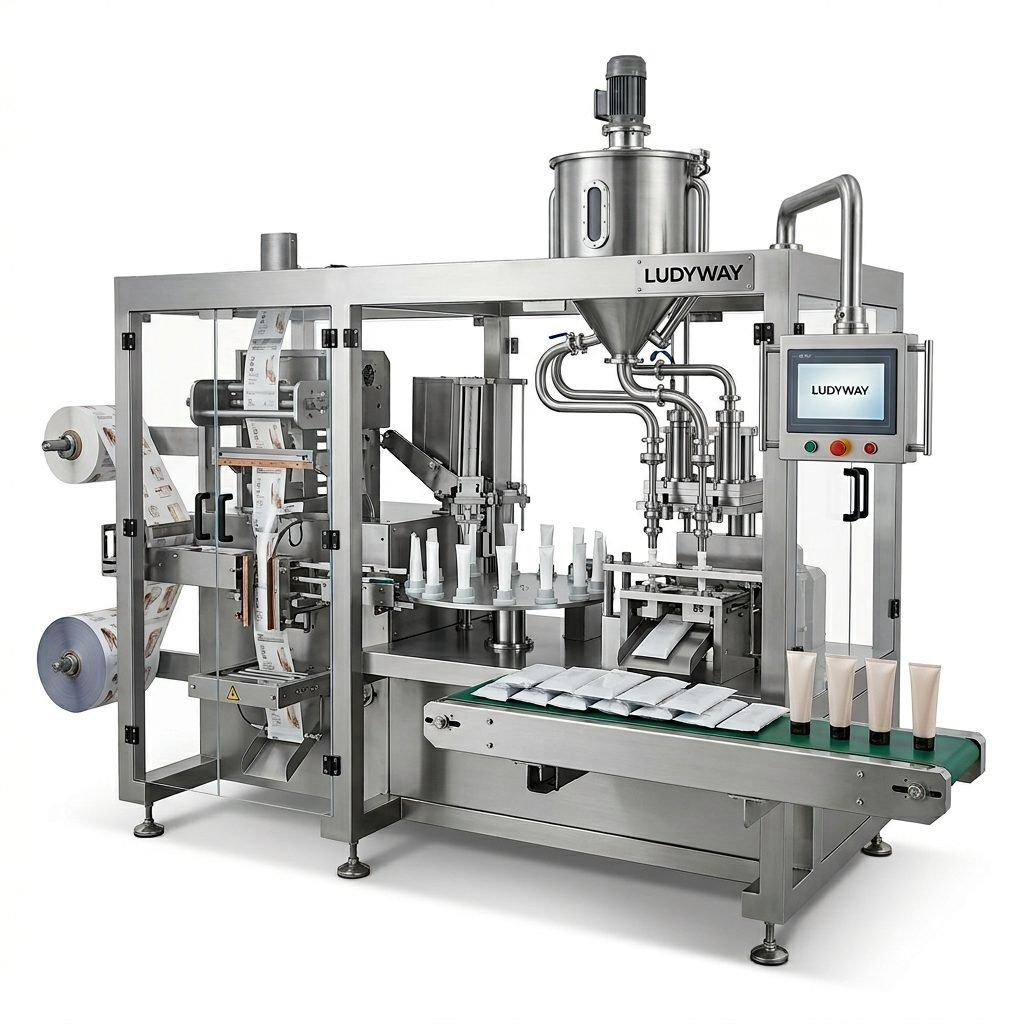
Effective packaging machinery is the backbone of countless production lines. When a machine breaks down, it can halt operations, lead to product waste, and impact your bottom line. Proactive troubleshooting, regular maintenance, and knowing when to seek professional repair are crucial for minimizing downtime and maximizing your investment. This guide provides practical insights into keeping your packaging equipment running smoothly.
Common Packaging Machine Issues and Troubleshooting Steps
Identifying the root cause of a problem is the first step toward a solution. Here are some frequent issues across various packaging machine types.
1. Sealing Problems (Poor or No Seal)
This is one of the most common failures. Symptoms include packages that open easily, leakers, or inconsistent seal bars.
Checklist:
- Temperature: Verify the sealing jaw temperature is set correctly for your film material. Use a temperature probe for accuracy.
- Pressure & Timing: Ensure the sealing pressure is adequate and the dwell time is sufficient for a complete bond.
- Jaw Condition: Inspect sealing jaws for residue buildup, scratches, or wear. Clean them regularly with appropriate tools.
- Film Quality: Inconsistent or low-quality film can cause sealing failures. Test with a known-good roll.
2. Incorrect Filling or Dosing
Inaccurate fills lead to product giveaway or underweight packages, which can have regulatory and cost implications.
Troubleshooting Focus:
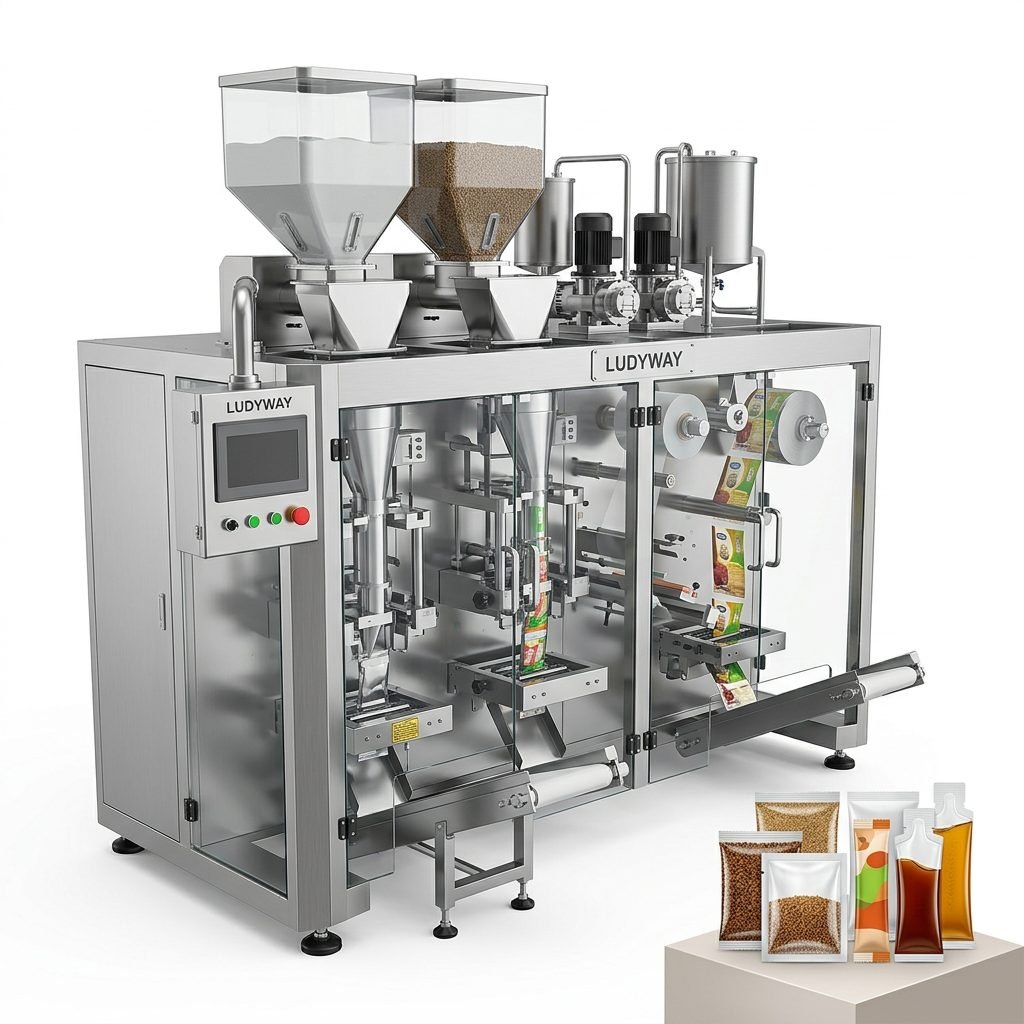
- Volumetric Cups/Pistons: Check for wear, product buildup, or air pockets. Ensure they are clean and moving smoothly.
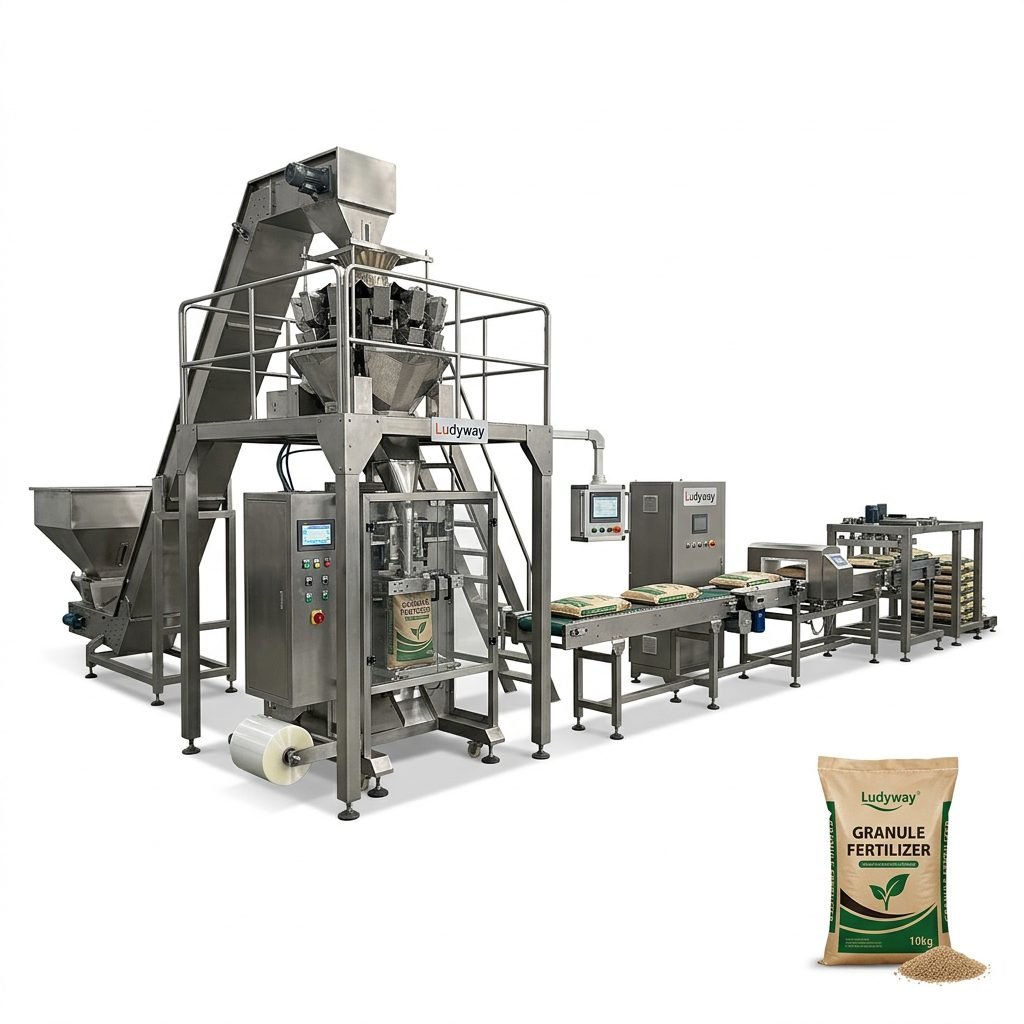
- Weighing Systems (Multi-head weighers, auger fillers): Calibrate scales regularly. For augers, check for worn flights or inconsistent product density.
- Product Flow: Ensure hoppers are adequately agitated and product is feeding consistently without bridging or clumping.
3. Film Feeding & Web Tension Issues
Problems here cause misregistration, wrinkling, or film breaks.
Key Actions: Verify the film path is clear and guides are aligned. Adjust tension controls for a smooth, consistent pull. Check registration sensors for cleanliness and proper positioning.
Essential Preventive Maintenance Tips
A robust preventive maintenance (PM) program is far more cost-effective than emergency repairs. Schedule daily, weekly, and monthly tasks.
Daily Maintenance Routine
- Cleaning: Wipe down all surfaces, remove product dust and debris from moving parts, jaws, and sensors.
- Lubrication: Apply lubricant to designated points as per the manufacturer’s manual (use food-grade lubricant where applicable).
- Visual Inspection: Look for loose bolts, unusual wear on seals and gaskets, and any signs of oil or air leaks.
Weekly & Monthly Checks
- Drive Components: Inspect chains, belts, and gears for tension and wear. Tighten or replace as needed.
- Electrical Connections: Ensure all connections are tight and free from corrosion.
- Safety Systems: Test emergency stops and machine guards to ensure they function correctly.
- Performance Validation: Run a production test to check for speed, accuracy, and seal integrity against baseline standards.
Keeping a detailed maintenance log helps track service history and predict future part failures.
Cost-Effective Repair Strategies
When a breakdown occurs, a strategic approach saves time and money.
1. In-House vs. Professional Repair
Evaluate the complexity. Simple tasks like replacing a sensor or cleaning a valve can be done in-house if you have trained personnel. For major mechanical overhauls, control board issues, or complex calibrations, a certified technician from a reputable packaging machinery supplier is essential to avoid further damage.
2. Sourcing Replacement Parts
OEM vs. Generic: Original Equipment Manufacturer (OEM) parts guarantee fit and performance but can be costly. High-quality generic parts from trusted vendors can be a good alternative for non-critical components. Always avoid uncertified, low-quality parts that risk machine integrity.
3. The Value of Service Contracts
For critical machinery, a scheduled service contract with a provider like Ludyway Machinery can be highly cost-effective. It typically includes regular PM, priority service, and discounted parts, transforming unpredictable repair costs into a fixed, manageable expense.
4. Retrofitting and Upgrades
Sometimes, the most economical “repair” is a strategic upgrade. Retrofitting an older machine with a new servo drive, touchscreen HMI, or advanced weighing controller can dramatically improve reliability, speed, and accuracy, extending the equipment’s lifespan.
Frequently Asked Questions (FAQs)
1. How often should I perform major maintenance on my packaging machine?
This depends heavily on usage (shifts per day) and the product being packaged (abrasive powders vs. dry granules). Generally, a comprehensive inspection and service should be performed annually or after every 2,000-3,000 operating hours. Always refer to your machine’s specific manual for the manufacturer’s recommendation.
2. What are the most common mistakes that lead to premature machine failure?
The top three are: Lack of regular cleaning leading to sensor errors and jammed mechanisms; Improper lubrication (too much, too little, or wrong type); and Operator error, such as forcing jams or bypassing safety protocols, which causes immediate and cumulative damage.
3. Can I use any lubricant on my food-grade packaging machine?
Absolutely not. Only use lubricants that are NSF H1 certified for incidental food contact. Using industrial lubricants can contaminate product and violate health and safety regulations. Always check your manual and use the specified lubricant.
4. When is it more economical to repair a machine versus replace it?
Consider replacement if the cost of a major repair (like a main drive motor or control system overhaul) exceeds 50-65% of the cost of a new, more efficient model, or if the machine chronically fails and cannot meet your current production speed or quality requirements. Newer machines also offer better energy efficiency and connectivity.
5. How can I extend the life of my packaging machine’s most wear-prone parts?
Implement a strict cleaning schedule to prevent abrasive buildup. Use high-quality, recommended consumables (film, cutting blades). Ensure operators are fully trained on correct setup and operation procedures. Finally, maintain consistent environmental conditions (temperature, humidity) in the packaging area to reduce stress on mechanical and electrical components.