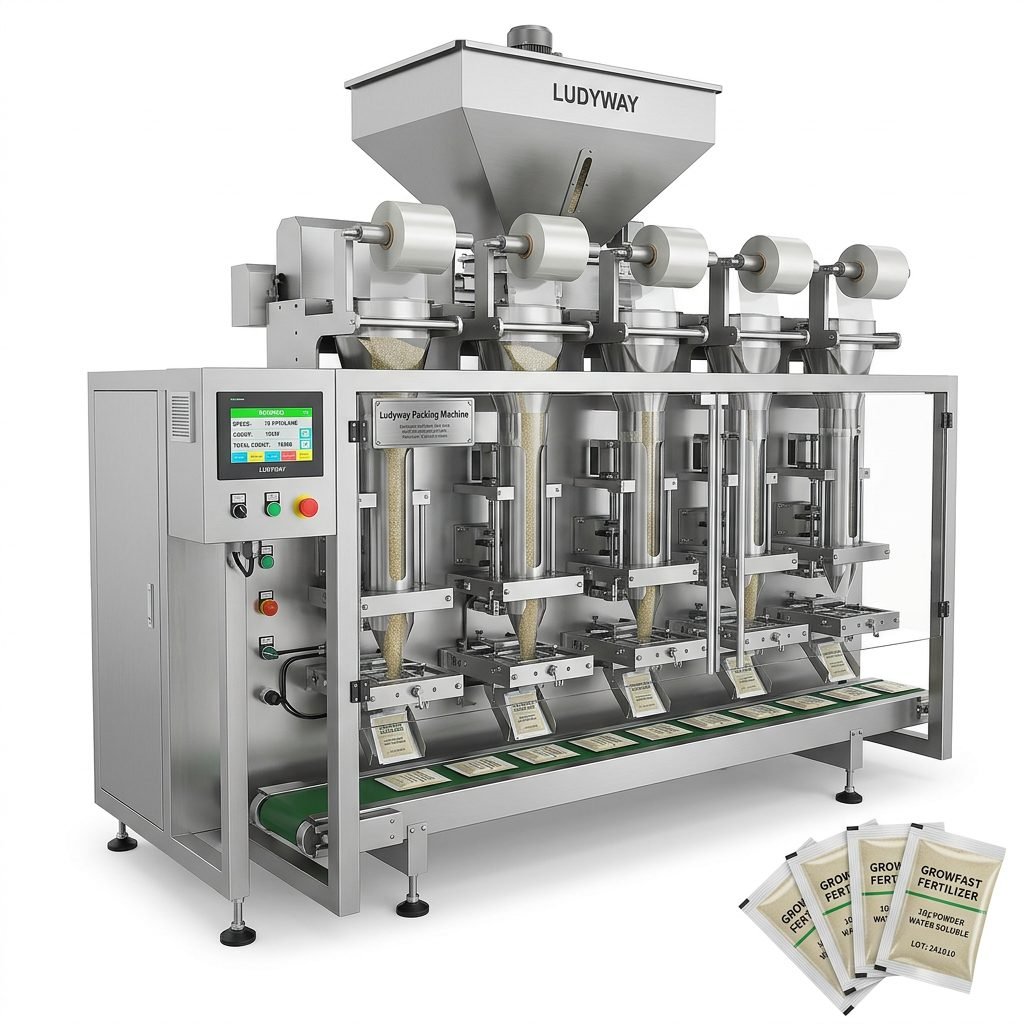
In today’s fast-paced manufacturing landscape, achieving flexible and reliable production is paramount for staying competitive. High-speed packaging machinery stands at the core of this operational excellence, enabling businesses to meet dynamic market demands while maintaining stringent quality and efficiency standards. These advanced systems are engineered to handle a diverse range of products—from granules and powders to liquids—with precision and consistency, forming the backbone of modern production lines in sectors like food, pharmaceuticals, and health products.
The Engine of Modern Production: Why Speed and Flexibility Matter
The primary advantage of high-speed packaging solutions lies in their ability to dramatically increase output without compromising on accuracy. Modern machines can achieve impressive cycle rates, processing thousands of units per hour. This speed is not just about raw output; it’s about creating a responsive production environment. When paired with flexible automation, these systems can quickly switch between different product formats, package sizes, and materials. This agility allows manufacturers to run smaller, more customized batches efficiently, reducing downtime and inventory costs while catering to niche markets and personalized consumer trends.
Key Benefit: Operational Resilience
Reliability in packaging machinery translates directly to production line uptime and product integrity. High-speed machines built with robust components and intelligent control systems minimize unexpected stoppages. Consistent, precise sealing and filling prevent product waste and ensure every package meets quality specifications, protecting your brand reputation and reducing costly giveaways.
Intelligent Systems for Unmatched Reliability
Contemporary high-speed packaging is defined by its intelligence. Integrated PLC controls, HMI interfaces, and vision inspection systems work in concert to monitor every aspect of the packaging process. Real-time feedback loops allow for immediate adjustment of parameters like fill weight, seal temperature, and film tension. This level of control ensures that reliability is baked into the process, detecting and correcting minor deviations before they become rejects. For manufacturers, this means a significant reduction in waste, higher overall equipment effectiveness (OEE), and a more predictable production schedule.
Adapting to Diverse Product Needs
The true test of a packaging solution is its versatility. Leading equipment ranges now encompass a wide array of specialized machines:
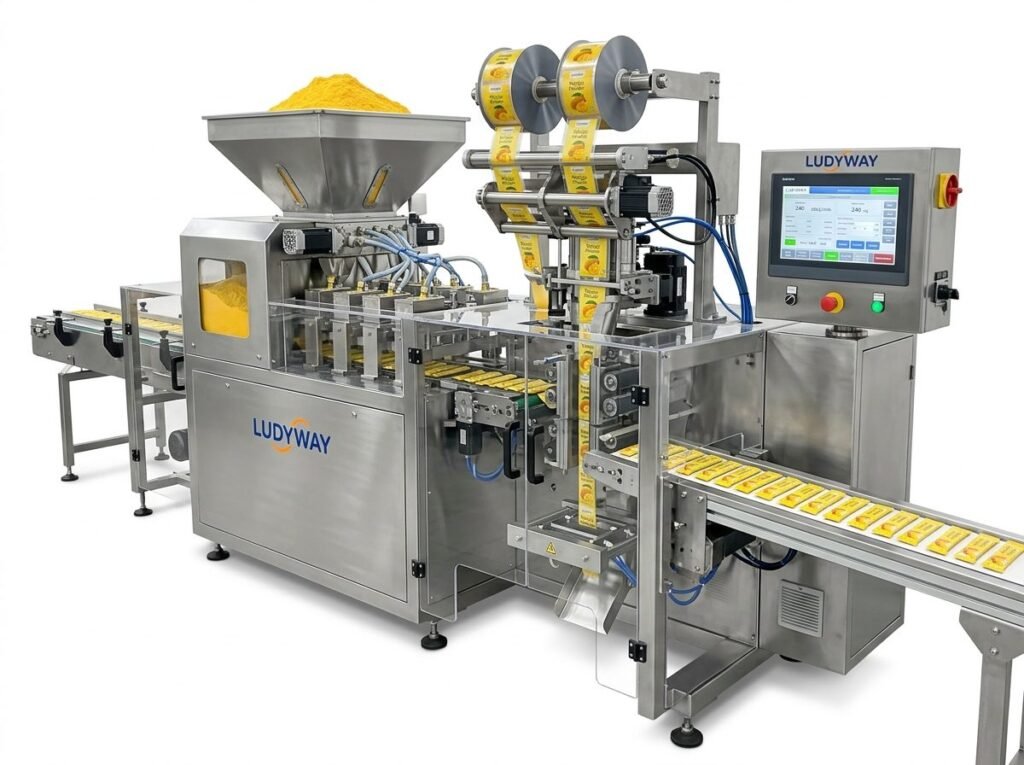
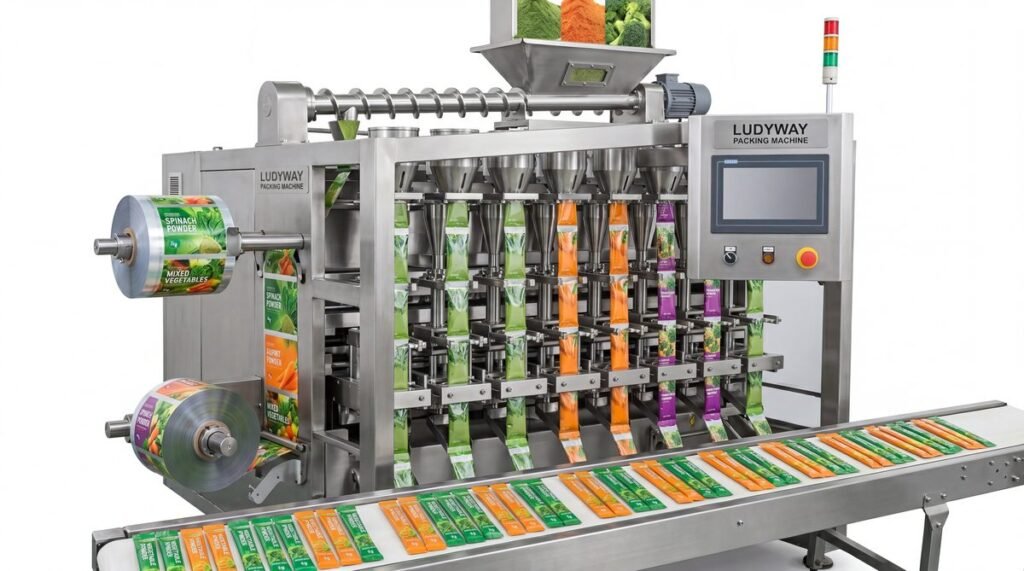
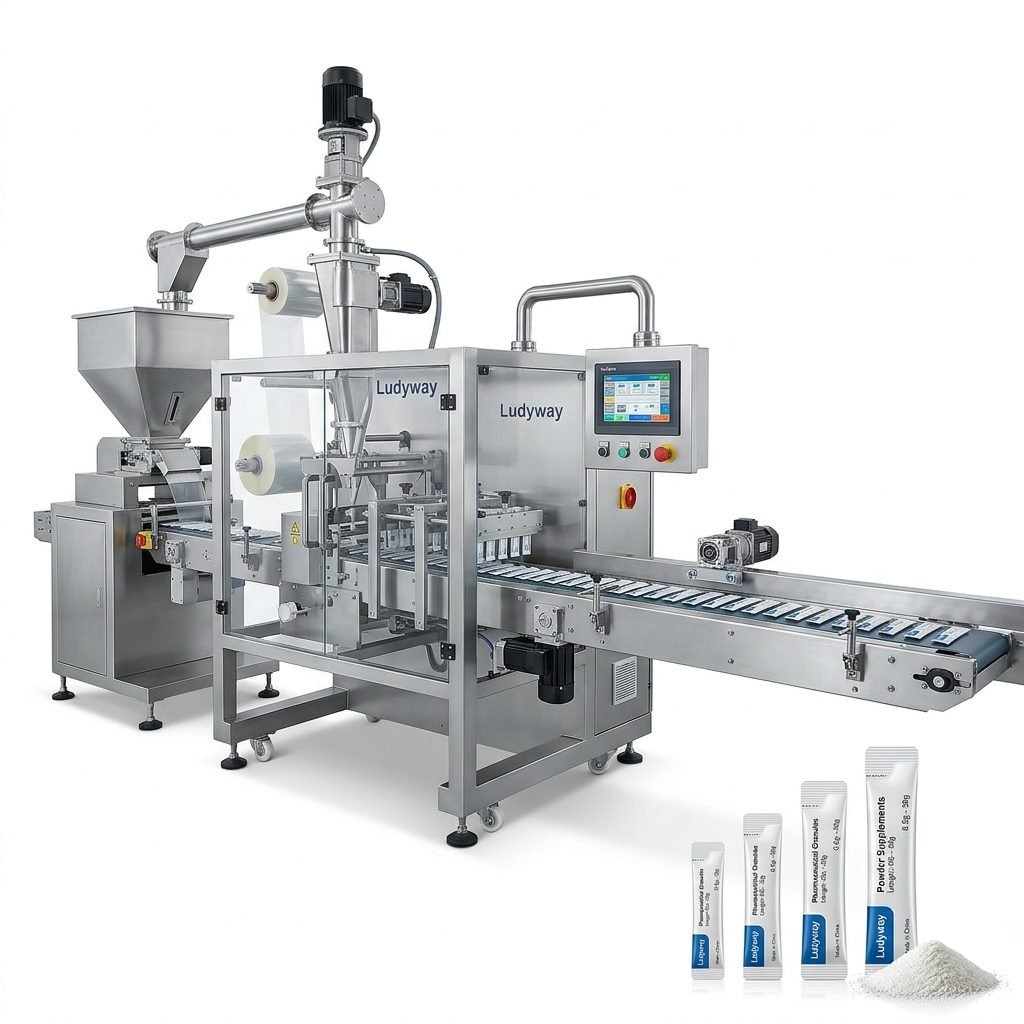
- Multi-Lane Stick Pack Machines: Ideal for single-serve portions of powders, delivering exceptional speed for products like instant beverages, supplements, and pharmaceuticals.
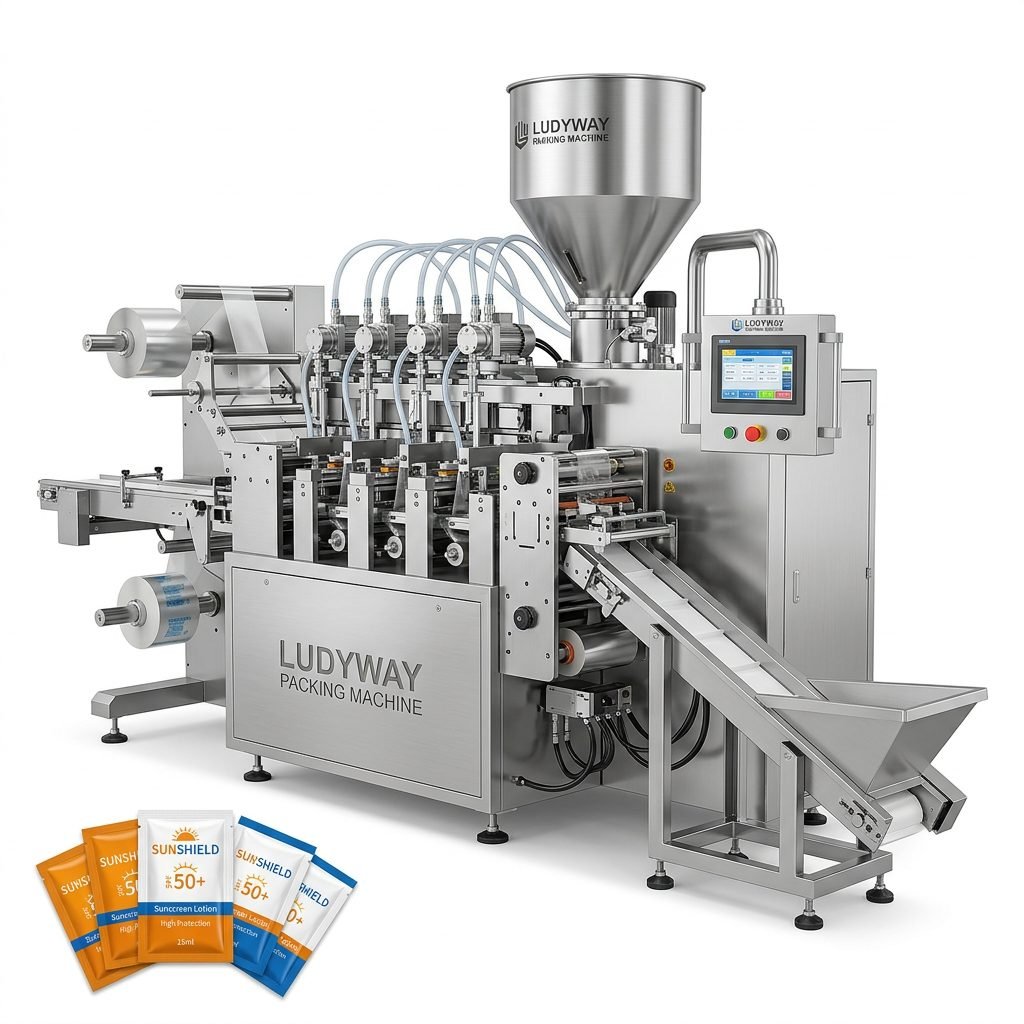
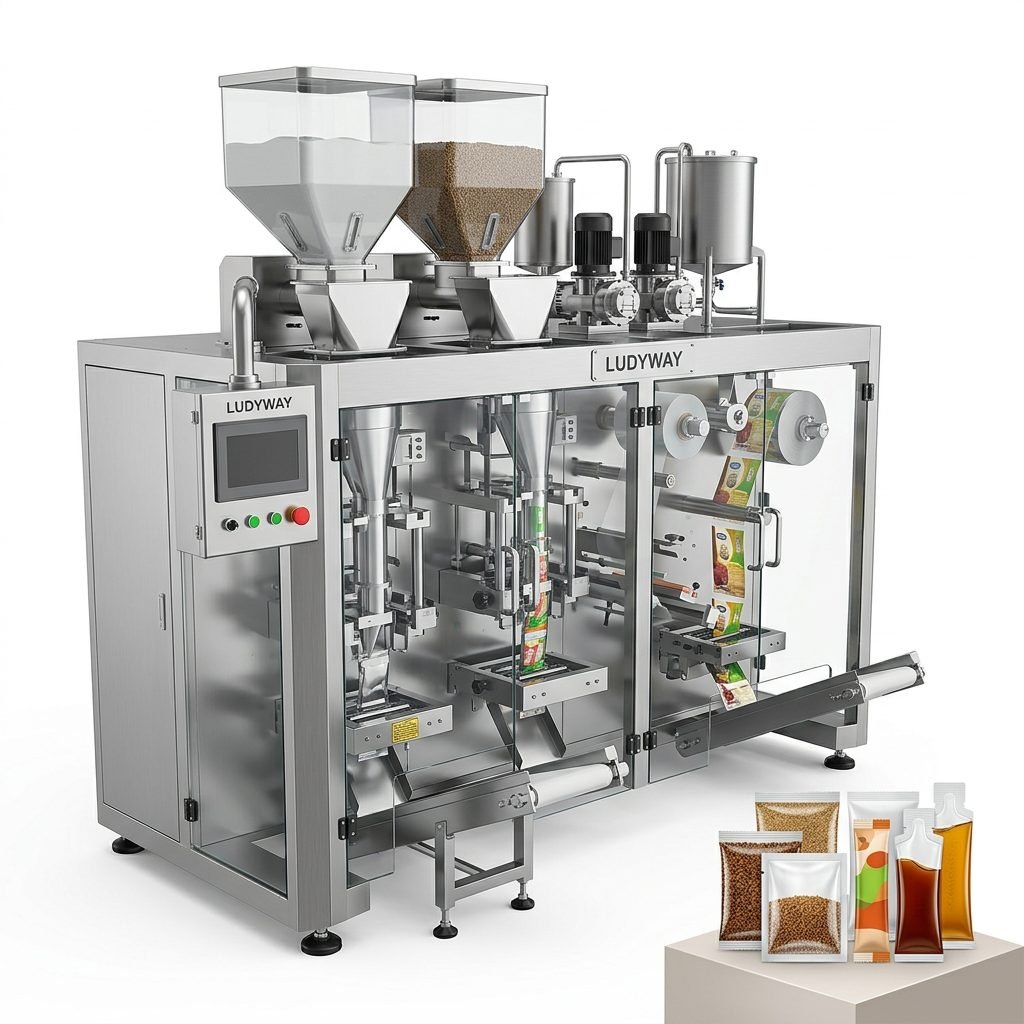
- High-Speed Sachet Packers: Perfect for liquids, pastes, and granules, used for sauces, shampoo samples, and seasoning packets.
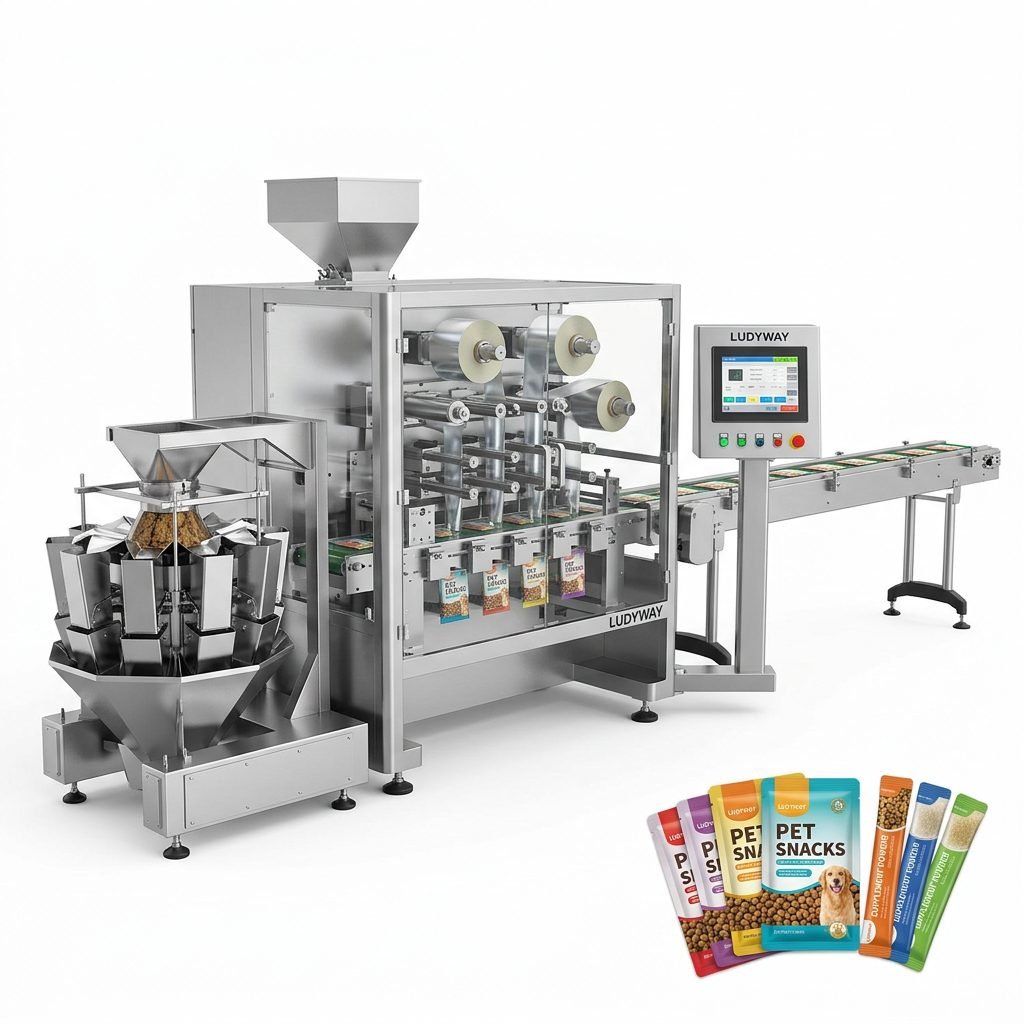
- Automated Granule & Powder Fillers: Designed for accuracy with free-flowing products, critical for coffee, spices, and protein powders.
- Liquid Filling and Sealing Lines: Provide clean, drip-free filling for oils, sauces, and cosmetic serums in various pouch styles.
Building a Turnkey Solution
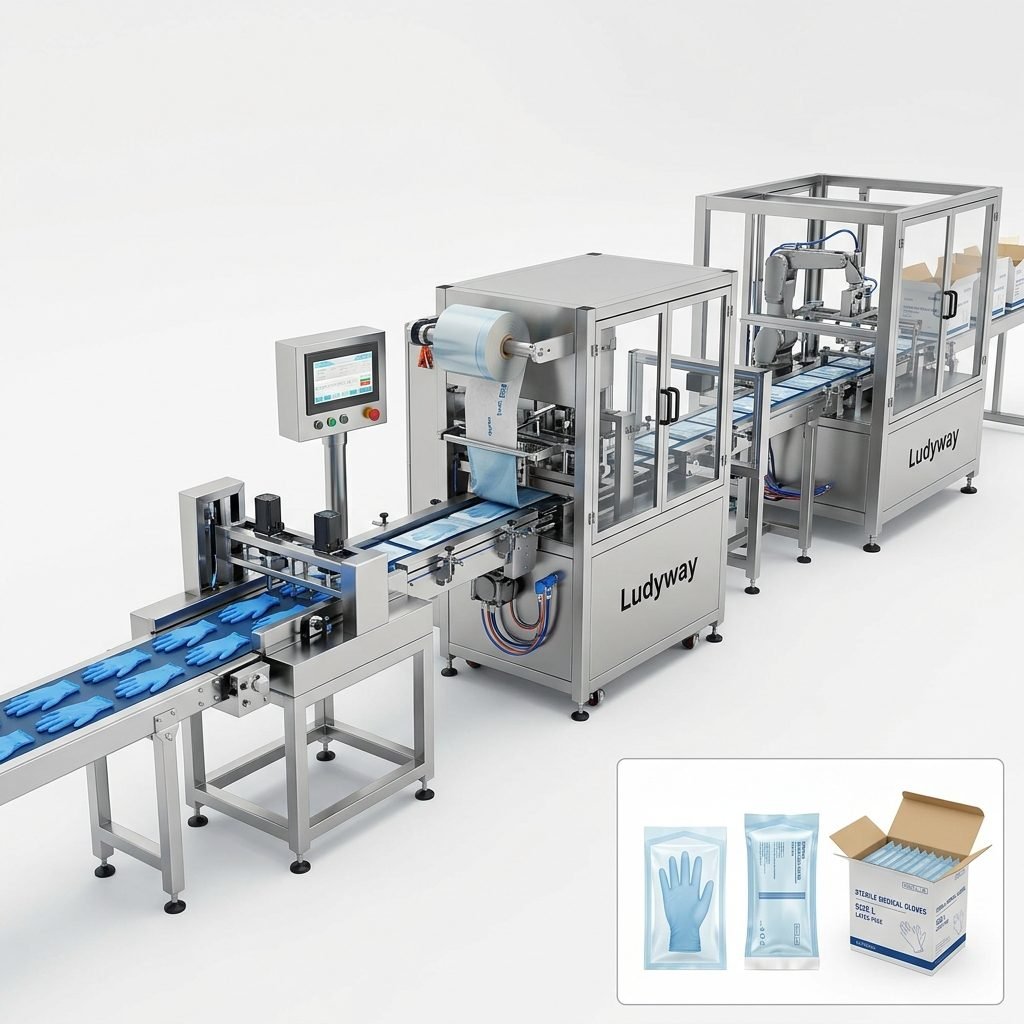
Implementing high-speed packaging often involves more than a single machine. A successful turnkey production line integrates several components: the primary packaging machine, upstream feeders (like auger or volumetric fillers), downstream handling (cartoning, case packing), and sophisticated software for production data tracking. Partnering with an expert provider who can design, supply, and commission this integrated system is crucial for unlocking seamless, reliable, and flexible production.
Driving Efficiency Across the Supply Chain
The impact of a high-speed, reliable packaging line extends far beyond the factory floor. It creates a ripple effect of efficiency throughout the supply chain. Faster production cycles mean quicker order fulfillment and the ability to operate with leaner inventory. The reduced physical footprint of modern, compact machines optimizes factory space. Furthermore, the precision of these systems leads to significant material savings—using just the right amount of packaging film—which aligns with both cost-reduction goals and corporate sustainability initiatives. This holistic efficiency is a key competitive advantage in global markets.
Partnering for Long-Term Success
Selecting the right packaging machinery partner is an investment in your operation’s future. A partner with deep industry experience brings invaluable insight into application challenges and best practices. Look for a provider with a proven track record in engineering robust equipment and offering comprehensive after-sales support, including training, spare parts availability, and technical service. This partnership ensures your high-speed packaging solution continues to deliver flexible and reliable performance for years to come, adapting to new products and evolving market demands.
Ultimately, investing in high-speed packaging machinery solutions is about building a foundation for growth. It empowers manufacturers to respond with agility, assure product quality consistently, and optimize total cost of ownership. By focusing on solutions that offer both flexibility and reliability, businesses can create a packaging operation that is not just fast, but also resilient, intelligent, and ready for the future.
Frequently Asked Questions (FAQs)
1. What industries most benefit from high-speed flexible packaging machinery?
While broadly applicable, the food, pharmaceutical, nutraceutical, and cosmetic industries derive significant value. These sectors often deal with varied product forms (powder, granule, liquid), require strict hygiene and accuracy, and face high demand for small-format, single-serve packaging, making speed and flexibility critical.
2. How does “flexibility” in packaging machinery translate in practical terms?
Practical flexibility means a single machine can handle multiple package sizes (e.g., different sachet or stick pack dimensions), various materials (different laminate films), and different products with minimal changeover time. This is achieved through quick-change parts, recipe storage in the machine’s PLC, and adaptable feeding systems.
3. What are the key features to look for to ensure machine reliability?
Prioritize machines with a robust mechanical frame, high-quality drive components (like servo motors), and precision-engineered sealing jaws. Equally important is the reliability of the control system—a well-designed PLC and HMI from a reputable brand. Finally, choose a supplier known for quality manufacturing and strong technical support, as detailed service is part of the reliability equation.
4. Can high-speed machines handle delicate or complex products?
Yes. Advanced machines use gentle handling mechanisms like vibratory trays with adjustable frequency, soft-touch pushers, and precision servo-driven film transport. For complex products like sticky pastes or volatile liquids, specialized filling systems (e.g., piston pumps) are integrated to ensure accurate, clean, and product-integrity-preserving packaging.
5. What is typically included in a “turnkey” packaging solution?
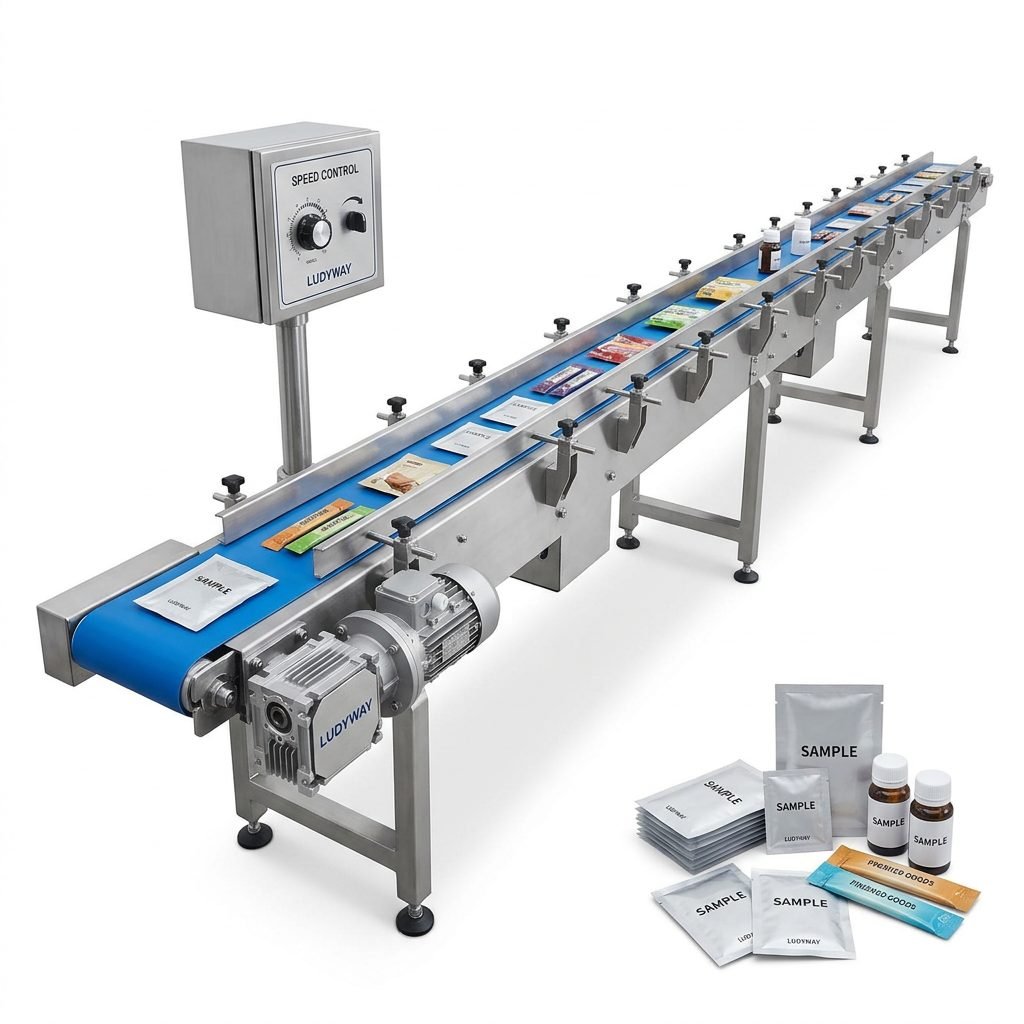
A turnkey solution is a complete, ready-to-operate system. It goes beyond the core packaging machine to include all necessary peripherals: product feeding systems, bulk supply handling, in-line checkweighers or metal detectors, finished package conveyors, and sometimes secondary packaging equipment. The provider handles the design, integration, installation, commissioning, and operator training, delivering a fully functional production line.