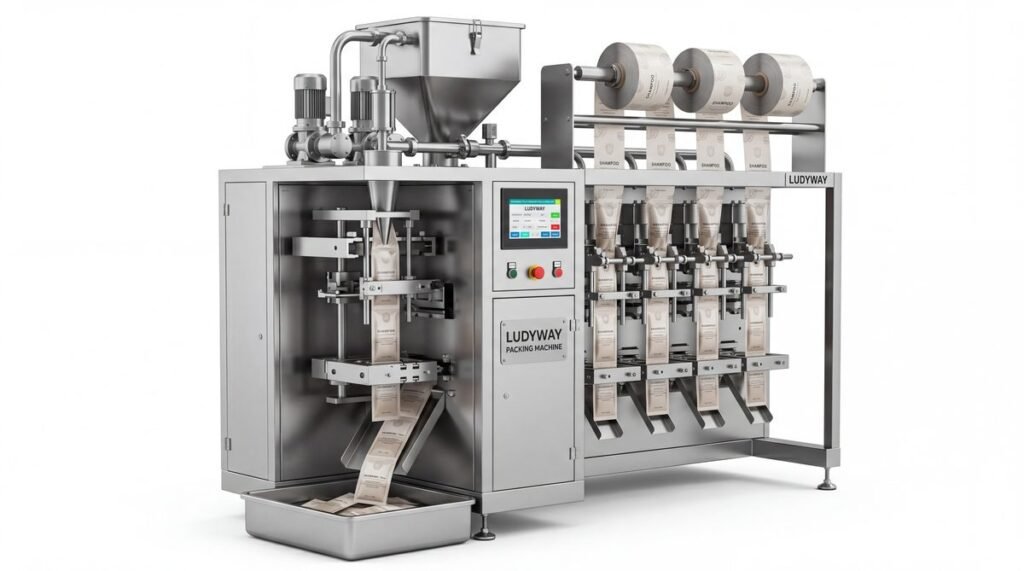
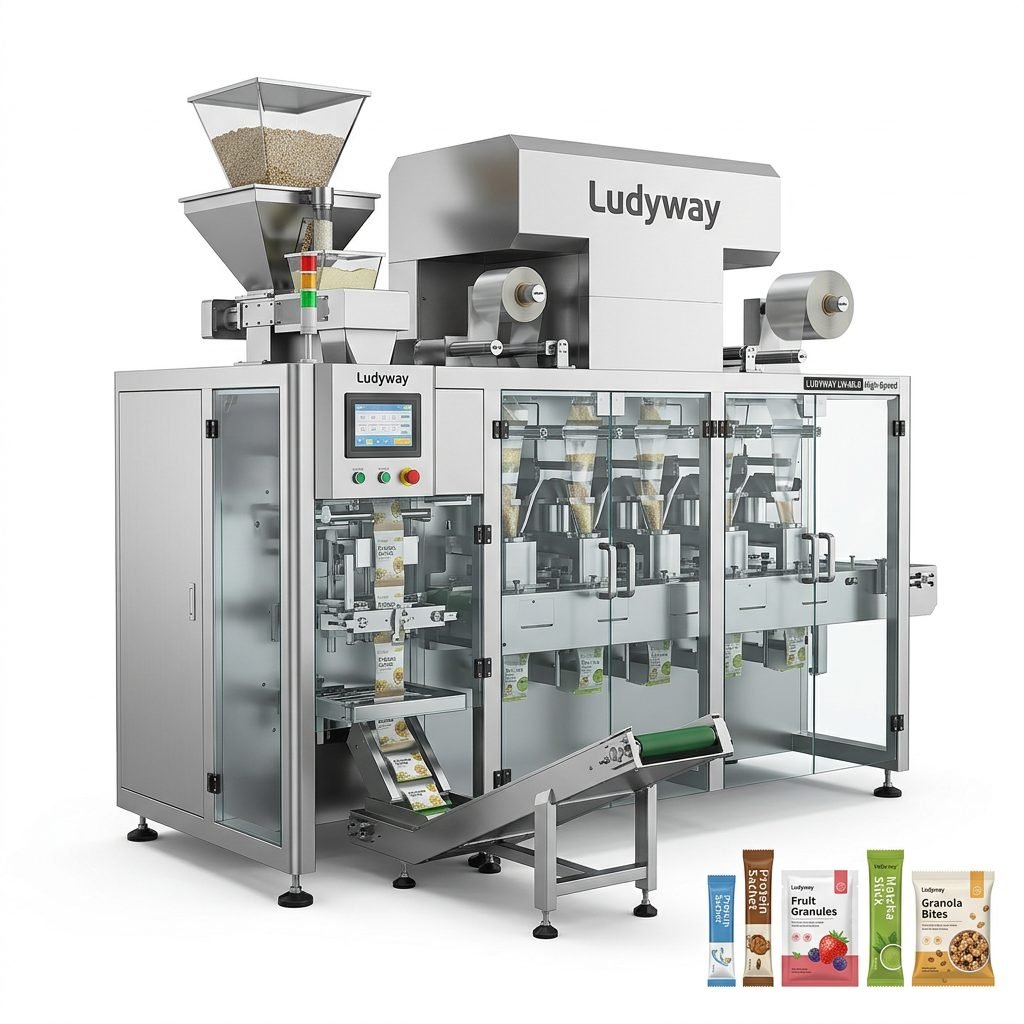
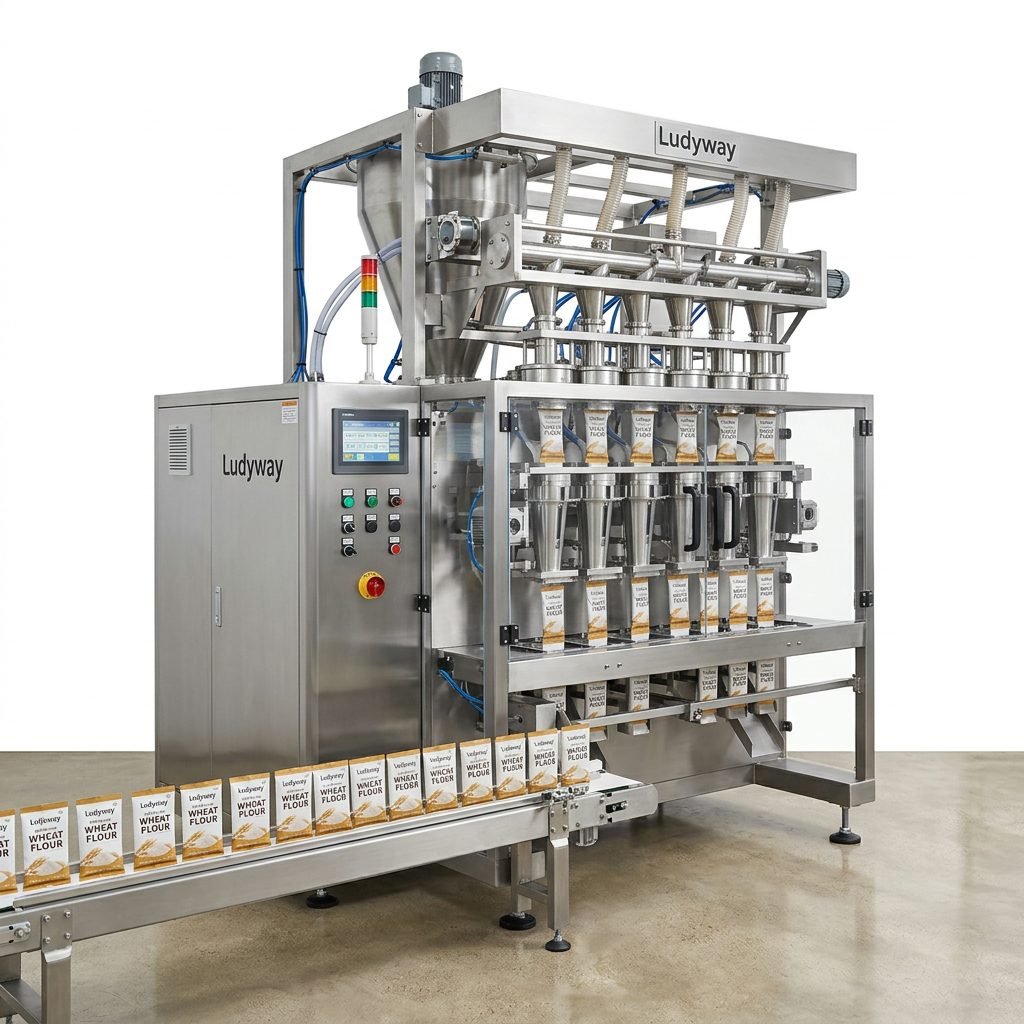
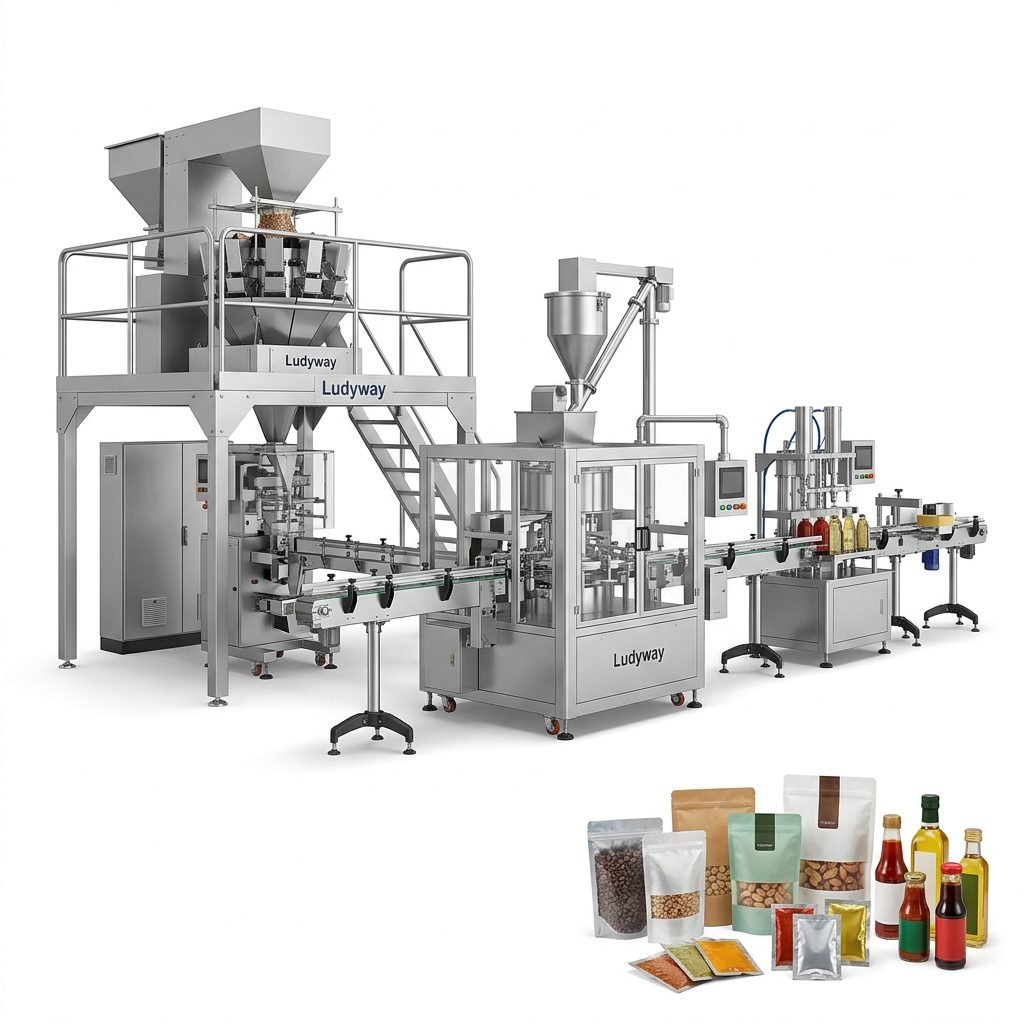
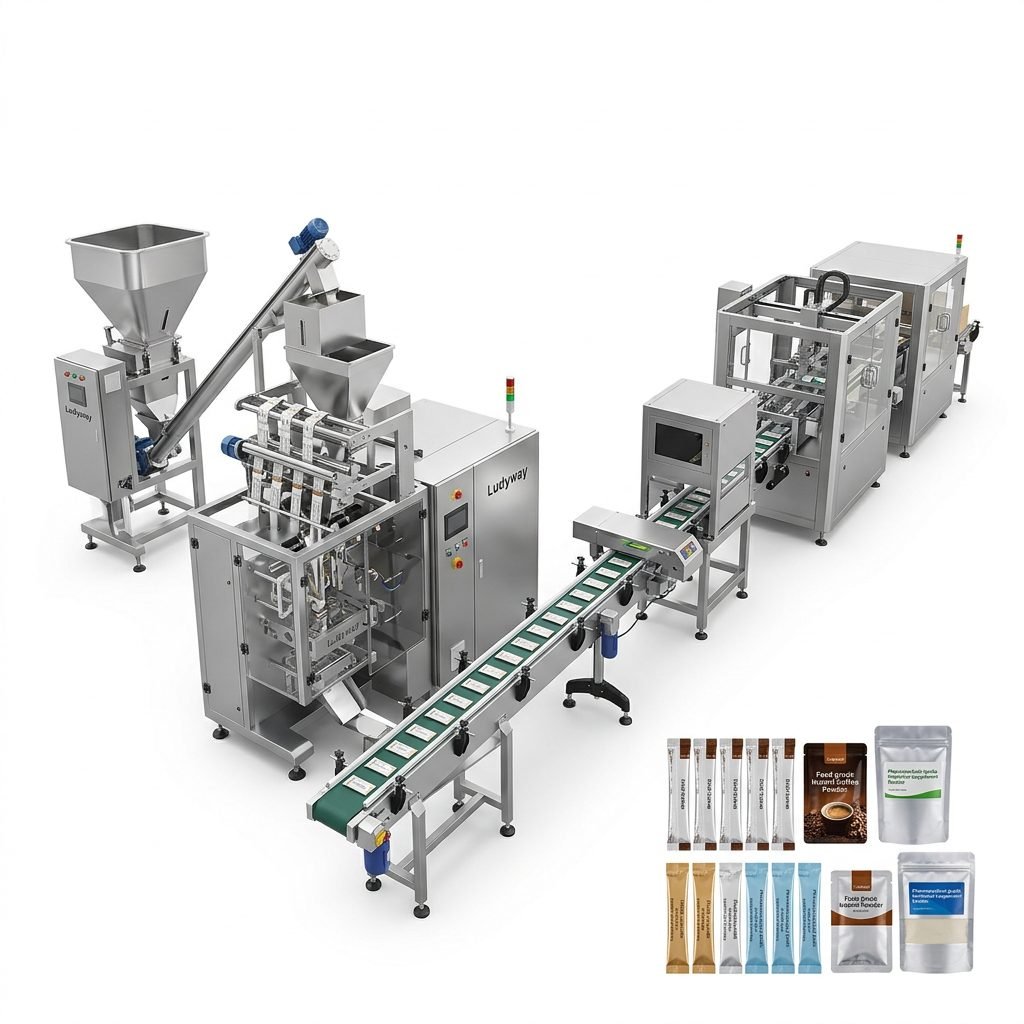
In the dynamic industrial landscape of the American South, packaging machinery plays a pivotal role. The region’s strong manufacturing base, particularly in food and beverage, pharmaceuticals, and consumer goods, demands robust, efficient, and adaptable packaging solutions. Southern manufacturers often value reliability, straightforward operation, and machinery that can handle high-volume production with a touch of traditional durability—a reflection of the region’s pragmatic and hard-working ethos. This guide provides a comprehensive overview of the types, key features, and diverse applications of packaging machinery essential for modern Southern industry.
Core Types of Packaging Machinery
The packaging process is multifaceted, and specialized machinery exists for each stage. Understanding these core types is the first step in selecting the right equipment for your production line.
1. Filling Machines
These machines are responsible for accurately dispensing product into containers, pouches, or other packaging formats. Accuracy and speed are paramount.
- Volumetric Fillers: Use cups, augers, or pistons to measure a specific volume of product. Ideal for granules, powders, and semi-solids.
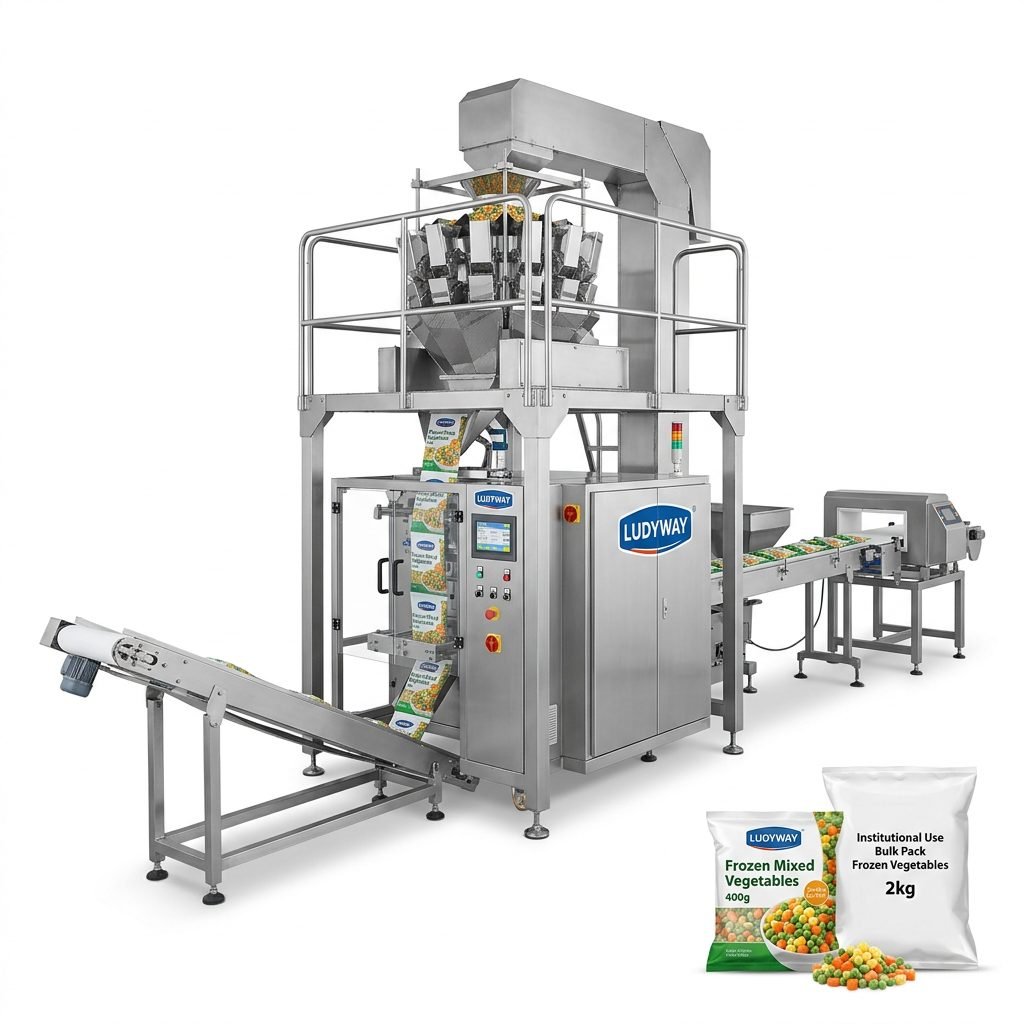
- Gravimetric Fillers (Net Weighers): Weigh the product for each fill, offering superior accuracy for high-value products like coffee or spices.
- Liquid Fillers: Include piston, overflow, and gravity fillers, designed for water, oils, sauces, and chemicals.
2. Sealing Machines
Once filled, the package must be securely closed to ensure product integrity and shelf life.
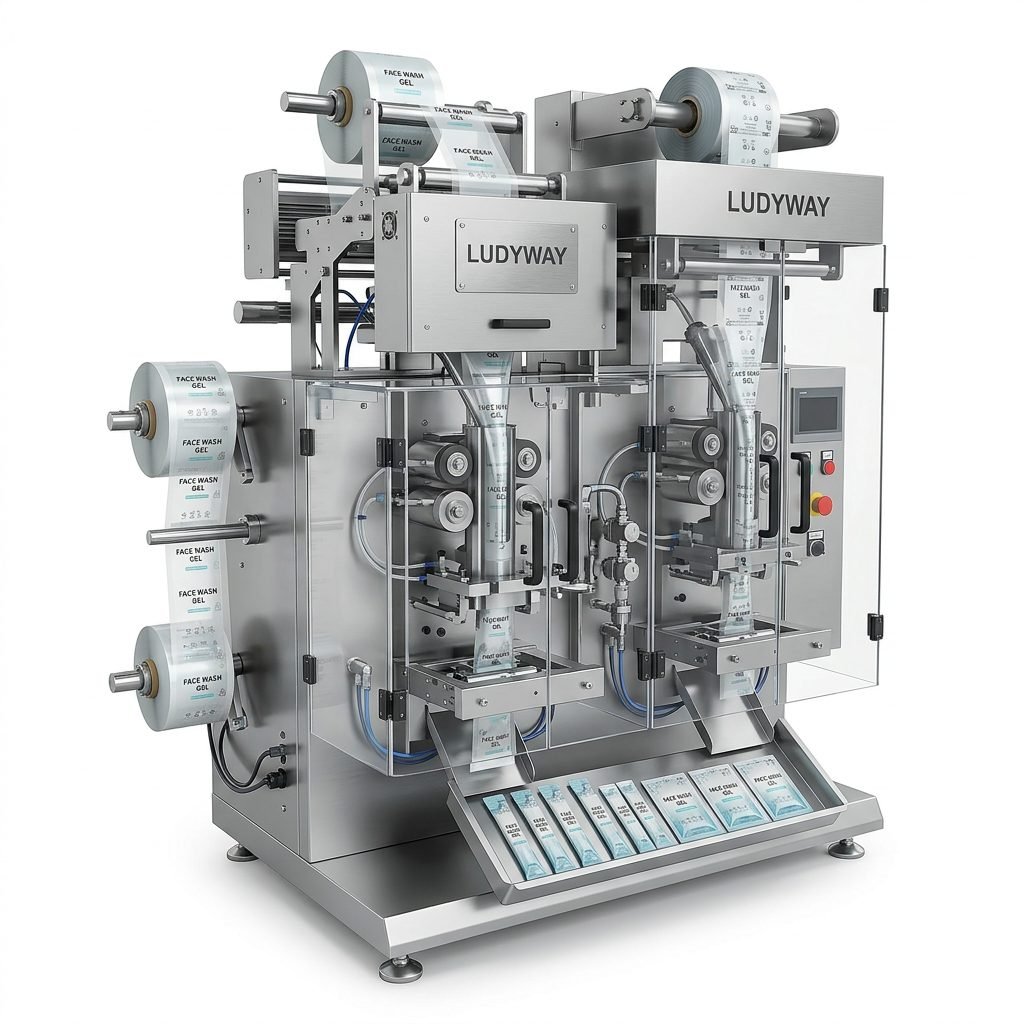
- Heat Sealers: Use heat and pressure to melt and fuse thermoplastic layers on pouches, stick packs, and sachets. The most common method for flexible packaging.
- Induction Sealers: Create a hermetic, tamper-evident seal under the cap of bottles and jars, crucial for pharmaceuticals and liquid foods.
- Carton Sealers: Automatically apply tape or hot melt adhesive to close corrugated shipping cases.
3. Wrapping and Bundling Machines
These machines group primary packages together for sale, distribution, or further protection.
- Flow Wrappers: Encase individual products or multi-packs in a tight film wrap, common for baked goods, candy bars, and frozen foods.
- Shrink Wrappers: Use a loose sleeve of film that shrinks tightly around products when heat is applied, excellent for bundling bottles, cans, or securing pallet loads.
- Stretch Wrappers: Stretch a plastic film around palletized goods for stability during shipping and storage.
Essential Features for Modern Operations
Beyond basic function, today’s packaging machinery incorporates features that drive efficiency, flexibility, and compliance.
Automation and Integration
Modern lines feature programmable logic controllers (PLCs) and touch-screen HMIs (Human-Machine Interfaces) for easy setup and changeover. Machines can be integrated with conveyors, robotic palletizers, and vision inspection systems to create a seamless, high-speed production line.
Changeover Flexibility
Quick-Change tooling and recipe storage allow a single machine to handle multiple package sizes and products with minimal downtime. This is vital for manufacturers running short batches of seasonal or regional products.
Hygienic and Sanitary Design
For food and pharmaceutical applications, machinery must have smooth, crevice-free surfaces, be made of USDA/FDA-approved materials (like 304 or 316 stainless steel), and allow for easy cleaning and washdown.
🔍 Spotlight on Sustainability
Southern consumers and businesses are increasingly eco-conscious. Packaging machinery now supports this shift through features like precision filling to reduce material use, compatibility with recyclable or compostable films, and systems designed to handle lightweight, source-reduced packaging without compromising seal integrity.
Data Connectivity & Industry 4.0
Advanced machines offer OPC-UA or Ethernet connectivity for data collection on output, downtime, and maintenance needs. This enables predictive maintenance and integration into factory-wide monitoring systems.
Applications Across Southern Industries
The versatility of packaging machinery meets the specific needs of the South’s key economic sectors.
Food & Beverage
This is the largest application sector. Machinery must handle everything from dry goods to viscous liquids.
- Snack Foods (Nuts, Chips): Multi-lane vertical form-fill-seal (VFFS) machines for high-speed pouch packing.
- Condiments & Sauces: Liquid piston fillers for bottles and jars, often paired with capping and induction sealing.
- Coffee & Spices: Granular weigh-fill machines and single-serve stick pack machines for portion control.
- Baked Goods: Flow wrappers for individual items and tray sealers for multi-packs.
Pharmaceutical & Nutraceutical
Precision, cleanliness, and regulatory compliance (e.g., 21 CFR Part 11) are non-negotiable.
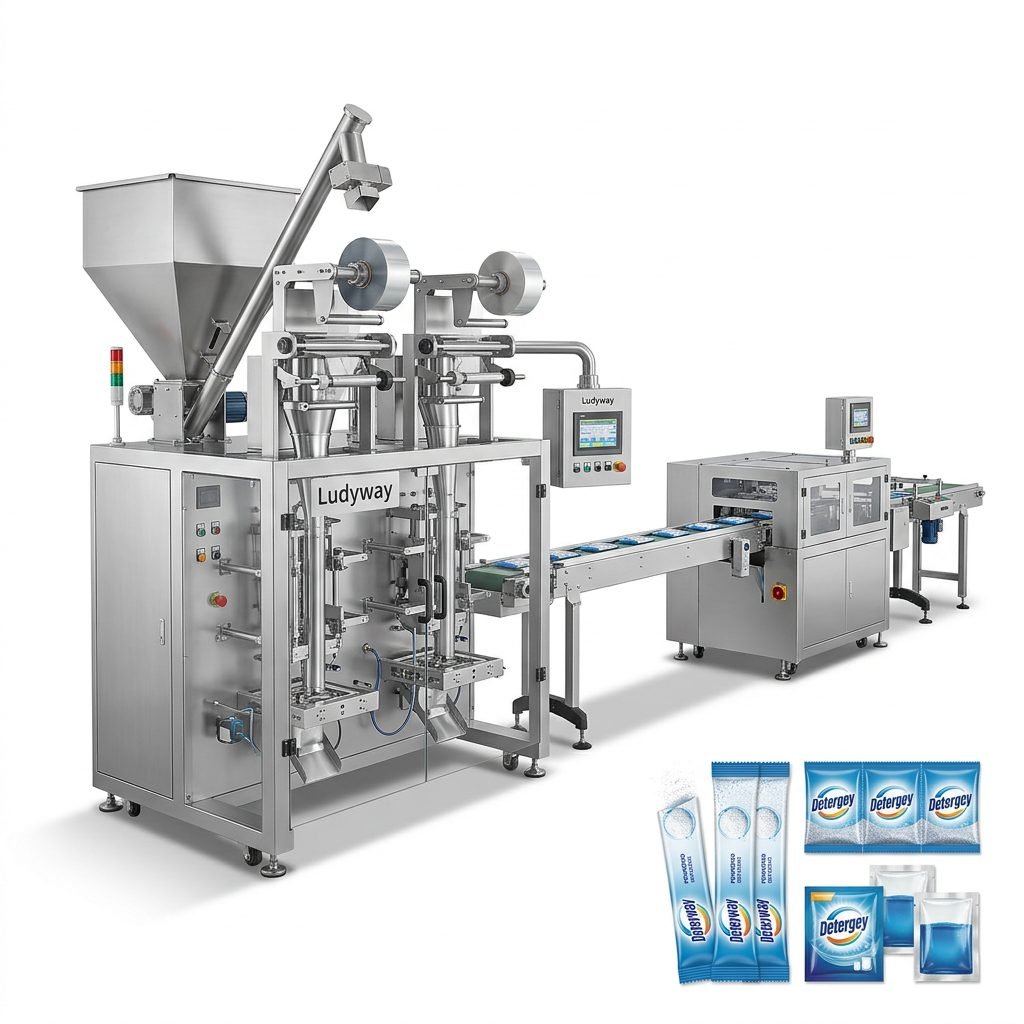
- Powder Supplements: Auger fillers in clean-room environments for canisters or stick packs.
- Tablets & Capsules: High-accuracy counters and blister packaging machines.
- Liquid Medicines: Sterile liquid filling lines with integrated tamper-evident sealing.
Agricultural & Chemical
Durability and the ability to handle abrasive or corrosive materials are key.
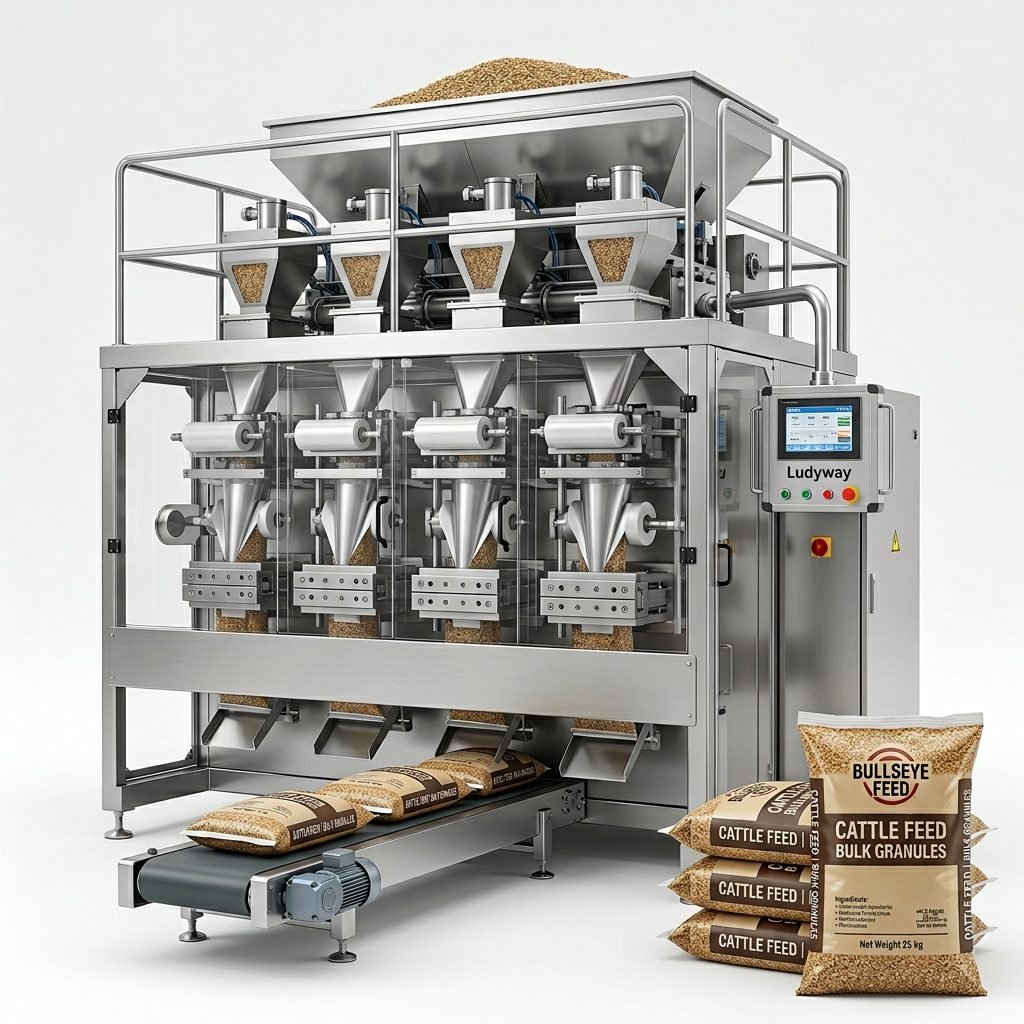
- Seed & Fertilizer: Robust VFFS machines for heavy-duty woven poly bags.
- Pool Chemicals & Pesticides: Corrosion-resistant fillers and sealers for safe, secure packaging.
Choosing the Right Partner
Selecting machinery is also about choosing a supplier. Look for a partner with deep application knowledge, readily available spare parts, and strong technical support. A provider like Ludyway Machinery, with over 30 years of industry experience, exemplifies this approach. They offer more than 50 intelligent packaging machine models and focus on delivering innovative, efficient, and high-quality automated packaging solutions tailored to global—and specifically Southern—production needs. Their commitment to reliable solutions for granule, powder, and liquid packaging aligns perfectly with the region’s industrial profile.
Frequently Asked Questions (FAQs)
1. What type of packaging machine is best for small-batch artisanal food production?
Answer: For small batches, prioritize machines with quick and simple changeover. Tabletop or semi-automatic fillers and sealers are often ideal. Look for suppliers that offer flexible, lower-volume solutions without sacrificing quality, allowing you to maintain the handcrafted appeal while ensuring professional packaging.
2. How important is sanitary design for non-food products?
Answer: It is still very important for product integrity and maintenance. Hygienic design reduces places for product dust or residue to accumulate, making cleaning faster and preventing cross-contamination between production runs. This is crucial for pharmaceuticals, nutraceuticals, and high-end cosmetics.
3. Can one machine handle both powders and granules?
Answer: Many machines, particularly those with interchangeable auger or cup filling systems, can handle both. However, the machine may require adjustments and different tooling (like auger pitch and size) to achieve optimal accuracy and speed for each product type. Always consult with your machinery provider about multi-product capabilities.
4. What are the key maintenance requirements for packaging machinery?
Answer: Regular maintenance is crucial for uptime. Daily cleaning, periodic lubrication of moving parts (as per manual), inspection and replacement of wear items like sealing jaws, gaskets, and cutting blades, and keeping sensors clean are essential. Choosing a supplier with clear manuals and good parts availability, like Ludyway Machinery, simplifies long-term maintenance.
5. How can I improve the sustainability of my packaging line?
Answer: Start by optimizing your machine’s settings to minimize film waste and product overfill. Then, explore machinery upgrades that allow you to run thinner-gauge or mono-material recyclable films. Finally, consider integrating systems that use renewable energy sources or recover heat from sealing processes. A knowledgeable supplier can audit your line and recommend the most effective upgrades.