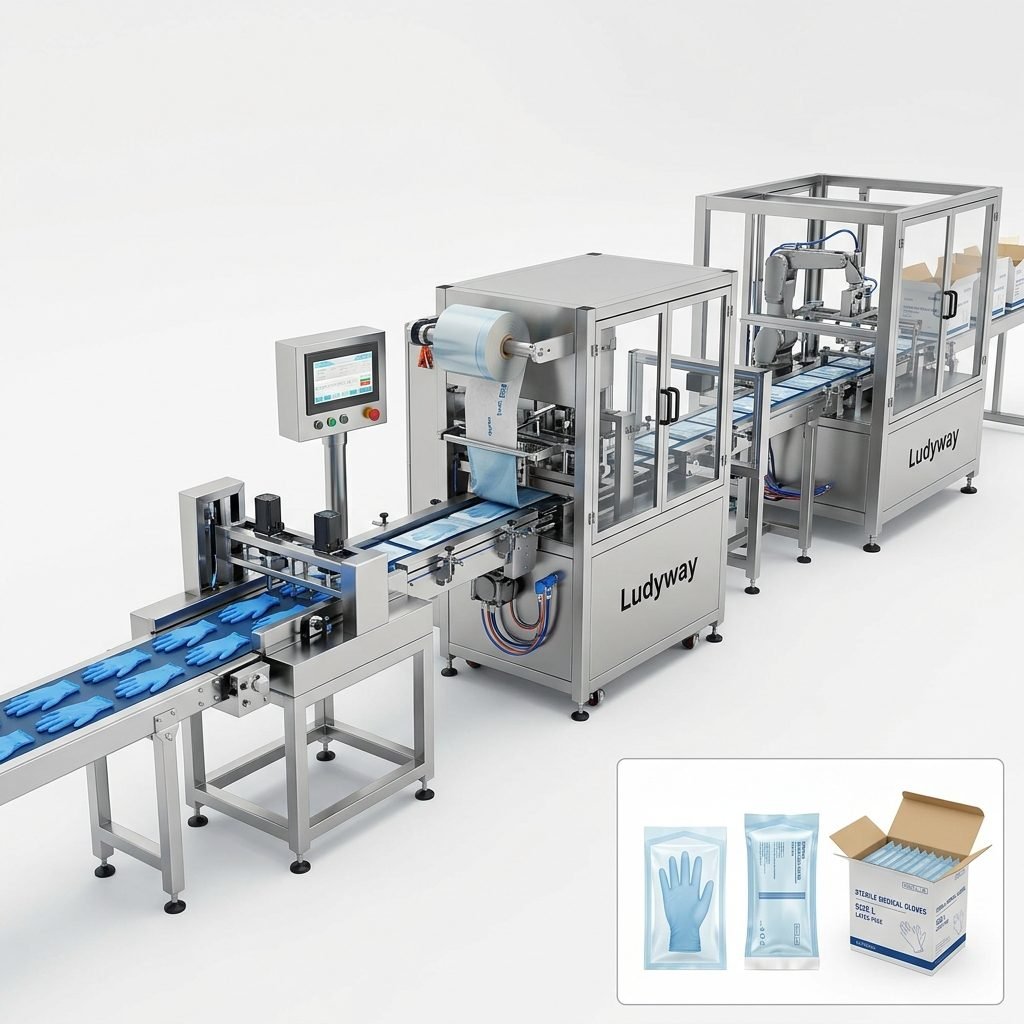
Selecting the right industrial packaging equipment is a critical decision that impacts production efficiency, product safety, and overall operational costs. This guide provides a comprehensive overview of the main types of packaging machinery, their key features, and a structured approach to choosing the best machine for your specific application.
Primary Types of Industrial Packaging Equipment
The industrial packaging landscape is diverse, with machines designed for different product forms, speeds, and packaging styles. Understanding the core categories is the first step.
1. Form-Fill-Seal (FFS) Machines
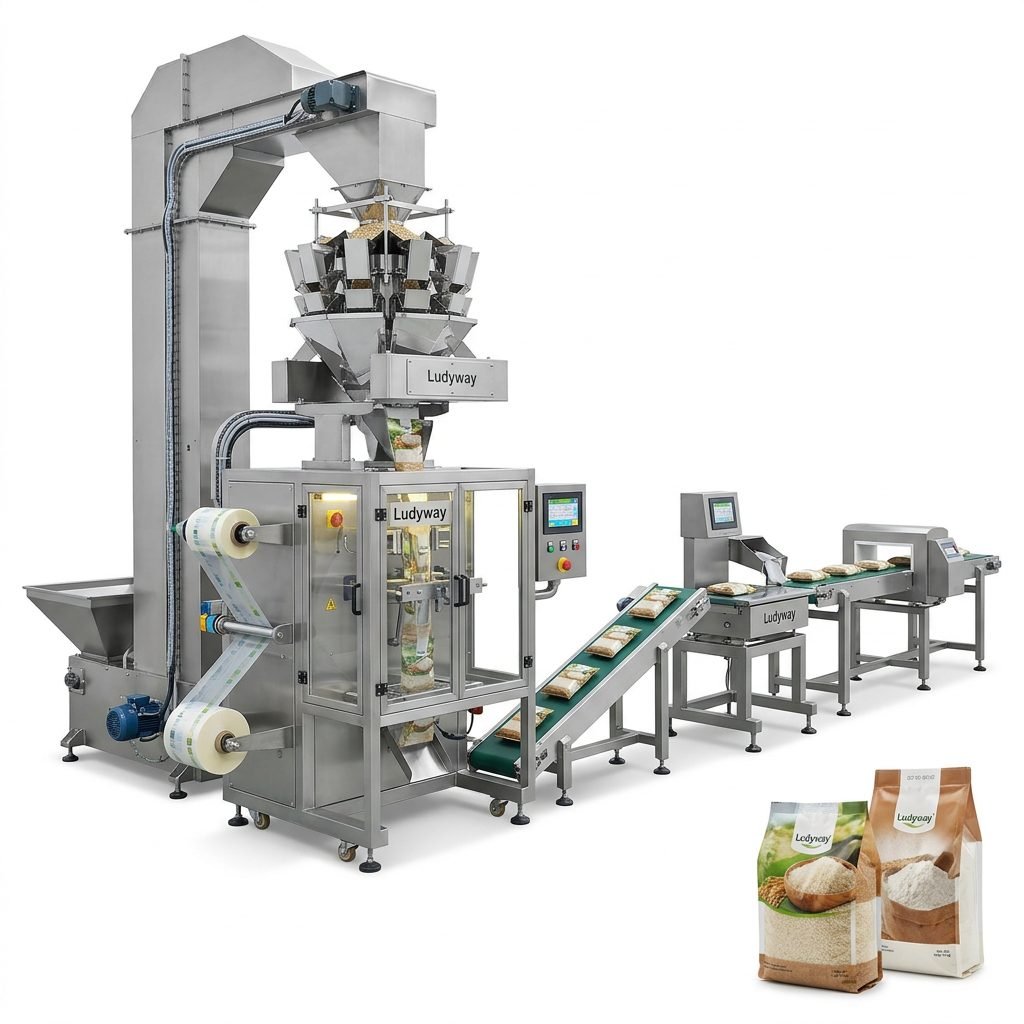
These are the workhorses of modern packaging, creating the package from a roll of film, filling it with product, and sealing it in one continuous operation. They are highly efficient and reduce material waste.
Key Variants:
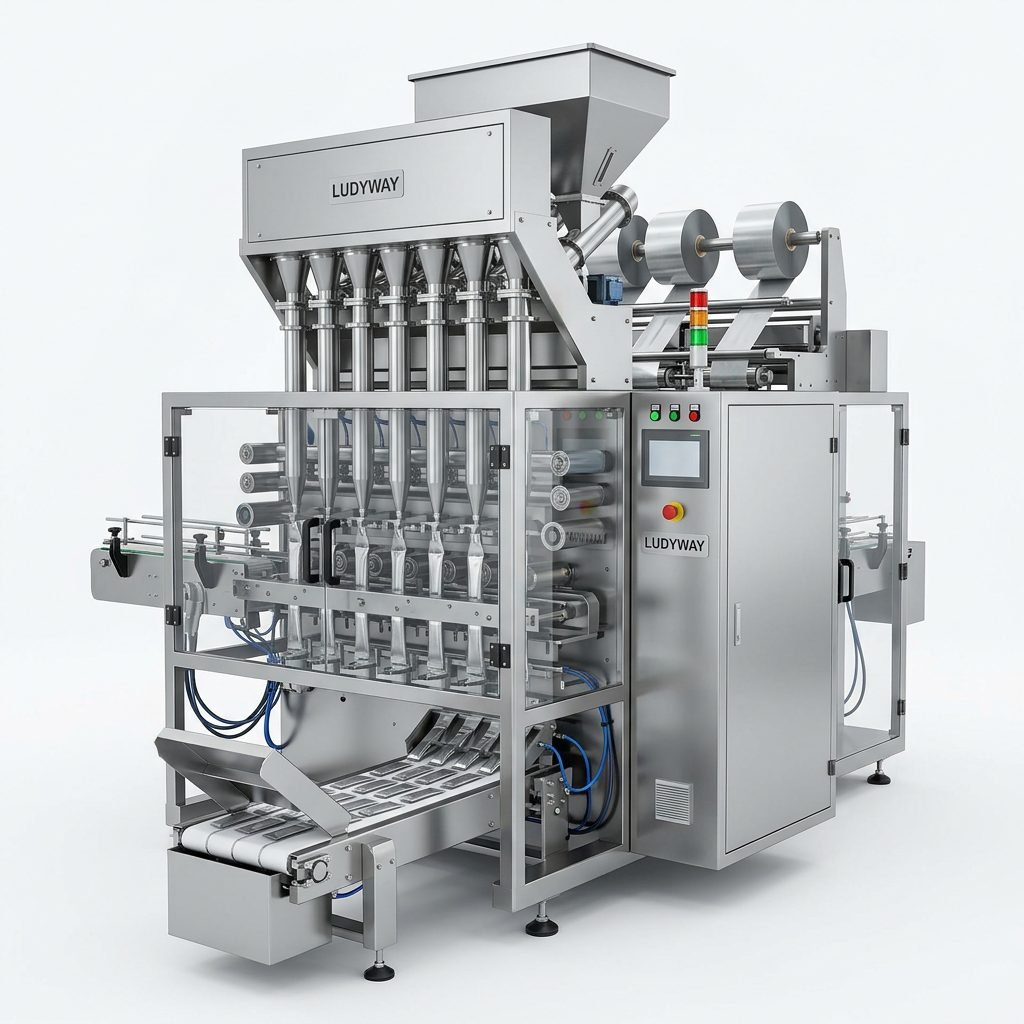
Vertical Form-Fill-Seal (VFFS): Ideal for granules, powders, seeds, and snacks. Product is filled vertically into bags formed from a single roll of film. They are space-saving and perfect for free-flowing products.
Horizontal Form-Fill-Seal (HFFS): Used for biscuits, bars, medical devices, and multi-packs. The film is formed horizontally, allowing for more complex package shapes and graphic presentation.
2. Pre-Made Bag/Pouch Fillers
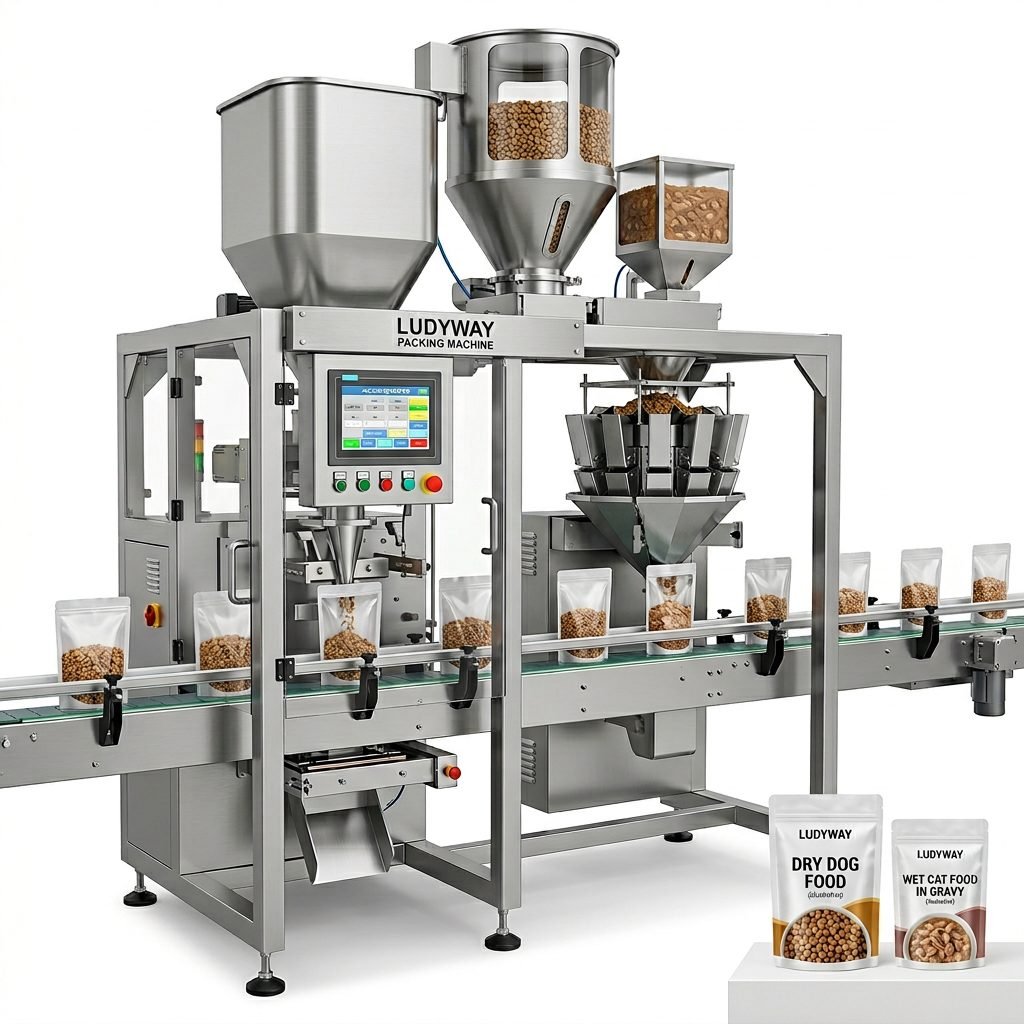
These machines use pre-manufactured bags or pouches, which are then opened, filled, and sealed. This method is excellent for products requiring high-quality printed packaging or for operations that cannot accommodate film rolls.
3. Liquid & Paste Filling Machines
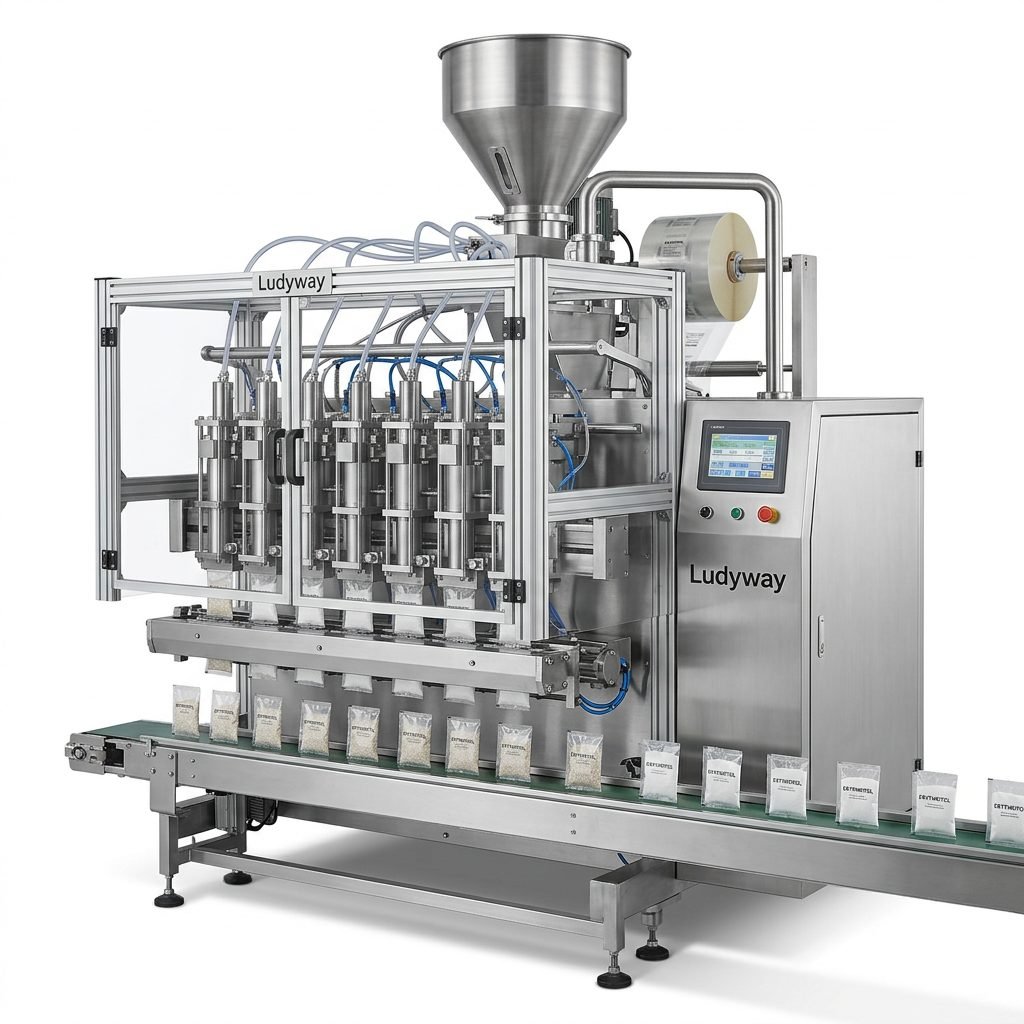
Designed specifically for viscous products like sauces, oils, creams, and chemicals. They utilize pumps (piston, peristaltic, gravity) for precise volumetric filling into bottles, jars, or pouches.
4. Capping, Sealing & Labeling Machines
Downstream equipment that completes the packaging process. This includes cappers for bottles, induction sealers for tamper-evidence, and labelers for product identification and branding.
5. End-of-Line & Palletizing Systems
This category includes case packers, cartoners, and robotic palletizers that automate the final steps of bundling and preparing shipments for distribution.
Essential Features & Technological Considerations
Beyond the basic type, several features define a machine’s capability, reliability, and suitability for your factory floor.
Automation Level & Speed (CPM)
Machines range from semi-automatic to fully automated high-speed lines. Speed, measured in cycles per minute (CPM), must align with your production volume. Consider future growth to avoid under-specifying.
Construction & Durability
Look for a robust frame (stainless steel or hardened aluminum) and food-grade contact parts (304 or 316L stainless steel). This ensures longevity, hygiene compliance, and minimal downtime.
🔍 Precision & Flexibility
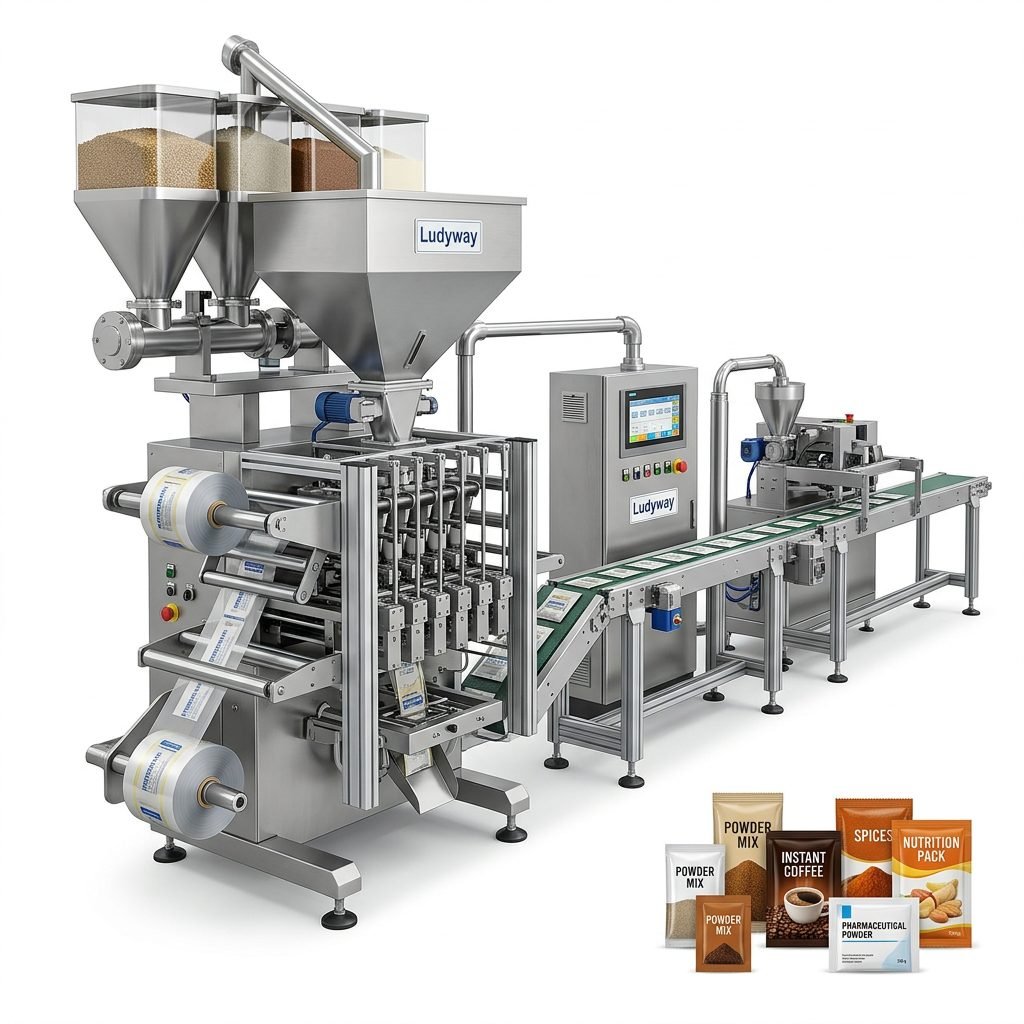
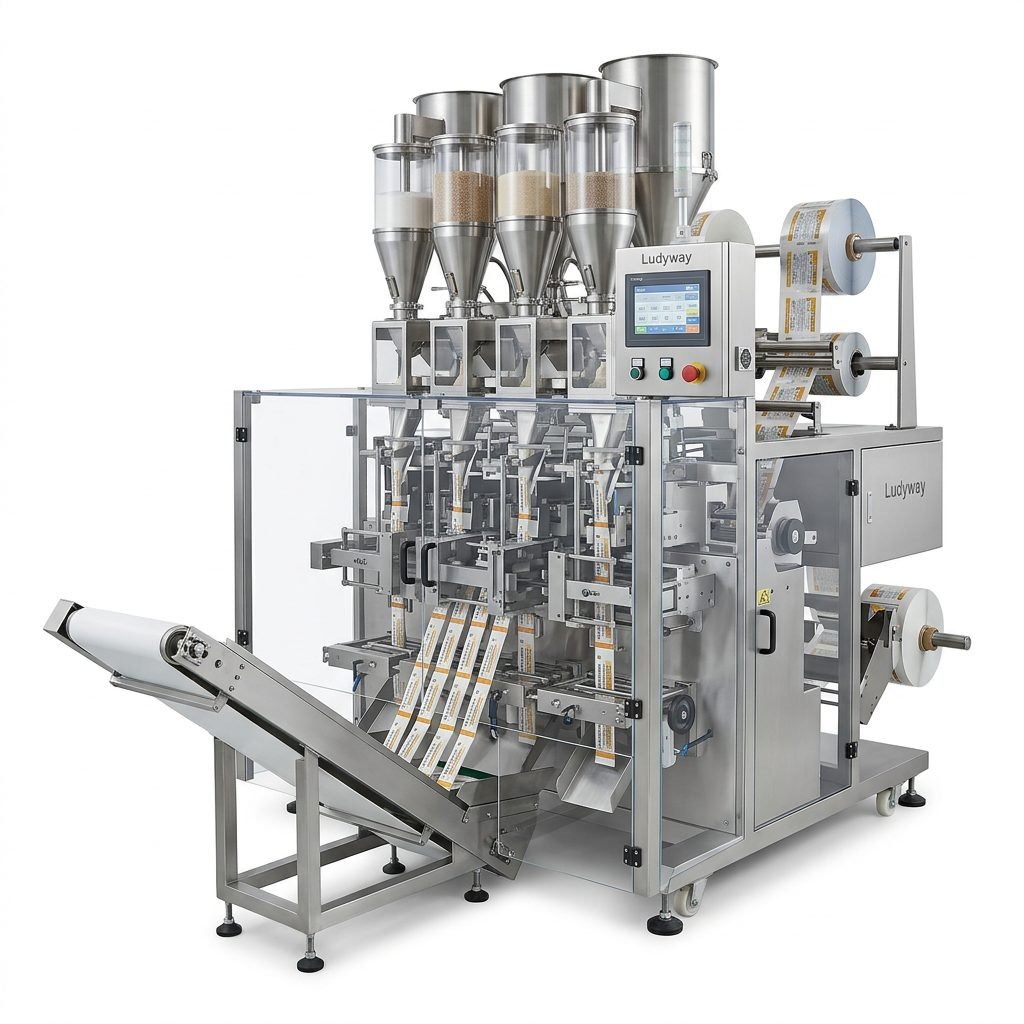
Modern machines offer servo-motor drives for exceptional accuracy in filling and sealing. Flexibility is crucial for handling multiple product types, bag sizes, and packaging materials with quick changeovers. A machine that can run both stick packs and sachets, for example, adds significant value.
Control System & HMI
An intuitive Human-Machine Interface (HMI) or touchscreen PLC is vital for easy operation, recipe storage, and troubleshooting. Look for clear diagnostics and multi-language support for global operations.
Hygiene & Safety Design
For food, pharma, or cosmetic applications, machines must be easy to clean (CIP/SIP options) and designed with safety guards, emergency stops, and compliance with relevant standards (CE, UL, GMP).
How to Choose the Right Packaging Machine: A Step-by-Step Guide
Making an informed investment requires a systematic evaluation of your needs against the machine’s specifications.
Step 1: Define Your Product & Packaging Specs
- Product Characteristics: Form (granule, powder, liquid), flowability, abrasiveness, density, and sensitivity (to heat, moisture, light).
- Packaging Details: Desired bag/pouch type (pillow, gusseted, stand-up), size range, and material (laminate structure, film thickness).
Step 2: Analyze Production Requirements
- Output Speed: Required bags/per minute or hour. Include peak demand considerations.
- Floor Space: Measure available space for the machine and necessary operator access.
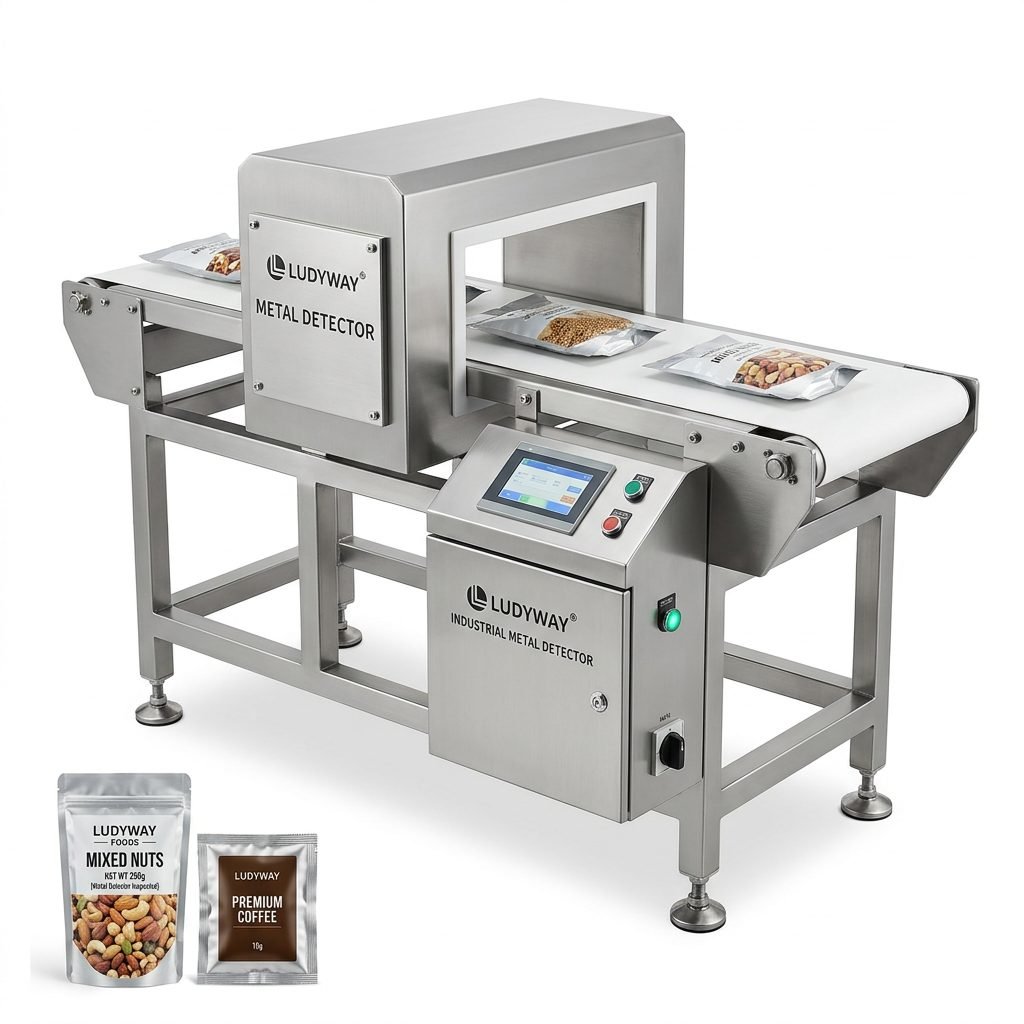
- Integration Needs: Will it be a standalone unit or part of an integrated line with feeders, checkweighers, etc.?
Step 3: Evaluate Supplier Credentials
Partnering with a reliable supplier is as important as the machine itself. Look for:
Industry Experience: Suppliers with deep application knowledge in your sector (e.g., food, pharmaceuticals) can provide better solutions. Companies like Ludyway Machinery, with over a decade of focus, understand the nuanced needs of different industries.
Technical Support & Service: Ensure they offer comprehensive installation, training, spare parts availability, and responsive after-sales support. A global service network is a plus for international businesses.
Manufacturing Quality: Inquire about their production facility and quality control processes. A visit or virtual tour can be revealing.
Step 4: Request a Product Test & Review Quotes
Always insist on a live product test using your actual product and packaging material. This is the only way to verify performance, speed, and seal integrity. Compare quotes in detail, looking beyond price at warranty terms, delivery timeline, and what’s included in the service package.
Step 5: Plan for Installation & Future
Discuss installation requirements (power, air, space) and operator training. Consider the machine’s scalability and potential for upgrades to meet future production needs or new product launches.
Conclusion
Investing in industrial packaging equipment is a strategic decision that requires careful analysis of your product, output goals, and operational environment. By understanding the different machine types, prioritizing key features like precision and hygiene, and following a rigorous selection process that includes product testing and supplier evaluation, you can secure a machine that boosts productivity, ensures product quality, and delivers a strong return on investment. Partnering with an experienced and reliable packaging machinery provider is invaluable for navigating this complex landscape and achieving long-term packaging success.
Frequently Asked Questions (FAQs)
1. What is the main difference between VFFS and HFFS machines?
Vertical Form-Fill-Seal (VFFS) machines create bags vertically from a single roll of film and are best for free-flowing products like coffee, nuts, or powders. Horizontal Form-Fill-Seal (HFFS) machines form packages horizontally and are used for items that need to be laid flat, like candy bars, biscuits, or tools, often allowing for more sophisticated package shapes.
2. How important is a product test before purchasing a machine?
It is absolutely critical. A product test using your specific materials validates the machine’s filling accuracy, seal strength, and operational speed. It is the most reliable way to prevent costly mismatches and ensure the equipment will perform as expected in your facility.
3. Can one packaging machine handle different bag sizes and products?
Many modern machines are designed for flexibility. Look for models with quick-change parts and servo-driven adjustments that allow for switching between different bag sizes and even some product types (e.g., from granules to small seeds) with minimal downtime. However, extreme product differences (e.g., powder to liquid) typically require different machine types.
4. What are the key maintenance requirements for packaging equipment?
Regular maintenance includes daily cleaning of product contact parts, lubrication of moving components as per the manual, inspection of sealing jaws and cutters for wear, and calibration of scales or fill volumes. A proactive maintenance schedule based on the manufacturer’s guidelines is essential for longevity.
5. Where can I learn more about turnkey packaging solutions?
For comprehensive solutions that integrate multiple machines into a complete line, it’s best to consult with a specialist provider. You can explore detailed information on complete packaging line solutions to understand how different machines work together for end-to-end automation.