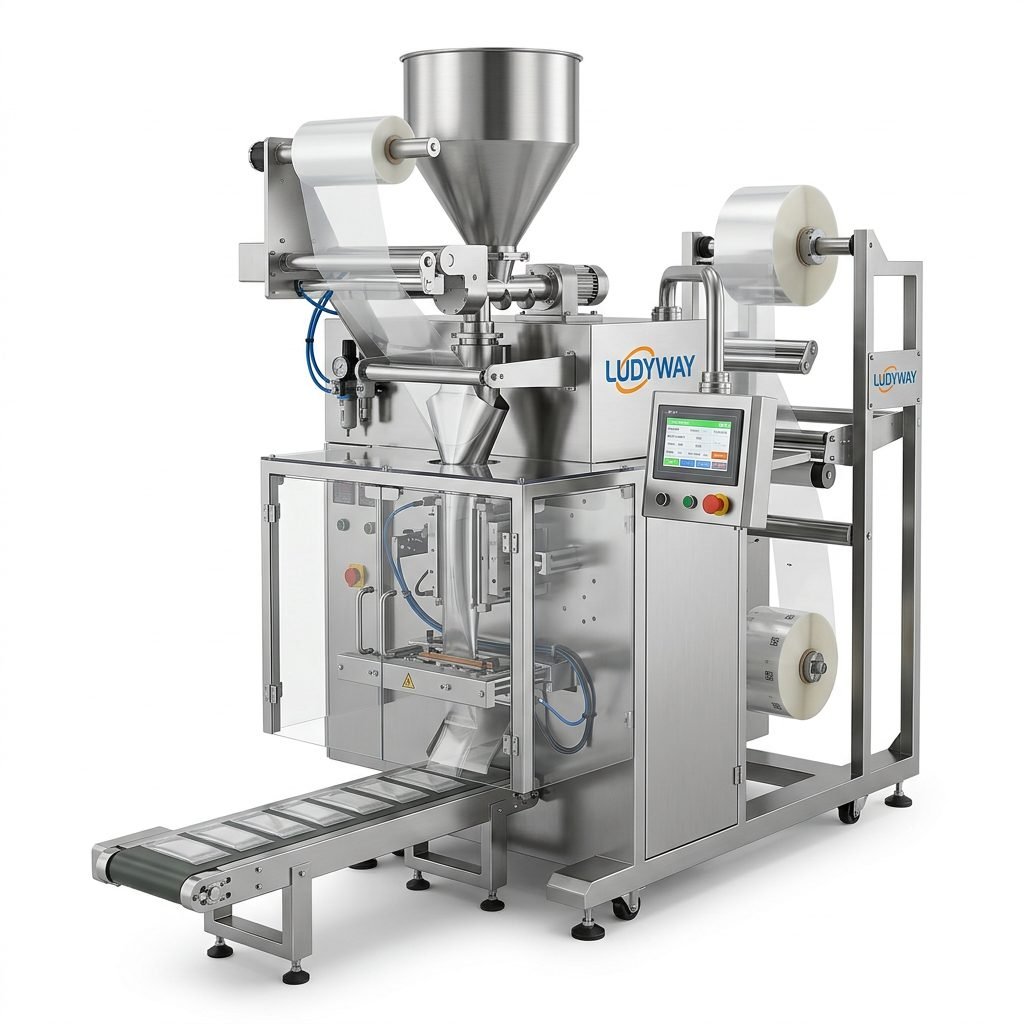
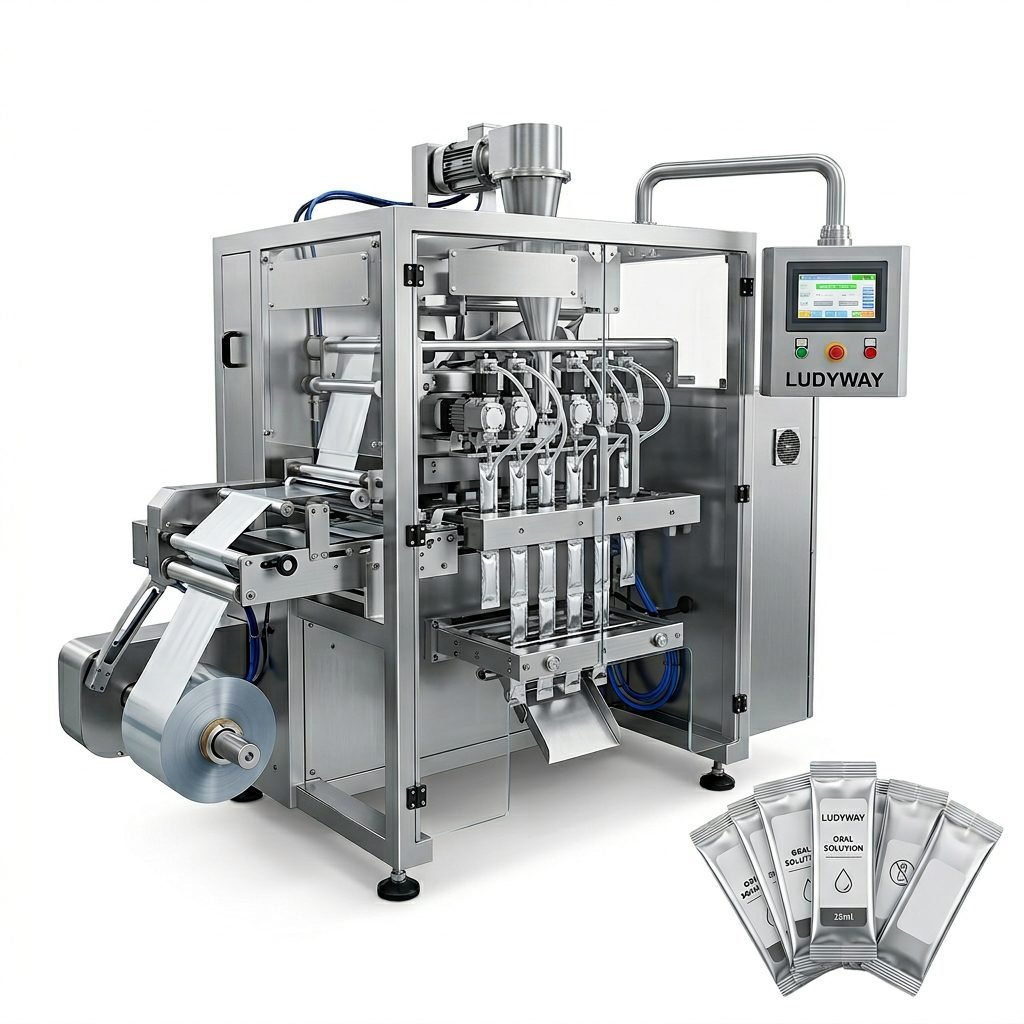
In the competitive world of dairy and nutritional product manufacturing, selecting the right milk powder packaging machine is a critical decision. It directly impacts product integrity, shelf life, production efficiency, and overall operational costs. This comprehensive guide delves into the various types of milk powder packaging machines, explains their working processes, and provides a clear framework to help you choose the perfect equipment for your specific needs.
Understanding the Core Types of Milk Powder Packaging Machines
The packaging process for milk powder can be segmented based on the final package form and the level of automation. Choosing the correct type is the first step toward an efficient production line.
1. Form-Fill-Seal (FFS) Machines
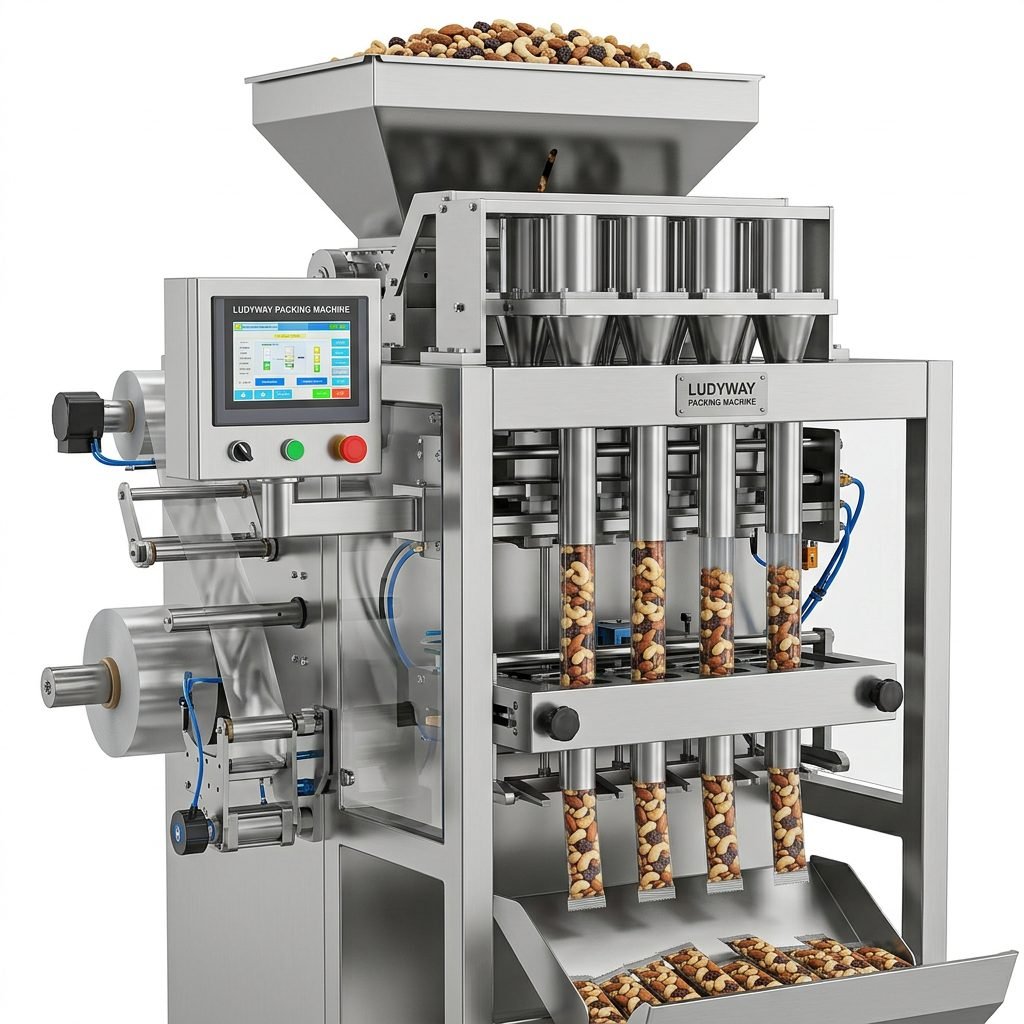
These are the most common and versatile machines used in powder packaging. They form the packaging material (usually a roll of laminated film) into a pouch, fill it with a precise dose of milk powder, and then seal it—all in one continuous, automated process.
Key Advantage: FFS machines offer high efficiency, excellent hygiene (as the package is formed from a sterile roll), and significant material cost savings. They are ideal for producing sachets, stick packs, and pillow bags in various sizes.
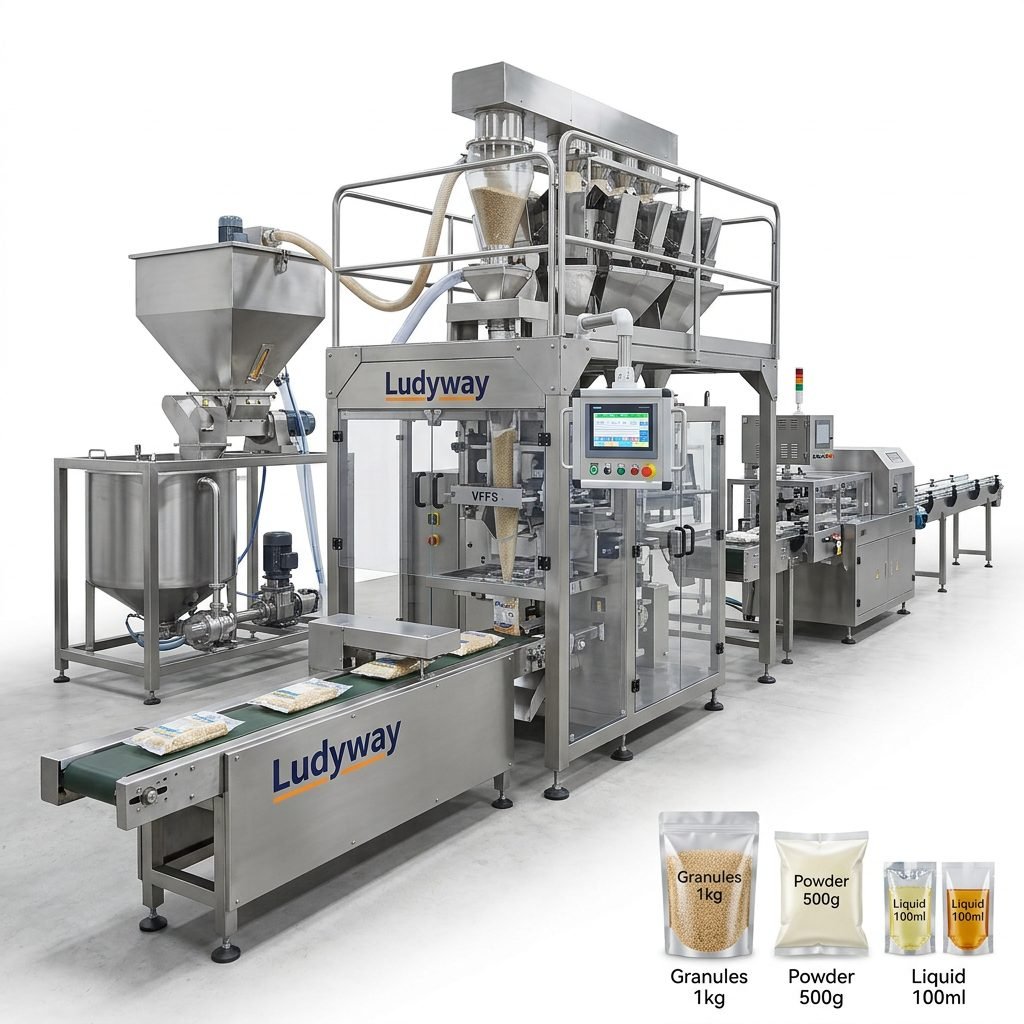
Vertical Form-Fill-Seal (VFFS)
The film moves vertically. Powder is filled from above into the forming tube. Perfect for free-flowing powders and is the standard for single-serve sachets and larger retail bags.
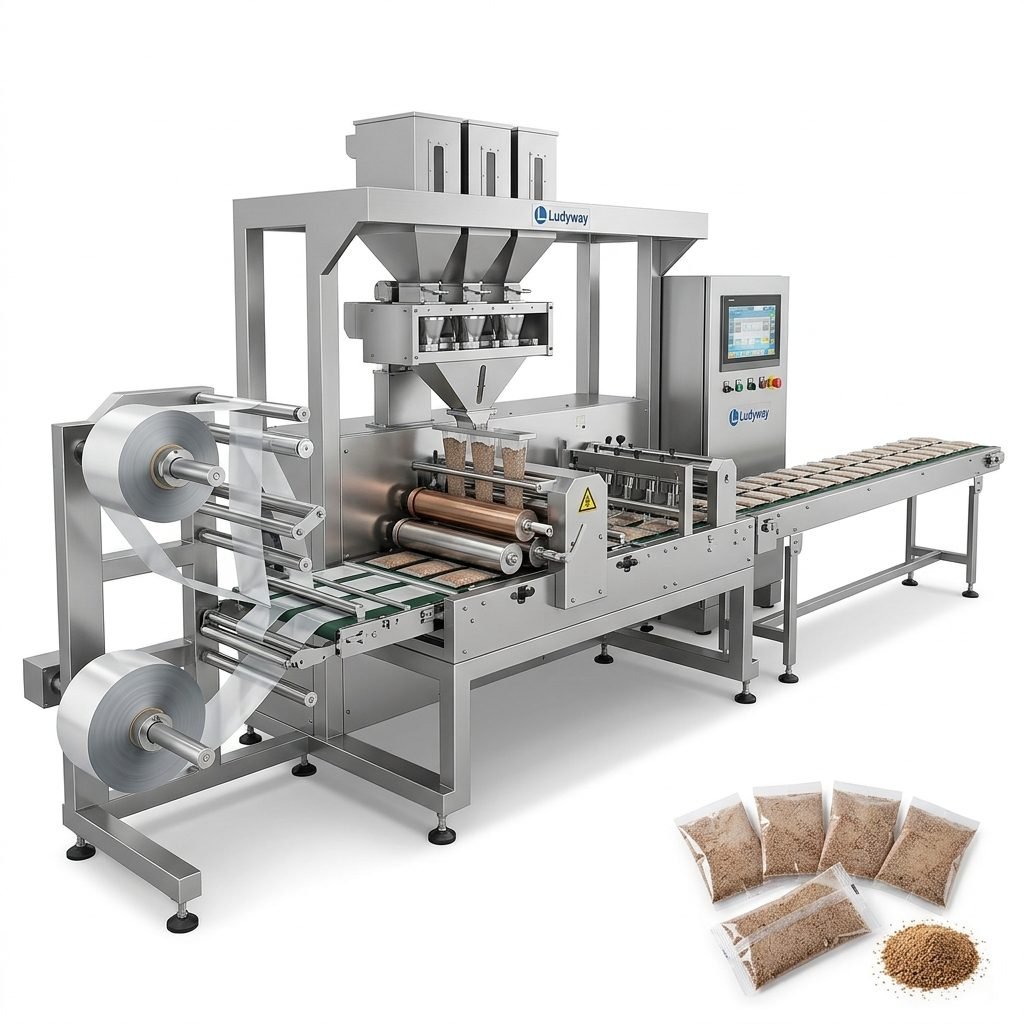
Horizontal Form-Fill-Seal (HFFS)
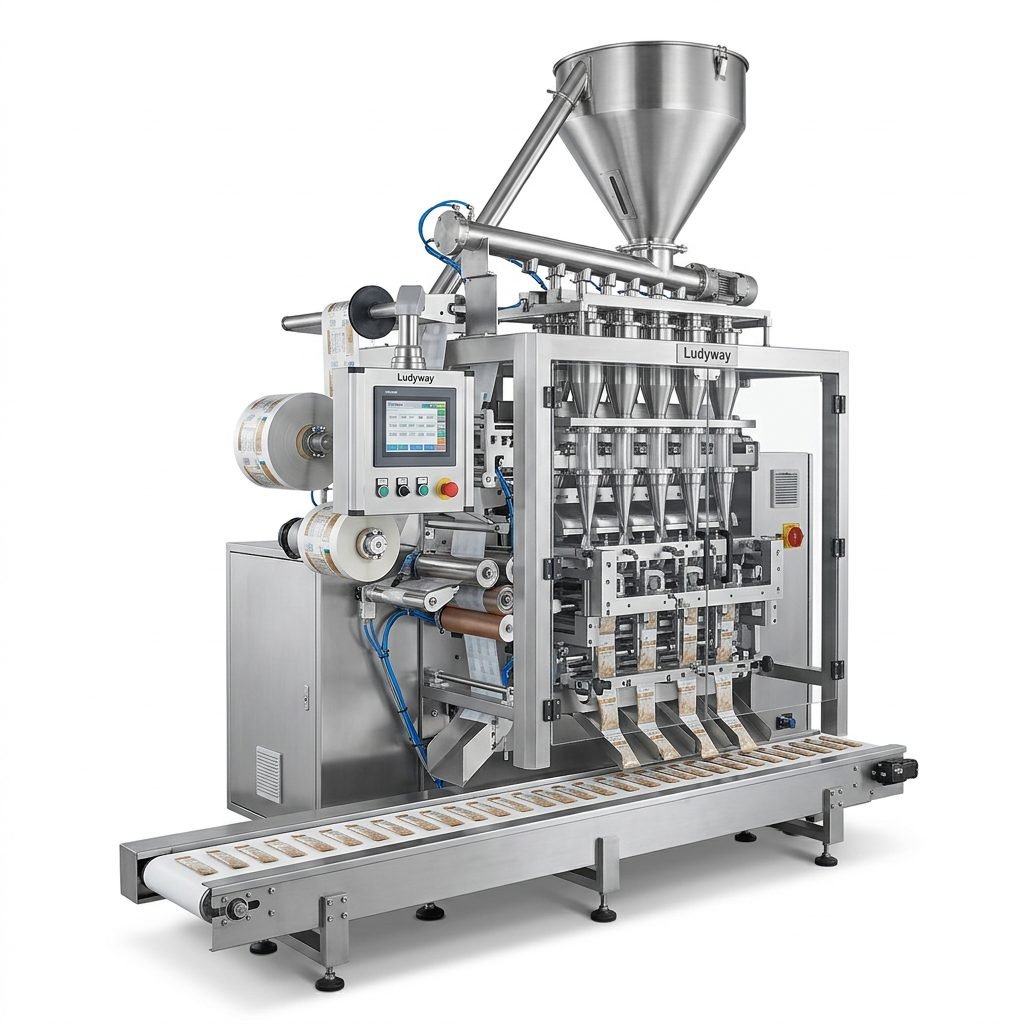
The film moves horizontally. Often used for more complex packaging shapes, multi-lane production (producing several packs simultaneously), and when inserting items like spoons or leaflets alongside the powder.
2. Pre-Made Pouch Machines
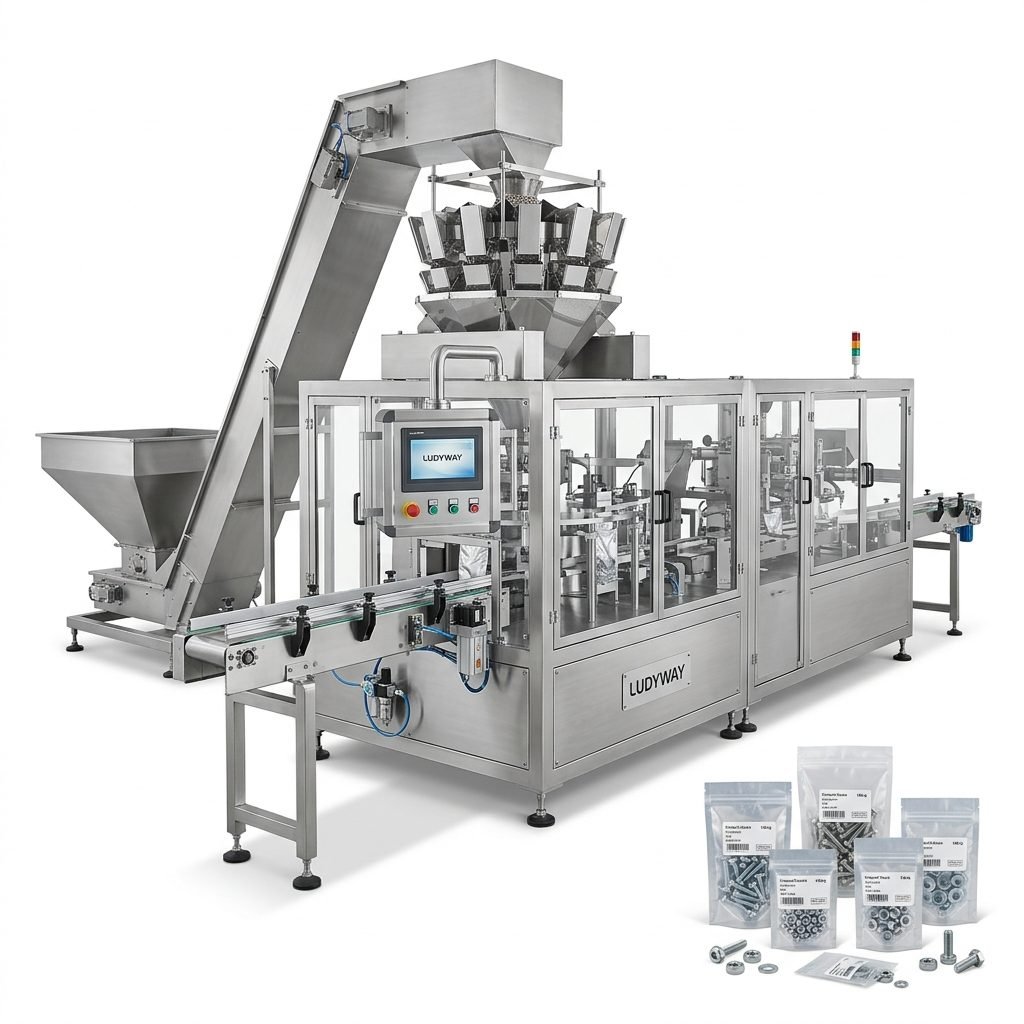
These machines use pouches that are already manufactured and supplied in stacks or on a roll. The machine’s function is to open, fill, and seal these pre-formed pouches.
Best For: Applications requiring unique pouch shapes, high-quality printed graphics, or stand-up zipper pouches that are difficult to form from a roll. They can handle a wider range of packaging materials but may have a slightly lower speed than FFS machines.
3. Canning and Tin Filling Lines
For premium, long-shelf-life, or bulk milk powder products, metal cans and tins are the preferred packaging. This involves a multi-step line including:
- Can unscrambling and cleaning.
- Precise powder filling (often using auger fillers for accuracy).
- Gas flushing (to remove oxygen and extend shelf life).
- Lid placing and sealing.
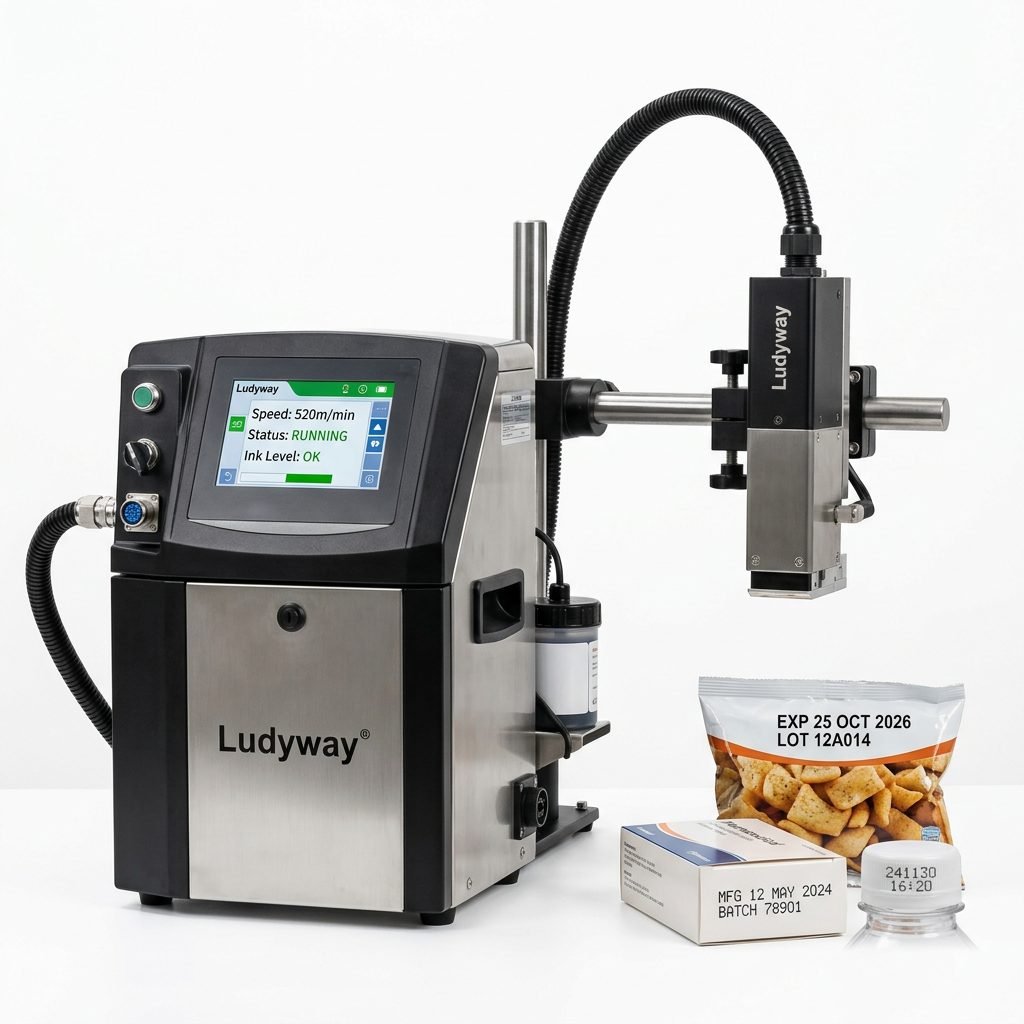
- Labeling and coding.
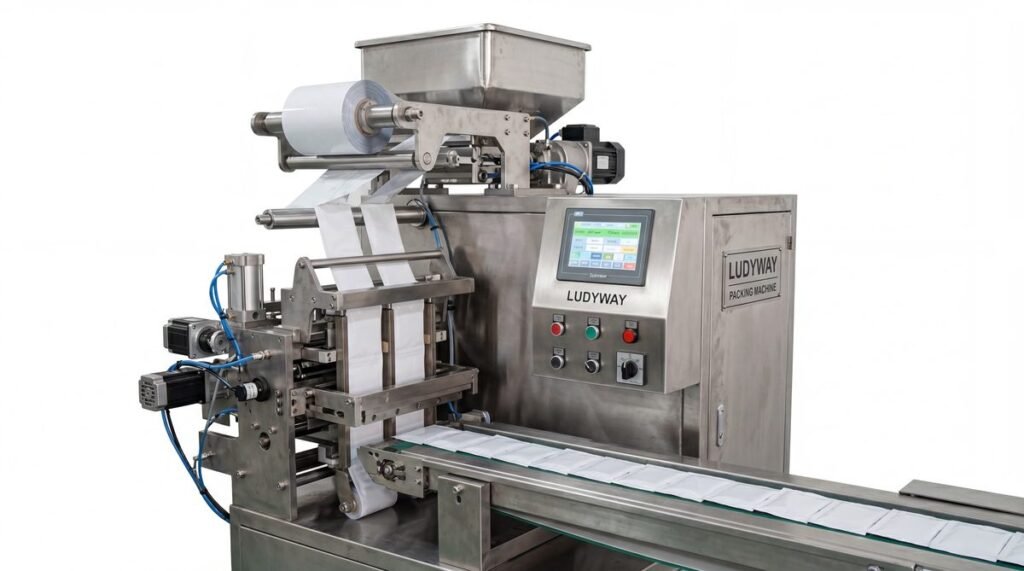
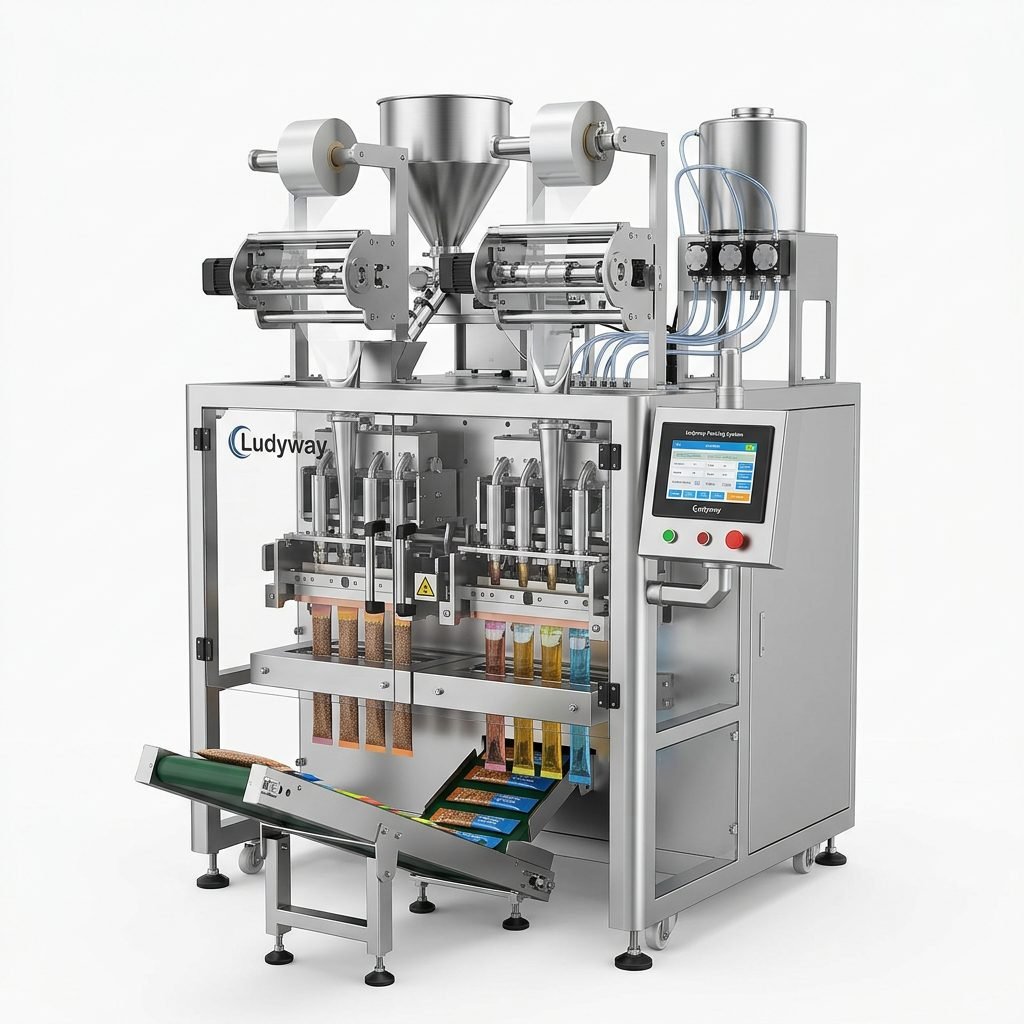
4. Stick Pack Machines
A specialized subset of VFFS machines designed to produce long, narrow “stick” packs. These are immensely popular for single-serving portions of milk powder, coffee, and nutritional supplements due to their portability and low material usage.
The Working Process: From Film to Finished Pack
Let’s break down the typical automated process for a common Vertical Form-Fill-Seal machine, which illustrates the core principles of modern milk powder packaging.
Step 1: Film Unwinding & Forming
A roll of multi-layered laminate film (providing barriers against moisture, light, and oxygen) is mounted. The film is drawn over forming shoulders and wrapped around a hollow forming tube, creating a continuous vertical cylinder of film.
Step 2: Longitudinal Sealing
The vertical seam of the film cylinder is heat-sealed as it travels down the forming tube, creating a back seal.
Step 3: Cross Sealing & Cutting (Bottom Seal)
A pair of heated sealing jaws close horizontally below the tube, creating the bottom seal of the current bag and the top seal of the bag below. A cutting mechanism separates the two, releasing the finished bag below.
Step 4: Powder Filling
At the top of the cycle, the precise dose of milk powder is delivered into the forming tube above the sealing jaws. The most common filling systems for powder are:
- Auger Filler: A rotating screw (auger) in a hopper dispenses a volumetric dose. Highly accurate for fine powders.
- Weigh Filler: Uses a precision scale (like a multi-head weigher) for net-weight filling, offering the highest accuracy, especially for valuable products.
Critical Note: Milk powder is prone to dusting and caking. Advanced machines incorporate dust extraction systems and vibration/tamping to ensure clean sealing and consistent bag shape.
Step 5: Bag Discharge
The finished, filled, and sealed bag is discharged onto a conveyor for collection, cartoning, or case packing.
How to Choose the Right Milk Powder Packaging Machine
Selecting equipment is not just about speed. It’s about finding a solution that aligns with your product, market, and operational goals. Consider these key factors:
1. Product Characteristics
- Flowability: Does your powder flow freely or is it cohesive? This determines the filler type (auger vs. weigh scale).
- Bulk Density: Variations can affect volumetric filling accuracy, making net-weight systems preferable.
- Hygroscopicity: If the powder readily absorbs moisture, the machine must have excellent environmental controls and high-barrier film compatibility.
2. Packaging Specifications
- Package Type & Size: Sachet, stick pack, stand-up pouch, or can? What is the weight range?
- Material: The machine must be compatible with your chosen film structure (e.g., PET/AL/PE for high barrier).
- Production Speed (Output): Calculate your required packs per minute/hour. Be realistic about future growth.
3. Automation & Integration Level
Will the machine operate as a standalone unit, or does it need to integrate with upstream mixers and downstream cartoners? Consider automated checkweighers, metal detectors, and vision systems for a complete quality-assured line.
4. Hygiene and Compliance
For food-grade products like milk powder, machines must be constructed with food-contact-safe materials (e.g., 304 or 316 stainless steel) and designed for easy cleaning (CIP/SIP capabilities). Ensure the supplier understands relevant standards (FDA, CE, etc.).
5. Supplier Reliability and Support
The machine is a long-term investment. Partner with a supplier known for robust engineering, reliable after-sales service, and readily available spare parts. Look for a provider with proven experience in the dairy or powder sector.
As a packaging machinery specialist with over a decade of experience, Ludyway Machinery understands these complexities. We focus on providing tailored, turnkey solutions that address the specific challenges of powder packaging, from equipment selection to line integration and support. Our expertise ensures you get a machine that not only meets specifications but also delivers long-term operational reliability. Explore our range of intelligent packaging solutions designed for demanding applications.
Frequently Asked Questions (FAQs)
1. What is the most accurate filling method for milk powder?
For ultimate accuracy, especially with valuable or variable-density powder, net-weight filling systems (like multi-head weighers) are superior. For consistent, free-flowing powders, a well-calibrated auger filler can be very accurate and cost-effective.
2. How can I prevent powder dust from contaminating the seal area?
Choose a machine with an integrated high-power dust extraction system at the filling point. Features like static elimination, sealed filler heads, and proper ventilation around the forming tube are also crucial for maintaining seal integrity.
3. Can one machine package different types of milk powder (e.g., skimmed vs. whole milk)?
Yes, but it requires adjustment. Differences in flowability and density may necessitate changing the filler settings (auger speed, weigh cell parameters) and potentially the film type if fat content affects barrier requirements. A versatile machine with easy changeover facilitates this.
4. What is the importance of gas flushing in milk powder packaging?
Gas flushing (usually with nitrogen) removes oxygen from the headspace of the package. This is critical for extending shelf life by preventing oxidation, which can cause rancidity and nutrient degradation, especially in fat-containing milk powders.
5. What should I look for in a machine supplier beyond the initial price?
Prioritize proven industry experience, quality of construction, availability of local technical support, training programs, and a clear spare parts supply chain. A reliable partner like Ludyway offers long-term value through minimized downtime and expert guidance, ensuring your packaging line is a sustainable asset.