In the fast-paced fruit packaging industry, selecting the right equipment is crucial for maintaining product freshness, reducing waste, and maximizing operational efficiency. This guide explores the various types of efficient fruit packaging machines, their key features, and provides a detailed framework to help you choose the perfect system for your specific needs.
Understanding the Core Types of Fruit Packaging Equipment
The market offers a diverse range of machinery designed for different stages of fruit packaging. Understanding these categories is the first step toward making an informed decision.
Primary Packaging Systems
These machines handle the direct containment of the fruit product. Common types include:
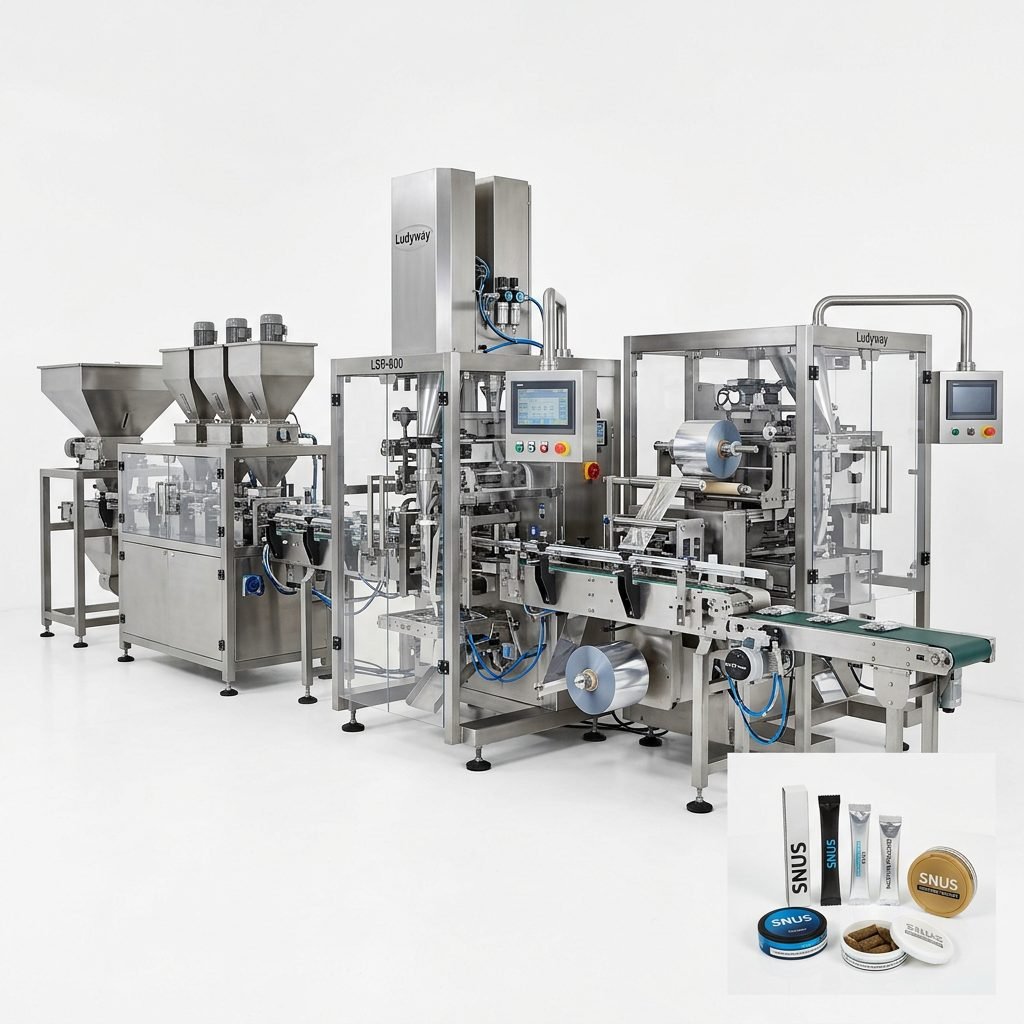
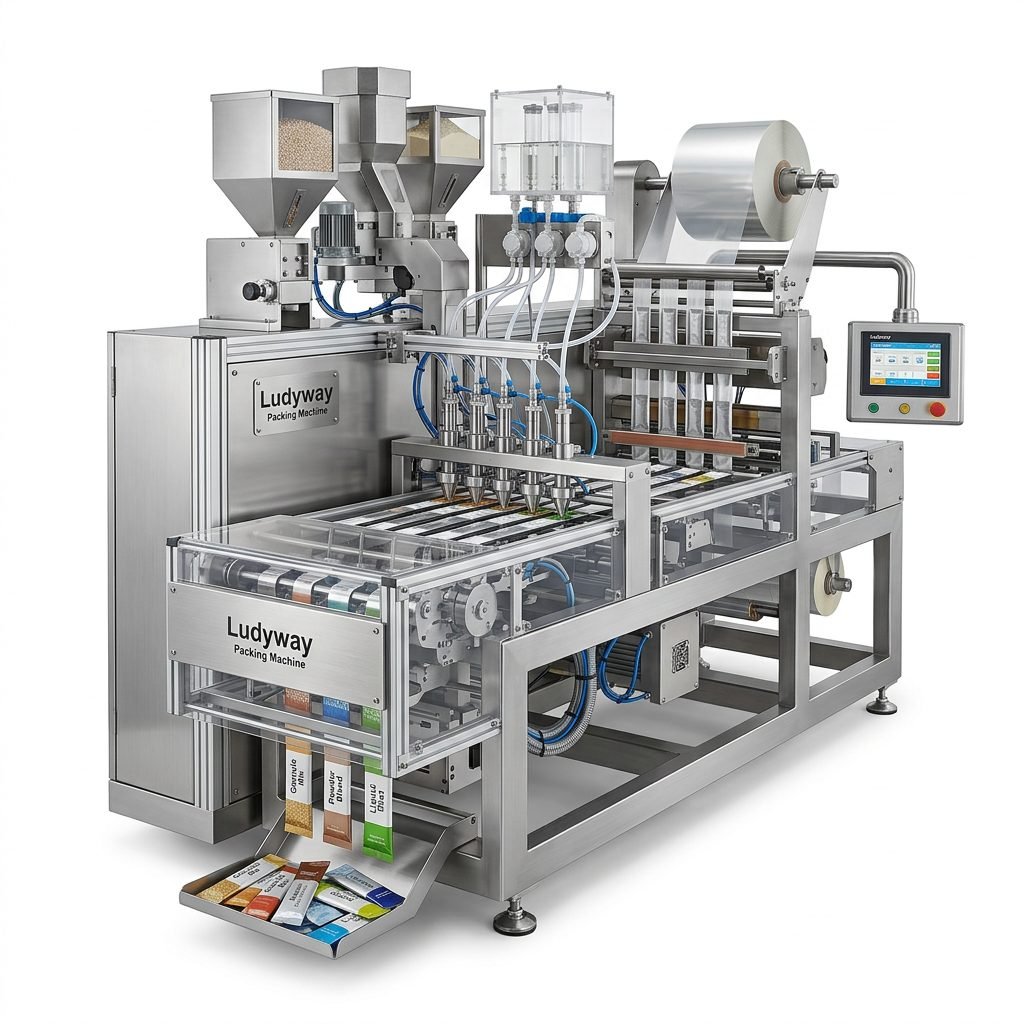
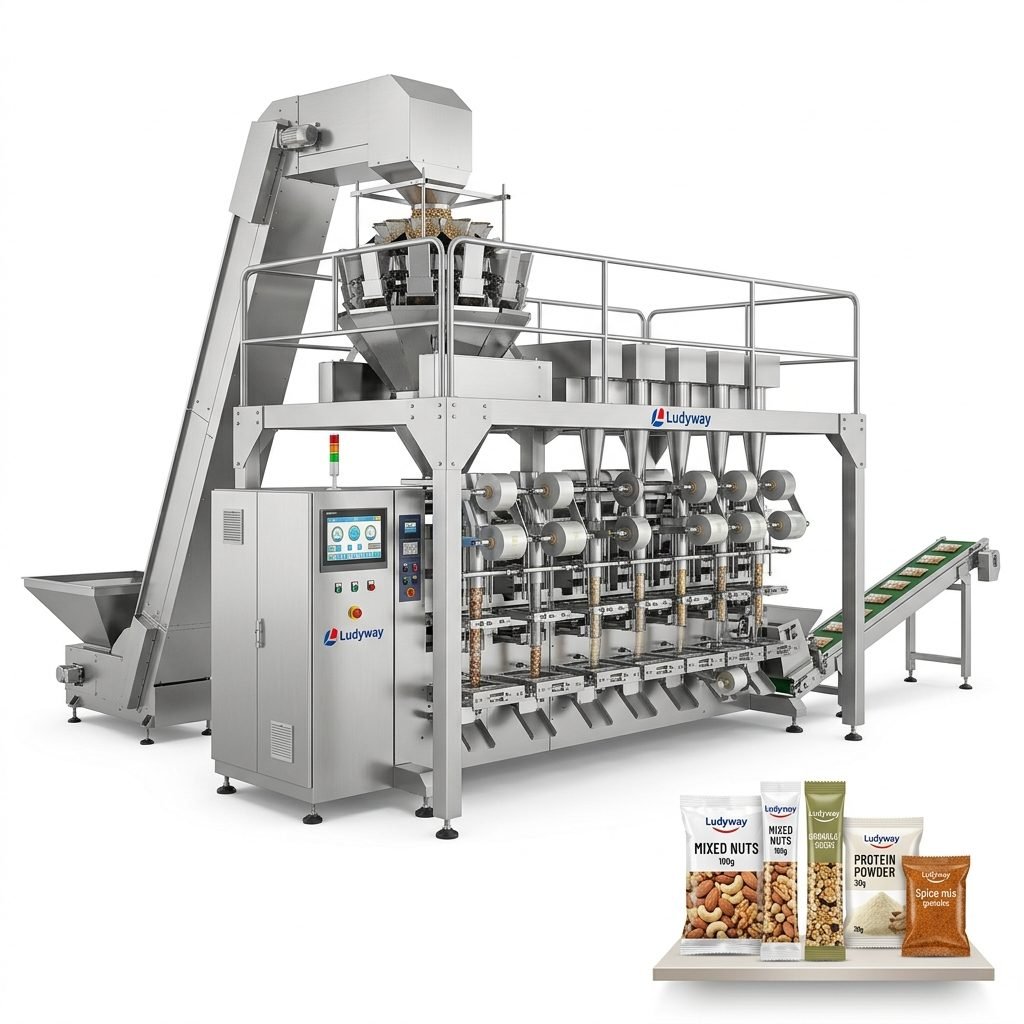
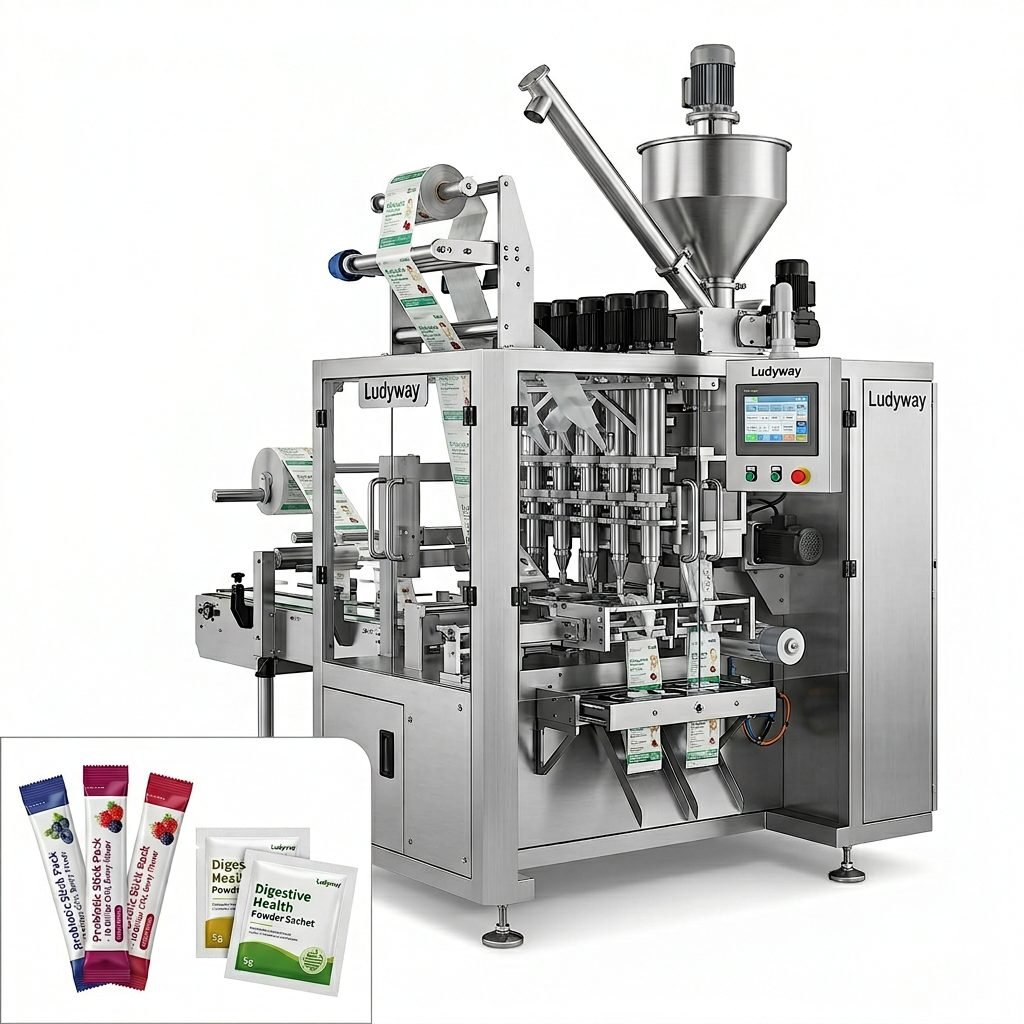
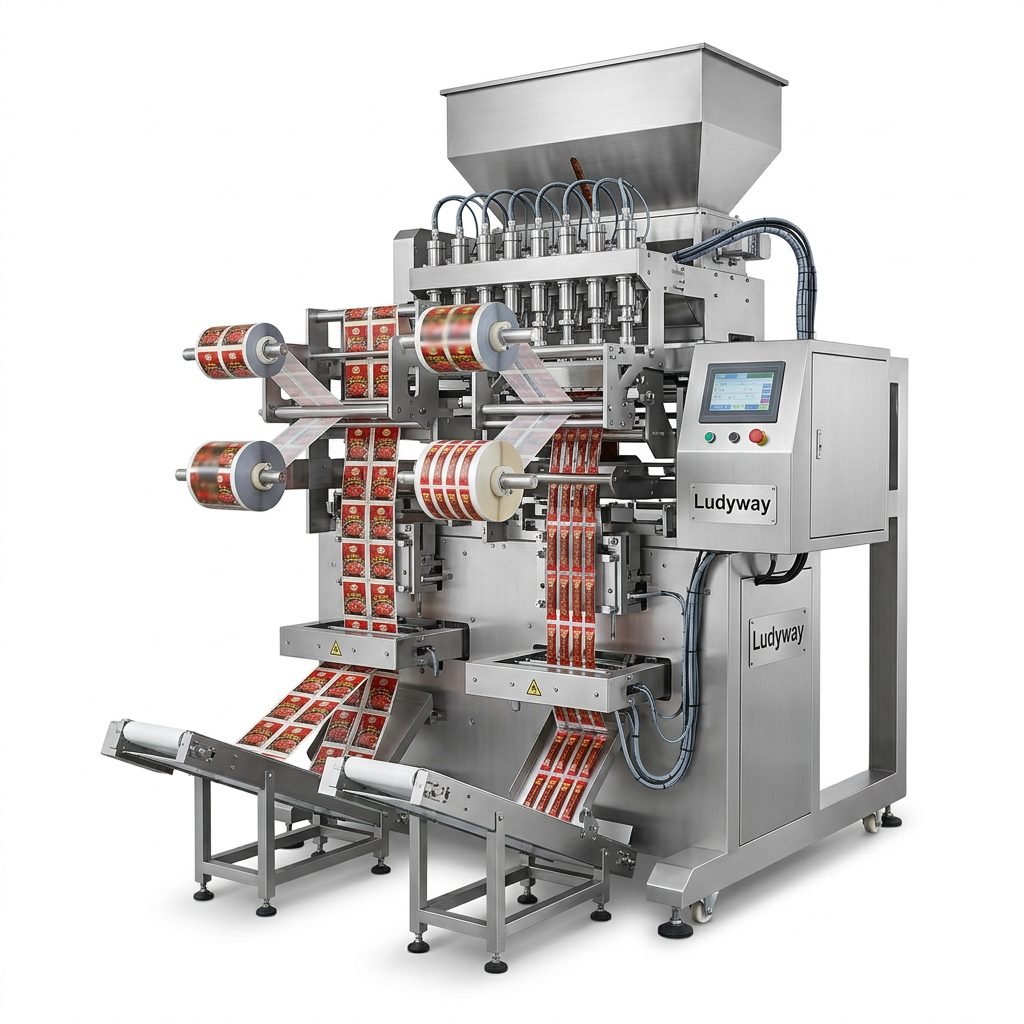
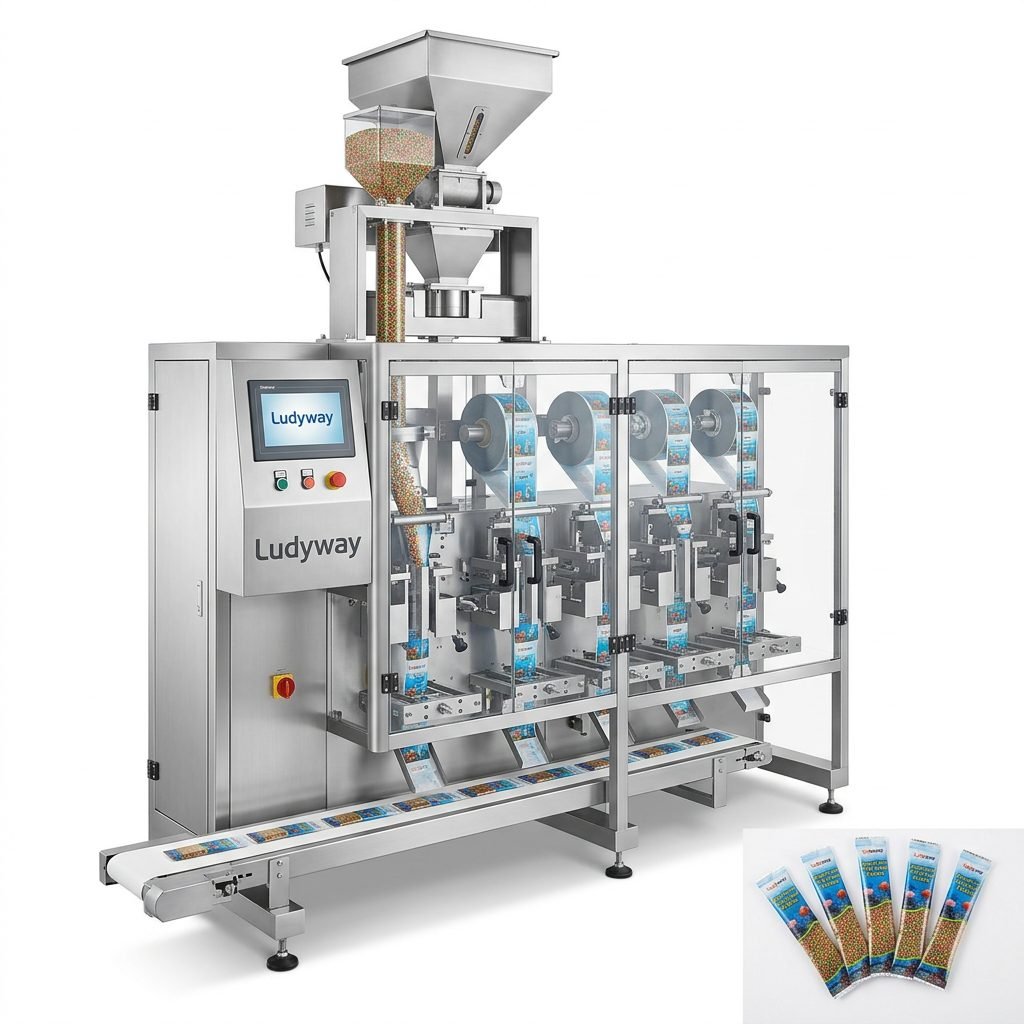
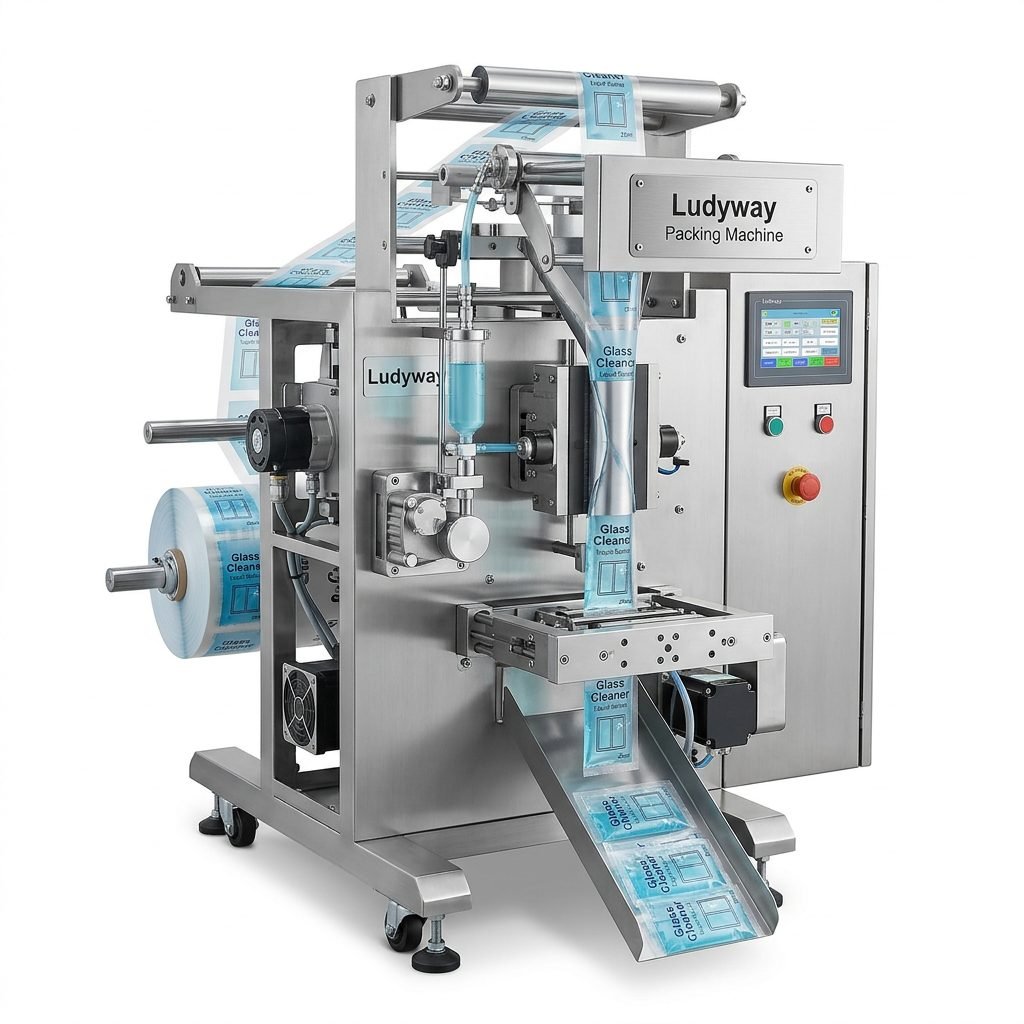
• Vertical Form-Fill-Seal (VFFS) Machines: Ideal for packing loose fruits like berries, cherries, or diced fruit into pouches. They form the bag from a roll of film, fill it, and seal it in one continuous operation.
• Tray Sealing Machines: Used for pre-formed plastic or pulp trays. They apply a lidding film (often with modified atmosphere packaging – MAP gas) to extend shelf life.
• Clamshell Packaging Machines: Automate the filling and sealing of hinged plastic containers, commonly used for berries, grapes, and cherry tomatoes.
Secondary & Tertiary Packaging Systems
This equipment handles the grouping and shipping of primary packages.
• Case Packers: Automatically load filled pouches, trays, or clamshells into shipping cases or cartons.
• Palletizers: Stack and arrange cases onto pallets for stable storage and transportation.
• Shrink Wrapping Machines: Bundle multiple packages together using a shrink film, providing stability and tamper evidence.
Key Consideration: Integration
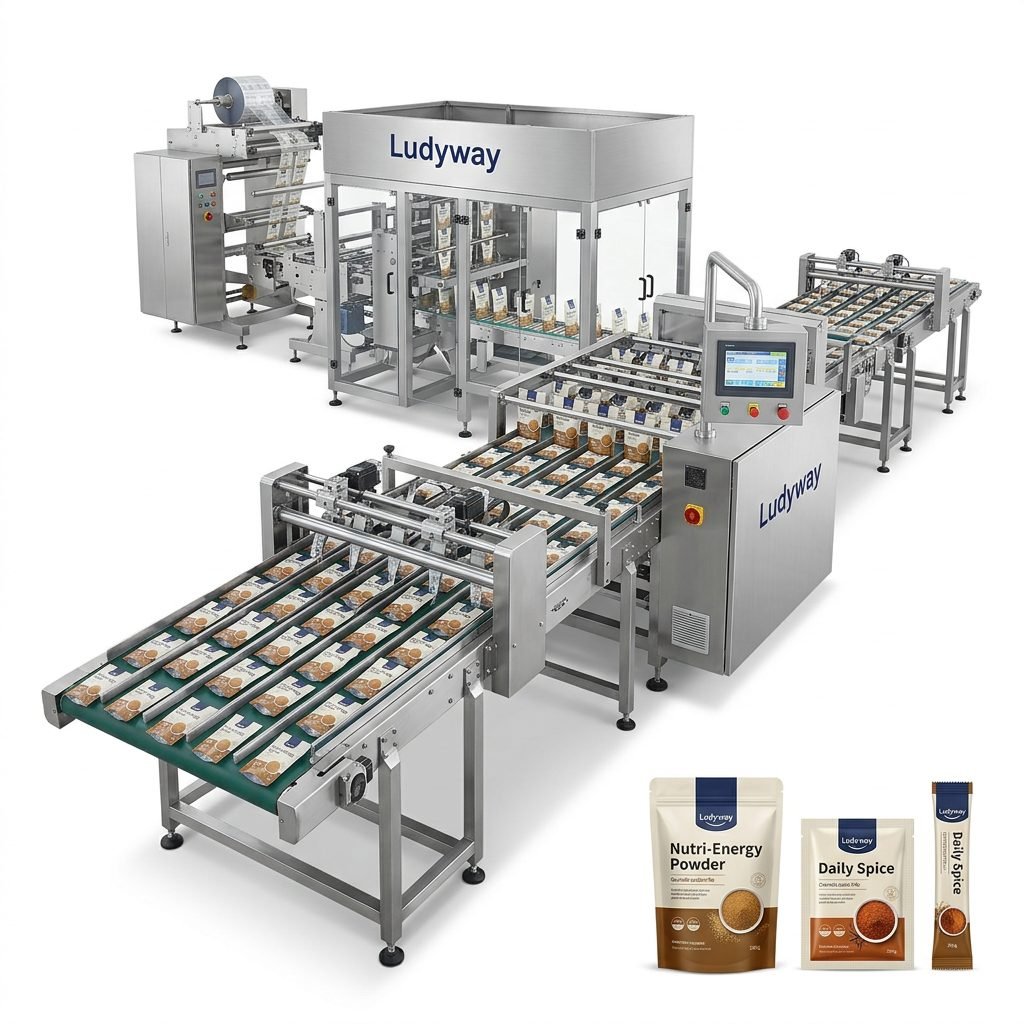
The most efficient operations often integrate primary and secondary systems into a seamless automated packaging line. This reduces manual handling, increases speed, and ensures consistency.
Essential Features of Modern Fruit Packaging Machines
Beyond basic functionality, modern equipment incorporates features that address specific challenges in fruit packaging.
Gentle Product Handling
Fruits are delicate. Look for machines with soft-drop mechanisms, vibration-assisted feeding, or gentle pusher arms to minimize bruising and damage during the packaging process.
Hygienic Design & Easy Cleaning
Given food safety requirements, machines should have stainless steel contact surfaces, smooth contours without crevices, and tool-less disassembly for quick washdowns. IP-rated protection against water ingress is a major advantage.
Versatility and Quick Changeover
Seasonality and product variety demand flexibility. Machines with quick-change tooling, programmable recipes, and adjustable forming/cutting heads allow you to switch between different fruit types and package sizes with minimal downtime.
Advanced Sealing Technology
A reliable seal is critical for freshness. Features like precision temperature control, dual-seal jaws, and leak detection systems ensure package integrity, especially for MAP applications.
Smart Automation & Control
Modern machines are data hubs. User-friendly PLC/HMI interfaces, production counters, diagnostic alerts, and connectivity for Industry 4.0 integration help optimize performance and maintenance.
How to Choose the Right Machine for Your Operation
Selecting equipment is a strategic investment. Follow this structured approach to align your choice with business goals.
1. Define Your Product and Packaging Requirements
Start with the specifics: What type of fruit are you packing? (e.g., whole, sliced, dried). What is the target package type, size, and material? What is the required output speed (packages per minute)? Do you need Modified Atmosphere Packaging (MAP) to extend shelf life? Clear answers here narrow down machine options significantly.
2. Evaluate Your Production Environment
Consider your factory’s footprint. Measure the available space for the machine and associated conveyors. Assess your utilities: power supply (voltage, phase), available compressed air, and access to cooling water if needed. Also, factor in the skill level of your operational staff.
3. Prioritize Key Performance Metrics
Look beyond the purchase price. Calculate the Total Cost of Ownership (TCO), which includes energy consumption, maintenance costs, and expected consumables (like film waste). Evaluate the machine’s uptime reliability and mean time between failures (MTBF). A slightly more expensive but robust machine often has a lower TCO.
💡 Pro Tip: Request a Product Test
Never buy based on specifications alone. Reputable suppliers like Ludyway Machinery often offer live demonstrations or factory tests using your actual fruit samples and packaging materials. This is the best way to verify performance, gentle handling, and seal quality.
4. Assess Supplier Credibility and Support
The machine is only as good as the company behind it. Investigate the supplier’s industry experience, manufacturing quality, and portfolio of reference clients. Crucially, examine their after-sales support structure: availability of spare parts, technical support response time, and training programs. A partner with 30+ years of experience in packaging solutions brings invaluable expertise to the table.
5. Plan for the Future
Think about scalability. Can the machine handle potential increases in your production volume? Is it compatible with upstream (washing, sorting) or downstream (case packing) automation for future line integration? Choosing a modular or upgradeable system protects your investment as your business grows.
Frequently Asked Questions (FAQs)
What is the most important factor when choosing a machine for delicate berries?
Gentle product handling is paramount. Prioritize machines specifically designed for delicate produce, featuring vibration-free conveyors, soft-drop filling systems, and minimal product fall heights to prevent bruising and damage.
Can one machine package different types and sizes of fruit?
Yes, many modern machines offer high versatility. The key is to look for models with quick-changeover capabilities, such as interchangeable forming tubes, adjustable cut-off mechanisms, and saved product recipes in the control system, allowing swift transitions between different fruits and package formats.
How does Modified Atmosphere Packaging (MAP) work with fruit?
MAP machines flush the air inside the package and replace it with a controlled mixture of gases (like nitrogen, carbon dioxide, and oxygen). This slows down respiration and microbial growth, significantly extending the shelf life and preserving the freshness, color, and texture of fresh-cut or whole fruits.
What maintenance is required for fruit packaging equipment?
Daily cleaning and sanitation are critical. Beyond that, regular maintenance includes lubricating moving parts, checking seal jaw alignment and temperature, inspecting sensors, and replacing wear items like cutting blades or sealing Teflon as per the manufacturer’s schedule to ensure consistent performance.
Why is supplier after-sales support so crucial?
Packaging machinery is a long-term investment. Reliable after-sales support ensures minimized downtime through quick access to spare parts and expert troubleshooting. It also guarantees that your team is properly trained and that the machine continues to operate at peak efficiency throughout its lifecycle.