Navigating the world of food packaging equipment can feel like learning a new language, especially when you encounter a barrage of acronyms on technical specifications and industry websites. Understanding these terms is crucial for anyone involved in manufacturing, from plant managers and engineers to procurement specialists. This guide decodes the most common acronyms you’ll find in food packaging machinery, helping you make informed decisions for your production line.
Core Equipment Categories and Their Acronyms
Packaging lines are composed of several integrated machines, each with a specific function. Here are the primary categories you need to know.
FFS: Form-Fill-Seal Machines
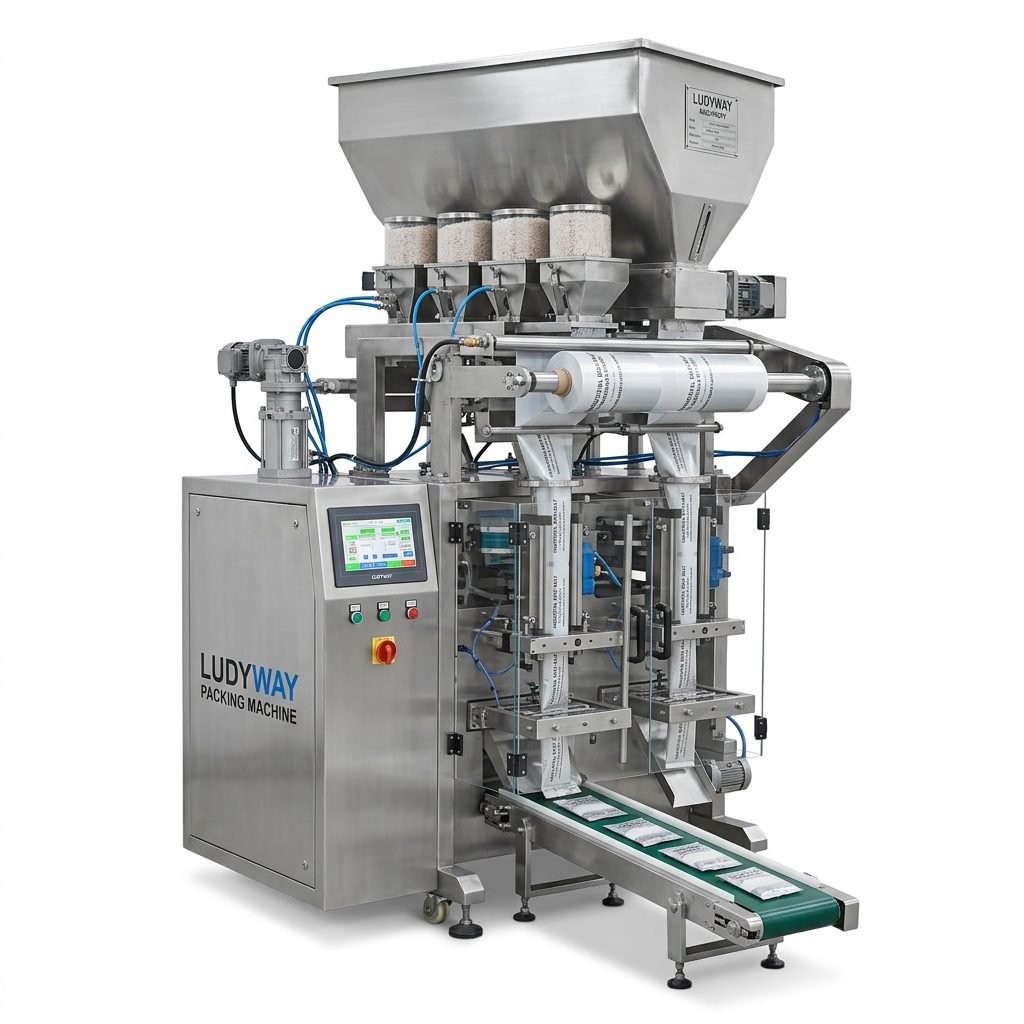
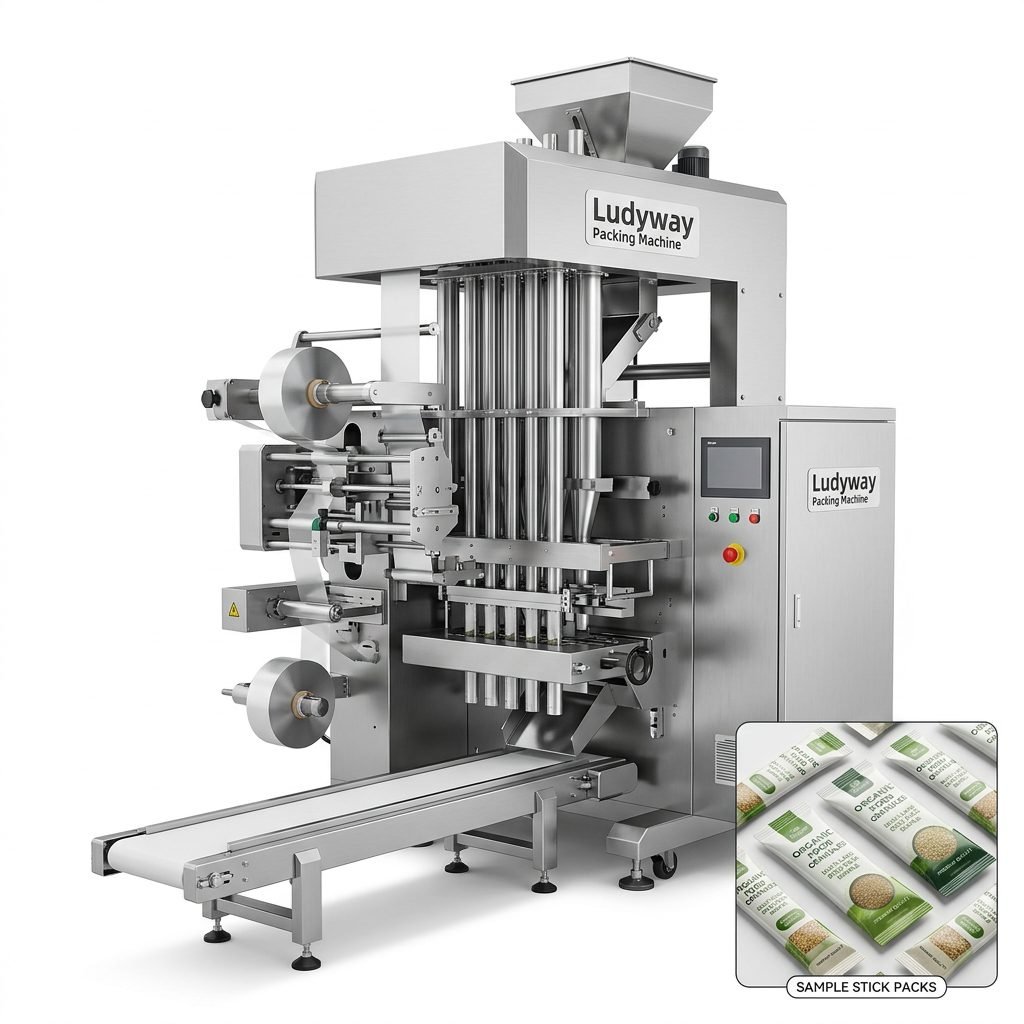
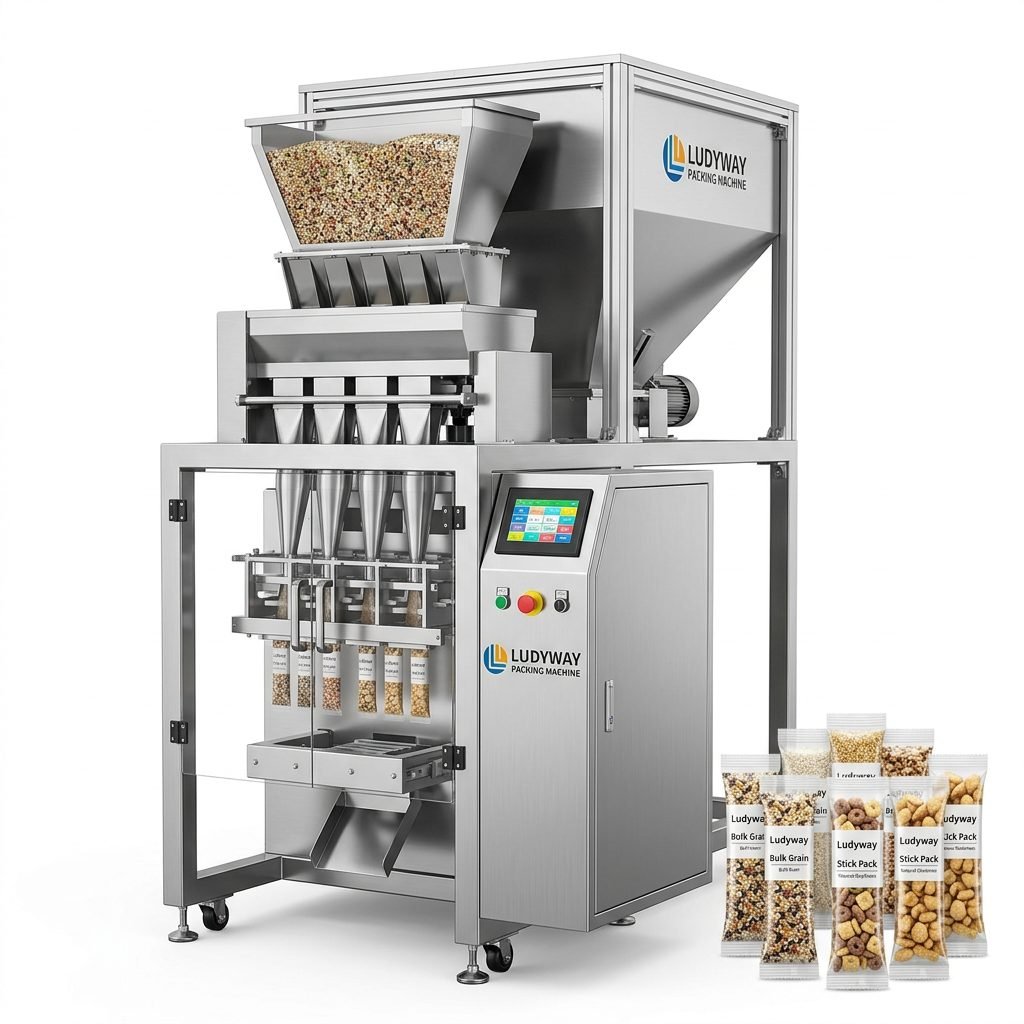
The FFS machine is the workhorse of modern packaging. It forms a pouch from a roll of film, fills it with product, and seals it—all in one continuous operation. This technology is fundamental for creating stick packs and sachets.
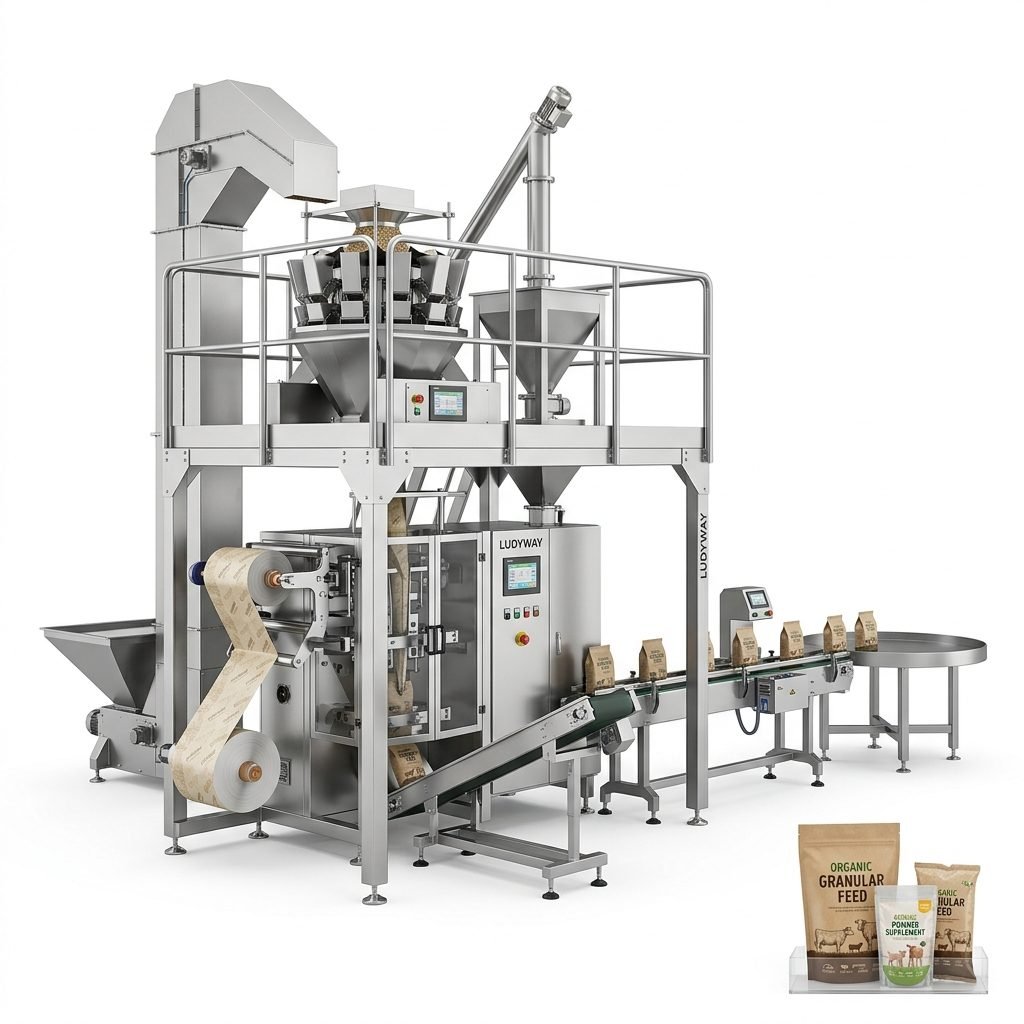
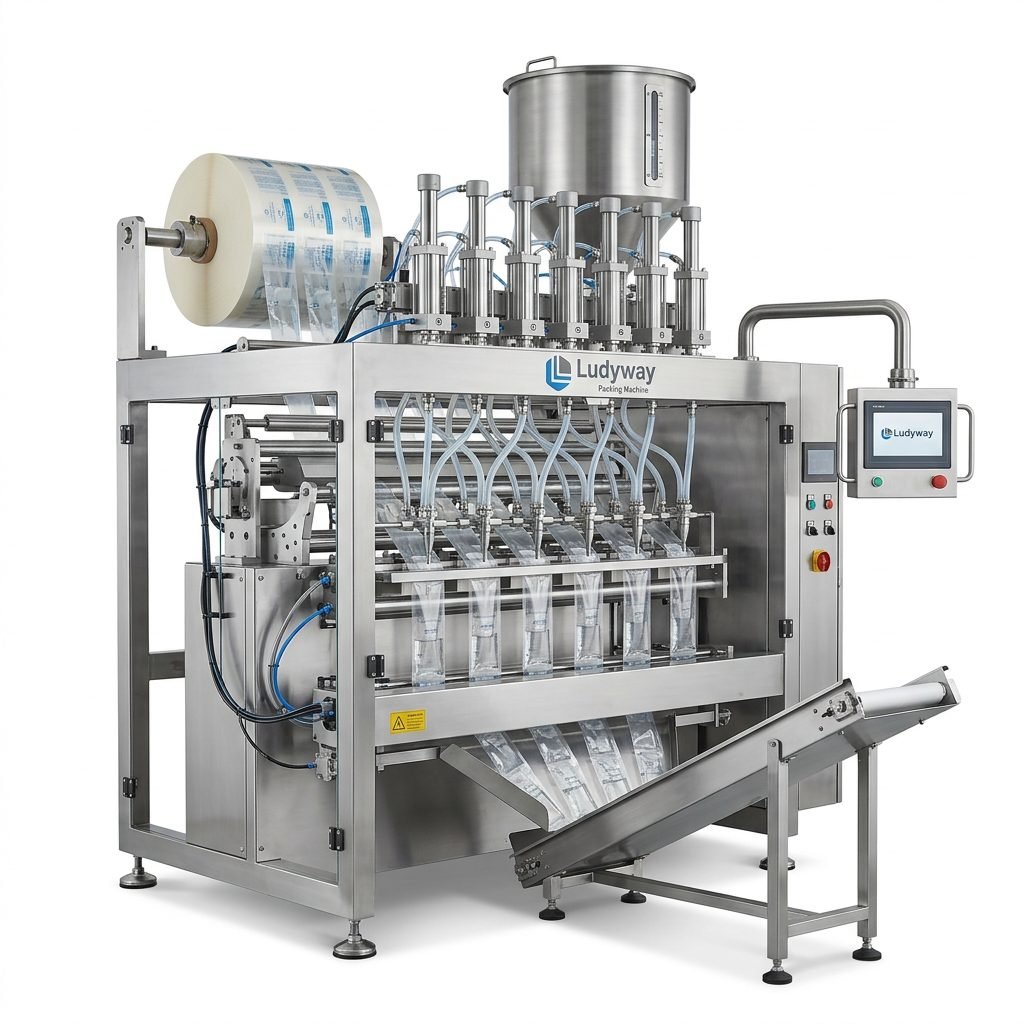
There are two main orientations: Vertical Form-Fill-Seal (VFFS) and Horizontal Form-Fill-Seal (HFFS). VFFS machines are typically used for granular products like sugar, coffee, or spices, where the bag is formed vertically. HFFS machines are often used for liquids, pastes, or items that lay flat, like sauce packets.
VFFS vs. HFFS: A Quick Comparison
VFFS (Vertical Form-Fill-Seal): Ideal for free-flowing granules and powders. Offers high speed and is commonly used for single-serve portions.
HFFS (Horizontal Form-Fill-Seal): Perfect for liquids, creams, and products that require a flat, pillow-style pouch. Often used in condiment and dairy packaging.
MVP: Multi-Lane Vertical Packaging Machine
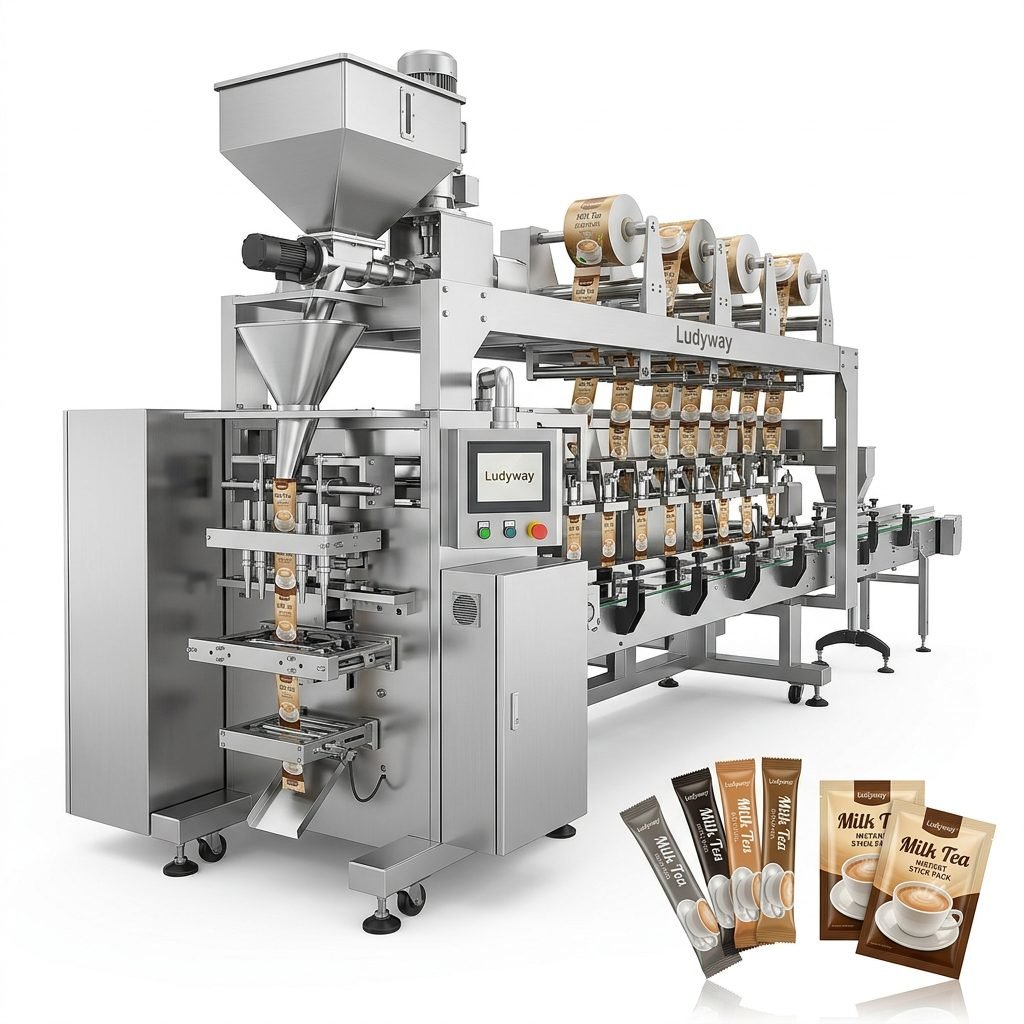
When single-lane production isn’t enough, MVP systems come into play. These are essentially multiple VFFS units synchronized to work in parallel, dramatically increasing output. For a company like Ludyway Machinery, which specializes in high-efficiency solutions, offering robust MVP systems is key to serving high-volume producers in the food and pharmaceutical sectors.
Control and Automation Acronyms
Modern packaging is driven by sophisticated control systems that ensure precision, consistency, and data collection.
PLC: Programmable Logic Controller
This is the brain of the machine. The PLC is an industrial computer that controls the sequence of operations, from film feeding and sealing jaw movement to filling auger activation. A reliable PLC, backed by strong engineering, is non-negotiable for uptime and repeatability.
HMI: Human-Machine Interface
The HMI is the touchscreen or control panel where operators interact with the PLC. A well-designed HMI allows for easy recipe changes, speed adjustments, fault diagnosis, and production monitoring. Intuitive HMIs reduce training time and operator error.
SCADA: Supervisory Control and Data Acquisition
For larger, integrated production lines, SCADA systems provide a higher level of oversight. They collect data from multiple machines (PLCs) across the line, allowing for centralized monitoring, performance analysis, and historical reporting. This is essential for Overall Equipment Effectiveness (OEE) tracking.
Performance and Specification Metrics
When evaluating equipment, you’ll see these acronyms used to define capabilities and limits.
CPM: Cycles Per Minute
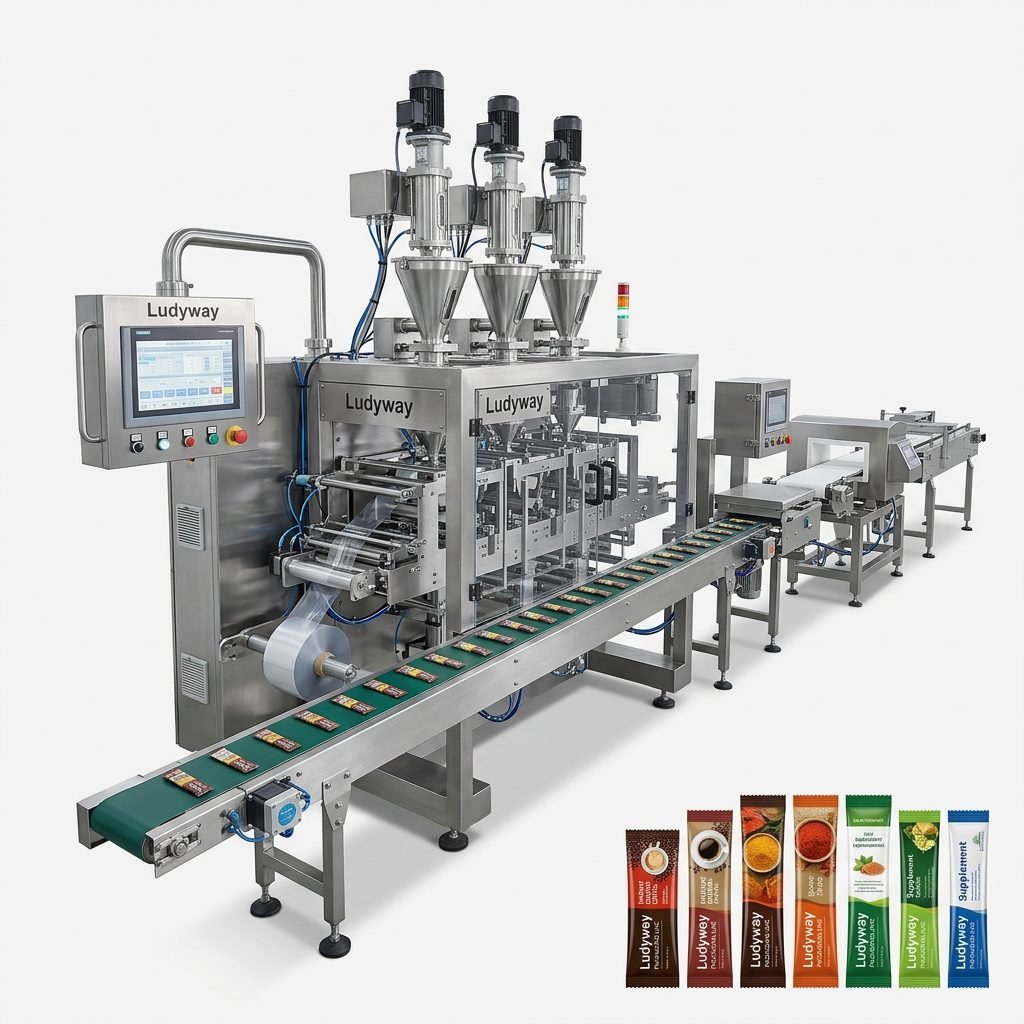
This measures the machine’s speed. A higher CPM means more packages produced per minute. It’s a critical metric for calculating potential output and return on investment. For example, a multi-lane stick pack machine from a provider with extensive industry experience might offer a combined CPM far exceeding that of a single-lane unit.
IP Rating: Ingress Protection
The IP code (e.g., IP54, IP65) indicates the level of protection against dust and water. For food packaging, especially in wet or washdown environments, a suitable IP rating (like IP65 for protected against water jets) is vital for hygiene and equipment longevity.
OEE: Overall Equipment Effectiveness
While not a machine specification, OEE is a crucial KPI (Key Performance Indicator). It is the gold standard for measuring production productivity, combining Availability, Performance, and Quality rates. Choosing equipment designed for high OEE—with quick changeover, minimal downtime, and consistent sealing—directly impacts your bottom line.
Material and Process Acronyms
These terms relate to the packaging materials and the processes that ensure product safety.
MAP: Modified Atmosphere Packaging
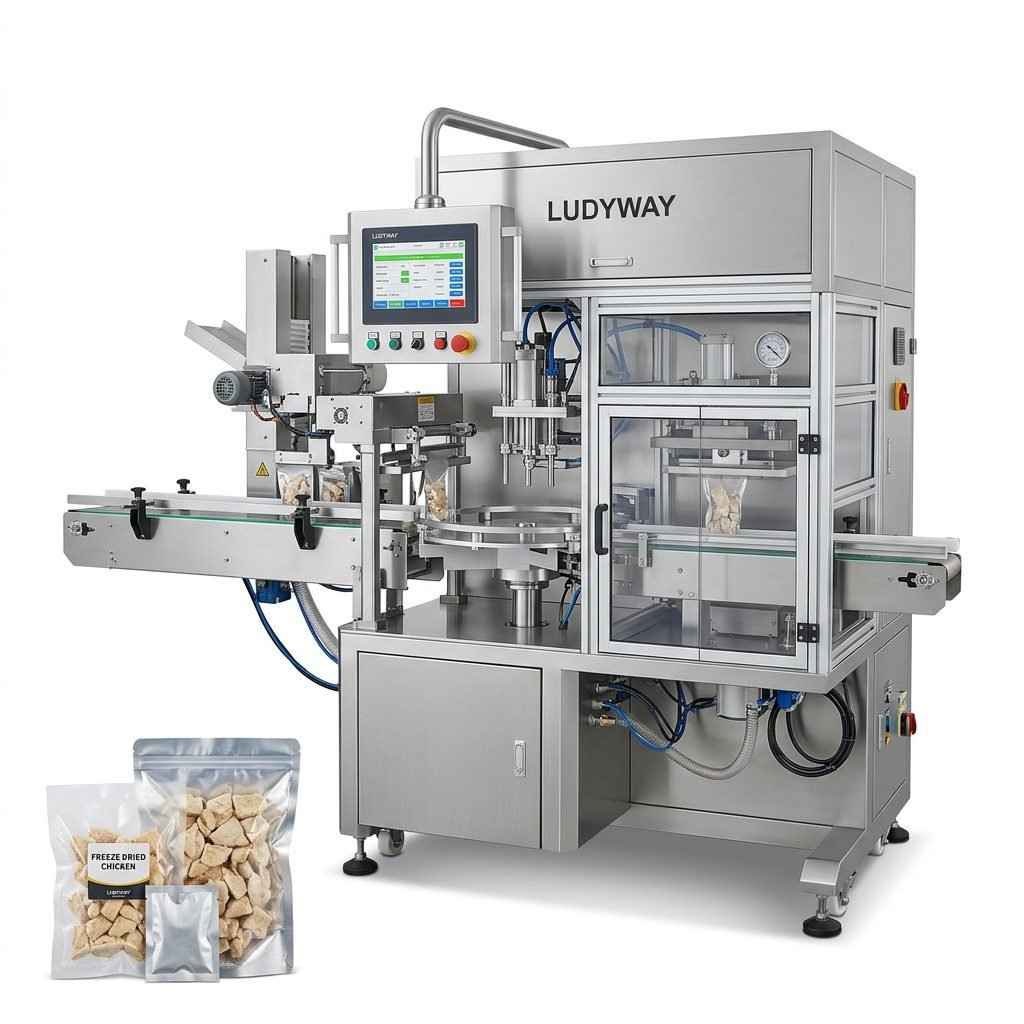
This technology extends shelf life by replacing the air inside a package with a protective gas mix (like Nitrogen or CO2). Machines equipped for MAP are essential for packaging fresh meats, snacks, and cheeses.
CPP/OPP/MET: Common Packaging Films
• CPP: Cast Polypropylene – Excellent for heat sealing, often used as the inner sealing layer.
• OPP: Oriented Polypropylene – Provides high clarity and stiffness, a common outer layer.
• MET: Metallized Film – Offers a brilliant metallic appearance and superior barrier properties against light and gas.
Understanding film types is critical when discussing machine specifications with a supplier, as the sealing jaws and temperature controls must be compatible with your chosen material.
Why Partner with a Specialist Provider?
Decoding acronyms is the first step; applying that knowledge to select the right integrated solution is the next. A partner with deep application knowledge can guide you from a single VFFS machine to a complete turnkey production line. For instance, a provider with a broad portfolio can seamlessly integrate a granule filler with a multi-lane VFFS machine and a robotic cartoner, ensuring all components communicate flawlessly via a central PLC and SCADA system. This holistic approach, backed by 30+ years of industry experience, minimizes integration headaches and maximizes your line’s OEE from day one.
Frequently Asked Questions (FAQs)
Q1: What is the main difference between a single-lane and a multi-lane (MVP) packaging machine?
A: A single-lane machine has one set of forming, filling, and sealing mechanisms. An MVP machine has multiple sets operating in parallel from a single film web, offering significantly higher output (e.g., 2x, 4x, 8x) in a similar footprint, ideal for high-volume production of items like stick packs.
Q2: How important is the PLC brand in a packaging machine?
A: Very important. Renowned PLC brands (e.g., Siemens, Allen-Bradley) offer proven reliability, extensive support networks, and easier access to trained technicians. They ensure stable, precise control and are often a requirement for integration into larger factory automation systems.
Q3: What does a “turnkey” production line mean?
A: A turnkey solution means the supplier handles everything from design, machinery selection, and manufacturing to installation, commissioning, and operator training. You receive a fully functional production line ready to “turn the key” and start operating, reducing your project management burden.
Q4: Why is the IP rating of a food packaging machine critical?
A: Food production environments require frequent cleaning with water and chemicals. A machine with a high IP rating (e.g., IP65) is sealed against dust and water jets, preventing damage to electrical components, ensuring hygiene compliance, and reducing downtime due to corrosion or electrical faults.
Q5: Can one machine handle different types of packaging films, like CPP and MET?
A: Most modern machines can handle a range of films, but the sealing parameters (temperature, pressure, time) need adjustment. High-quality machines offer precise, digitally controlled sealing jaws and pre-set recipes to facilitate quick changeovers between different materials with minimal waste.