In today’s fast-paced manufacturing and retail environments, selecting the right packaging equipment and films is not just a logistical decision—it’s a strategic one that directly impacts product integrity, operational efficiency, brand perception, and ultimately, the bottom line. From protecting delicate food items to ensuring the sterility of medical supplies, the combination of machinery and material forms the backbone of modern product delivery. This guide delves into the core types, their diverse applications, and provides a structured framework for choosing the optimal solutions for your specific needs.
Core Types of Packaging Equipment
The landscape of packaging machinery is vast, designed to automate, speed up, and perfect the process of enclosing products. Understanding the primary categories is the first step.
Filling and Sealing Machines
These are the workhorses of packaging, responsible for accurately dispensing product and creating a secure closure. They vary greatly based on product form:
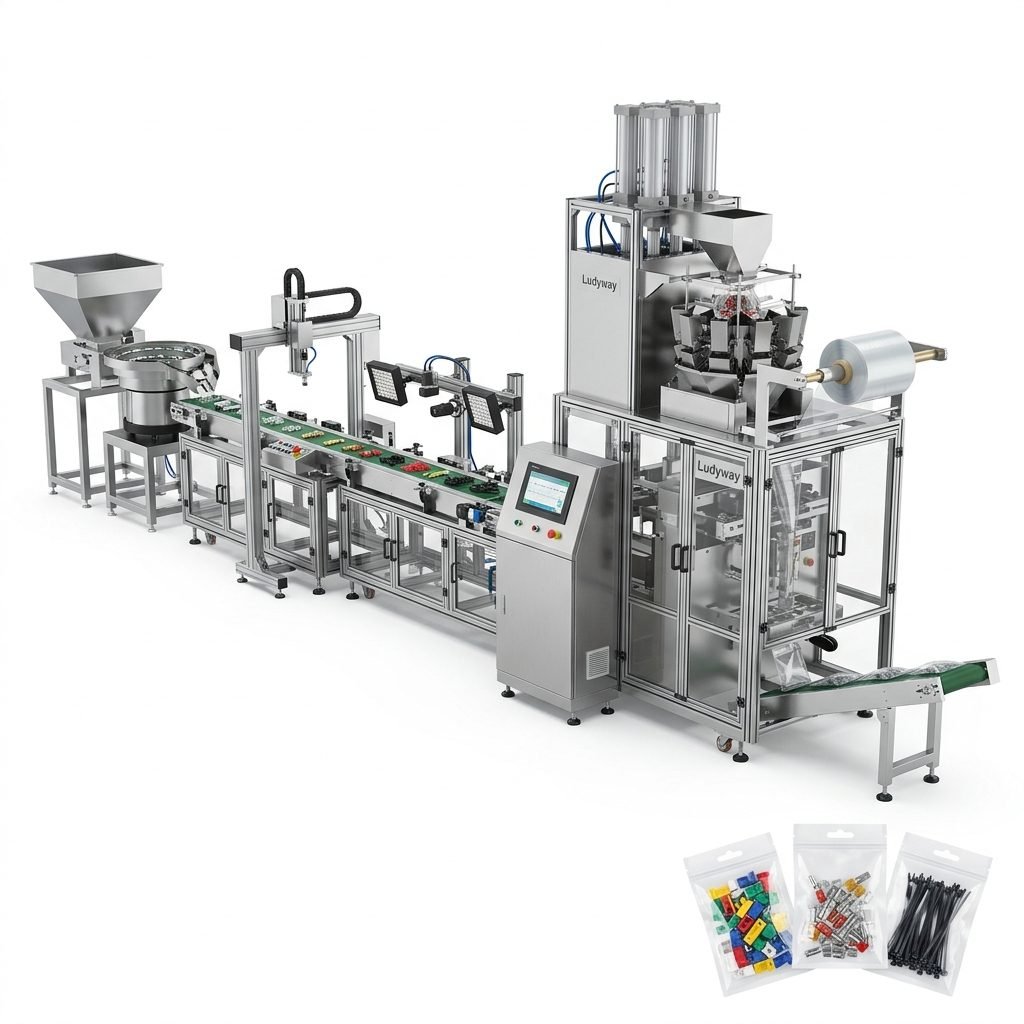
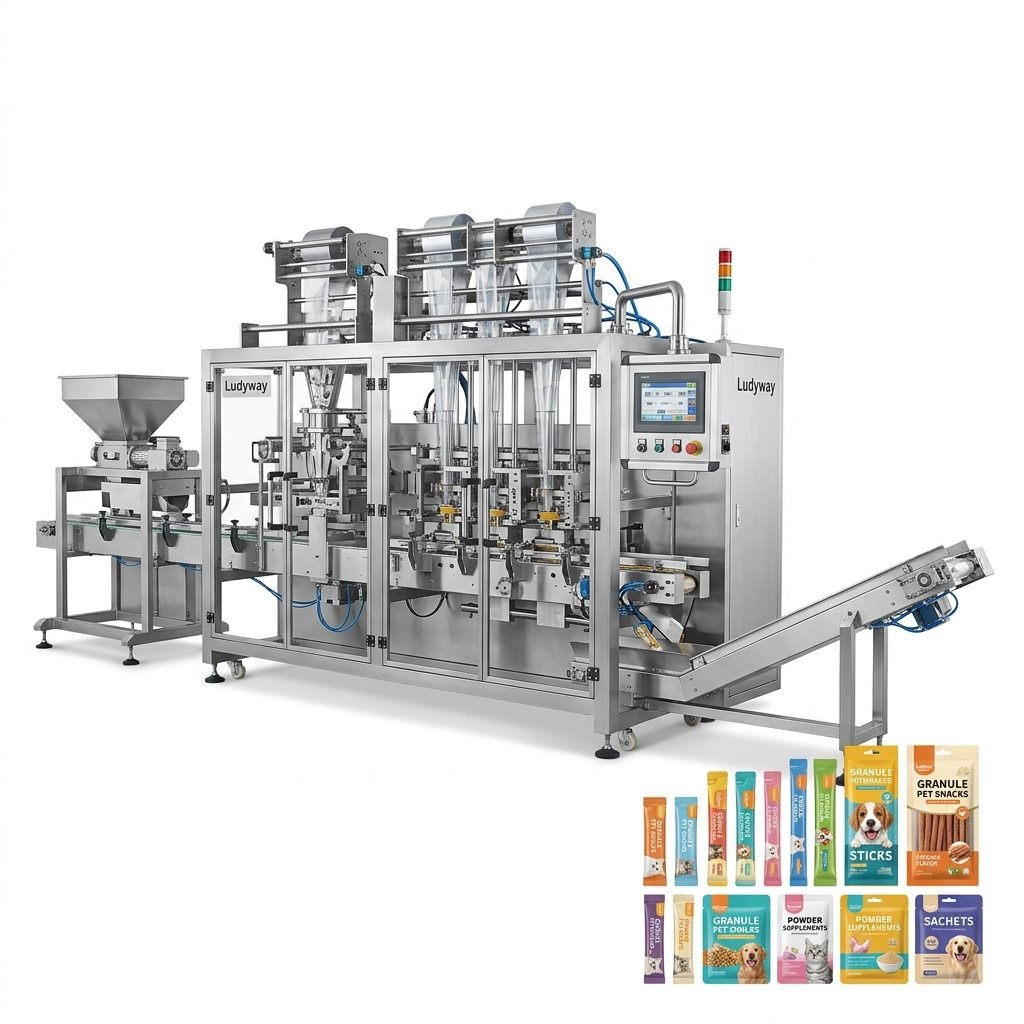
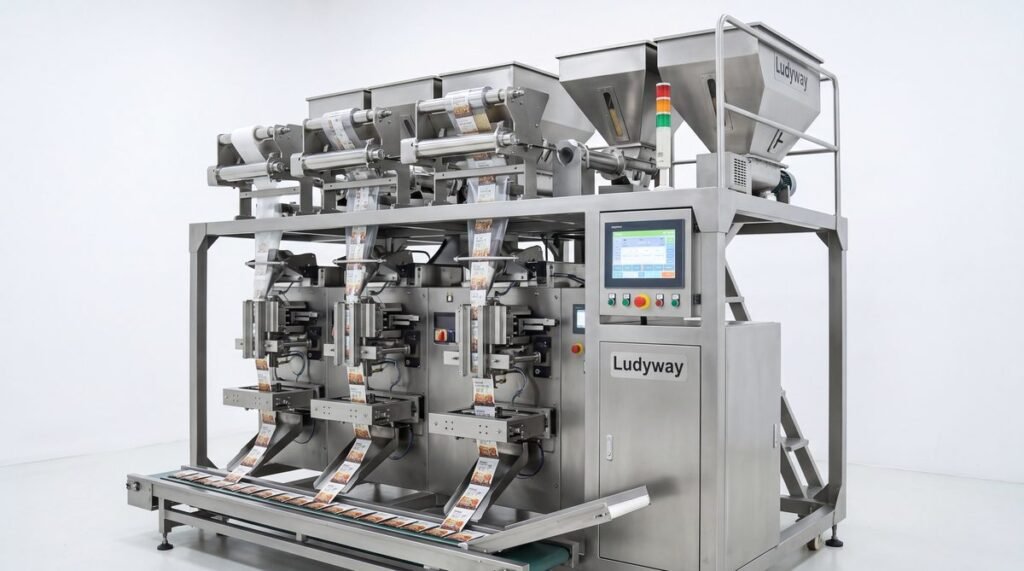
Vertical Form-Fill-Seal (VFFS) Machines: Extremely versatile, they form a bag from a roll of film, fill it with product (like snacks, granules, or powders), and seal it—all in one continuous motion. Ideal for high-speed, flexible packaging.
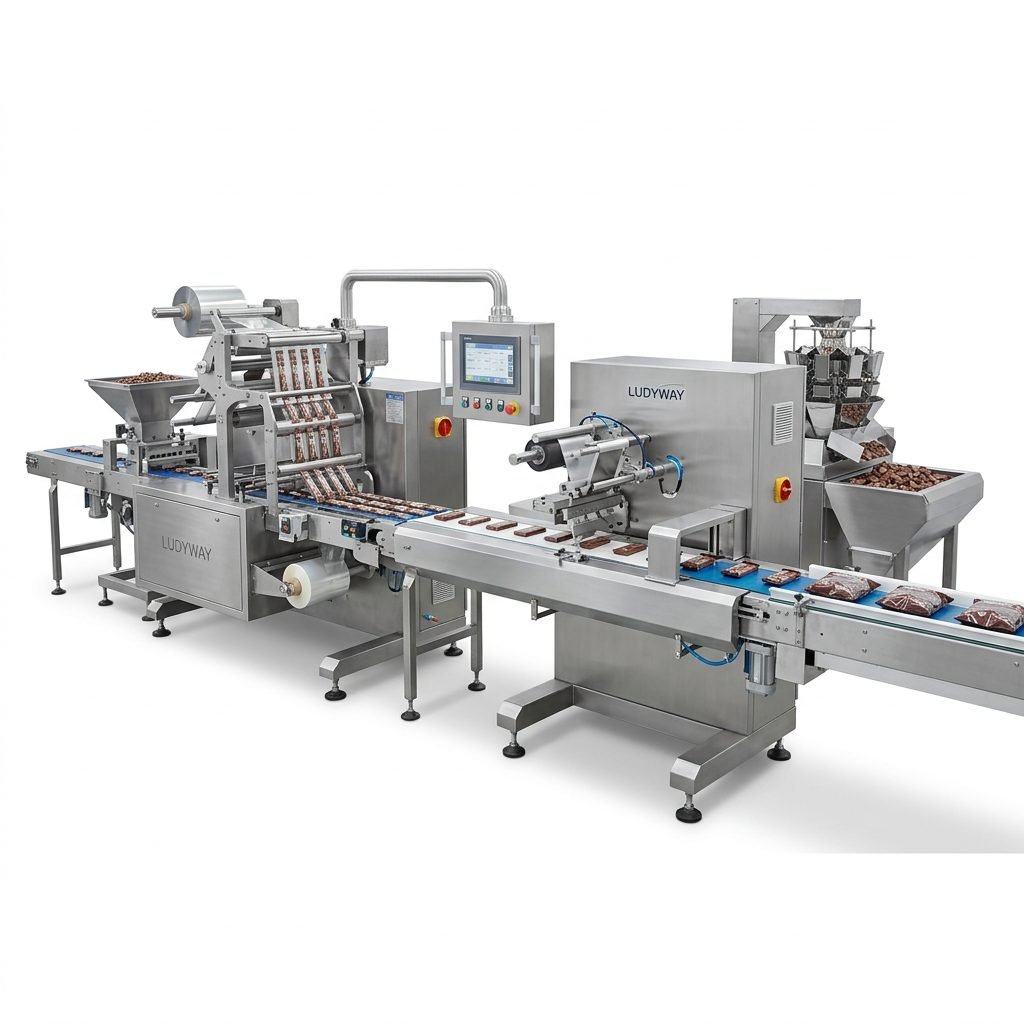
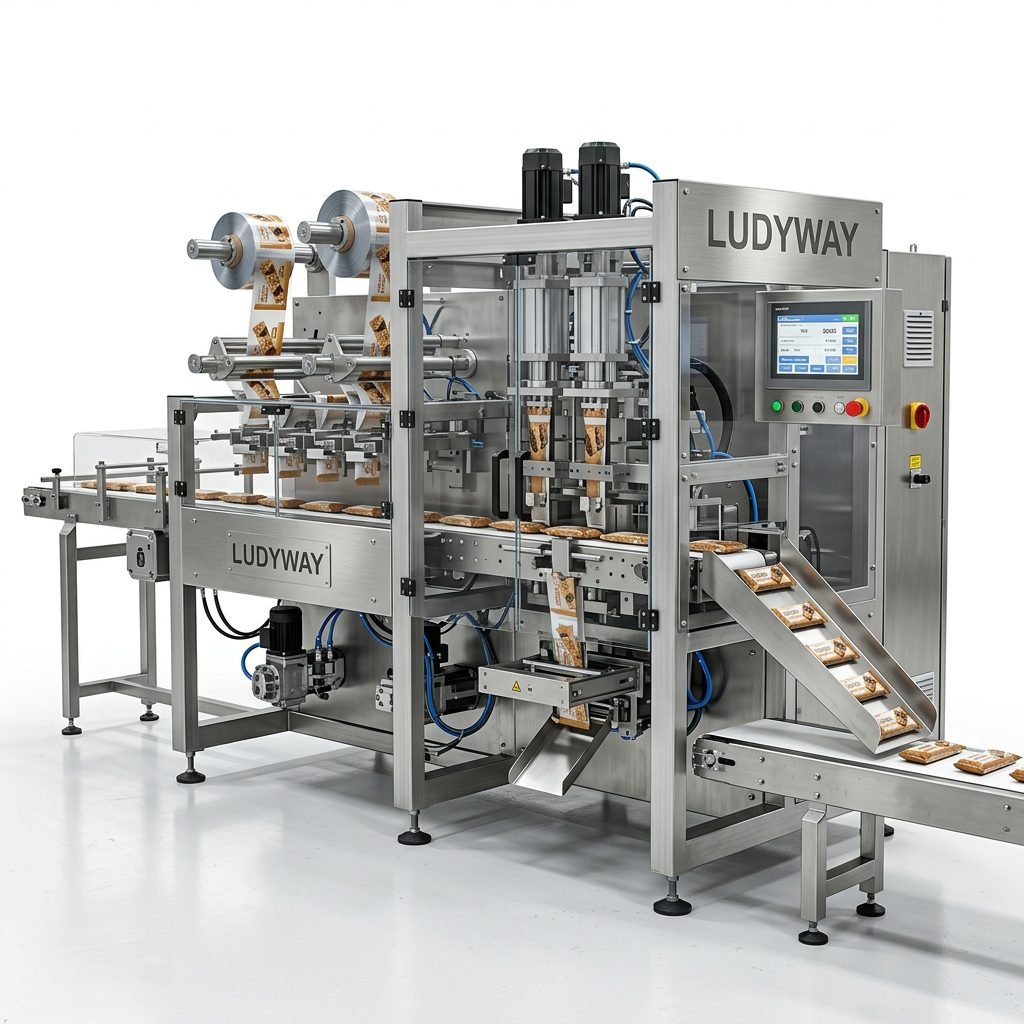
Horizontal Form-Fill-Seal (HFFS) Machines: Often used for items that are already shaped, like candy bars or biscuits. The product is placed on a flat web of film, which is then formed around it and sealed.
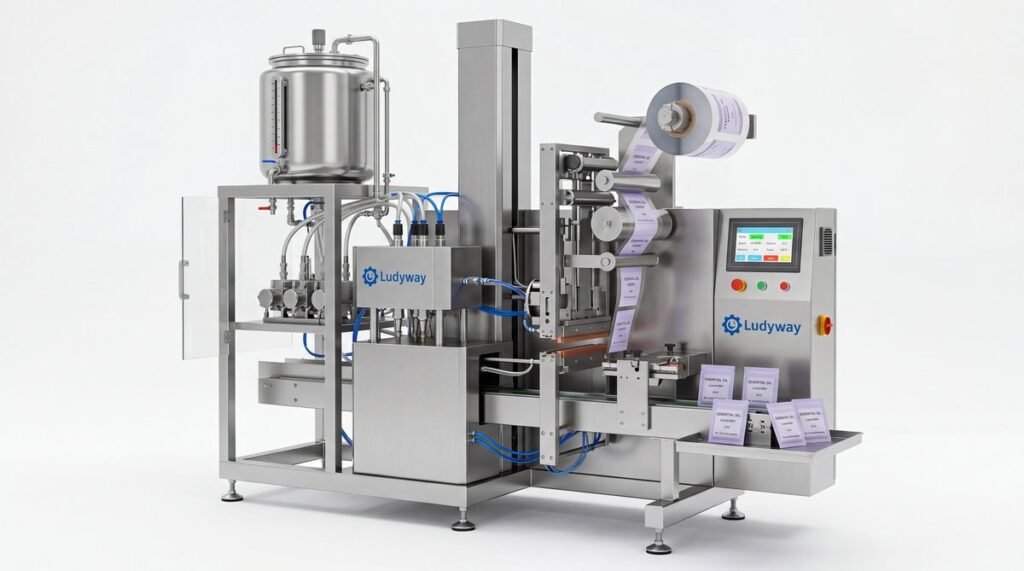
Liquid & Paste Fillers: Utilize pumps, pistons, or gravity systems for precise volumetric or weight-based filling of liquids, creams, and pastes into bottles, pouches, or tubes.
Wrapping and Bundling Machines
This category focuses on grouping multiple items or providing an outer layer of protection and presentation.
Flow Wrappers: Encase individual products or multi-packs in a snug, sealed wrap of film, commonly seen in candy bars, bakery items, and DVD cases.
Shrink Wrapping Systems: Use a loose sleeve of plastic film that, when heated, shrinks tightly around the product or pallet load, offering excellent stability and tamper evidence.
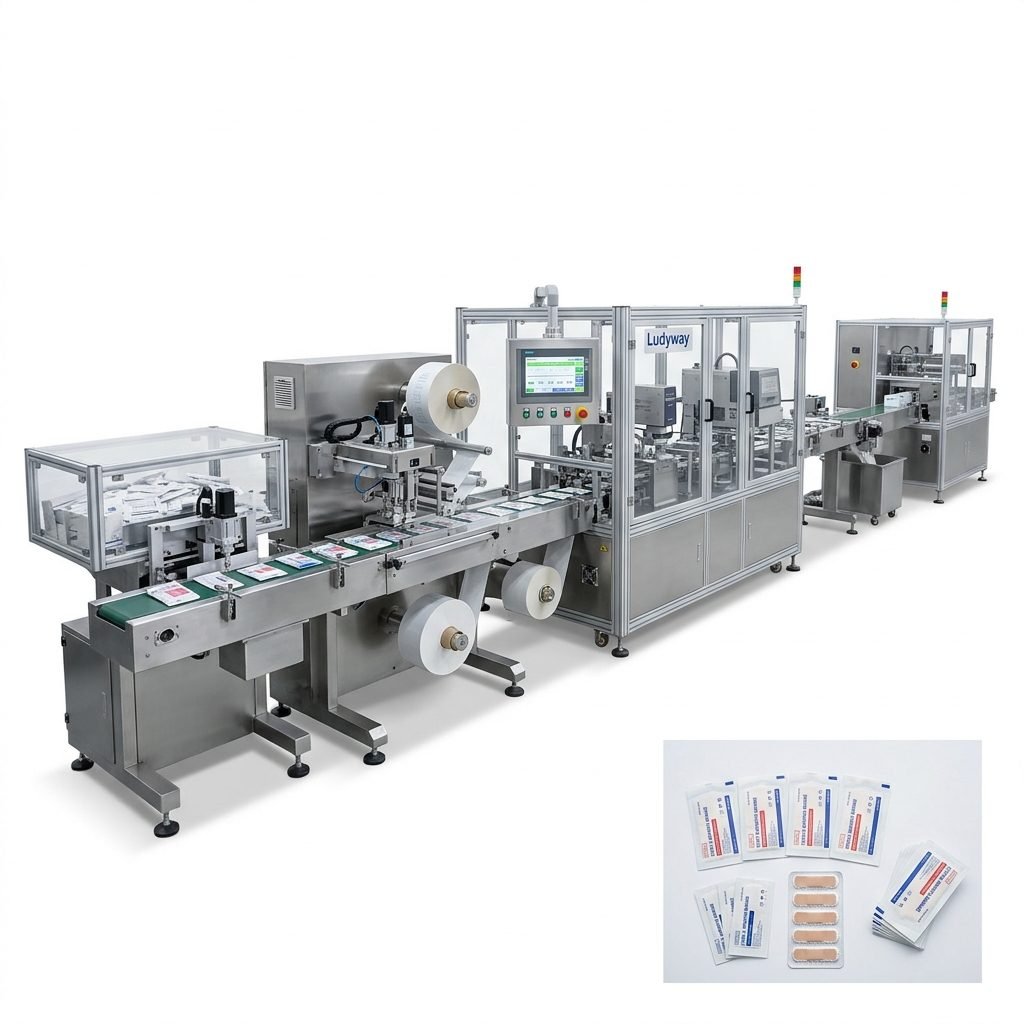
Cartoning Machines: Automate the process of erecting, loading, and closing cartons, essential for creating shelf-ready boxes for a wide array of consumer goods.
Specialized and End-of-Line Equipment
These machines handle specific tasks or integrate the packaged product into the final logistics chain.
Labeling & Coding Systems: Apply labels, print batch codes, expiry dates, or barcodes directly onto packages or labels. Crucial for traceability and compliance.
Case Packers & Palletizers: Automatically load finished packages into shipping cases and then stack those cases onto pallets, dramatically reducing manual labor in the warehouse.
Essential Types of Packaging Films
The film is the silent partner to the equipment. Its properties define the package’s barrier, strength, and appearance.
Barrier Films
Designed to protect contents from external factors like moisture, oxygen, light, or aromas. They are often multi-layered (laminates or co-extrusions).
Common structures include: PET/AL/PE for long-shelf-life snacks, MET-PET/PE for coffee, and specialized barriers for medical device packaging.
Sealant Films
These provide the layer that actually melts to form the seal. The sealant must be compatible with both the barrier layers and the sealing jaws of the machine.
Polyethylene (PE): Widely used for its excellent seal strength and clarity. Low-Density PE (LDPE) is common for easy-tear applications.
Cast Polypropylene (CPP): Offers good clarity, stiffness, and a higher heat resistance than PE, often used as the sealant layer in stand-up pouches.
Functional & Smart Films
This evolving category adds value beyond simple containment.
Retortable Films: Withstand high-temperature sterilization processes, essential for ready-to-eat meals and pet food in pouches.
High-Clarity & Matte Films: Used for premium branding where product visibility or a specific tactile feel is desired.
Recyclable & Compostable Films: Made from mono-materials like PP or PE, or bio-based polymers like PLA, to meet growing sustainability demands.
Key Applications Across Industries
The choice of equipment and film is heavily dictated by the industry and product specifics.
Food & Beverage
This sector demands the highest standards for safety, shelf-life, and speed. VFFS machines paired with high-barrier metallized or clear films are ubiquitous for snacks, coffee, and dried goods. Liquid fillers are critical for sauces, oils, and beverages. The trend is toward convenient, resealable, and sustainable packaging formats.
Pharmaceutical & Healthcare
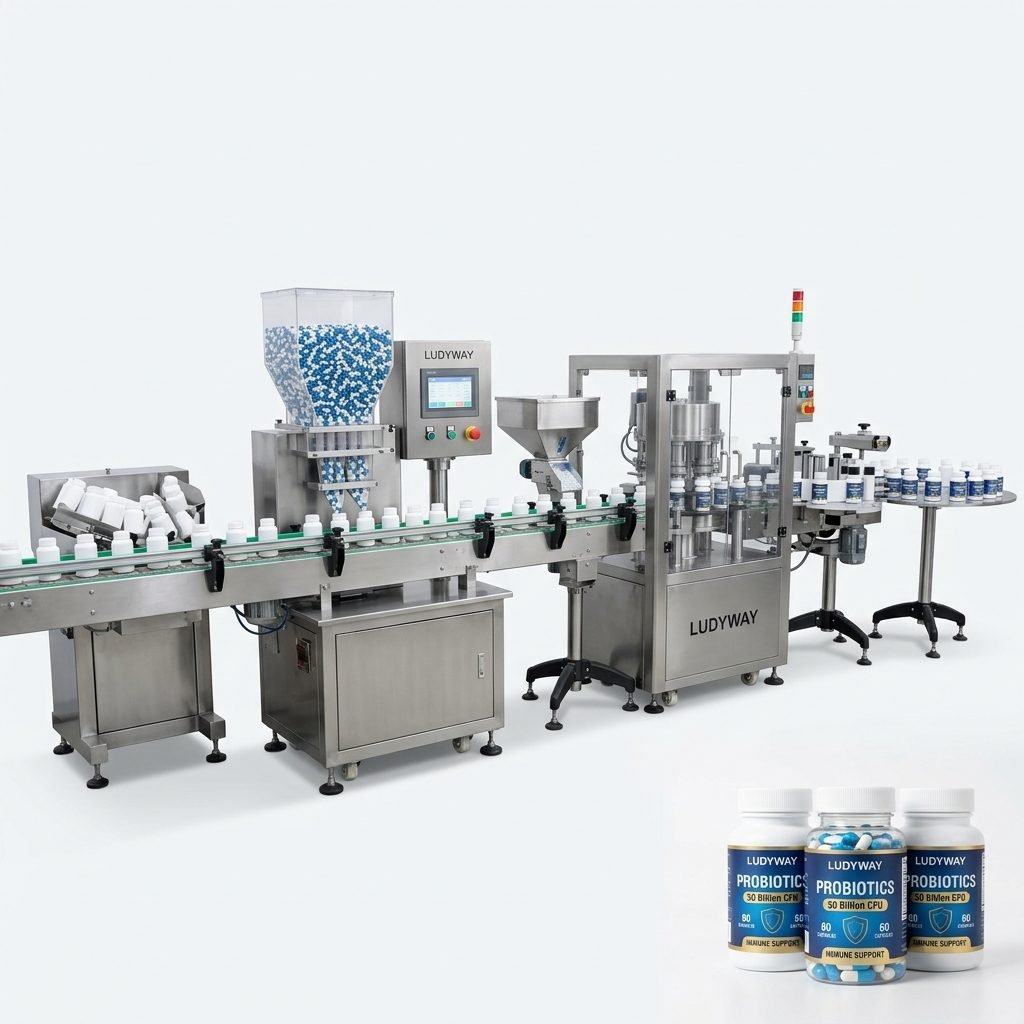
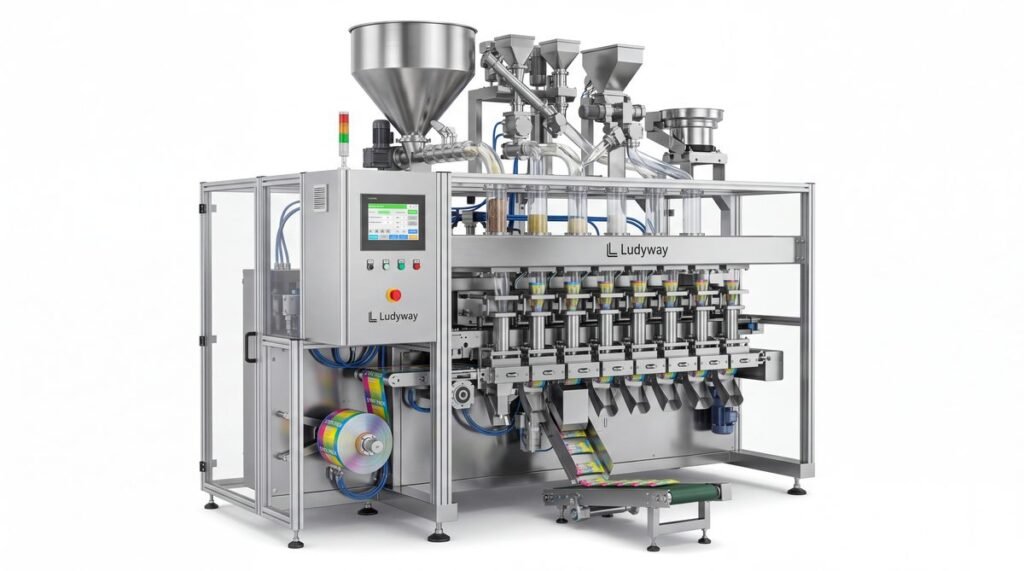
Precision, sterility, and compliance are non-negotiable. Blister packaging machines use forming films (PVC/PVDC, Aclar®) and lidding foil. Stick pack and sachet machines package powders and liquids for single-dose medications or supplements, requiring films with excellent barrier properties. Tamper evidence is a critical requirement across all formats.
Cosmetics & Personal Care
Presentation and user experience are paramount. Equipment ranges from tube fillers for creams to sachet machines for shampoo samples. Films often feature high-gloss finishes, metallic effects, or transparent windows to showcase the product. Portion control via single-use sachets is a major application.
Industrial & Chemicals
Durability and chemical resistance take precedence. Heavy-duty VFFS or premade pouch machines are used with multi-layer laminated films to package adhesives, lubricants, herbicides, and granular chemicals. Often, these packages require specific UN certification for the transport of dangerous goods.
How to Choose the Right Packaging Solutions: A Step-by-Step Framework
Making an informed investment requires a systematic evaluation of your product, production, and business goals.
1. Define Your Product & Requirements
Start with the product itself. Is it a granule, powder, liquid, solid, or paste? What are its sensitivity points—moisture, oxygen, light, or aroma? Determine the required shelf life. Also, consider any regulatory compliance needed (FDA, EU, etc.).
2. Analyze Your Production Needs
Quantify your operational scale. What is your current and projected output (packs per minute/hour)? Do you need flexibility for multiple products or package sizes? Assess your available floor space, utilities (compressed air, electrical), and operator skill level. A reputable partner like Ludyway Packing Machine can help audit these needs to recommend scalable solutions.
3. Select Compatible Equipment & Film
This is the crucial matching phase. The machine must be capable of handling your chosen film structure at your desired speed. Key questions:
Machine-Film Compatibility: Will the machine’s sealing jaws (temperature, pressure, dwell time) create a consistent, strong seal with your film’s sealant layer?
Film Performance: Does the film provide the necessary barrier and physical strength (puncture, tear resistance) for your product and distribution cycle?
Always conduct real-world trials with your actual product and film before finalizing any purchase. Experienced suppliers offer testing services to ensure compatibility.
4. Evaluate Total Cost of Ownership (TCO) & Support
Look beyond the initial purchase price. Consider energy consumption, changeover time, maintenance costs, and film waste. A slightly more expensive but more efficient and reliable machine can have a lower TCO. Crucially, evaluate the supplier’s technical support, availability of spare parts, and training. A partner with deep industry expertise, such as one with over 30 years of experience in packaging solutions, provides invaluable long-term security.
5. Consider Sustainability & Future-Proofing
Consumer and regulatory pressure is shifting toward sustainable packaging. Explore options for film downgauging (using less material), mono-material recyclable structures, or incorporating post-consumer recycled (PCR) content. Choose equipment that can adapt to these evolving materials. Furthermore, consider intelligent packaging systems with IoT capabilities for data collection and predictive maintenance, future-proofing your investment.
Frequently Asked Questions (FAQs)
Q1: What is the most important factor when matching a packaging machine with a film?
A: The most critical factor is seal compatibility. The machine’s sealing system (temperature, pressure, dwell time) must be perfectly tuned to melt and fuse the sealant layer of the film consistently. An incompatible match leads to weak seals, leaks, and production downtime. Always conduct production trials.
Q2: How can I reduce packaging material costs without compromising quality?
A: Several strategies exist: Downgauging to a thinner but equally performing film, optimizing package size to reduce surface area, and switching to a more cost-effective film structure (e.g., metallized film vs. aluminum foil laminate). An expert review of your packaging line can often identify significant savings.
Q3: What type of packaging is best for extending the shelf life of dry food products?
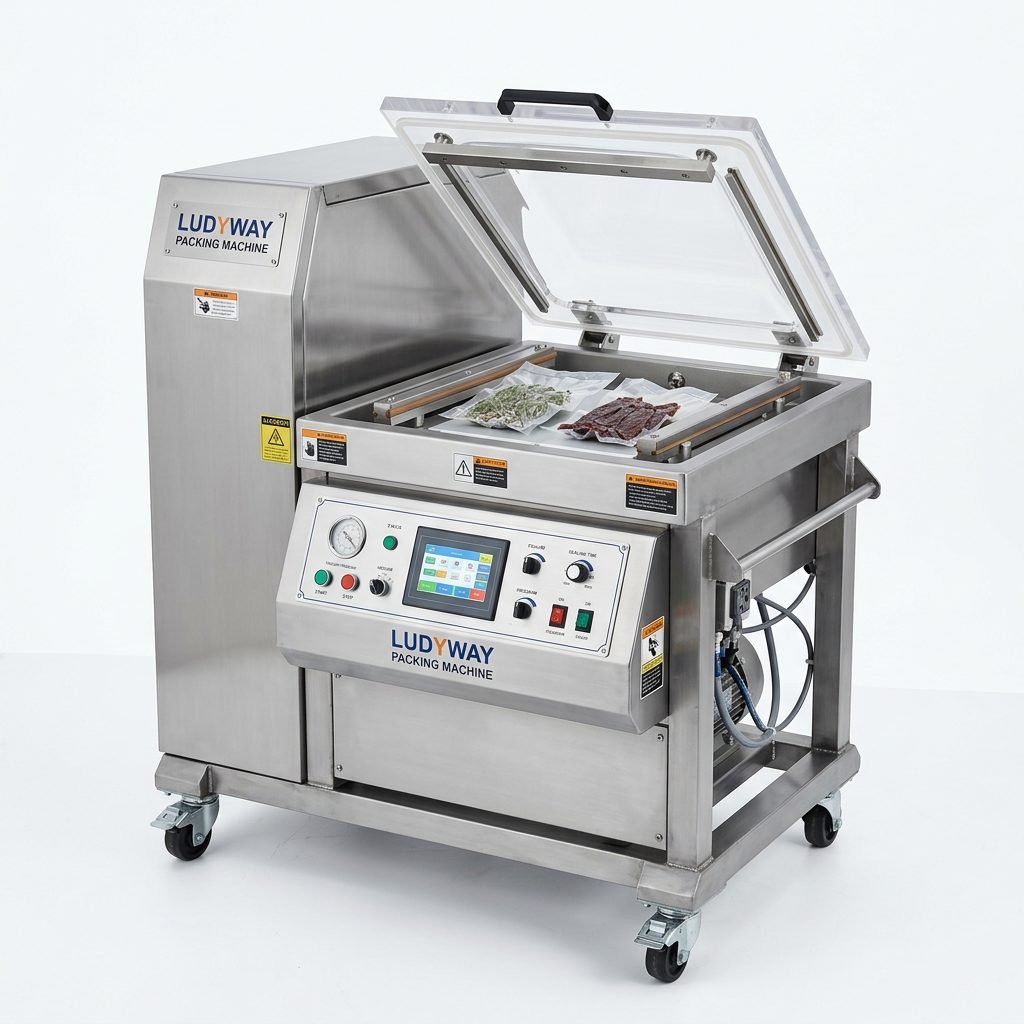
A: For maximum shelf life, a multi-layer barrier film is essential. A common and effective structure is a laminate containing a layer of aluminum foil (AL) or metallized film (MET) to block moisture, oxygen, and light, combined with a robust sealant layer like PE. Packaged on a reliable VFFS machine, this combination is the industry standard for coffee, snacks, and spices.
Q4: I need to package multiple product types. Should I get a dedicated machine for each or one flexible machine?
A: The answer depends on your volume and changeover frequency. For high-volume, single-product lines, dedicated machines offer maximum speed and efficiency. For lower volumes or frequent product switches, a flexible machine with quick-change parts (like interchangeable forming tubes and dosing systems) will minimize downtime and be more cost-effective. Discuss your specific SKU mix with your equipment supplier.
Q5: How do I ensure my packaging line is future-proof, especially regarding sustainability?
A: Future-proofing involves both equipment and material choices. Select machinery from a supplier known for innovation and upgradeability, capable of handling newer, more sustainable films (like mono-material PE or PP structures). Opt for equipment with precise temperature control and adjustable sealing parameters to accommodate a wider range of materials. Building a relationship with a forward-thinking partner is key to navigating this transition.