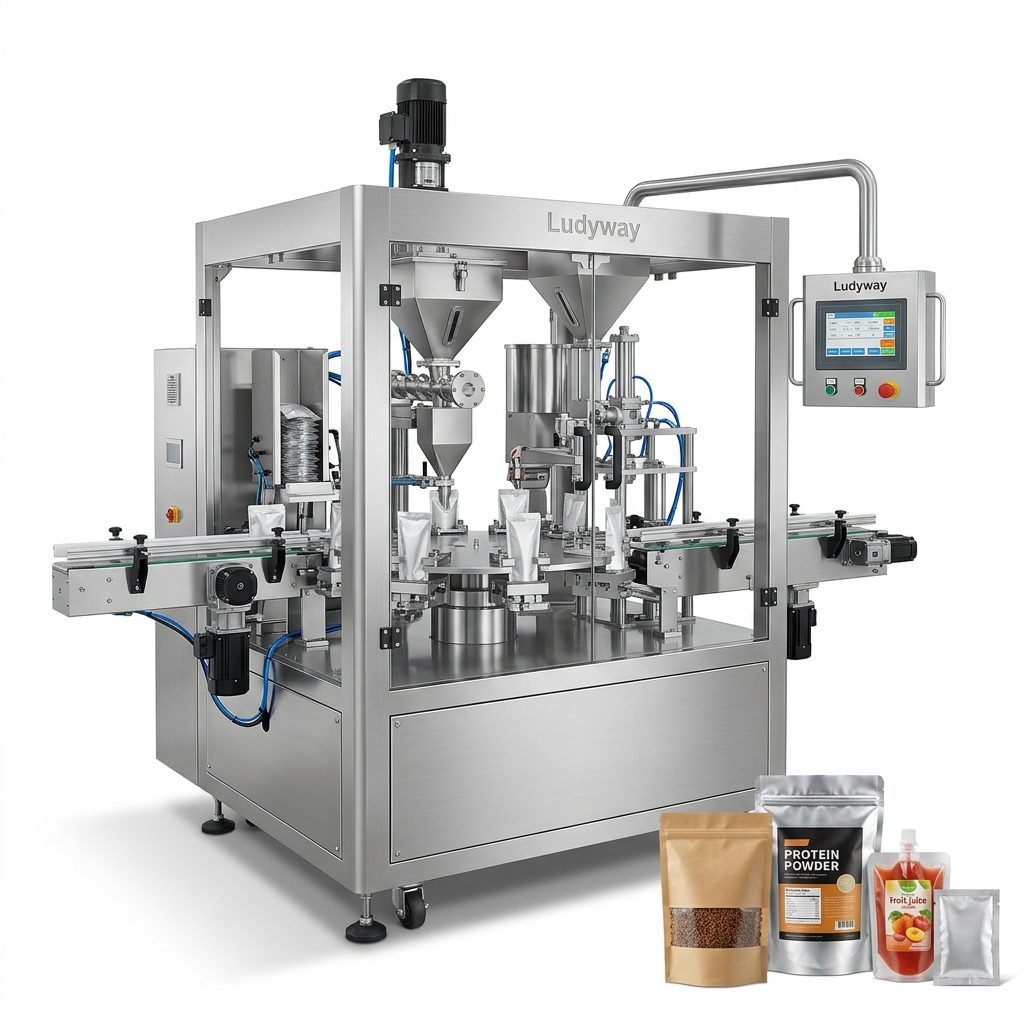
Investing in packaging equipment is a significant step for any business looking to enhance efficiency, increase production capacity, or enter new markets. However, the upfront capital required for high-quality machinery can be substantial. This is where packaging equipment finance becomes a critical strategic tool. Choosing the right funding option is not just about securing a loan; it’s about aligning your financial strategy with your business goals, cash flow patterns, and long-term growth plans. A well-structured financing plan can preserve working capital, provide tax advantages, and give you access to the latest technology without a crippling initial investment.
Understanding Your Financing Needs
Before exploring specific options, conduct a thorough assessment of your needs. Ask yourself key questions: What is the total cost of the equipment, including installation, training, and potential maintenance? How will this new equipment impact your revenue? Does it replace an old machine or add entirely new capacity? A clear understanding of the equipment’s ROI (Return on Investment) timeline is crucial for selecting a finance term that matches your expected payoff period.
Key Considerations:
Equipment Lifespan: Finance the equipment over a period shorter than its useful life.
Cash Flow Analysis: Choose a payment schedule (monthly, quarterly) that aligns with your business’s income cycles.
Future-Proofing: Consider if the financing structure allows for upgrades or add-ons as technology evolves.
Common Packaging Equipment Funding Options
1. Equipment Loan
A traditional term loan where a lender provides a lump sum to purchase the equipment. You own the asset immediately but use it as collateral for the loan.
- ✓ Pros: Full ownership from day one. Potential for tax deductions on depreciation and interest.
- ✗ Cons: Often requires a down payment (10-25%). Ties up credit lines. The asset is at risk if loan payments default.
2. Equipment Lease
An agreement where you pay to use the equipment for a fixed period. At the end of the term, you may have options to purchase, renew the lease, or return the equipment.
- ✓ Pros: Lower upfront costs. Payments are often fully tax-deductible as an operating expense. Easier to upgrade to newer models at lease end.
- ✗ Cons: You do not build equity in the asset. Can be more expensive in the long run compared to a loan if you intend to own.
→ Tip: The Choice Between Loan and Lease
If the equipment has a long usable life and is central to your core operations, a loan for ownership is typically better. For technology that rapidly evolves (like certain advanced packaging systems), a lease provides crucial flexibility to stay competitive without obsolescence risk.
3. Vendor Financing
Many equipment manufacturers or distributors, like Ludyway Packing Machine, offer direct financing programs. They partner with financial institutions to provide tailored solutions for their customers.
- ✓ Pros: Streamlined, one-stop process. The vendor has a vested interest in making the sale work, potentially leading to more flexible terms. They understand the equipment’s value.
- ✗ Cons: Rates and terms may not be as competitive as shopping the market independently. It can limit your negotiation power on the equipment price.
Evaluating Lenders and Proposals
Once you know your preferred option, get proposals from multiple sources: banks, credit unions, independent finance companies, and the vendor. Don’t just compare the monthly payment. Scrutinize the Annual Percentage Rate (APR), which includes fees and gives a true cost picture. Examine the fine print for prepayment penalties, late fees, and insurance requirements. A reputable lender with experience in industrial equipment finance, such as those familiar with packaging machinery solutions, will understand the asset’s value and structure a more appropriate deal.
The Application and Approval Process
Be prepared. Lenders will examine your business’s financial health. Key documents include 2-3 years of tax returns and financial statements, bank statements, a business plan, and details of the equipment quote. A strong credit profile (both business and personal) secures better rates. Be ready to explain how this investment will improve your business, using projections if possible. Transparency and preparation significantly smooth the path to approval.
Frequently Asked Questions (FAQs)
Q1: What credit score is typically needed to finance packaging equipment?
A: While requirements vary, a FICO business credit score above 650 is often a good starting point for traditional lenders. Scores above 680-700 will secure the best rates. Some alternative lenders or vendor programs may work with scores in the 600-650 range, but the cost of capital will be higher.
Q2: Can I finance used or refurbished packaging equipment?
A: Yes, many lenders finance quality used equipment. The loan terms are usually shorter (3-5 years) to match the asset’s remaining life, and the interest rate might be slightly higher. You will need a detailed invoice and potentially an appraisal to establish the equipment’s value for the lender.
Q3: How does equipment financing affect my business taxes?
A: For loans, you can typically deduct the interest portion of payments and depreciate the equipment asset. For operating leases, the entire lease payment is often deductible as an operating expense. Always consult with a tax professional to understand the specific implications for your business structure and location.
Q4: What is the typical down payment required?
A: For equipment loans, down payments commonly range from 10% to 20% of the total cost. For leases, it can often be as low as the first month’s payment plus a security deposit, sometimes structured as “first and last month’s” payment. Strong credit and a solid business history can reduce down payment requirements.
Q5: Should I finance through the equipment dealer or my local bank?
A: There’s no one-size-fits-all answer. Dealer financing is convenient and may offer promotional rates, but it’s essential to compare the APR with your bank’s offer. Your local bank may offer a better rate if you have a strong existing relationship. The best practice is to get written proposals from both and compare the total cost and flexibility.