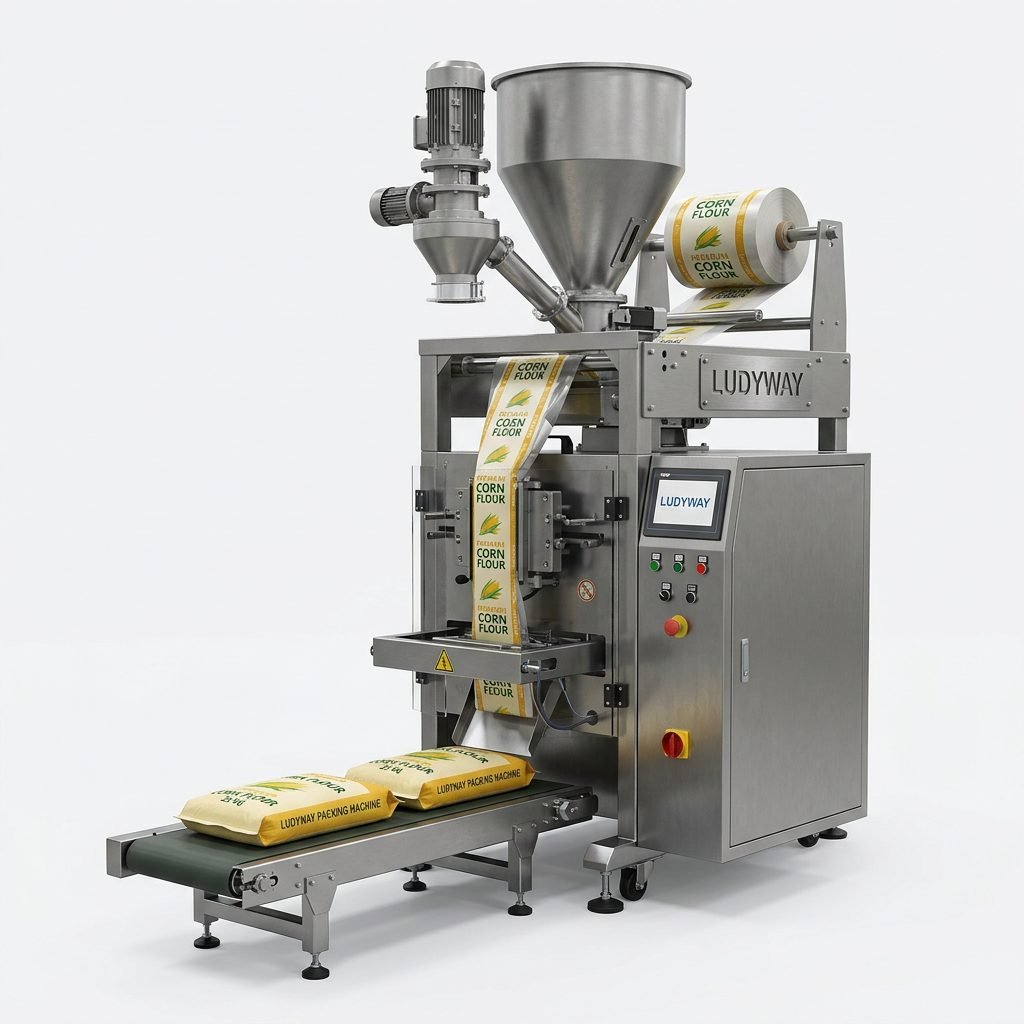
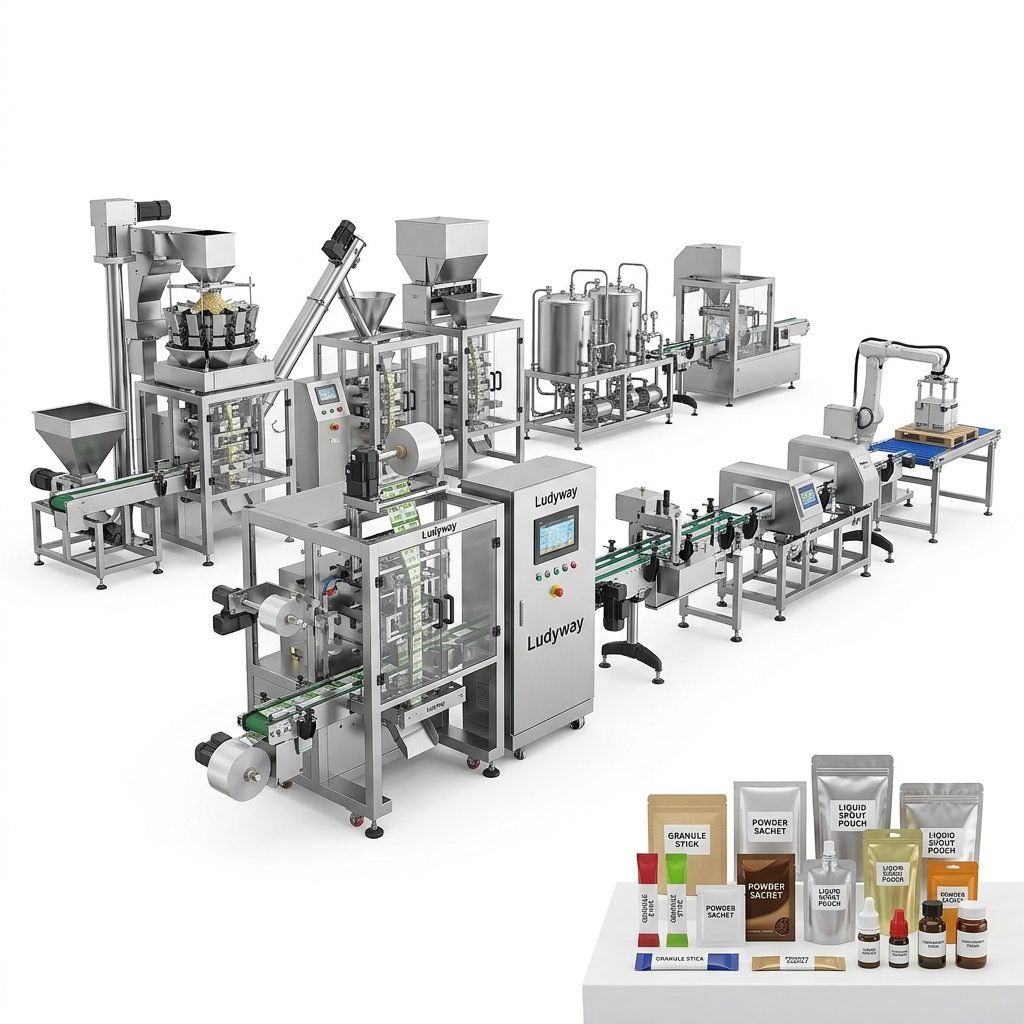
Investing in the right beans packaging machine is one of the most consequential decisions a food processor, contract packer, or agricultural producer can make. Beans—whether coffee, cocoa, chickpeas, lentils, soybeans, or specialty varieties—present unique handling challenges. Their irregular shapes, varying bulk densities, dust generation, and sensitivity to moisture and oxygen demand packaging equipment engineered with precision. A poorly matched machine leads to inconsistent fill weights, excessive product breakage, seal failures, and costly downtime. This comprehensive buyer’s guide walks you through every critical factor, from product characteristics and machine types to automation levels and after-sales support, so you can make an informed, confident purchase.
Start with Your Bean Product: Physical Properties Matter First
Before comparing machine specifications, you must thoroughly characterize your bean product. The physical properties of your beans directly determine which dosing, filling, and sealing technologies will perform reliably. Overlooking this step is the most common cause of purchasing errors.
Key Product Characteristics to Document
- Particle size distribution and shape: Are your beans uniformly sized, or do they vary significantly? Round beans flow differently than flat or elongated varieties.
- Bulk density and flowability: Free-flowing beans like green coffee behave differently than sticky or oily beans like roasted coffee. Test angle of repose and flow indices.
- Friability and breakage sensitivity: Whole beans destined for retail sale require gentle handling. Excessive drop heights or aggressive auger systems can cause unacceptable product damage.
- Dust content: Beans often generate dust during conveyance. Dust extraction capabilities may be necessary to maintain seal integrity and workplace cleanliness.
- Moisture content and hygroscopicity: Dried beans typically range from 8-14% moisture. Hygroscopic beans may require modified atmosphere packaging (MAP) or nitrogen flushing.
- Target fill weight and package format: Are you filling 50g stick packs, 500g pillow pouches, 1kg stand-up pouches, or 25kg bulk bags? Each format demands different machine configurations.
Pro Tip: Always conduct packaging trials with your actual product—not just a similar sample—before finalizing any equipment purchase. Bean behavior under real production conditions often differs significantly from laboratory tests.
Types of Beans Packaging Machines: Matching Technology to Your Application
The packaging machinery market offers several distinct machine architectures, each with specific advantages for bean packaging. Understanding these differences is essential for narrowing your options.
| Machine Type | Best For | Typical Bag Formats | Key Advantage | Considerations |
|---|---|---|---|---|
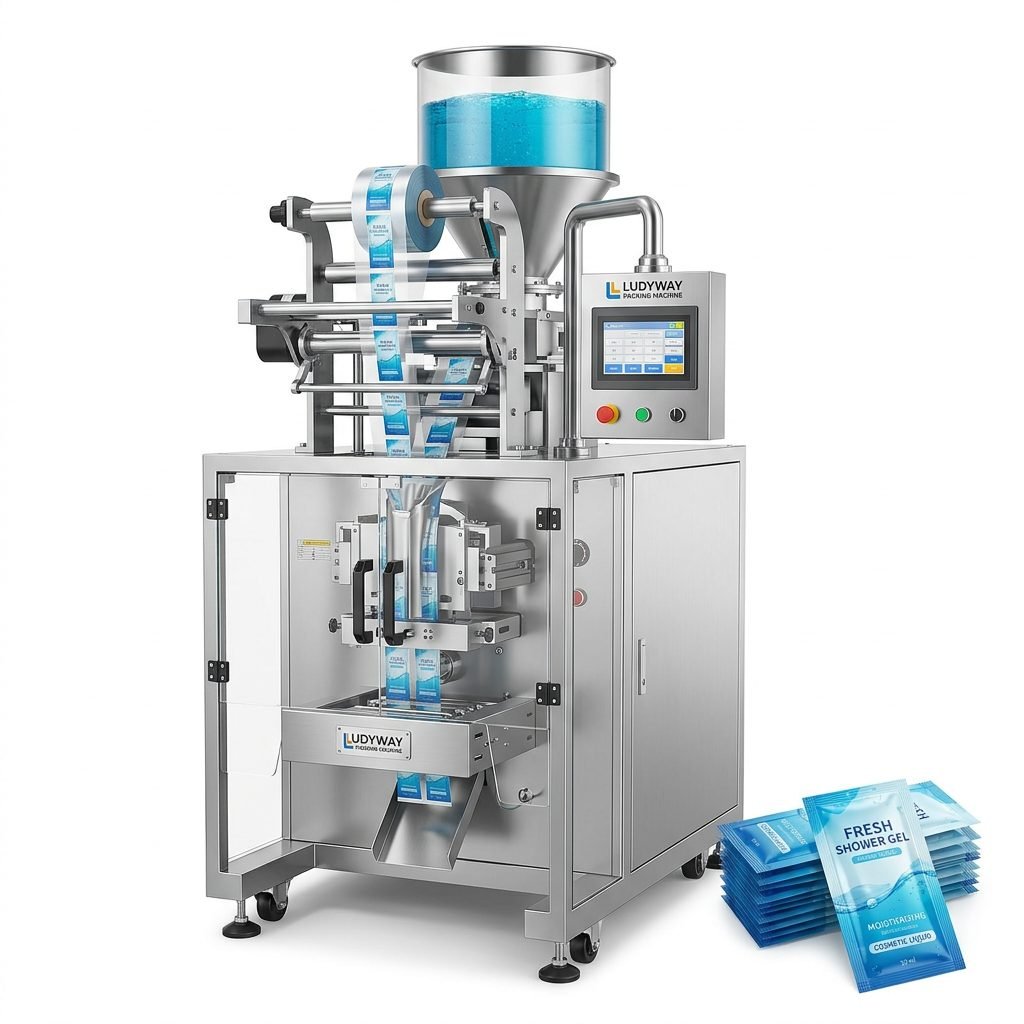
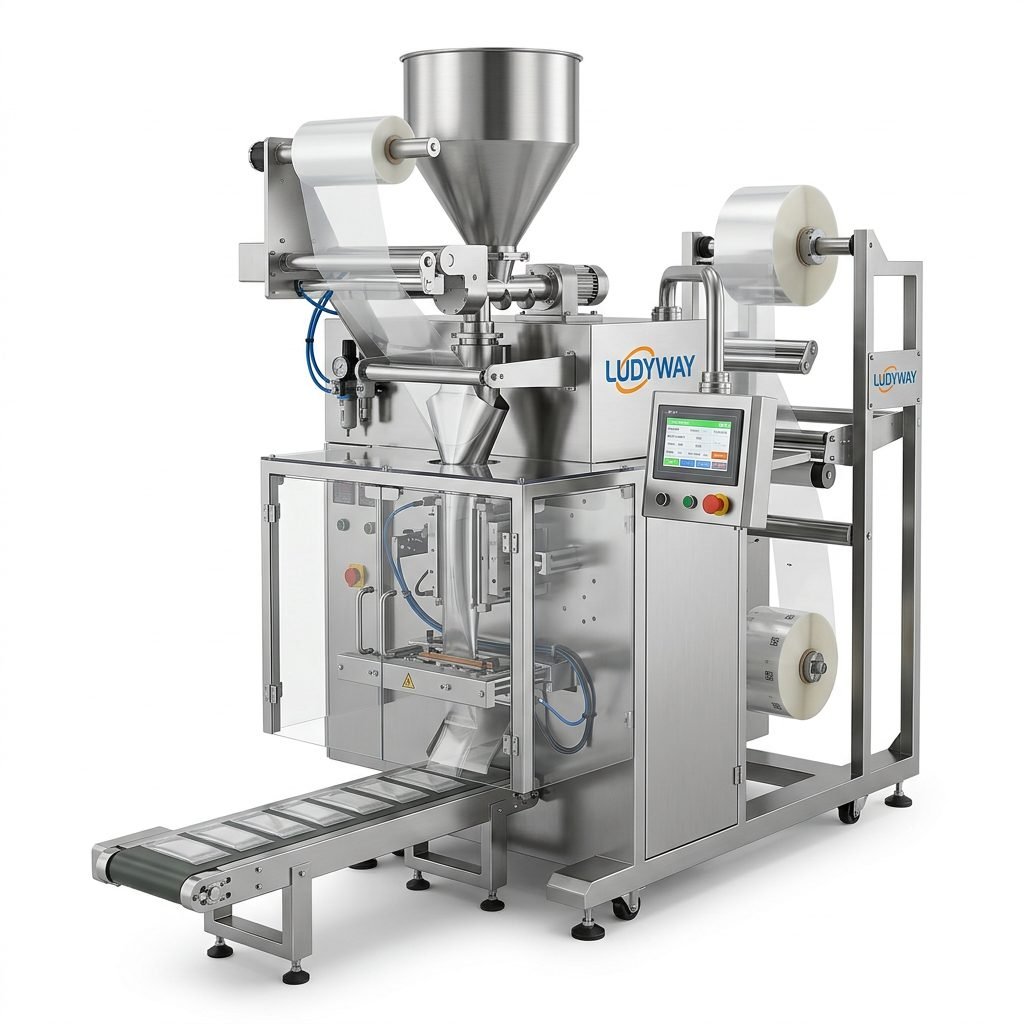
| Vertical Form Fill Seal (VFFS) | Free-flowing beans, high-speed production | Pillow pouches, gusseted bags, block-bottom bags | High output, compact footprint | May require gentle handling options for fragile beans |
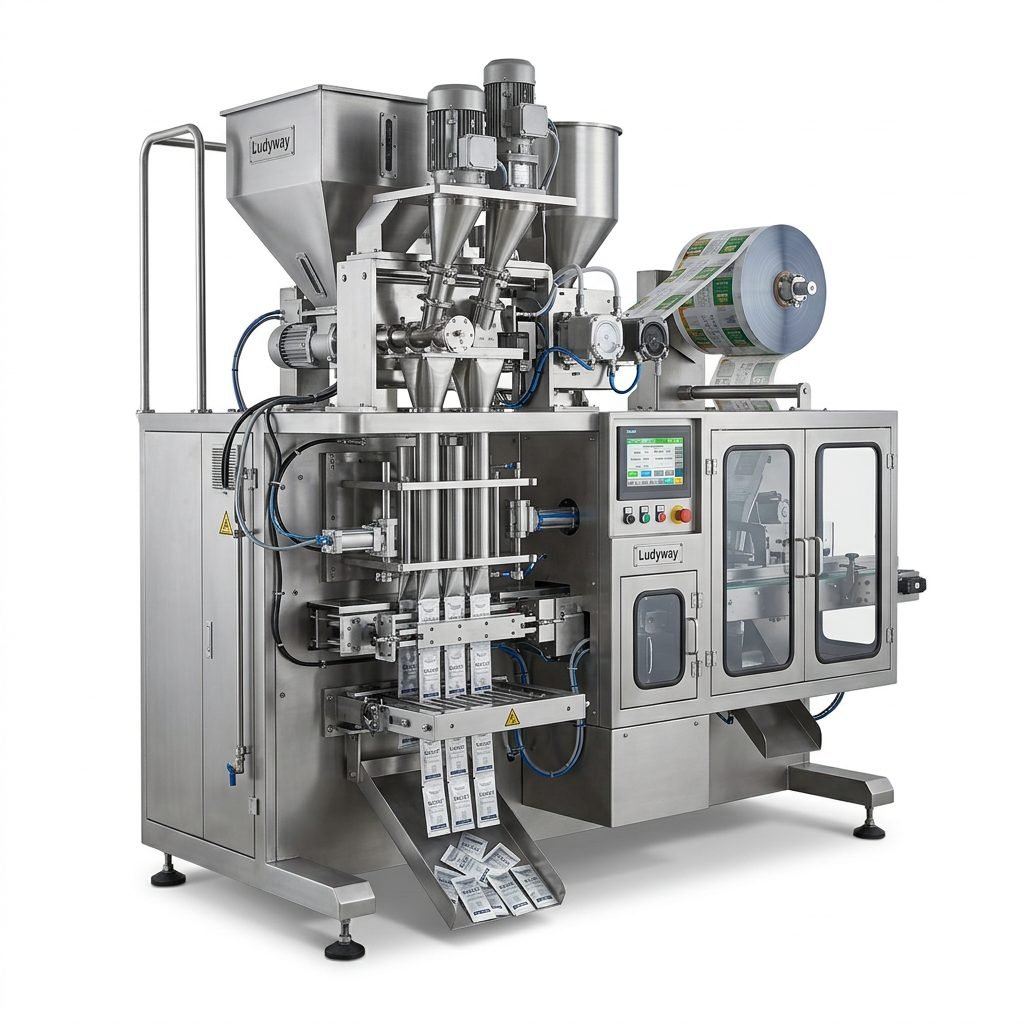
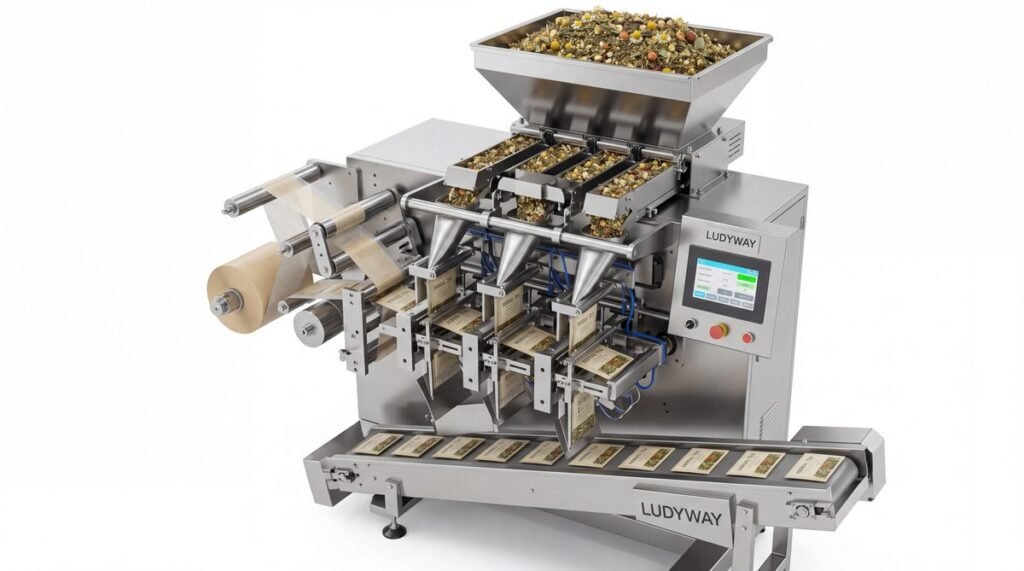
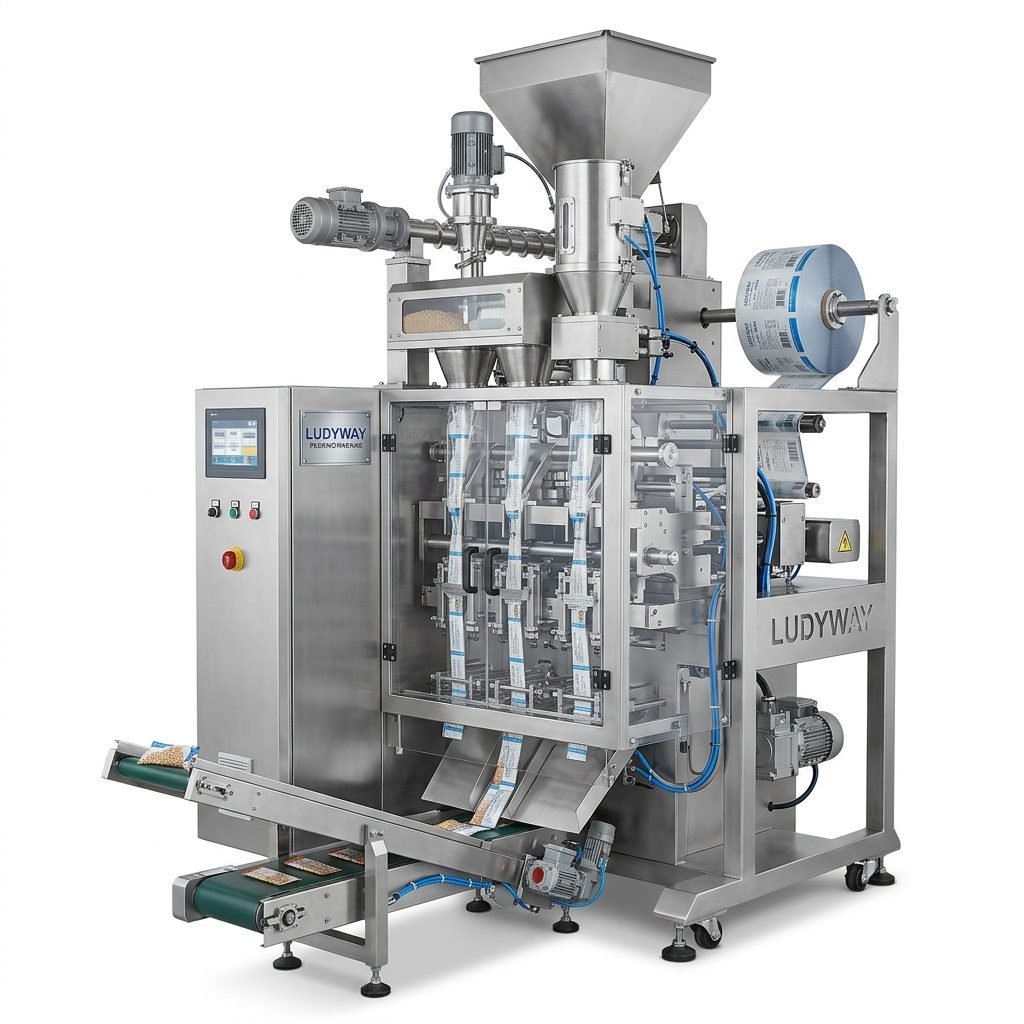
| Multi-Lane Stick Pack / Sachet Machines | Single-serve portions, samples, on-the-go packs | Stick packs, 3-side seal sachets, 4-side seal sachets | Very high throughput per square meter | Requires consistent bean size for uniform fills |
| Premade Pouch Rotary / Inline Fillers | Premium retail packaging, stand-up pouches, zipper closures | Stand-up pouches, spouted pouches, flat pouches | Superior seal quality, flexible format changes | Higher cost per unit, typically slower speeds |
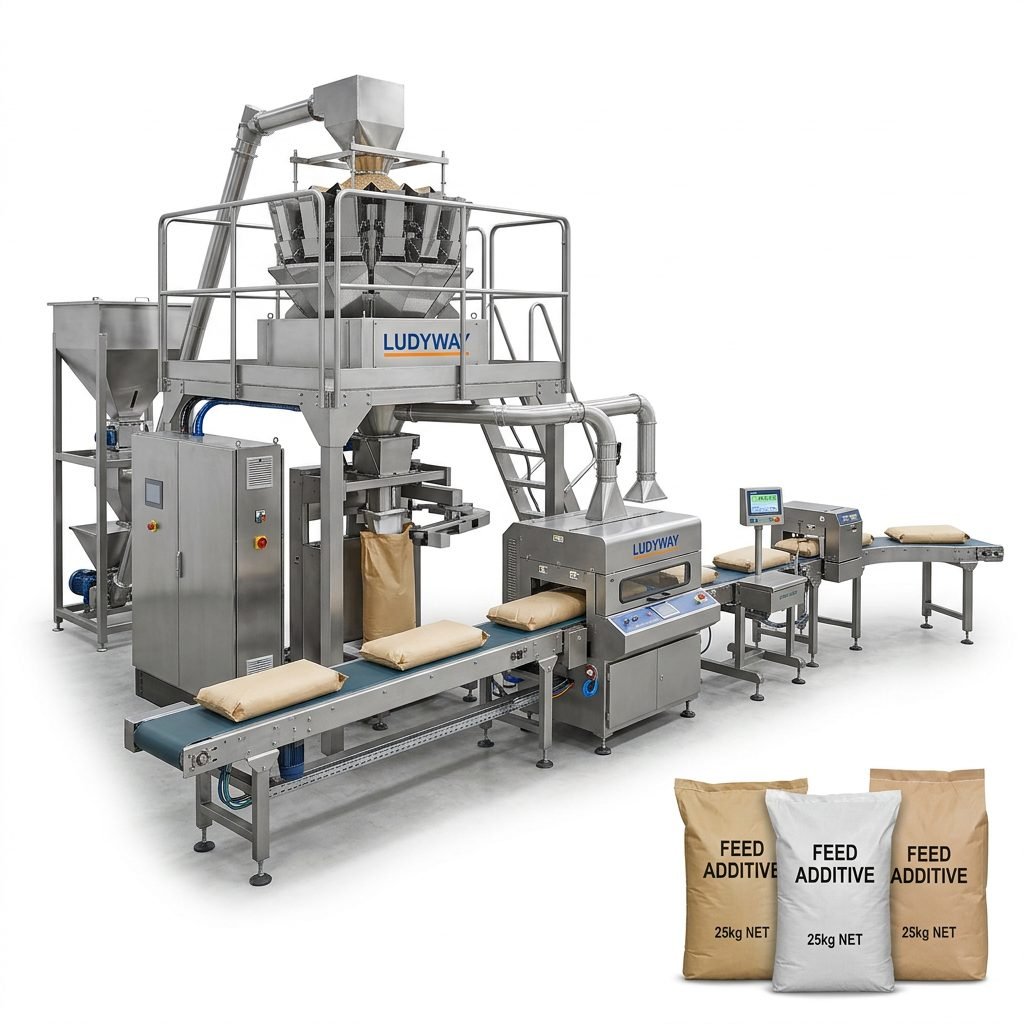
| Weighing & Bagging Lines for Bulk | 25kg, 50kg, or bulk sacks for wholesale and industrial beans | Open-mouth bags, valve bags, FIBC (big bags) | High accuracy at large fill weights | More floor space required, higher initial investment |
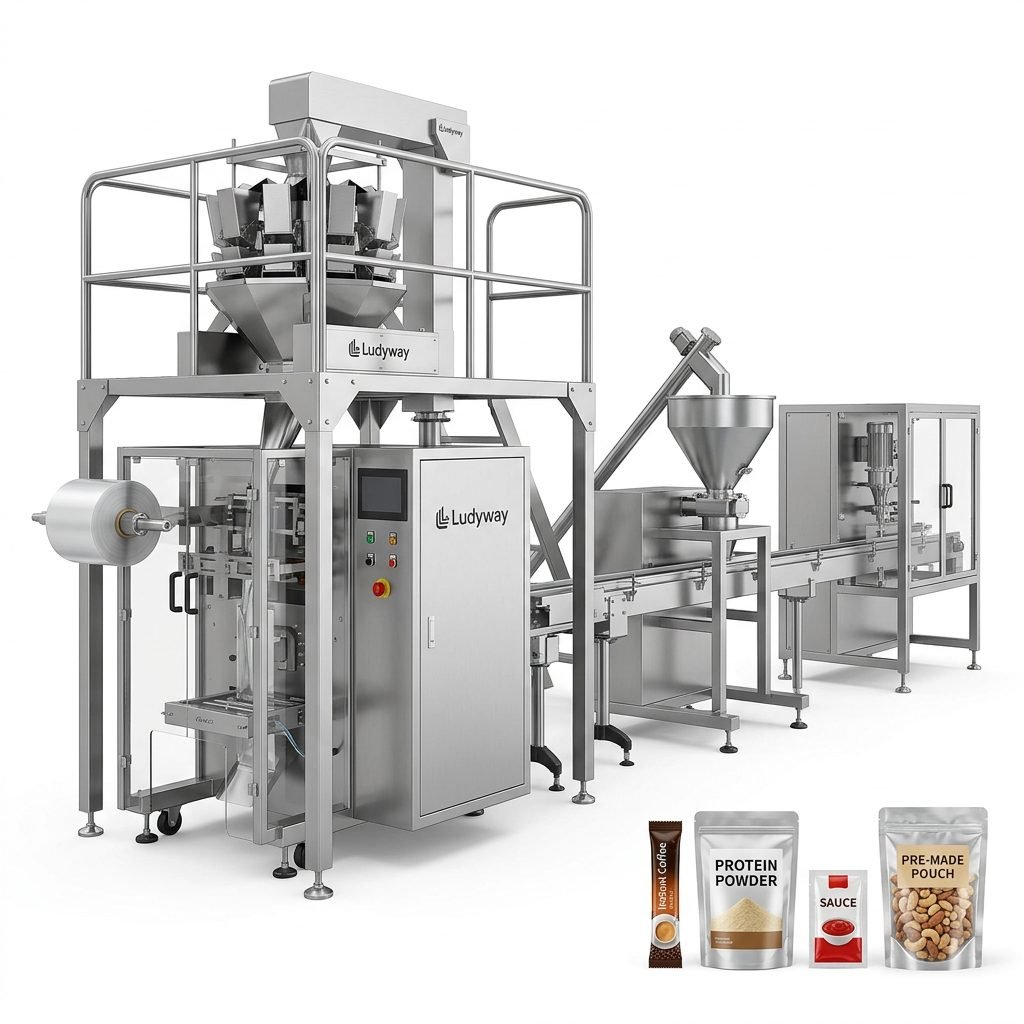
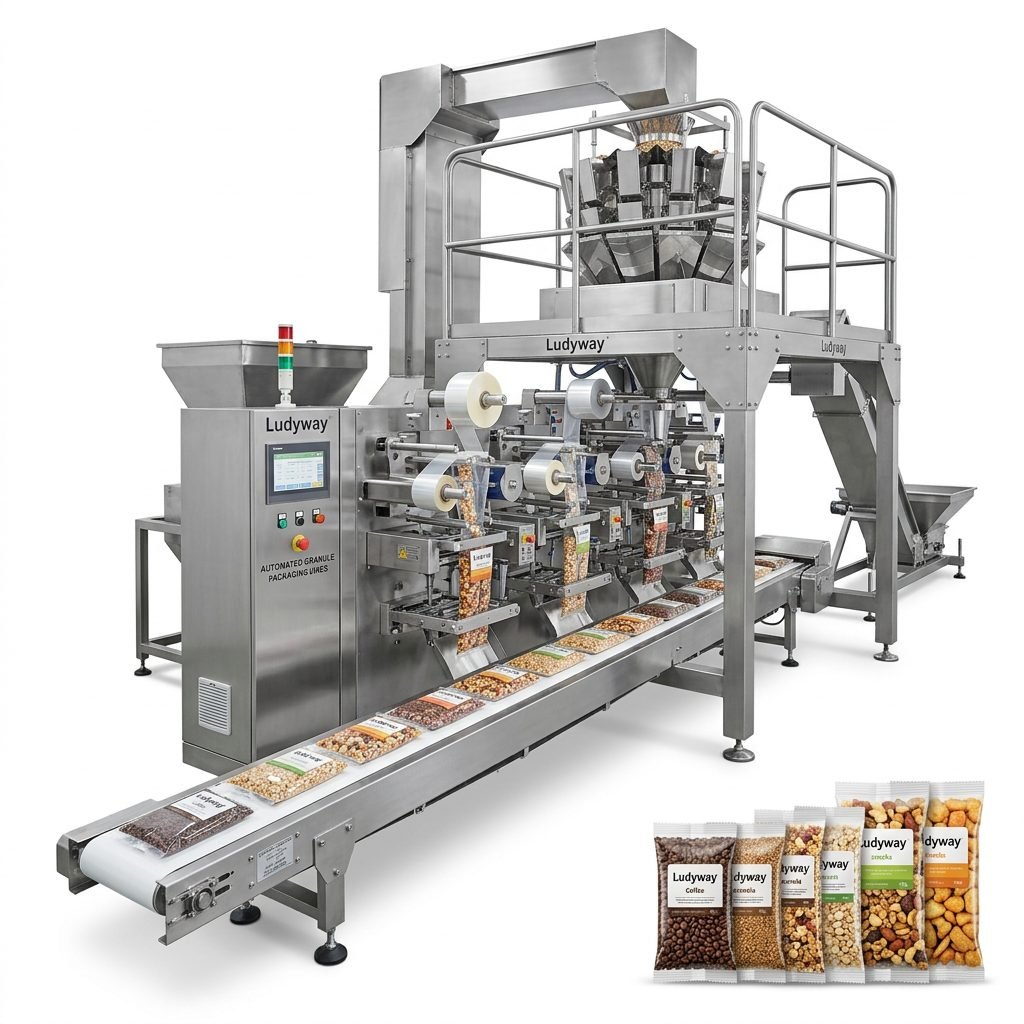
For operations packaging whole coffee beans into 250g retail pouches, a VFFS machine with a multi-head weigher often provides the optimal balance of speed, accuracy, and gentle product handling. For single-serve instant coffee stick packs, a multi-lane stick pack machine is typically the most efficient choice.
Critical Performance Factors: Accuracy, Speed, and Reliability
Beyond machine type, several performance parameters directly impact your operational efficiency and product quality. Evaluate each factor against your specific requirements.
Weighing and Dosing Accuracy
Precision weighing is non-negotiable for bean packaging. Multi-head weighers have become the gold standard for free-flowing granular products like beans. Each weigh head calculates the optimal combination to achieve the target weight, minimizing give-away while maintaining high speed. For smaller operations, linear weighers or volumetric cup fillers may offer a more accessible entry point, though with some compromise on accuracy. Consistent fill weights protect your profit margins—even a 1-2 gram overfill per bag can cost thousands annually at scale.
Production Speed Requirements
Define your current and projected throughput needs clearly. A machine that perfectly meets today’s demand may become a bottleneck within two years if your business grows. Consider these benchmarks:
- Small to medium operations: 30-60 packs per minute may suffice
- Mid-scale production: 80-150 packs per minute is typical
- High-volume industrial lines: Multi-lane machines achieving 400-600+ packs per minute
Seal Integrity and Package Quality
Beans, particularly those with fine dust or oils, can contaminate seal areas and cause leaks. Look for machines with effective seal-jaw designs, temperature control precision, and dwell time adjustability. For products requiring extended shelf life, consider modified atmosphere packaging (MAP) or vacuum sealing capabilities integrated into the packaging line.

Automation Level: Manual, Semi-Automatic, or Fully Automatic?
The degree of automation you choose impacts not only your initial investment but also your labor requirements, consistency, and scalability. Bean packaging operations vary widely in their automation needs.
| Automation Level | Labor Requirement | Typical Output Range | Best Suited For |
|---|---|---|---|
| Manual / Hand-Fill | High, operator-dependent | 5-15 packs per minute | Startups, very short runs, specialty products |
| Semi-Automatic | Moderate, requires operator for feeding and bag handling | 15-40 packs per minute | Growing businesses, moderate volumes |
| Fully Automatic | Low, primarily supervisory | 60-600+ packs per minute | Established manufacturers, high-volume production |
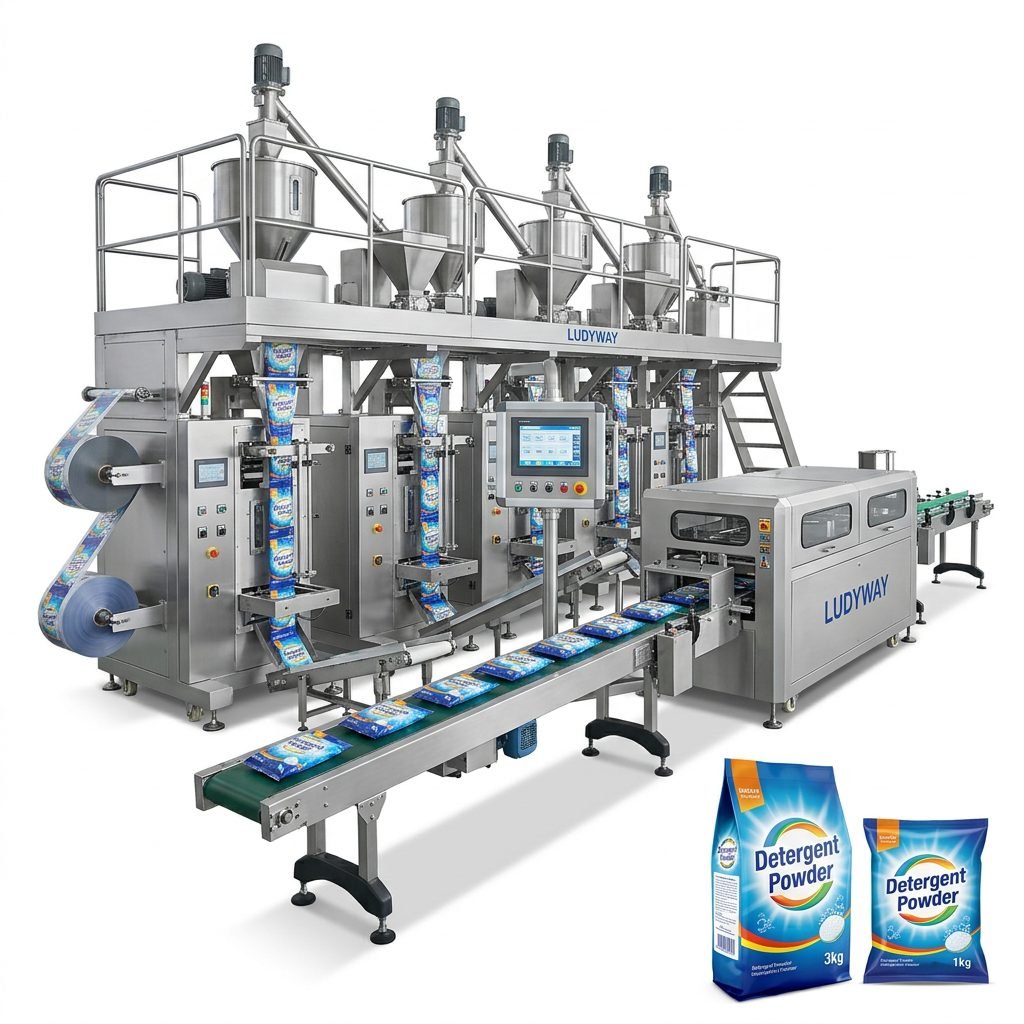
| Turnkey Integrated Line | Minimal, fully automated from dosing to case packing | Custom, high-volume | Large-scale operations seeking end-to-end automation |
A fully automatic beans packaging machine with automatic feeding, weighing, bag forming, filling, sealing, coding, and optional cartoning can dramatically reduce labor costs while improving consistency. Many manufacturers find that the return on investment for full automation occurs within 18-36 months through labor savings and reduced product give-away alone.
Bag Formats and Packaging Materials: Flexibility Counts
Consumer preferences and retail requirements continue to evolve. Your packaging machine should offer sufficient flexibility to accommodate current and future packaging formats without requiring completely new equipment.
Common Bag Formats for Bean Products
- Pillow pouches: Cost-effective, high-speed production, widely used for commodity beans
- Stand-up pouches with zipper: Premium retail format, resealable, excellent shelf presence
- Gusseted bags: Better shelf stability and branding surface area
- Stick packs and sachets: Single-serve portions, growing in popularity for specialty coffee and snack beans
- Quad-seal or block-bottom bags: Superior stability on retail shelves
- Valve bags and open-mouth sacks: Bulk industrial packaging for 5kg-50kg formats
Evaluate machines based on their changeover speed and complexity. If you plan to run multiple bag sizes or formats, quick-change features like tool-less adjustments and recipe management can save significant production time.
Materials of Construction: Hygiene, Durability, and Compliance
For food-grade bean packaging, stainless steel construction—typically SUS304 or SUS316L—is the industry standard for product contact surfaces. Beyond the basic material choice, consider:
- Surface finish: Food-grade polished surfaces prevent bacterial harborage and simplify cleaning
- Dust-proof and wash-down designs: Essential for operations requiring frequent sanitation
- IP ratings for electrical components: IP65 or IP66 for wash-down environments
- Seal materials compatibility: Ensure seals and gaskets are FDA-compliant for food contact
Smart Features and Industry 4.0 Integration
Modern beans packaging machines increasingly incorporate intelligent features that improve efficiency, traceability, and operational visibility:
- Remote monitoring and diagnostics: Access machine performance data and troubleshoot issues from anywhere
- Production data analytics: Track OEE (Overall Equipment Effectiveness), downtime causes, and throughput trends
- Recipe management systems: Store and recall settings for different products and bag formats with one touch
- Integration with ERP/MES systems: Connect packaging data with your enterprise systems for complete production visibility
- Automated quality control: In-line checkweighing, metal detection, X-ray inspection, and vision systems
Total Cost of Ownership: Beyond the Purchase Price
When comparing quotes for a beans packaging machine, the initial purchase price tells only part of the story. A comprehensive cost analysis should include:
- Installation and commissioning costs: Including any facility modifications required
- Operator training: Time and resources needed to achieve full productivity
- Consumables: Packaging film, lubricants, wear parts, and replacement components
- Energy consumption: Power usage per unit produced
- Preventive maintenance: Scheduled service, parts replacement, and labor
- Downtime risk: The cost of lost production if the machine is unreliable
- Product give-away: Overfill costs multiplied by total production volume over the machine’s lifetime
Selecting a machine with higher initial quality and reliability often delivers lower total cost of ownership over a 5-10 year operating period compared to a cheaper machine with higher maintenance needs, frequent downtime, and less accurate filling.
Quality Standards and Certifications: What to Look For
Reputable packaging machinery manufacturers design equipment that meets applicable international standards. When evaluating suppliers, consider:
- CE marking: Compliance with European health, safety, and environmental requirements
- FDA compliance: For food contact materials and food-grade construction
- ISO certifications: Quality management systems and relevant packaging standards
- GAMP compliance: For pharmaceutical-grade bean products or nutraceuticals
- UL/CSA certification: Electrical safety standards for North American markets
For more detailed industry guidance, refer to resources from PMMI – The Association for Packaging and Processing Technologies and the ISO Packaging Standards for internationally recognized benchmarks.
Choosing Your Equipment Partner: Manufacturer Selection Matters
The manufacturer you choose is as important as the machine itself. A reliable equipment partner provides not just hardware, but engineering expertise, application knowledge, and long-term support that protects your investment. Evaluate potential suppliers on:
- Industry experience: Look for manufacturers with demonstrated experience in beans and granular product packaging specifically
- Manufacturing capabilities: In-house manufacturing with quality control processes ensures consistent build quality
- Customization ability: Your beans and packaging requirements are unique—a partner that can engineer solutions rather than just sell standard machines delivers better outcomes
- After-sales support network: Consider the availability of spare parts, technical assistance, and service engineers in your region
- References and case studies: Ask for examples of similar installations in your industry segment
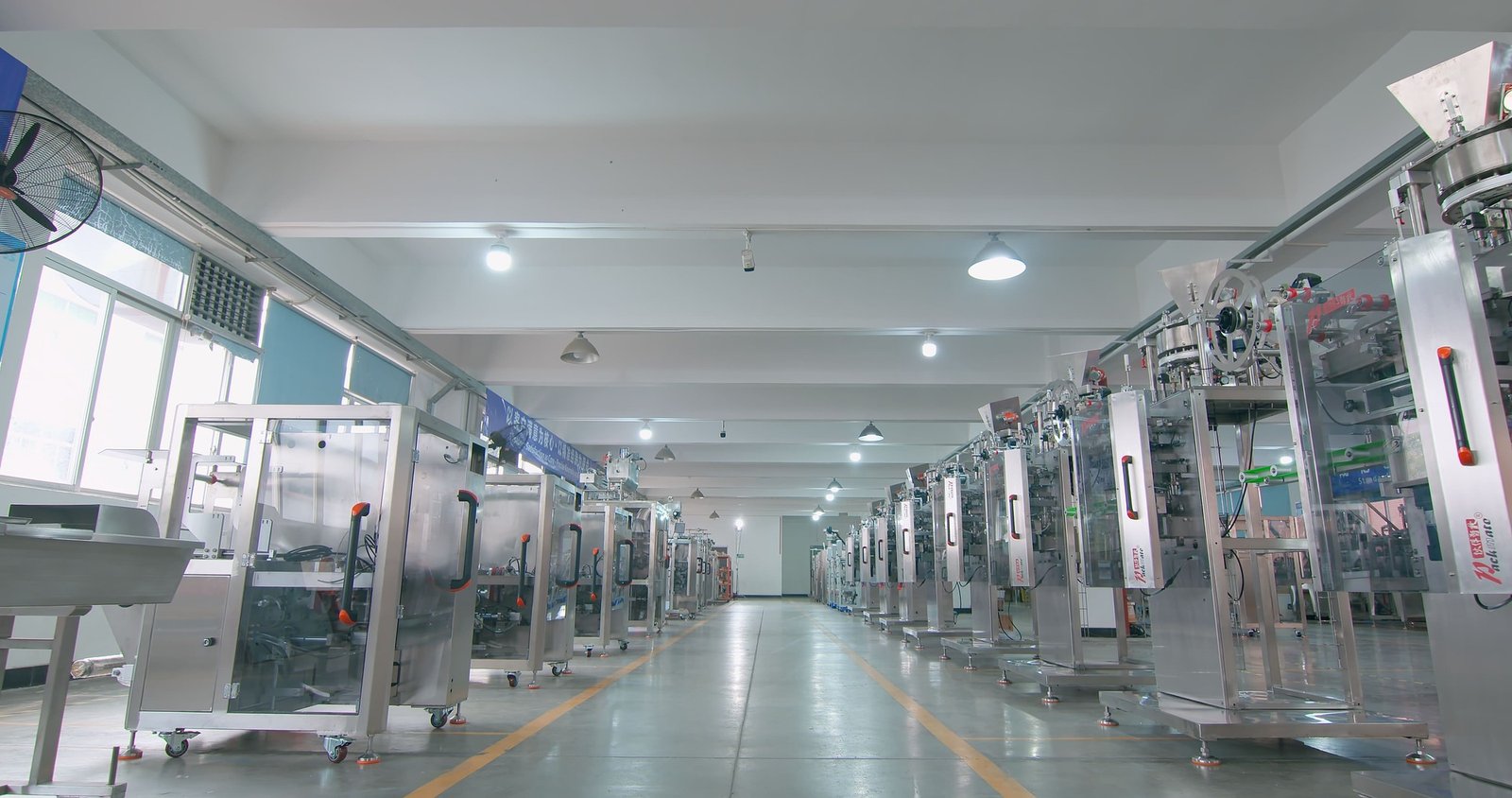
Manufacturers like Ludyway Machinery, a China-based packaging machinery manufacturer with more than 30 years of experience and a 20,000-square-meter manufacturing facility serving customers in over 100 countries, combine in-house engineering, customized packaging solutions, and global technical support to help bean processors improve packaging efficiency and operational consistency. For granular products like beans, working with a supplier that understands the nuances of multi-head weighing, gentle product handling, dust management, and flexible packaging format changes is essential. You can learn more about the global packaging machinery landscape through Flexible Packaging Association resources.
Common Pitfalls to Avoid When Buying a Beans Packaging Machine
Drawing from decades of industry experience, here are the most frequent mistakes buyers make—and how to avoid them:
- Prioritizing speed over accuracy: A machine that runs fast but gives away excessive product erodes profitability. Balance both parameters.
- Ignoring product testing: Never purchase equipment without running your actual beans through the machine. Bean density, dust levels, and flow characteristics vary significantly.
- Underestimating future capacity needs: Size your equipment for where your business will be in 3-5 years, not just today’s volumes.
- Overlooking film compatibility: Not all packaging machines handle all film types equally. Verify that your preferred packaging materials are compatible with the machine’s sealing and forming systems.
- Neglecting spare parts availability: Confirm that critical spare parts are readily available and understand typical lead times before committing.
- Focusing exclusively on machine price: The lowest upfront cost rarely translates to the best value over the equipment’s service life.
Final Decision Framework: A Step-by-Step Summary
Use this structured approach to guide your purchasing decision for a beans packaging machine:
- Document your product characteristics in detail—bean type, size range, density, moisture, dust, and friability
- Define your packaging format requirements—bag type, size range, materials, and any special features like zippers or valves
- Establish throughput targets—both current needs and 3-5 year projections
- Set accuracy requirements—acceptable overfill tolerance based on product value and volume
- Determine automation level based on labor costs, consistency requirements, and scalability goals
- Shortlist machine types that align with your product, format, and speed requirements
- Request trials with your actual product from shortlisted manufacturers
- Evaluate total cost of ownership—not just purchase price—over a 5-10 year horizon
- Assess the manufacturer on experience, support infrastructure, and long-term partnership potential
- Visit reference sites or request detailed case studies from similar installations
Frequently Asked Questions
What is the best machine for packaging whole coffee beans?
For most medium to large-scale coffee bean operations, a Vertical Form Fill Seal (VFFS) machine paired with a multi-head weigher offers the optimal combination of speed, accuracy, and gentle handling. Coffee beans are relatively uniform and free-flowing, making them well-suited to multi-head weighing technology. For single-serve coffee stick packs, multi-lane machines are typically preferred.
How much does a beans packaging machine cost?
Costs vary widely based on automation level, speed, and features. Entry-level semi-automatic machines may start around $15,000-$30,000, while high-speed fully automatic multi-lane systems with integrated weighing can range from $80,000 to $500,000 or more. Turnkey integrated lines with cartoning, palletizing, and smart features command higher investments.
Can one machine handle multiple bean types?
Yes, many modern packaging machines can handle various bean types—coffee, chickpeas, lentils, soybeans—with proper recipe management and quick-change features. However, product testing for each bean type is essential to verify performance. Beans with significantly different sizes, densities, or flow characteristics may require different dosing configurations, which a customizable machine can accommodate.
What packaging material is recommended for beans?
Common options include laminated films (PET/AL/PE, PET/PE, BOPP/CPP) that provide moisture and oxygen barriers, essential for preserving bean freshness. For premium products, foil laminates offer the best barrier properties. The specific structure depends on your shelf-life requirements, storage conditions, and whether you use nitrogen flushing or vacuum packaging.
How long does installation and commissioning take?
A standard installation for a single beans packaging machine typically takes 1-3 weeks, including mechanical setup, electrical connections, testing, and initial operator training. More complex integrated lines or turnkey systems may require 4-8 weeks depending on scope and automation complexity. Confirm timelines and support provisions with your equipment supplier before purchase.
Ready to explore beans packaging solutions? Contact an experienced packaging machinery manufacturer with a proven track record in granular products and flexible packaging applications. Industry resources such as PMMI’s State of the Industry 2026 report and Flexible Packaging Association provide valuable market data to support your decision-making process.