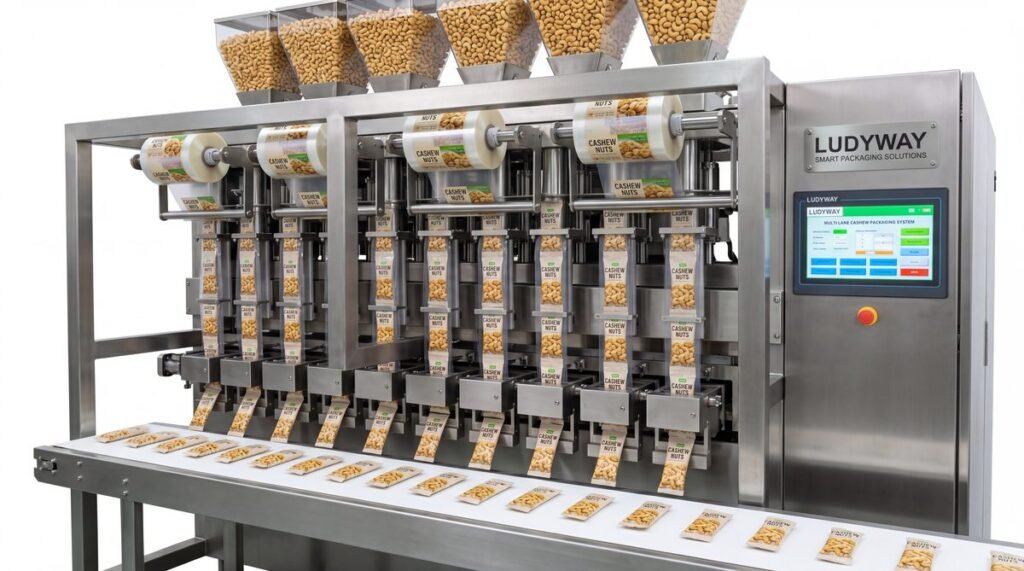
Finding the right packaging equipment manufacturer is a critical step for any business looking to streamline production, ensure product quality, and scale operations efficiently. While global suppliers offer a wide range of options, partnering with a top local packaging equipment manufacturer can provide significant advantages, including faster service, easier communication, and better understanding of regional market needs. This guide will walk you through the essential steps to identify and select the best local supplier for your packaging machinery requirements.
Why Choosing a Local Manufacturer Matters
In today’s interconnected world, the temptation to source equipment from the lowest-cost global provider is strong. However, for machinery as integral to your operation as packaging equipment, proximity offers tangible benefits. A local manufacturer means shorter supply chains, which can lead to reduced shipping costs and faster delivery times for both the machine itself and crucial spare parts. More importantly, it facilitates a stronger partnership. You can more easily visit their facility for factory acceptance tests (FAT), and their service engineers can respond to urgent technical support requests much more quickly.
Key Local Advantage: Cultural & Business Alignment
Working with a local supplier often means sharing similar business practices, communication styles, and even regulatory understandings. This alignment minimizes misunderstandings, streamlines contract negotiations, and ensures that the equipment and its documentation comply with local safety and industry standards. It builds a foundation for a reliable, long-term business relationship.
Step-by-Step Guide to Finding Your Ideal Supplier
Step 1: Define Your Technical & Operational Requirements
Before you begin your search, have a clear list of specifications. This should include:
- Product Type: What are you packaging? (e.g., granules, powder, liquids, tablets)
- Packaging Format: What is your desired output? (e.g., stick packs, sachets, pouches, bottles)
- Production Speed: Required output in packs per minute (PPM).
- Automation Level: Stand-alone machine or a fully integrated turnkey line?
- Future-Proofing: Consider potential for future product lines or increased capacity.
Step 2: Research and Create a Shortlist
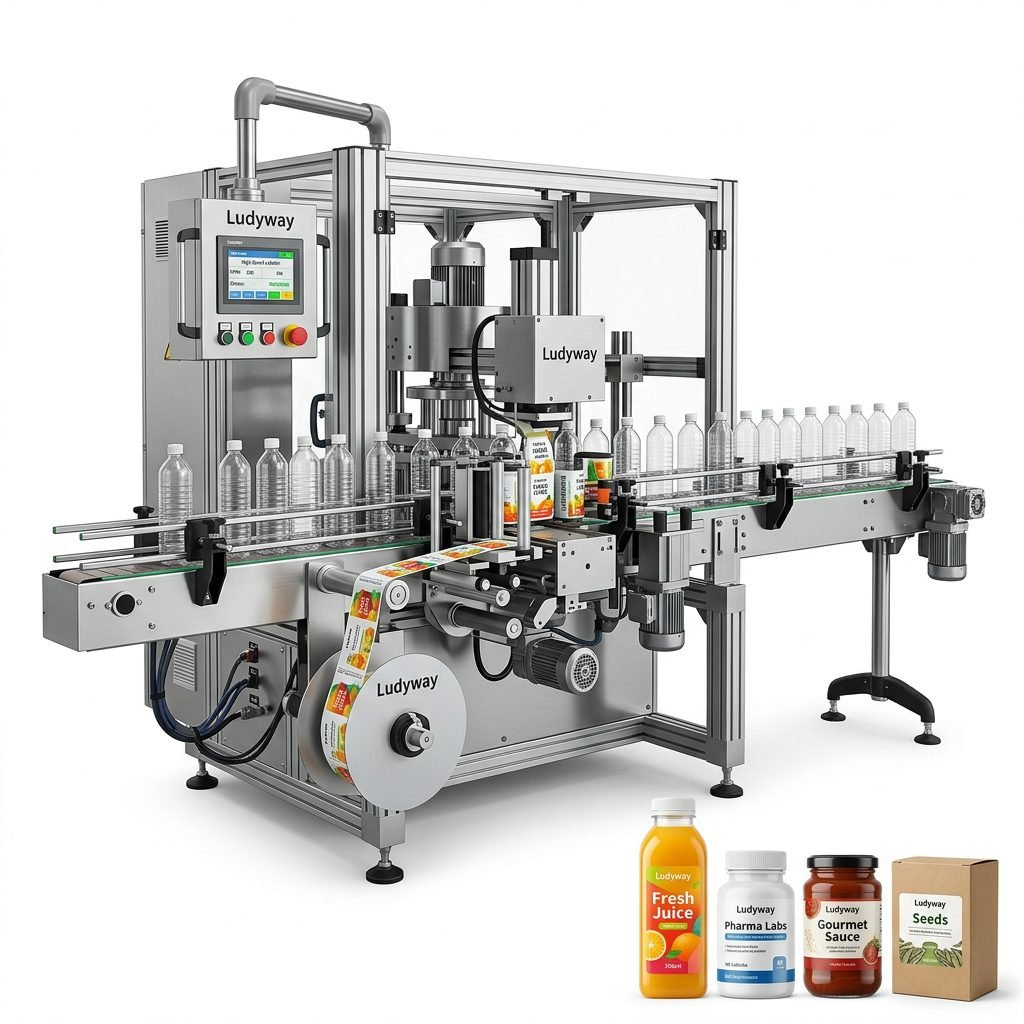
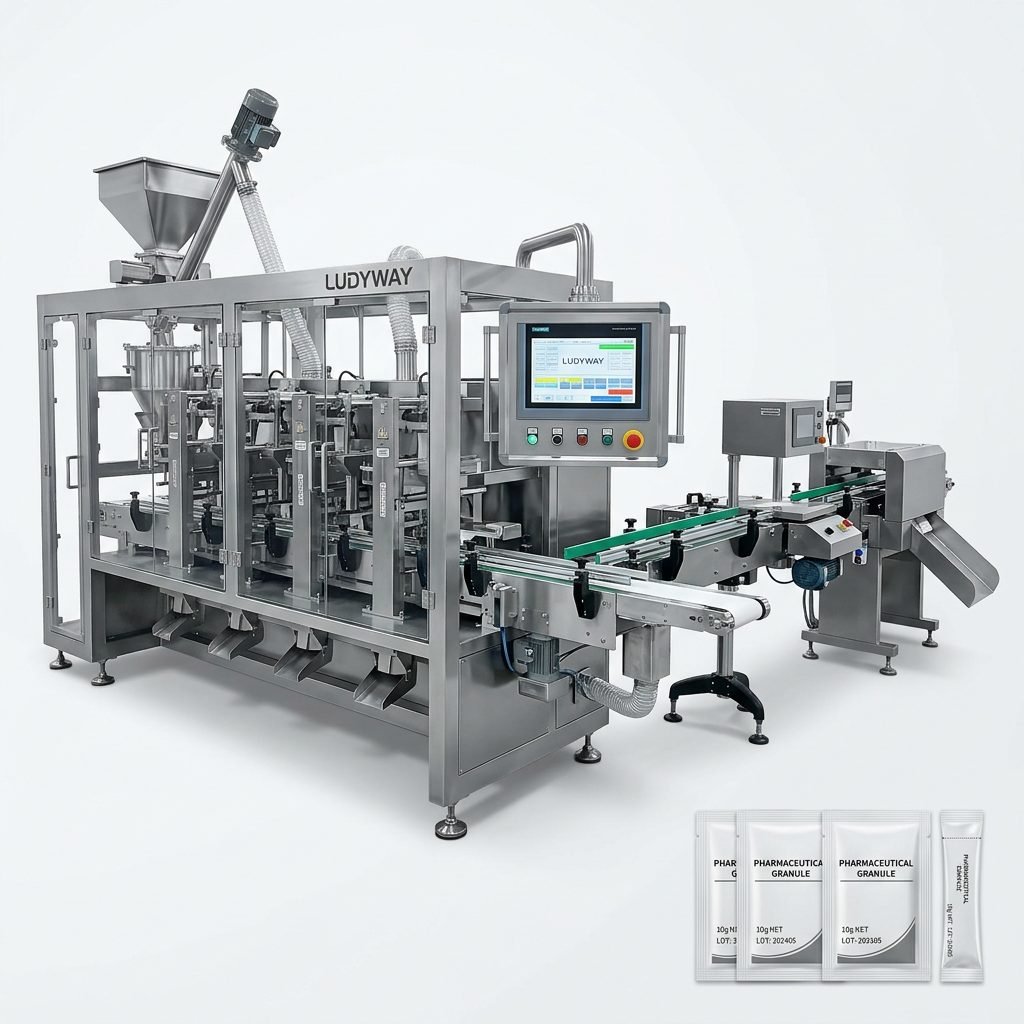
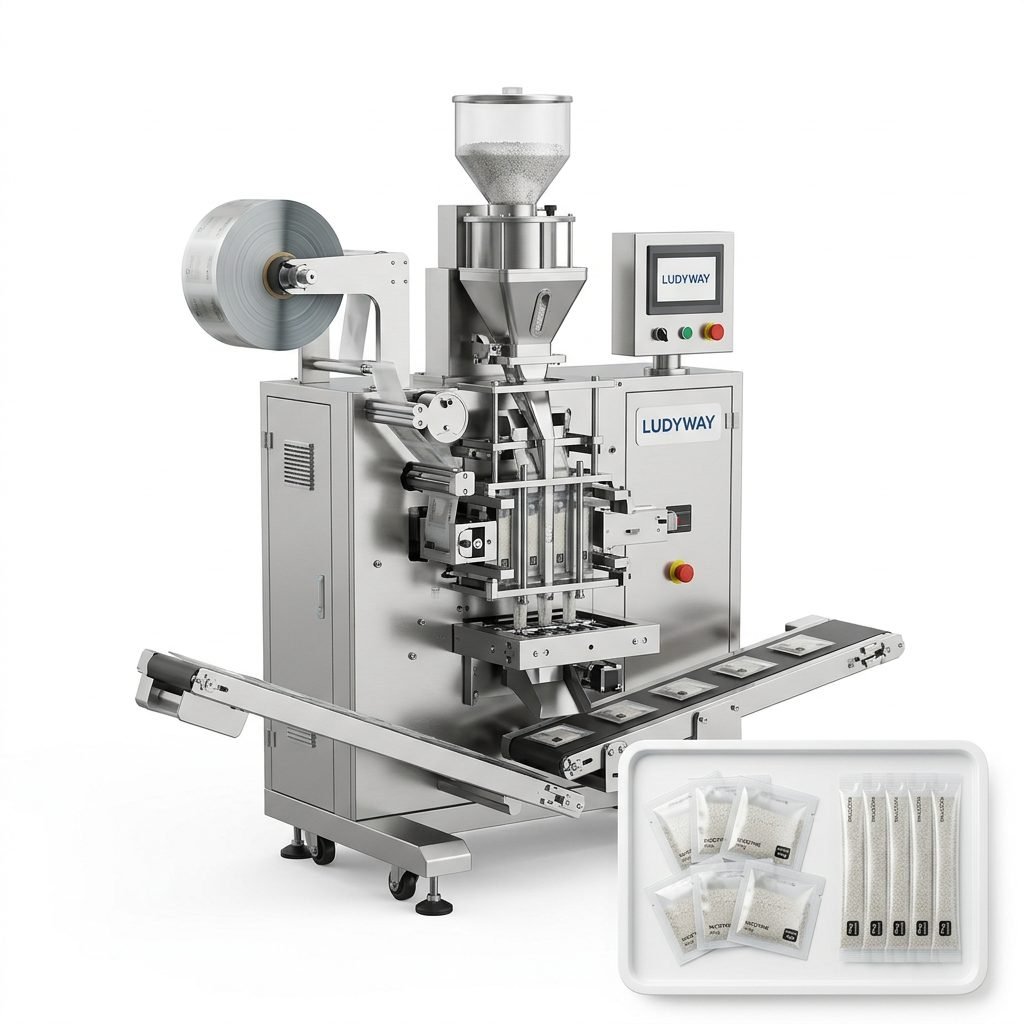
Utilize industry directories, trade associations, and platforms like Thomasnet or specific B2B marketplaces to find manufacturers in your region. Pay close attention to companies that specialize in your industry segment, whether it’s food, pharmaceutical, or health products. A company like Ludyway Packing Machine, for instance, focuses precisely on these sectors, which indicates deeper application knowledge. Look for case studies and client testimonials to gauge real-world performance.
Step 3: Evaluate Manufacturing Capability & Experience
A manufacturer’s infrastructure is a direct indicator of reliability. Inquire about:
→ Factory Size & Technology: A modern, sizable facility (e.g., 20,000㎡) suggests robust production capacity and investment in quality infrastructure.
→ Engineering Team: The expertise behind the machines is crucial. Look for a strong in-house R&D and engineering team.
→ Industry Longevity: Experience matters. A company with over 30 years in the industry has likely navigated various market cycles and technical challenges, building invaluable problem-solving knowledge.
Step 4: Assess Product Range and Customization
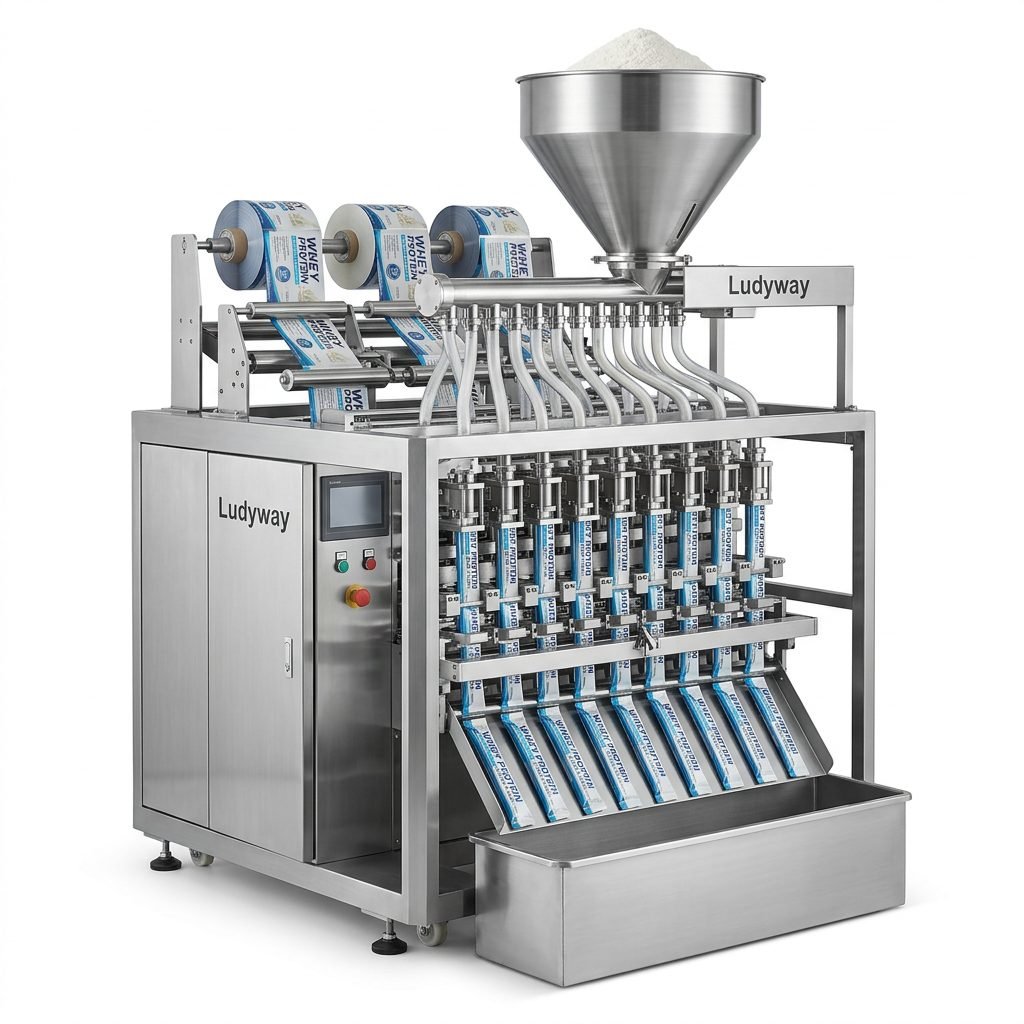
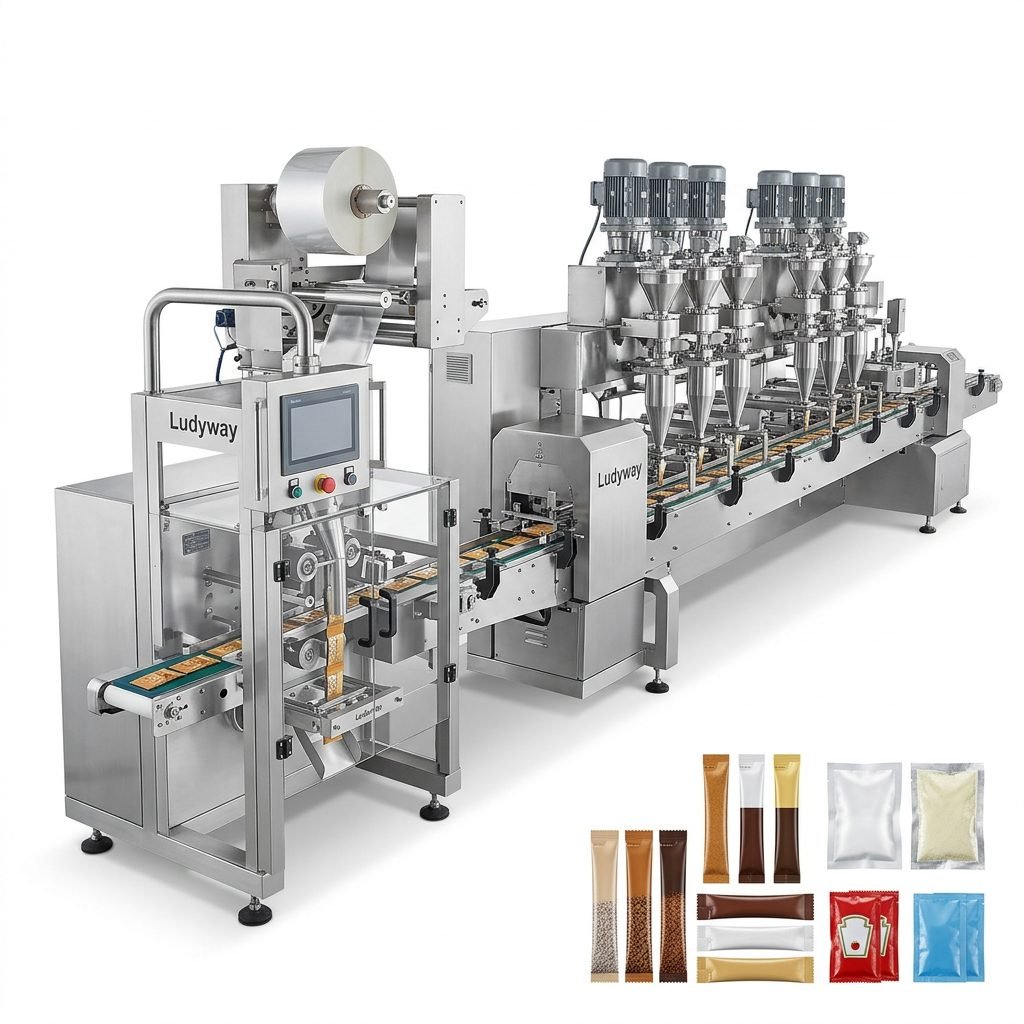
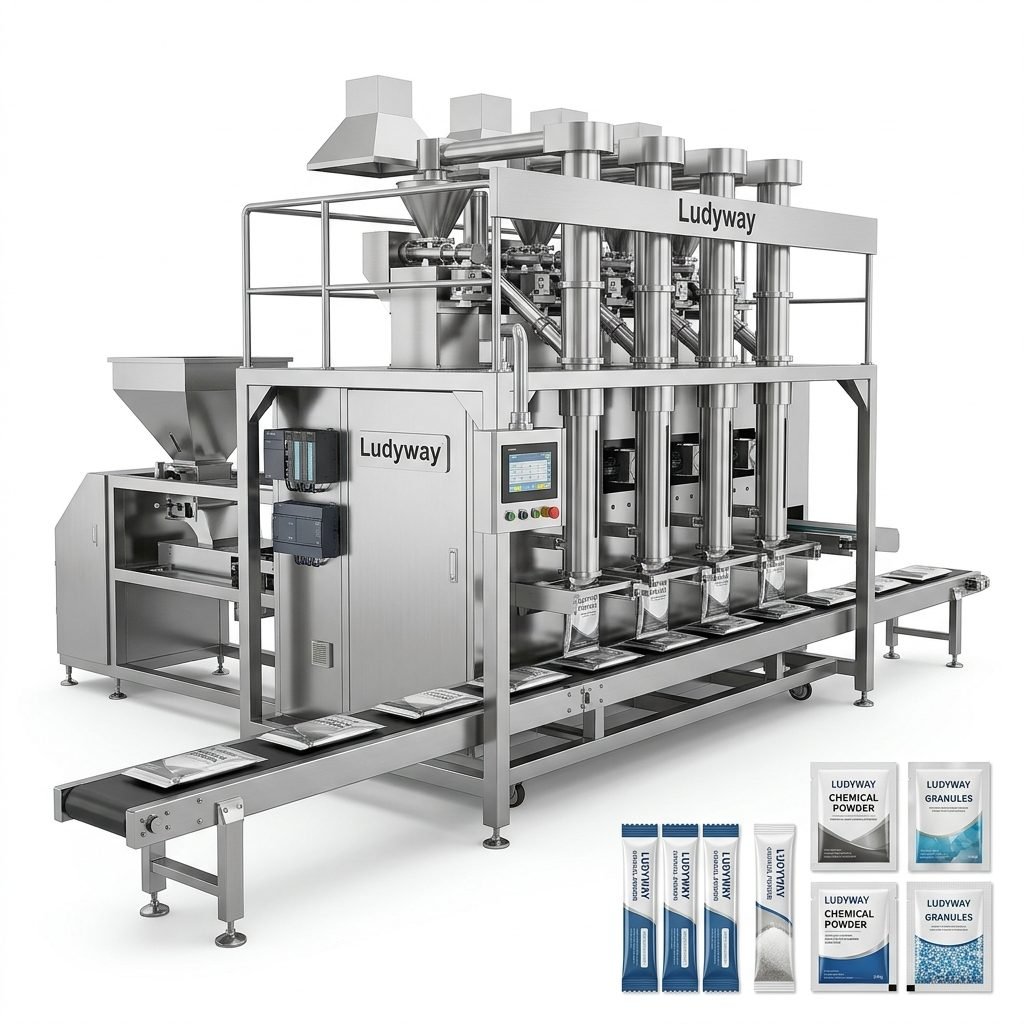
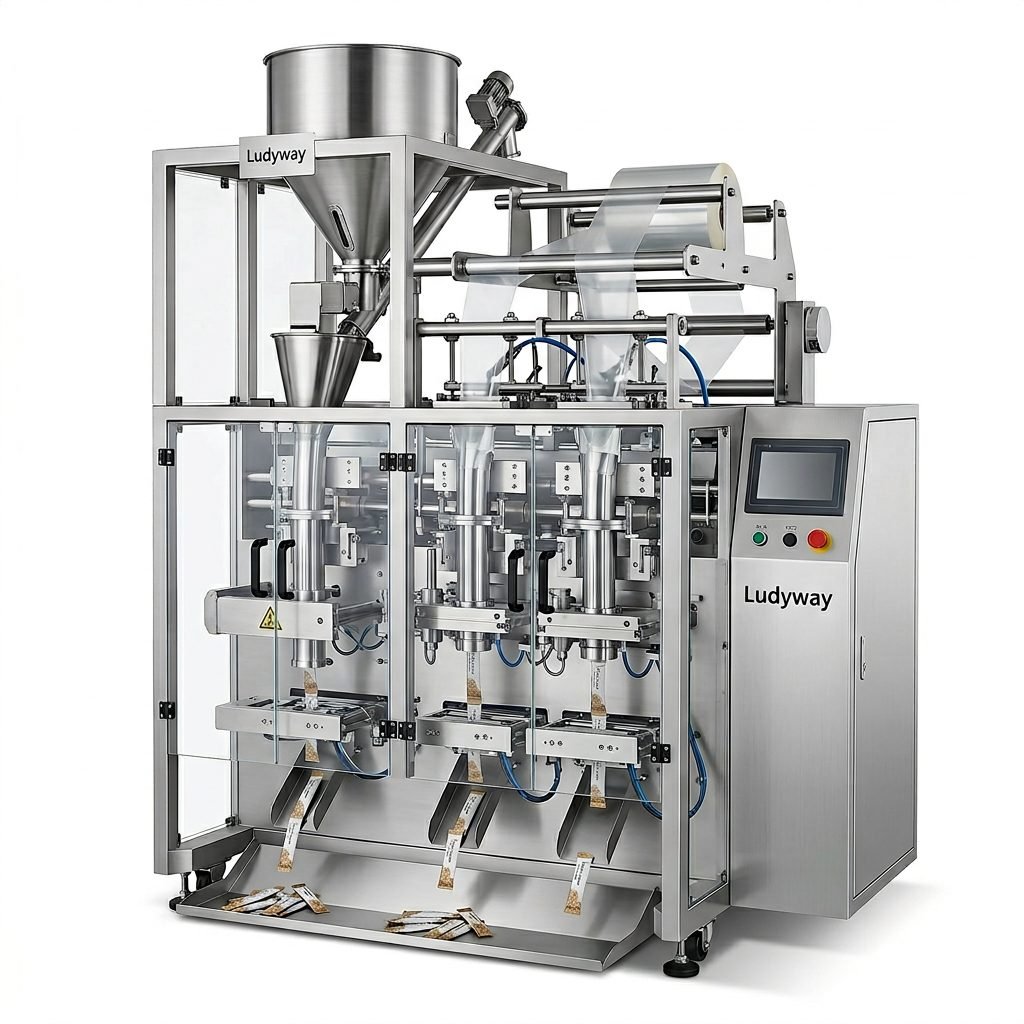
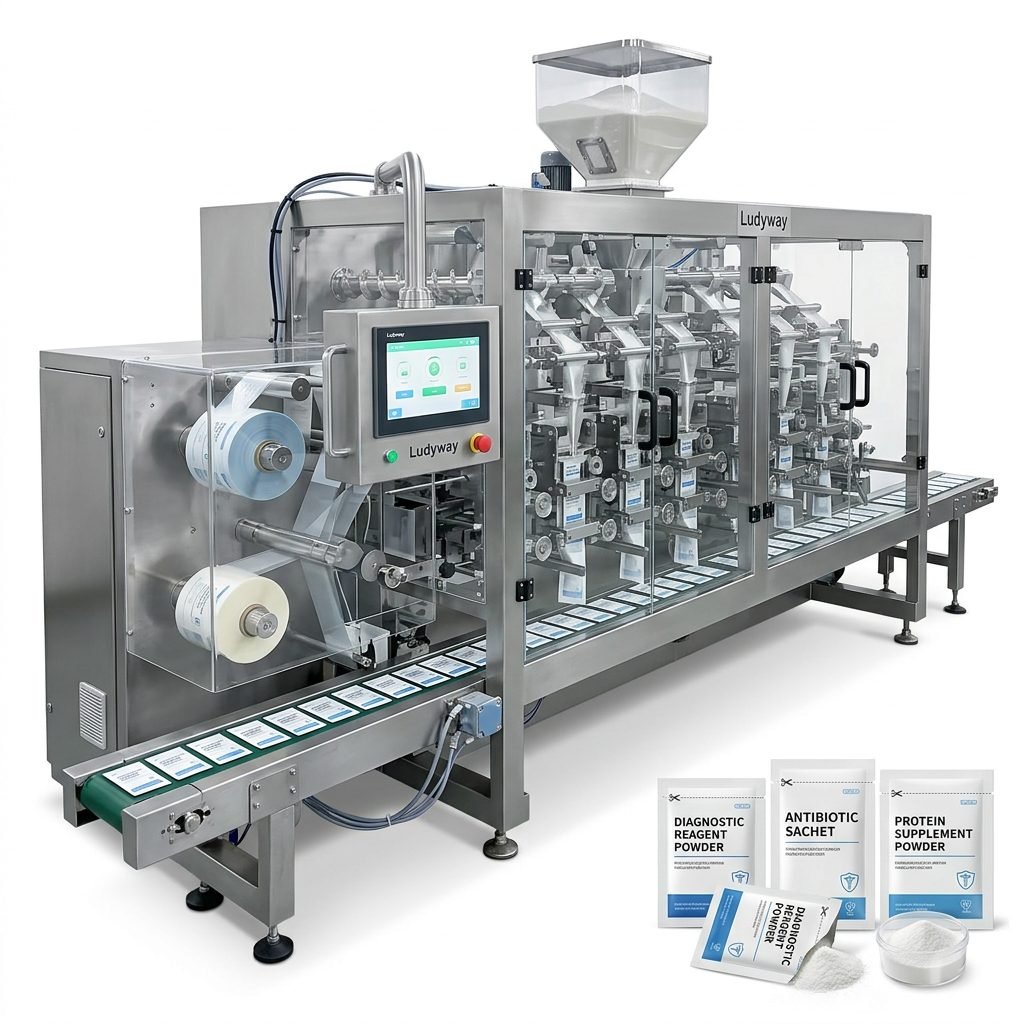
The best local suppliers offer both standard models and flexible customization. A broad portfolio (e.g., offering over 50 intelligent packaging machine models) shows technical breadth. More importantly, assess their willingness and process for tailoring solutions. Can they modify a standard stick pack machine for your unique product viscosity? Will they design a complete turnkey production line that integrates filling, sealing, and cartoning? This flexibility is key to solving your specific problems, not just selling a machine.
Step 5: Scrutinize After-Sales Support & Service
The relationship begins after the machine is installed. A top-tier manufacturer will have a clear, proactive support structure:
Installation & Training: Do they provide on-site commissioning and comprehensive operator training?
Technical Support: Is there a dedicated, local hotline or service team? What are the response time guarantees?
Spare Parts Inventory: Is there a local stock of commonly needed parts to minimize downtime?
This commitment to long-term partnership is what separates true partners from mere vendors.
Red Flags to Avoid During Your Selection
Be cautious of suppliers who are vague about technical details, refuse factory visits, or provide unclear warranty terms. Extremely low prices compared to the market average often signal compromised quality in materials, components, or engineering. A lack of verifiable customer references in your industry or region is also a significant warning sign.
Building a Partnership for Growth
Choosing a packaging equipment manufacturer is not a one-time transaction. It’s the start of a strategic partnership. The right local partner will act as an extension of your team, providing insights for efficiency improvements, updates on new technologies, and support as you expand. They invest in your success because your growth contributes to their reputation. Look for a partner whose company story reflects a journey of innovation, customer focus, and sustainable growth, much like manufacturers who began with a dedicated engineering team and expanded globally through reliable solutions.
Frequently Asked Questions (FAQs)
1. What are the main advantages of a local packaging machine manufacturer over an international one?
The core advantages include faster response times for service and support, easier logistics for machine viewing and parts delivery, better alignment with local regulations and business customs, and typically stronger accountability. While international suppliers may offer competitive pricing, the logistical and communication complexities can lead to higher hidden costs and longer resolution times for issues.
2. How can I verify the quality and reliability of a local manufacturer’s equipment?
Always insist on a live or recorded video product demonstration running a product similar to yours. Request a factory tour to inspect build quality, workshop organization, and testing procedures. Ask for a list of client references, specifically in your industry, and contact them to inquire about machine performance, durability, and the supplier’s service responsiveness.
3. Is customization available from local manufacturers, and does it significantly increase cost?
Most reputable local manufacturers offer a range of customization options, from simple attachment modifications to complete line design. Yes, customization involves additional engineering and may increase the initial cost. However, a well-executed custom solution that perfectly fits your process can lead to far greater long-term savings through higher efficiency, less waste, and lower labor costs than forcing a standard machine to work.
4. What should be included in a comprehensive after-sales service agreement?
A strong agreement should clearly outline the warranty period and coverage, terms for on-site installation and training, response time guarantees for technical support (e.g., phone, online, on-site), availability and pricing structure for spare parts, and options for preventive maintenance contracts or service plans.
5. How important is the manufacturer’s industry-specific experience?
It is critically important. Packaging requirements differ vastly between industries (e.g., food-grade hygiene vs. pharmaceutical precision). A manufacturer with deep experience in your sector will understand your specific regulatory constraints, product characteristics (like flowability or abrasiveness), and packaging standards, leading to a machine that is not just a generic filler but a tailored production solution.