In the high-stakes world of e-commerce and logistics, fulfillment centers are the beating heart of the operation. Their efficiency directly impacts customer satisfaction, brand reputation, and the bottom line. While much focus is placed on warehouse management systems, robotics, and last-mile delivery, one critical component often operates in the background: packaging equipment. The right packaging machinery and services are not just about putting items in a box; they are a strategic lever to optimize the core triumvirate of fulfillment success: speed, accuracy, and cost.
The Packaging Pivot Point in Modern Fulfillment
Today’s consumers demand fast, flawless delivery. This expectation cascades down the supply chain, placing immense pressure on fulfillment centers to process, pick, and pack orders with unprecedented velocity and precision. Manual packing stations, while flexible, struggle to keep pace with high-volume, SKU-diverse environments. They are prone to inconsistencies, slower cycle times, and higher labor costs. This is where specialized packaging equipment services become a game-changer, transforming packaging from a bottleneck into a competitive advantage.
Core Objectives of Packaging Automation
The integration of automated packaging solutions is driven by three interconnected goals:
- Maximize Throughput (Speed): Reduce the time from picked item to sealed, labeled parcel ready for shipping.
- Ensure Consistency (Accuracy): Eliminate human error in box selection, dunnage application, sealing, and labeling.
- Control Expenditure (Costs): Minimize material waste (corrugate, void fill), reduce labor dependency, and lower shipping expenses through right-sized packaging.
Optimizing Fulfillment Speed with Agile Packaging Systems
Speed in fulfillment isn’t just about moving quickly; it’s about intelligent, uninterrupted flow. Packaging equipment services enhance speed through automation and system integration.
Automated Box Erection & Sealing
Machines that automatically form corrugated boxes from flat blanks and apply tape or hot melt adhesive seal orders in seconds, far outpacing manual folding and taping. This is crucial during peak seasons like Black Friday or holiday rushes, where volume can spike exponentially.
On-Demand Packing Station Integration
Advanced systems integrate with Warehouse Management Systems (WMS) to direct the correct box size to the packer based on the order dimensions. Some solutions even automate the entire process: an order triggers the system to build a custom-sized box, guiding the packer through item placement before automatically sealing and applying the shipping label.
Continuous Motion Bagging & Sleeving
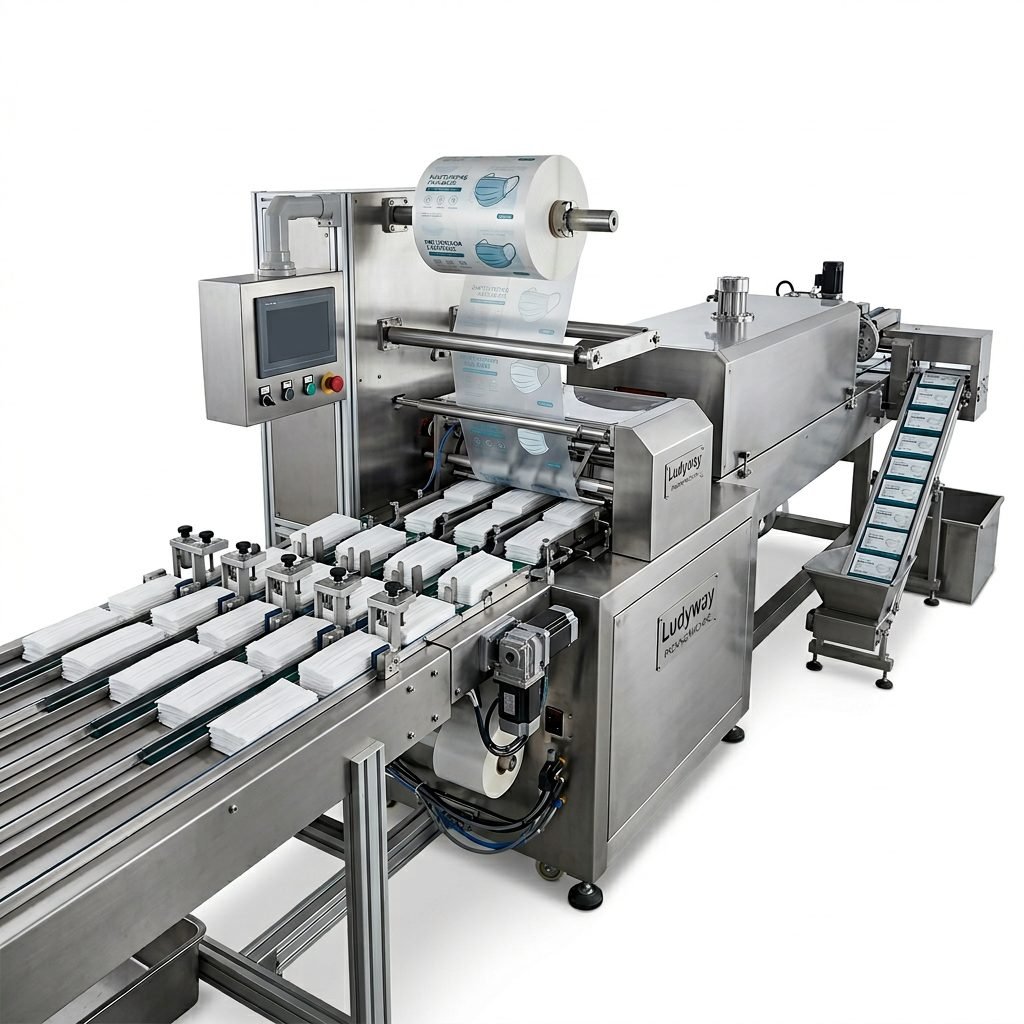
For apparel, soft goods, or standardized items, automatic bagging machines and polybaggers offer incredibly high-speed packaging options, often handling hundreds of units per hour with consistent quality.
Enhancing Accuracy to Eliminate Costly Errors
Inaccuracies in packaging lead to product damage, incorrect shipments, and costly returns—direct hits to profitability. Precision-engineered packaging equipment virtually eradicates these issues.
Key Accuracy Features:
→ Dimensioning & Weighing Systems: Integrated scales and cubing systems capture precise package weight and dimensions at the point of closure. This data is critical for accurate carrier rate shopping, billing, and avoiding dimensional weight penalties.
→ Automated Label Application: Print-and-apply systems ensure the correct shipping label is perfectly placed on every parcel, eliminating mis-ships and manual scanning delays.
→ Consistent Void Fill Dispensing: Automated dunnage machines (like air pillow fillers or paper systems) dispense the exact amount of protective material needed, ensuring product safety without overfilling, which wastes material and increases shipping weight.
Driving Down Costs: The Holistic Impact
Investment in packaging equipment services yields a compelling return by attacking costs from multiple angles.
Material Savings through Right-Sizing
Perhaps the most significant saving. Automated packaging systems and software algorithms select the smallest possible box for an order. This reduces corrugate use by 15-40% and dramatically cuts void fill needs. Smaller, right-sized boxes also take up less space in trucks and planes, optimizing shipping costs—a major expense for any fulfillment center.
Labor Optimization
Automation handles repetitive, physically demanding tasks. This allows human workers to be redeployed to higher-value roles like quality control, complex kitting, or system supervision. It also reduces training time for simple packing tasks and lessens fatigue-related errors.
Reduced Shipping & Carrier Charges
Accurate dimensional weight data prevents billing surprises from carriers. Right-sized, lighter packages directly translate to lower shipping rates. Furthermore, consistent, professional packaging reduces the risk of in-transit damage and the associated costs of returns and replacements.
Minimized Returns
Accurate order fulfillment and secure packaging mean the correct product arrives undamaged. This directly reduces the volume and cost of processing returns, protecting both operational margins and customer loyalty.
Selecting the Right Packaging Equipment Service Partner
Implementing these solutions requires more than just buying a machine. It requires a partnership with a service provider who understands fulfillment logistics.
- Industry Experience: Look for partners with a proven track record in fulfillment and logistics automation, not just general manufacturing.
- Scalability & Flexibility: Solutions must adapt to seasonal peaks, new product lines, and evolving order profiles.
- Integration Capability: The equipment must seamlessly communicate with your existing WMS, ERP, and order management systems.
- Comprehensive Support: Reliable maintenance, readily available parts, and responsive technical support are non-negotiable for minimizing downtime.
- Data & Analytics: Modern systems should provide insights into packaging efficiency, material usage, and potential bottlenecks.
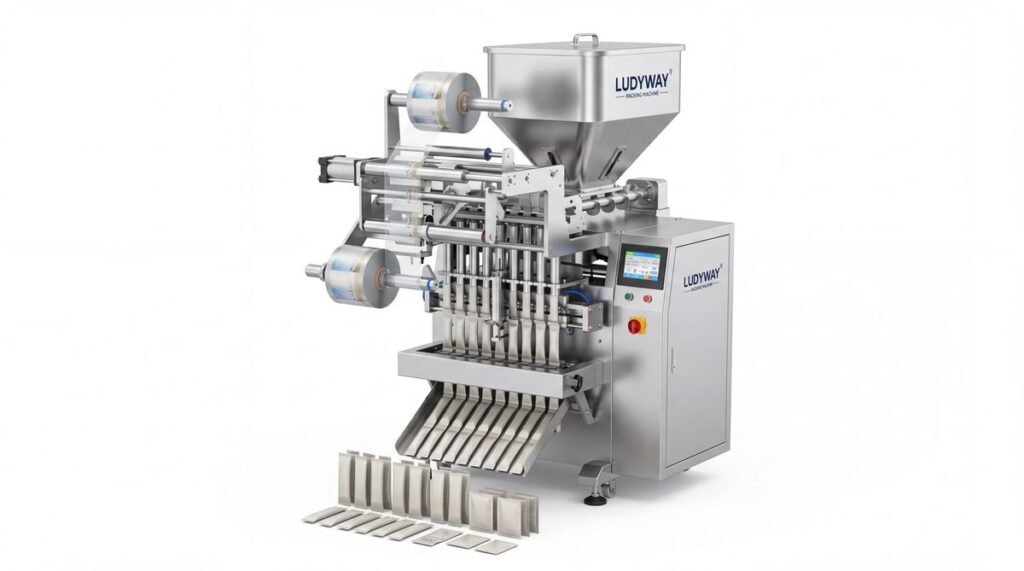
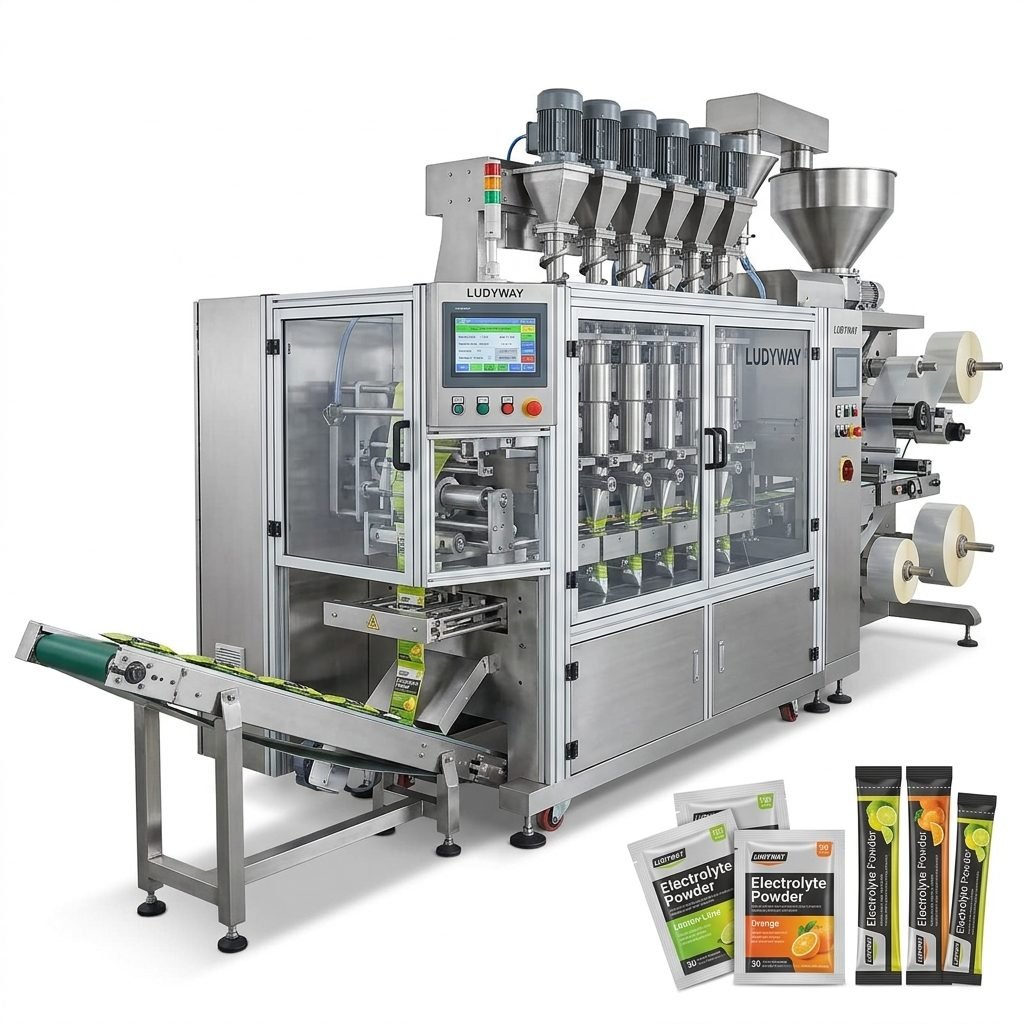
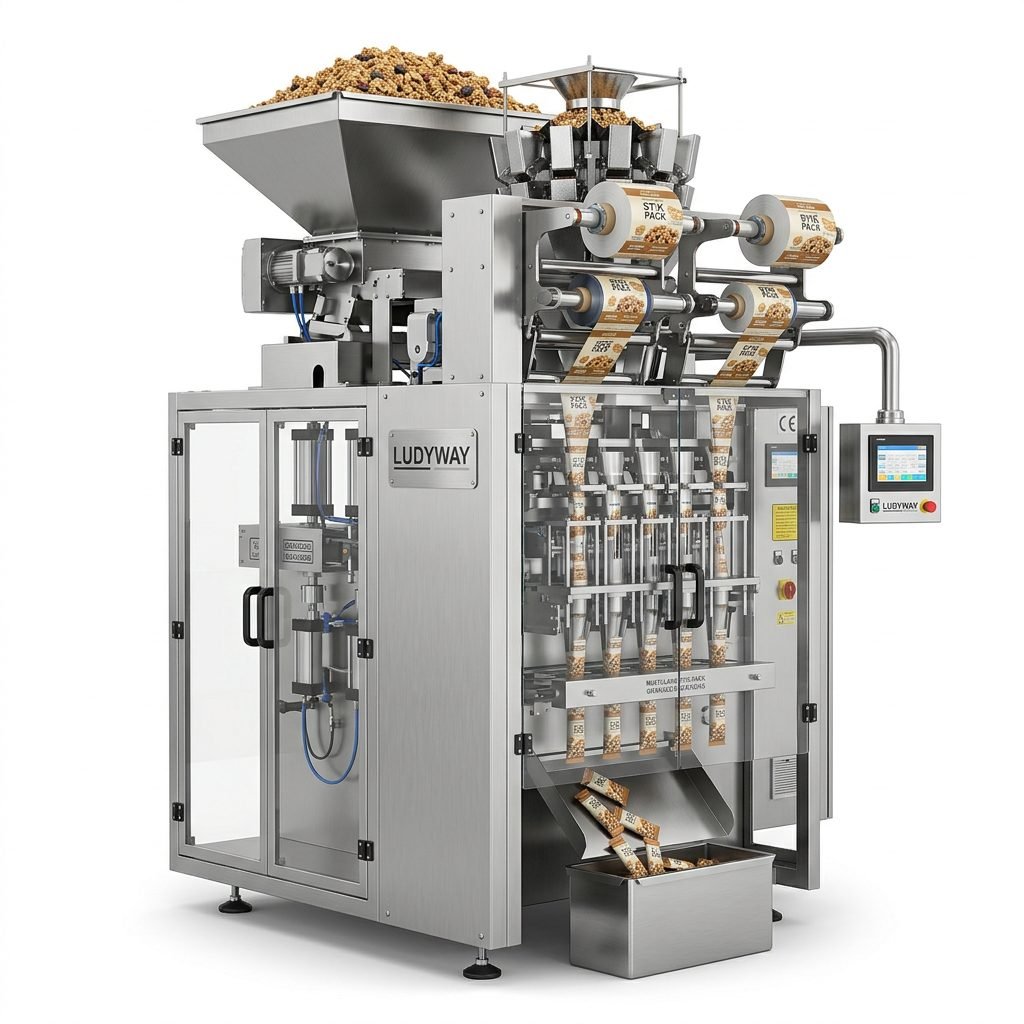
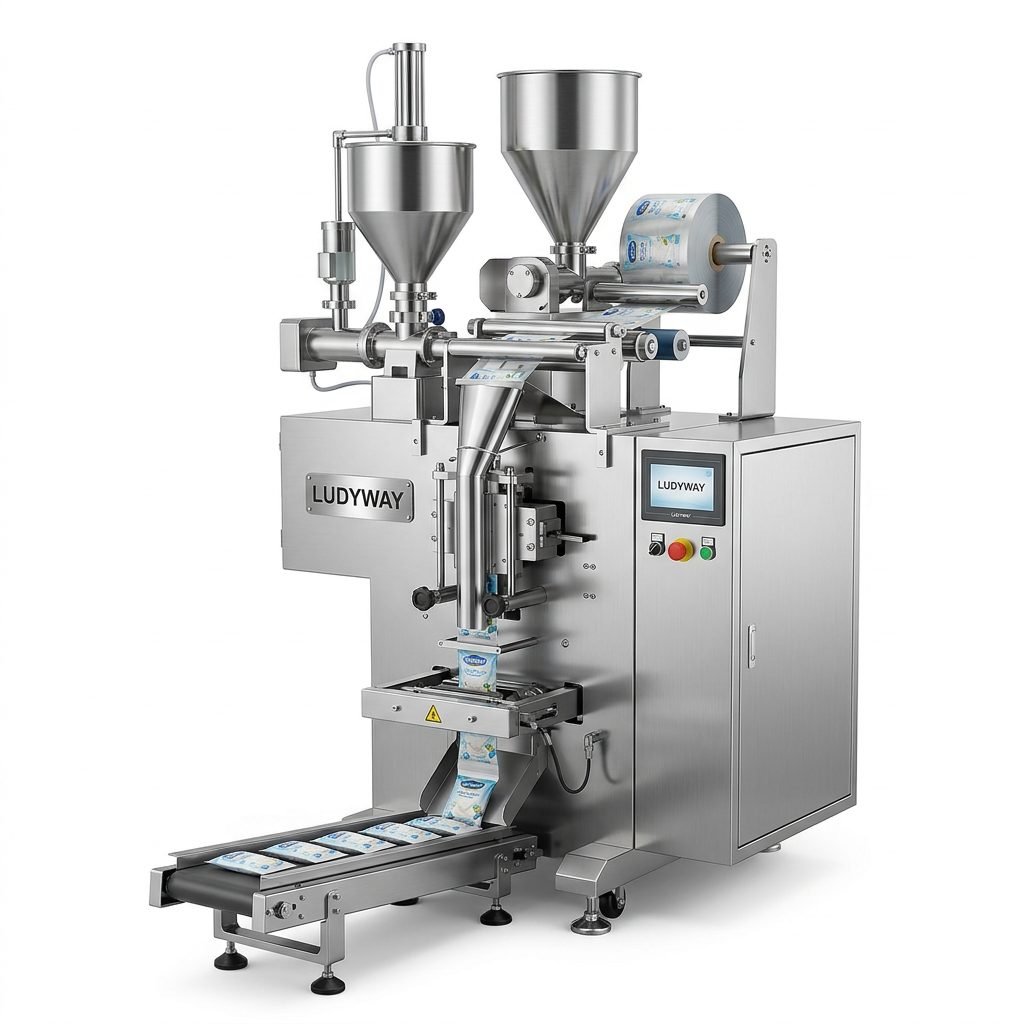
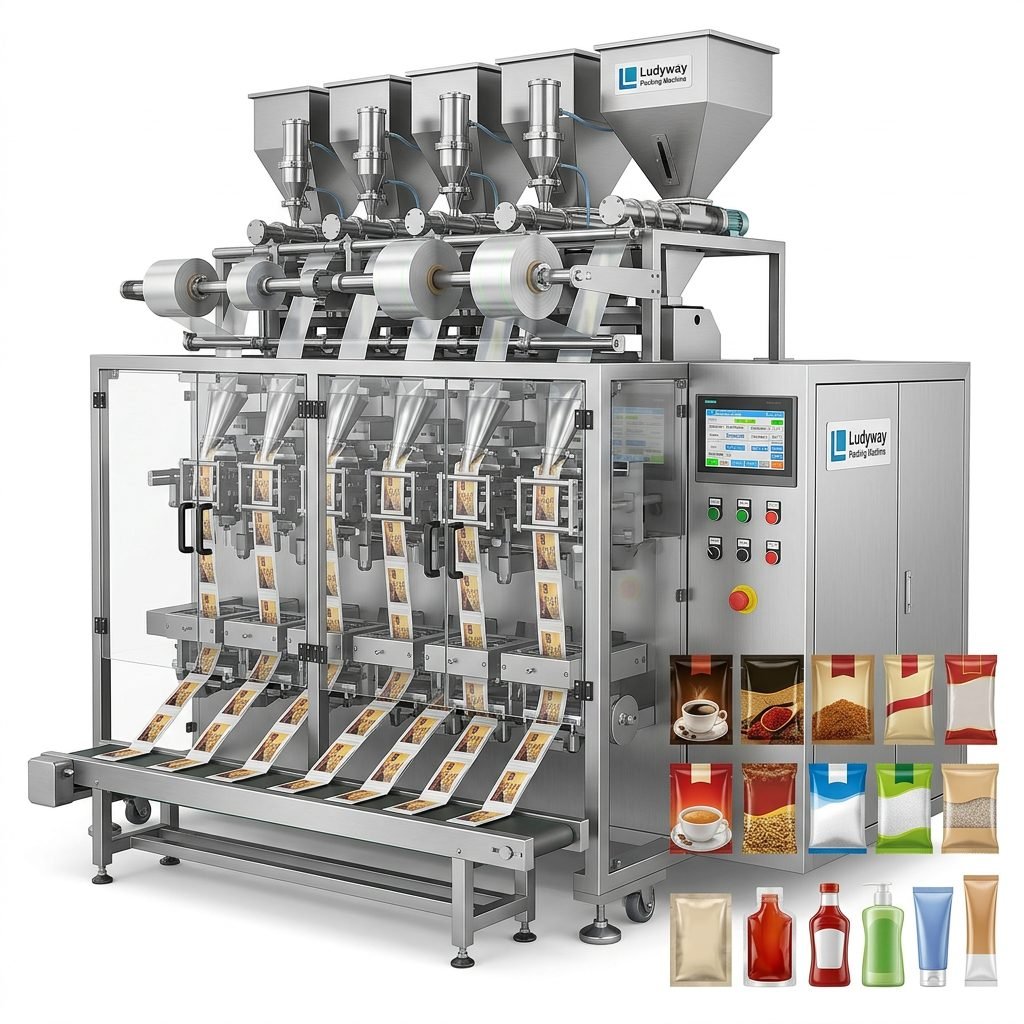
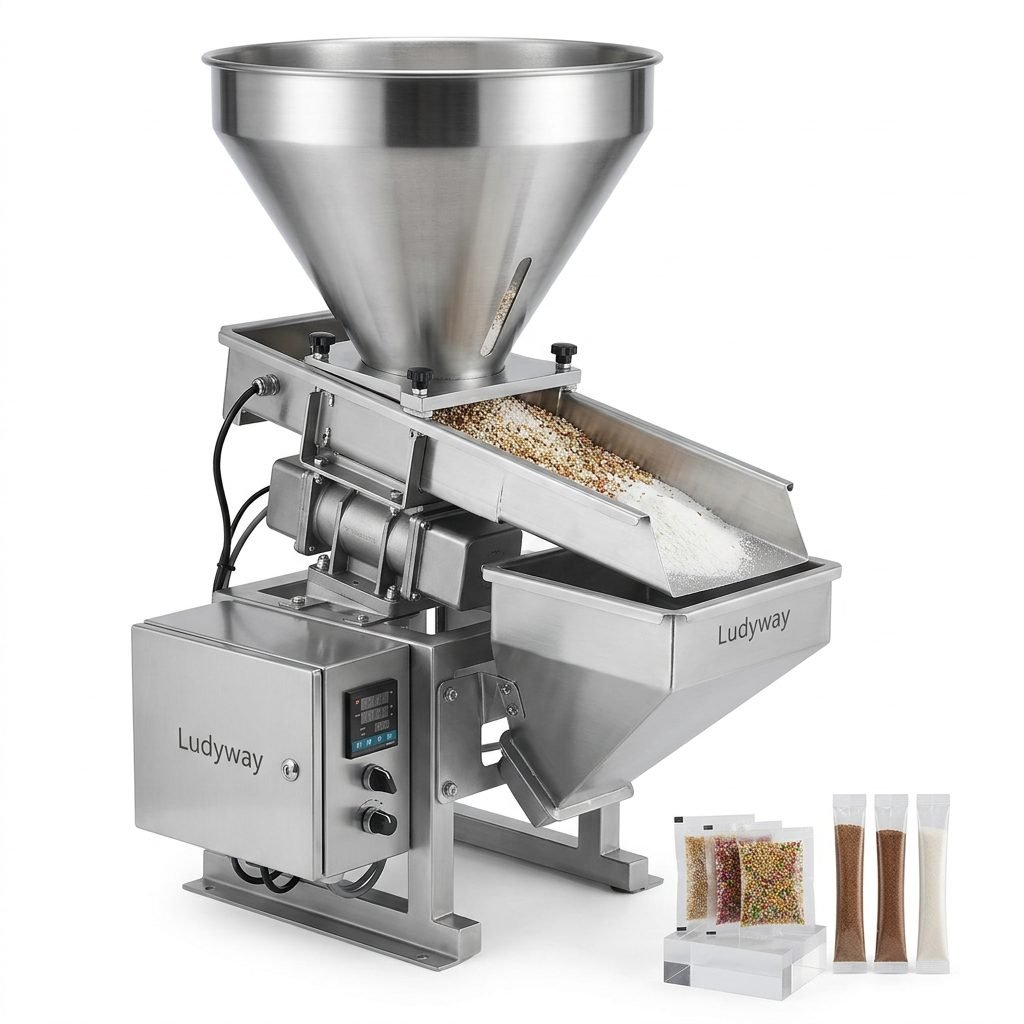
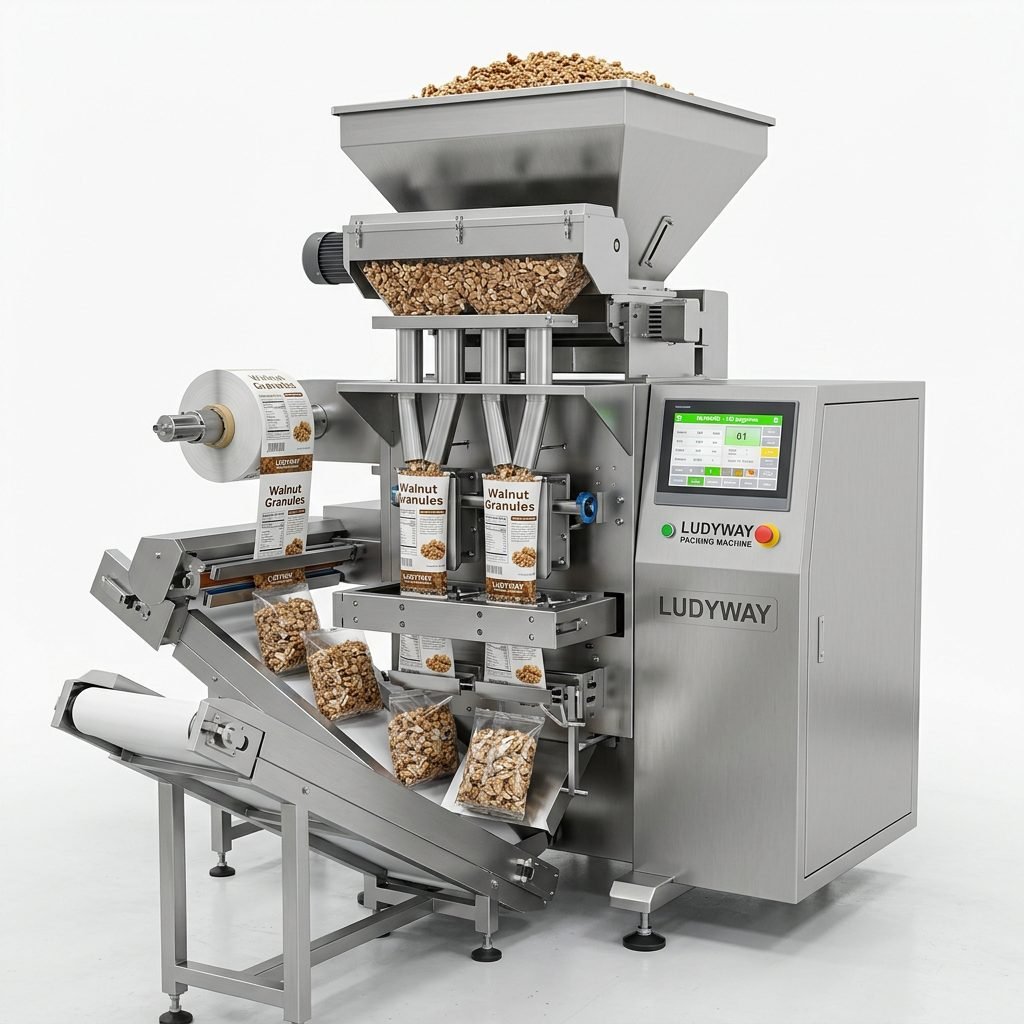
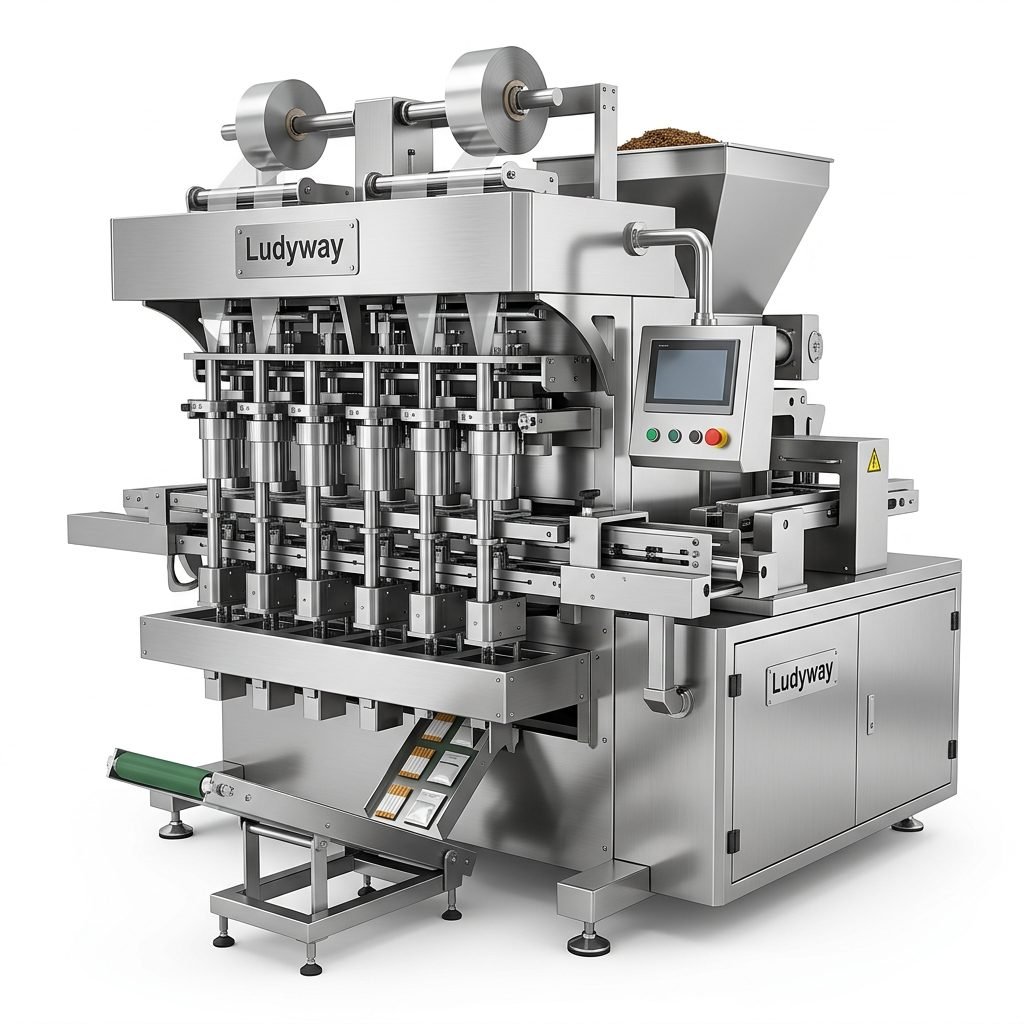
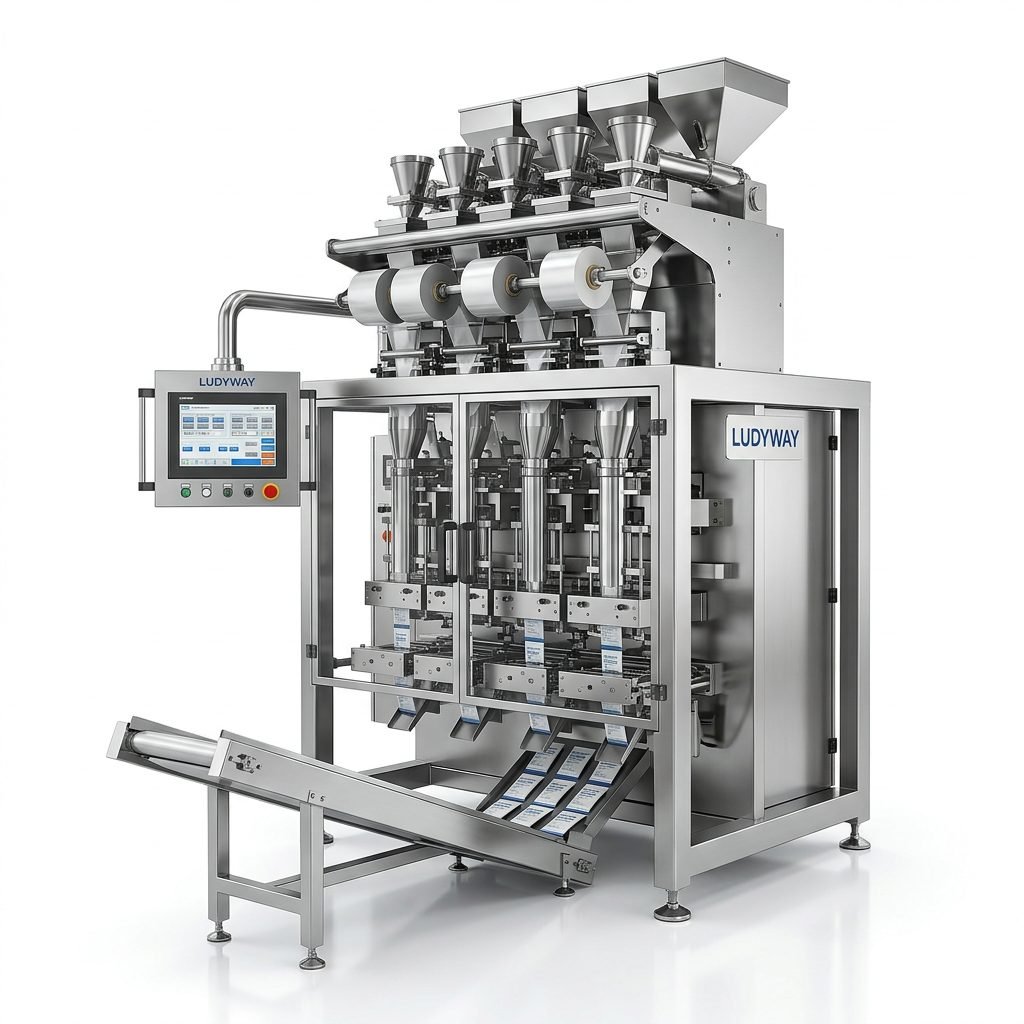
For over a decade, Ludyway Machinery has been at the forefront of this evolution. With deep expertise in automated packaging solutions, we understand that for a fulfillment center, packaging is the final, critical touchpoint before the customer. Our approach goes beyond supplying equipment; we analyze workflow, order data, and pain points to design systems that specifically enhance speed, enforce accuracy, and drive down total cost of operation. From high-speed bagging to intelligent cartoning systems, we provide the reliable, integrated machinery that keeps modern fulfillment centers competitive.
Frequently Asked Questions (FAQs)
1. What is the typical ROI timeframe for automated packaging equipment in a fulfillment center?
Return on investment can vary based on volume, labor costs, and current material waste. However, many centers see a payback period of 12 to 24 months through combined savings in labor, a 15-40% reduction in corrugate/void fill costs, and optimized shipping charges from right-sized packaging.
2. Can automated systems handle the variety of product sizes in our e-commerce warehouse?
Yes. Modern systems are highly flexible. Solutions range from on-demand box-making machines that create a custom-sized box for each unique order, to systems with a range of pre-set carton sizes that are automatically selected by the WMS. The key is a proper analysis of your SKU dimensions and order profiles.
3. How do packaging equipment services improve order accuracy?
They eliminate human decision-making from critical steps. The system dictates the correct box size, dispenses the precise amount of dunnage, and applies the exact label for the order. This process standardization ensures every package is built consistently and correctly, drastically reducing mis-picks and shipping errors.
4. Is it difficult to integrate new packaging machinery with our existing warehouse software (WMS)?
Reputable providers design equipment with integration in mind. They use standard communication protocols (APIs, etc.) to connect with major WMS platforms. A thorough planning phase is essential to ensure seamless data exchange for tasks like box size selection, label printing, and tracking.
5. We have seasonal peaks. Is automated packaging still a good fit?
Absolutely. Automation is especially valuable during peak periods. It allows you to handle a massive surge in order volume without a proportional increase in temporary labor, which requires training and is prone to errors. The system maintains consistent speed and accuracy 24/7, helping you meet demanding seasonal deadlines.