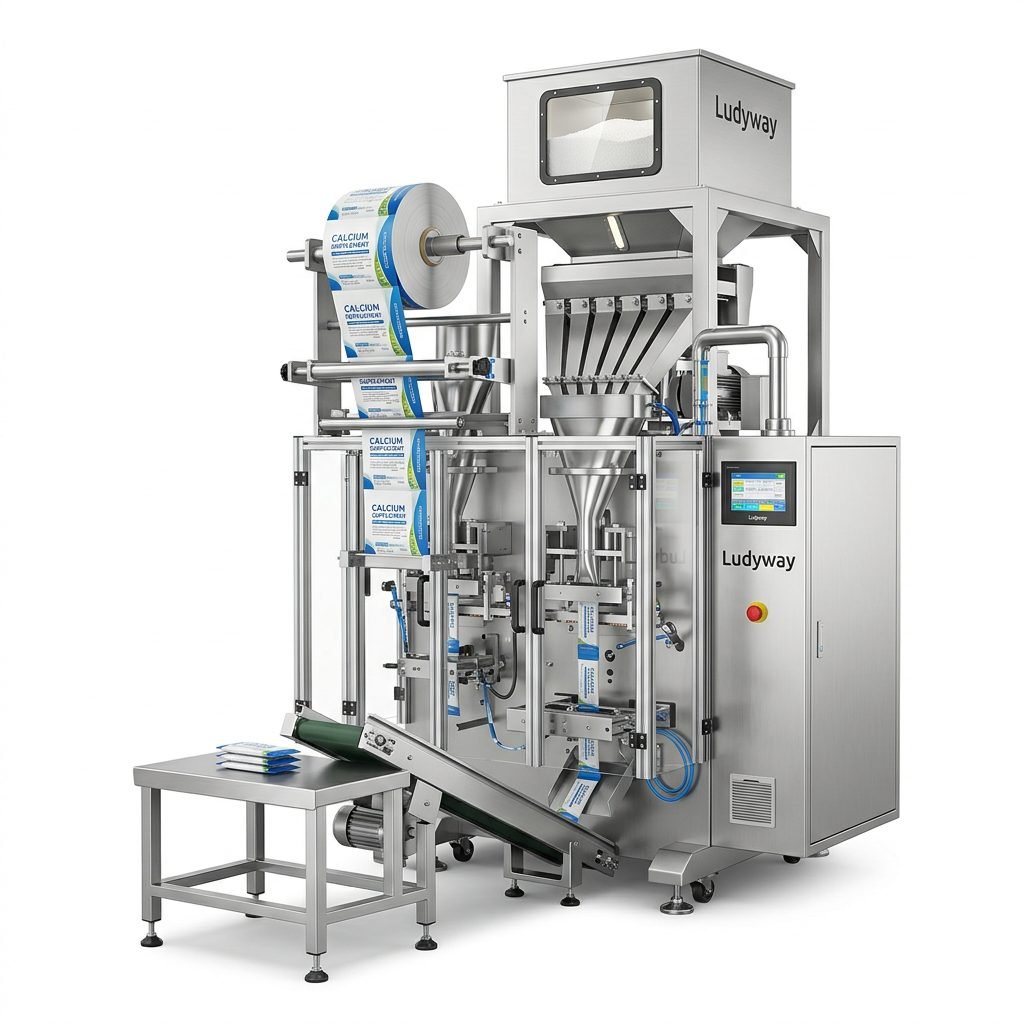
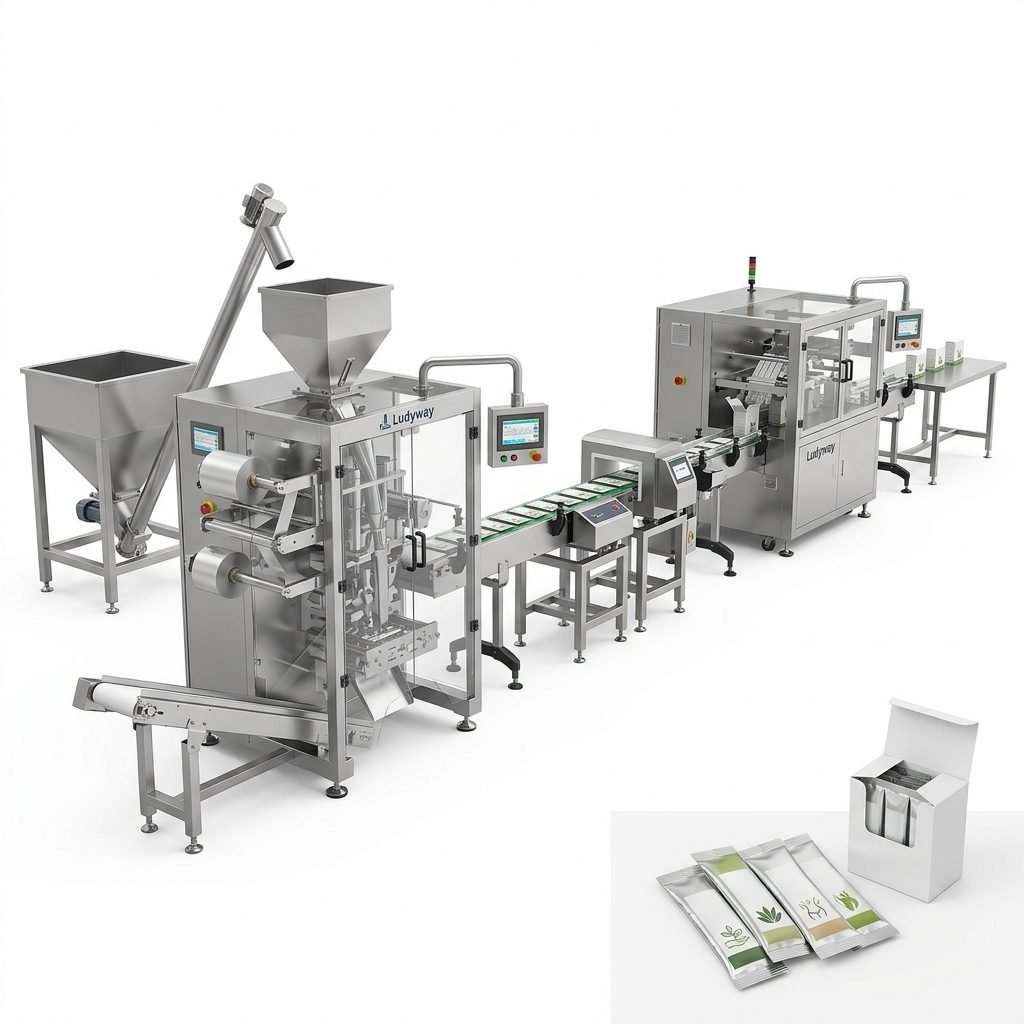
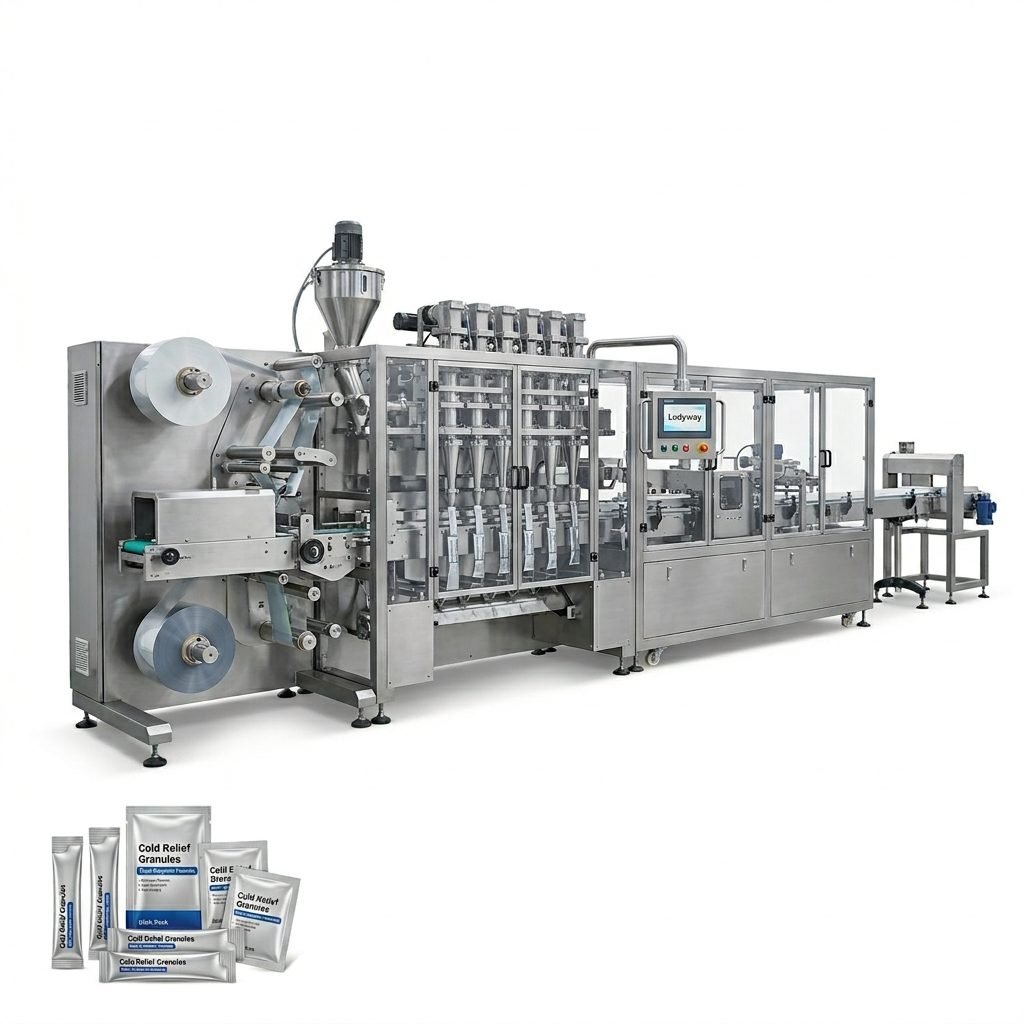
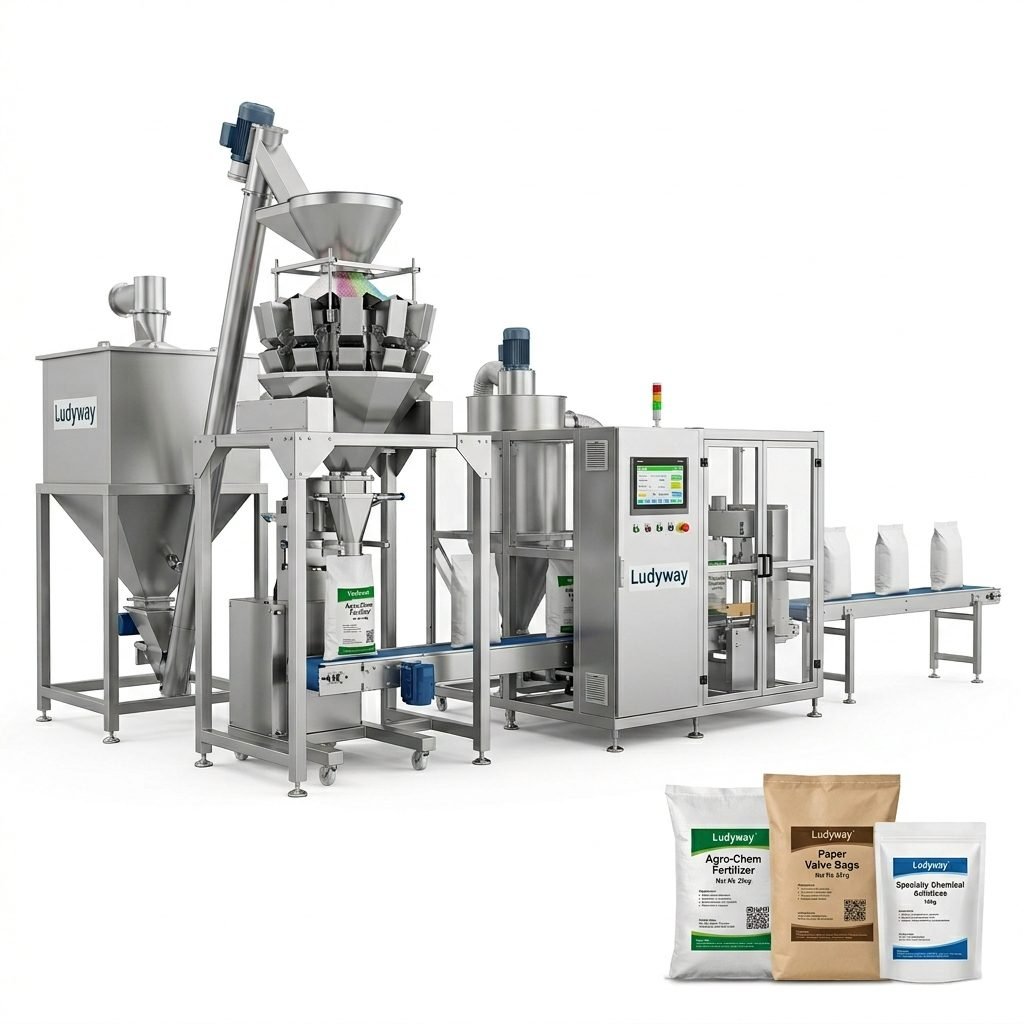
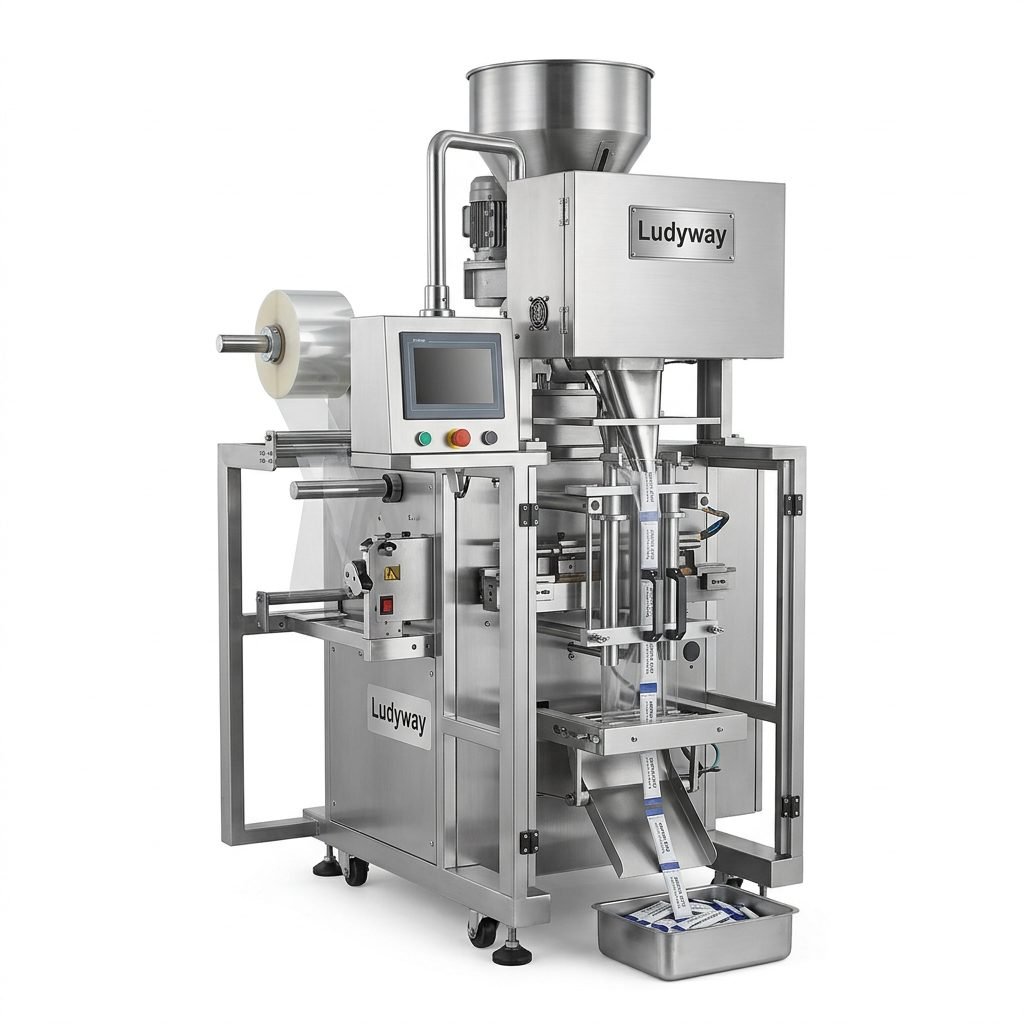
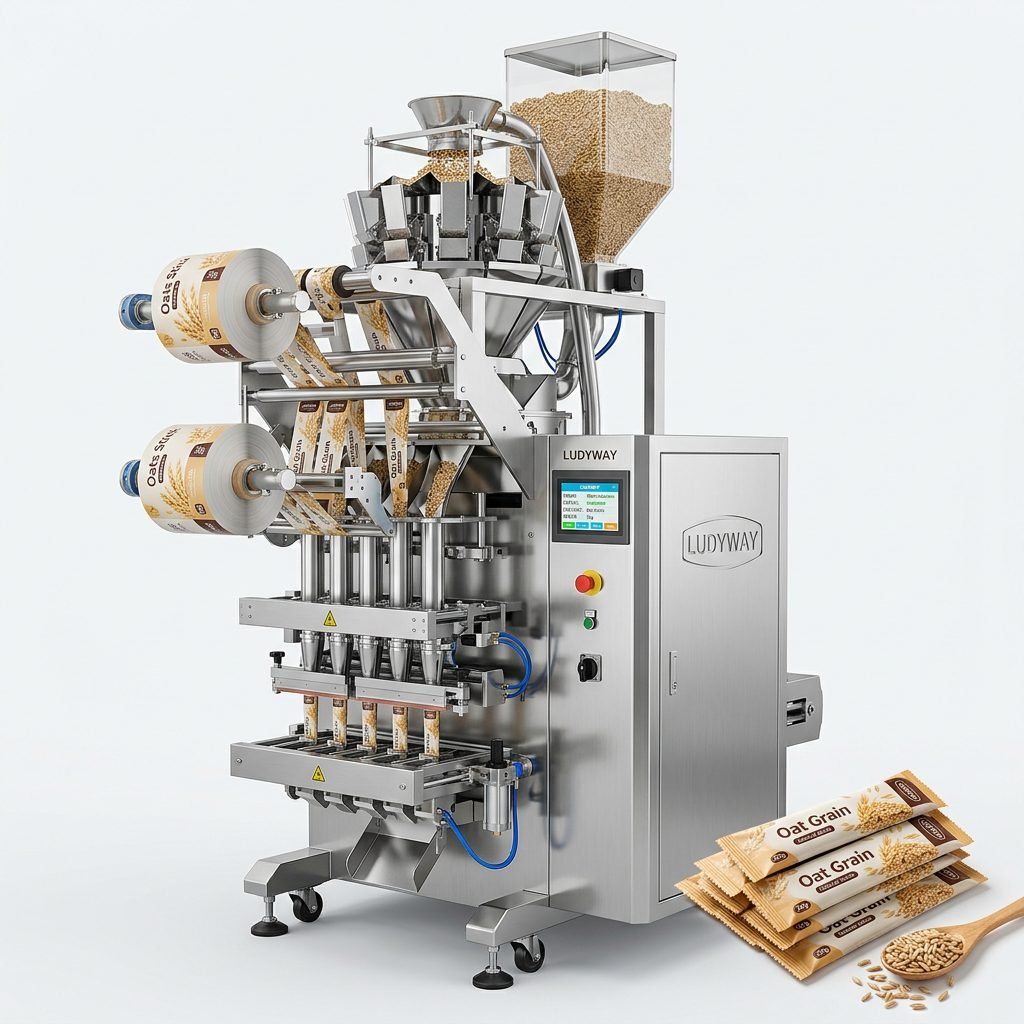
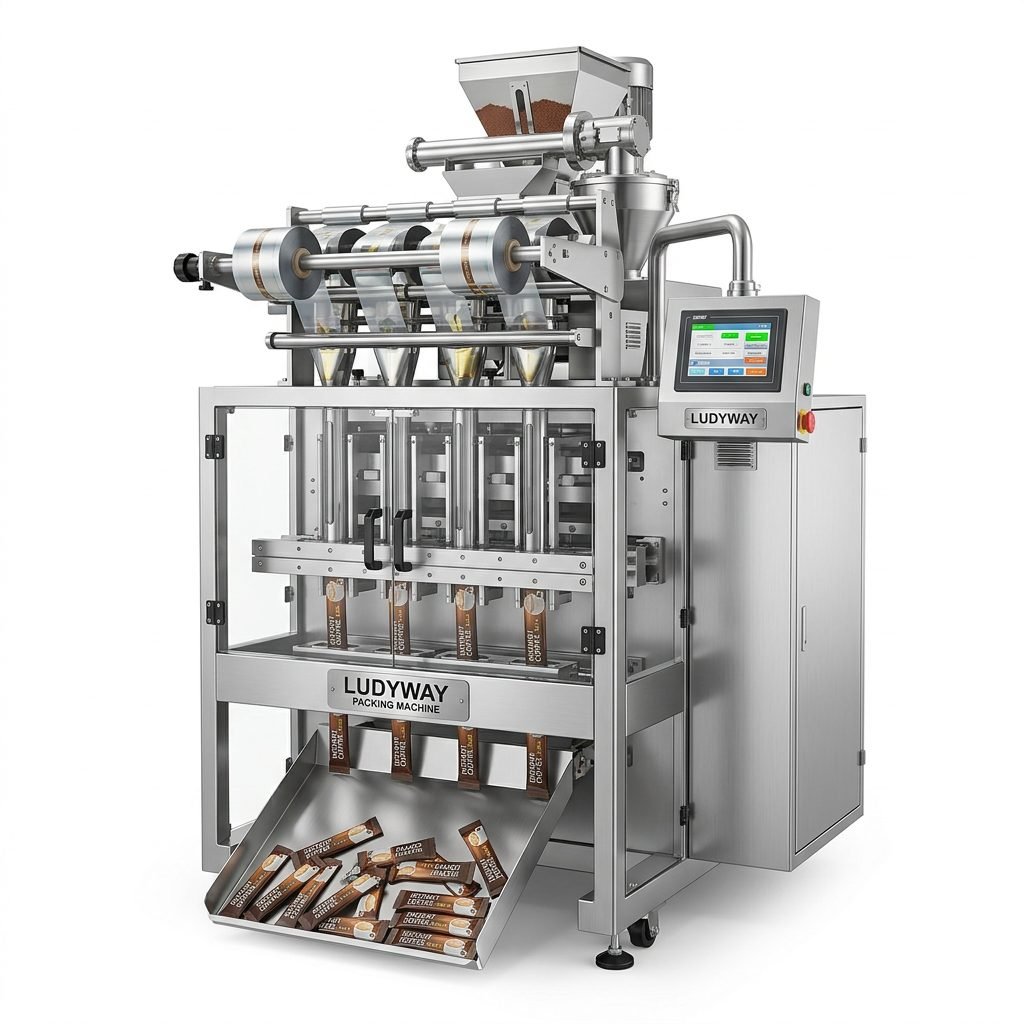
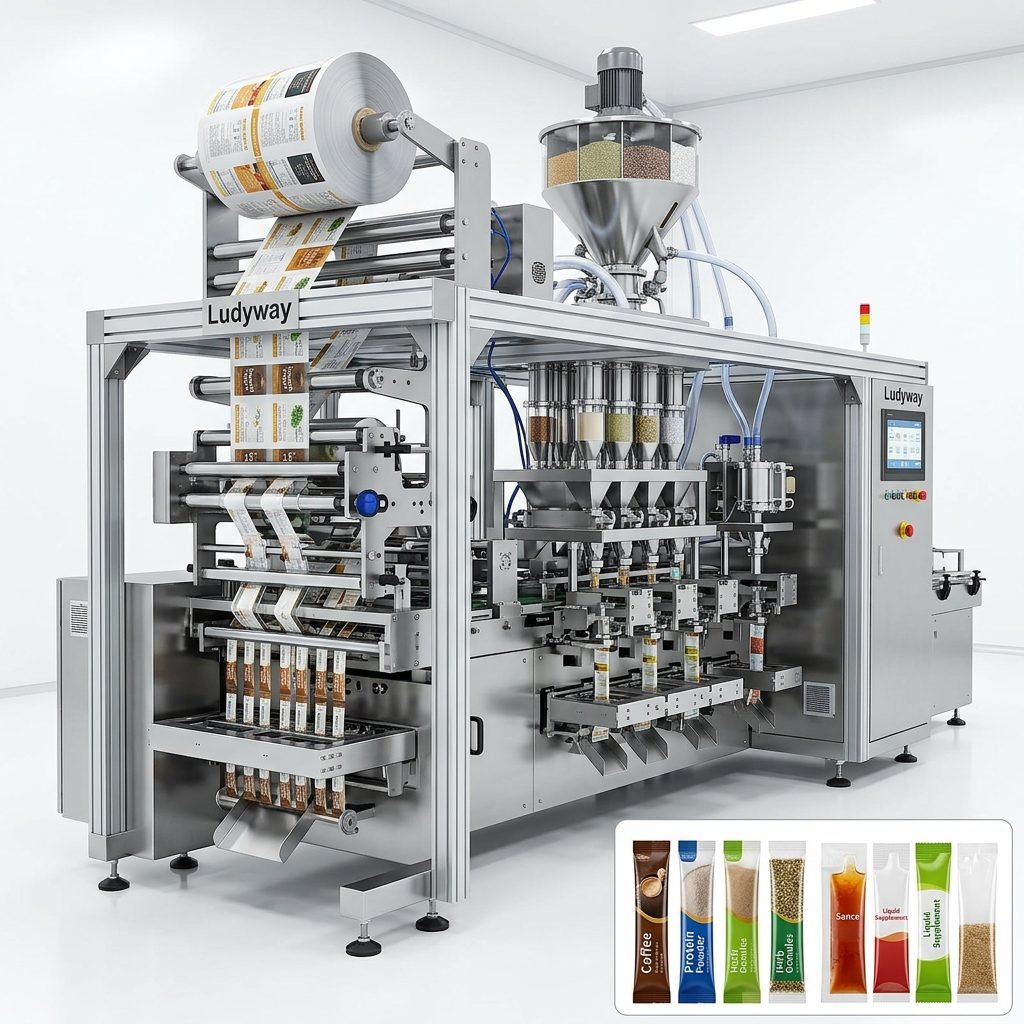
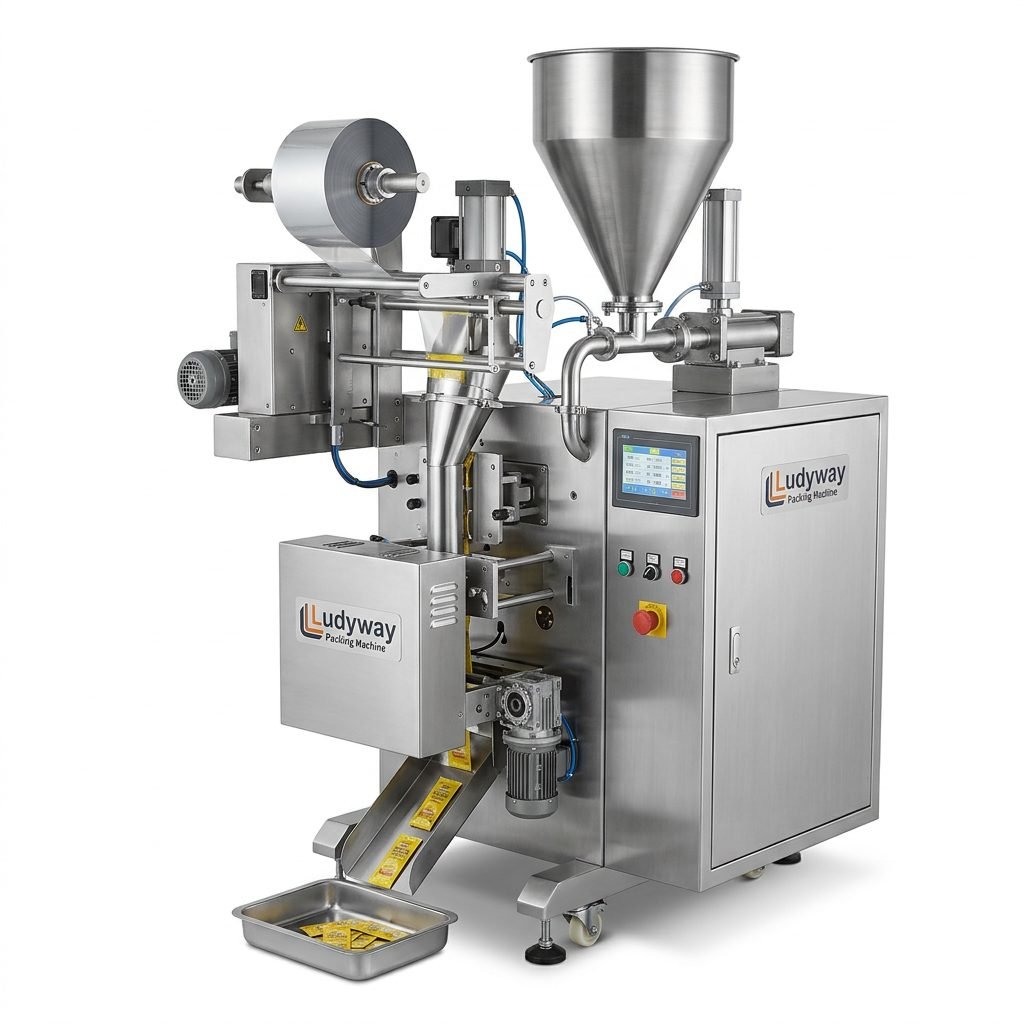
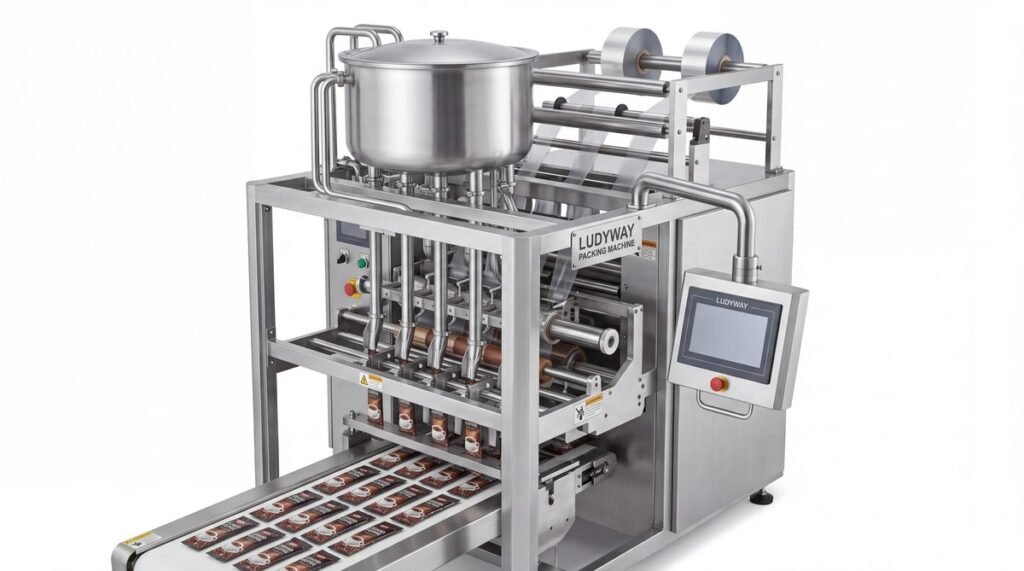
In the competitive world of manufacturing, packaging equipment is a critical asset. Over time, even the most reliable machines can suffer from wear, inefficiency, and rising maintenance costs. Instead of investing in entirely new systems, a strategic rebuild of your existing packaging machinery can be a transformative solution. This comprehensive guide will walk you through the process of rebuilding packaging equipment to achieve better performance, enhanced reliability, and significantly lower long-term maintenance costs.
Understanding the “Why”: The Core Benefits of Rebuilding
Rebuilding is more than a simple repair; it’s a holistic overhaul that breathes new life into your equipment. The primary motivations include:
Cost Efficiency: A rebuild typically costs 40-70% less than purchasing a new machine, offering substantial capital expenditure savings.
Performance Enhancement: Integrate modern drives, controls, and components to boost speed, accuracy, and output.
Extended Lifespan: Properly rebuilt equipment can operate reliably for another decade or more.
Reduced Downtime: A planned rebuild minimizes unplanned breakdowns, ensuring consistent production schedules.
Sustainability: Rebuilding is an eco-friendly choice, reducing waste and the environmental impact of manufacturing new units.
Step 1: The Critical Assessment & Planning Phase
Success begins with a thorough evaluation. This stage determines the feasibility and scope of your rebuild project.
Conduct a Detailed Machine Audit: Document every component’s condition—from mechanical frames and drives to electrical panels and pneumatic systems. Identify parts with excessive wear, corrosion, or obsolescence.
Define Performance Goals: What specific outcomes do you need? Is it a 20% increase in packaging speed, a reduction in material waste, or integration with new Industry 4.0 monitoring systems? Clear goals guide the entire process.
Source Technical Documentation: Locate original manuals, schematics, and part lists. If unavailable, a skilled engineering partner like Ludyway Machinery can reverse-engineer and create new documentation.
Step 2: Disassembly, Cleaning, and Inspection
This hands-on phase reveals the true state of your equipment.
🔧 Key Inspection Focus Areas:
Structural Integrity: Check the main frame, weldments, and mounting points for cracks or fatigue.
Drive Systems: Assess motors, gearboxes, chains, belts, and bearings for wear and alignment.
Sealing & Forming Elements: Critical for packaging integrity. Inspect jaws, sealing bars, and forming tubes.
Control System: Evaluate the PLC, relays, sensors, and wiring. Older systems are prime candidates for upgrading to modern, programmable logic controllers.
Step 3: Strategic Upgrading and Component Replacement
This is where performance gains are realized. Don’t just replace old with new—replace old with better.
Control System Modernization: Upgrading to a new PLC (e.g., Siemens, Allen-Bradley) or a dedicated motion controller offers unparalleled precision, easier troubleshooting, and connectivity for data collection. Retrofitting a modern HMI (Human-Machine Interface) improves operator interaction.
High-Efficiency Drives: Replace old motors and drives with servo or high-efficiency AC vector drives. Servo technology provides exceptional accuracy for tasks like film indexing and cut-off length control, reducing material waste.
Wear Part Enhancement: Use superior materials. Upgrade to hardened steel gears, self-lubricating bushings, or ceramic-coated sealing jaws for longer life and less friction.
Step 4: Reassembly, Calibration, and Testing
Precision reassembly is crucial. Follow updated technical drawings and torque specifications meticulously.
Laser Alignment: For critical components like drive shafts and forming assemblies, use laser alignment tools. Perfect alignment reduces vibration, wear, and energy consumption.
Rigorous Testing Protocol: Testing should be phased:
- Dry Run: Test all motions and sequences without product or film.
- Material Run: Test with actual packaging film and product at slow speeds.
- Performance Run: Ramp up to target operational speeds, monitoring for vibration, heat, and accuracy.
- Endurance Run: A sustained run to ensure stability and reliability under production-like conditions.
Implementing a Proactive Maintenance Strategy Post-Rebuild
A rebuild resets the clock, but a proactive maintenance plan keeps it ticking. Lower maintenance costs are sustained through prevention.
📈 Key Elements of a Proactive Plan:
Predictive Maintenance (PdM): Utilize data from newly installed sensors (vibration, temperature, current draw) to predict failures before they happen.
Preventive Maintenance (PM) Schedule: Establish a strict calendar for lubrication, belt tension checks, filter changes, and seal inspections based on the rebuilt machine’s specifications.
Spare Parts Management: Maintain a critical spares kit based on the new bill of materials. Partnering with your rebuild provider for genuine spare parts ensures compatibility and longevity.
Operator Training: Well-trained operators are your first line of defense. Ensure they understand the new controls, normal operating parameters, and basic troubleshooting.
Conclusion: A Strategic Investment for the Future
Rebuilding your packaging equipment is a powerful strategy to enhance your operational efficiency without the capital outlay for new machinery. By following a structured process—from assessment to proactive maintenance—you can achieve performance levels that rival new machines while drastically reducing lifecycle costs. This approach not only improves your bottom line but also contributes to a more sustainable manufacturing operation.
Frequently Asked Questions (FAQs)
How long does a typical packaging machine rebuild take?
The timeline varies based on machine size and complexity, ranging from 2-3 weeks for a single vertical form-fill-seal machine to 8-12 weeks for a complete multi-lane production line. A detailed project plan from your service provider will give an accurate schedule.
Is rebuilding always cheaper than buying new?
In most cases, yes, especially for medium to high-end equipment. The cost-benefit is most significant when the machine’s core structure (frame, base) is still sound. For very old or severely damaged machines, a cost analysis is essential to compare rebuild quotes against new equipment prices.
Can a rebuilt machine integrate with modern factory automation (Industry 4.0)?
Absolutely. A key advantage of rebuilding is the opportunity to retrofit modern controls with Ethernet/IP, OPC UA, or Modbus TCP connectivity. This allows the machine to communicate with Manufacturing Execution Systems (MES) and provide real-time production data.
What warranty is offered on a rebuilt machine?
Reputable providers like Ludyway Machinery typically offer a comprehensive warranty on the rebuild work and new components installed, often ranging from 12 to 24 months. This warranty provides peace of mind and protects your investment.
How do I choose the right partner for a rebuild project?
Look for a partner with proven experience, strong engineering capabilities, and access to quality components. They should provide a transparent assessment, a detailed proposal with cost/benefit analysis, and examples of past successful rebuilds in your industry.