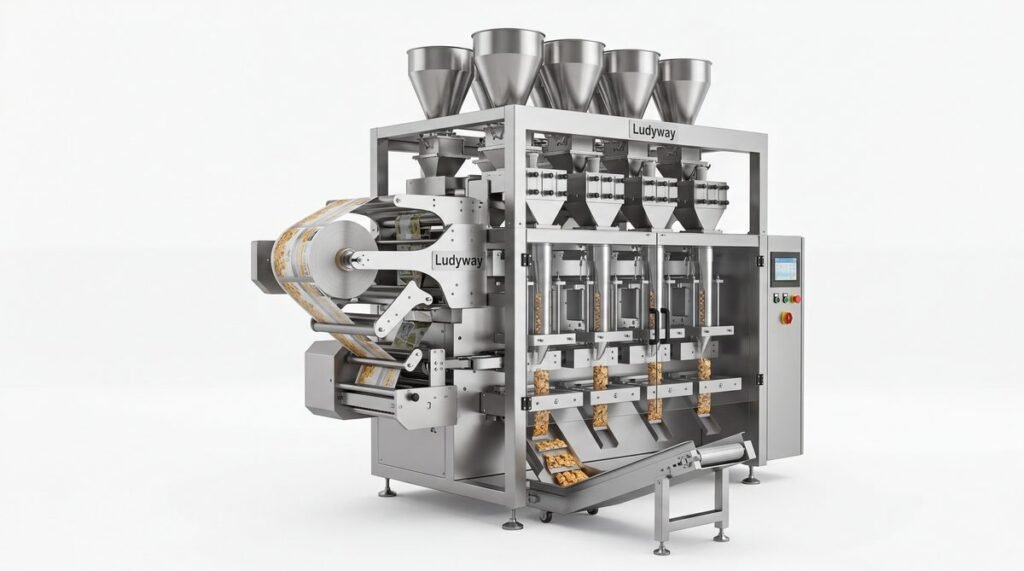
In today’s fast-paced manufacturing landscape, the demand for high-speed, reliable, and intelligent packaging has never been greater. Automated production lines are the backbone of modern industry, and their efficiency hinges on the performance of the packaging equipment integrated within them. High-performance packaging machinery is no longer a luxury but a critical necessity for businesses aiming to scale production, ensure product integrity, and maintain a competitive edge in global markets.
The Core of Modern Automation: Why Performance Matters
Automated production lines are designed for seamless, continuous operation. Any weak link in the chain—especially in the final packaging stage—can lead to significant downtime, product waste, and lost revenue. High-performance packaging equipment is engineered to be that robust, dependable link. It goes beyond basic functionality to offer:
- Exceptional Speed & Throughput: Matching or exceeding the pace of upstream production processes to eliminate bottlenecks.
- ► Superior Accuracy & Consistency: Precisely measuring, filling, and sealing to minimize giveaway and ensure every product meets quality specifications.
- Unwavering Reliability & Uptime: Built with durable components and intelligent diagnostics to maximize production hours and reduce maintenance interventions.
- ► Advanced Flexibility & Quick Changeover: Adapting swiftly to different product formats, sizes, and materials to support agile manufacturing and shorter runs.
Defining High-Performance in Packaging
True high-performance is measured by a machine’s total impact on the production line’s Overall Equipment Effectiveness (OEE). This means optimizing availability, performance rate, and quality rate simultaneously. Equipment that excels in these areas directly contributes to lower total cost of ownership, higher return on investment, and enhanced operational scalability for businesses looking to grow.
Key Solutions for an Integrated Production Line
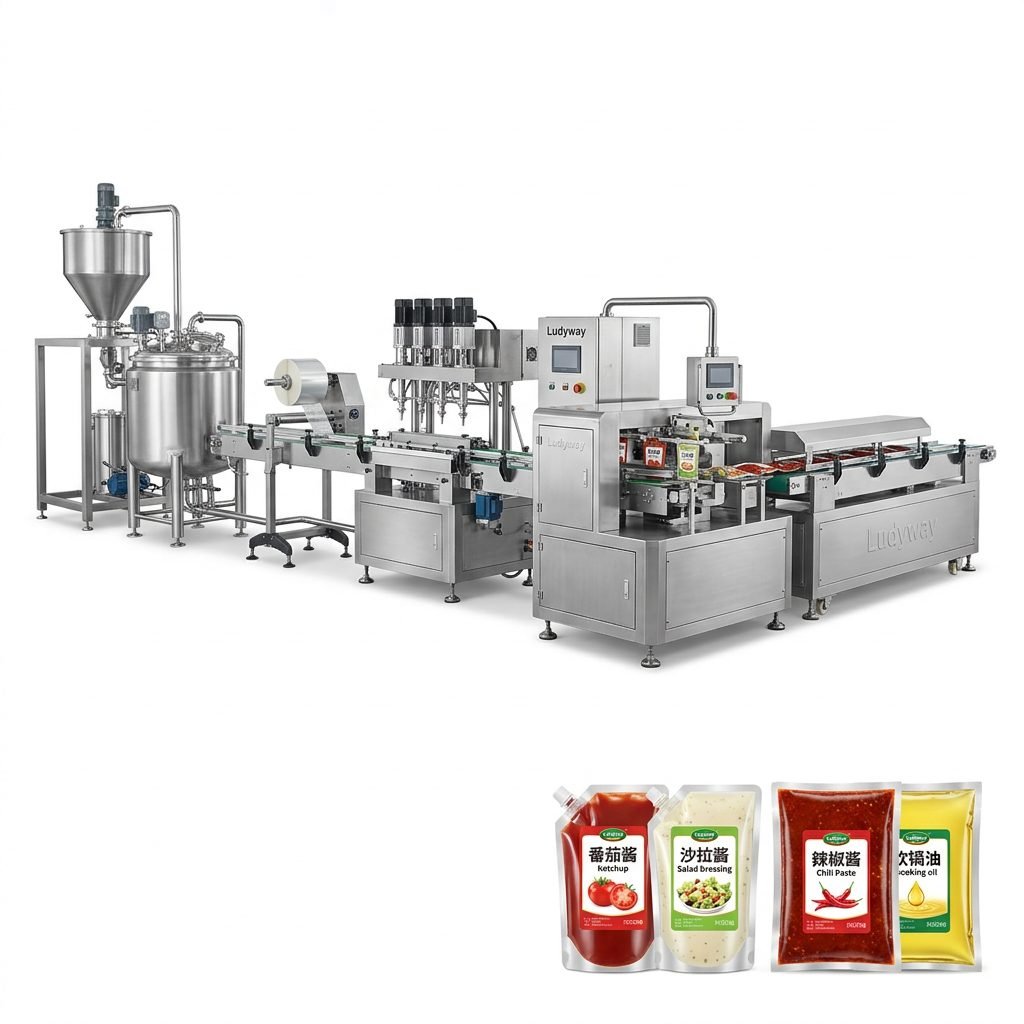
Building a high-performance automated line requires a synergistic combination of specialized equipment. Here are the cornerstone solutions:
1. Intelligent Multi-Lane Form-Fill-Seal (FFS) Systems
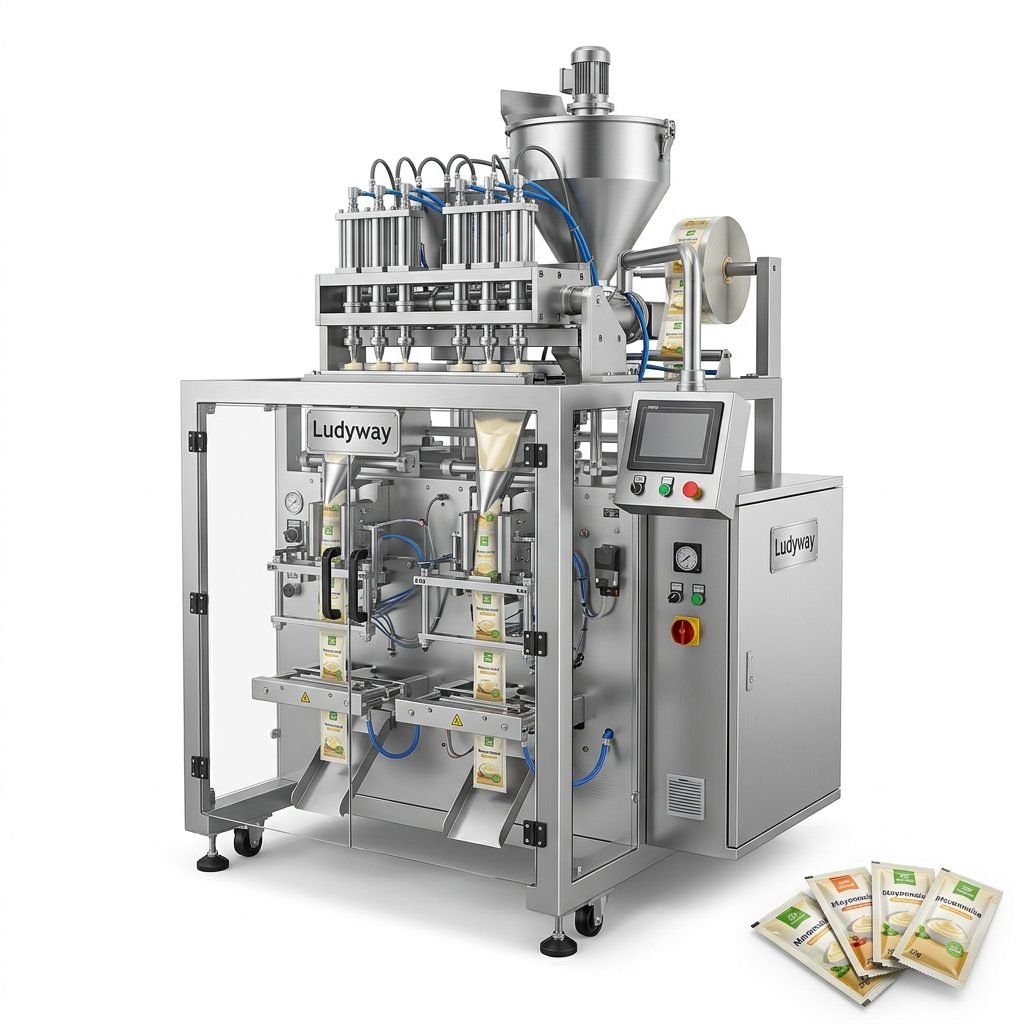
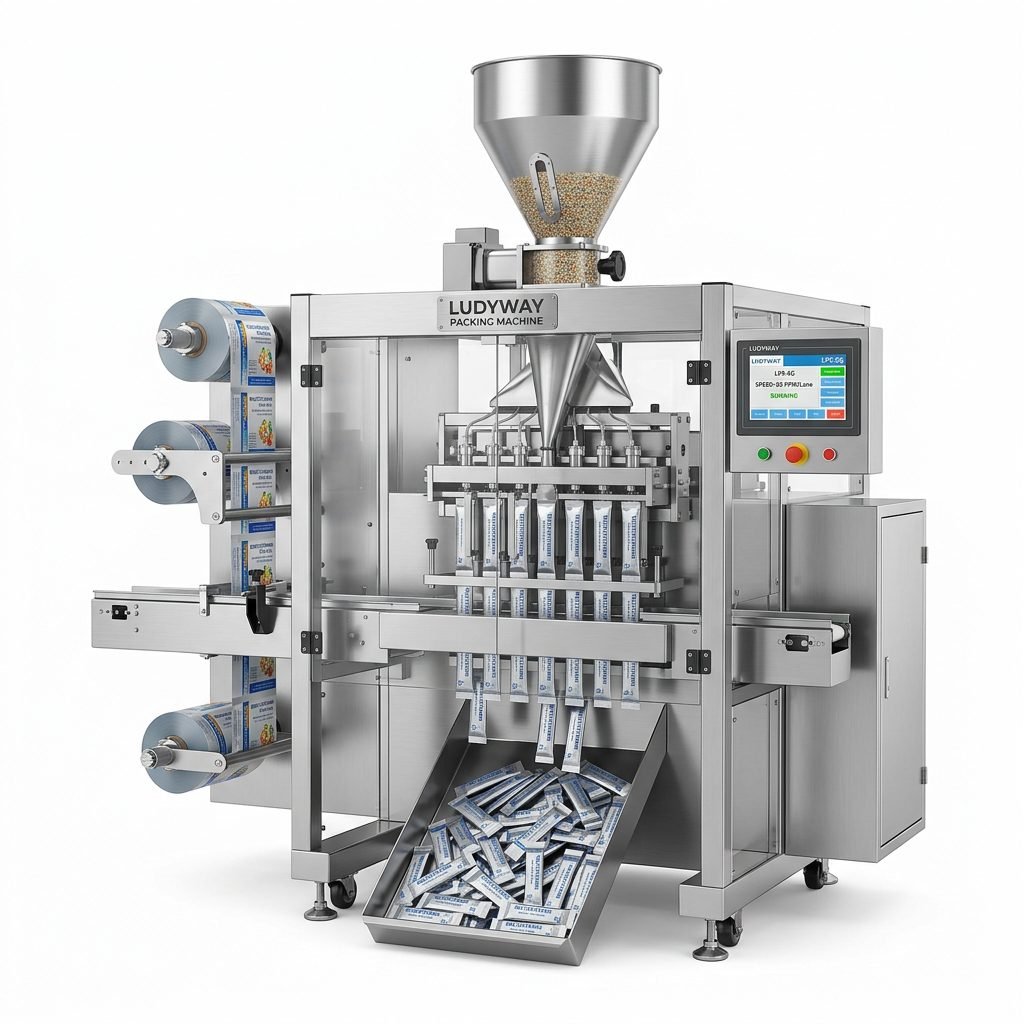
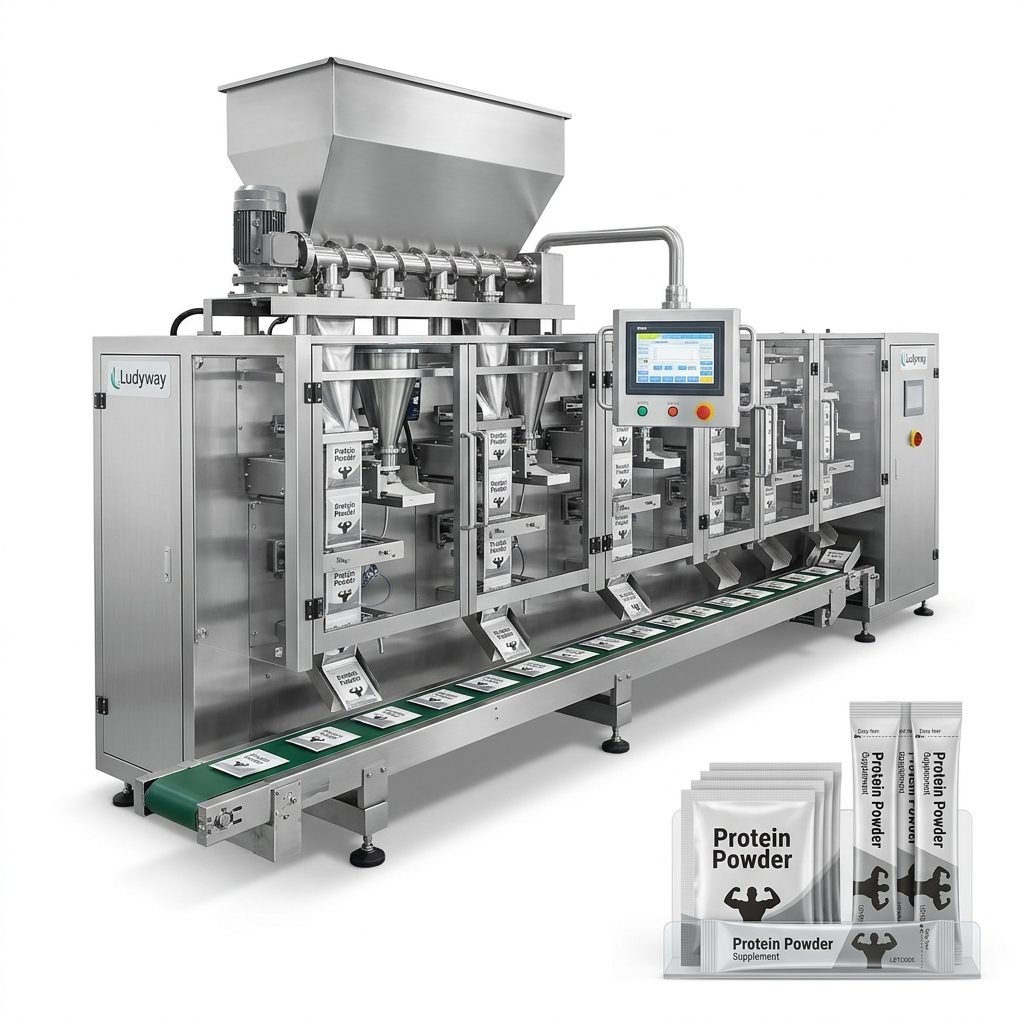
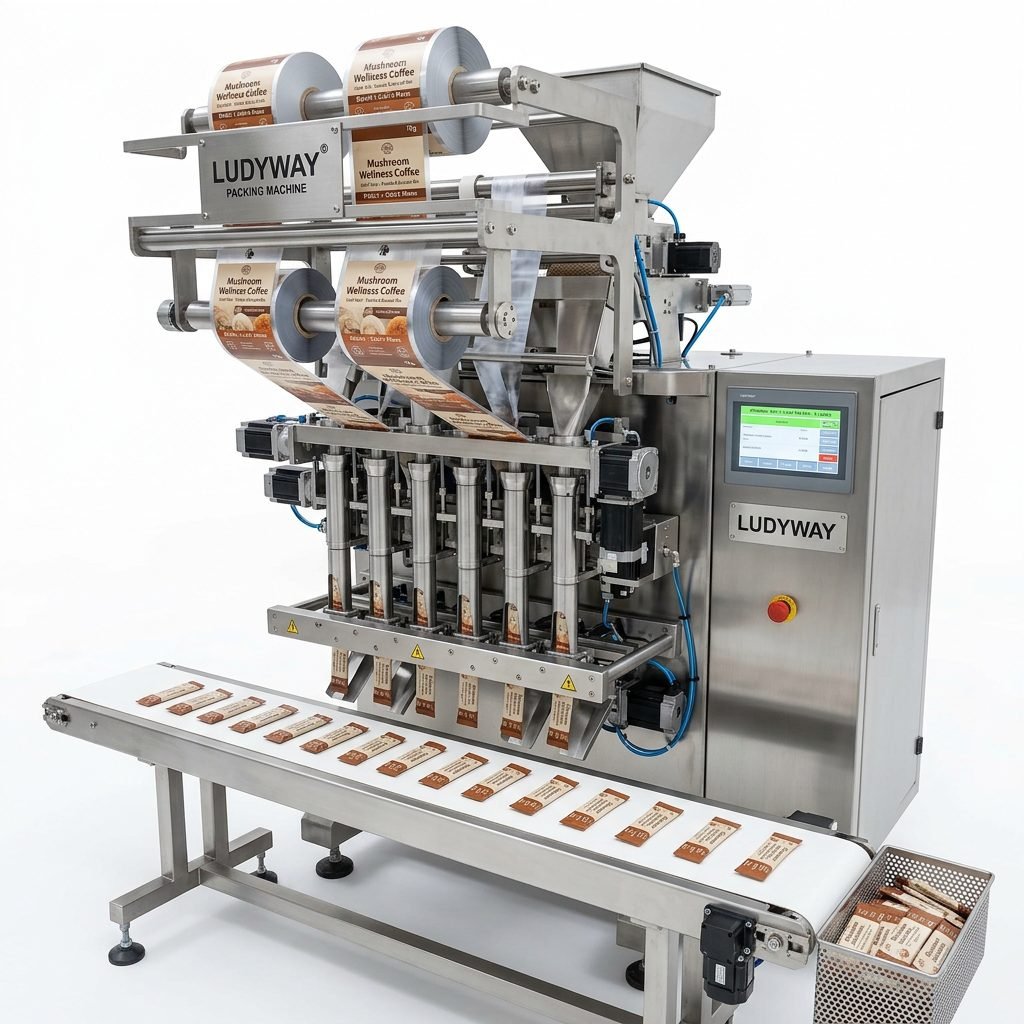
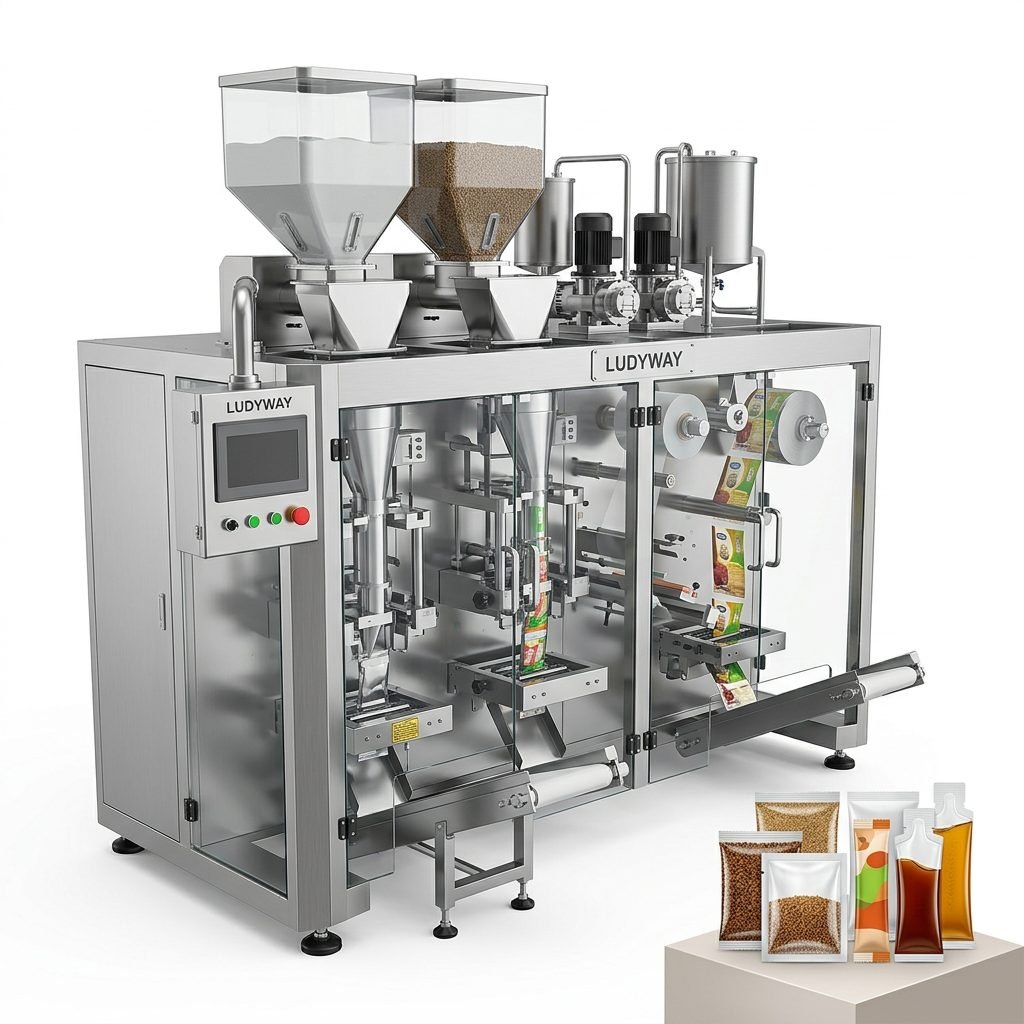
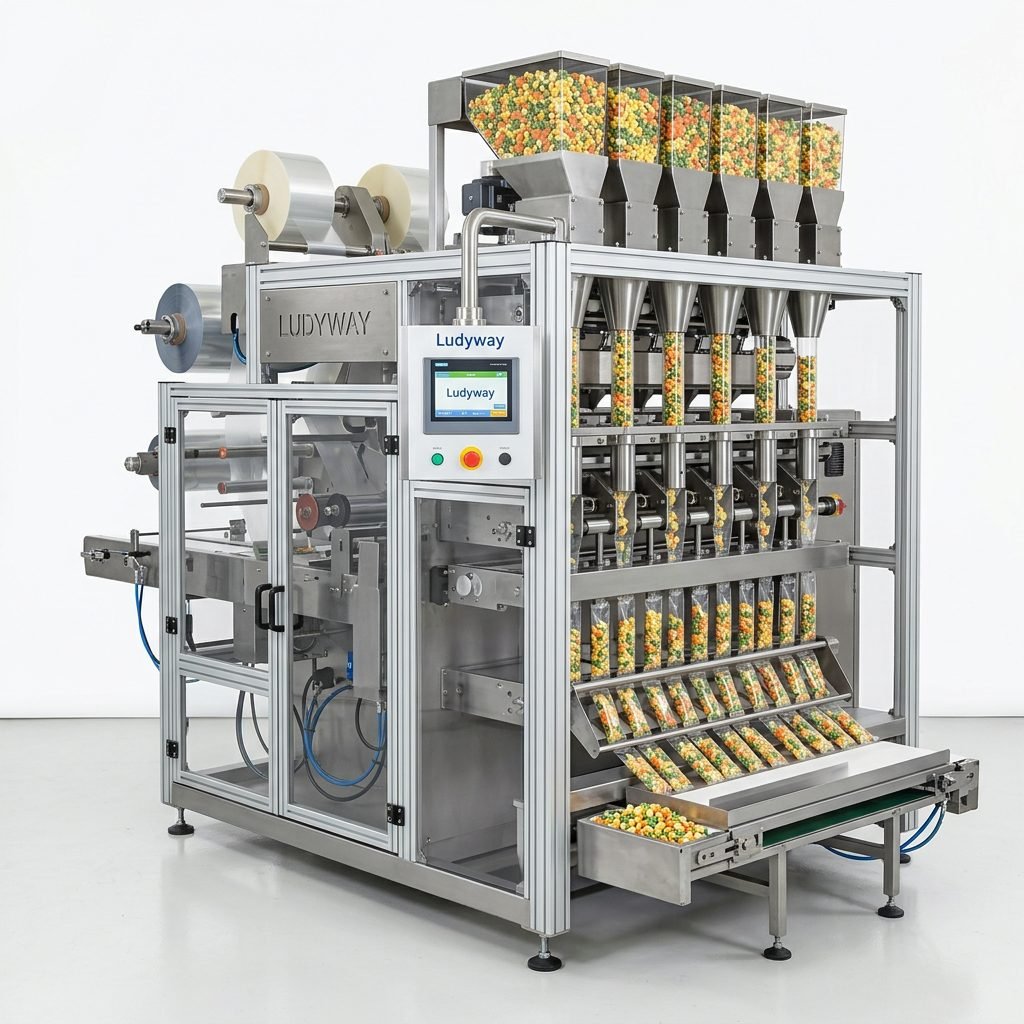
These are the workhorses of high-speed packaging for granules, powders, and liquids. Modern FFS machines, such as advanced stick pack machines and sachet packaging machines, feature multi-lane configurations that dramatically increase output from a single unit. They integrate precision auger or liquid pumps, photoelectric registration for accurate printing alignment, and robust sealing systems for perfect pouch integrity every time.
2. Automated Cartoning & Secondary Packaging
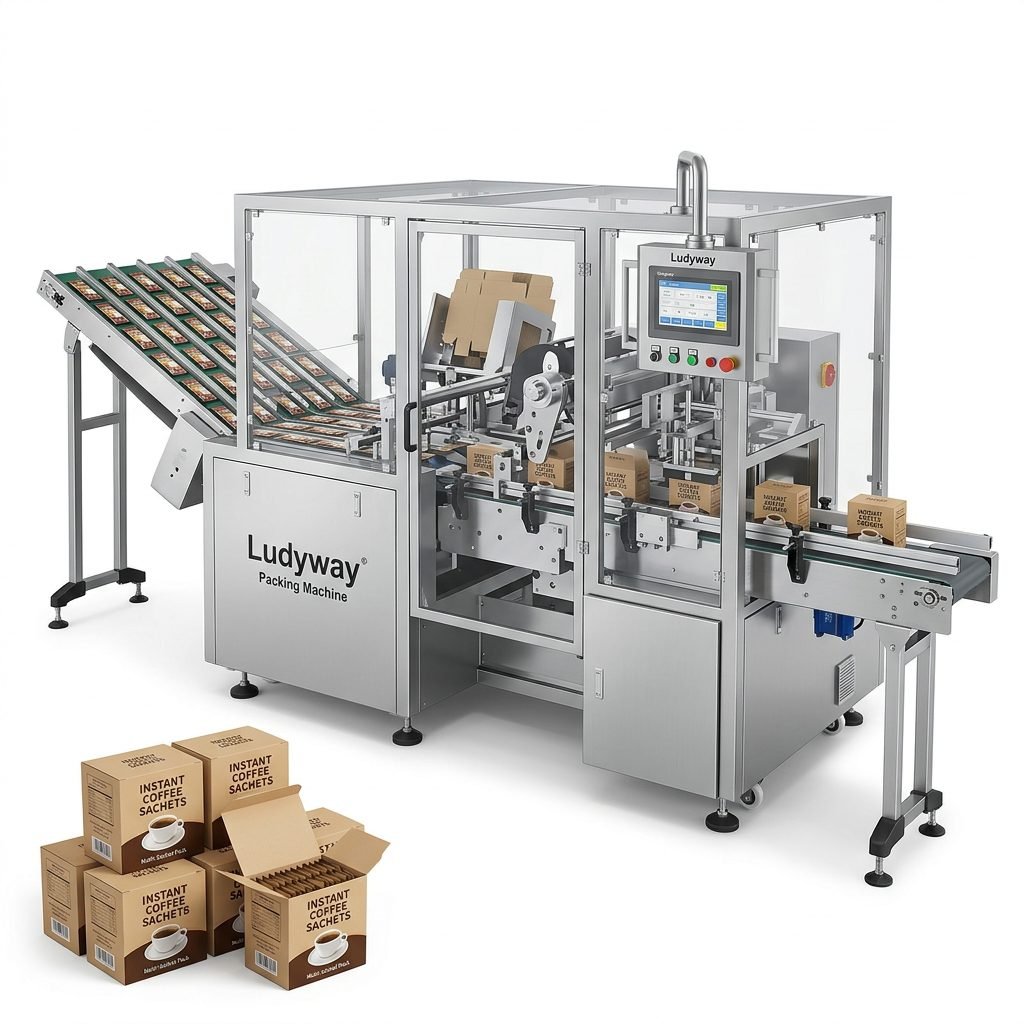
Once primary packaging is complete, products must be efficiently collated, inserted into cartons, and sealed. High-performance automatic cartoners handle this with robotic precision, ensuring smooth transition from pouches or sticks to retail-ready boxes. This stage is critical for maintaining line speed and preparing products for palletizing and shipment.
3. Precision Weighing & Filling Technology
At the heart of packaging accuracy lies the filling system. High-performance solutions utilize multi-head weighers for granular products or servo-driven pumps for liquids, offering unparalleled speed and portion control. This technology is vital for compliance and cost-saving, ensuring no product is wasted and every package meets its declared weight.
The Integration Imperative
Individual machine performance is important, but seamless integration is what unlocks true potential. High-performance solutions are designed with open communication protocols (like OPC UA, Ethernet/IP) to connect with upstream and downstream equipment, central PLCs, and Manufacturing Execution Systems (MES). This creates a cohesive, data-driven production line where information flows as smoothly as the products themselves.
Benefits Beyond Speed: The Tangible ROI
Investing in high-performance packaging equipment delivers a compelling return that extends across the entire operation.
- Substantial Operational Cost Reduction: Higher efficiency and less waste directly lower cost-per-unit. Reduced downtime and maintenance needs further decrease operational expenses.
- ► Enhanced Product Quality & Brand Protection: Consistent, reliable packaging safeguards product freshness and presentation, directly reflecting on brand reputation and reducing customer complaints.
- Unlocked Scalability & Future-Proofing: A high-performance line can handle increased volumes without major re-engineering. Its flexibility also allows you to adapt to new market trends and product innovations quickly.
- ► Improved Workplace Safety & Sustainability: Automation reduces manual handling, lowering the risk of injuries. Furthermore, precise material usage and reduced waste contribute to more sustainable manufacturing practices.
Choosing the Right Partner for Your Solution
The journey to a high-performance automated line begins with selecting the right equipment partner. Look for a provider with proven expertise, not just in machinery, but in complete line integration. Ludyway Packing Machine, with over a decade of specialization, exemplifies this approach. By focusing on the food, pharmaceutical, and health industries, they develop a deep understanding of specific sector challenges—from hygiene standards in pharma to speed demands in food. A partner should offer comprehensive support, from initial consultation and custom engineering to installation, training, and after-sales service, ensuring your investment performs optimally for years to come.
Conclusion: The Strategic Investment
High-performance packaging equipment is the critical engine that drives automated production lines forward. It is a strategic investment that pays dividends in efficiency, quality, and growth. In an era where consumer demands and market dynamics shift rapidly, the agility and reliability provided by such advanced solutions are indispensable for any manufacturer aiming to lead, not just compete.
Frequently Asked Questions (FAQs)
1. What is the most important factor when upgrading to high-performance packaging equipment?
The most critical factor is integration capability. The new equipment must communicate flawlessly with your existing production line controls and software. A thorough audit of your current system’s communication protocols and a detailed integration plan with your supplier are essential first steps.
2. Can high-speed packaging machines handle delicate or irregularly shaped products?
Yes, modern high-performance machines are highly adaptable. With customized feeding systems, gentle handling mechanisms (like bucket elevators or vibratory trays), and tailored forming tubes, they can efficiently package a wide range of delicate products, from fragile snacks to irregular herbal supplements.
3. How does high-performance equipment impact sustainability goals?
It has a significantly positive impact. Precision filling reduces material giveaway, advanced sealing minimizes packaging film waste, and overall higher efficiency lowers energy consumption per unit produced. This aligns with corporate sustainability targets by reducing the environmental footprint of the packaging process.
4. What kind of maintenance do these advanced systems require?
While built for durability, they require proactive, scheduled maintenance. This typically involves regular cleaning, lubrication of mechanical parts, inspection of seals and wear parts, and software updates. The best suppliers provide clear maintenance schedules and remote diagnostic tools to predict and prevent issues before they cause downtime.
5. Is operator training complex for these automated systems?
Modern machines feature intuitive Human-Machine Interfaces (HMIs) that simplify operation. Comprehensive training from the supplier is crucial and typically covers routine operation, changeover procedures, basic troubleshooting, and safety protocols. Well-trained operators are key to maximizing the equipment’s performance and longevity.