In today’s fast-paced manufacturing landscape, selecting the right specialty packaging equipment is a critical decision that directly impacts efficiency, product quality, and overall operational success. Whether you are in the food, pharmaceutical, or health industries, understanding the different types of systems, their applications, and the key factors for selection is paramount.
Core Types of Specialty Packaging Equipment
The market offers a diverse range of equipment, each designed for specific product forms and production goals. The primary categories include:
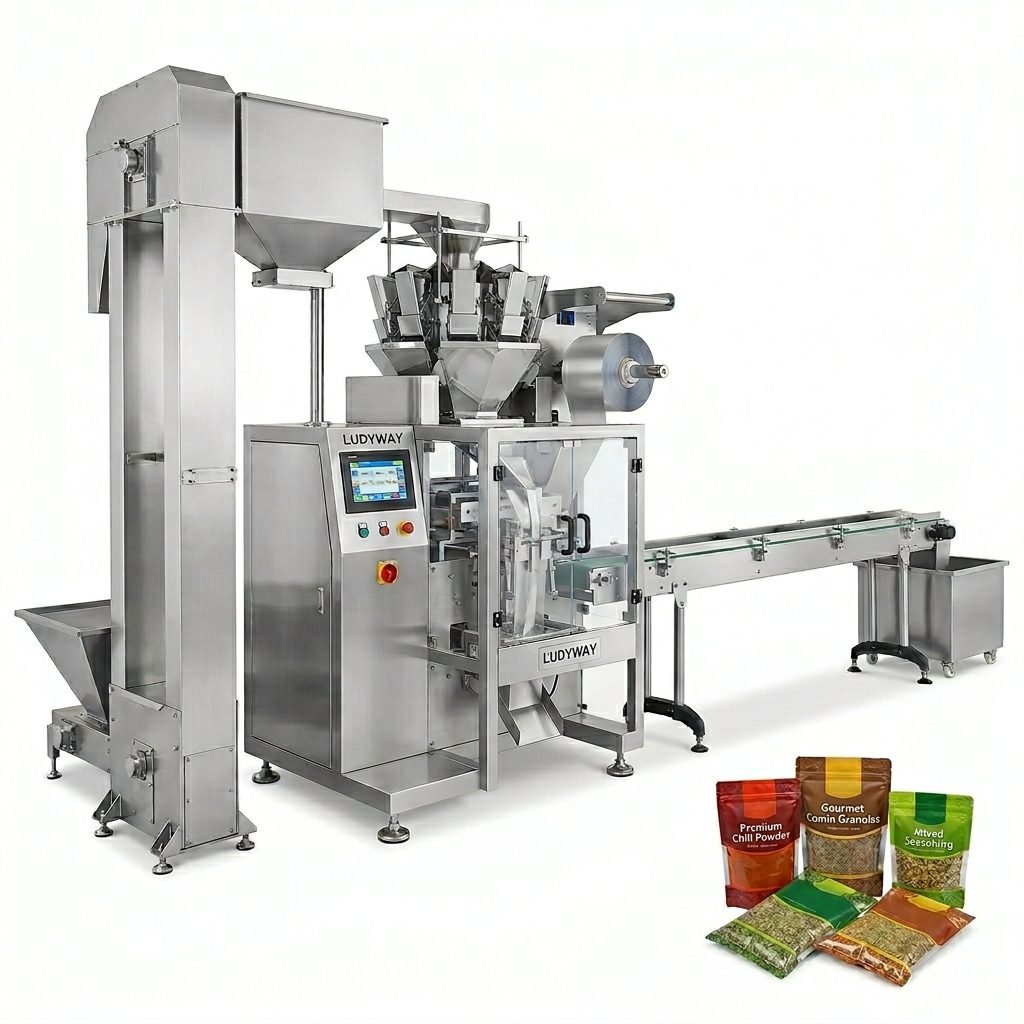
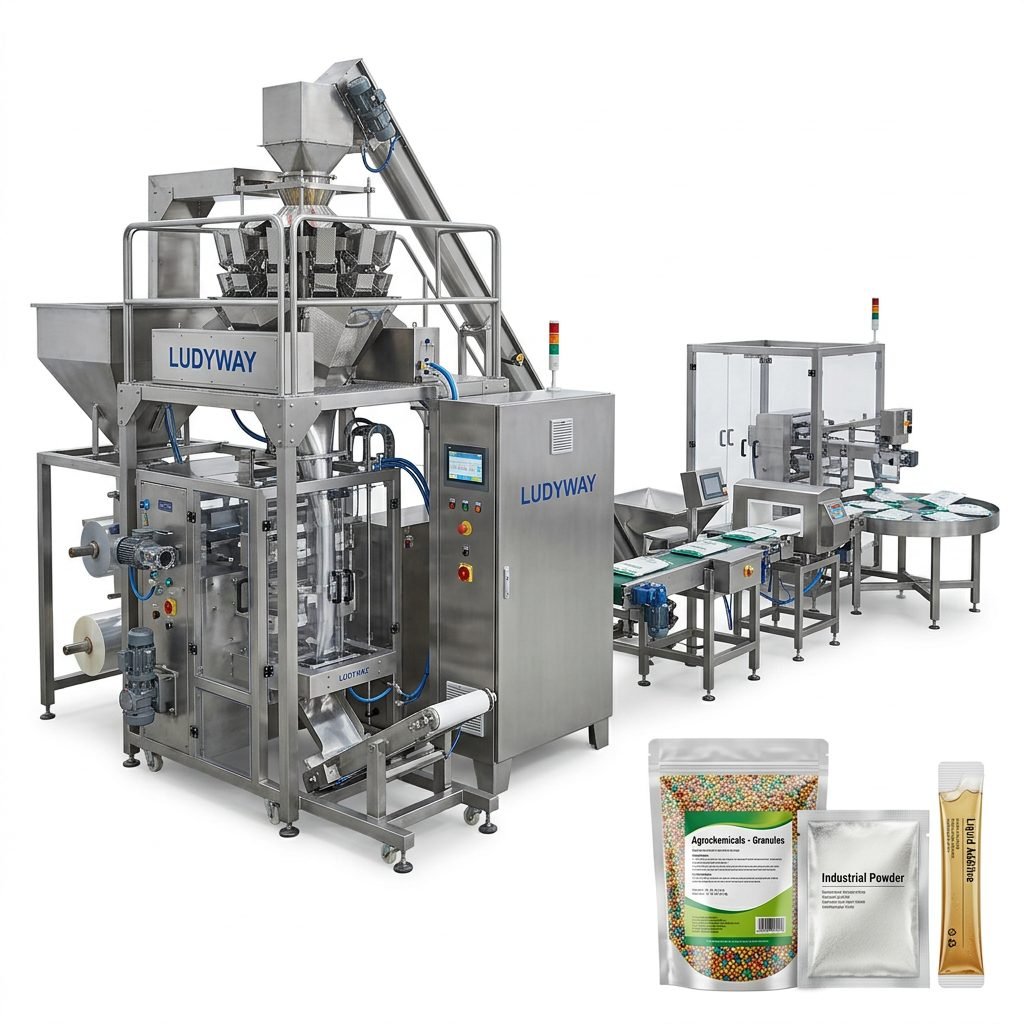
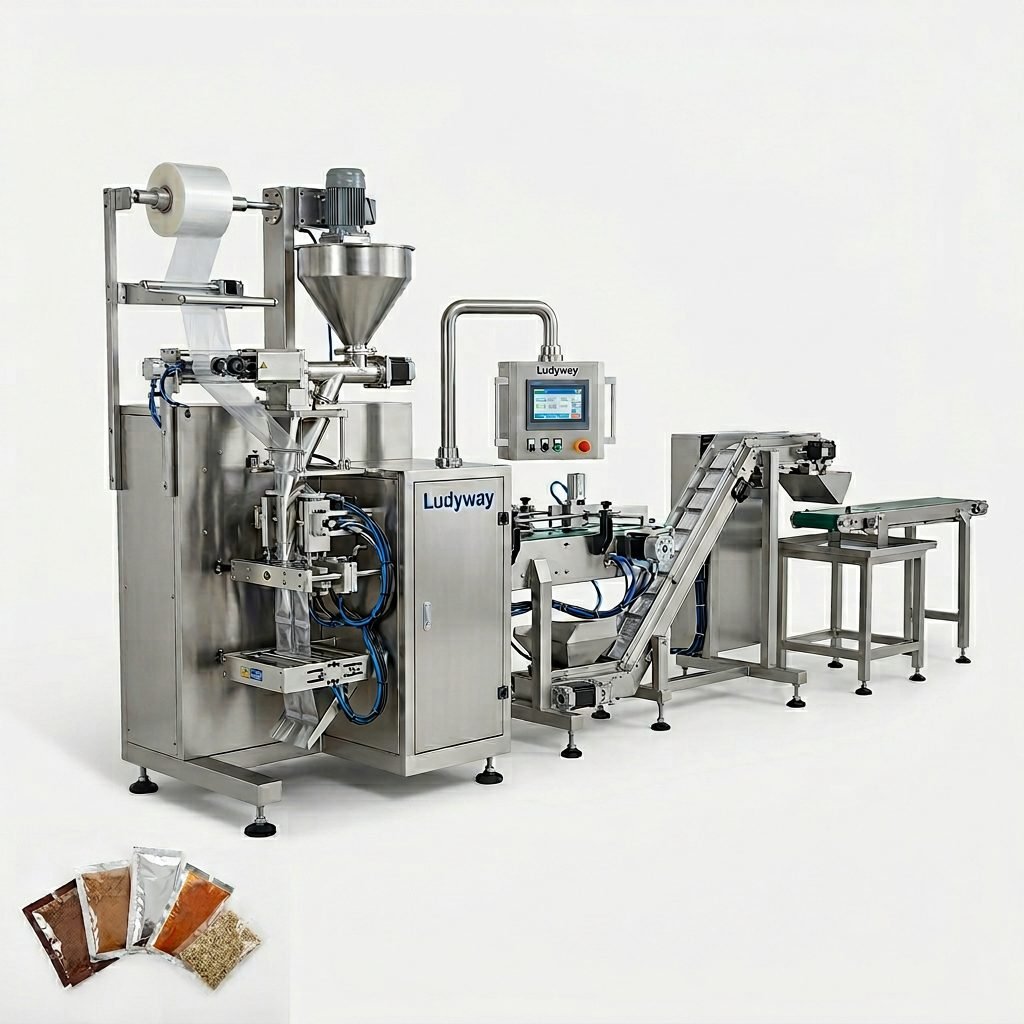
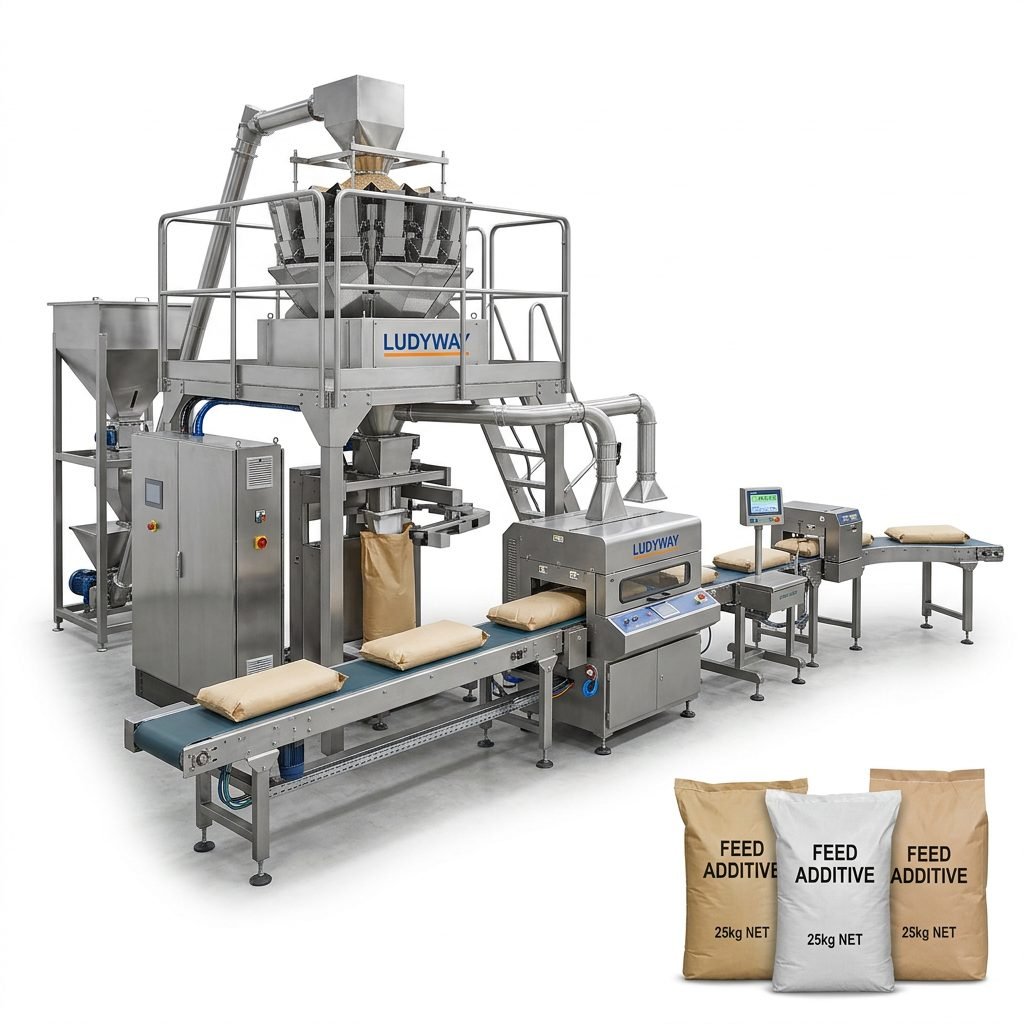
Granule & Powder Packaging Machines
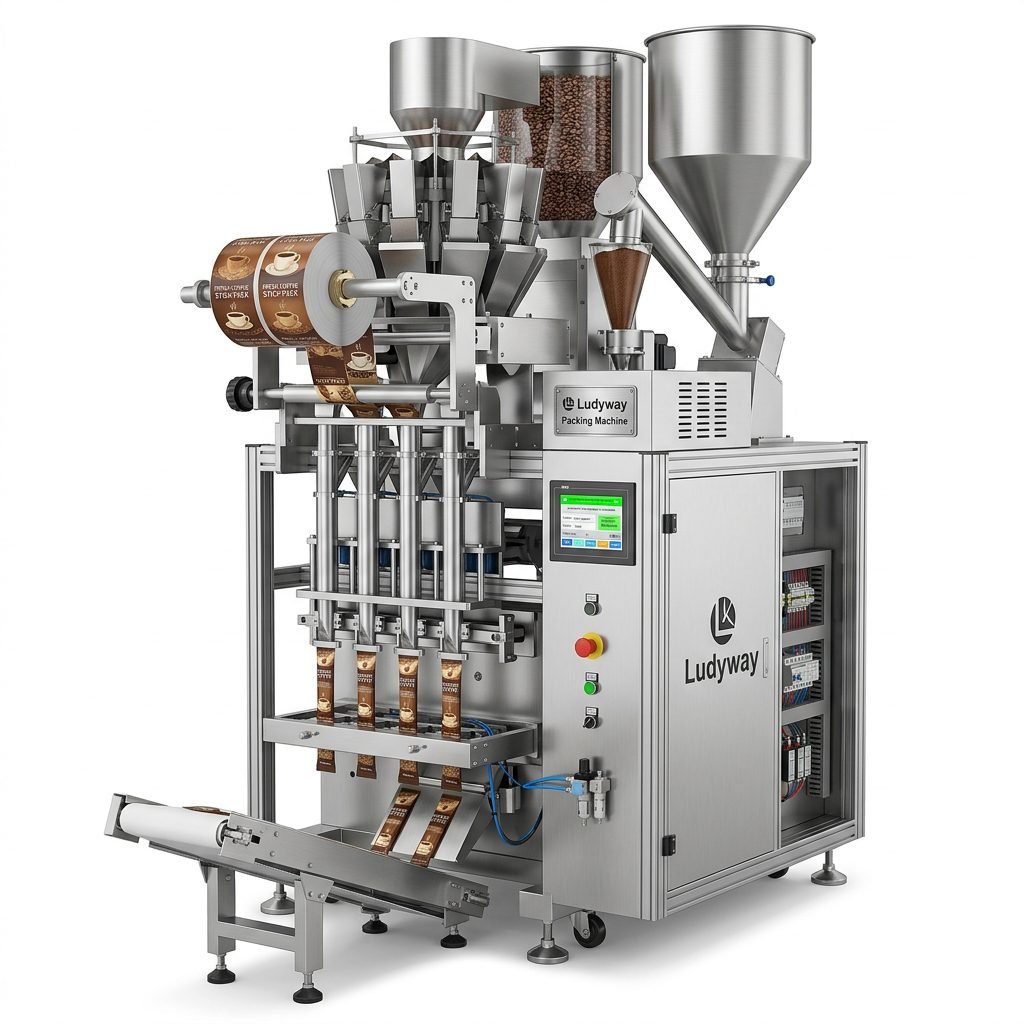
These systems are engineered for precise measurement and filling of dry, free-flowing products like coffee, spices, protein powders, and pharmaceutical granules. Advanced models feature multi-head weighers and auger fillers for high-speed, accurate dosing, minimizing product giveaway.
Key Feature: Look for systems with stainless steel contact parts and integrated dust extraction for hygiene and cleanliness.
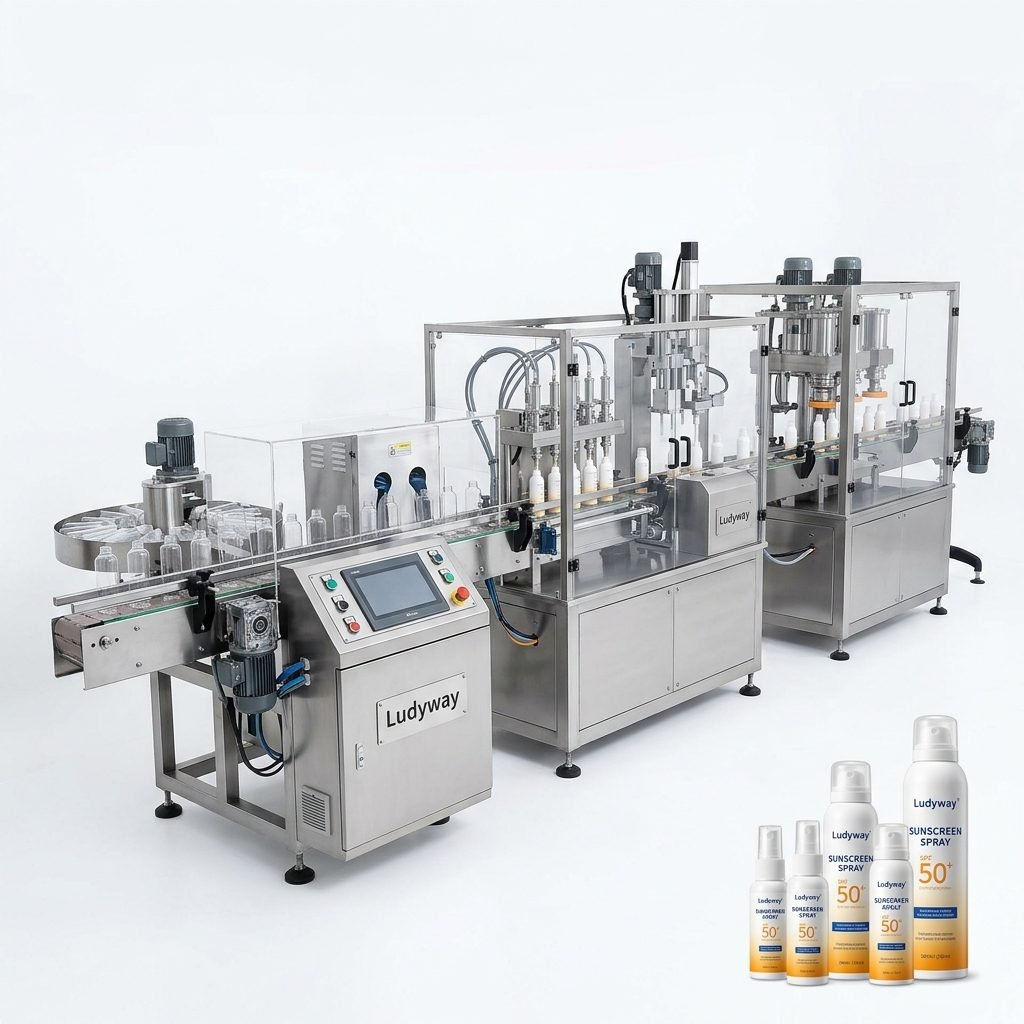
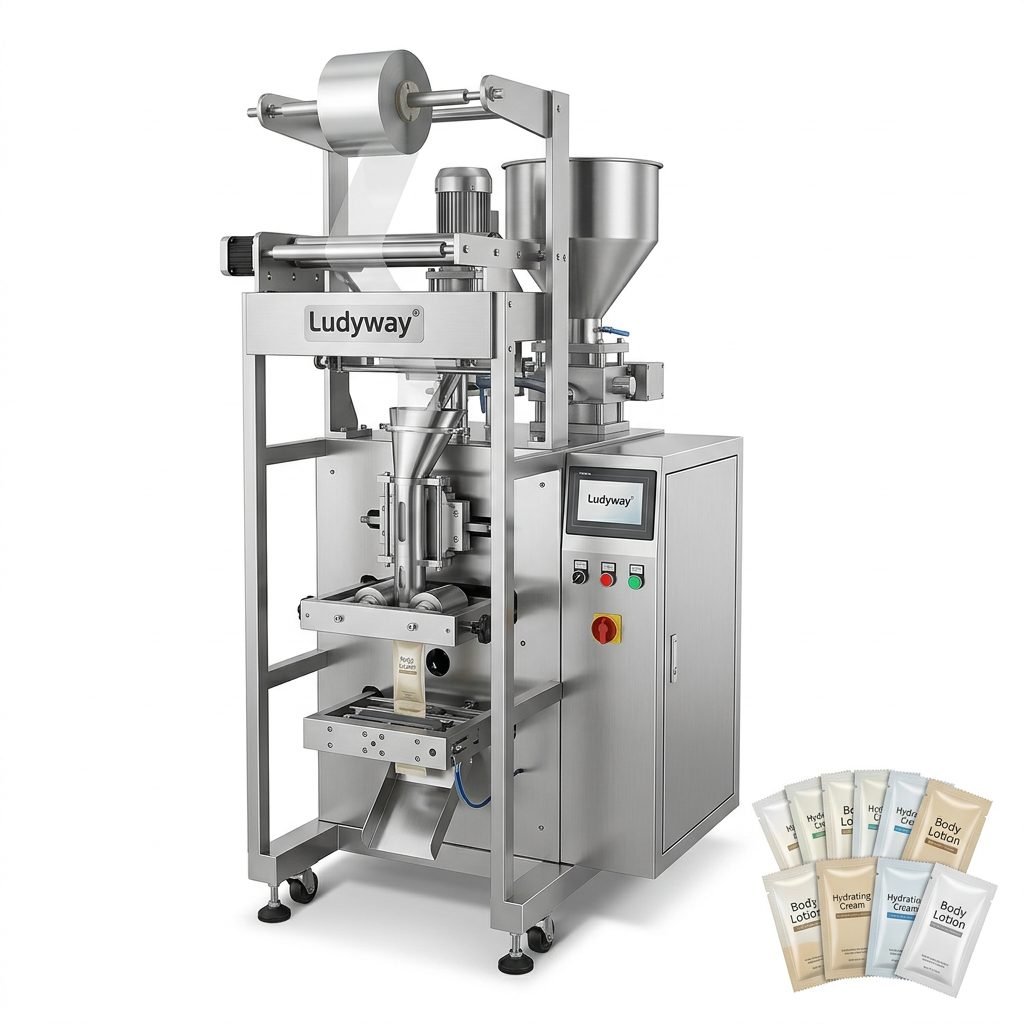
Liquid & Paste Filling Systems
Designed for viscous products such as sauces, oils, creams, and lotions, these machines utilize piston, peristaltic, or gravity fillers. They ensure clean, drip-free filling and are often paired with capping or sealing stations to form a complete line.
Key Feature: Corrosion-resistant materials and easy-clean designs are crucial for maintaining product integrity.
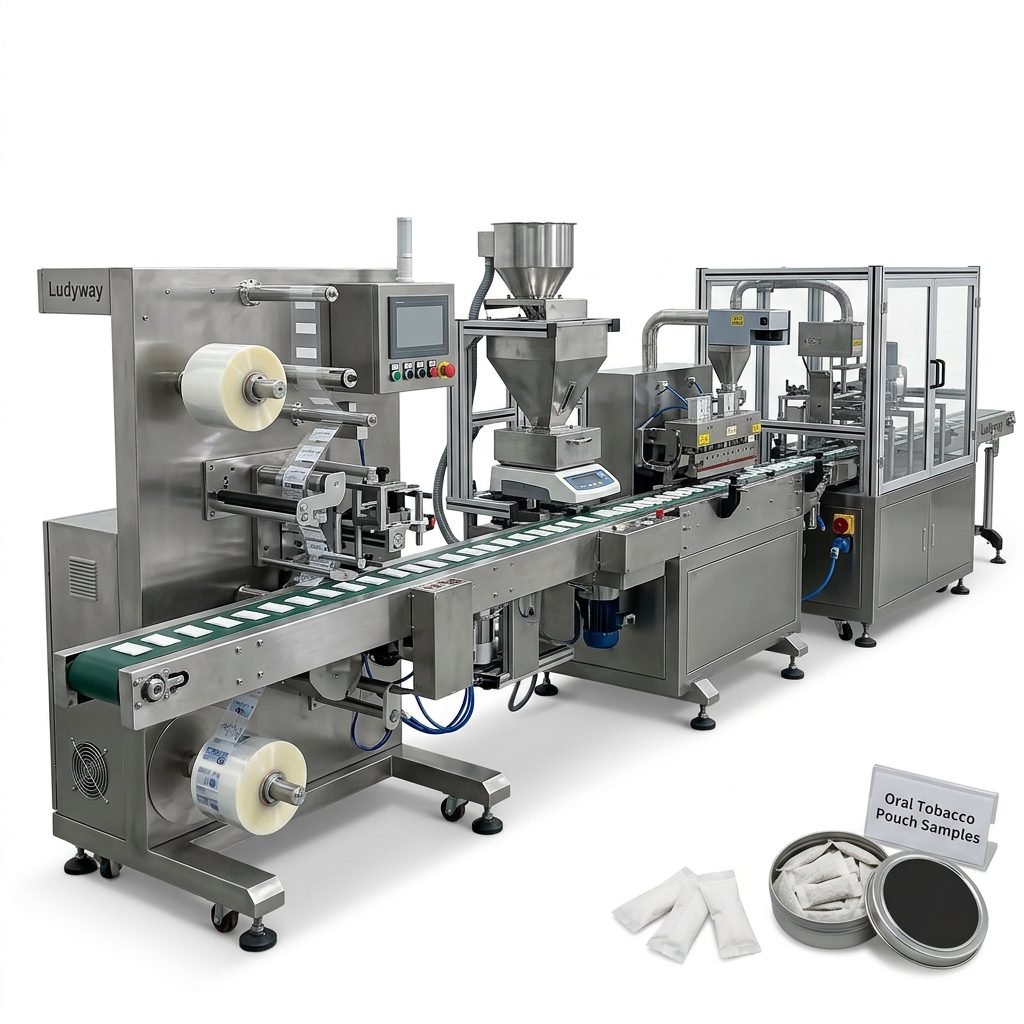
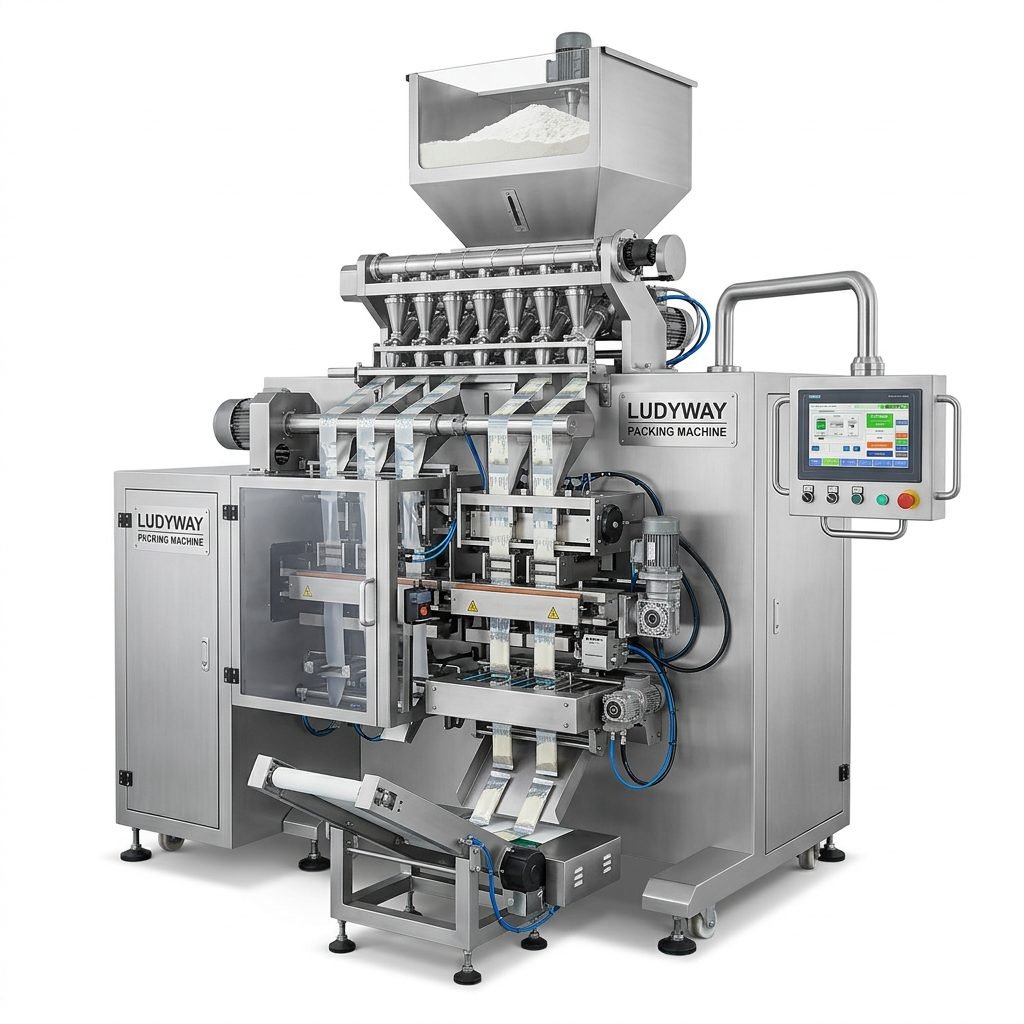
Stick Pack & Sachet Packaging Machines
Ideal for single-serve portions of powders, liquids, or gels (e.g., instant drinks, condiments, shampoo). These machines form, fill, and seal pouches from roll stock film at very high speeds. Multi-lane configurations can dramatically increase output for high-volume production.
Key Feature: Precision temperature control on sealing jaws is vital for strong, leak-proof seals.
Primary Applications Across Industries
Specialty packaging machinery is not a one-size-fits-all solution. Its application is deeply tied to industry-specific requirements.
Food & Beverage Industry
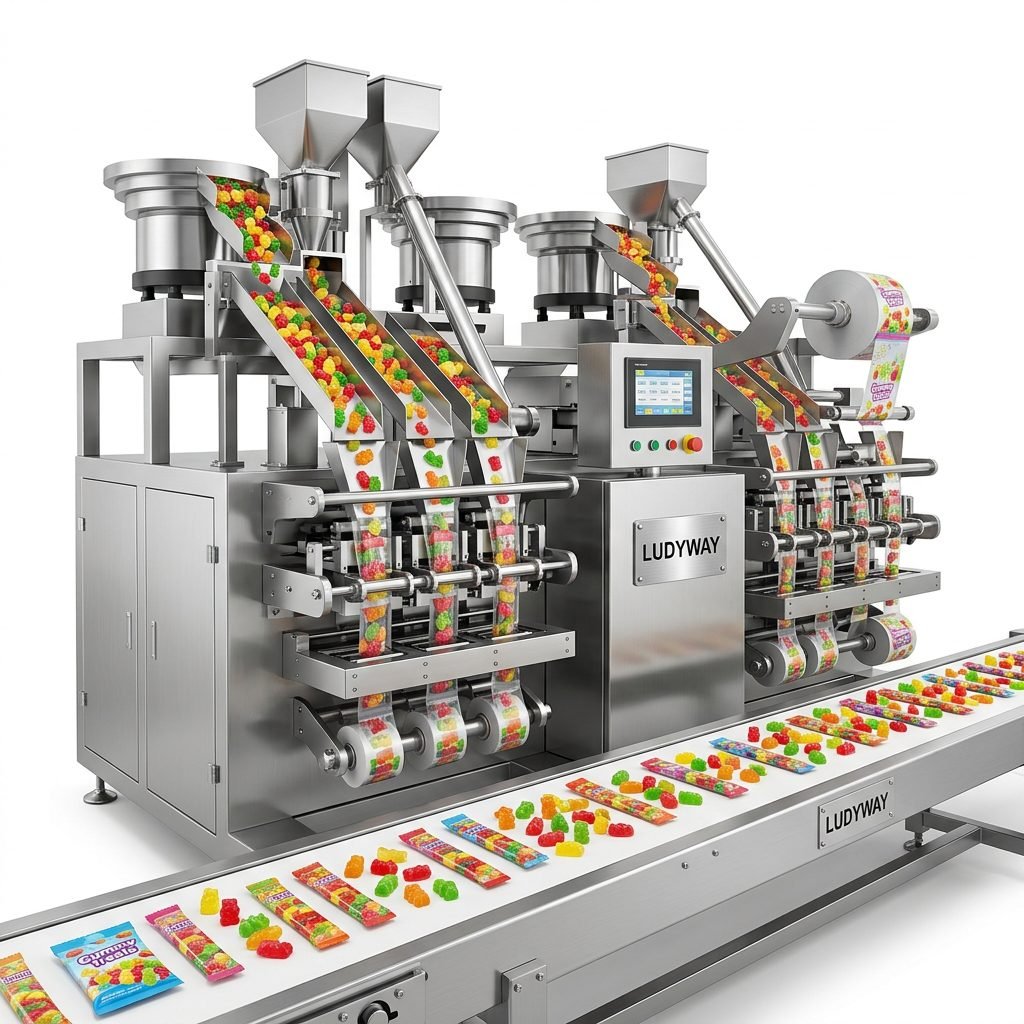
Here, speed, hygiene, and portion control are king. Equipment must comply with food safety standards (e.g., FDA, EHEDG). Stick pack machines are perfect for seasoning, drink mixes, and sweeteners, while vertical form-fill-seal (VFFS) machines handle snacks and dry goods. For more insights into food-grade automation, explore industry resources on food packaging trends.
Pharmaceutical & Nutraceutical Industry
Precision and traceability are non-negotiable. Packaging lines often require validatable systems with strict documentation for compliance with GMP (Good Manufacturing Practice). Powder fillers for supplements and sachet machines for effervescent tablets are common, ensuring accurate dosage and excellent barrier properties to protect product efficacy.
Health & Personal Care
This sector demands aesthetic appeal and functional packaging for products like facial masks, shampoo sachets, and medicated creams. Equipment often needs to handle diverse materials (laminates, foils) and provide gentle handling for delicate products. The flexibility to run smaller, boutique batches is also a valuable asset.
How to Choose the Right Packaging System: A Strategic Guide
Selecting equipment is a strategic investment. Follow this framework to make an informed decision.
1. Define Your Product and Production Requirements
Start with the basics. What is your product’s form (powder, liquid, granule)? What are its characteristics (hygroscopic, abrasive, viscous)? Determine your required output speed (packs per minute), bag/pouch size range, and the film or material you plan to use. This is the foundation of your search.
2. Evaluate Machine Capabilities and Flexibility
Beyond core functions, consider future needs. Can the machine handle a range of package sizes with quick changeovers? Does it offer scalability, like the ability to add lanes to a stick pack machine? Modular designs offer long-term value. Investigate the control system—modern PLC-based touchscreens with recipe memory streamline operations.
3. Prioritize Hygiene, Compliance, and Build Quality
For food and pharma, construction materials (e.g., 304 or 316 stainless steel) and design for cleanability are critical. Ensure the supplier understands the relevant regulatory landscape for your target markets. A robust frame and quality components from recognized brands (e.g., for motors and drives) reduce downtime and extend machine life.
4. Assess Supplier Expertise and Support
The machine is only part of the solution. The supplier’s experience is paramount. A partner like Ludyway Packaging Machinery, with over a decade of industry focus, brings invaluable application knowledge. Evaluate their after-sales service, availability of spare parts, and technical support. Can they provide a complete turnkey solution, including installation and training?
5. Analyze Total Cost of Ownership (TCO)
Look beyond the initial purchase price. Factor in operational costs (energy consumption, film waste), maintenance costs, and potential costs of downtime. A slightly higher investment in a reliable, efficient machine from a reputable supplier often yields a lower TCO and a faster return on investment (ROI). For a deeper dive into operational efficiency, consider reading about packaging line optimization.
Conclusion
Navigating the world of specialty packaging equipment requires a balanced approach, weighing technical specifications against operational goals and long-term business strategy. By thoroughly understanding your product needs, rigorously evaluating machine and supplier capabilities, and focusing on total cost of ownership, you can select a system that enhances productivity, ensures quality, and grows with your business. Partnering with an experienced provider ensures you gain not just a machine, but a reliable solution for your packaging challenges.
Frequently Asked Questions (FAQs)
What is the main difference between a stick pack machine and a standard sachet machine?
While both produce small pouches, stick pack machines are specifically designed to create long, narrow “stick” shaped packs, ideal for powders and liquids intended to be dissolved in water. Standard sachet machines typically produce more rectangular or square pouches and may offer more flexibility in shape for a wider variety of products.
How important is after-sales service when choosing a packaging equipment supplier?
Extremely important. Reliable technical support, readily available spare parts, and responsive service minimize costly production downtime. A supplier’s commitment to after-sales support is a strong indicator of the long-term reliability and performance of your investment.
Can one machine handle both powder and liquid products?
Some advanced multi-purpose machines are designed with interchangeable filling systems (e.g., swapping an auger for a piston pump). However, for optimal speed, accuracy, and cleanliness, dedicated machines for each product type are generally recommended, especially for high-volume production.
What key features should I look for in a machine for hygienic applications (food/pharma)?
Prioritize machines with a fully stainless steel construction, smooth surfaces with no crevices, CIP (Clean-in-Place) or SIP (Sterilize-in-Place) capabilities, and designs that comply with relevant industry standards (e.g., FDA, GMP).
How can I estimate the potential ROI for a new packaging system?
Calculate ROI by comparing current costs (labor, material waste, downtime) with projected savings from the new system (increased speed, reduced waste, lower labor costs). A reputable supplier like Ludyway can often help model these figures based on your specific operation.