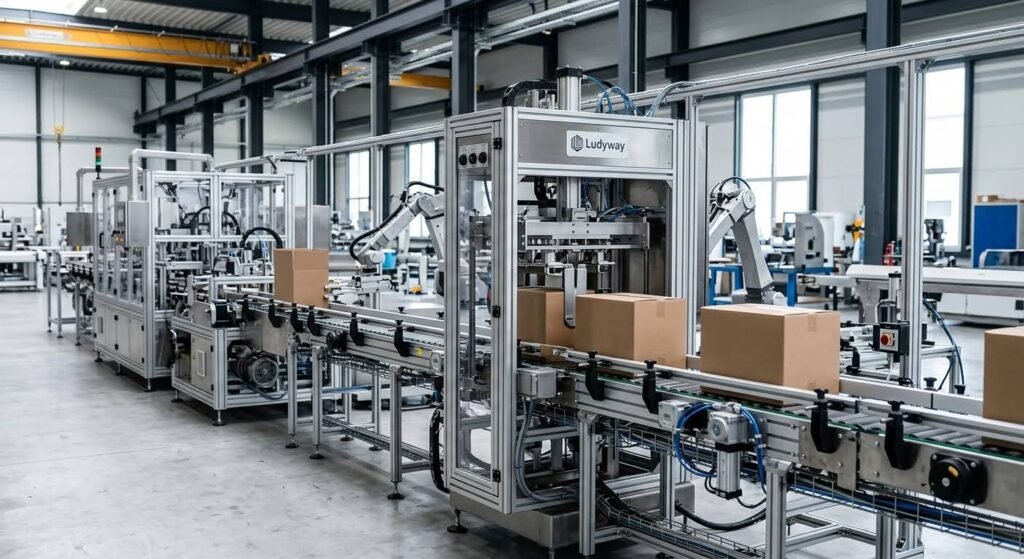
Automated Packaging Lines Emerge as a Core Trend Reshaping Modern Manufacturing
The manufacturing landscape is undergoing a profound transformation, driven by the rapid adoption of automation technologies. At the forefront of this revolution are automated packaging lines, which have evolved from a niche efficiency tool to a fundamental component of competitive production strategy. This shift is not merely about replacing manual labor; it represents a holistic reimagining of the packaging process, integrating robotics, intelligent software, and data analytics to create seamless, high-speed, and adaptable production ecosystems.
The Driving Forces Behind the Automation Surge
Several critical factors are converging to make automation in packaging not just desirable, but essential for modern manufacturers:
- Labor Market Challenges: Persistent shortages of skilled labor and rising wage costs make consistent manual packaging operations increasingly unsustainable.
- Consumer Demand for Speed & Variety: E-commerce and omnichannel retail require faster fulfillment and the ability to handle diverse product sizes and types with minimal changeover time.
- Stringent Quality & Safety Standards: Especially in the food and pharmaceutical sectors, automated systems provide unparalleled consistency, traceability, and hygiene control.
- Data-Driven Optimization: Modern lines generate real-time performance data, enabling predictive maintenance, yield optimization, and continuous process improvement.
Key Components of a Modern Automated Packaging Line
A state-of-the-art automated packaging system is a symphony of integrated technologies. It typically encompasses several core stations:
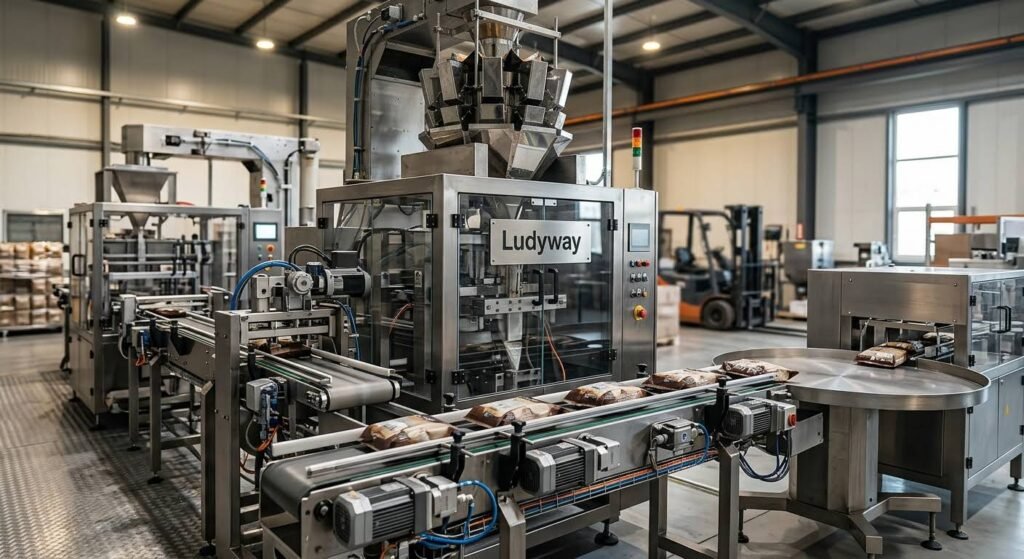
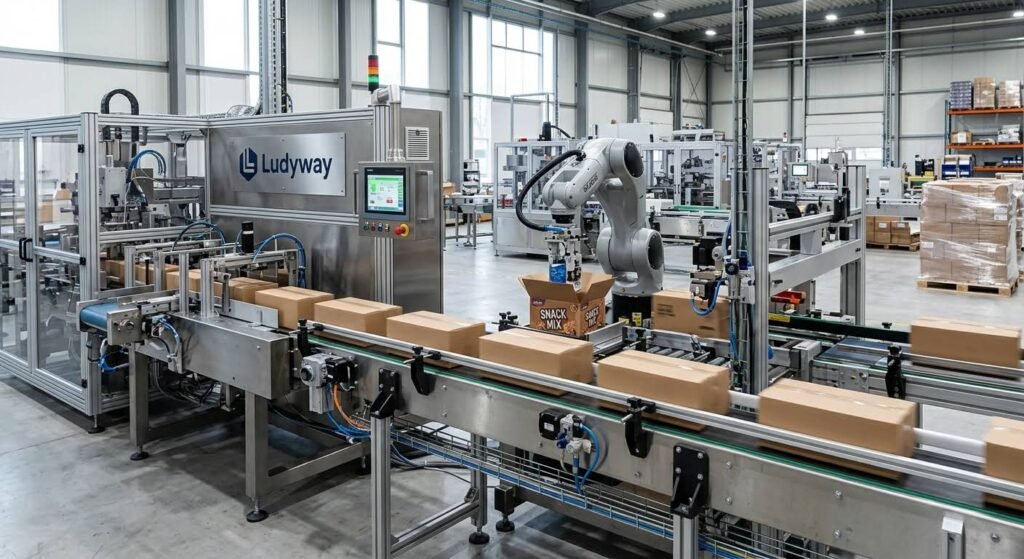
- Automated Product Handling & Feeding: Robotic arms or conveyor systems that gently and precisely orient and transfer products into the packaging flow.
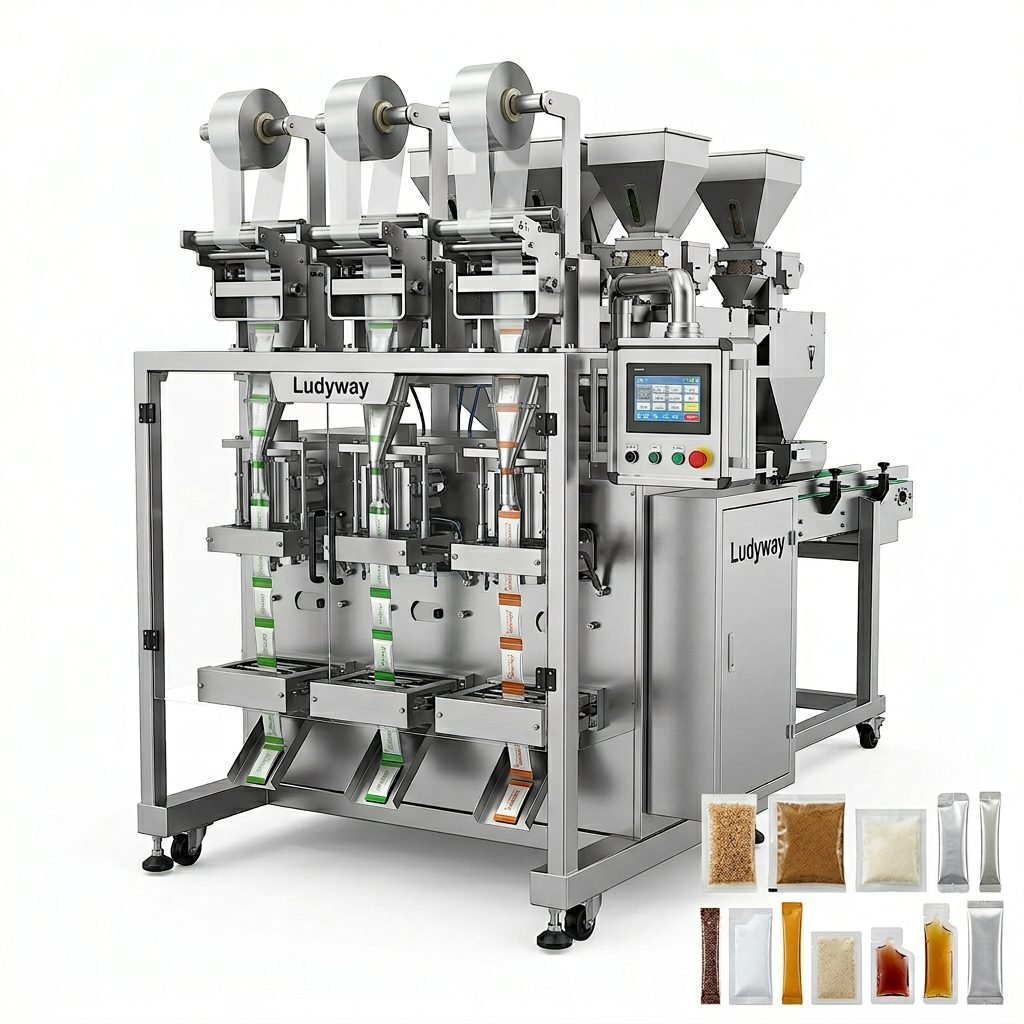
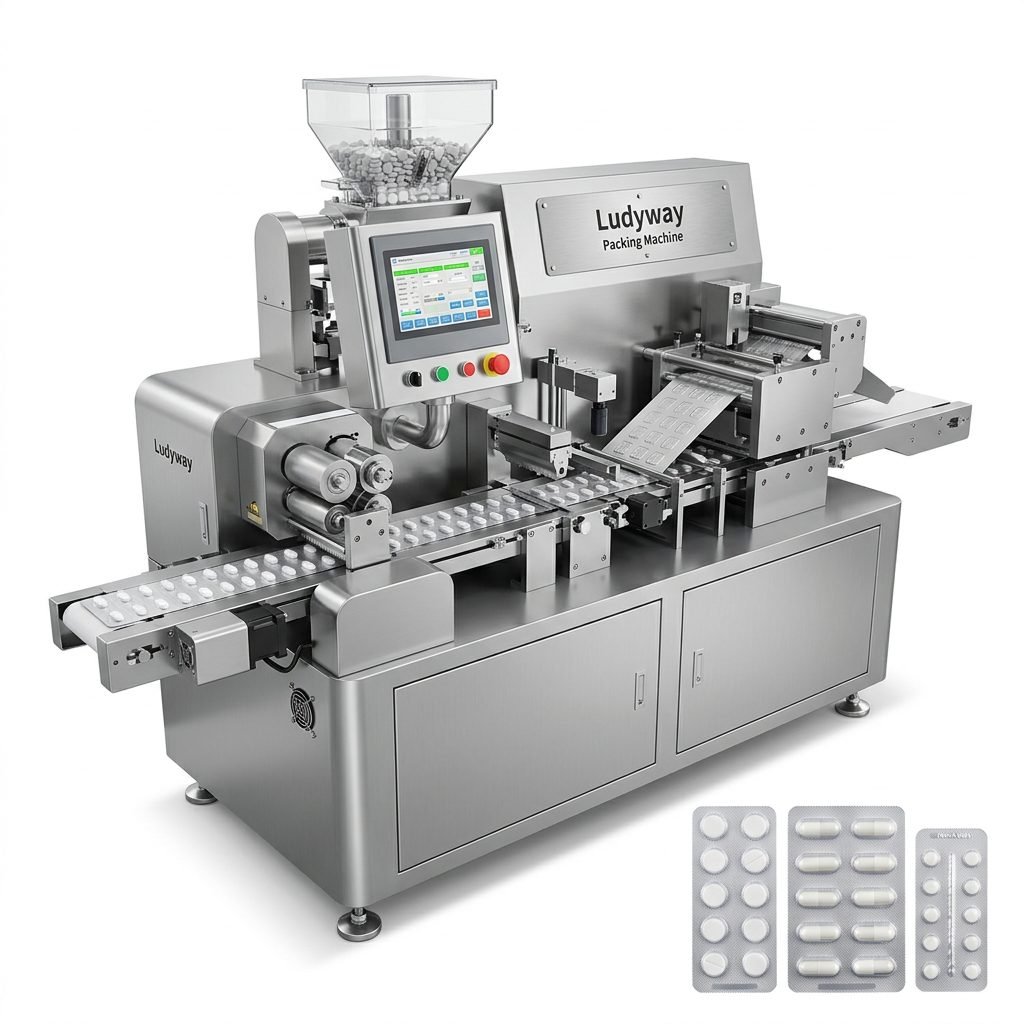
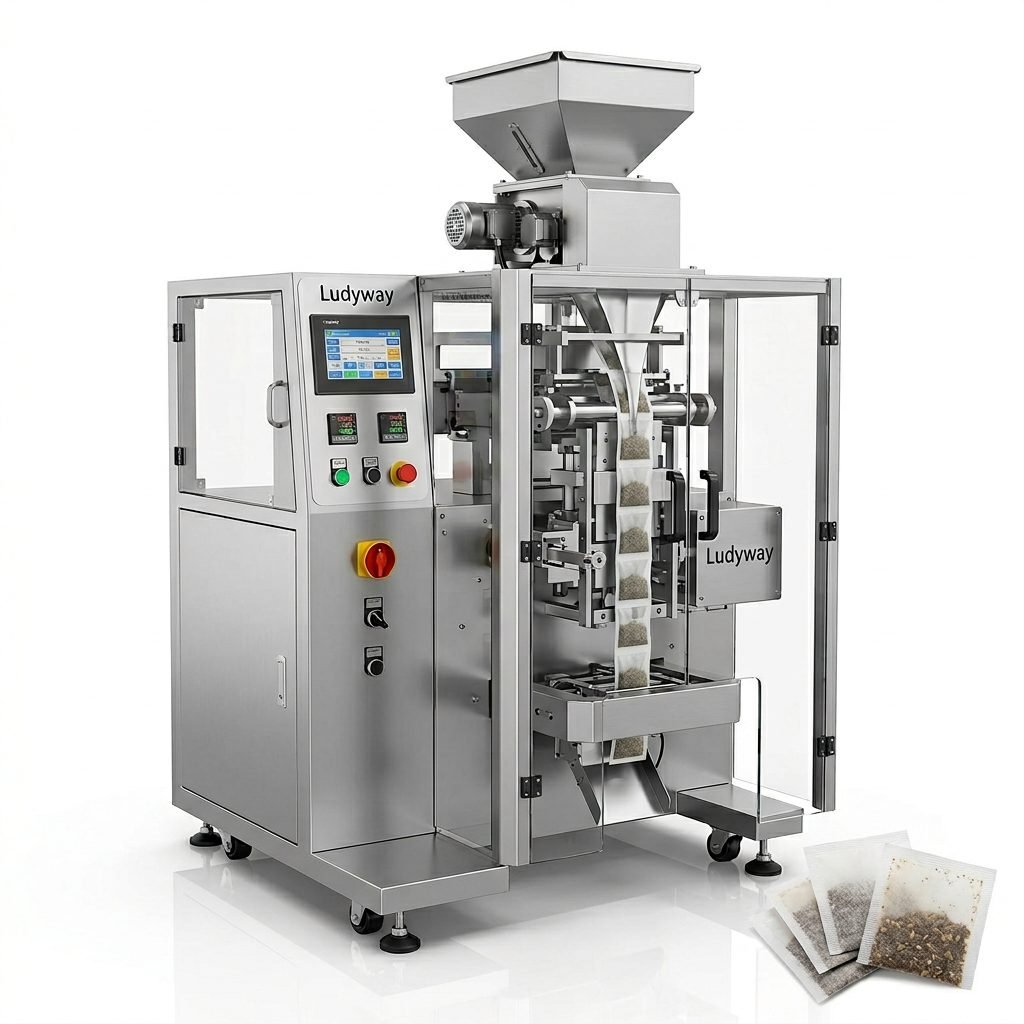
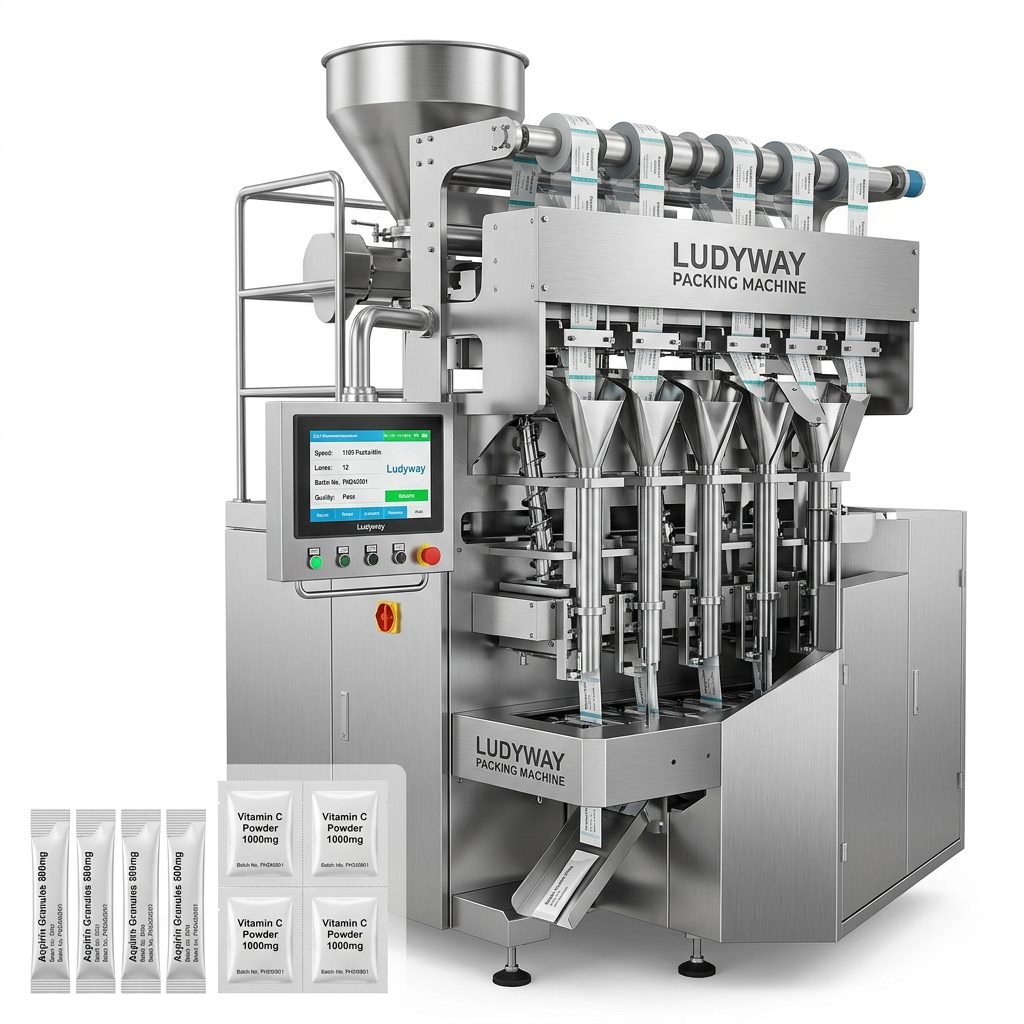
- Primary Packaging Machinery: High-speed machines that form, fill, and seal pouches, sticks, bottles, or boxes. This includes advanced multi-lane stick pack and sachet machines.
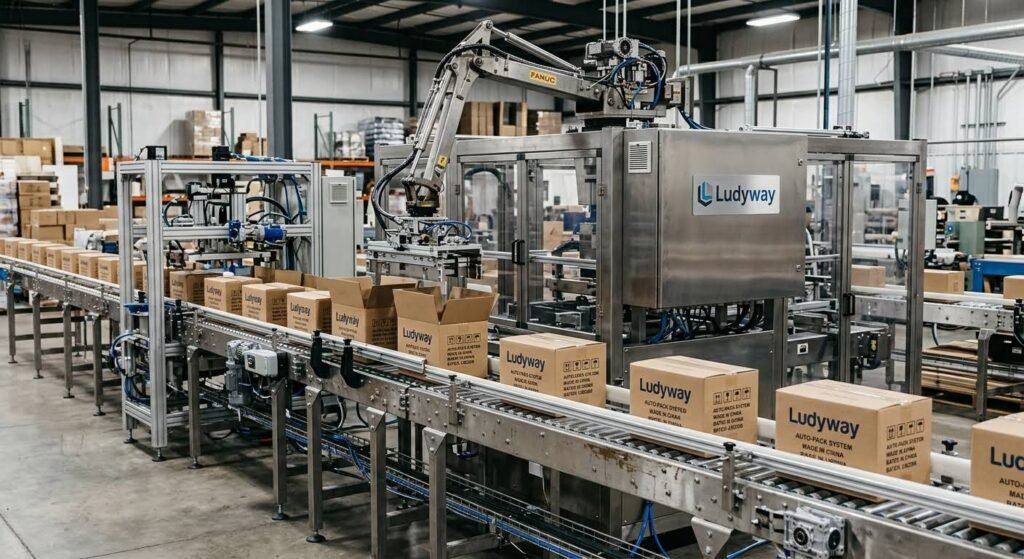
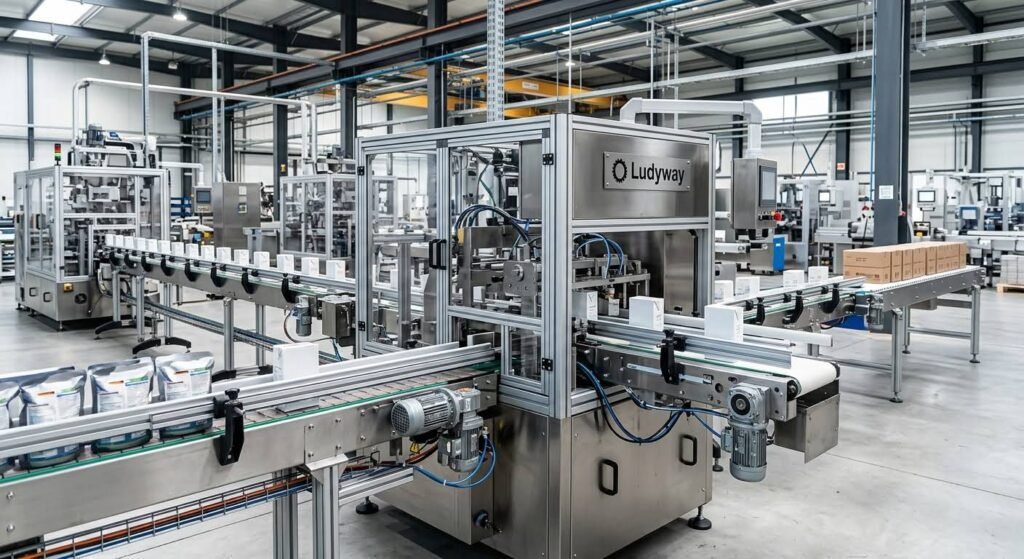
- Secondary Packaging: Systems that collate primary packages into cartons, apply labels, and insert documentation.
- End-of-Line Automation: Robotic palletizers that stack finished cases onto pallets for shipping, completing the touchless workflow.
- The Control Brain – SCADA & MES: Supervisory control and Manufacturing Execution Systems that monitor every aspect of the line, manage recipes, and integrate with enterprise resource planning (ERP) software.
Tangible Benefits Transforming Business Outcomes
The investment in automated packaging lines delivers measurable returns across the entire operation:
| Area of Impact | Key Benefits |
|---|---|
| Operational Efficiency | Dramatic increases in output speed (CPM), 24/7 operational capability, and significant reduction in changeover time. |
| Cost Management | Lower long-term labor costs, reduced material waste through precision application, and decreased costs related to product damage and returns. |
| Quality & Compliance | Elimination of human error ensures consistent package integrity, accurate fill weights, and complete traceability for audits and recalls. |
| Scalability & Flexibility | Modular systems can be easily scaled up or reconfigured to accommodate new products, package sizes, or market demands. |
| Workplace Safety | Removes workers from repetitive strain injuries and hazardous environments, creating a safer workplace. |
Implementation Considerations for a Successful Transition
Transitioning to an automated packaging line is a strategic project. Success depends on careful planning:
- Clear Objectives: Define specific goals—is it speed, flexibility, labor savings, or quality improvement?
- Product & Package Analysis: A thorough understanding of product characteristics (granule, powder, liquid) and packaging materials is crucial for machine selection.
- Partner Selection: Choosing a supplier with deep industry expertise, a proven track record, and strong after-sales support is critical. Companies like Ludyway, with over 30 years of experience in designing and manufacturing intelligent packaging systems, exemplify the kind of partner that can ensure a smooth integration and long-term reliability.
- Phased Integration: For existing facilities, a phased approach—automating one segment of the line at a time—can minimize disruption.
- Workforce Training: Upskilling employees to operate, maintain, and troubleshoot the new technology is essential for maximizing uptime.
The Future: Intelligent, Connected, and Sustainable
The evolution of automated packaging is moving towards even greater intelligence and connectivity. The integration of Internet of Things (IoT) sensors and Artificial Intelligence (AI) will enable lines that are self-optimizing and self-diagnosing. Furthermore, sustainability is becoming a core design principle. Future lines will prioritize energy efficiency, minimize material usage through precise dosing, and seamlessly handle recyclable or compostable packaging materials.
Conclusion
Automated packaging lines are no longer a luxury for only the largest manufacturers. They are a strategic imperative for any business seeking resilience, efficiency, and growth in a dynamic global market. By embracing this core trend, manufacturers can build more responsive, cost-effective, and future-proof operations, ultimately delivering greater value to their customers and securing a competitive edge for years to come.