Pharmaceutical Industry Drives Demand for Advanced Sterile Packaging Equipment
The global pharmaceutical sector is undergoing a significant transformation, with stringent regulatory requirements and heightened consumer expectations for safety and quality creating unprecedented demand for advanced sterile packaging solutions. This surge is directly fueling growth in the specialized market for high-precision, automated sterile packaging equipment.
Key Market Drivers Behind the Surge
Several critical factors are converging to make advanced sterile packaging machinery not just an advantage, but a necessity for pharmaceutical manufacturers.
- Stringent Global Regulatory Compliance: Agencies like the FDA (U.S.), EMA (Europe), and others enforce rigorous standards (e.g., ISO 13485, cGMP) for packaging integrity. Equipment must ensure a hermetic seal and maintain sterility from production to end-user.
- Rise of Biologics and Sensitive Drugs: The increasing development of biologics, vaccines, and temperature-sensitive medications requires packaging that provides an absolute barrier against moisture, oxygen, and microbial ingress.
- Growth in Contract Manufacturing: The expansion of CDMOs (Contract Development and Manufacturing Organizations) necessitates flexible, reliable, and compliant packaging lines that can handle multiple products and batch sizes.
- Patient-Centric Packaging & Serialization: Demand for unit-dose, blister packs, and compliance with track-and-trace serialization laws requires integrated, smart packaging systems with advanced vision inspection and data logging.
Essential Features of Modern Sterile Packaging Machinery
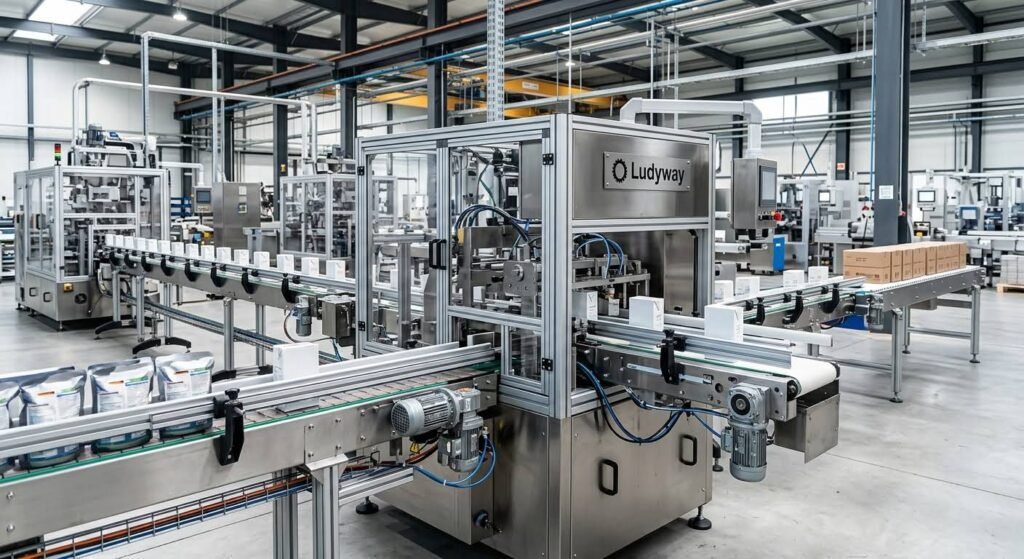
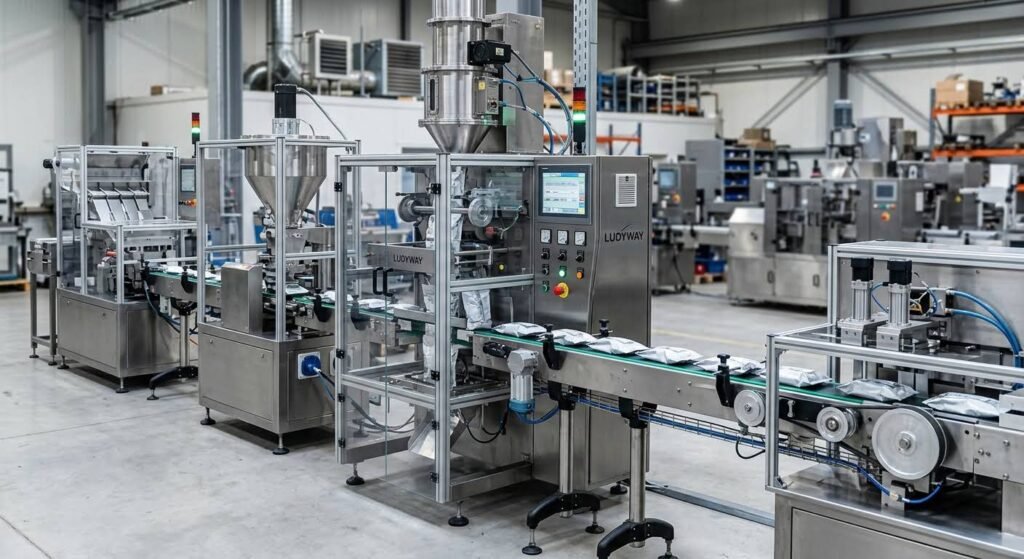
Today’s pharmaceutical-grade packaging equipment goes beyond simple filling and sealing. It embodies a suite of integrated technologies designed for an aseptic or cleanroom environment.
- Aseptic Design & Cleanroom Compatibility: Constructed with smooth surfaces, sanitary fittings, and HEPA-compatible components to prevent particulate generation and allow for easy sterilization (e.g., VHP, autoclaving).
- Advanced Sealing Technologies: Utilization of precise thermal sealing, laser sealing, or ultrasonic welding to create consistently hermetic seals on Tyvek® lidding, foil laminates, and high-barrier films.
- Integrated Sterilization & Decontamination: In-line systems incorporating UV-C tunnels, hydrogen peroxide vapor (VHP), or e-beam sterilization modules immediately before sealing.
- Real-Time Quality Assurance: Integrated 100% inspection systems using vision cameras, leak detection (e.g., vacuum decay), and weight checkers to reject non-conforming packages in real-time, ensuring zero-defect output.
- Data Integrity & Industry 4.0 Connectivity: Full compliance with ALCOA+ principles, offering detailed electronic batch records, OPC-UA connectivity for seamless integration into MES and ERP systems, and predictive maintenance alerts.
Impact on Production Efficiency and Safety
| Challenge | How Advanced Equipment Provides a Solution |
|---|---|
| Risk of Contamination | Closed-system design and in-place sterilization (CIP/SIP) minimize human intervention and environmental exposure. |
| Production Downtime | High-speed automation and quick changeover capabilities increase Overall Equipment Effectiveness (OEE) and line flexibility. |
| Product Loss & Waste | Precision dosing and immediate defect rejection reduce waste of expensive pharmaceutical products. |
| Regulatory Documentation | Automated data capture and reporting simplify audit trails and compliance documentation. |
Future Trends and Industry Outlook
The trajectory points toward even greater integration and intelligence. The next generation of equipment will likely feature:
- Enhanced AI & Machine Learning: For predictive quality control, adaptive process parameter adjustment, and further reduction of false rejection rates.
- Sustainable Packaging Integration: Machinery adaptable to newer, recyclable or biodegradable high-barrier materials without compromising sterility.
- Modular & Scalable Lines: “Plug-and-produce” modules that allow manufacturers to easily scale capacity or adapt to new packaging formats.
As a leader in providing sophisticated packaging solutions, Ludyway closely monitors these evolving needs. With over three decades of engineering expertise, we understand the critical intersection of precision, sterility, and reliability required in pharmaceutical packaging. Our collaboration with global partners allows us to support manufacturers in implementing robust, compliant, and efficient packaging lines. For insights into advanced packaging systems that meet these rigorous demands, visit our resource center at www.ludyway.com.
Conclusion
The pharmaceutical industry’s unwavering focus on patient safety and product efficacy is the primary engine behind the robust demand for next-generation sterile packaging equipment. This demand transcends basic functionality, calling for intelligent, connected, and validation-ready systems that ensure integrity at every step. Investing in such advanced technology is no longer optional but a fundamental requirement for market competitiveness, regulatory compliance, and, most importantly, safeguarding public health. Manufacturers who prioritize integrating these sophisticated packaging solutions will be best positioned to lead in the dynamic and critical global pharmaceutical market.