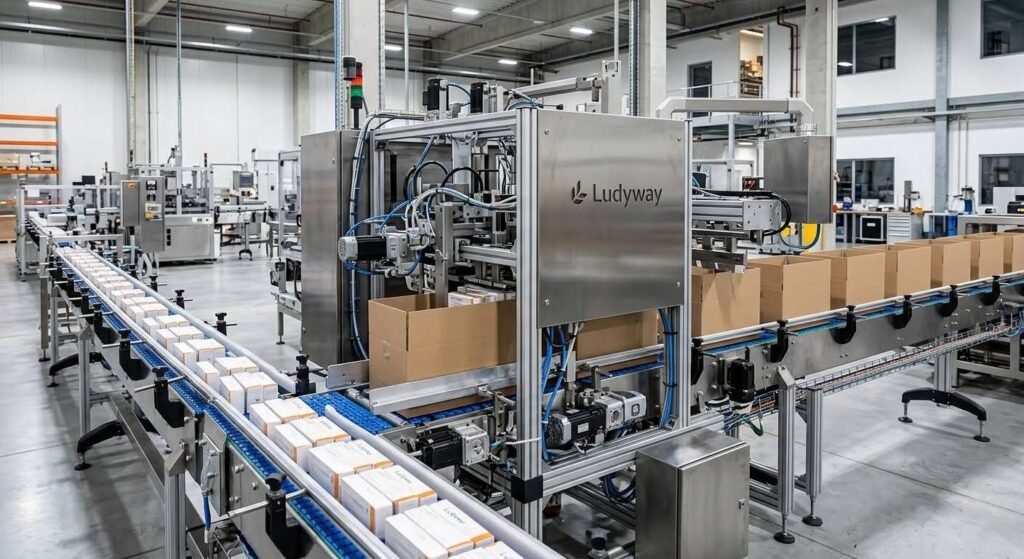
Granule Packaging Technology Improves Food Industry Efficiency and Reduces Waste
In an era where operational efficiency and sustainability are paramount, the food industry is increasingly turning to advanced granule packaging technologies. These innovations are not only streamlining production lines but also significantly reducing material waste, offering a dual benefit that aligns with both economic and environmental goals.
The Evolution of Granule Packaging Systems
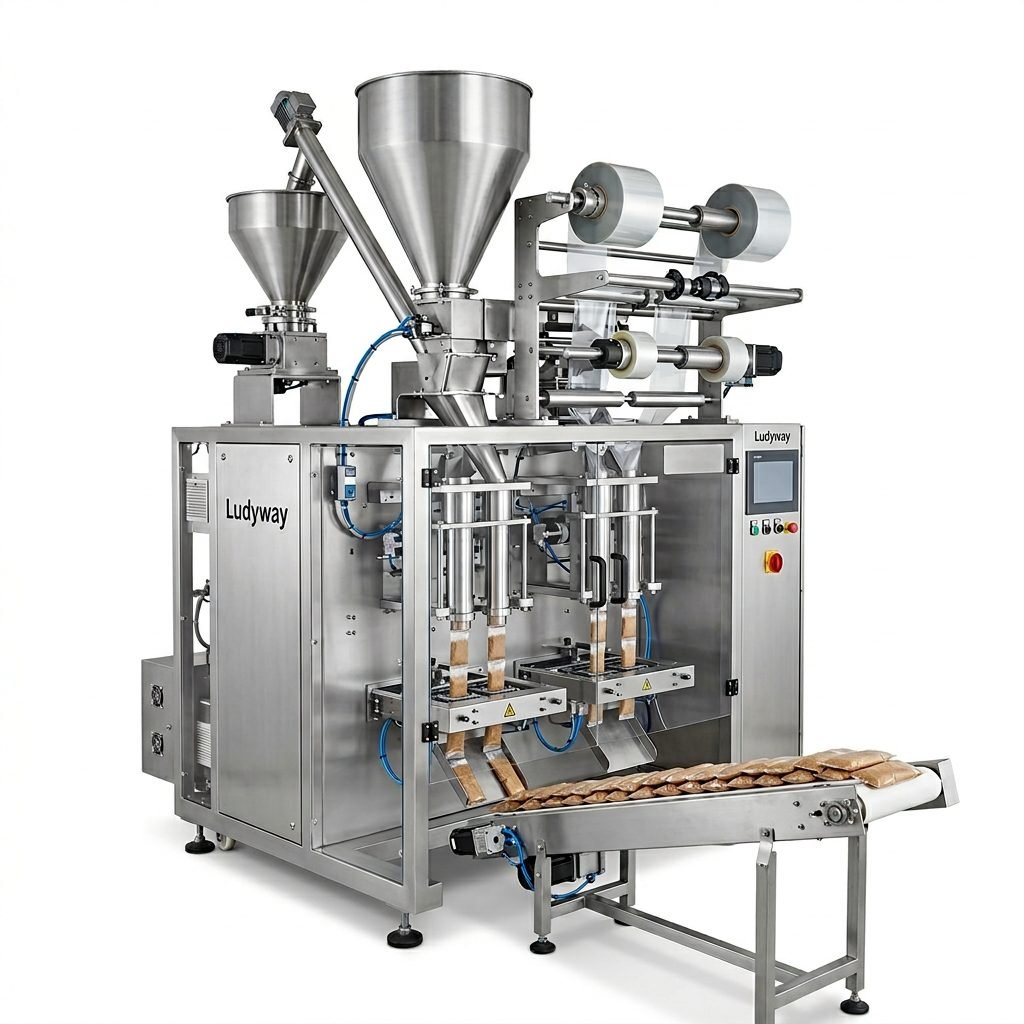
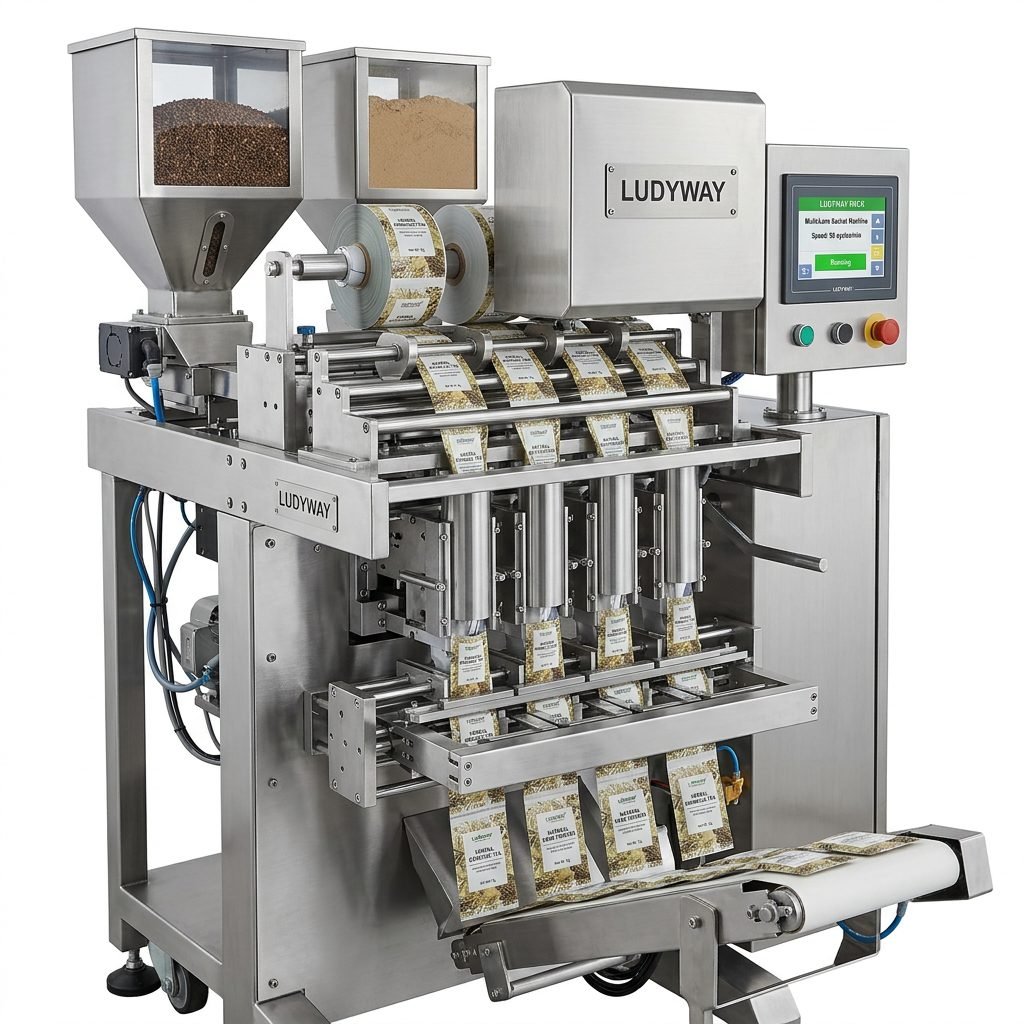
Traditional packaging methods for granular products—such as sugar, salt, coffee, seeds, and spices—often involved manual filling or semi-automated machines that were prone to inconsistencies. Modern granule packaging technology has transformed this process through:
- High-Speed Automated Weighing: Precision load cells and multi-head weighers ensure accurate portion control, minimizing product giveaway.
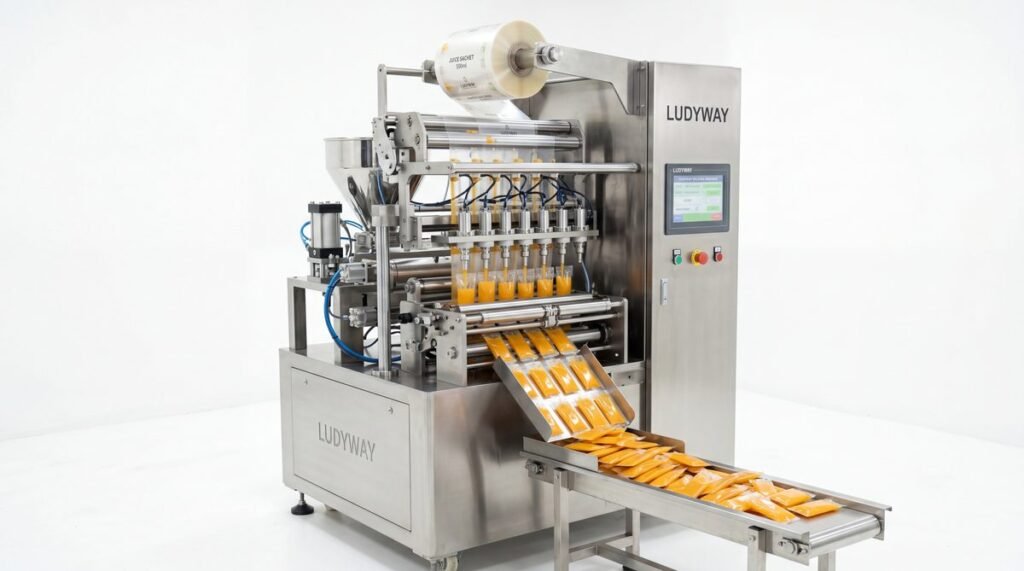
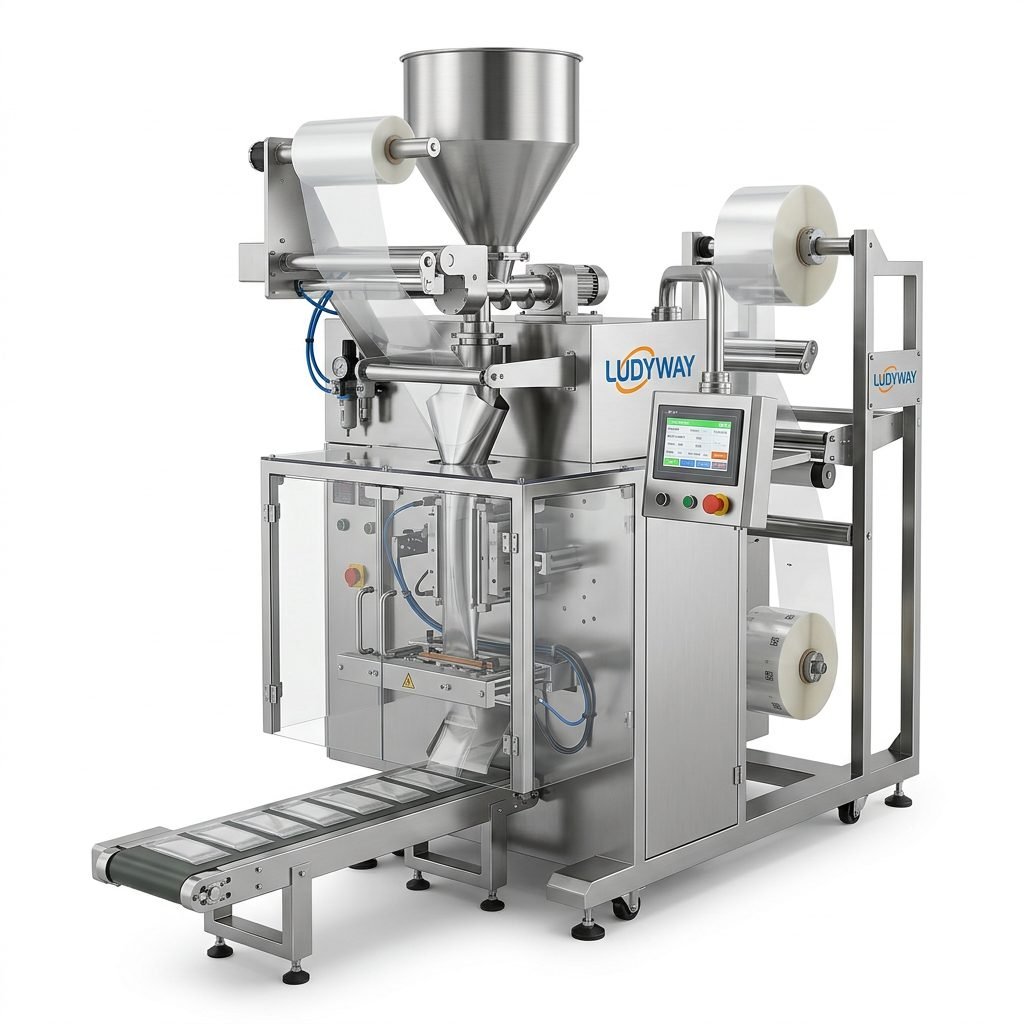
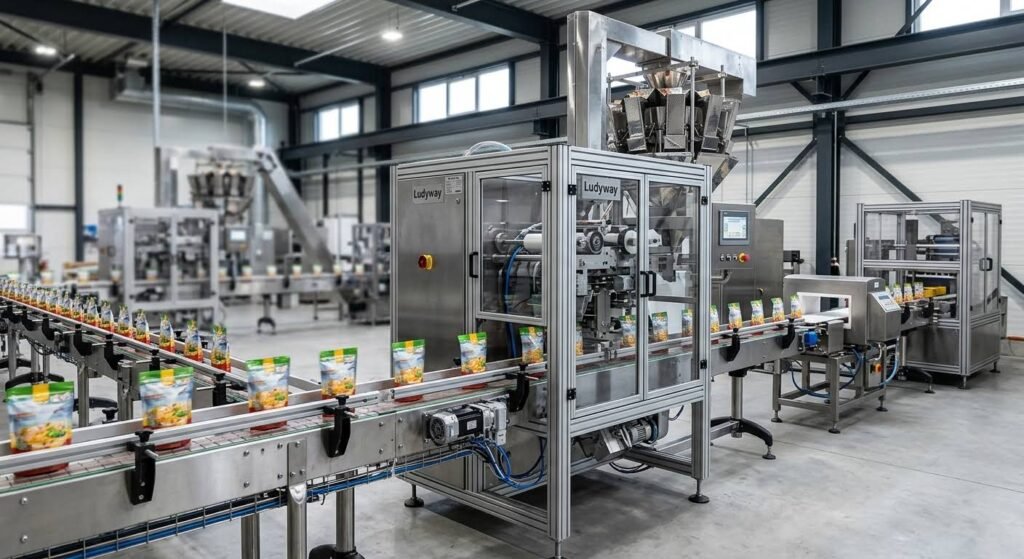
- Advanced Form-Fill-Seal (FFS) Mechanisms: Machines that form the package from a roll of film, fill it, and seal it in one continuous, hermetic operation.
- Integrated Vision Inspection Systems: Cameras detect and reject packages with sealing defects or incorrect fill levels, guaranteeing zero-defect output.
- Smart Material Handling: Reduced film breakage and optimized film usage through tension control and servo-driven film feeding.
Key Efficiency Gains in Production
The implementation of state-of-the-art granule packaging lines delivers measurable improvements across the production workflow:
| Production Aspect | Traditional Method | With Advanced Granule Packaging |
|---|---|---|
| Speed (Packages/Minute) | 30 – 60 | 80 – 200+ |
| Filling Accuracy | ± 1.5 – 2% | ± 0.5 – 1% |
| Material Waste (Film & Product) | 3 – 5% | < 1% |
| Changeover Time | 30 – 60 minutes | 5 – 15 minutes |
These advancements directly translate to higher throughput, lower operational costs, and improved return on investment (ROI) for food manufacturers.
Driving Sustainability Through Waste Reduction
Beyond efficiency, modern granule packers are engineered with waste reduction as a core principle. This is achieved through several critical features:
- Precision Dosing: Eliminates overfilling, saving thousands of kilograms of product annually.
- Optimal Film Utilization: Advanced CAD designs for sealing jaws create stronger seals with narrower seal widths, reducing plastic consumption per bag.
- Reduced Rejects: Real-time monitoring and automatic rejection of faulty packs prevent bulk waste from entering the supply chain.
- Compatibility with Recyclable Films: Many new machines are designed to run efficiently with mono-material and compostable films, supporting circular economy initiatives.
Industry Applications and Future Trends
The versatility of granule packaging machines makes them indispensable across various segments:
- Food & Beverage: Instant drink mixes, powdered soups, snack seasonings.
- Pharmaceuticals: Granulated supplements, effervescent powders.
- Agriculture: Seeds, fertilizers, pesticides in precise, safe doses.
Looking ahead, the integration of Industrial Internet of Things (IIoT) and AI-driven predictive maintenance is set to further minimize downtime and optimize material usage. These smart systems can analyze production data to suggest adjustments for even greater efficiency and less waste.
Partnering for a Smarter Packaging Future
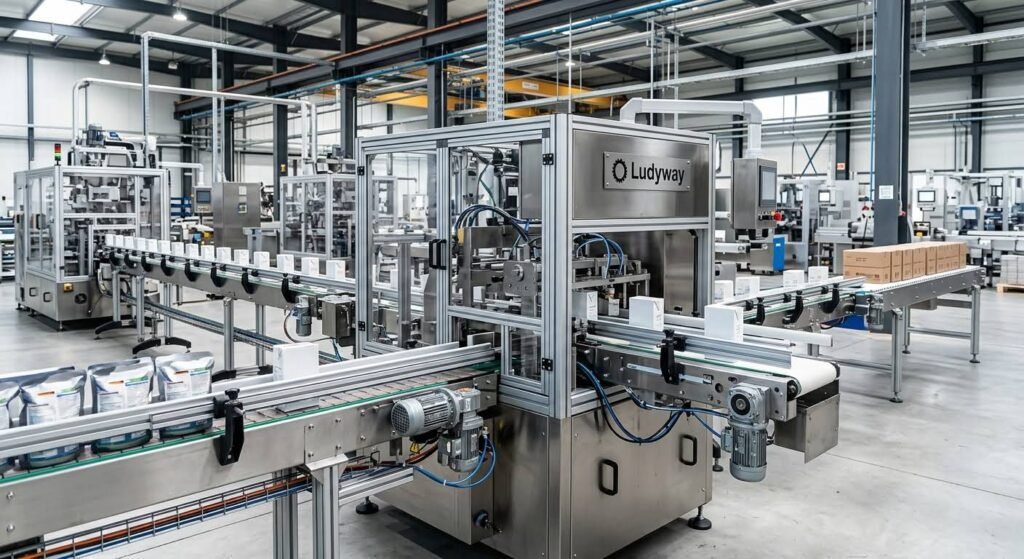
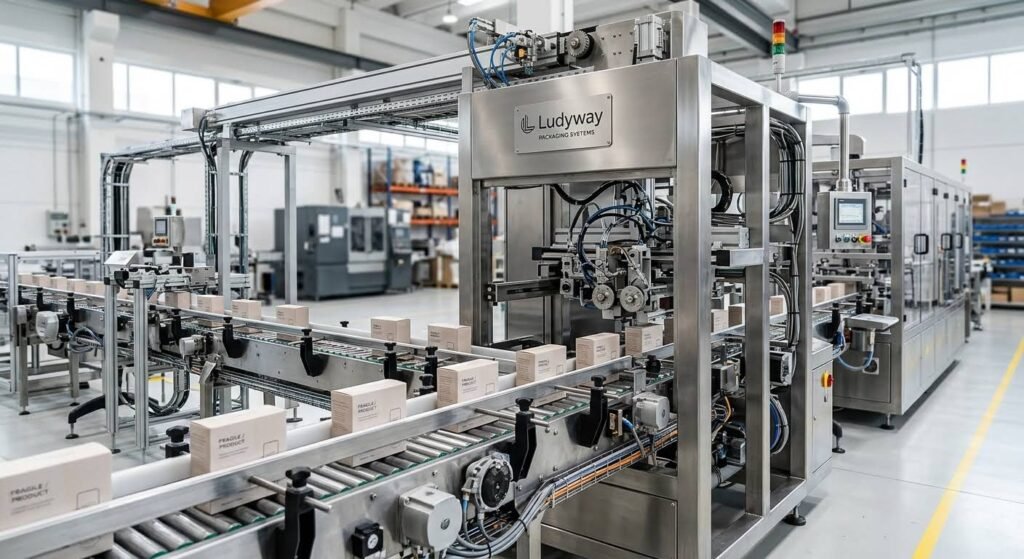
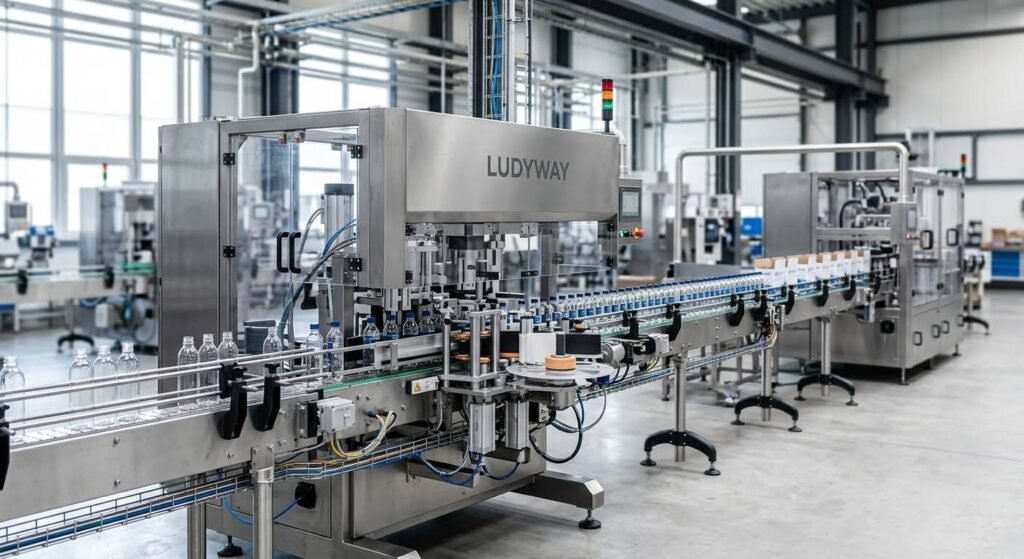
Adopting this technology requires a reliable partner with deep engineering expertise. Companies like Ludyway, a leading packaging machine manufacturer with over 30 years of experience, provide more than just equipment. They offer complete turnkey solutions that include machine customization, production line integration, and ongoing technical support. This ensures manufacturers can fully leverage granule packaging technology to achieve their specific efficiency and sustainability targets, solidifying their competitive edge in a demanding global market.
As consumer demand for responsibly packaged goods grows and operational margins tighten, investing in advanced granule packaging technology is no longer a luxury but a strategic necessity for forward-thinking food industry players.