Food Safety Regulations Drive Packaging Automation Upgrades Across Global Food Industry
In recent years, stringent food safety regulations worldwide have become a primary catalyst for technological transformation within the food packaging sector. From the FDA’s Food Safety Modernization Act (FSMA) in the United States to the European Union’s General Food Law and evolving standards in Asia-Pacific markets, regulatory frameworks are increasingly mandating higher levels of hygiene, traceability, and contamination prevention. This regulatory pressure is accelerating the global shift from manual and semi-automated packaging processes toward fully automated, intelligent packaging lines.
Key Regulatory Drivers and Their Impact
Several specific regulatory trends are directly influencing packaging automation investments:
- Reduced Human Contact: Regulations emphasizing contamination control are minimizing direct human handling in packaging zones.
- Enhanced Traceability: Requirements for batch coding, serialization, and data logging demand integrated automated systems.
- Stricter Hygiene Protocols: Standards for clean-in-place (CIP) and sanitary design favor automated, enclosed systems.
- Labeling Accuracy: Automated systems ensure compliance with complex ingredient and nutritional labeling rules.
Global Market Response and Automation Trends
The industry’s response has been a rapid adoption of advanced packaging automation characterized by:
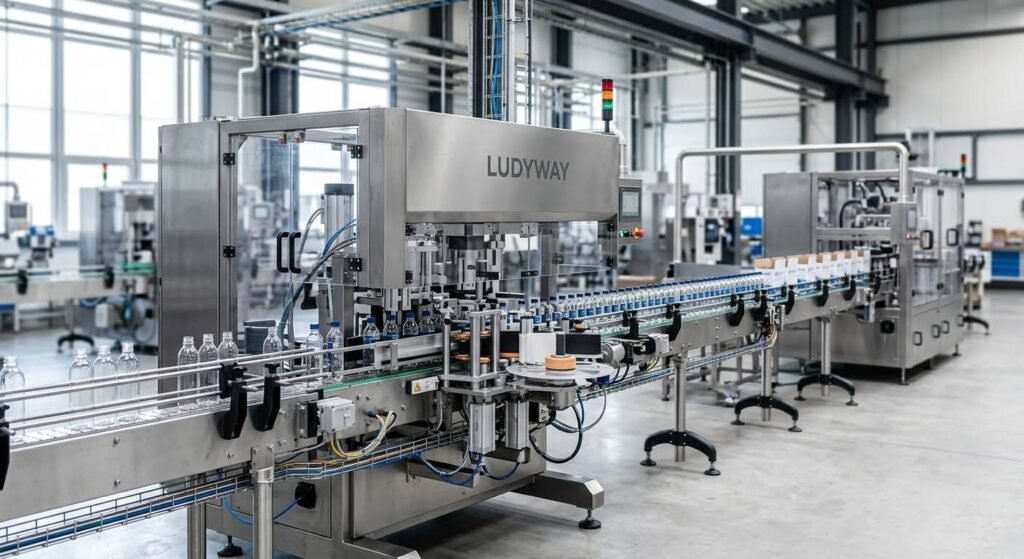
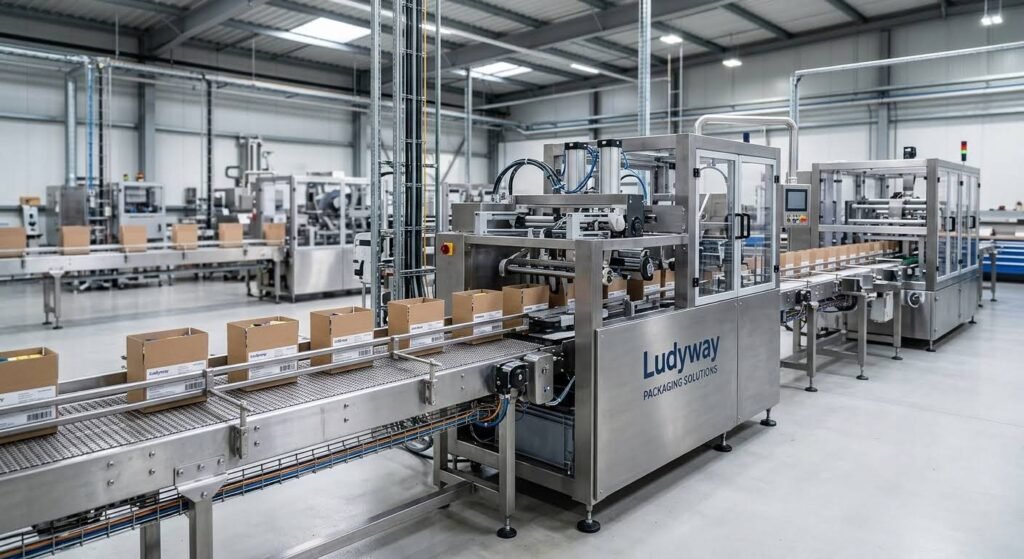
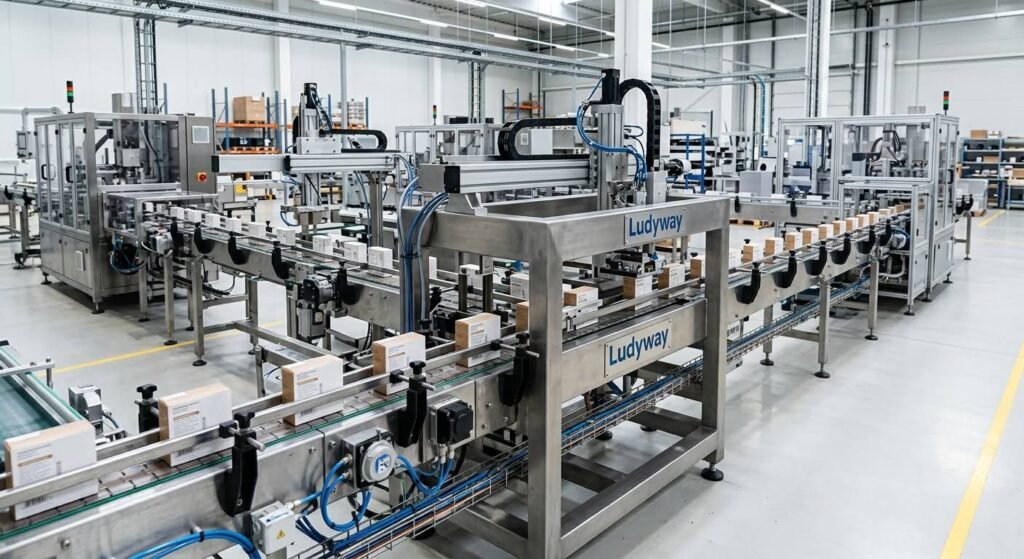
- Integrated Smart Lines: Combining filling, sealing, labeling, and inspection into a single, coordinated system.
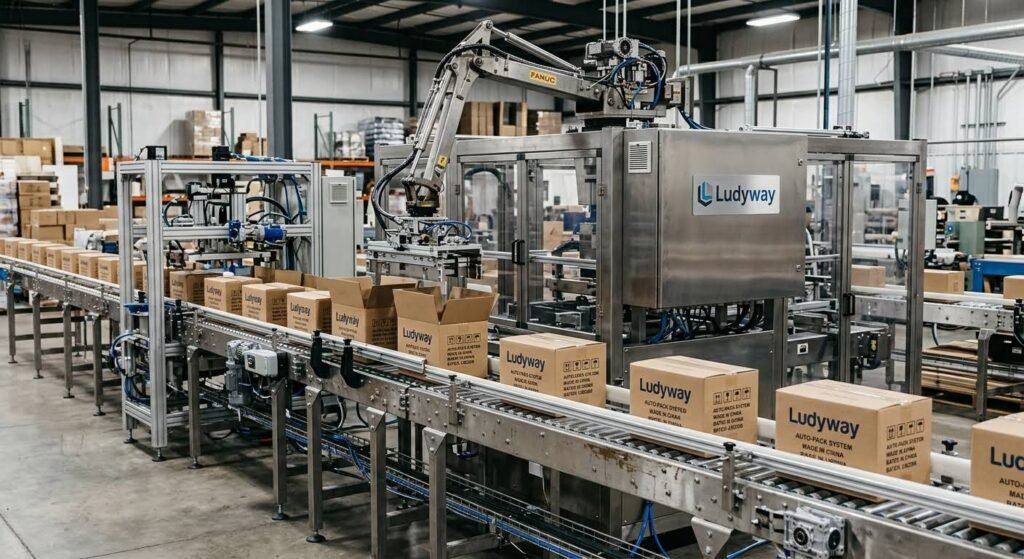
- Robotics and Cobots: Deploying robots for palletizing, pick-and-place, and delicate handling tasks.
- IoT and Data Analytics: Utilizing sensors and connectivity for real-time monitoring, predictive maintenance, and quality assurance.
- Flexible Packaging Systems: Adaptable machinery that can handle multiple product types and package sizes to meet diverse market needs.
Comparative Analysis: Regional Regulatory Focus
| Region | Primary Regulatory Focus | Typical Automation Upgrade |
|---|---|---|
| North America | Preventive controls, allergen cross-contact, traceability | Automated weighing & filling with checkweighers, vision inspection systems |
| European Union | Hygiene package (EC 852/853), material safety, sustainability | High-speed automated lines with CIP, recyclable material handling systems |
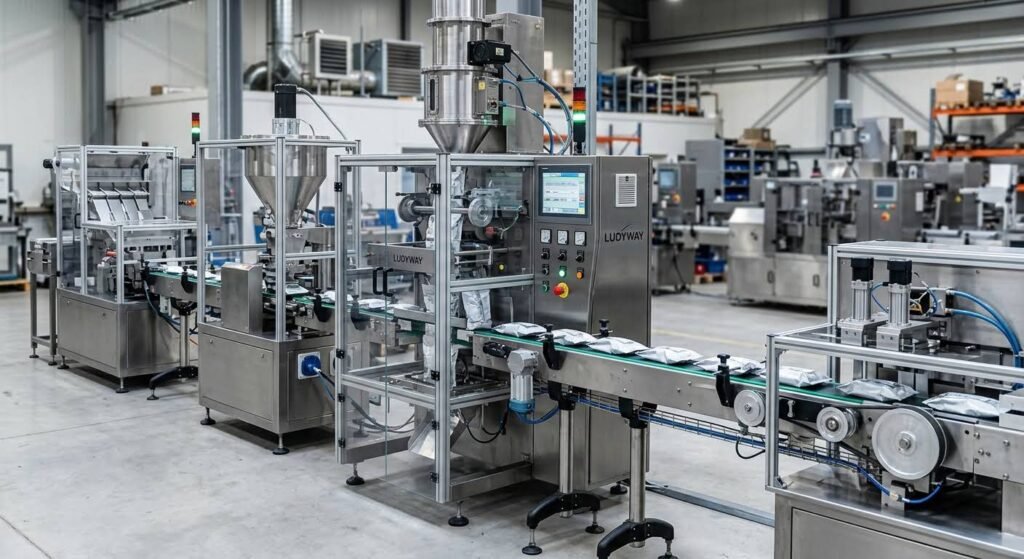
| Asia-Pacific | Adulteration prevention, labeling compliance, export standards | Cost-effective, versatile automated pouch and stick pack machines |
Benefits Beyond Compliance
While compliance is the initial driver, food manufacturers are realizing significant operational benefits from automation upgrades:
- Increased Productivity: Automated lines often operate at higher speeds with consistent output.
- Reduced Operational Costs: Lower labor dependency, minimized material waste, and decreased product giveaway.
- Improved Product Quality & Consistency: Precise filling, accurate sealing, and reduced risk of human error.
- Enhanced Scalability: Automated systems can be more easily scaled to meet fluctuating production demands.
The Role of Specialized Packaging Machine Manufacturers
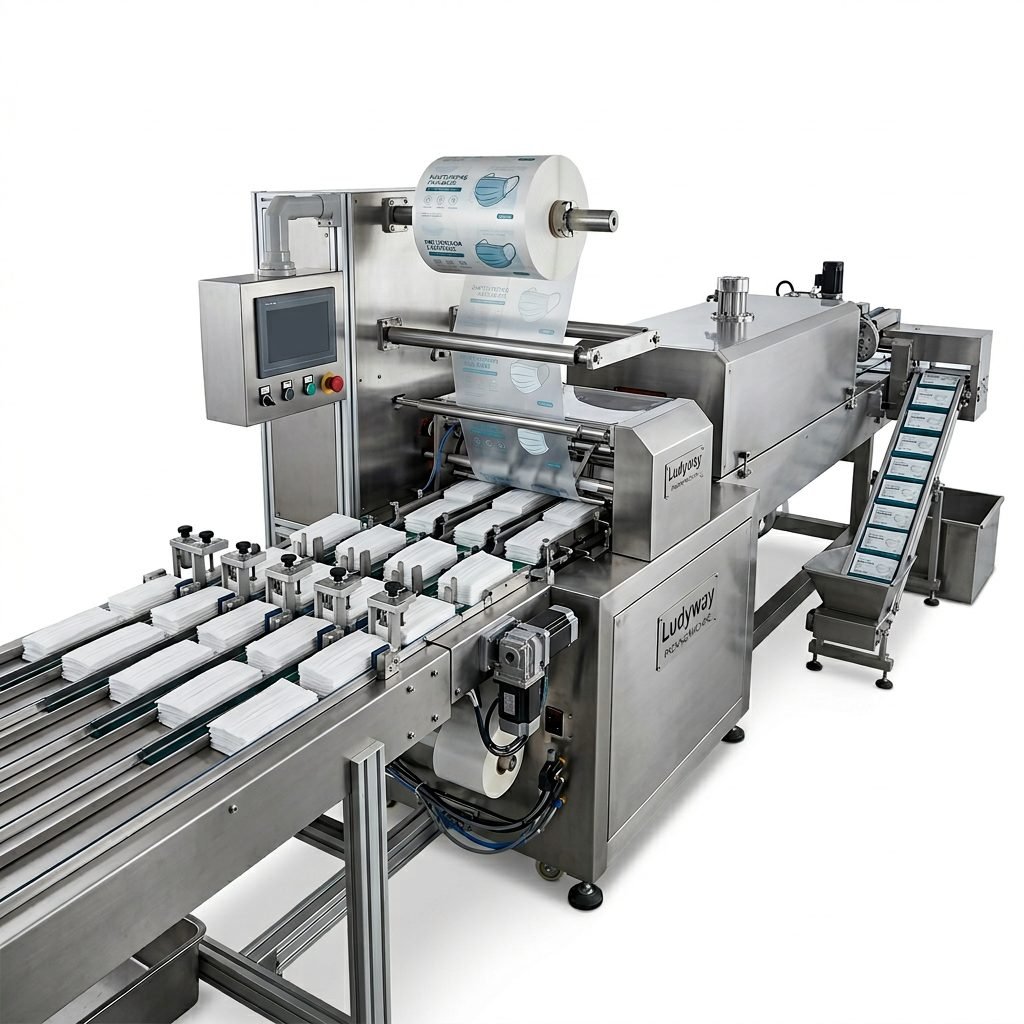
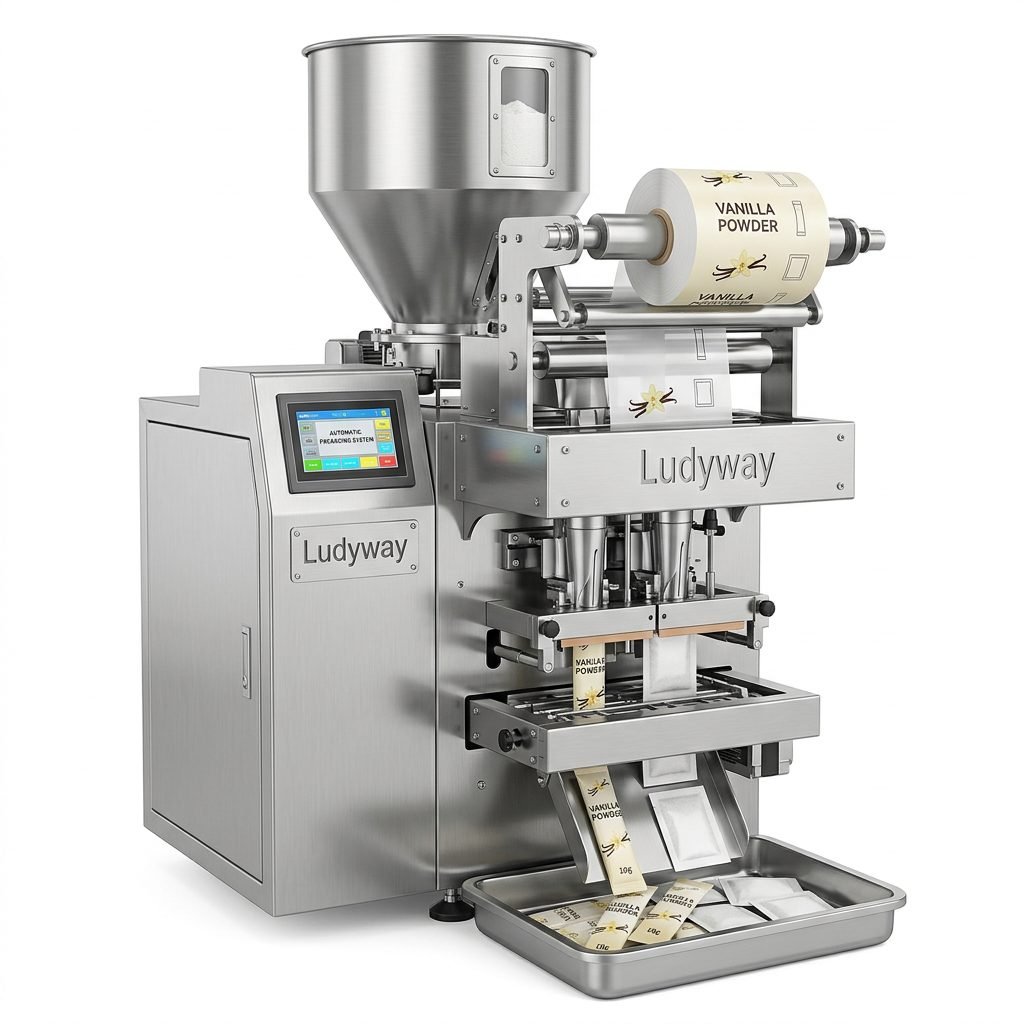
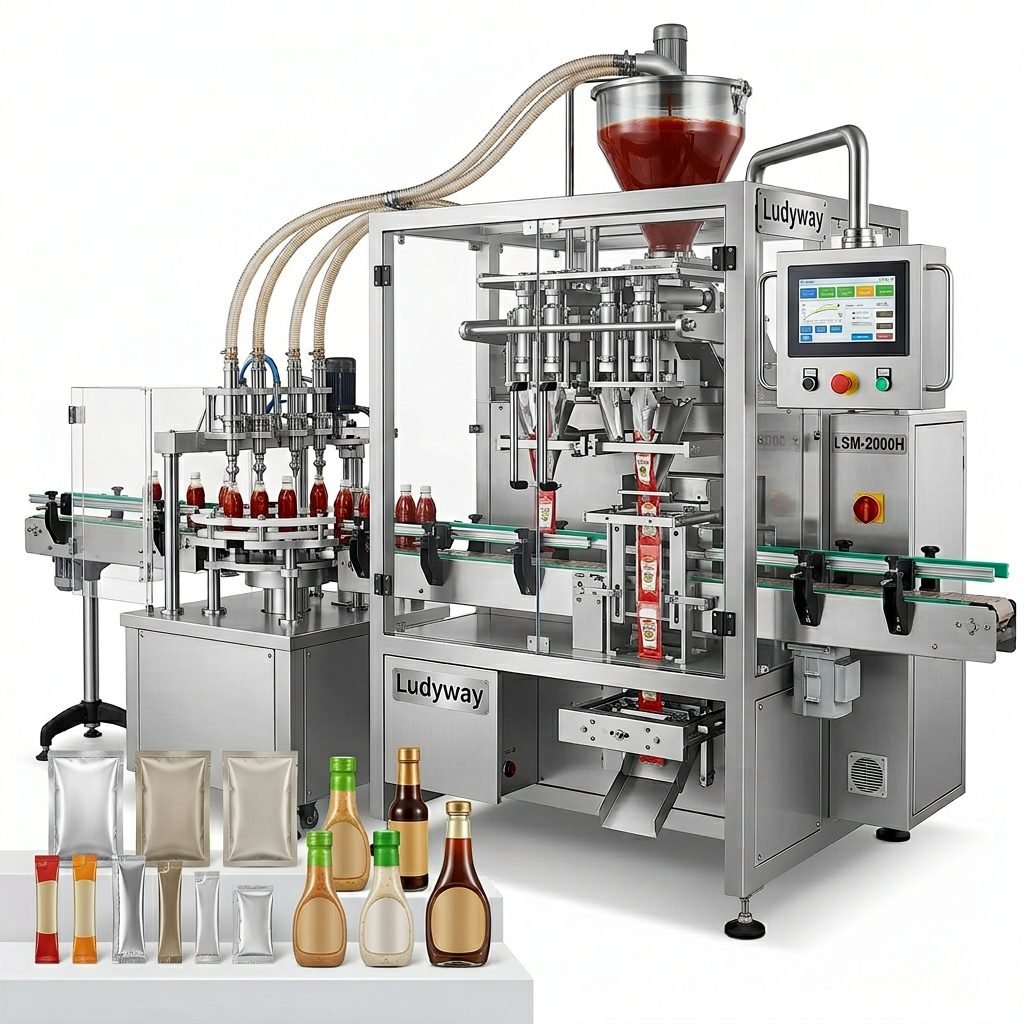
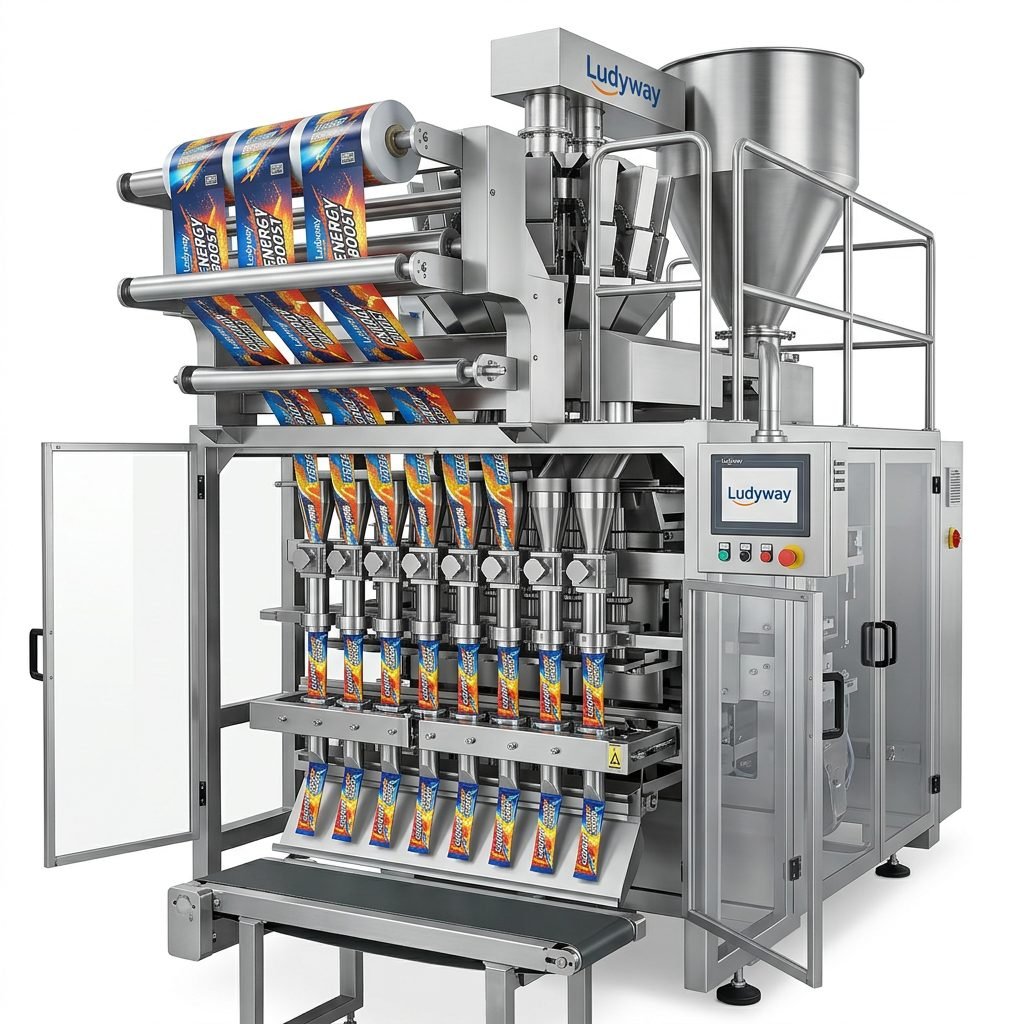
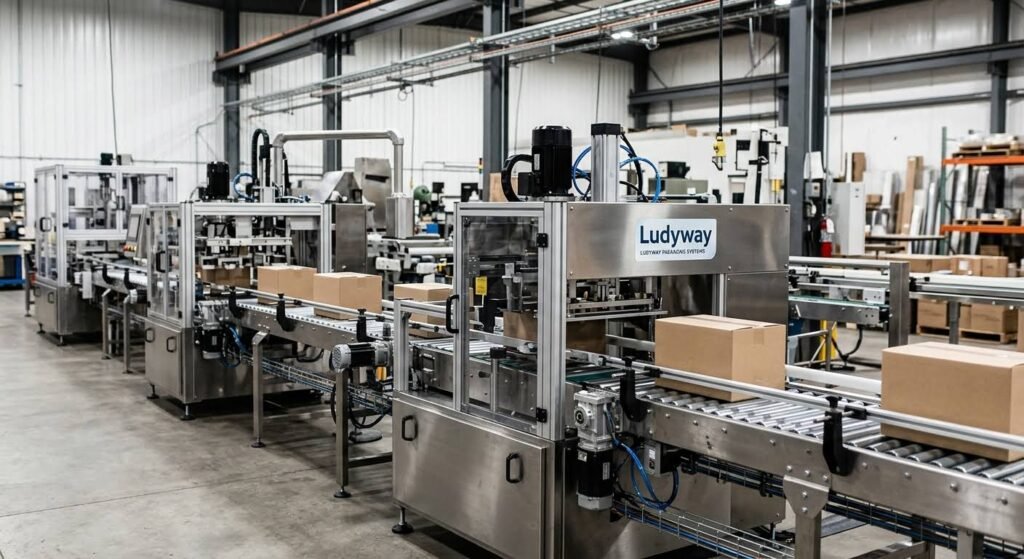
Navigating this complex transition requires expertise. Leading packaging equipment providers, such as Ludyway, play a crucial role. With over 30 years of industry experience, Ludyway specializes in providing intelligent, turnkey packaging solutions that address both regulatory compliance and production efficiency. Their portfolio of over 50 machine models, including multi-lane stick pack and sachet machines, is designed to meet the specific hygiene, speed, and flexibility demands of the modern food industry. By leveraging advanced automation, food producers can not only meet today’s safety standards but also build a more resilient, efficient, and competitive operation for the future.
Future Outlook: Where is Packaging Automation Headed?
The convergence of regulation, technology, and consumer demand points toward several future developments:
- Hyper-Traceability: Integration with blockchain or similar technologies for end-to-end supply chain visibility.
- AI-Powered Quality Control: Advanced machine vision and AI to detect defects invisible to the human eye or traditional sensors.
- Sustainable Automation: Automation systems optimized for handling biodegradable, compostable, or recycled packaging materials.
- Modular & Plug-and-Play Systems: Faster deployment and reconfiguration of packaging lines to adapt to new products and regulations.
The message for food industry stakeholders is clear: investing in advanced packaging automation is no longer merely an option for gaining competitive advantage—it is an essential strategy for regulatory survival and long-term business sustainability in a globally connected marketplace.