Sustainable Packaging Trends Drive Eco-Friendly Equipment Demand Across Global Markets
The global packaging industry is undergoing a significant transformation, driven by increasing consumer awareness, regulatory pressures, and corporate sustainability goals. As businesses worldwide seek to reduce their environmental footprint, the demand for eco-friendly packaging solutions and the equipment that produces them has surged dramatically. This shift is reshaping manufacturing priorities and creating new opportunities for innovative packaging machinery providers.
Key Drivers Behind the Sustainable Packaging Movement
Several powerful forces are converging to accelerate the adoption of sustainable packaging:
- Consumer Preferences: 72% of global consumers now actively seek products with environmentally friendly packaging according to recent market studies.
- Regulatory Pressure: Governments worldwide are implementing stricter regulations on single-use plastics and packaging waste.
- Corporate Sustainability Goals: Major brands have committed to making 100% of their packaging recyclable, reusable, or compostable within the next decade.
- Supply Chain Optimization: Sustainable packaging often reduces material usage and transportation costs.
Emerging Sustainable Packaging Materials and Formats
The evolution of packaging materials is creating new requirements for packaging equipment:
| Material Type | Key Characteristics | Equipment Considerations |
|---|---|---|
| Compostable Films | Plant-based, biodegradable, suitable for food contact | Require precise temperature control and modified sealing systems |
| Recycled Content Materials | Post-consumer recycled plastics, paper composites | Need enhanced material handling and consistency monitoring |
| Mono-Material Structures | Single polymer construction for easier recycling | Demand advanced sealing technology and barrier performance |
| Paper-Based Alternatives | Kraft paper, molded pulp, paper laminates | Require specialized feeding and forming systems |
Impact on Packaging Equipment Requirements
The transition to sustainable packaging is fundamentally changing what manufacturers need from their packaging machinery:
- Material Versatility: Equipment must handle diverse, often more delicate sustainable materials without compromising efficiency.
- Precision Engineering: Sustainable materials frequently require more precise control of parameters like temperature, pressure, and speed.
- Quick Changeover Capabilities: Brands testing multiple sustainable options need equipment that can switch between materials rapidly.
- Reduced Energy Consumption: Sustainable packaging solutions must be produced with energy-efficient equipment to maintain overall environmental benefits.
- Digital Integration: Smart machines with IoT capabilities help optimize material usage and reduce waste in real-time.
Regional Market Variations in Sustainable Packaging Adoption
The pace and focus of sustainable packaging adoption varies significantly across global markets:
- Europe: Leading in regulatory-driven adoption with strong emphasis on recyclability and circular economy principles.
- North America: Consumer and corporate-led movement with growing investment in compostable and reusable solutions.
- Asia-Pacific: Rapid growth driven by government initiatives and increasing middle-class environmental awareness.
- Latin America: Emerging focus on sustainable packaging, particularly in export-oriented industries.
Industry Response and Innovation
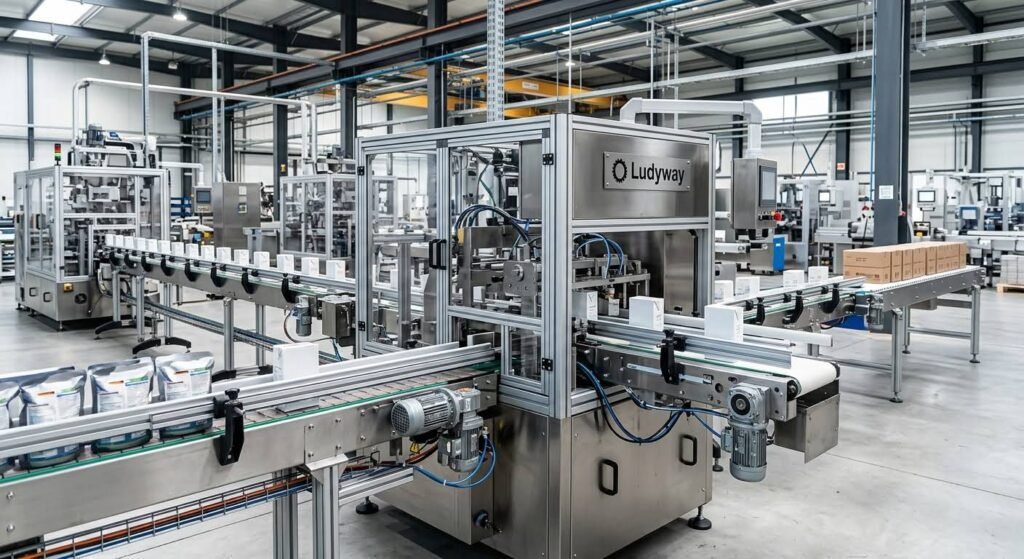
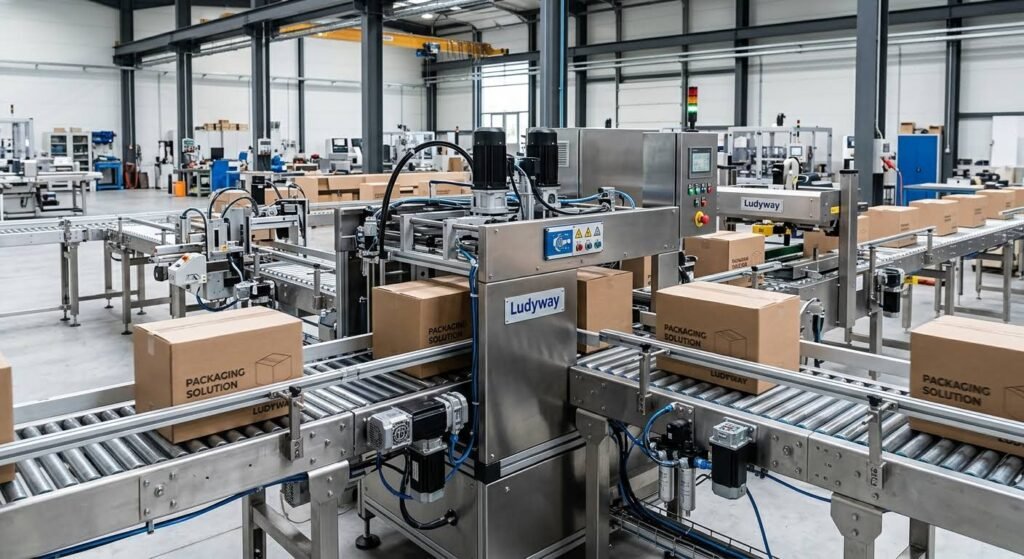
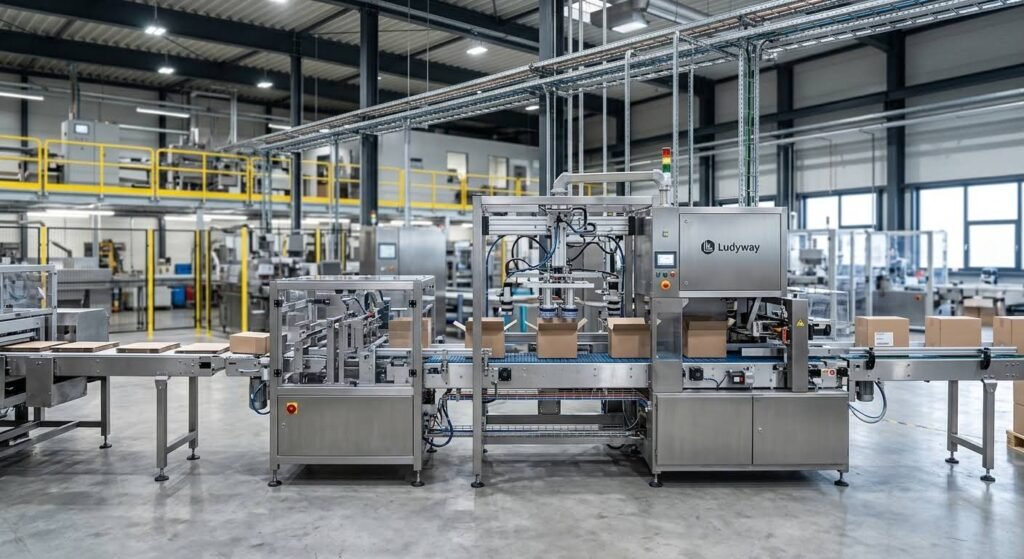
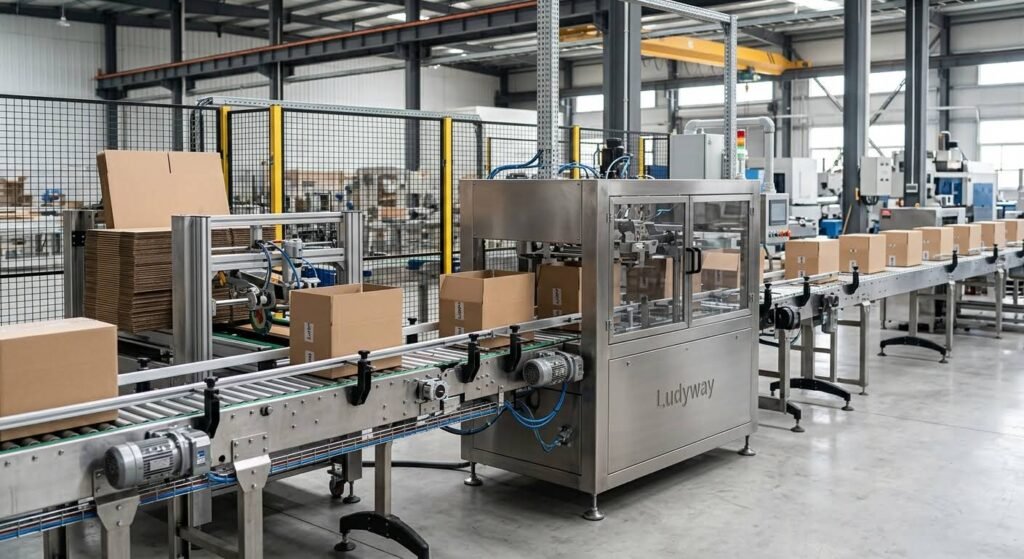
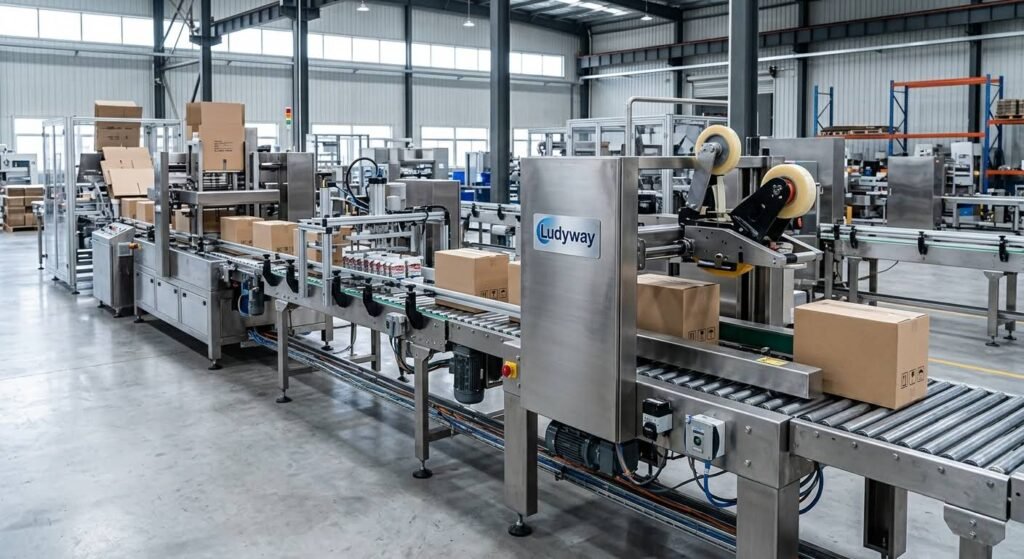
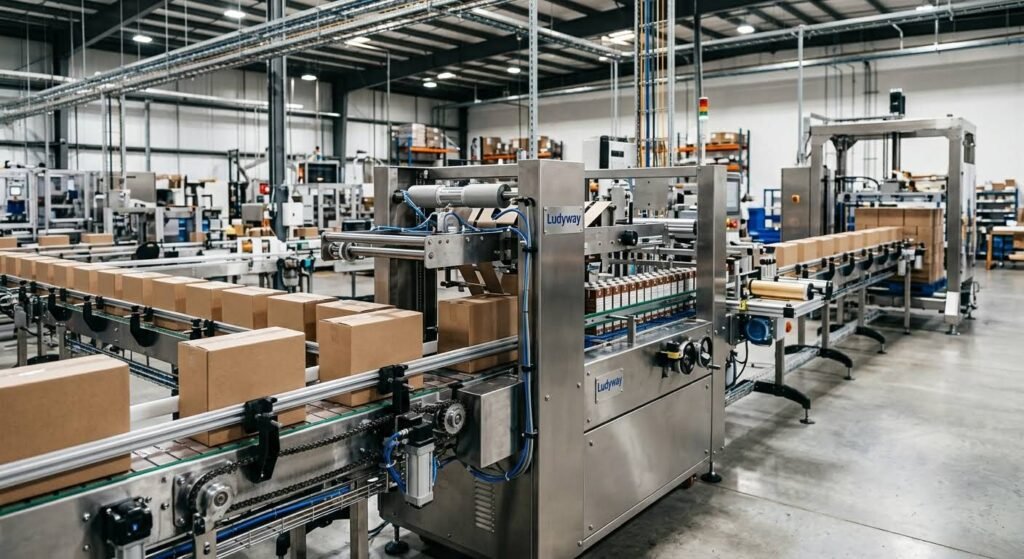
Packaging machinery manufacturers are responding with significant technological innovations. Companies like Ludyway, with over 30 years of industry experience, are developing next-generation equipment specifically designed for sustainable materials. These advancements include:
- Adaptive sealing systems that maintain integrity with biodegradable films
- Intelligent vision systems for quality control of recycled content materials
- Modular designs allowing easy upgrades as sustainable materials evolve
- Energy recovery systems that reduce overall production footprint
Challenges in the Transition to Sustainable Packaging
Despite the clear momentum, several challenges remain:
| Challenge | Impact on Equipment | Industry Response |
|---|---|---|
| Material Consistency | Variable quality of sustainable materials affects machine performance | Development of more tolerant and adaptive control systems |
| Higher Material Costs | Pressure to reduce waste and improve efficiency increases | Equipment optimization for maximum material utilization |
| Technical Limitations | Some sustainable materials have functional limitations | Collaborative development between material and equipment suppliers |
| Regulatory Uncertainty | Varying standards across markets complicate equipment design | Flexible, configurable machine platforms |
Future Outlook and Market Projections
The sustainable packaging equipment market is projected to grow at a compound annual growth rate of 8.2% through 2030, significantly outpacing traditional packaging equipment segments. Key trends shaping the future include:
- Circular Economy Integration: Equipment designed for disassembly, repair, and recycling
- Artificial Intelligence: Machine learning algorithms optimizing sustainable material usage
- Hybrid Solutions: Equipment capable of handling both traditional and sustainable materials during transition periods
- Distributed Manufacturing: Smaller, more flexible equipment enabling localized production with sustainable materials
Strategic Considerations for Manufacturers
For companies investing in sustainable packaging capabilities, several strategic considerations emerge:
- Prioritize equipment flexibility to adapt to evolving sustainable materials
- Consider total cost of ownership, including energy efficiency and maintenance requirements
- Evaluate supplier expertise in sustainable packaging applications
- Plan for gradual transition with equipment that can handle hybrid material streams
- Invest in operator training for handling new sustainable materials effectively
The convergence of environmental consciousness and technological innovation is creating unprecedented opportunities in the packaging industry. As sustainable packaging becomes the standard rather than the exception, the equipment that produces these solutions will play an increasingly critical role in global environmental goals. Manufacturers who invest in advanced, flexible packaging machinery today will be best positioned to meet tomorrow’s sustainability challenges while maintaining competitive production efficiency.