Global Demand for High-Speed Automated Production Lines Continues to Rise
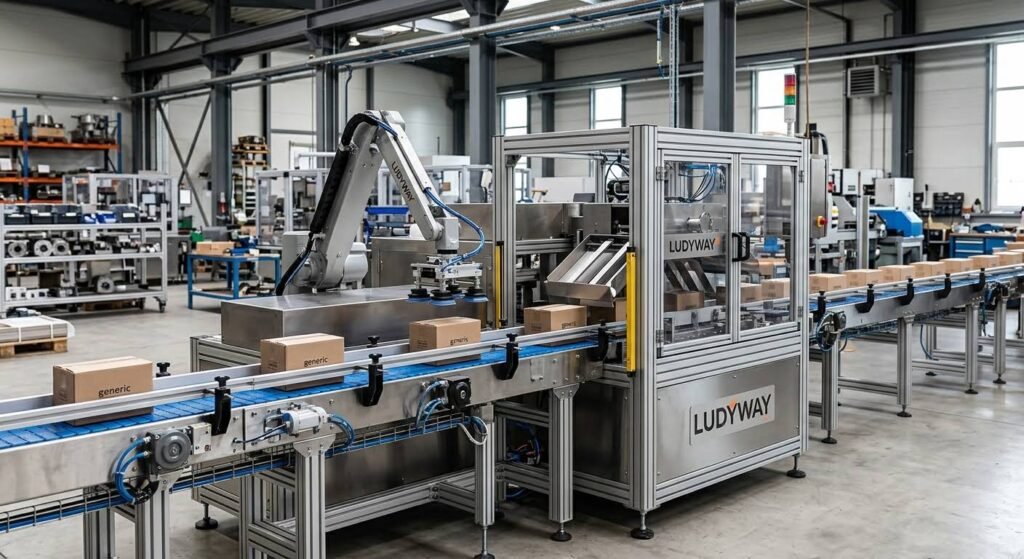
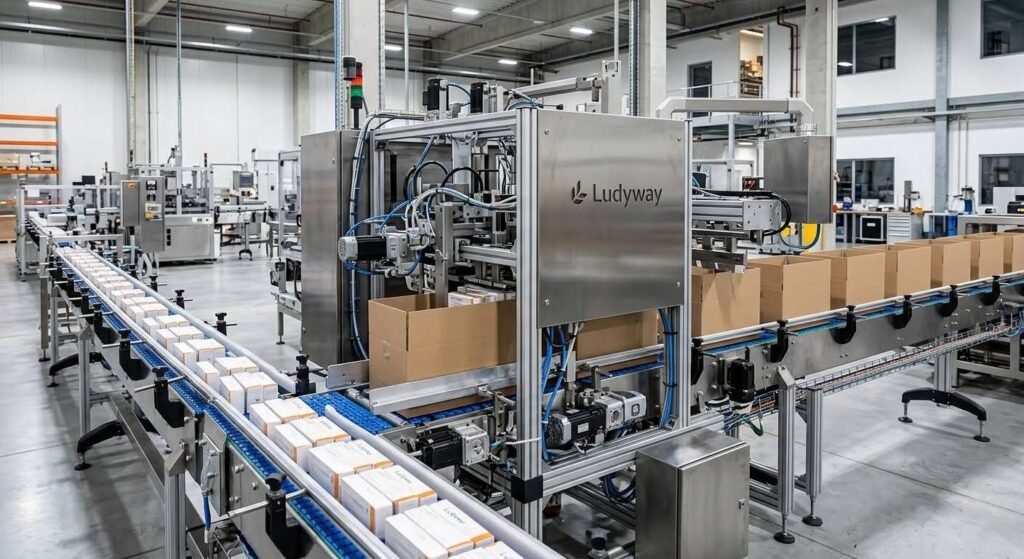
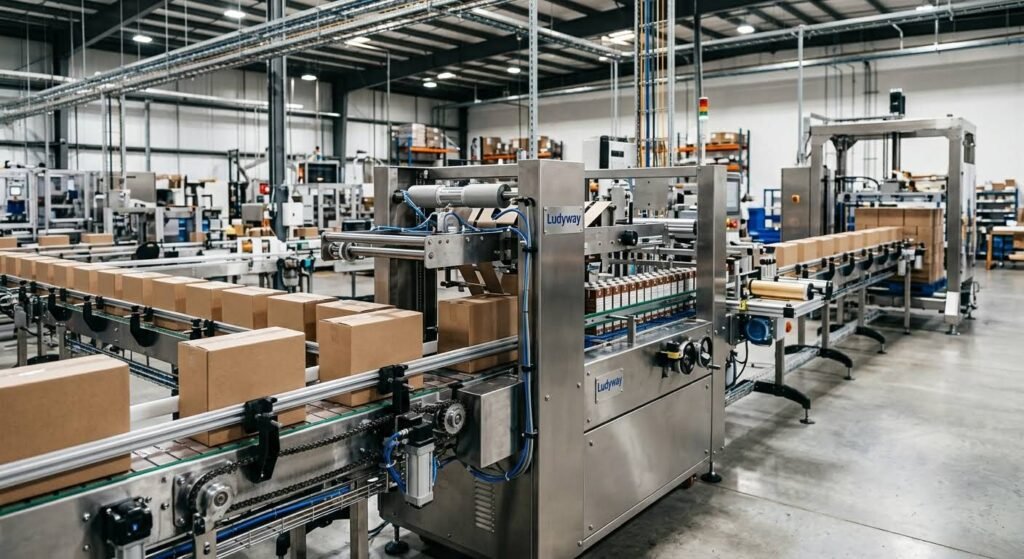
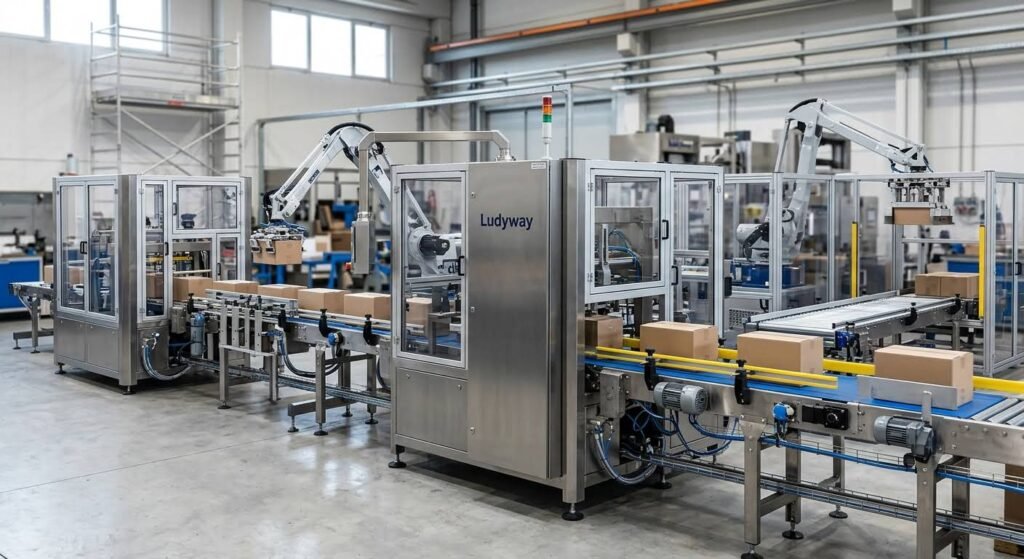
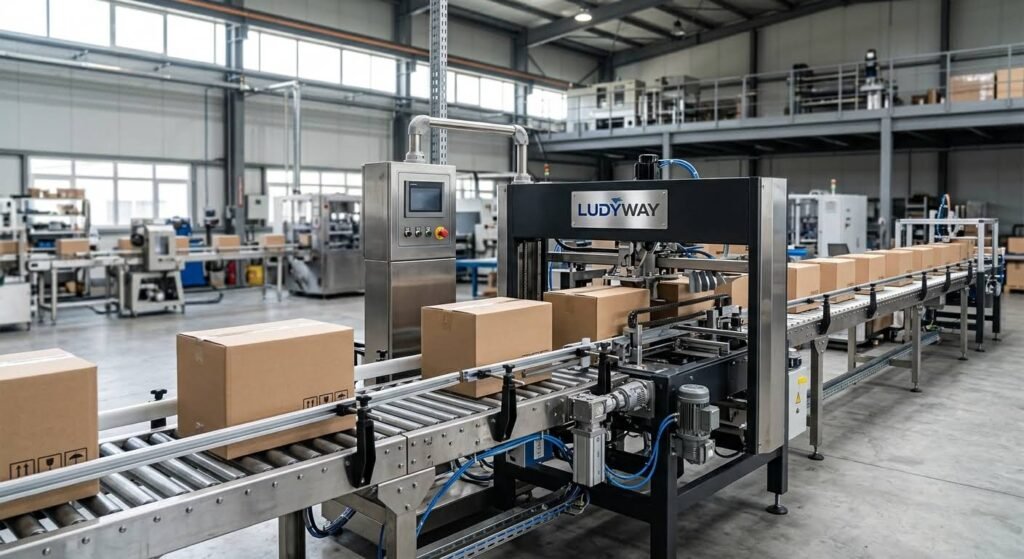
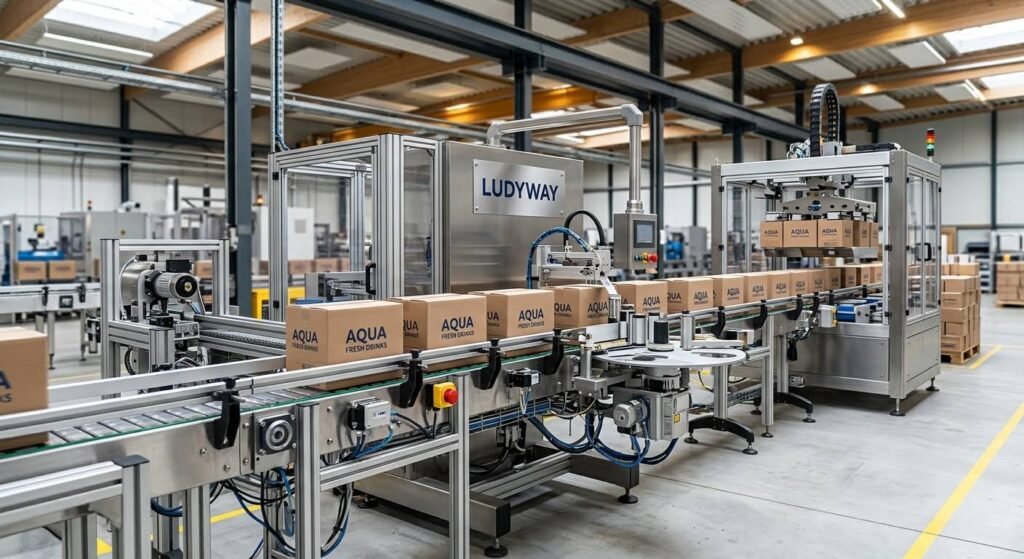
The global manufacturing landscape is undergoing a significant transformation, driven by increasing consumer expectations, supply chain complexities, and the relentless pursuit of operational efficiency. At the heart of this shift is the accelerating demand for high-speed automated production lines, a trend that shows no signs of slowing down across industries such as food, pharmaceuticals, and consumer goods.
Key Drivers Fueling Market Growth
Several interconnected factors are propelling the widespread adoption of automated production systems:
- Labor Shortages and Rising Costs: Many regions face persistent challenges in recruiting and retaining skilled manufacturing personnel. Automation provides a reliable, consistent alternative, reducing dependency on manual labor and mitigating associated cost inflation.
- Stringent Quality and Safety Standards: Especially in regulated sectors like pharmaceuticals and food, automation ensures unparalleled precision, hygiene, and traceability, minimizing human error and contamination risks.
- Need for Scalability and Flexibility: Modern markets demand rapid product changeovers and the ability to scale production up or down quickly. Advanced automated lines are designed with modularity and smart controls to meet these dynamic needs.
- E-commerce and Consumer Demand: The boom in e-commerce requires faster order fulfillment and more diverse, smaller batch packaging. High-speed automation is essential to keep pace with these logistics demands.
Industry-Specific Adoption Trends
The push for automation is particularly pronounced in the following sectors:
| Industry | Primary Automation Focus | Key Benefit |
|---|---|---|
| Food & Beverage | High-speed filling, sealing, and cartoning for granules, powders, and liquids. | Ensures hygiene compliance and meets high-volume output targets. |
| Pharmaceuticals | Precision dosing, blister packaging, and serialization for track & trace. | Guarantees dosage accuracy and fulfills strict regulatory mandates. |
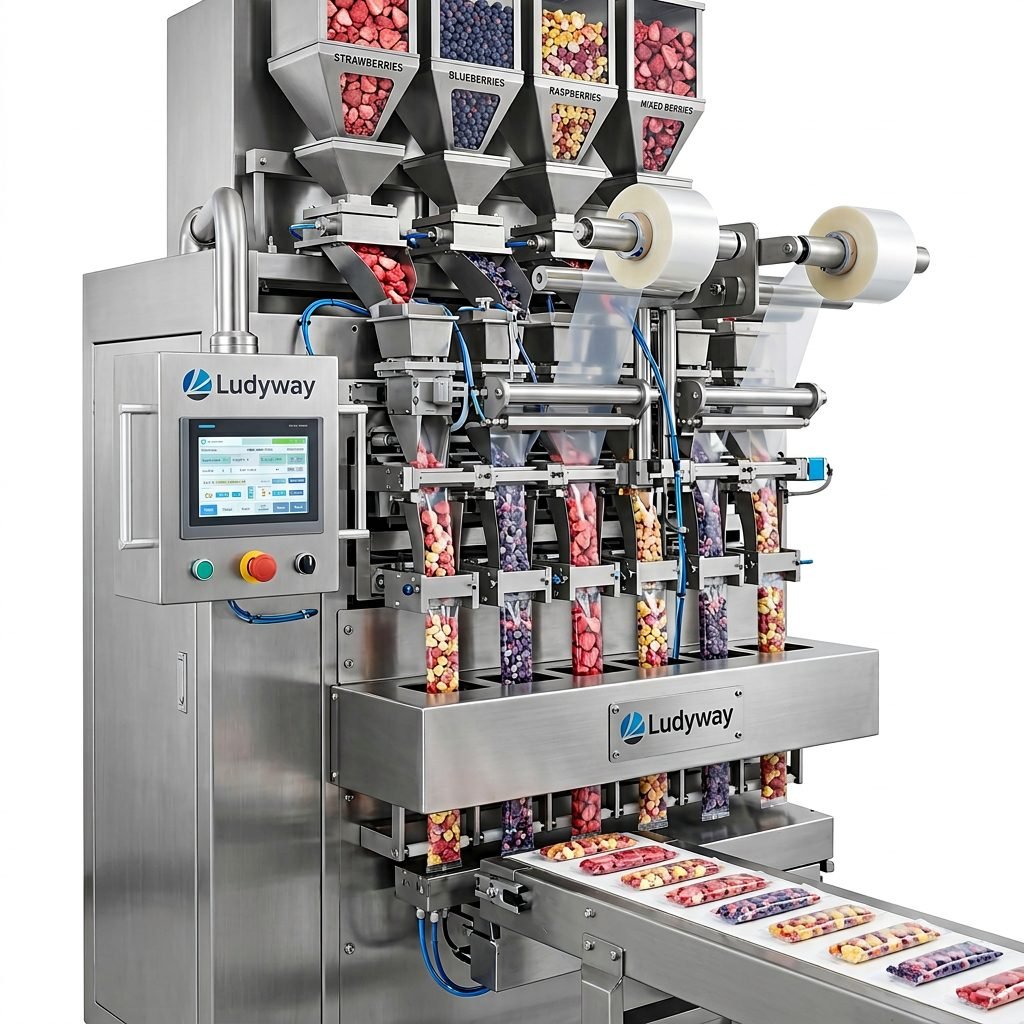
| Health & Nutrition | Stick pack and sachet packaging for supplements and powdered drinks. | Enables convenient single-serve formats and preserves product freshness. |
The Evolution Towards Turnkey Solutions
Beyond standalone machines, manufacturers are increasingly seeking complete turnkey production line solutions. These integrated systems handle everything from raw material feeding to final packaging, offering:
- Seamless Integration: All components are designed to work in harmony, maximizing line efficiency and minimizing bottlenecks.
- Reduced Project Complexity: A single provider manages the entire line design, installation, and commissioning, simplifying the process for the client.
- Optimized Performance: Holistic engineering ensures the line achieves its designed output (e.g., packs per minute) and overall equipment effectiveness (OEE).
Ludyway’s Role in the Automated Packaging Ecosystem
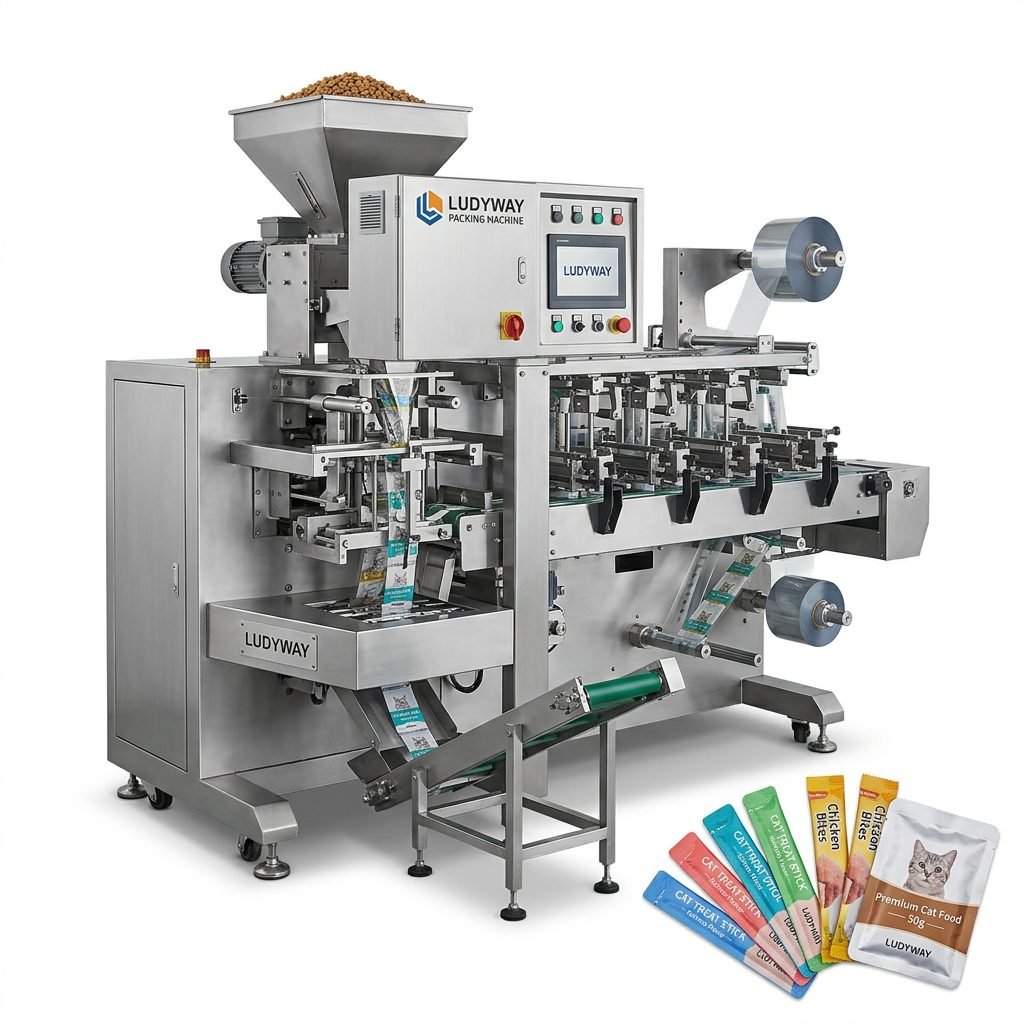
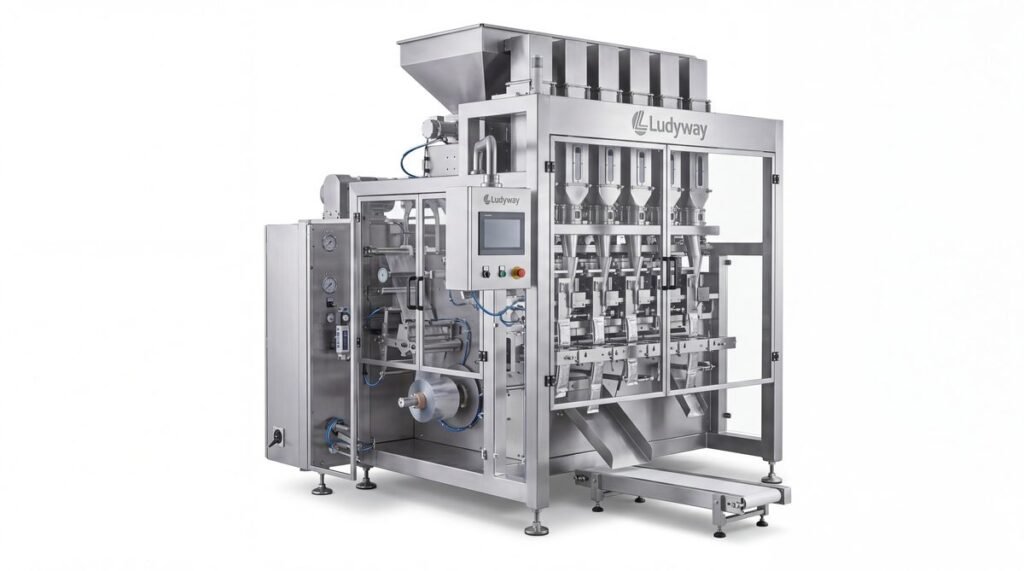
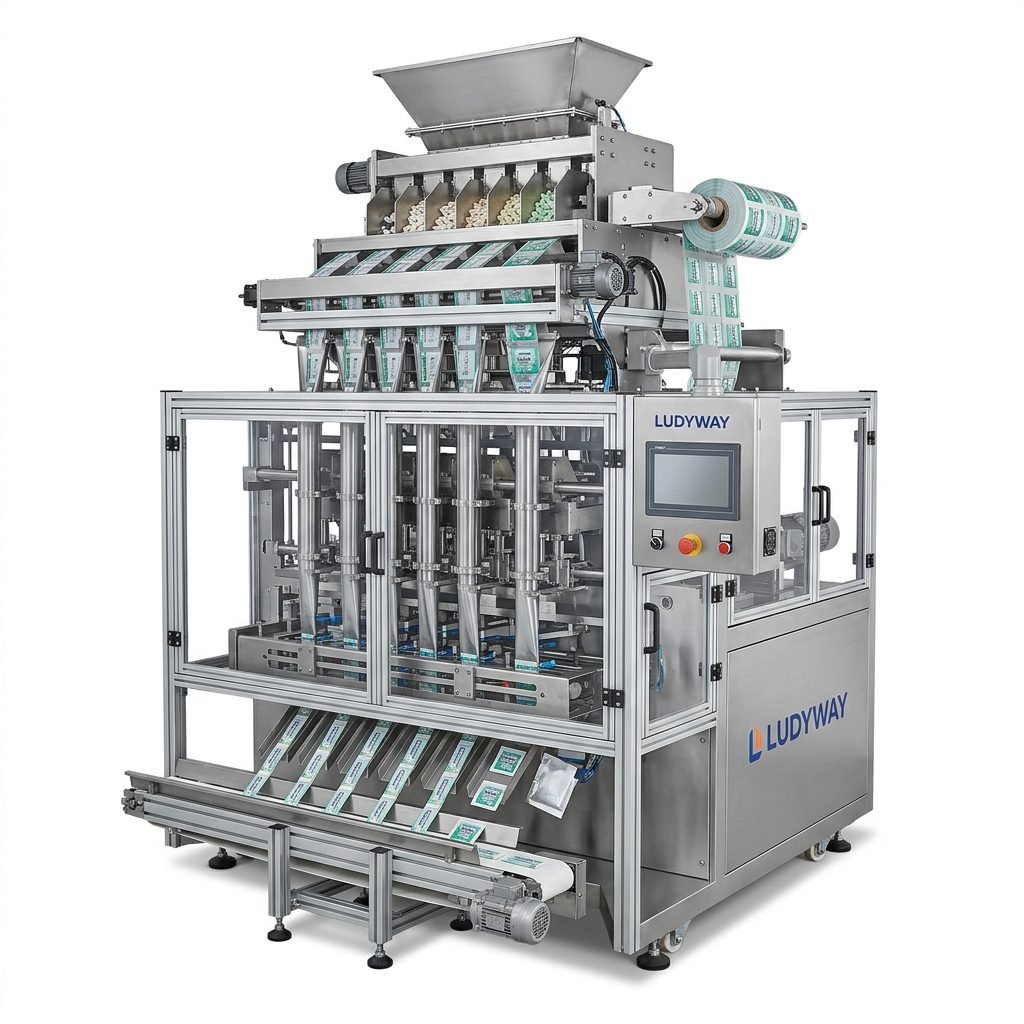
As a specialized manufacturer with over three decades of experience, Ludyway has positioned itself at the forefront of this automation wave. The company’s focus on developing intelligent packaging systems—including multi-lane stick pack machines and fully automated pouch packaging lines—directly addresses the market’s need for speed and reliability. By leveraging a modern 20,000㎡ production facility and deep engineering expertise, Ludyway provides scalable solutions that help global businesses enhance productivity. For more details on their approach to automation, visit Ludyway’s official website.
Future Outlook: Intelligence and Connectivity
The next frontier for high-speed automated lines lies in Industry 4.0 integration. Future systems will not only be fast but also deeply connected and intelligent, featuring:
- Predictive Maintenance: IoT sensors will monitor machine health in real-time, predicting failures before they cause downtime.
- Data-Driven Optimization: Production data analytics will provide insights to fine-tune processes for even greater efficiency and yield.
- Enhanced Flexibility: AI and machine learning will enable self-adjusting machines that can handle a wider variety of products with minimal manual intervention.
The trajectory is clear: the demand for high-speed automated production lines is a fundamental shift, not a passing trend. For manufacturers worldwide, investing in advanced automation is no longer merely an option for gaining a competitive edge—it is becoming an essential strategy for ensuring resilience, quality, and long-term growth in an increasingly demanding global marketplace.