Global Cosmetic Packaging Market Continues to Expand Amid Rising Demand for Sustainable and Premium Solutions
The global cosmetic packaging market is experiencing significant growth, driven by evolving consumer preferences, increasing disposable incomes, and a heightened focus on sustainability. Industry analysts project the market to maintain a robust compound annual growth rate (CAGR) over the coming years, fueled by innovation in materials, design, and functionality.
Key Market Drivers and Trends
Several interconnected factors are propelling the cosmetic packaging industry forward:
- Sustainability Imperative: Consumers, particularly millennials and Gen Z, are demanding eco-friendly options. This has led to a surge in demand for recyclable, biodegradable, and refillable packaging solutions.
- Premiumization: The rise of luxury and niche beauty brands requires packaging that conveys quality, exclusivity, and brand identity through sophisticated materials and finishes.
- E-commerce Growth: The shift to online shopping necessitates packaging that is durable for shipping, aesthetically pleasing for unboxing, and functional for direct-to-consumer delivery.
- Personalization and Smart Packaging: Brands are leveraging technology for customized packaging and integrating features like QR codes for enhanced consumer engagement and traceability.
Material Innovation: Beyond Plastic
The industry is actively moving away from traditional single-use plastics. Key material trends include:
- Recycled Materials: Increased use of post-consumer recycled (PCR) plastics and glass.
- Bioplastics & Alternative Materials: Development of packaging from algae, seaweed, paper pulp, and other compostable substances.
- Lightweight Glass & Advanced Metals: Innovations to reduce weight and carbon footprint while maintaining a premium feel.
| Packaging Material | Key Advantage | Primary Application |
|---|---|---|
| PCR Plastic | Reduces virgin plastic use, circular economy | Bottles, jars, tubes |
| Bamboo & Wood Composites | Renewable, biodegradable, aesthetic appeal | Compacts, lipstick cases |
| Refillable Systems | Minimizes waste, fosters brand loyalty | Premium skincare, fragrance |
| Monomaterials | Easier to recycle, simplifies processing | Flexible pouches, films |
The Role of Advanced Packaging Machinery
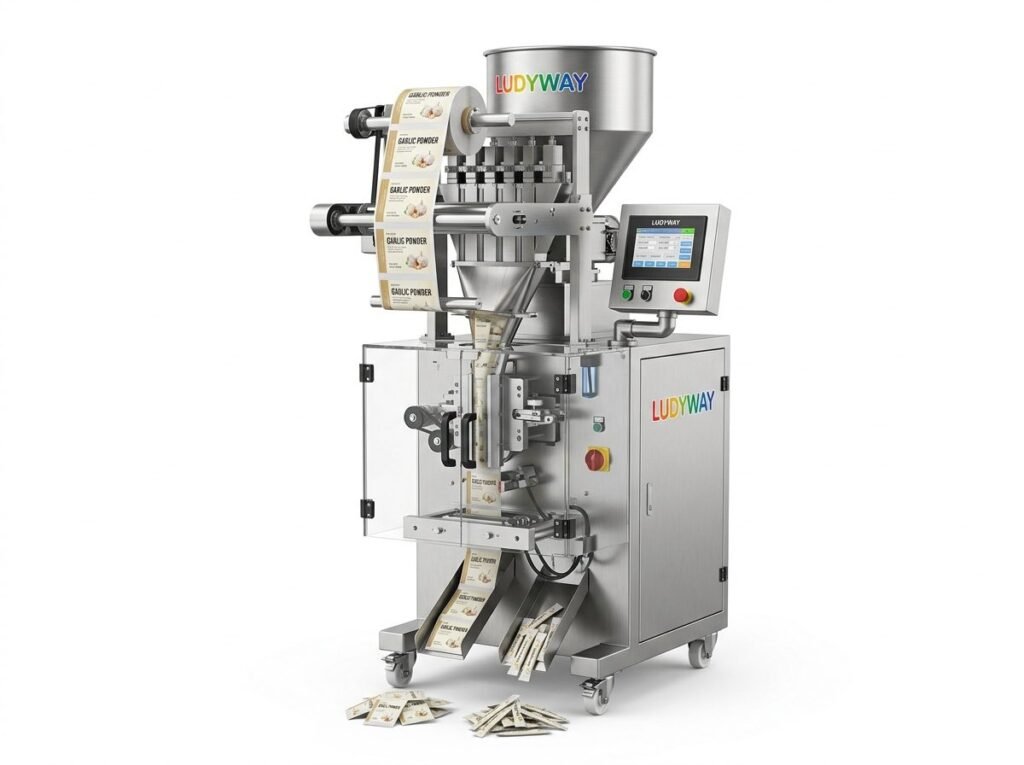
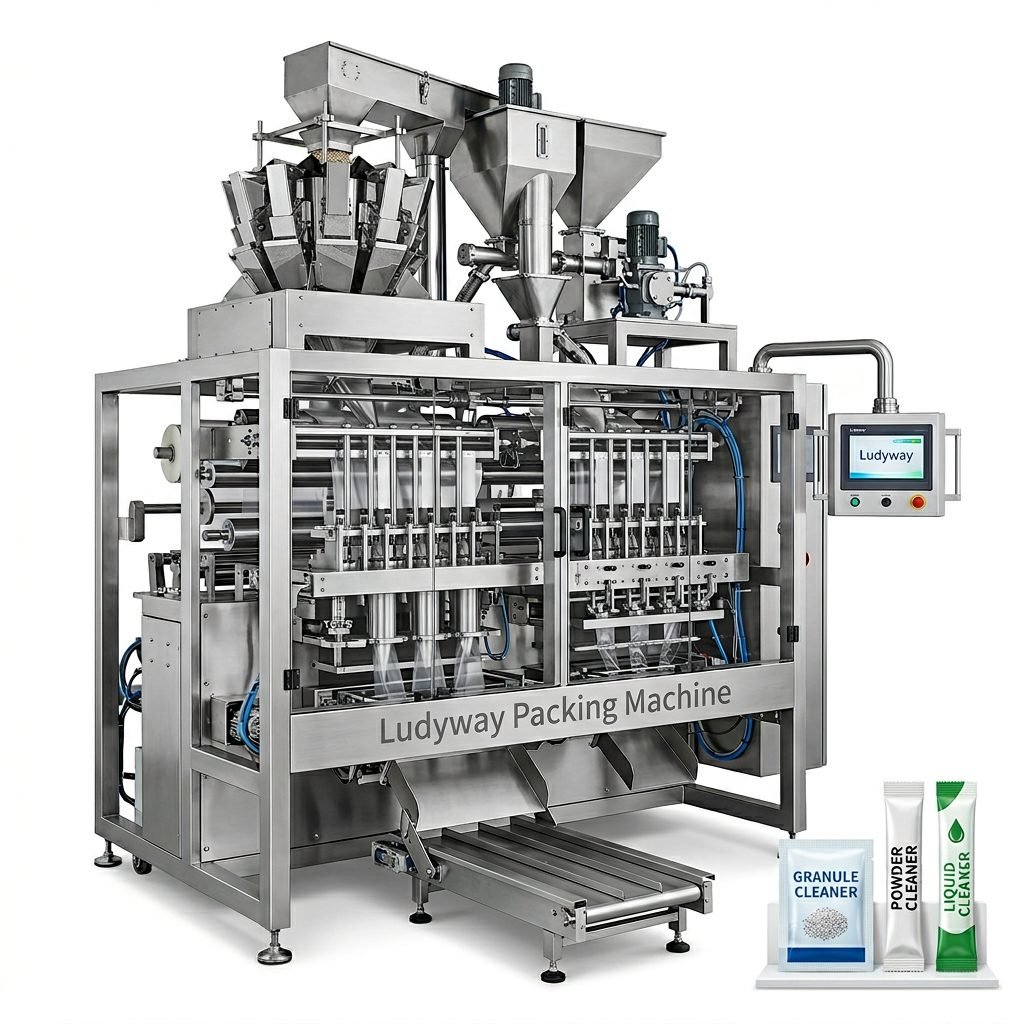
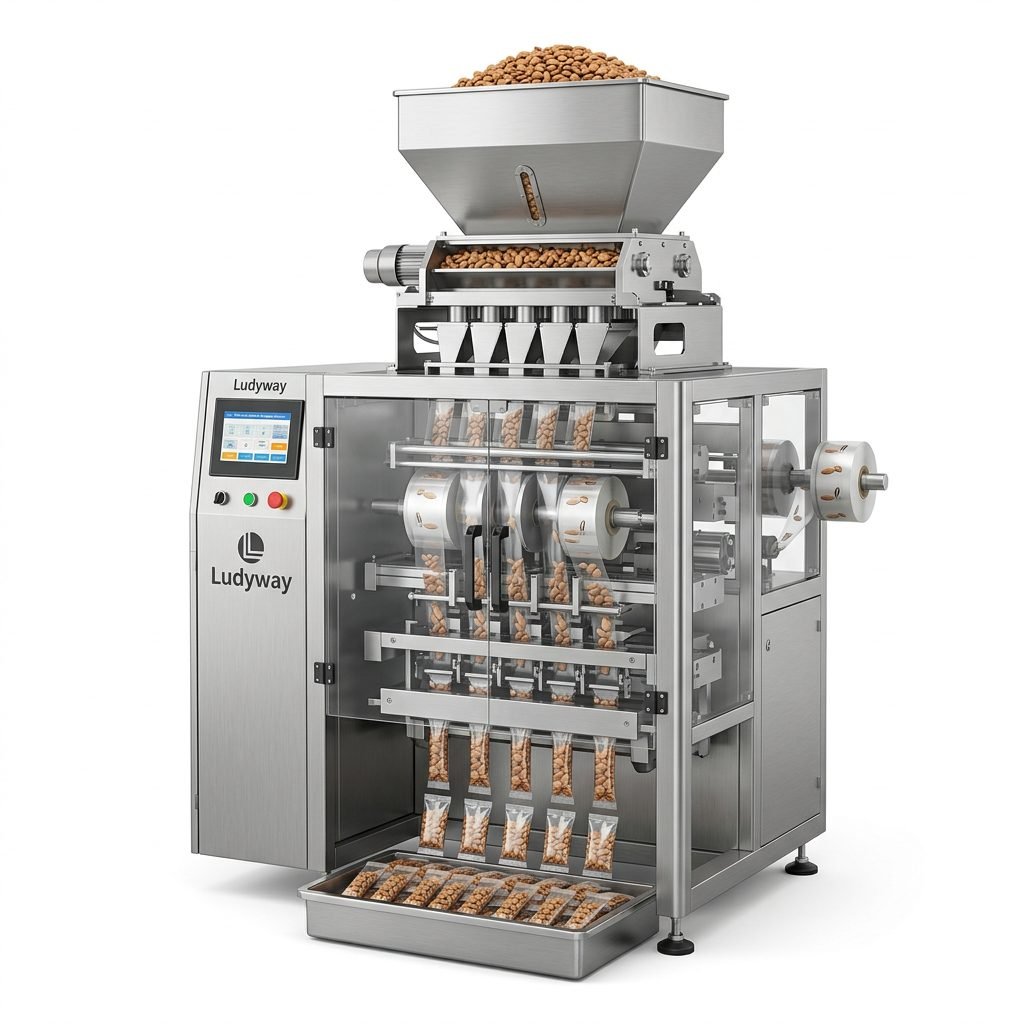
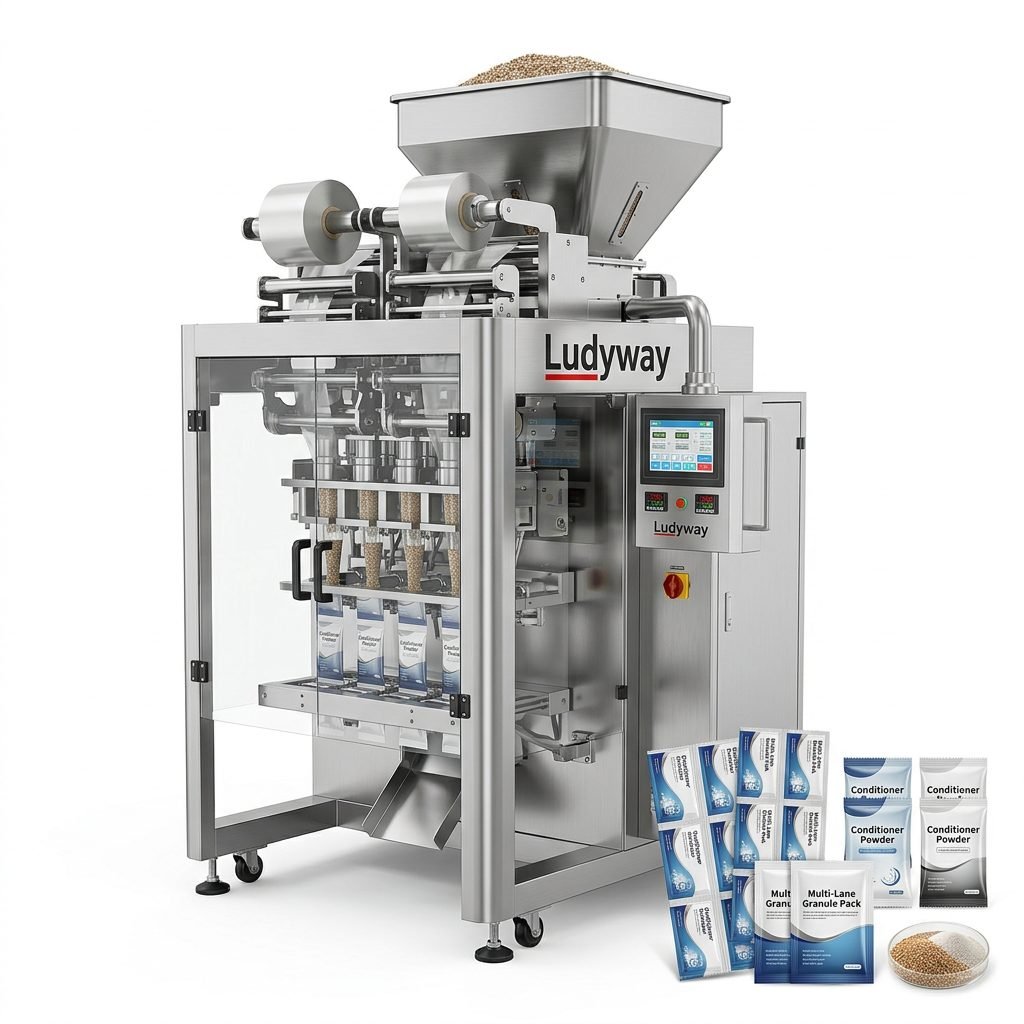
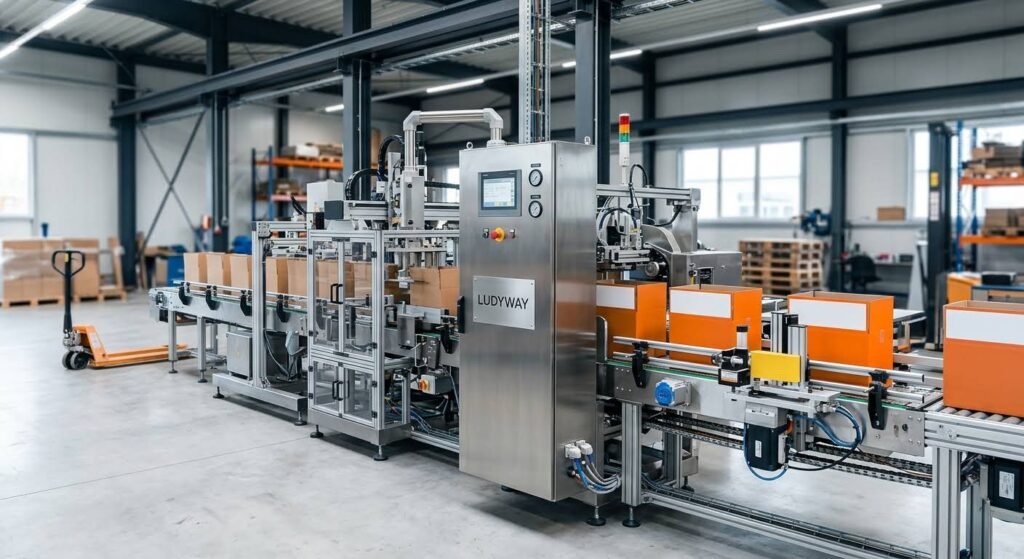
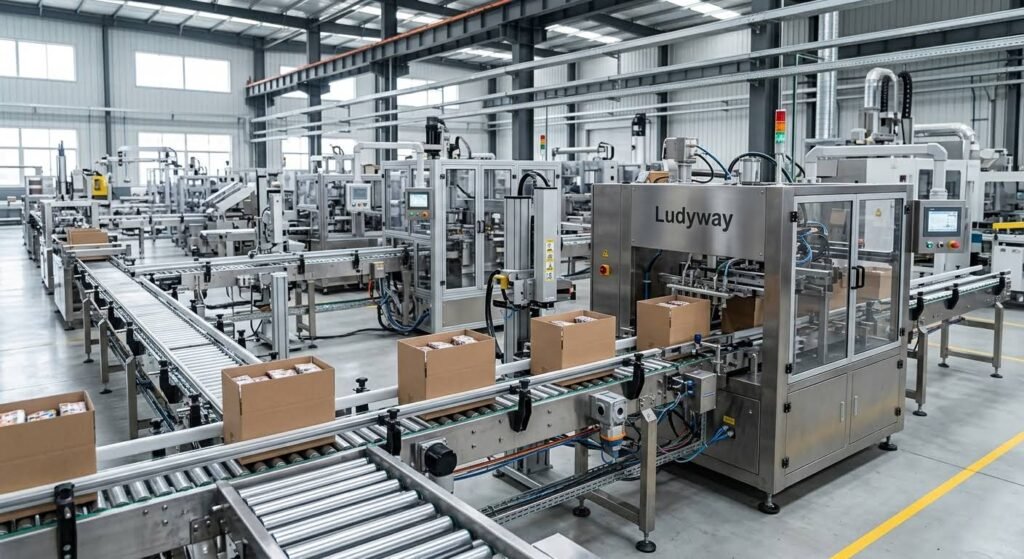
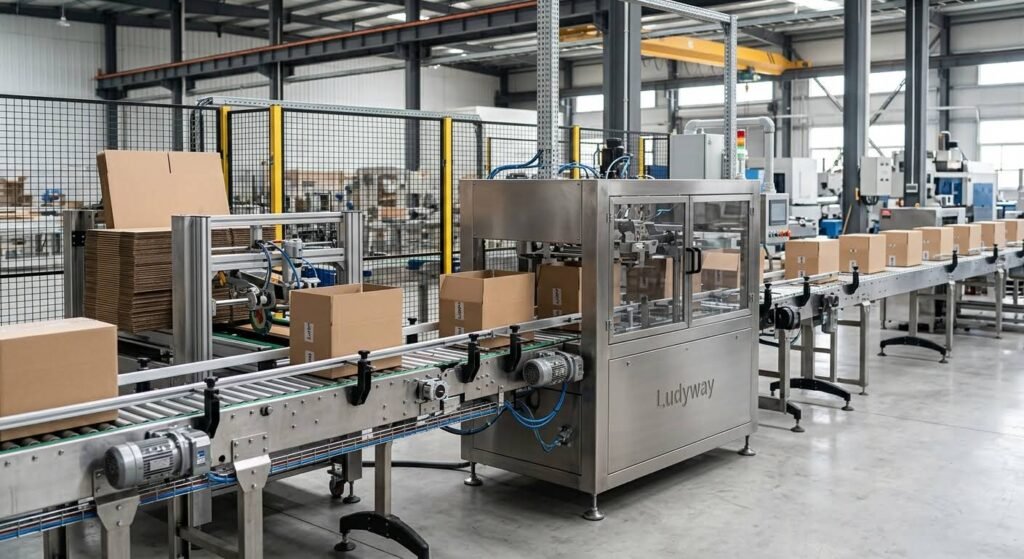
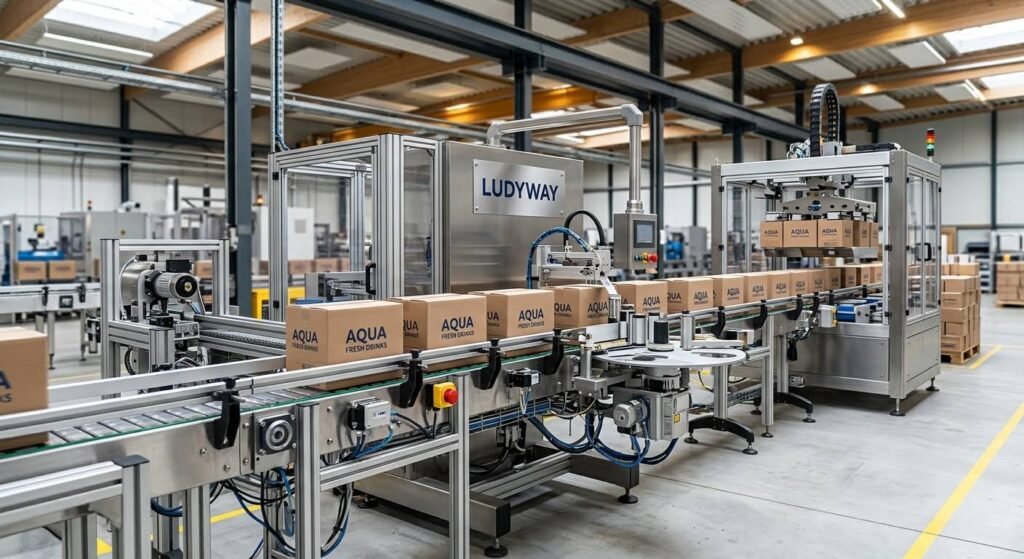
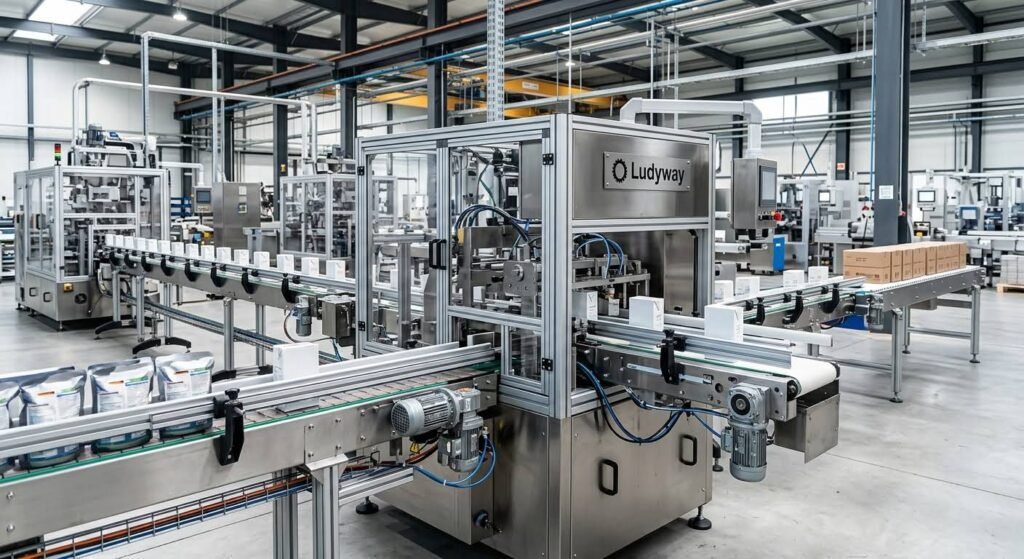
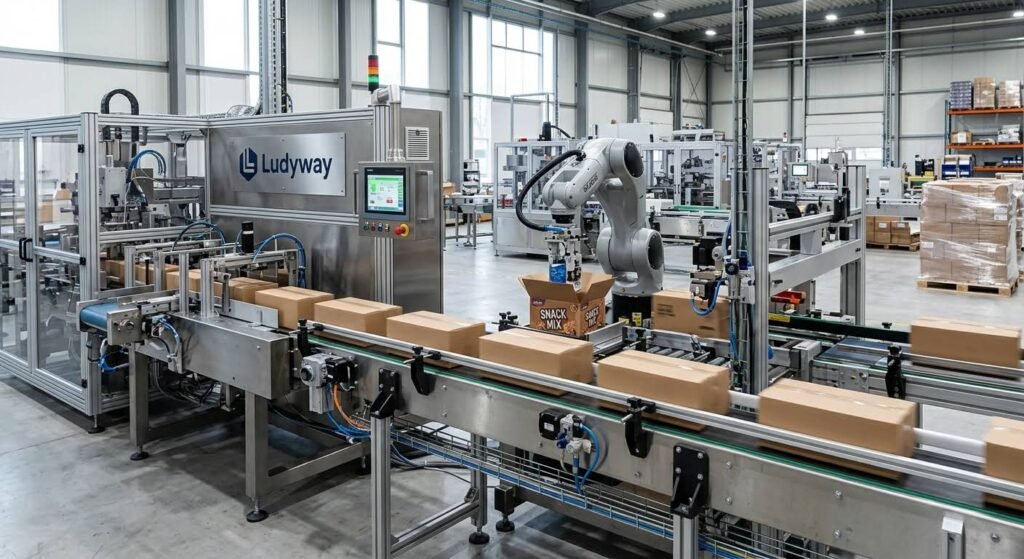
Meeting these complex market demands requires sophisticated manufacturing capabilities. The shift towards diverse, often more delicate sustainable materials and the need for high-speed, flexible production lines place new requirements on packaging equipment. Modern machinery must handle a wider range of container shapes and materials with precision while ensuring efficiency and hygiene. Companies like Ludyway, a leading manufacturer with over 30 years of expertise in advanced packaging equipment, are at the forefront of providing these solutions. Their intelligent packaging systems are designed to support manufacturers in adapting to these trends, offering the reliability and flexibility needed for filling, sealing, and handling the next generation of cosmetic packaging. For more on high-performance packaging solutions, visit ludyway.com.
Regional Market Insights
Growth is not uniform globally, with distinct regional dynamics:
- Asia-Pacific: Dominates the market share due to high production volumes, a massive consumer base, and rapid adoption of beauty trends. Countries like China, Japan, and South Korea are innovation hubs.
- North America & Europe: These mature markets are driven by stringent sustainability regulations, strong premium brand presence, and high consumer awareness regarding product ingredients and packaging origins.
- Latin America and Middle East & Africa: Emerging as high-growth regions due to rising urbanization, growing middle-class populations, and increasing penetration of international beauty brands.
Challenges and Future Outlook
Despite the optimistic growth trajectory, the industry faces hurdles. The cost of sustainable materials often remains higher than conventional options, and supply chain complexities for new materials persist. Furthermore, balancing aesthetic appeal, functionality, and environmental credentials is an ongoing design challenge.
Looking ahead, the convergence of sustainability, digital technology, and personalized consumer experiences will define the future. The market will continue to reward innovators who can create packaging that is not just a container, but an integral, responsible part of the brand and product experience. Collaboration across the value chain—from material scientists and machinery providers like Ludyway to brands and recyclers—will be crucial to achieving a truly circular economy for cosmetic packaging.