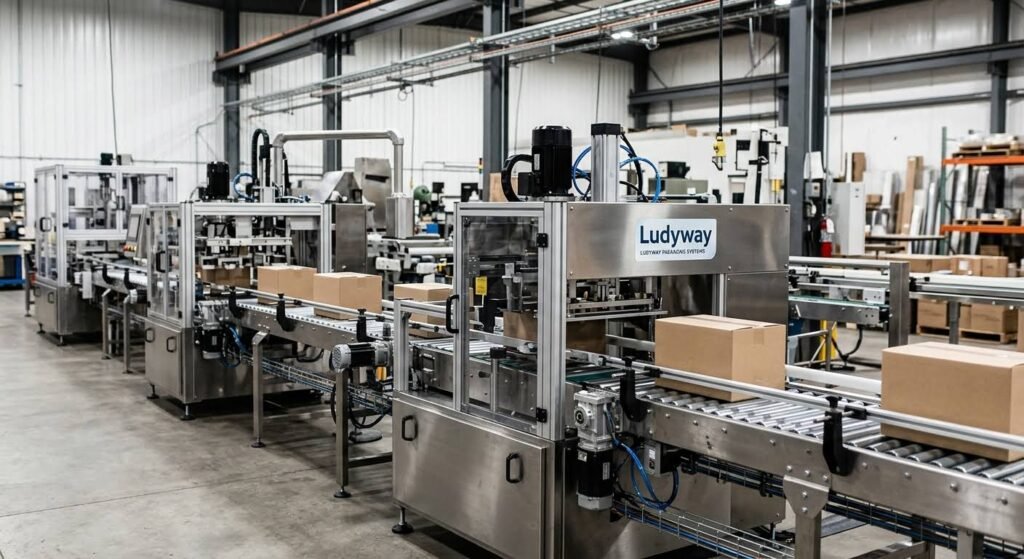
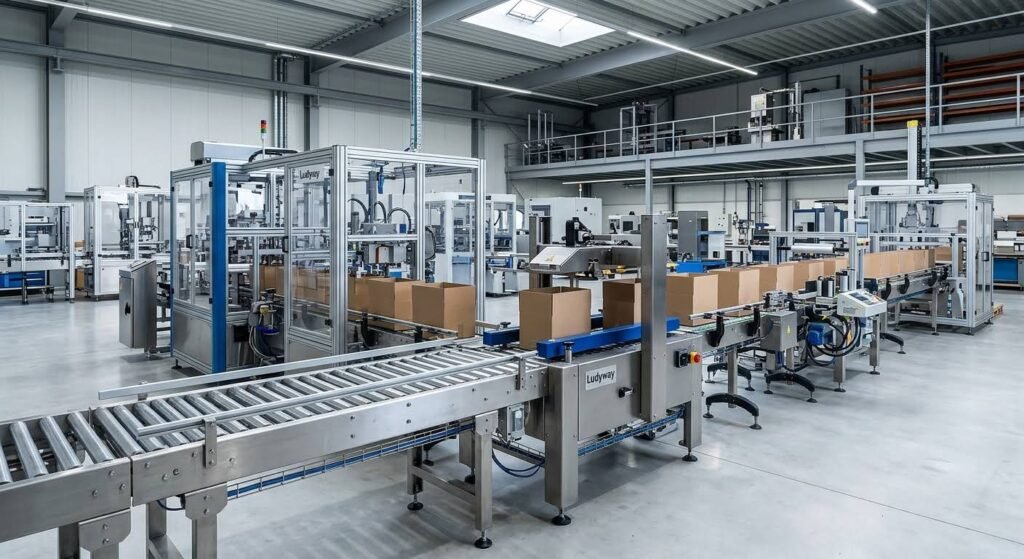
Global Manufacturing Automation Drives Packaging Upgrades and Boosts Production Efficiency
The global manufacturing landscape is undergoing a profound transformation, driven by the accelerating adoption of automation technologies. This shift is particularly evident in the packaging sector, where intelligent machinery and integrated production lines are revolutionizing how products are prepared for market. As industries worldwide strive for greater productivity, reduced operational costs, and enhanced product consistency, automated packaging solutions have moved from a competitive advantage to a fundamental necessity.
The Catalysts Behind the Automation Surge
Several key factors are converging to fuel the rapid automation of packaging processes:
- Labor Market Challenges: Persistent shortages of skilled labor and rising wage costs in many regions make automated systems a more reliable and cost-effective long-term investment.
- Supply Chain Resilience: The need for more agile and transparent supply chains has highlighted the importance of consistent, high-speed packaging operations that can adapt to fluctuating demand.
- Consumer & Regulatory Demands: Increasing expectations for product safety, traceability, and perfect presentation require precision that is consistently delivered by automated systems.
- Technological Convergence: Advancements in robotics, machine vision, IoT sensors, and data analytics have made packaging automation more intelligent, flexible, and accessible.
Key Areas of Packaging Transformation
Automation is impacting every stage of the packaging workflow. The following table outlines the primary areas of upgrade and their benefits:
| Packaging Stage | Automation Solutions | Efficiency & Quality Gains |
|---|---|---|
| Filling & Dosing | Multi-lane weigh fillers, servo-driven liquid dispensers, volumetric cup fillers | High-speed precision, reduced giveaway, consistent portion control |
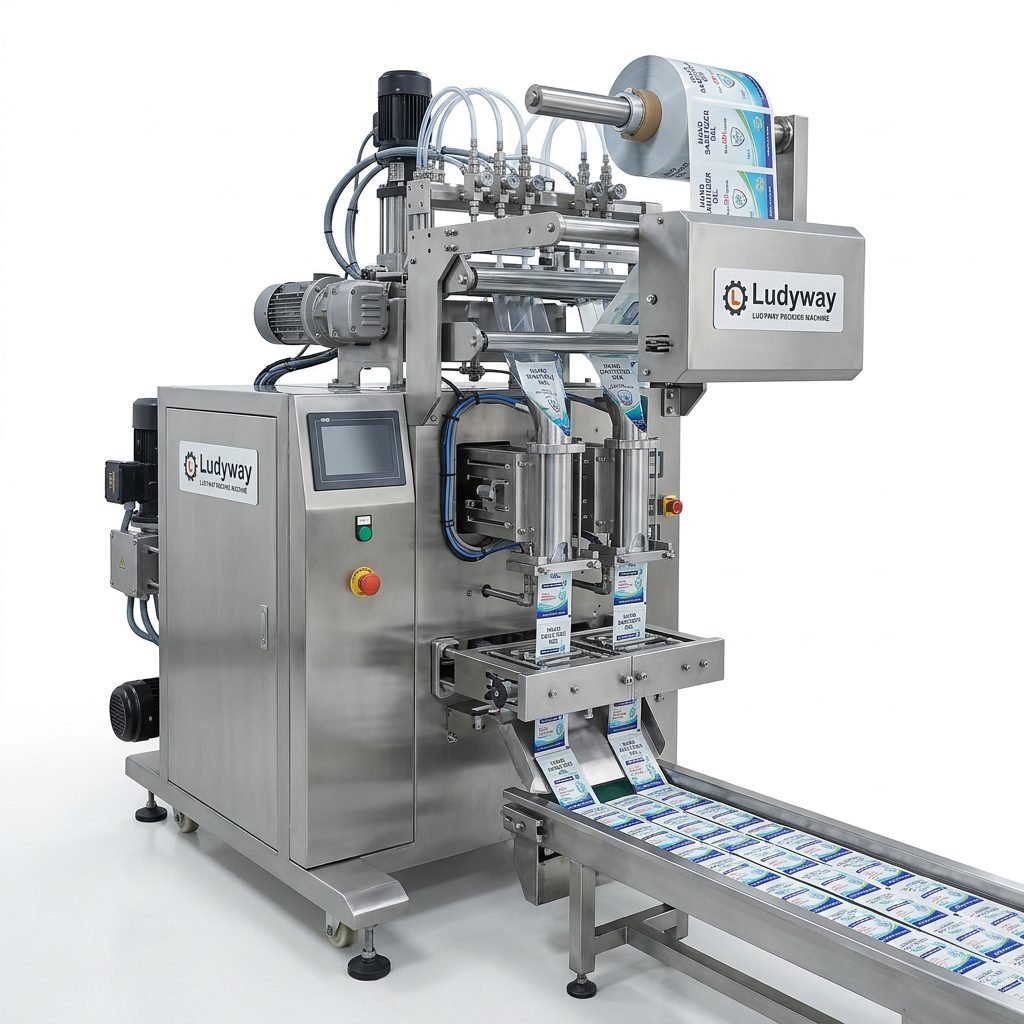
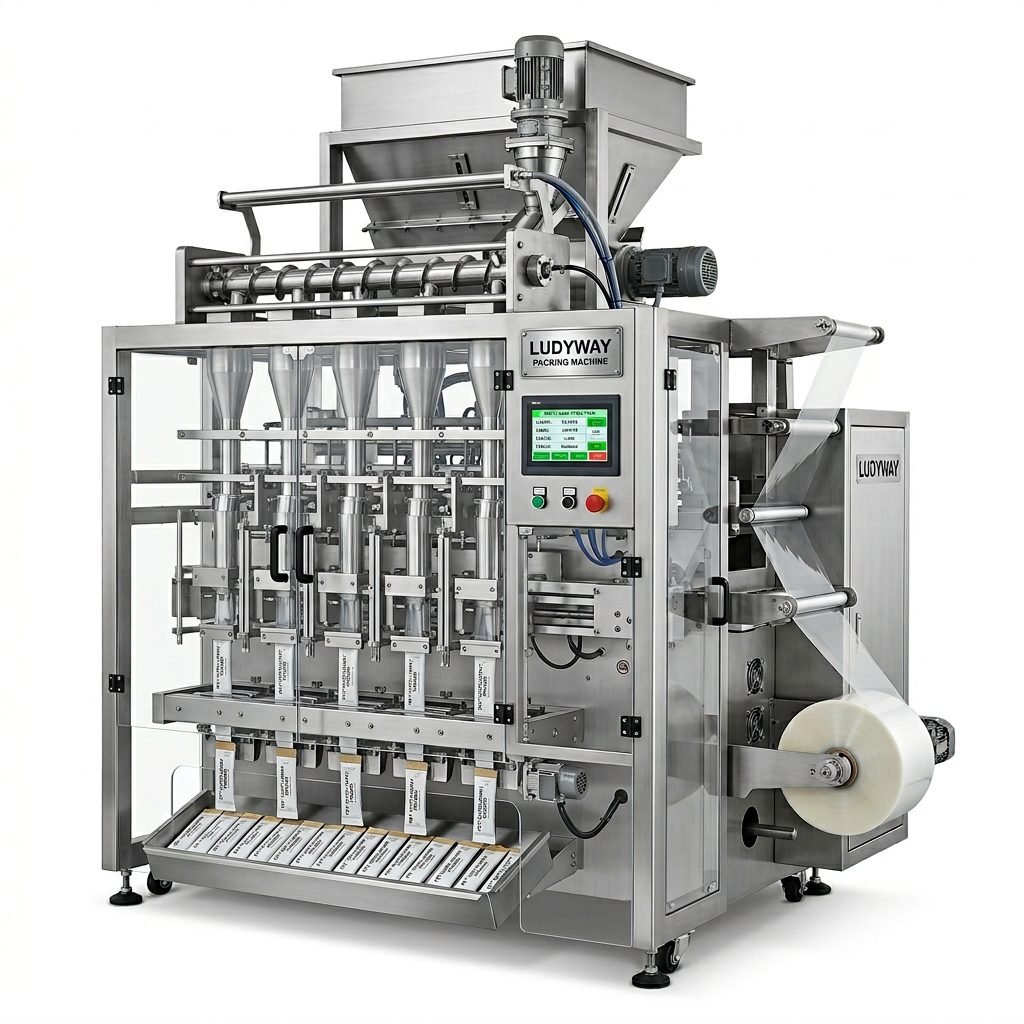
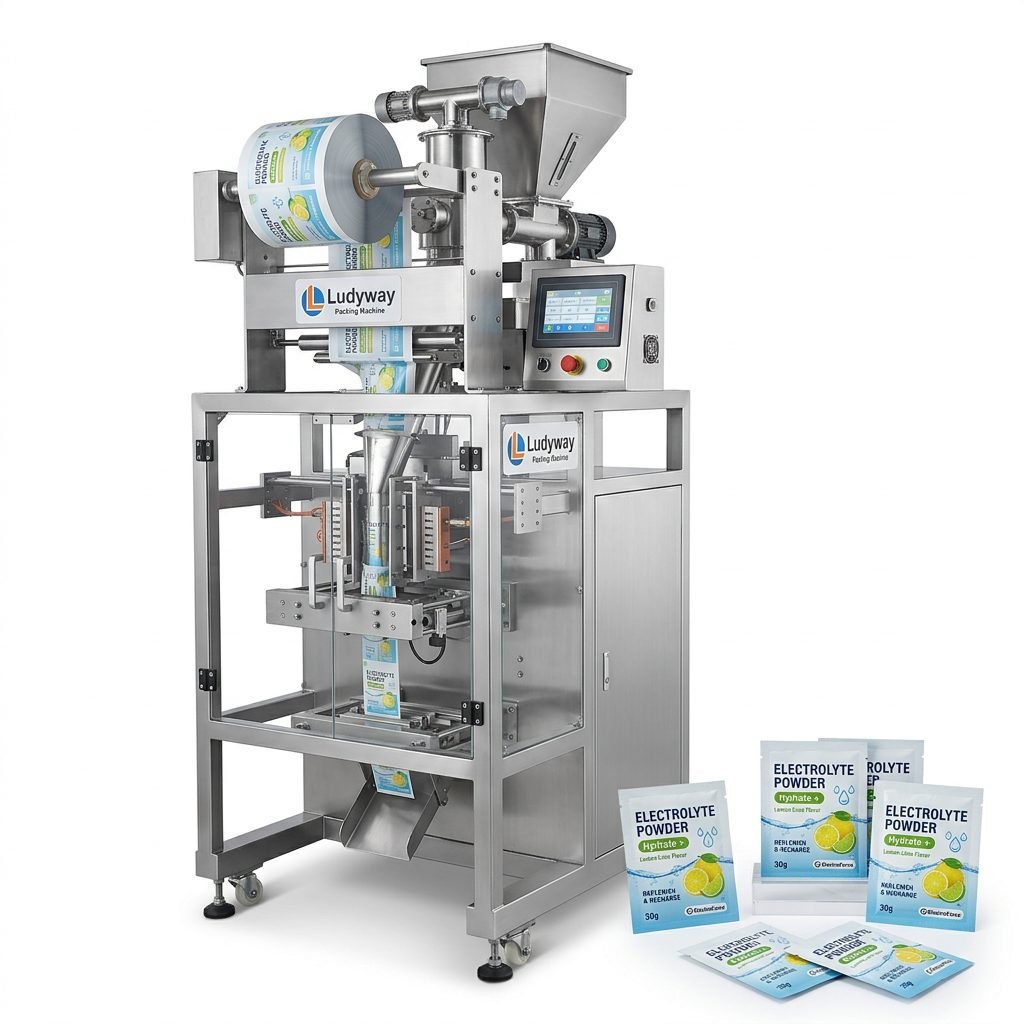
| Forming & Sealing | Vertical form-fill-seal (VFFS) machines, horizontal flow wrappers, stick pack machines | Adaptable pouch formats, superior seal integrity, minimal material waste |
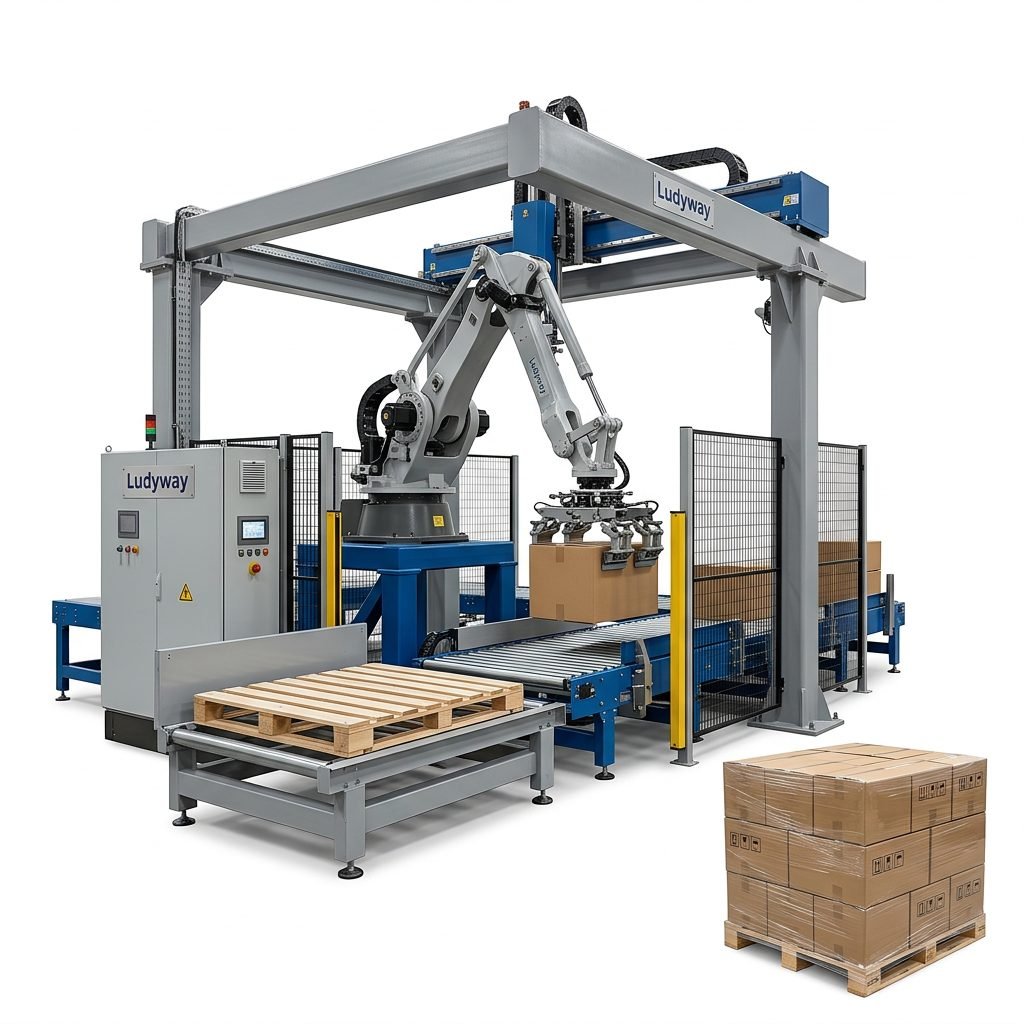
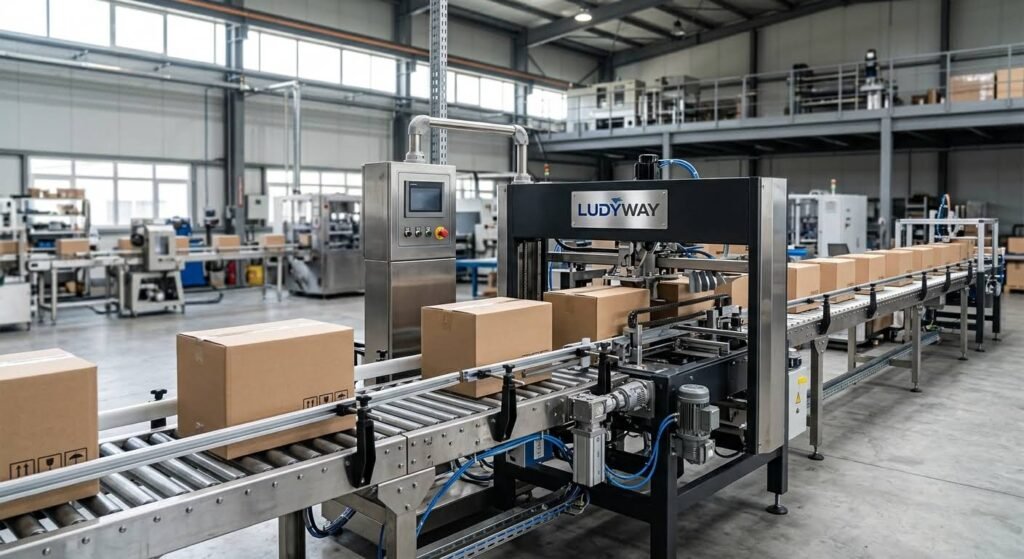
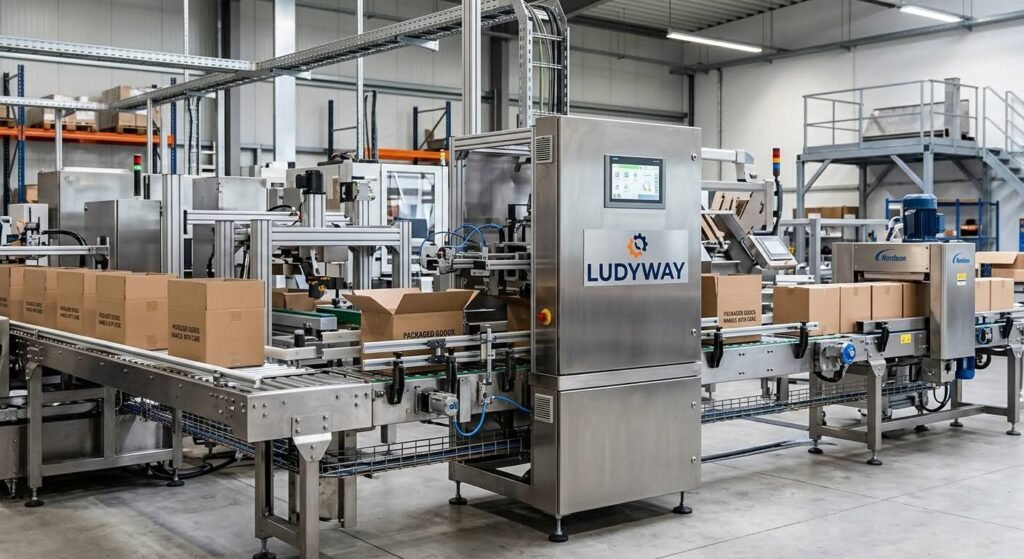
| Secondary Packaging | Robotic case packers, carton erectors, automated bundling systems | Reduced manual handling, optimized pallet patterns, lower risk of damage |
| Inspection & Quality Control | Vision systems, checkweighers, metal detectors, label verifiers | 100% inline inspection, real-time rejection of defects, comprehensive data logging |
Tangible Benefits for Modern Manufacturers
The move towards automated packaging delivers measurable returns on investment across multiple dimensions:
- Skyrocketing Output: Automated lines can operate 24/7 at consistently high speeds, dramatically increasing throughput and capacity without proportional labor increases.
- Unmatched Consistency: Machines eliminate human variability, ensuring every package has identical fill weights, seal quality, and appearance, which enhances brand reputation.
- Significant Cost Reduction: While the initial investment is substantial, automation reduces long-term costs associated with labor, material waste from errors, and product recalls due to packaging faults.
- Enhanced Safety & Ergonomics: Automating repetitive, strenuous, or potentially hazardous tasks creates a safer work environment and reduces workplace injuries.
- Data-Driven Optimization: Modern automated systems generate vast amounts of operational data (OEE, downtime causes, output rates), enabling continuous process improvement and predictive maintenance.
Meeting Diverse Industry Needs
The demand for automation cuts across sectors. In the food industry</strong, automation ensures hygiene, extends shelf life through precise sealing, and meets fast-changing retail requirements. Pharmaceutical and health product manufacturers rely on automation for absolute accuracy in dosing, tamper-evident packaging, and complete serialization for track-and-trace regulations. Even industries like chemicals and agriculture benefit from automated bagging and handling of granules and powders.
The Role of Specialized Partners in Implementation
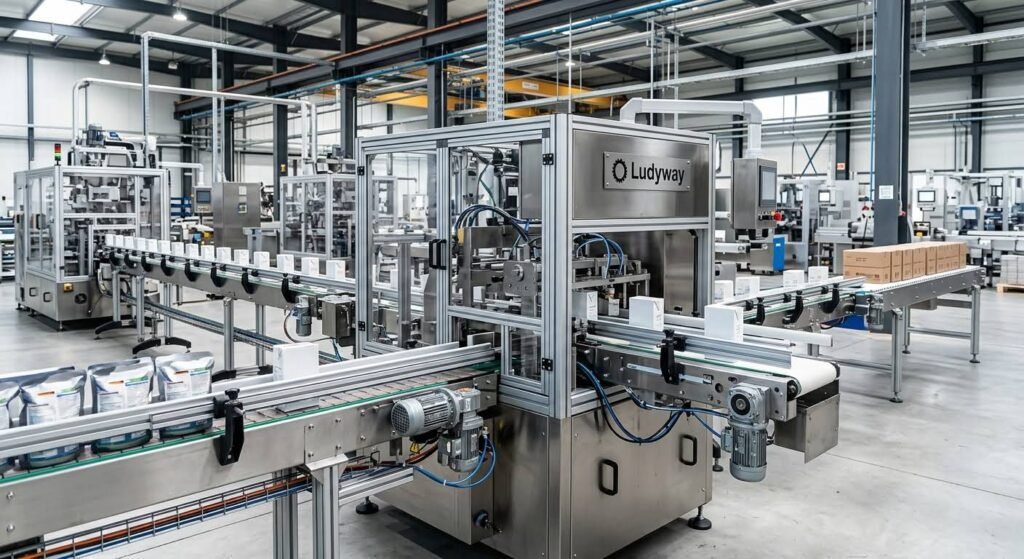
Successfully integrating automation requires more than just purchasing machinery. It demands expertise in system design, integration with existing production lines, and ongoing technical support. This is where partnering with an experienced packaging solutions provider becomes critical. For over three decades, Ludyway has been at the forefront of this evolution, providing advanced packaging equipment and turnkey solutions. With a deep understanding of the challenges in food, pharmaceutical, and health industries, Ludyway helps businesses navigate their automation journey. From multi-lane stick pack machines to complete sachet packaging lines, their focus on innovation and efficiency supports manufacturers in over 100 countries. Explore how automation can transform your packaging operations at www.ludyway.com.
The Future: Smart, Connected Packaging Lines
The next frontier is the fully connected “smart factory.” Future packaging lines will feature even greater levels of:
- Adaptive Intelligence: Machines that self-adjust to material variations or product changeovers with minimal downtime.
- End-to-End Integration: Seamless data flow from the packaging line to Enterprise Resource Planning (ERP) and Warehouse Management Systems (WMS).
- Sustainable Operations: Automation optimized for minimal energy consumption and material usage, supporting circular economy goals.
In conclusion, the global drive for manufacturing automation is fundamentally upgrading packaging processes, delivering unprecedented gains in production efficiency, cost control, and product quality. For businesses aiming to stay competitive and resilient, investing in modern, automated packaging solutions is no longer optional—it is the definitive path forward.