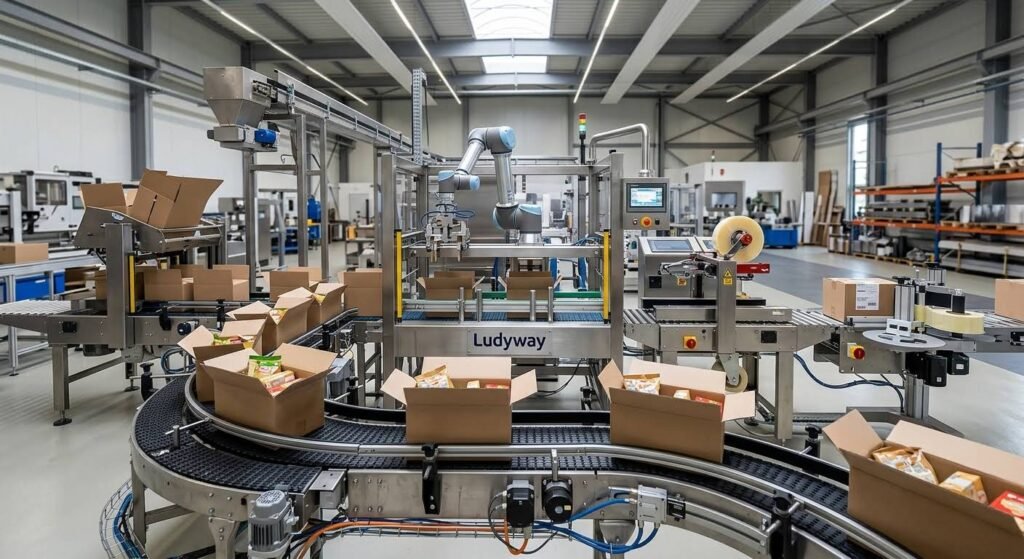
High-Speed Packaging Machines Emerge as a Key Factor in Modern Manufacturing Competitiveness
In today’s fast-paced global market, manufacturing efficiency is no longer just an operational goal—it’s a critical competitive advantage. Among the various technologies driving this shift, high-speed packaging machines stand out as transformative assets for production lines across industries. These advanced systems are redefining throughput standards, enabling manufacturers to meet escalating consumer demands while maintaining stringent quality controls.
The Evolution of Packaging Automation
Traditional packaging processes, often reliant on manual labor or semi-automated equipment, increasingly struggle to keep pace with modern production volumes and precision requirements. The emergence of fully automated, high-speed packaging solutions represents a paradigm shift, offering:
- Dramatically increased output rates, often exceeding hundreds of packages per minute
- Enhanced consistency and reduced product waste through precision controls
- Lower long-term operational costs despite higher initial investment
- Improved flexibility to handle diverse product formats and packaging materials
- Better compliance with hygiene and safety standards, particularly crucial in food and pharmaceutical sectors
Core Technologies Driving High-Speed Performance
Modern high-speed packaging machines integrate several advanced technologies to achieve their remarkable performance:
- Advanced Servo Motor Systems: Provide precise motion control, enabling rapid yet accurate positioning of products and packaging materials.
- Intelligent Vision Inspection Systems: Use high-resolution cameras and AI algorithms to perform real-time quality checks at high speeds, rejecting defective packages instantly.
- High-Frequency Sealing Technology: Allows for faster heat sealing cycles without compromising seal integrity, crucial for pouch and sachet packaging.
- Integrated PLC and HMI Controls: Offer user-friendly interfaces for quick changeovers and real-time monitoring of production metrics.
Industry Applications and Impact
The adoption of high-speed packaging technology creates significant value across multiple sectors:
| Industry | Key Benefits | Typical Applications |
|---|---|---|
| Food & Beverage | Extended shelf life, reduced contamination risk, ability to handle seasonal demand spikes | Snack food pouches, coffee stick packs, condiment sachets |
| Pharmaceutical | Compliance with strict regulations, precise dosing, tamper-evident packaging | Powder supplement sticks, liquid medicine sachets, blister packs |
| Health & Nutrition | Accurate portion control, premium presentation, compatibility with sensitive ingredients | Protein powder packs, vitamin supplements, herbal tea bags |
| Daily Chemicals | Cost-effective single-dose packaging, reduced product waste, enhanced convenience | Detergent pods, shampoo sachets, cosmetic samples |
Strategic Considerations for Implementation
While the advantages are clear, successful implementation of high-speed packaging systems requires careful planning:
- Throughput Analysis: Accurately assess current and projected production volumes to select appropriately scaled equipment.
- Product Compatibility: Ensure machinery can handle specific product characteristics (granule size, powder flowability, liquid viscosity).
- Changeover Requirements: Evaluate how quickly machines can switch between different package sizes or formats.
- Integration Capability: Consider how new equipment will interface with existing upstream and downstream processes.
- Total Cost of Ownership: Look beyond purchase price to include maintenance, energy consumption, and potential efficiency gains.
The Future Landscape of Packaging Automation
Looking ahead, several trends are poised to further enhance the role of high-speed packaging in manufacturing competitiveness:
- IoT Connectivity: Machines will increasingly transmit real-time performance data to central monitoring systems, enabling predictive maintenance and optimization.
- Sustainable Packaging Integration: Advanced systems will efficiently handle biodegradable and recyclable materials that often present processing challenges.
- Hyper-Flexible Systems: Next-generation machines will reduce changeover times to minutes, supporting mass customization and smaller batch production.
- AI-Driven Optimization: Machine learning algorithms will continuously adjust parameters for maximum efficiency based on material variations and environmental conditions.
Ludyway’s Role in Advancing Packaging Technology
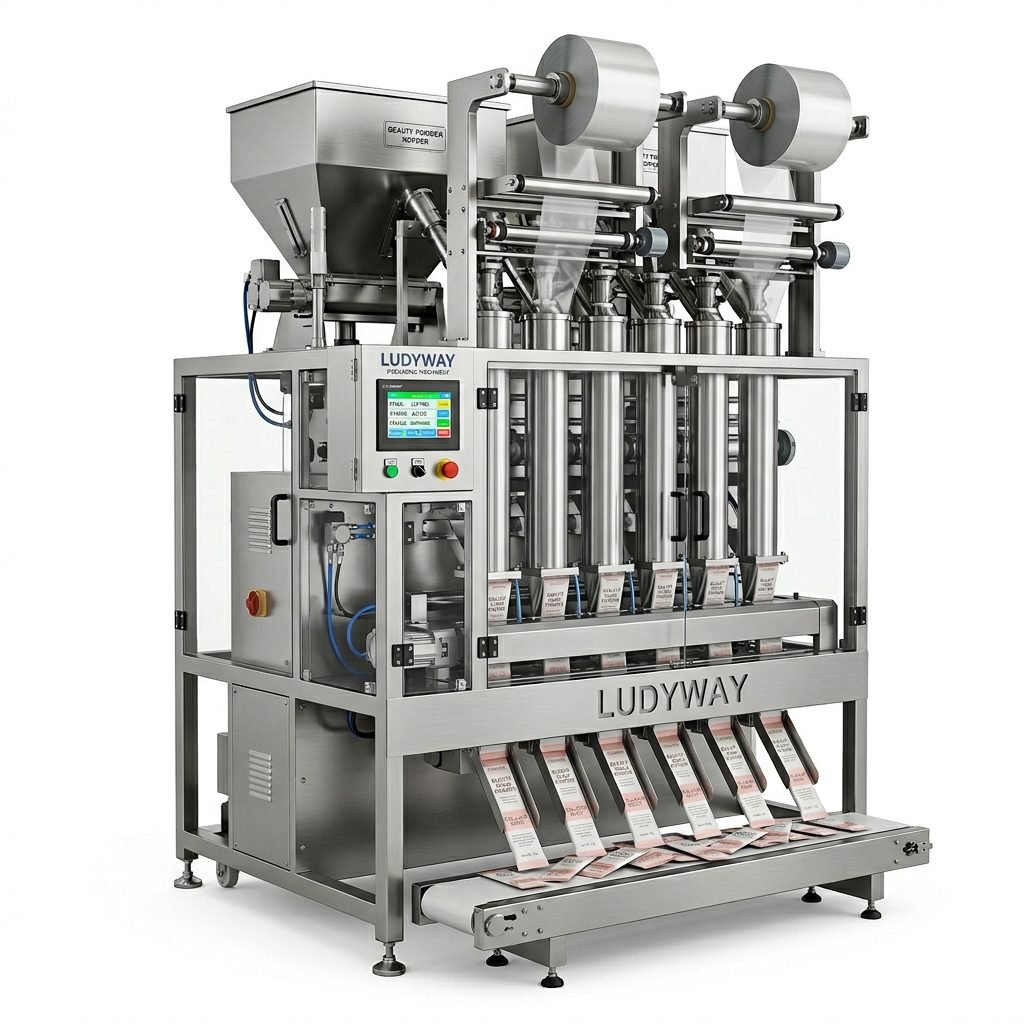
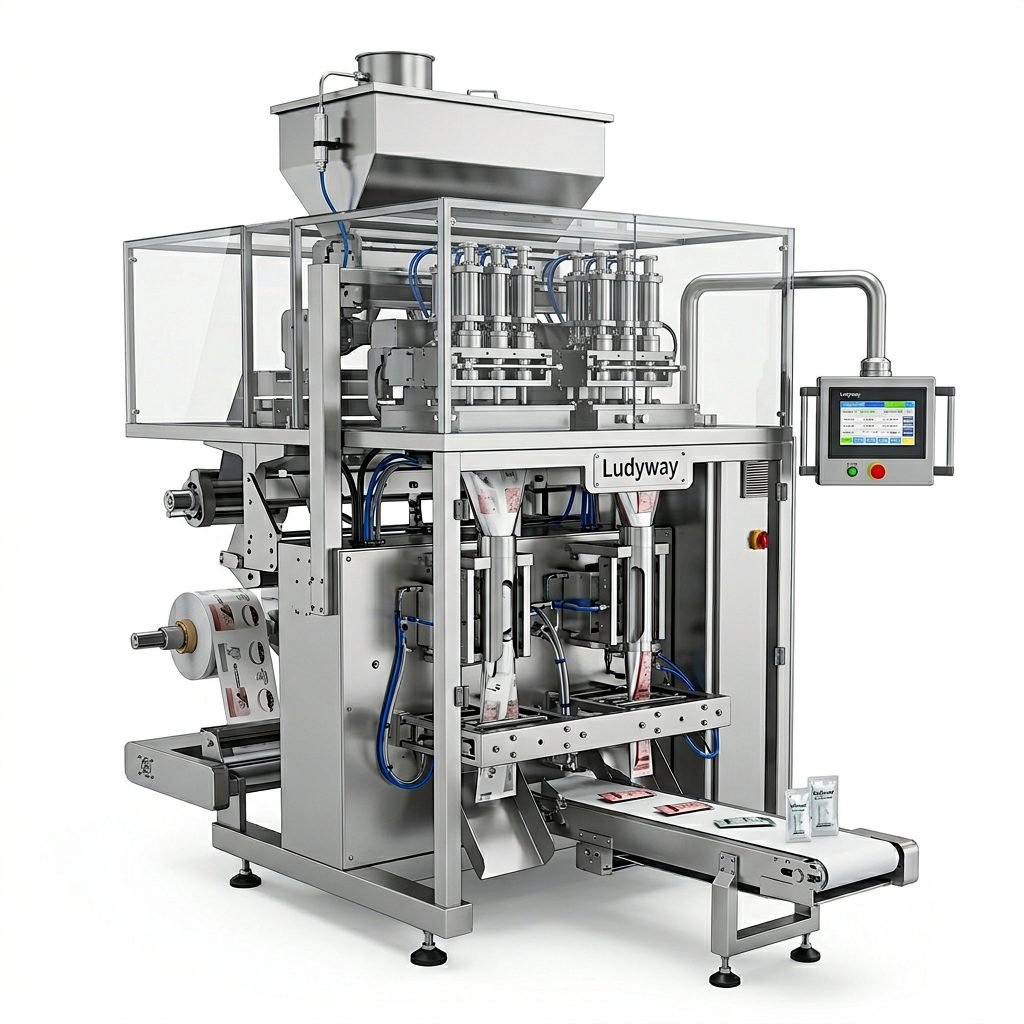
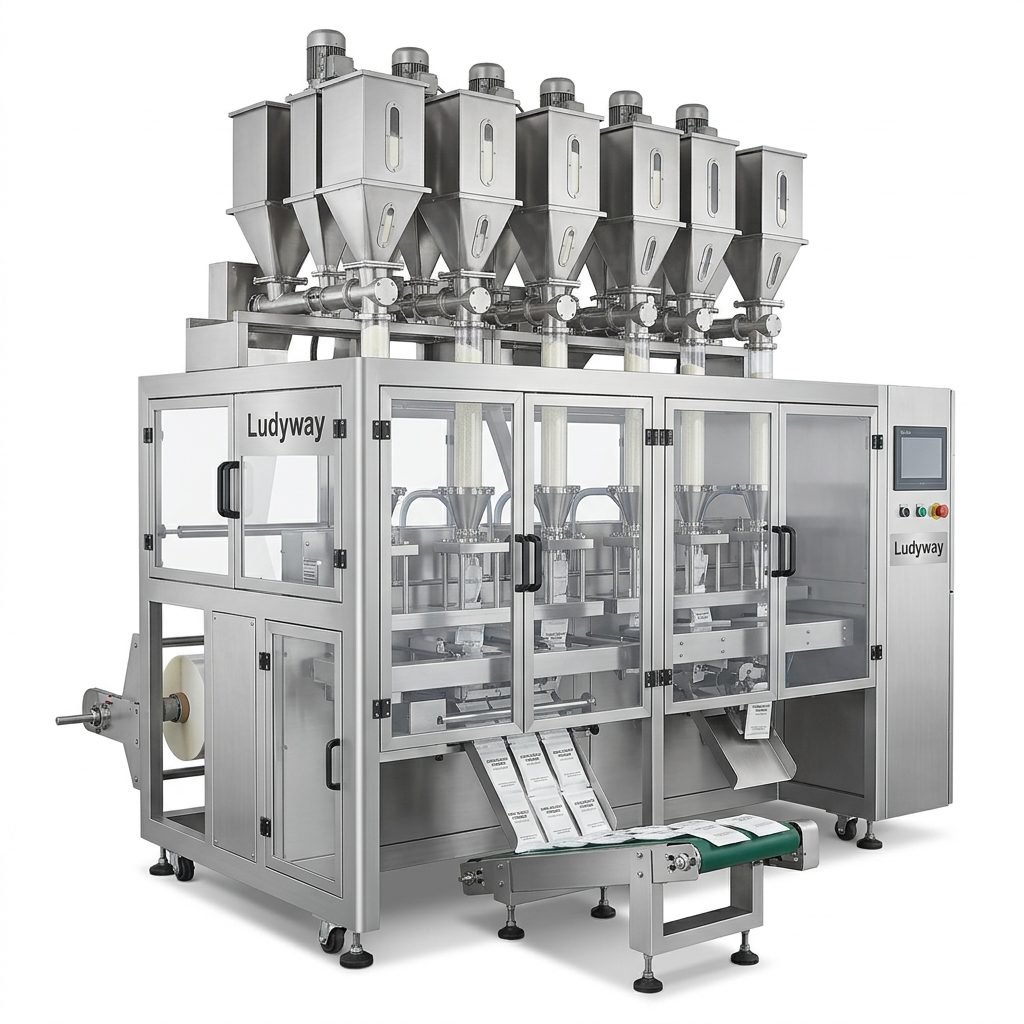
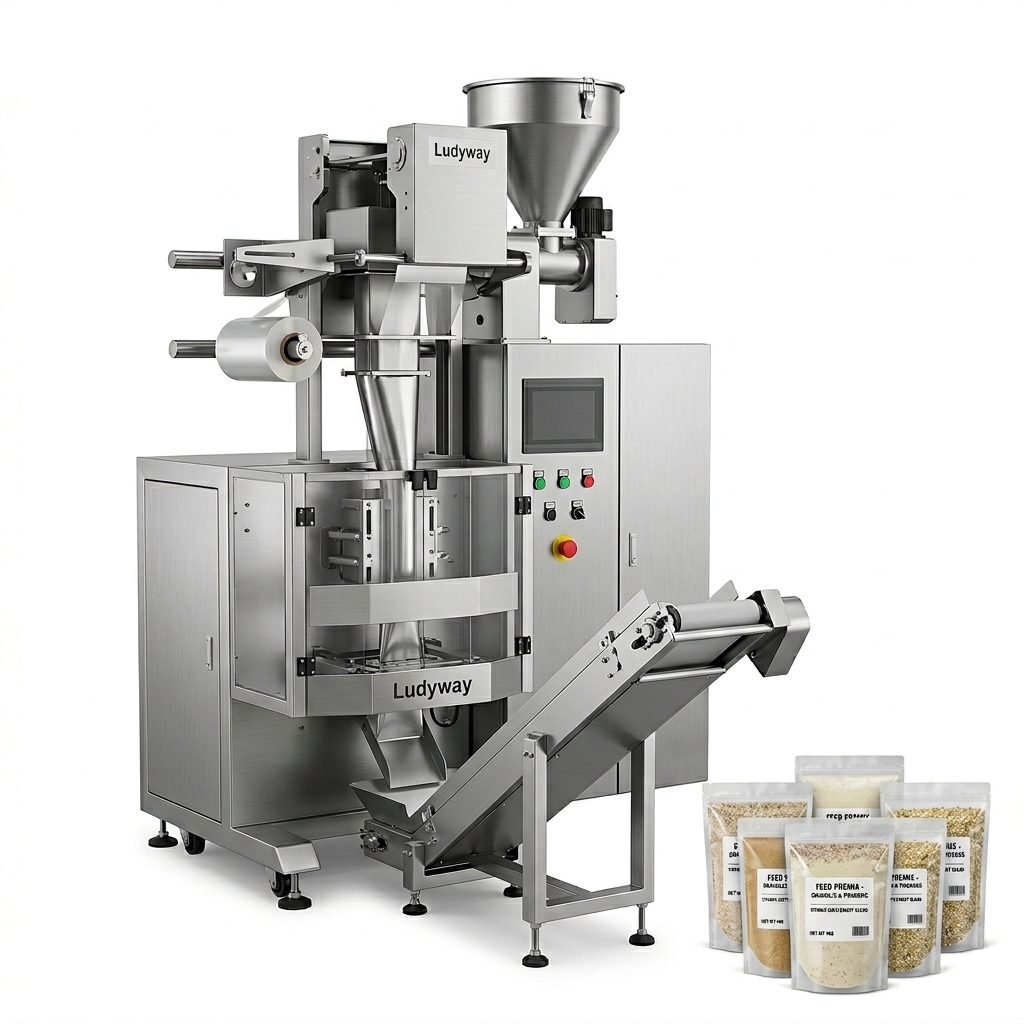
As manufacturers worldwide seek to enhance their packaging capabilities, experienced partners provide crucial guidance and reliable technology. Ludyway, with over three decades of specialization in packaging machinery, has emerged as a significant contributor to this industrial evolution. The company’s extensive portfolio includes more than 50 intelligent packaging machine models, ranging from multi-lane stick pack machines to fully automated sachet systems. Serving clients across 100+ countries from its modern 20,000㎡ manufacturing facility, Ludyway combines engineering expertise with practical industry experience to deliver solutions that balance speed, precision, and reliability. Businesses exploring packaging automation advancements can learn more about integrated solutions at www.ludyway.com.
Conclusion
The strategic integration of high-speed packaging machinery is no longer optional for manufacturers aiming to maintain market relevance. These systems directly address core challenges of modern production: escalating volume requirements, uncompromising quality standards, and relentless cost pressures. As technology continues to advance, the gap between operations utilizing basic packaging equipment and those employing sophisticated high-speed systems will widen significantly. Forward-thinking manufacturers are already leveraging this technology not merely to keep pace, but to establish decisive competitive advantages in their respective markets. The transformation of packaging from a necessary final step to a strategic value center represents one of the most significant operational evolutions in contemporary manufacturing.