How Biodegradable Materials Influence Global Packaging Machine Design and Drive Sustainable Innovation
The global packaging industry is undergoing a profound transformation, driven by the urgent need for environmental sustainability. At the heart of this shift is the rapid adoption of biodegradable materials—substances designed to break down naturally and reduce long-term waste. This evolution is not just changing the nature of packaging itself; it is fundamentally reshaping the design, engineering, and functionality of the machines that produce it. For manufacturers and suppliers worldwide, adapting to these new materials is both a technical challenge and a significant opportunity for innovation.
The Rise of Biodegradable Packaging Materials
Biodegradable materials, derived from sources like polylactic acid (PLA), starch blends, cellulose, and algae-based compounds, offer a compelling alternative to traditional plastics. Their market growth is explosive, propelled by:
- Stringent global regulations limiting single-use plastics.
- Growing consumer demand for eco-friendly products.
- Corporate sustainability commitments from major brands.
However, these materials possess distinct physical properties—different tensile strength, melt points, sealability, and friction coefficients—that standard packaging machinery was never built to handle.
Key Design Challenges for Packaging Machinery
Integrating biodegradable films and substrates into production lines requires rethinking core machine components. The primary design challenges include:
- Temperature and Sealing Control: Bioplastics often have a narrower thermal processing window. Machines need precision heating elements and advanced sensors to achieve consistent seals without burning or weakening the material.
- Material Handling and Feeding: These materials can be less rigid and more prone to stretching or tearing. Engineers must redesign film unwind systems, tension controls, and guiding mechanisms to ensure smooth, jam-free operation.
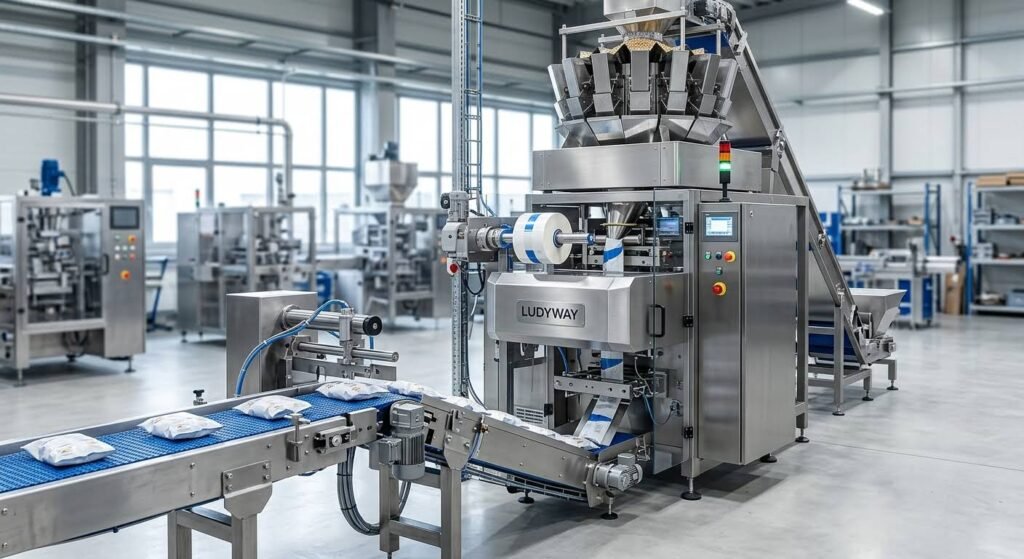
- Tooling and Forming Adaptations: Dies and forming shoulders may require different coatings or geometries to reduce friction and prevent material sticking during pouch or sachet formation.
- Speed and Efficiency Trade-offs: Initially, running biodegradable materials can mean slower line speeds. Innovation focuses on closing this productivity gap through smarter machine logic and motion control.
Driving Sustainable Innovation in Machine Engineering
Forward-thinking packaging machine manufacturers are turning these challenges into drivers of innovation. The response is multi-faceted:
| Innovation Area | Technical Response | Sustainable Benefit |
|---|---|---|
| Adaptive Control Systems | Integration of AI and IoT sensors to auto-adjust temperature, tension, and speed in real-time based on material feedback. | Minimizes material waste from trial runs and mis-seals. |
| Modular Design | Machines built with swappable modules (e.g., sealing jaws, film pullers) that can be reconfigured for different material types. | Extends machine lifecycle, reduces need for entirely new equipment. |
| Energy Efficiency | Use of servo-drives, regenerative power systems, and optimized thermal management to lower overall energy consumption. | Reduces the carbon footprint of the packaging process itself. |
| Hybrid Capability | Designing machines that can seamlessly switch between conventional and biodegradable materials with minimal downtime. | Provides manufacturers with flexibility and future-proofing. |
The Role of Industry Leaders and Global Supply Chains
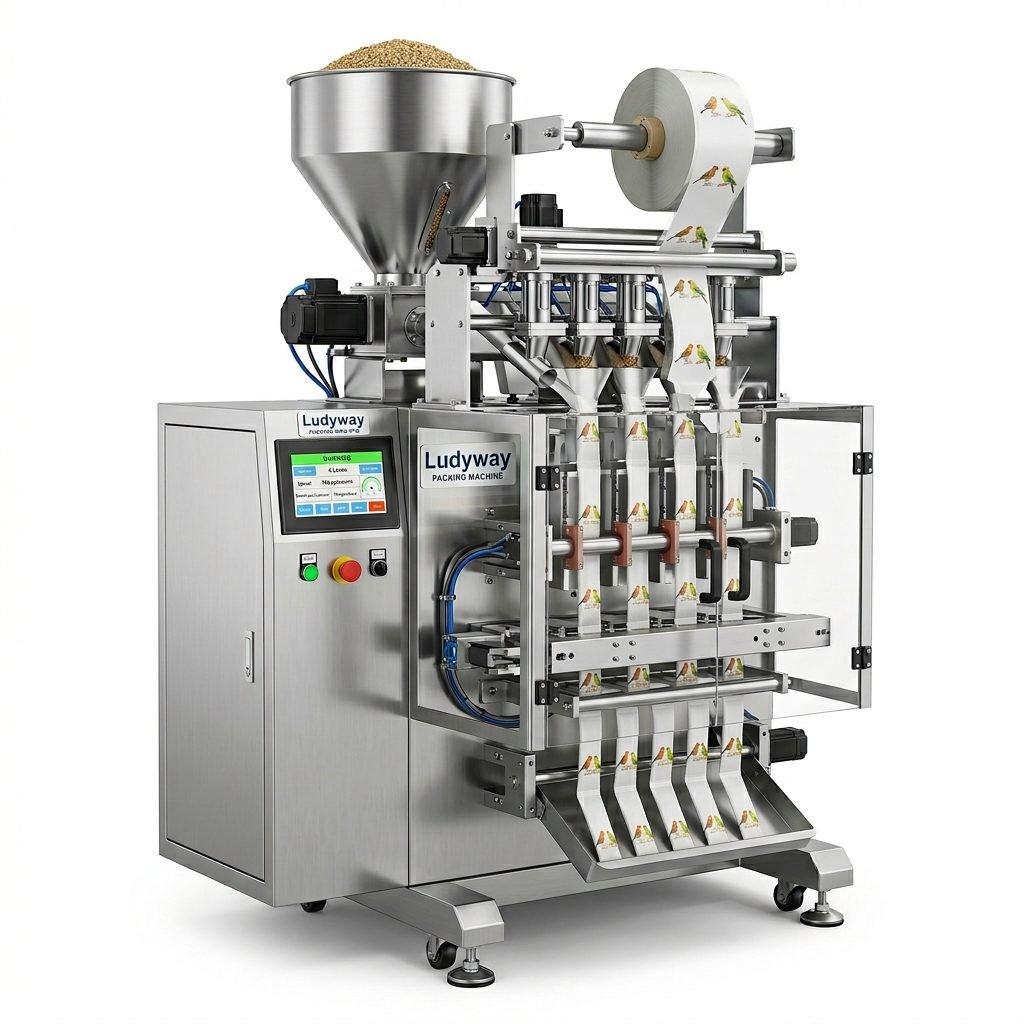
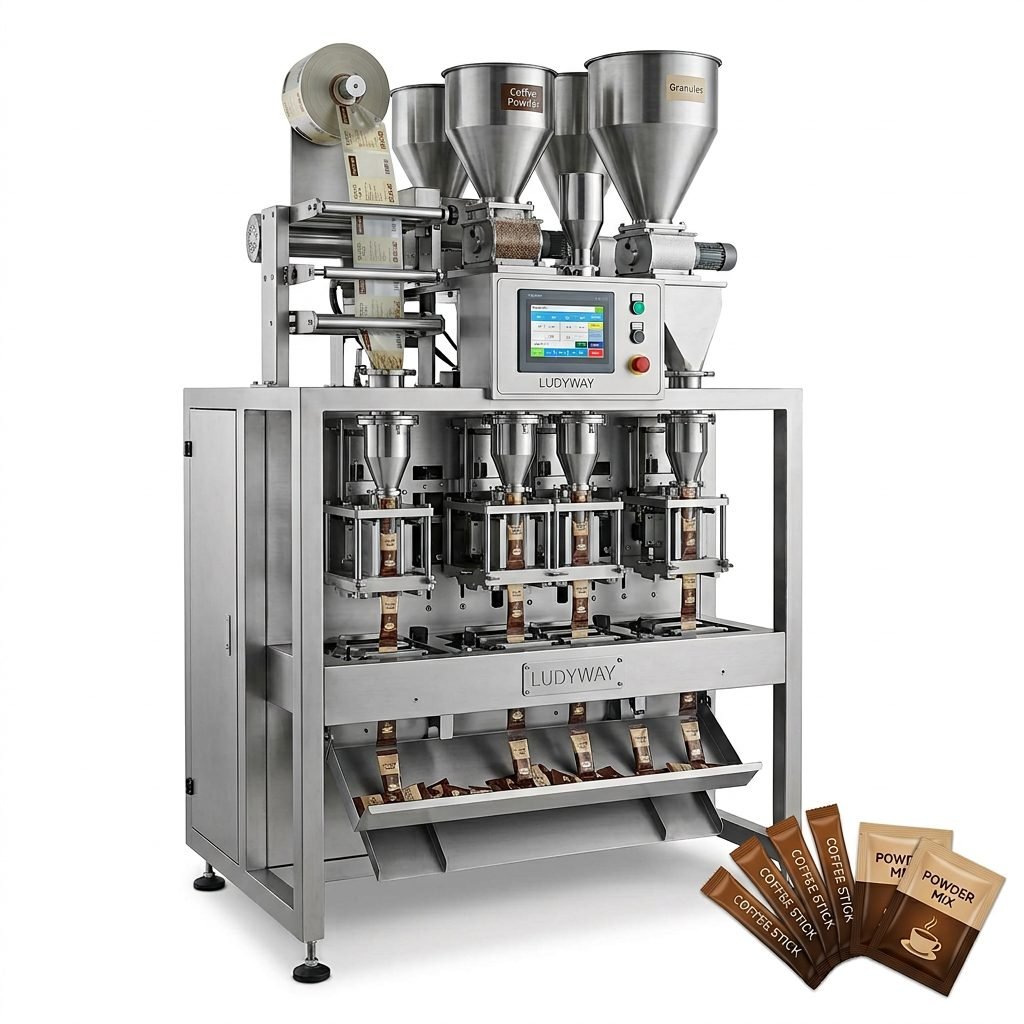
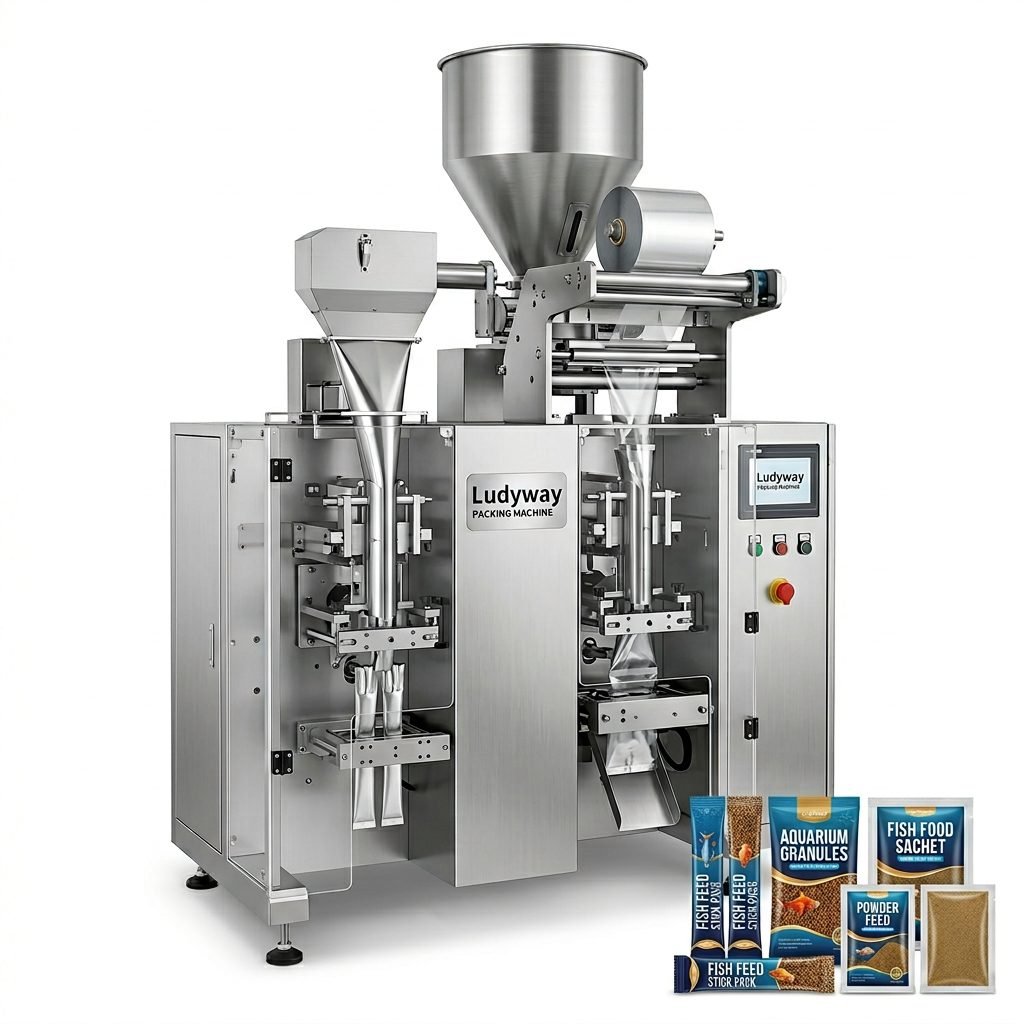
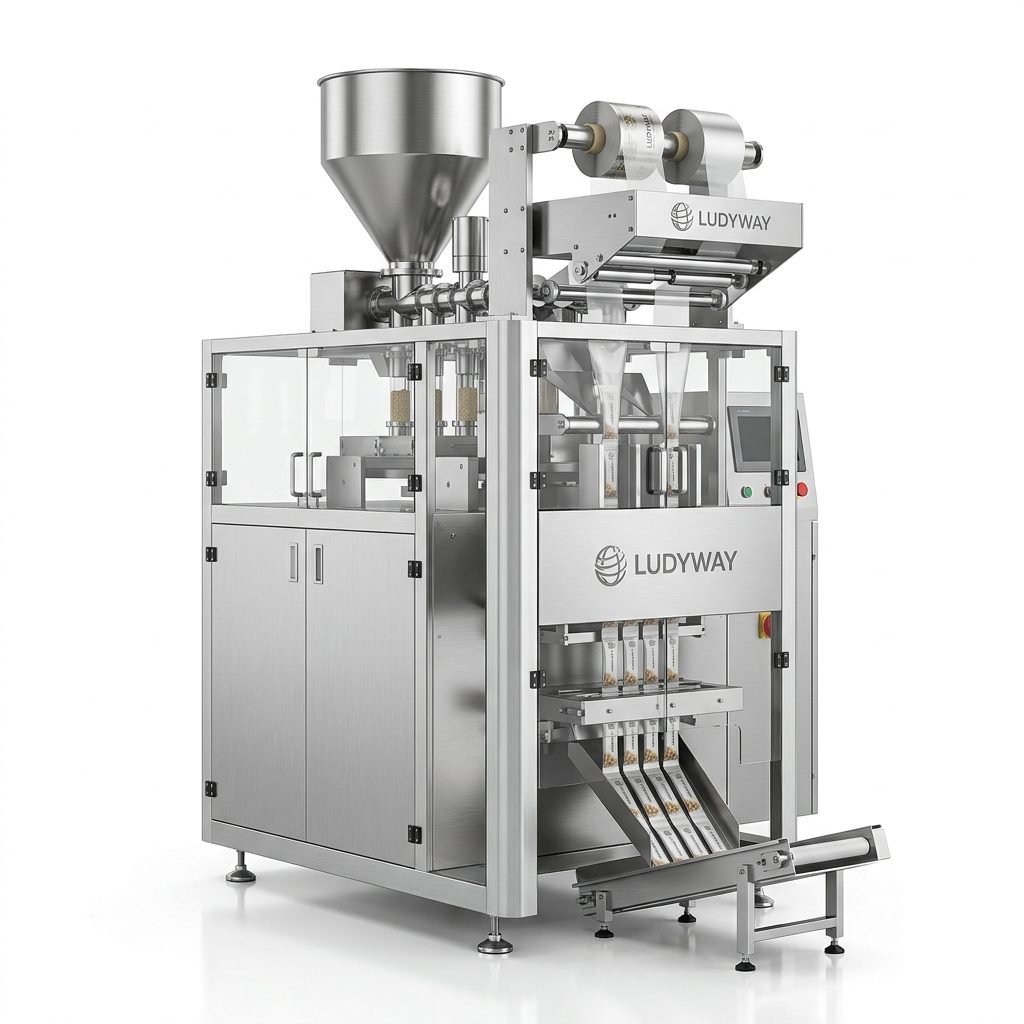
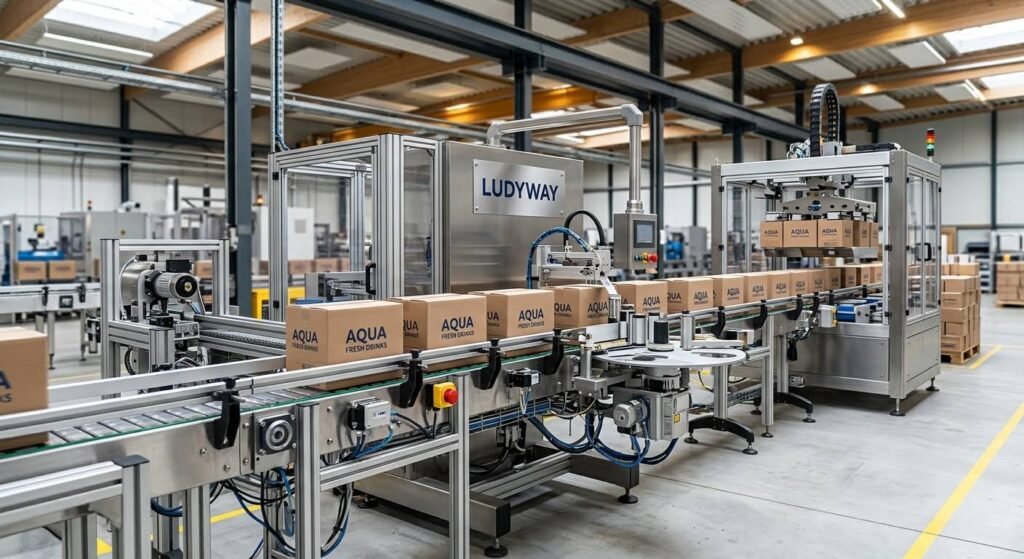
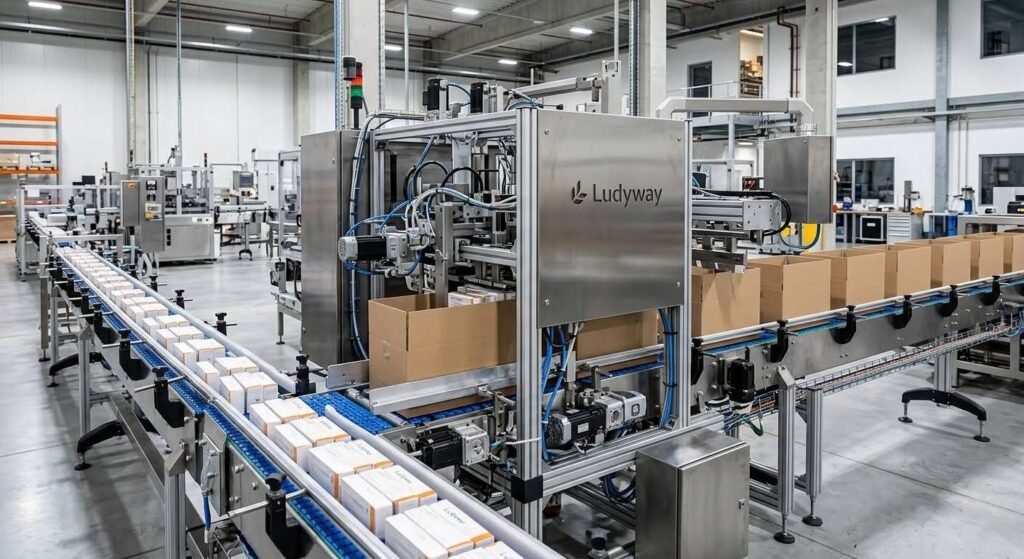
This transition is a collaborative effort. Material scientists work closely with machine designers to test new composites. Brands pilot new packaging formats, providing critical data. Machine manufacturers, especially those with deep global experience, play a pivotal role as solution integrators. Companies like Ludyway, with decades of expertise in designing for diverse global markets, are at the forefront. By leveraging their experience with everything from food-grade powders to pharmaceutical liquids, they are engineering the next generation of versatile, intelligent packaging systems that can handle the complexities of sustainable materials without compromising on speed or reliability.
Looking Ahead: The Future of Packaging Machinery
The influence of biodegradable materials is cementing a new paradigm where machine design is intrinsically linked to circular economy principles. Future trends point toward:
- Closed-loop systems where machines are part of a larger recycling or composting workflow.
- Greater use of digital twins for virtual material testing and machine optimization before physical production.
- Machines designed from the ground up for bio-based material efficiency, minimizing trim waste and optimizing material yield.
Conclusion
The shift to biodegradable packaging is far more than a material substitution; it is a powerful catalyst for technological advancement across the entire packaging machinery sector. It demands smarter, more adaptable, and more efficient equipment. This drive for sustainability is ultimately fueling a wave of innovation that benefits not only the environment but also manufacturers seeking greater operational flexibility, reduced waste, and alignment with the values of the modern consumer. The machines being built today are the foundation for a more sustainable industrial future.