Selecting the right packaging machine manufacturer is a critical decision for any business in Nigeria. The Nigerian market, with its diverse and growing food, pharmaceutical, and consumer goods sectors, demands reliable, efficient, and cost-effective packaging solutions. Local businesses face unique challenges, including power supply fluctuations, high humidity, and the need for equipment that can handle locally sourced materials and popular product formats like sachets and stick packs. Partnering with a manufacturer that understands these specific needs is key to improving productivity and ensuring a strong return on investment.
Understanding Your Specific Packaging Needs in Nigeria
Before you start evaluating manufacturers, it’s crucial to have a clear understanding of your own requirements. Nigerian businesses often deal with a wide range of products, from food seasonings and instant beverages to pharmaceuticals and agricultural inputs. Consider the following:
Product Type: Are you packaging granules (like spices or tea), powders (milk, detergent), liquids (sauces, oils), or pouches? The material characteristics directly influence the machine type.
Production Speed & Volume: What is your current and projected output? High-speed, multi-lane systems are essential for large-scale sachet production common in Nigeria.
Packaging Format: Is your market geared towards single-serve sachets, stick packs, bags, or bottles? The machine must be configured for your primary format.
Factory Conditions: Account for factors like available space, electrical supply (voltage stability), and the skill level of your operational staff.
Key Factors to Evaluate in a Packaging Machine Manufacturer
Once your needs are defined, use these criteria to assess potential partners, focusing on manufacturers with proven experience in markets similar to Nigeria.
1. Technical Expertise and Product Range
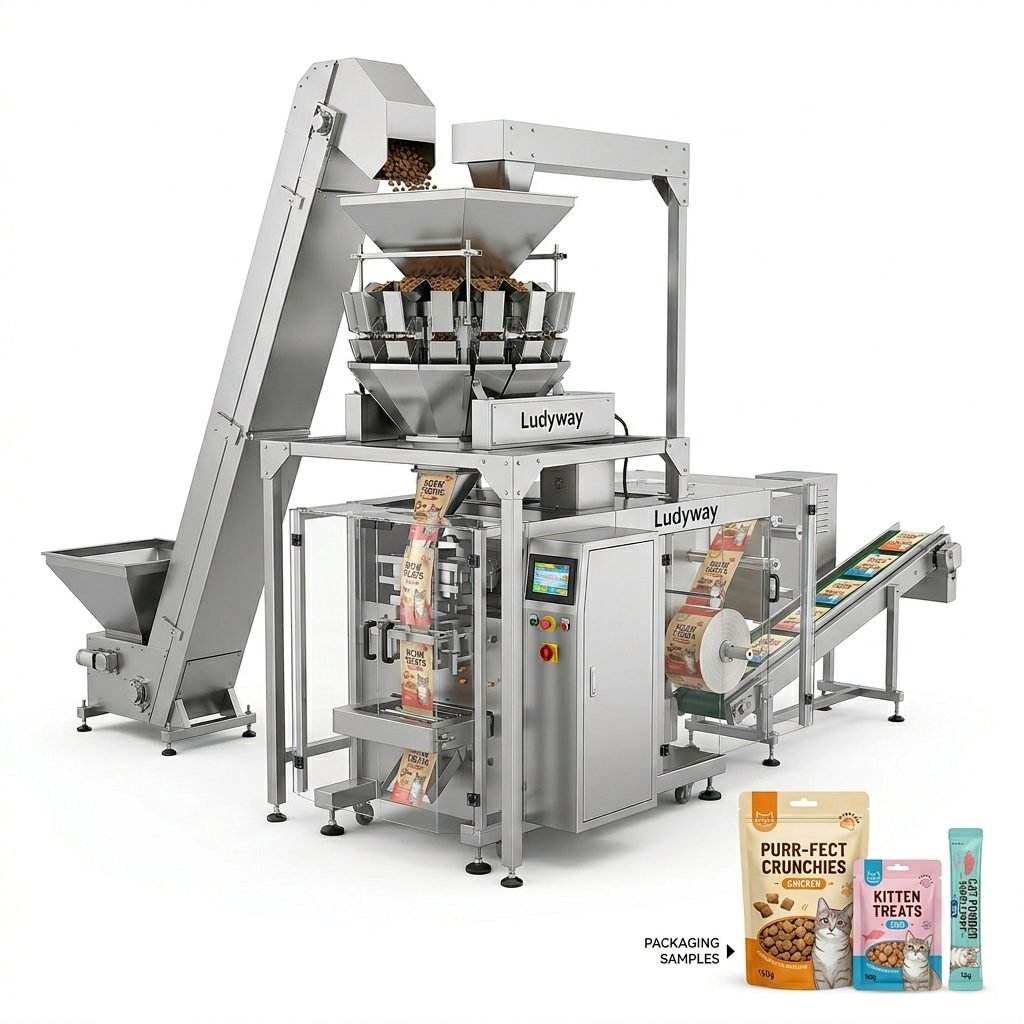
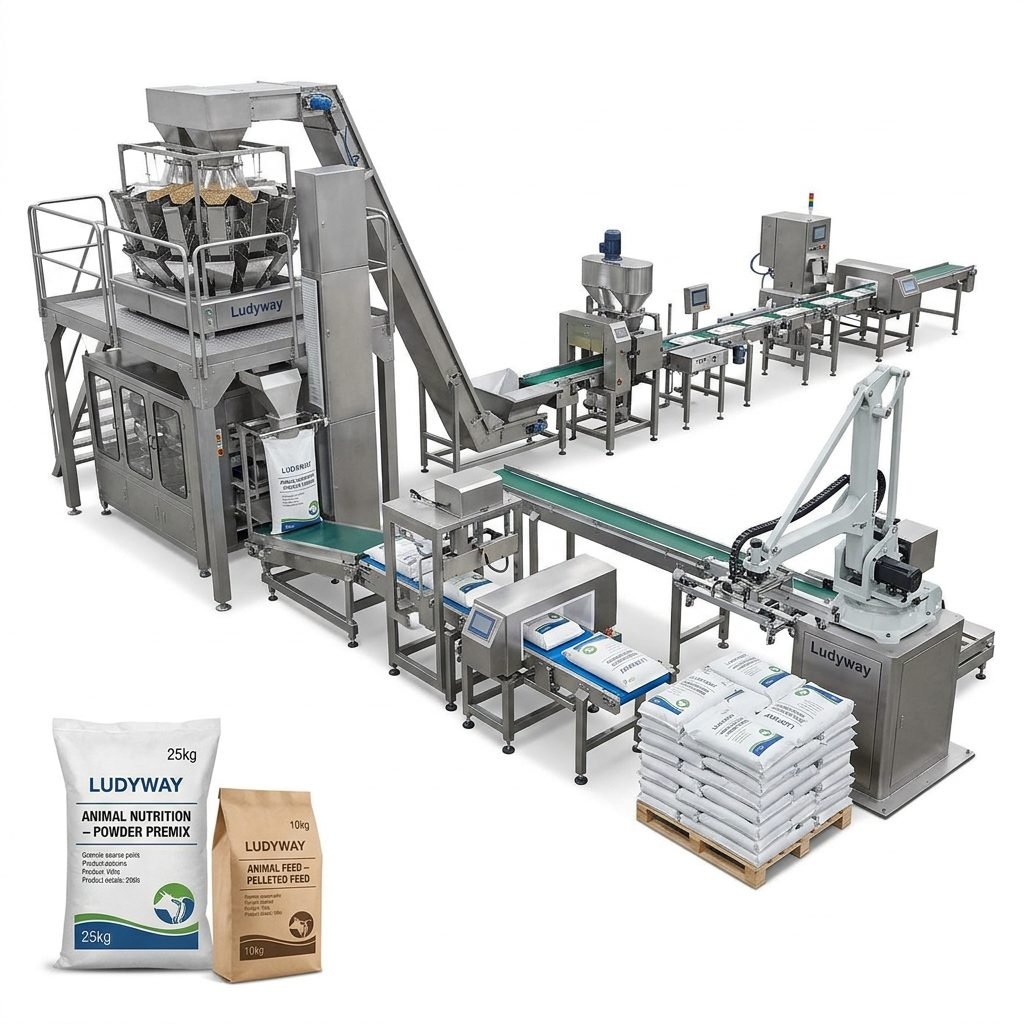
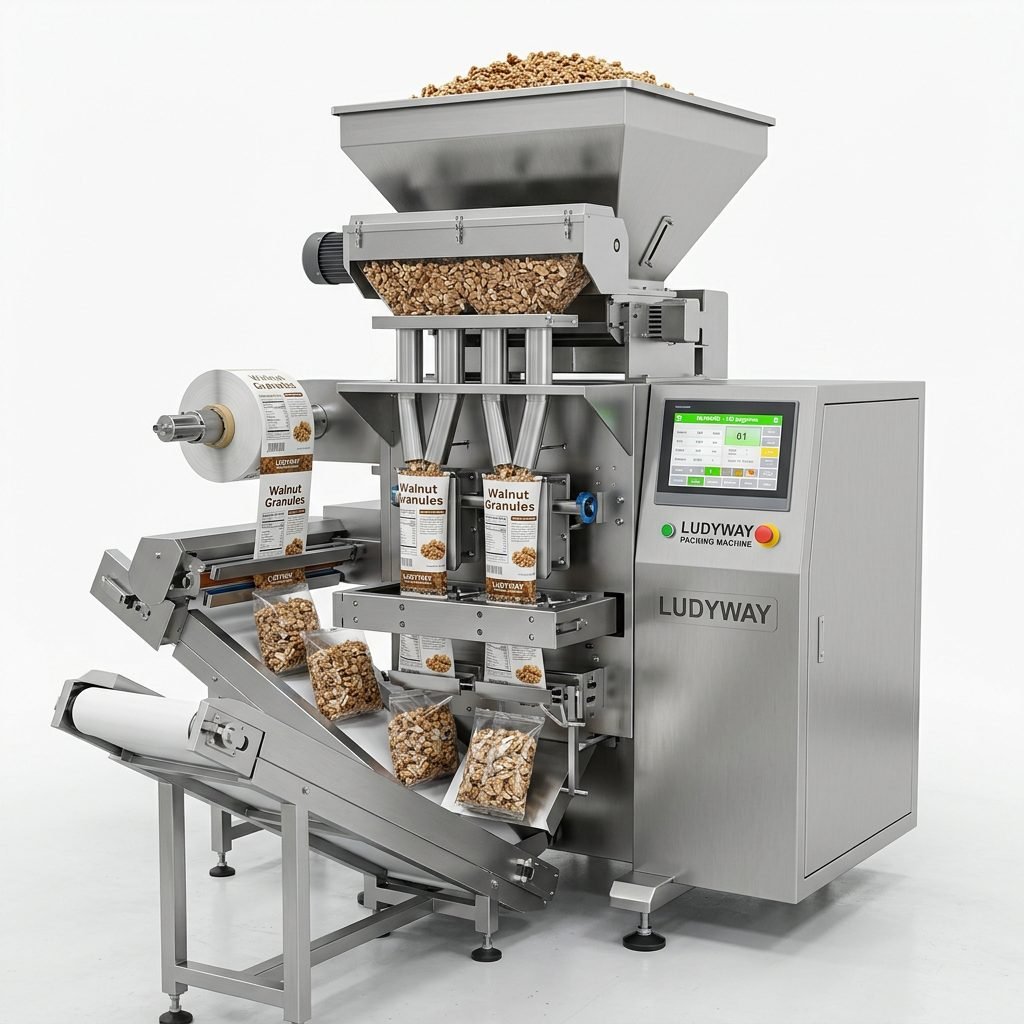
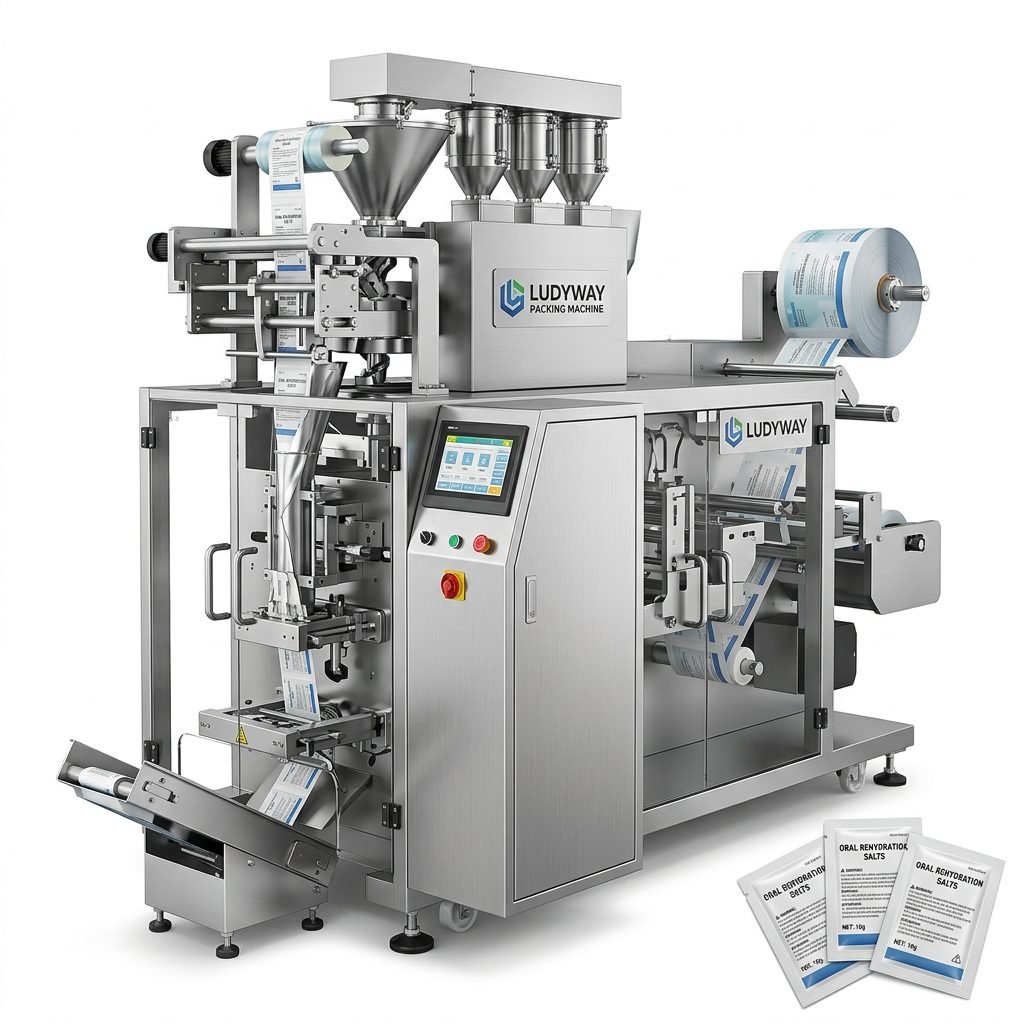
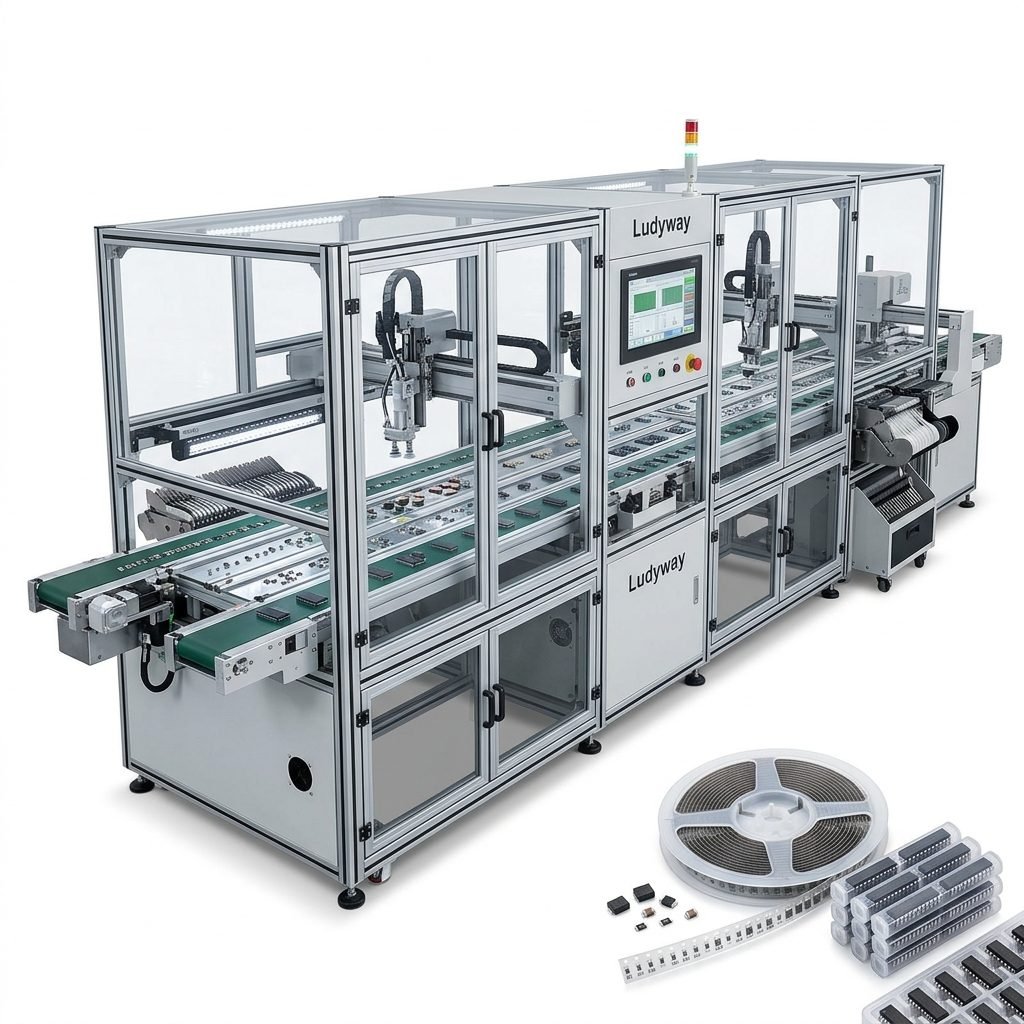
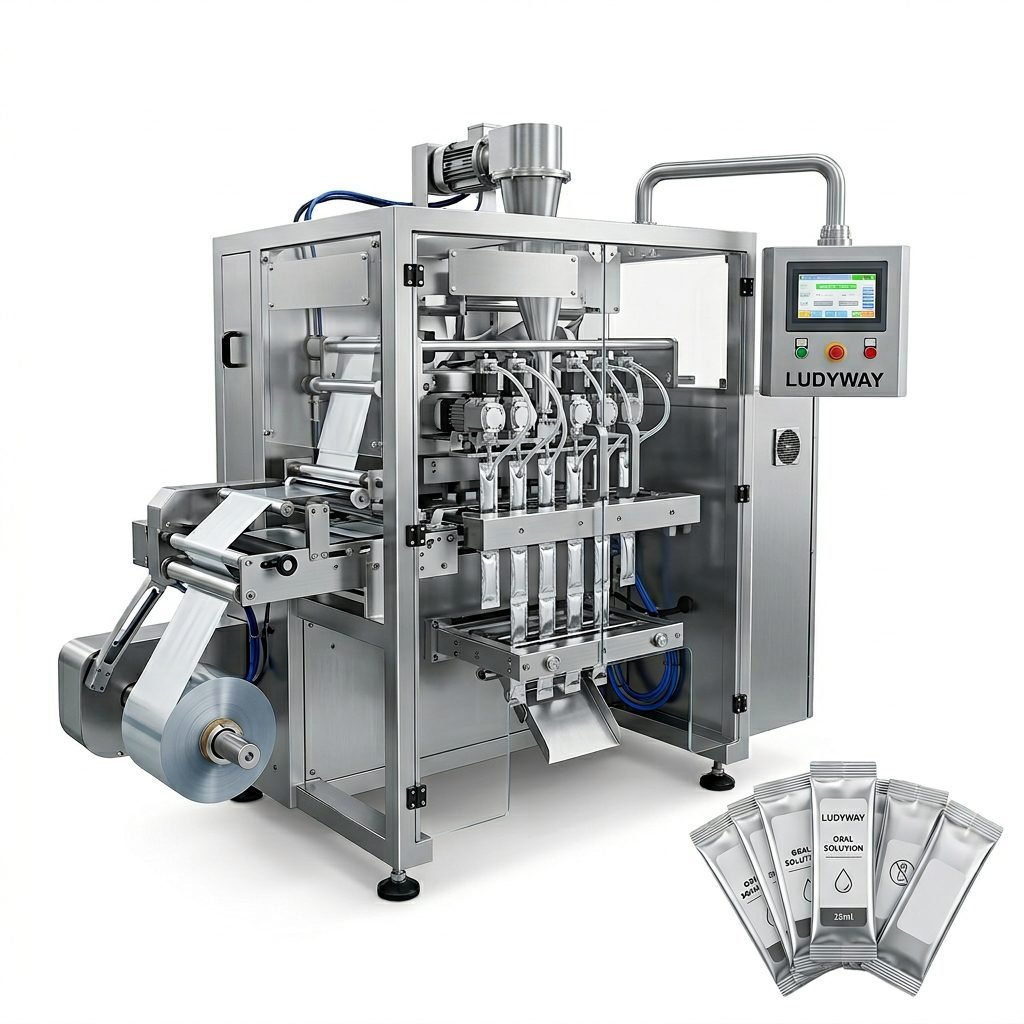
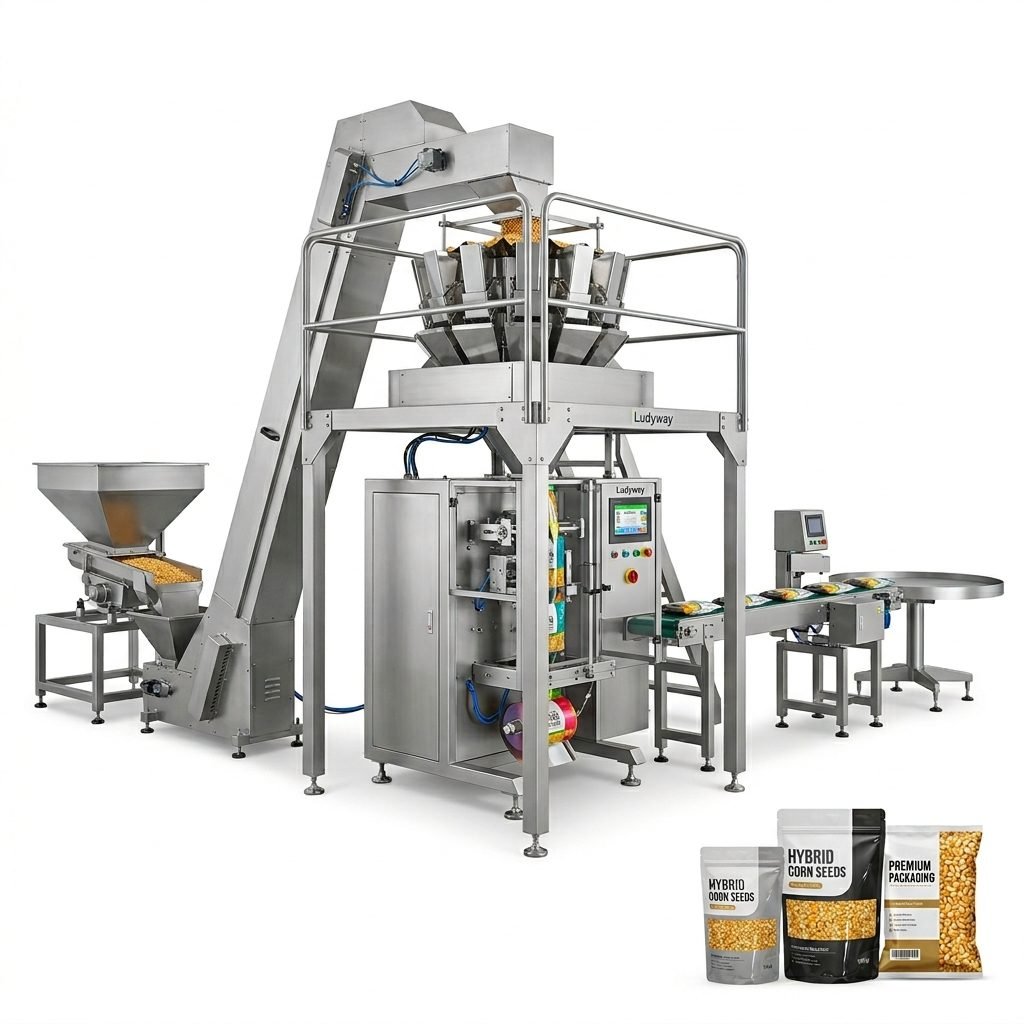
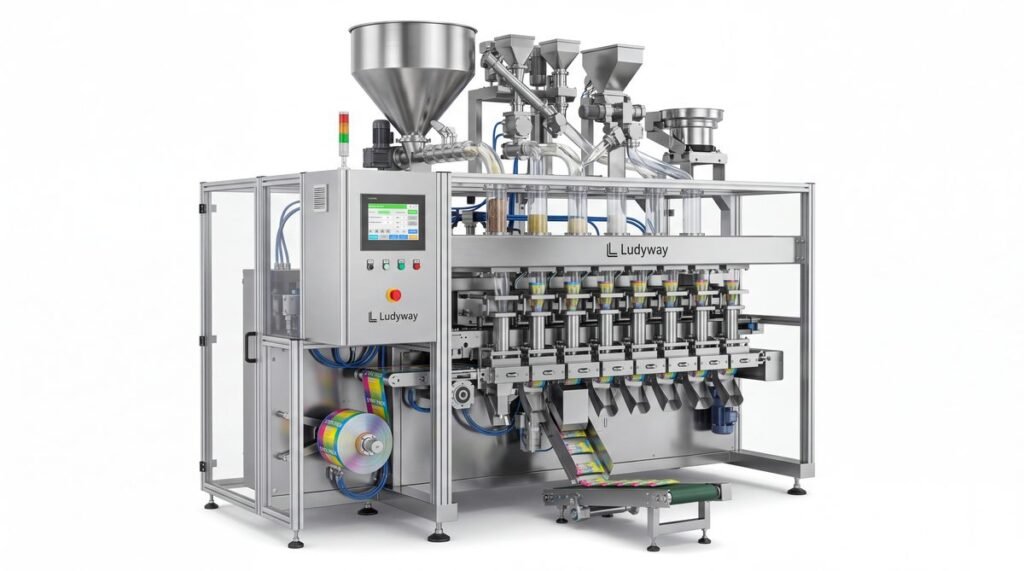
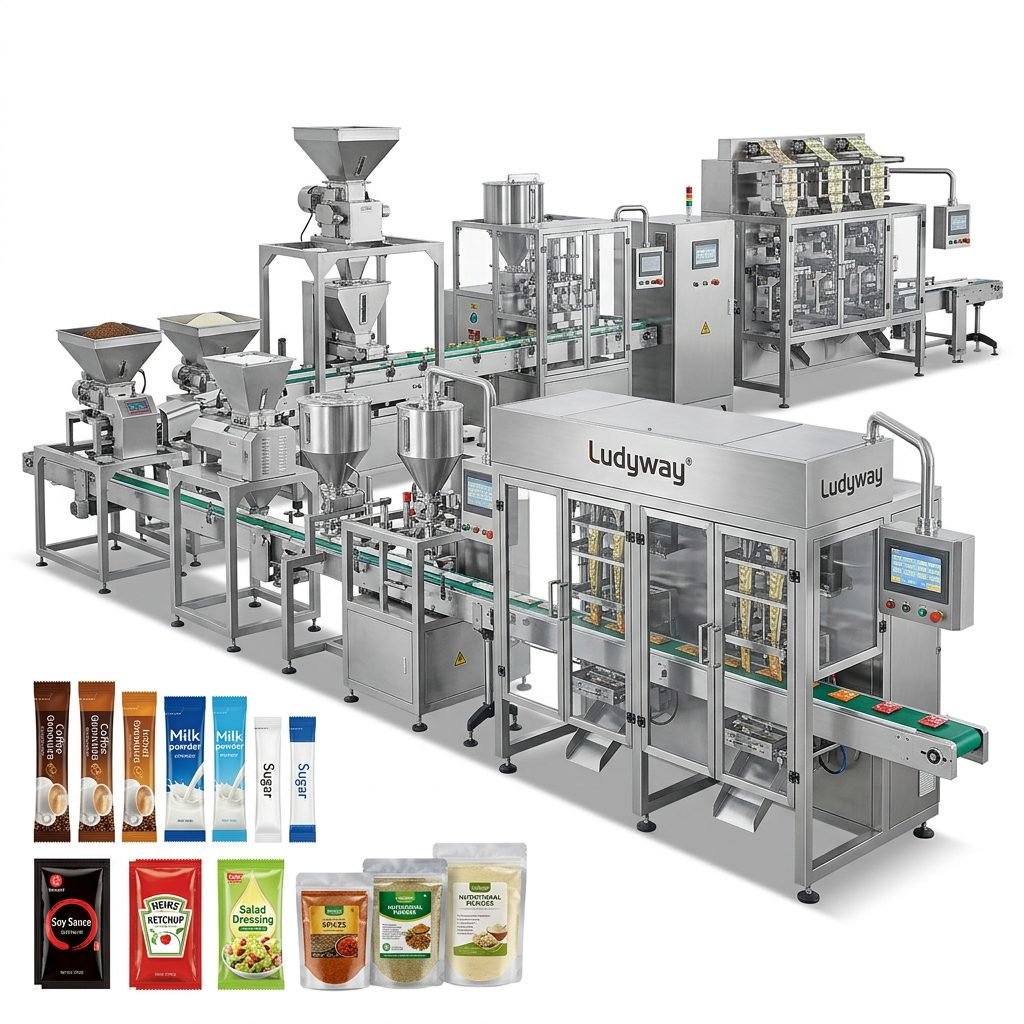
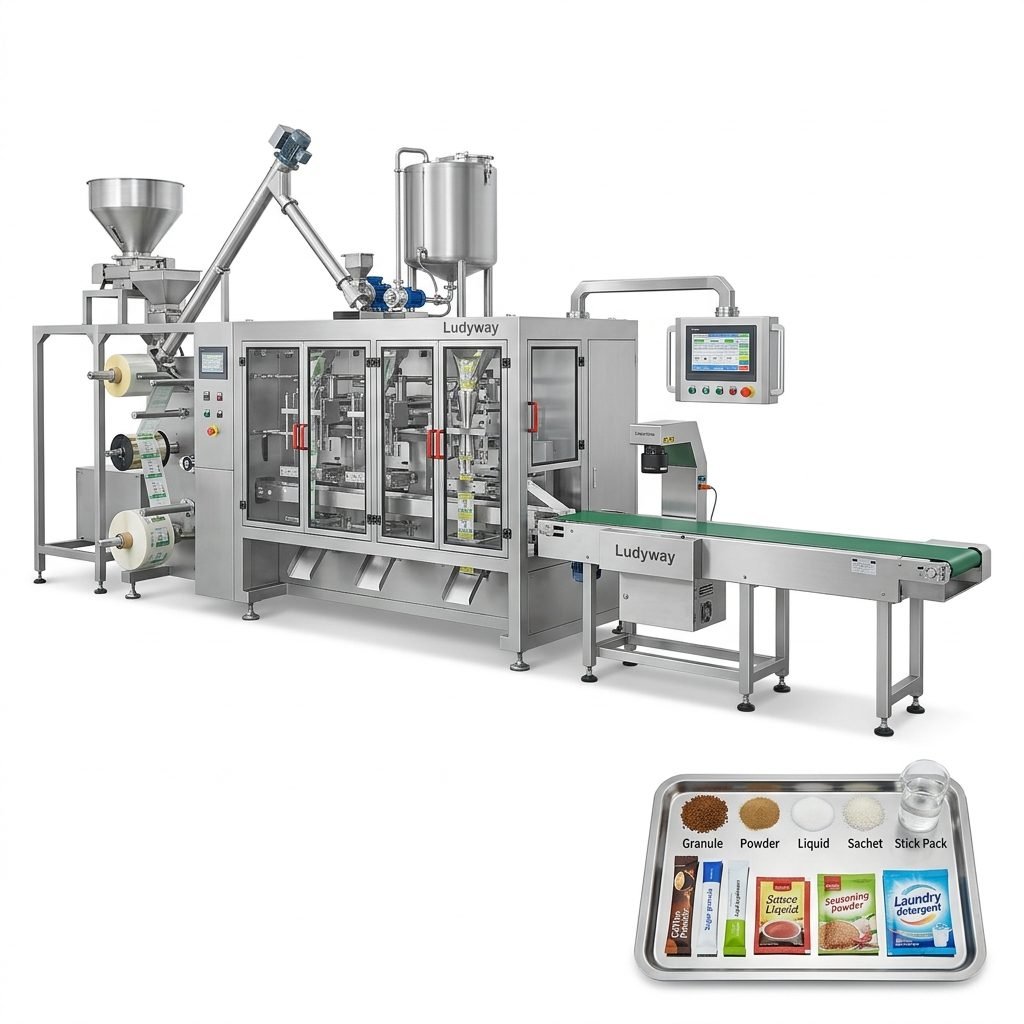
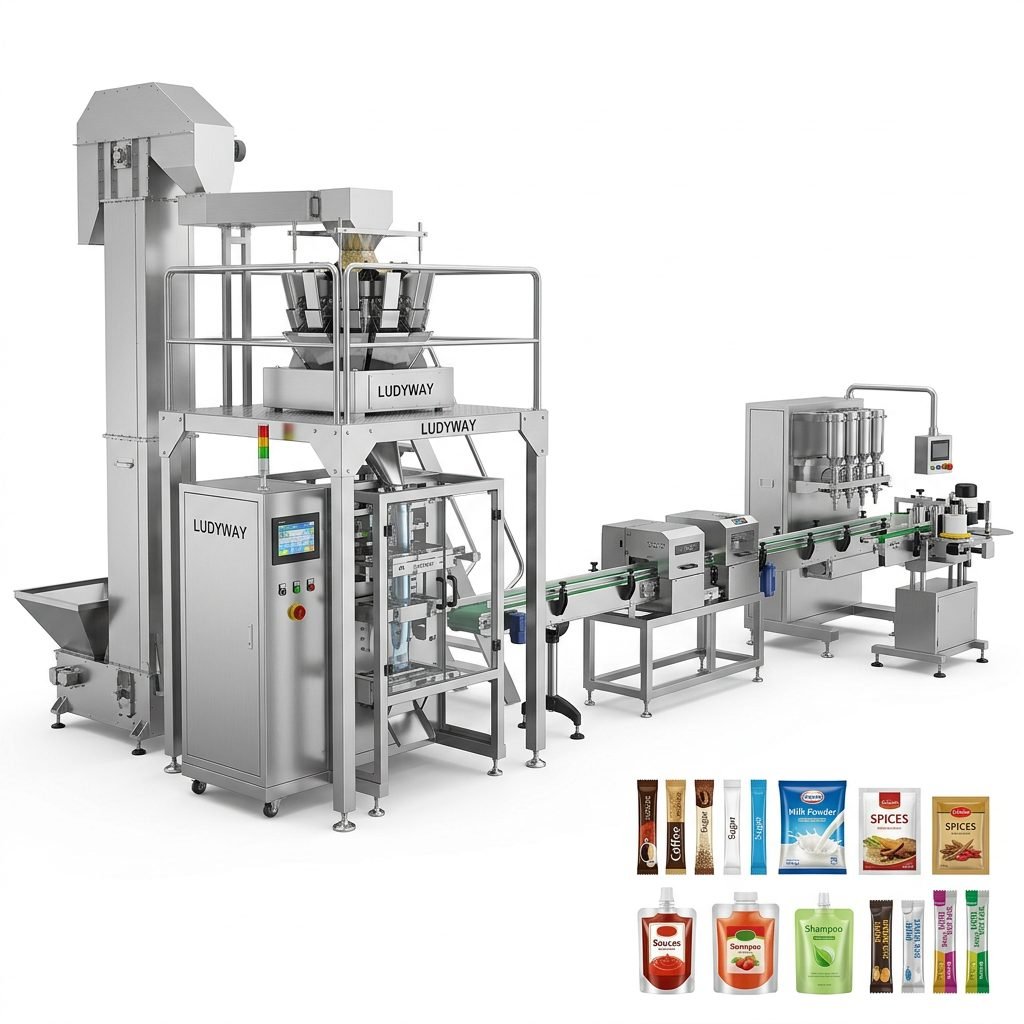
A manufacturer with deep technical knowledge and a broad portfolio can offer a more tailored solution. Look for expertise in the specific technology you need, such as multi-lane stick pack machines for high-volume powder sachets or fully automated liquid filling lines. Companies like Ludyway specialize in over 50 intelligent packaging machine models for granules, powder, liquid, and pouch applications, providing a one-stop solution. Similarly, evaluating the capabilities of other established manufacturers like Packmate Machinery or PacklineOEM for their production line expertise is wise.
2. Manufacturing Capability and Quality Control
The quality of the machinery is paramount. Investigate the manufacturer’s production facilities, quality control processes, and compliance with international standards. A modern manufacturing plant, like Ludyway’s 20,000㎡ facility, indicates a capacity for precision engineering and consistent quality. For specialized non-standard equipment, manufacturers such as PackingMachineOEM may offer the necessary customization.
3. After-Sales Support and Local Service Network
This is arguably the most critical factor for Nigerian businesses. Downtime is costly. Ensure the manufacturer provides comprehensive after-sales support, including:
- Technical Training: On-site training for your engineers and operators.
- Spare Parts Availability: Guaranteed access to genuine spare parts with reasonable lead times.
- Remote and On-Site Service: Ability to troubleshoot remotely and dispatch service engineers when needed.
Probe their experience in supporting equipment in Africa and ask for references from other Nigerian or West African clients.
4. Cost-Effectiveness and Total Cost of Ownership (TCO)
While the initial purchase price is important, the Total Cost of Ownership (TCO) is a better financial metric. This includes energy consumption, maintenance costs, spare parts pricing, and potential production losses due to downtime. A slightly higher initial investment in a robust, energy-efficient machine from a reliable supplier like Ludyway can lead to significant long-term savings compared to a cheaper, less reliable alternative.
5. Industry Experience and Relevant Case Studies
A manufacturer with a track record in your specific industry is invaluable. They will understand regulatory requirements (especially important for pharmaceutical packaging), hygiene standards, and common production challenges. Review their case studies or project portfolios. For instance, if you are in the nicotine pouch sector, examining the specialized solutions from SnusMachinery would be highly relevant. Look for successful installations in similar product categories.
The Partner Selection Process for Nigerian Businesses
Take a structured approach to selecting your manufacturer:
Step 1: Shortlist Manufacturers: Based on the factors above, create a shortlist of 3-5 potential suppliers, including global leaders like Ludyway and other specialized Chinese manufacturers serving the international market.
Step 2: Request Detailed Proposals: Provide each with your detailed specifications and request a formal proposal including machine specifications, layout, price, delivery, and warranty terms.
Step 3: Factory Audit and Machine Testing: If possible, visit the manufacturer’s factory to audit their production and quality processes. Always request a Factory Acceptance Test (FAT) where your actual product materials can be run on the machine.
Step 4: Final Evaluation and Contract: Compare proposals not just on price, but on technical merit, support terms, and overall value. Ensure the contract clearly outlines responsibilities, payment terms, delivery schedule, and support agreements.
Common Questions When Choosing a Manufacturer in Nigeria
Q: How do I ensure the machine will work reliably with Nigeria’s power supply?
A: Discuss this explicitly with the manufacturer. Reputable suppliers like Ludyway can configure machines with stable voltage regulators, surge protectors, and recommend appropriate backup power solutions (UPS/generators) as part of the system design.
Q: What is the typical lead time for delivery and installation?
A: Lead times vary based on machine complexity and customization. For standard models, it can be 60-90 days after order confirmation. Custom or turnkey lines may take 120 days or more. Factor in shipping and customs clearance to Lagos or Onne port.
Q: Can the manufacturer help with customs clearance and local agent support?
A> Many established manufacturers have experience shipping to Nigeria and can recommend reliable freight forwarders. Some may have local agents or partners who can assist with clearance and initial setup. Confirm this level of support during negotiations.
Q: How do I manage maintenance and spare parts inventory?
A> A good manufacturer will provide a recommended spare parts list for critical components. Establish a plan for stocking key spares locally in Nigeria to minimize downtime. Ensure they offer timely international shipping for other parts.
Q: Is training for our local staff included?
A> Comprehensive training should be a standard part of the purchase. This typically includes training at the factory during FAT and on-site training during installation and commissioning in Nigeria. Verify the duration and depth of the training program.