For manufacturers and business owners in Iran’s dynamic industrial sector, selecting the right packaging machine manufacturer is a critical decision that directly impacts production efficiency, product quality, and long-term profitability. The Iranian market, with its diverse industries from food and pharmaceuticals to chemicals and pet food, demands robust, reliable, and adaptable packaging solutions. This guide will walk you through the essential factors to consider when choosing a packaging machine manufacturer that aligns with your specific production needs in Iran.
Understanding Your Production Requirements in the Iranian Context
Before beginning your search, a thorough analysis of your own needs is paramount. Iranian producers often face unique challenges, including supply chain complexities, specific market regulations, and the need for machines that can handle local product characteristics.
Key questions to ask: What is your primary product form—granules, powder, liquid, or a combination? What are your required output speed and daily production volume? What packaging materials (films, laminates) are commonly available and cost-effective in Iran? Are there specific regulatory standards for your industry, especially in food and pharma, that the machine must comply with?
1. Technical Expertise and Machine Range
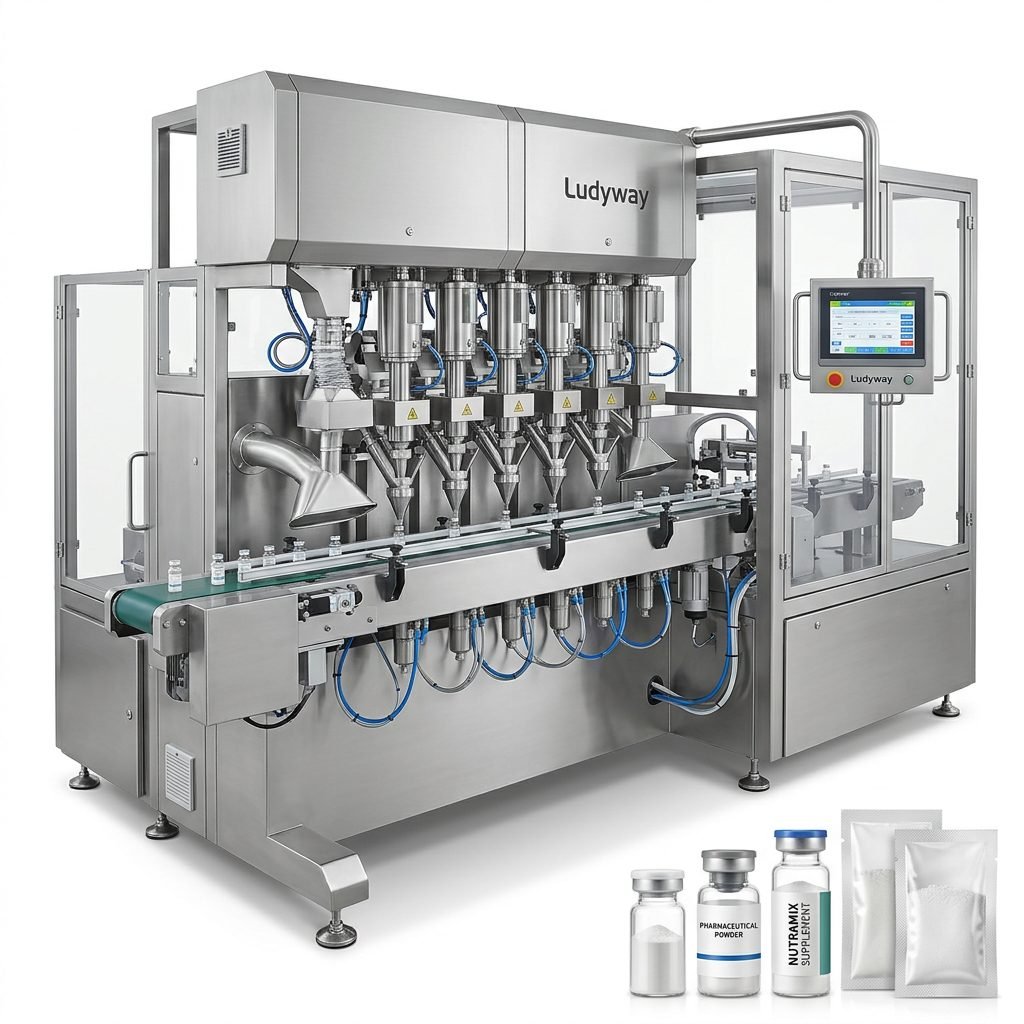
The manufacturer’s technical prowess should be your foremost consideration. Look for a company with a proven portfolio in machines that handle your specific product type. For instance, Iranian producers of spices, tea, nuts, or pharmaceutical powders need highly accurate multi-head weighers and robust form-fill-seal (FFS) technology.
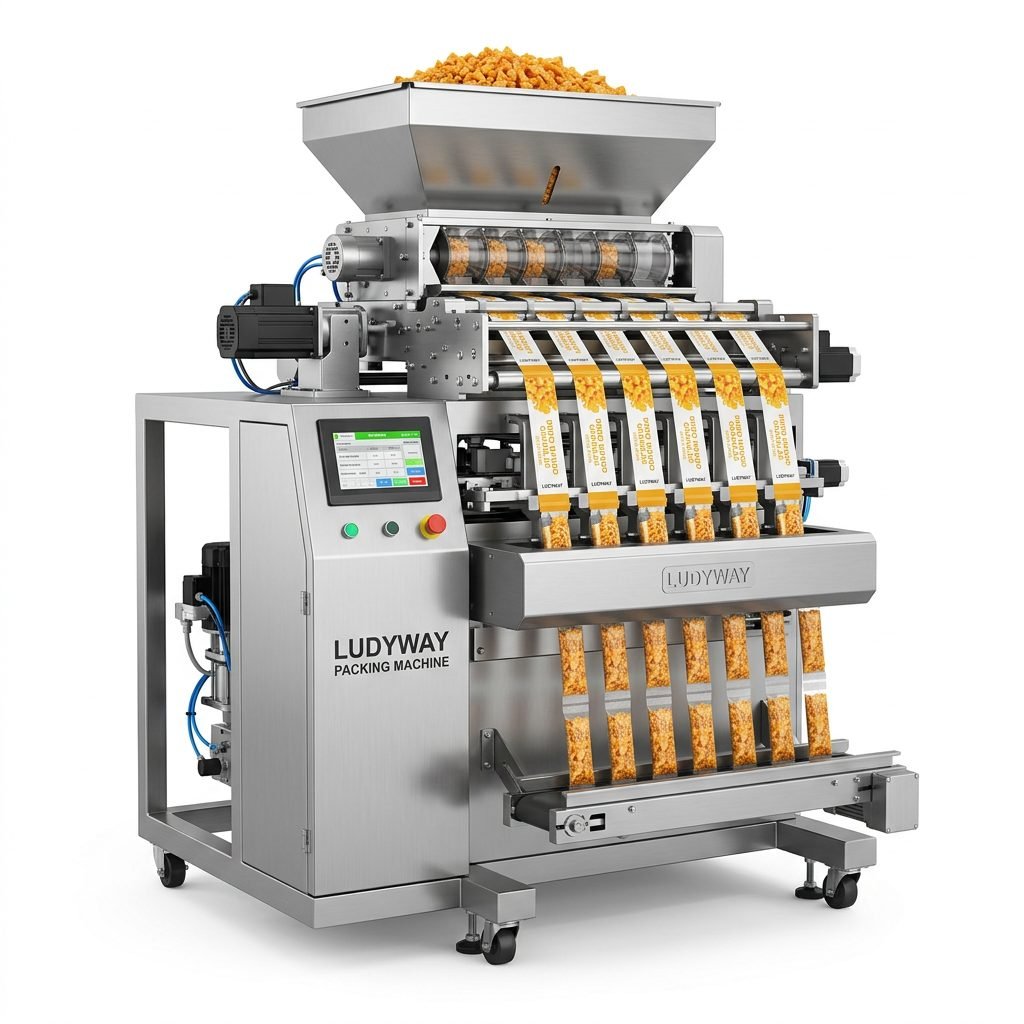
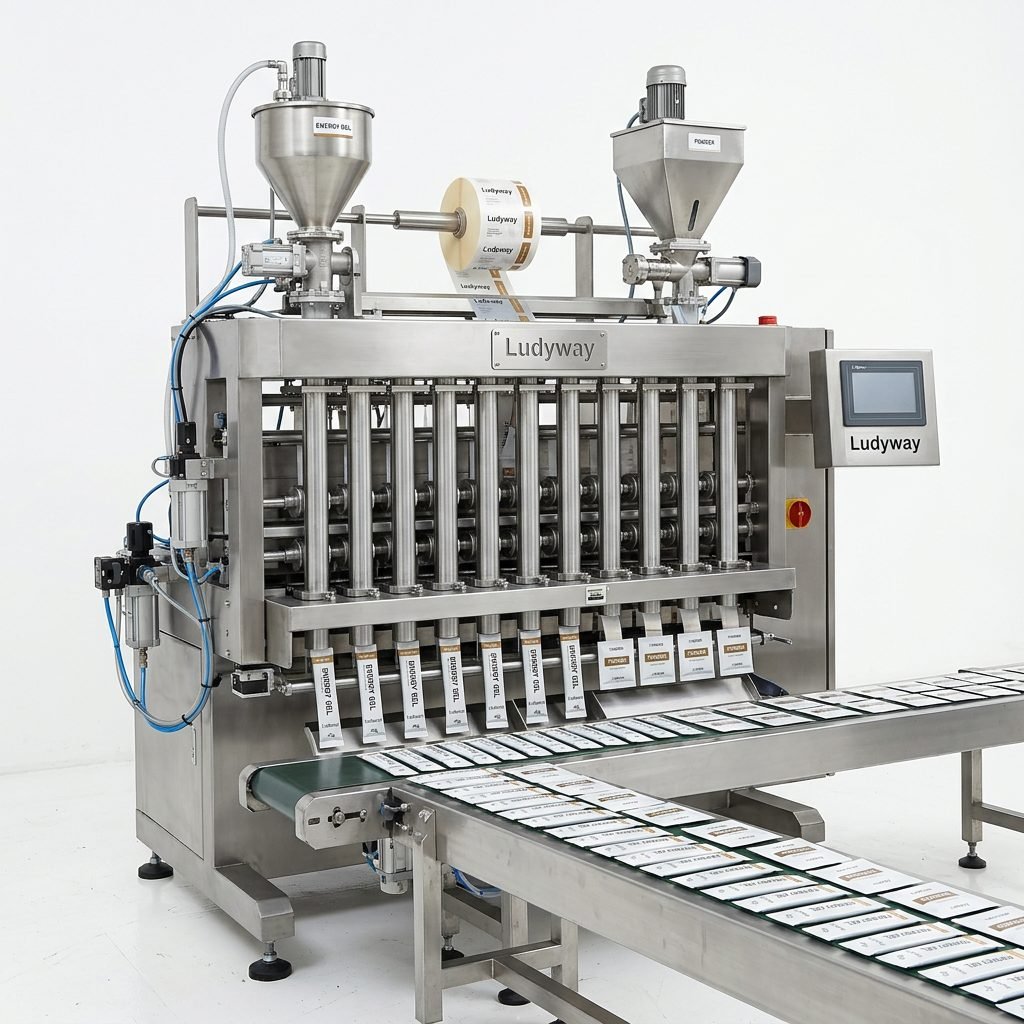
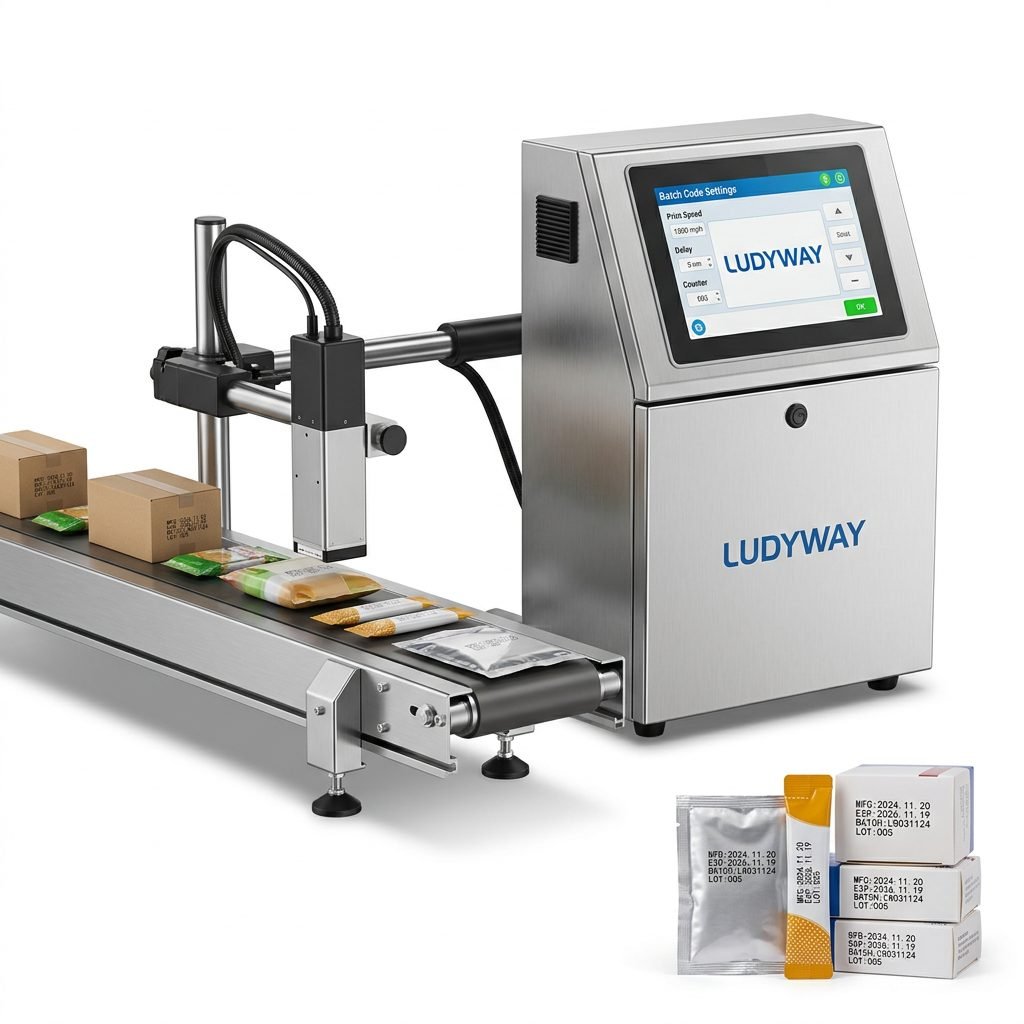
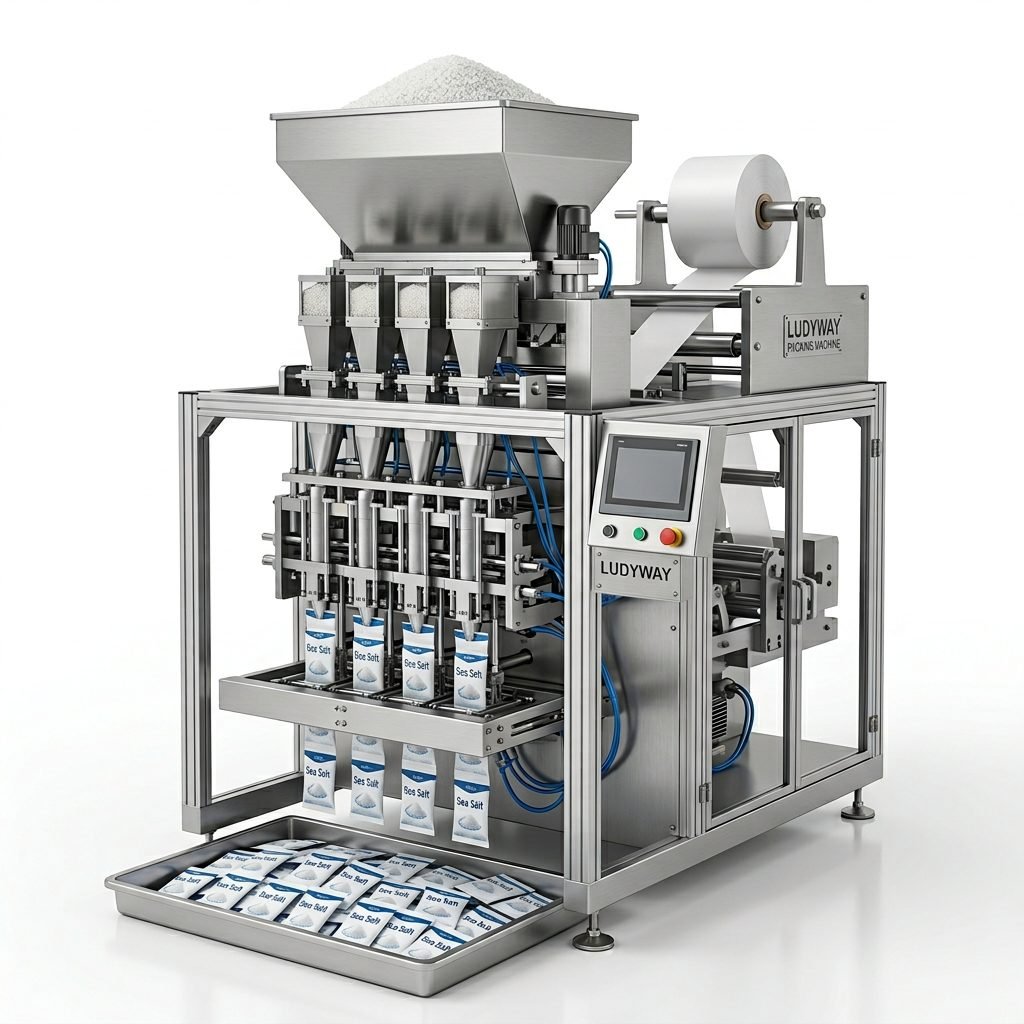
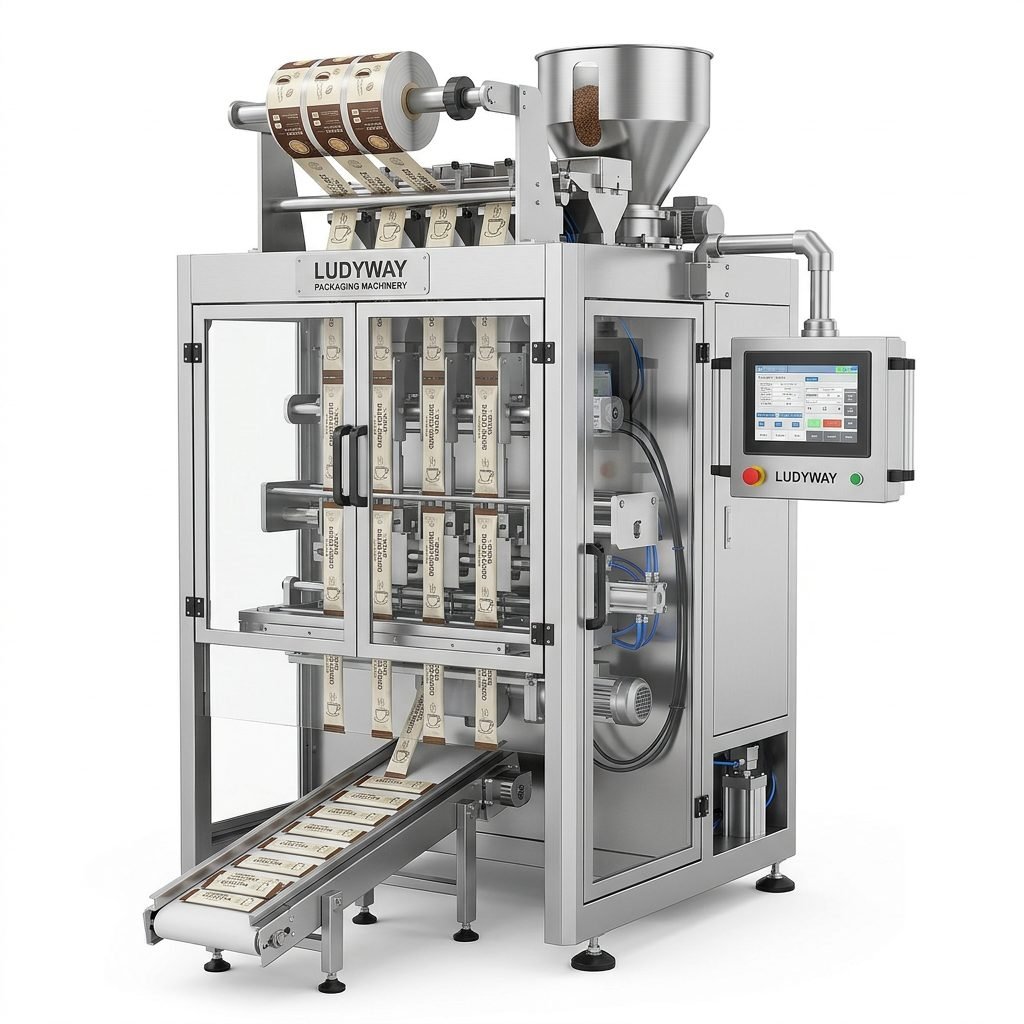
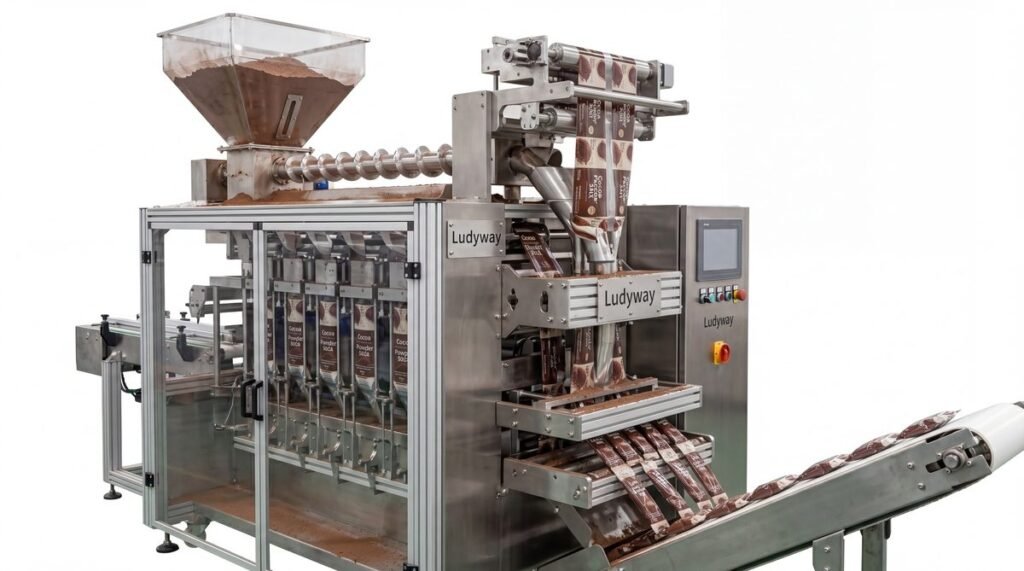
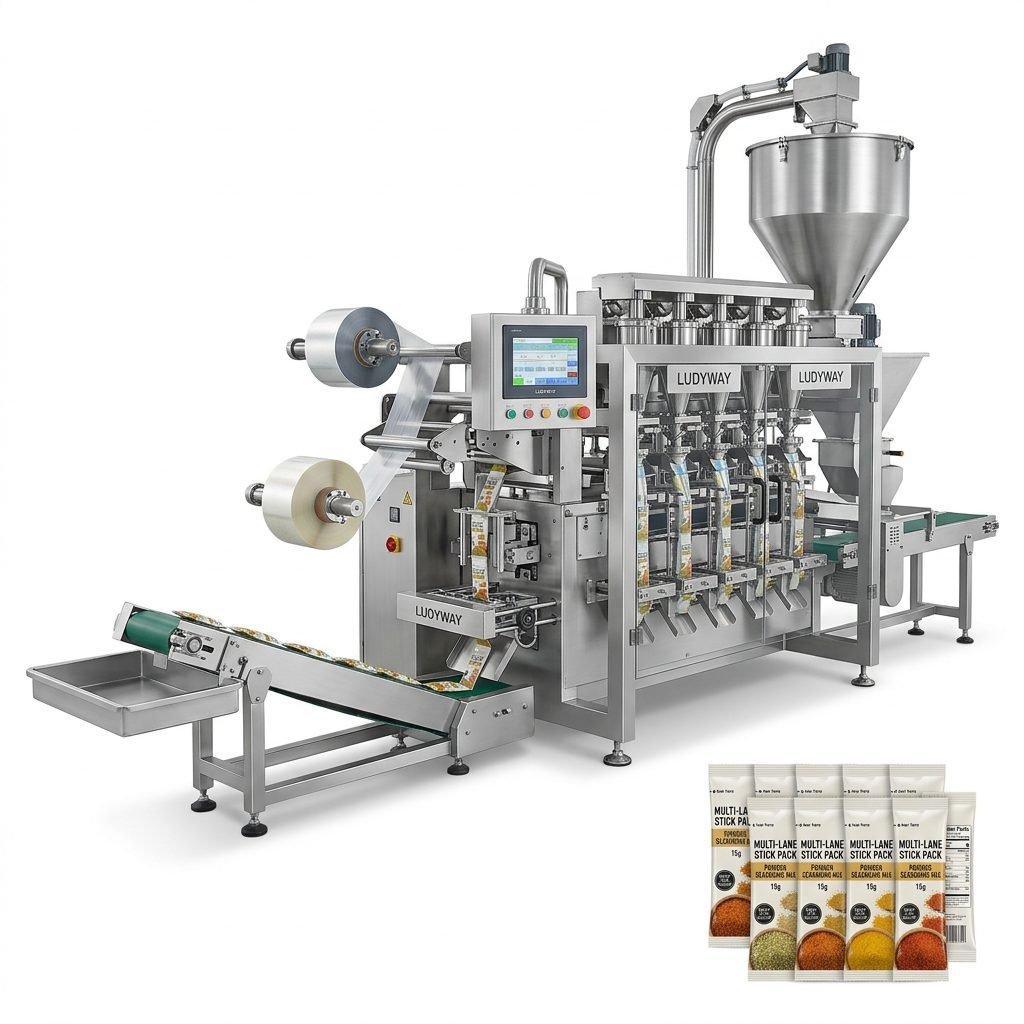
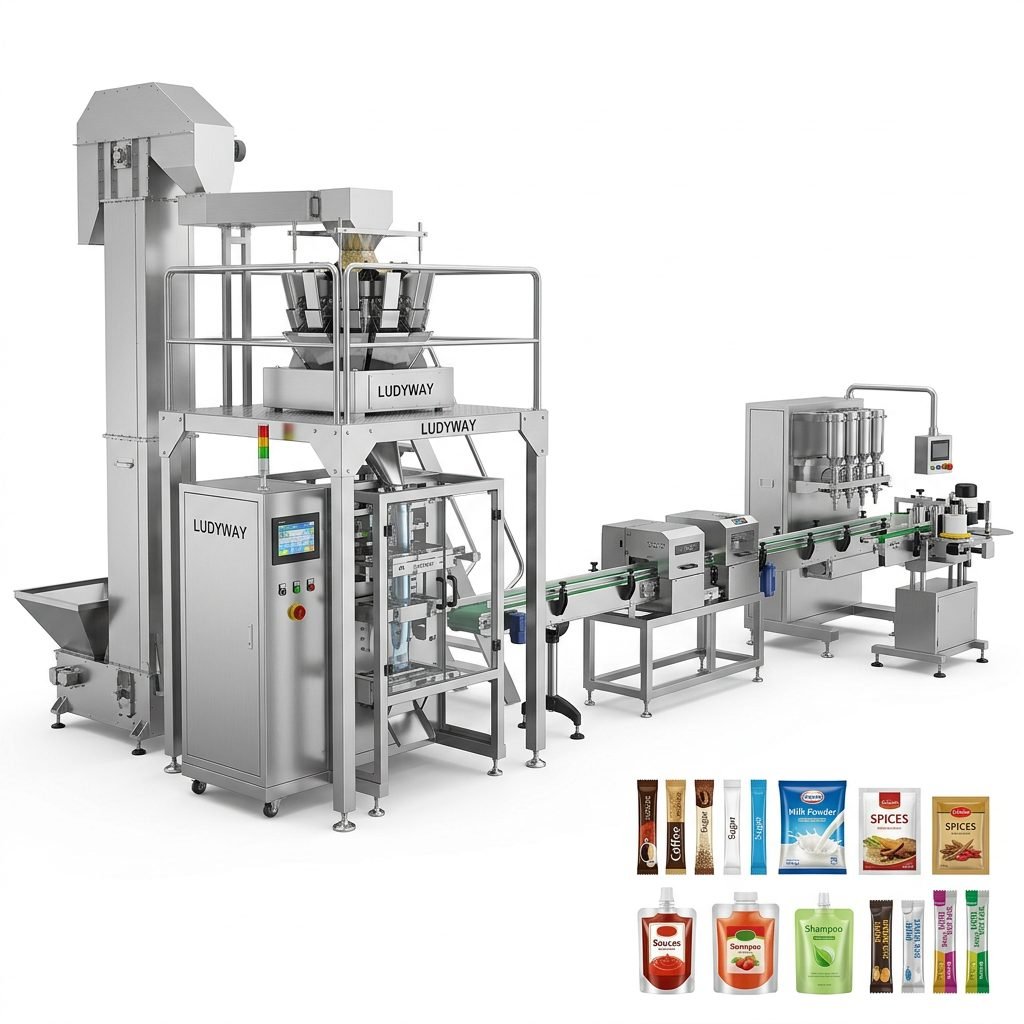
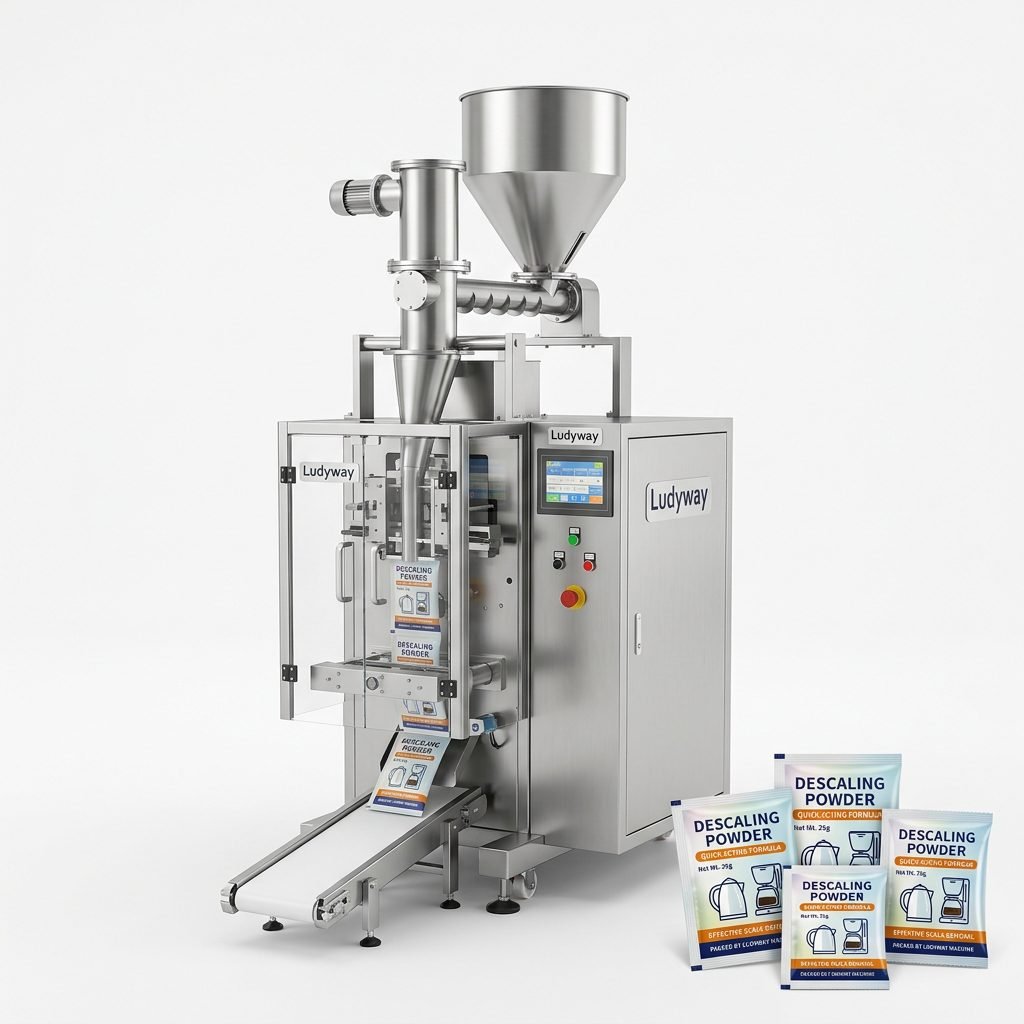
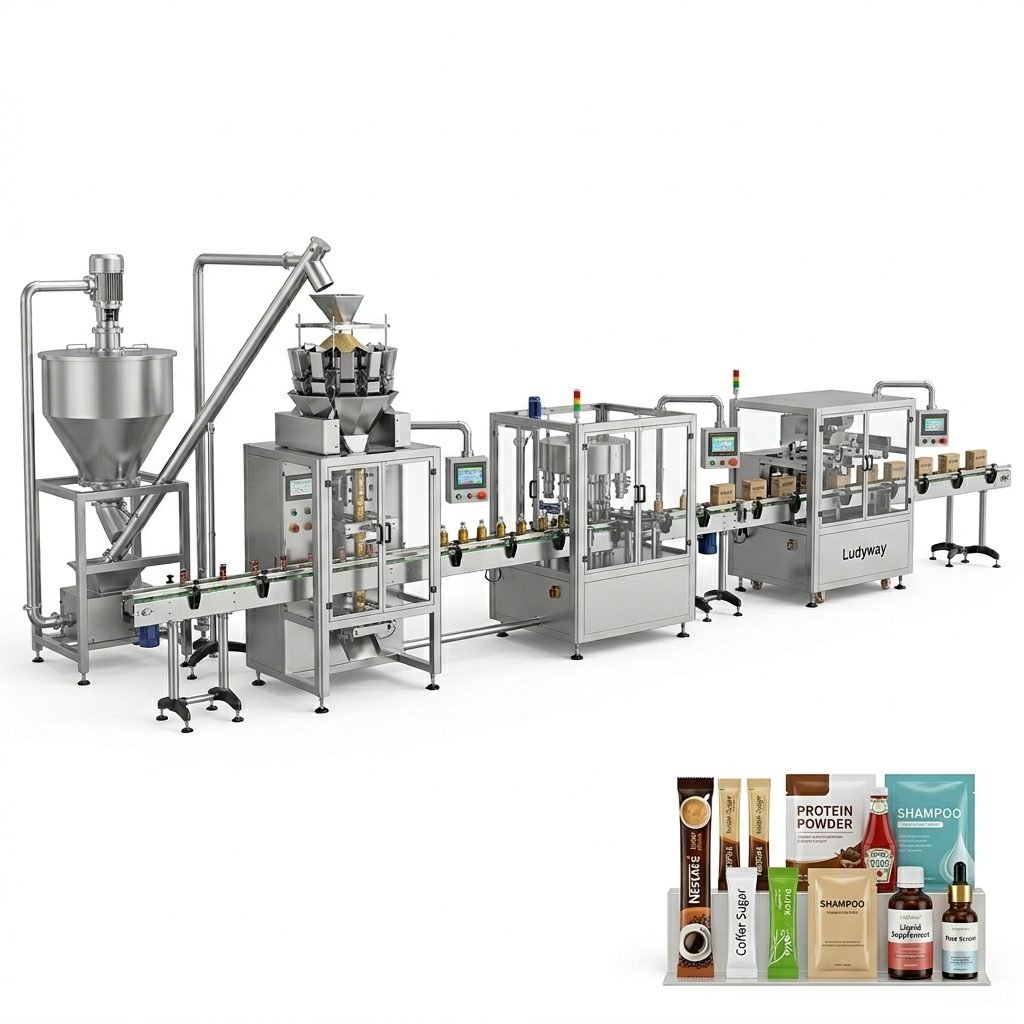
Leading manufacturers like Ludyway specialize in a comprehensive range, from multi-lane stick pack and sachet machines to fully automated turnkey lines. This breadth ensures they can provide a tailored solution rather than a one-size-fits-all machine.
2. Manufacturing Capability and Quality Control
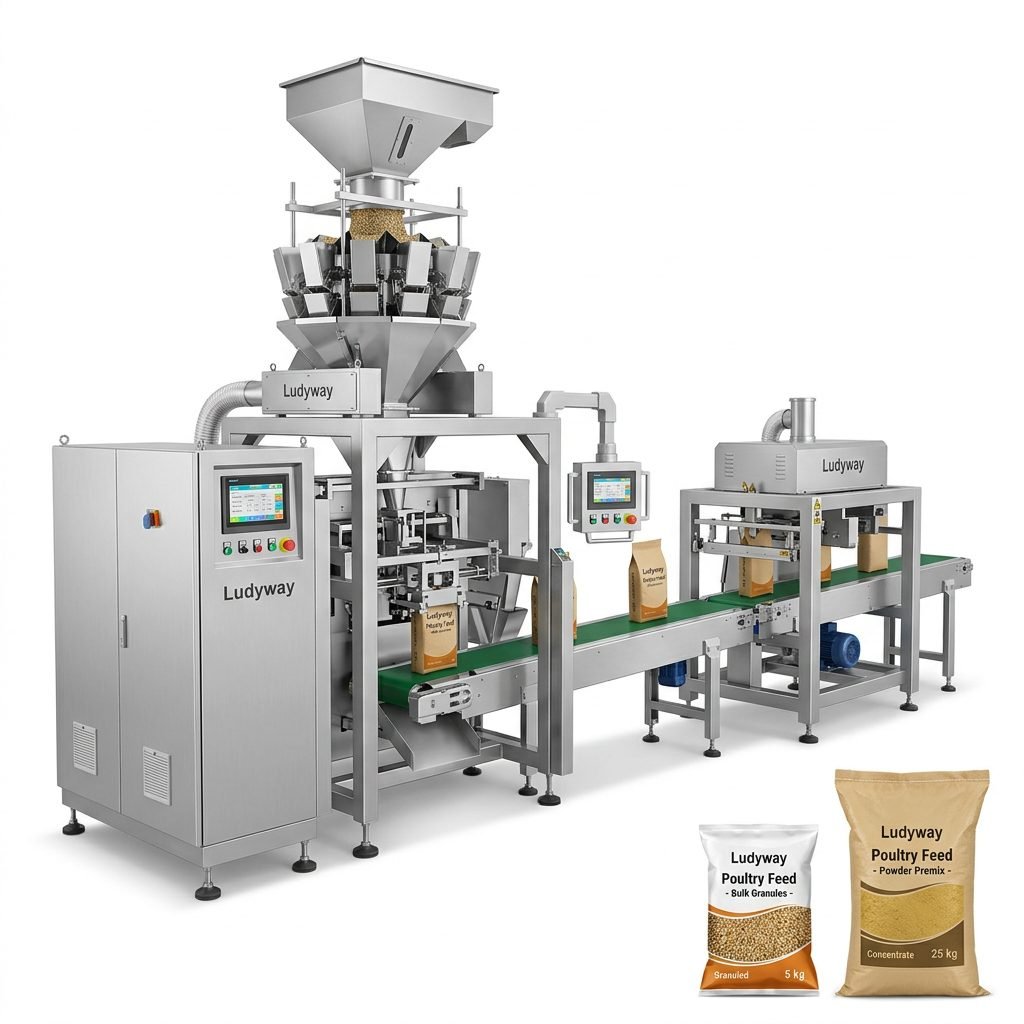
A manufacturer’s infrastructure speaks volumes about their reliability. A modern facility with advanced CNC machinery and a strict quality management system is non-negotiable. For Iranian businesses, partnering with a manufacturer that has a strong in-house production capability reduces dependency on multiple suppliers and ensures better control over lead times and quality.
Companies like Packmate Machinery and PacklineOEM are known for their large-scale manufacturing bases. Ludyway operates from a 20,000㎡ facility, which translates to robust production capacity and consistent quality control—a crucial factor for maintaining uninterrupted production in Iran.
3. Experience with the Iranian Market and Local Support
Does the manufacturer have experience supplying to Iran or similar markets? Understanding local voltage standards, environmental conditions (dust, humidity), and the availability of spare parts is vital. A manufacturer with a global footprint, serving over 100 countries, is likely to have the adaptability needed for the Iranian market.
Critical Factor: Post-sales support. The availability of technical support, training for your operators in Farsi or through clear manuals, and a reliable supply chain for spare parts within the region are essential. Delays in technical support can lead to costly downtime.
4. Customization and Flexibility
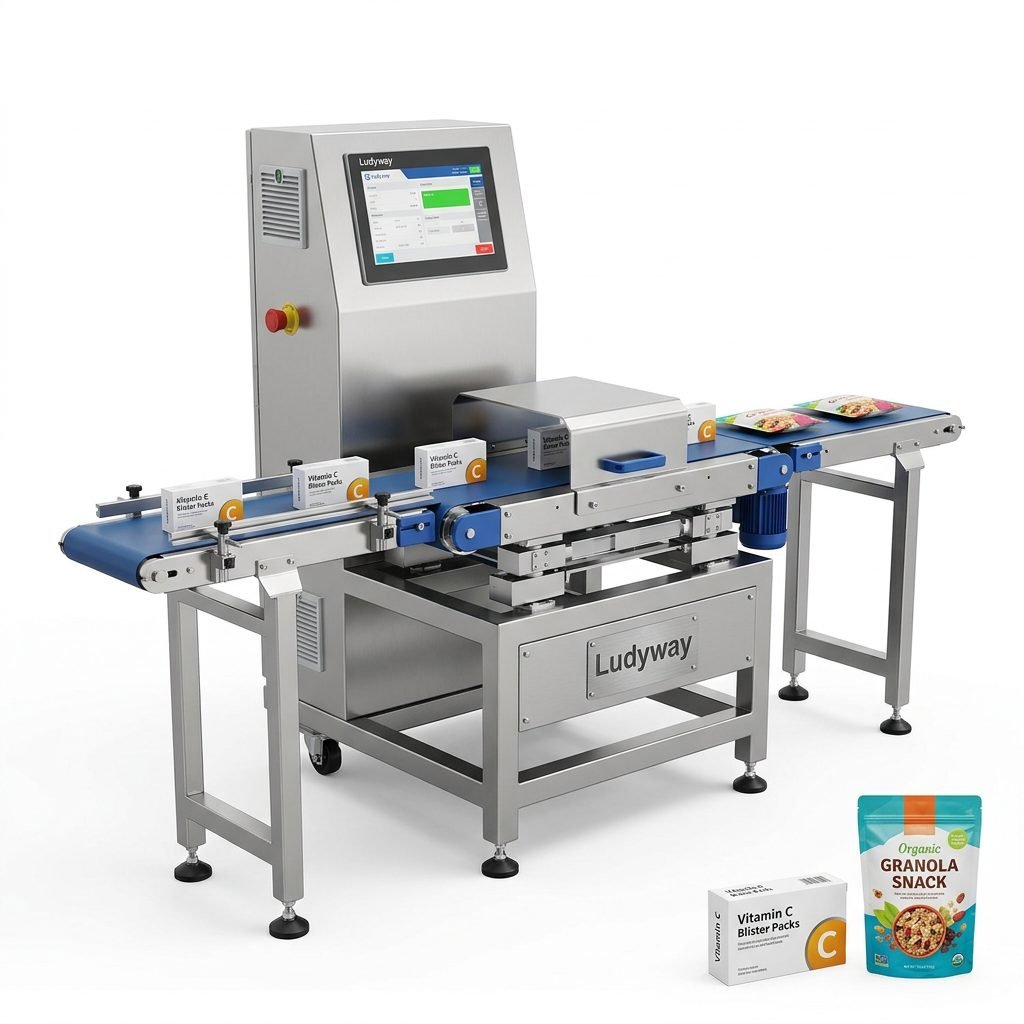
Standard machines might not suffice for unique Iranian products or packaging formats. Whether it’s specific pouch sizes for traditional sweets, unique sealing requirements for dairy products, or integration with existing local production lines, the manufacturer must offer customization.
Specialists in non-standard solutions, like PackingMachineOEM, focus on this area. Similarly, Ludyway’s engineering team works on customizing machines for specific product characteristics, ensuring the equipment performs optimally with local materials and in local factory conditions.
5. Technology, Automation, and Future-Proofing
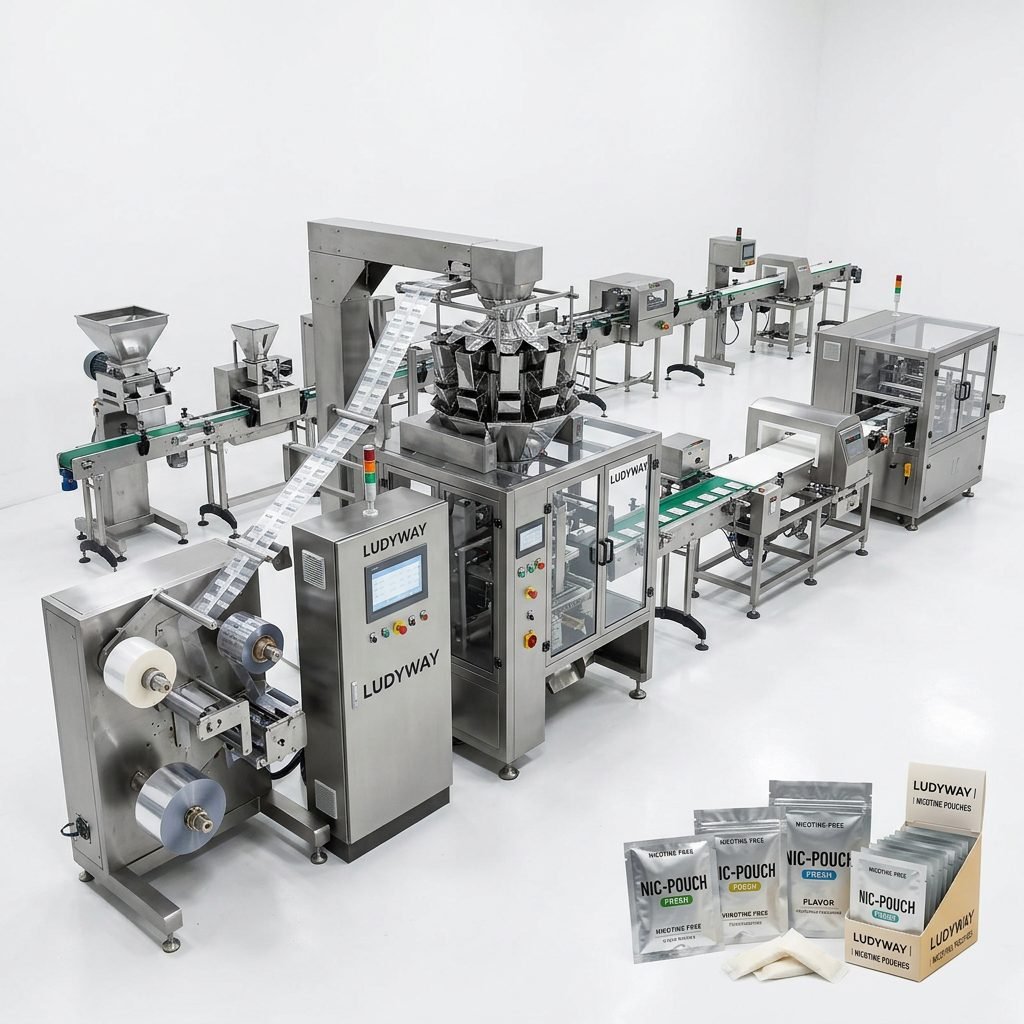
Investing in automation is key to competing in Iran’s growing market. Look for machines with user-friendly PLC/HMI interfaces, precision servo drives, and capabilities for data tracking. Features like quick changeover mechanisms are invaluable for producers who run multiple product lines.
Manufacturers investing in Industry 4.0 technologies offer better long-term value. This includes machines that can be integrated into smart factory systems for monitoring Overall Equipment Effectiveness (OEE), which is increasingly important for Iranian factories aiming for export-quality standards.
6. Assessing Total Cost of Ownership (TCO)
While the initial purchase price is important, the Total Cost of Ownership is a more critical metric for Iranian businesses often managing cost pressures. TCO includes:
- Energy Consumption: Efficient machines reduce operational costs.
- Maintenance Costs: Reliability and ease of maintenance are crucial.
- Material Waste: High-precision filling minimizes product giveaway.
- Uptime and Productivity: A robust machine from a reputable supplier minimizes downtime.
A manufacturer like SnusMachinery, specializing in niche areas like nicotine pouches, demonstrates how focused expertise can lead to highly efficient, low-waste systems for specific products.
7. Compliance, Safety, and Hygiene Standards
For food and pharmaceutical producers in Iran, adherence to international hygiene and safety standards (like GMP, ISO) is often a prerequisite for both domestic and export markets. The machine’s construction—using food-grade stainless steel, having CIP (Clean-in-Place) capabilities, and design that prevents cross-contamination—is non-negotiable.
Ensure the manufacturer’s equipment complies with relevant international norms, as this not only ensures product safety but also facilitates market access.
8. Supplier Reputation and After-Sales Service
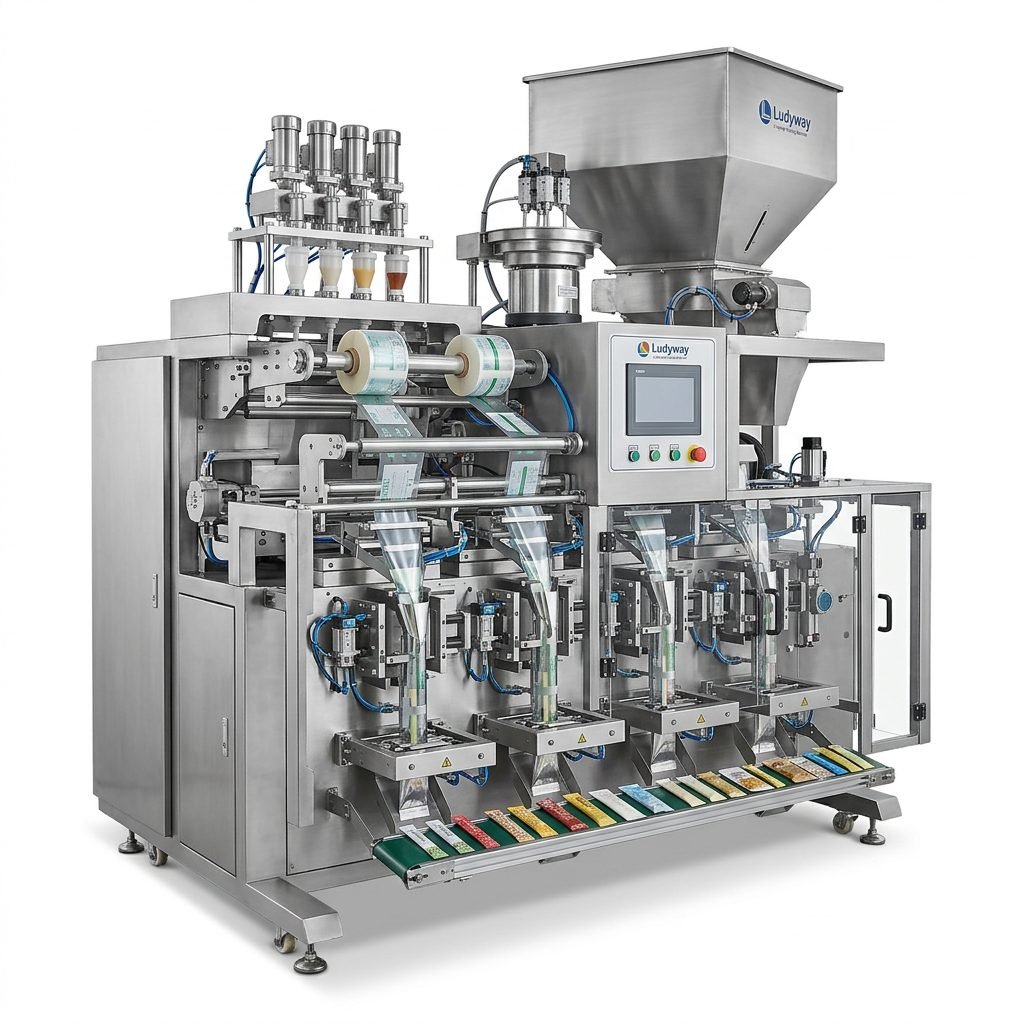
Research the manufacturer’s reputation. Look for client testimonials, case studies, and their history of projects in the Middle East region. A manufacturer with over 30 years of experience, such as Ludyway, brings invaluable industry knowledge that can help you avoid common pitfalls.
After-sales service is the backbone of a successful partnership. Inquire about:
Warranty terms, availability of local service engineers or agents, training programs for your staff, and the lead time for spare parts delivery to Iran. A manufacturer committed to long-term cooperation will have a clear support structure in place.
Final Steps: Making the Informed Decision
Once you have shortlisted potential manufacturers like Ludyway, Packmate, or PacklineOEM, take these final steps:
- Request Detailed Proposals: Compare not just prices, but the scope of supply, technical specifications, and service packages.
- Ask for References: Speak to existing clients, especially those in similar industries or regions.
- Arrange a Factory Visit or Live Demo: If possible, visit the manufacturing facility or arrange a video demonstration where you can see a machine running a product similar to yours.
- Clarify Contract Terms: Ensure all aspects—delivery, installation, commissioning, training, and support—are clearly defined in the contract.
Choosing the right partner is about building a relationship with a manufacturer that understands your vision, your market’s challenges, and is equipped to support your growth in Iran’s competitive landscape.
Frequently Asked Questions (FAQs)
Q1: What type of packaging machine is best for powdered spices in Iran?
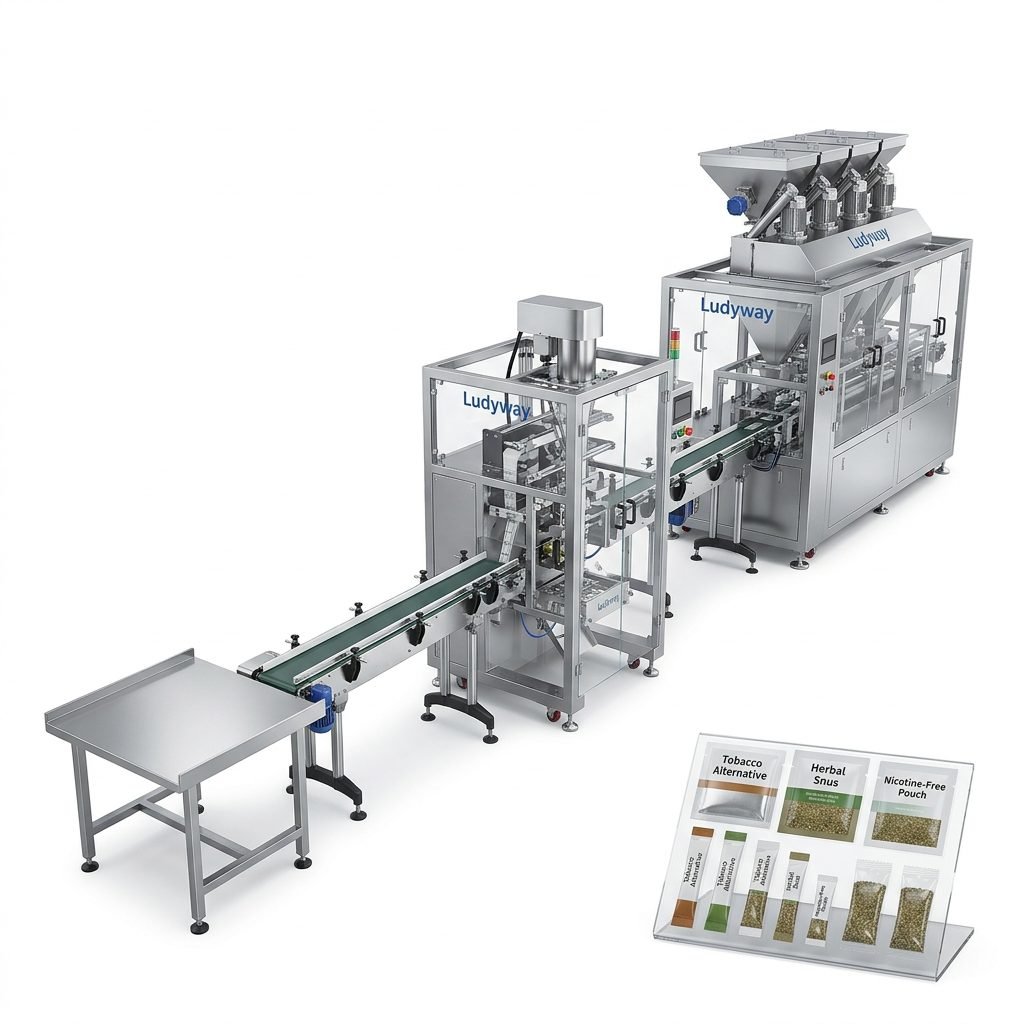
A: For powdered spices, a multi-lane vertical form-fill-seal (VFFS) sachet or stick pack machine is ideal. Look for models with auger filler systems for high accuracy, nitrogen flushing options for extended shelf life, and easy-clean designs to handle different spice varieties without cross-contamination.
Q2: How can I ensure the machine is compatible with the power supply and environment in my Iranian factory?
A: Reputable manufacturers like Ludyway typically build machines to international voltage standards (e.g., 380V/50Hz, common in Iran) and can customize electrical panels accordingly. Discuss your factory’s specific conditions (voltage stability, dust levels) during the quotation process.
Q3: What is the typical lead time for delivery and installation of a packaging line from China to Iran?
A: Lead times vary based on machine complexity and customization. For standard models, it can range from 30-60 days after order confirmation. For complete turnkey lines, it may take 60-90 days. Factor in shipping and customs clearance time to Iran. Your manufacturer should handle export documentation.
Q4: Can the manufacturer provide training for our operators in Farsi?
A: Many leading Chinese manufacturers, including those mentioned, provide comprehensive training in English with detailed manuals. Some may have Farsi-speaking technicians or can work with local agents in Iran to facilitate training. This is a key point to clarify before purchase.
Q5: What are the key advantages of choosing a turnkey solution from a manufacturer like Ludyway?
A: A turnkey solution provides a single point of responsibility. The manufacturer designs, supplies, installs, and commissions the entire line—from feeding and filling to cartoning. This ensures seamless integration, reduces project management burden, and guarantees that all components work together optimally, leading to faster time-to-market and higher overall efficiency.