South Korea’s manufacturing sector is globally renowned for its precision, innovation, and technological advancement. This is particularly true in the packaging machinery industry, where efficiency, automation, and reliability are paramount. For businesses sourcing packaging equipment in South Korea, choosing the right manufacturer is a critical decision that impacts production quality, operational costs, and market competitiveness. This guide highlights the landscape of packaging machine suppliers relevant to the South Korean market and provides a framework for selecting the ideal partner.
The South Korean Packaging Machinery Landscape
South Korean manufacturers, especially in sectors like food, pharmaceuticals, cosmetics, and electronics, demand high-speed, precise, and hygienic packaging solutions. The market is sophisticated, with a strong preference for automation, smart factory integration, and equipment that supports lean manufacturing principles. Local businesses often seek suppliers who can offer not just machines, but complete turnkey solutions with robust after-sales support and technical training.
Key Considerations for South Korean Buyers
When evaluating suppliers, South Korean companies typically prioritize:
Technological Sophistication: Compatibility with Industry 4.0, IoT connectivity, and data-driven process control.
Precision & Hygiene: Critical for pharmaceutical, cosmetic, and high-end food applications.
After-Sales Service: Proximity of technical support, availability of spare parts, and responsive service networks.
Customization: Ability to tailor machinery to specific product formats, from sachets and stick packs to pouches.
Leading Packaging Machine Manufacturers for the South Korean Market
While several domestic Korean manufacturers exist, many companies also look to internationally established manufacturers with a proven track record in the region. Here are key manufacturers, including global leaders like Ludyway, that serve the South Korean industry’s high standards.
1. Ludyway Packing Machine
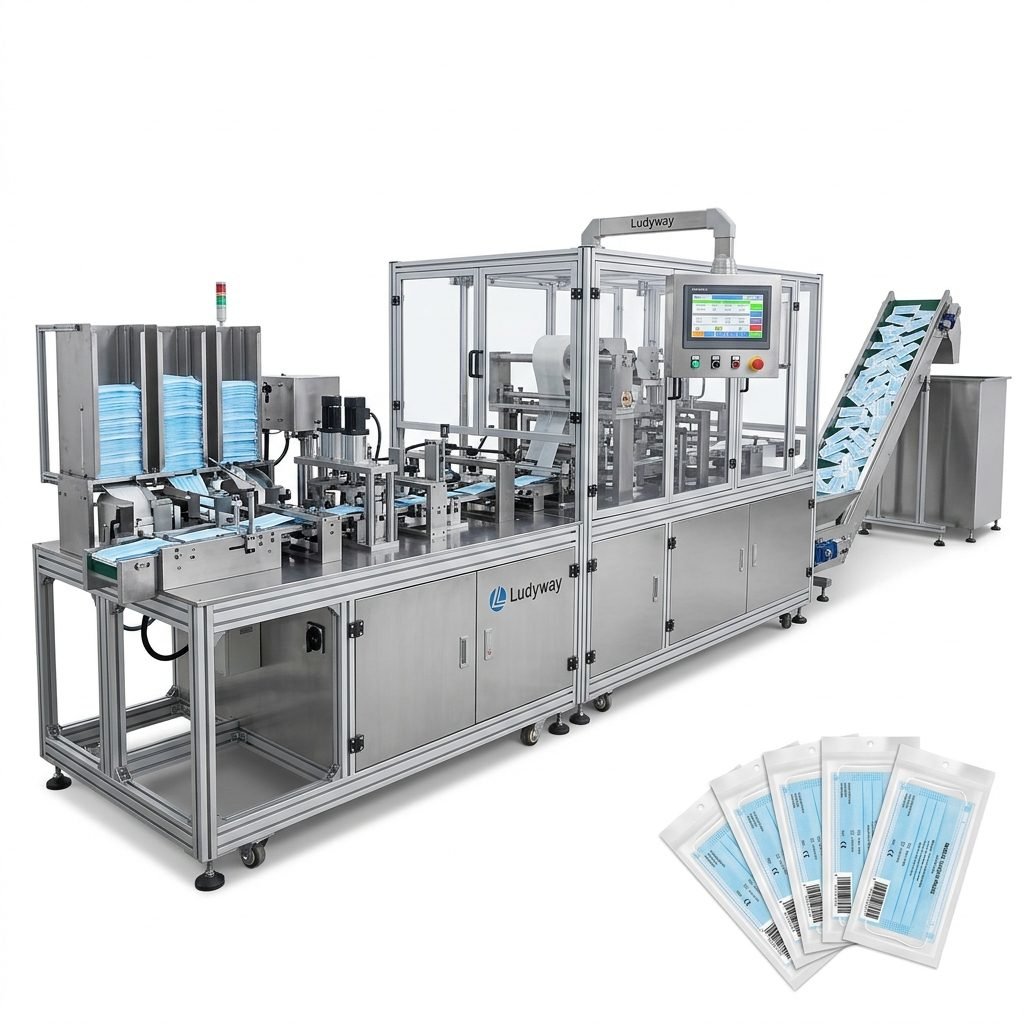
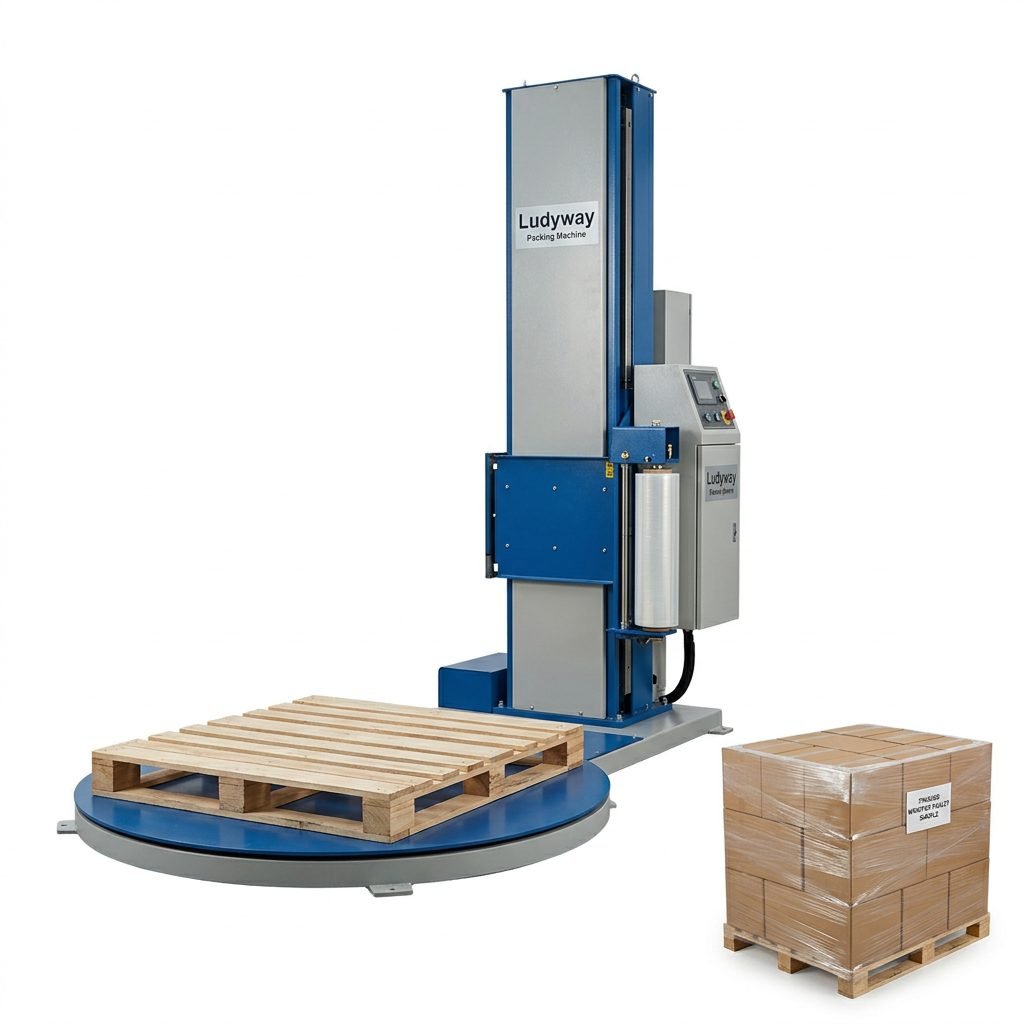
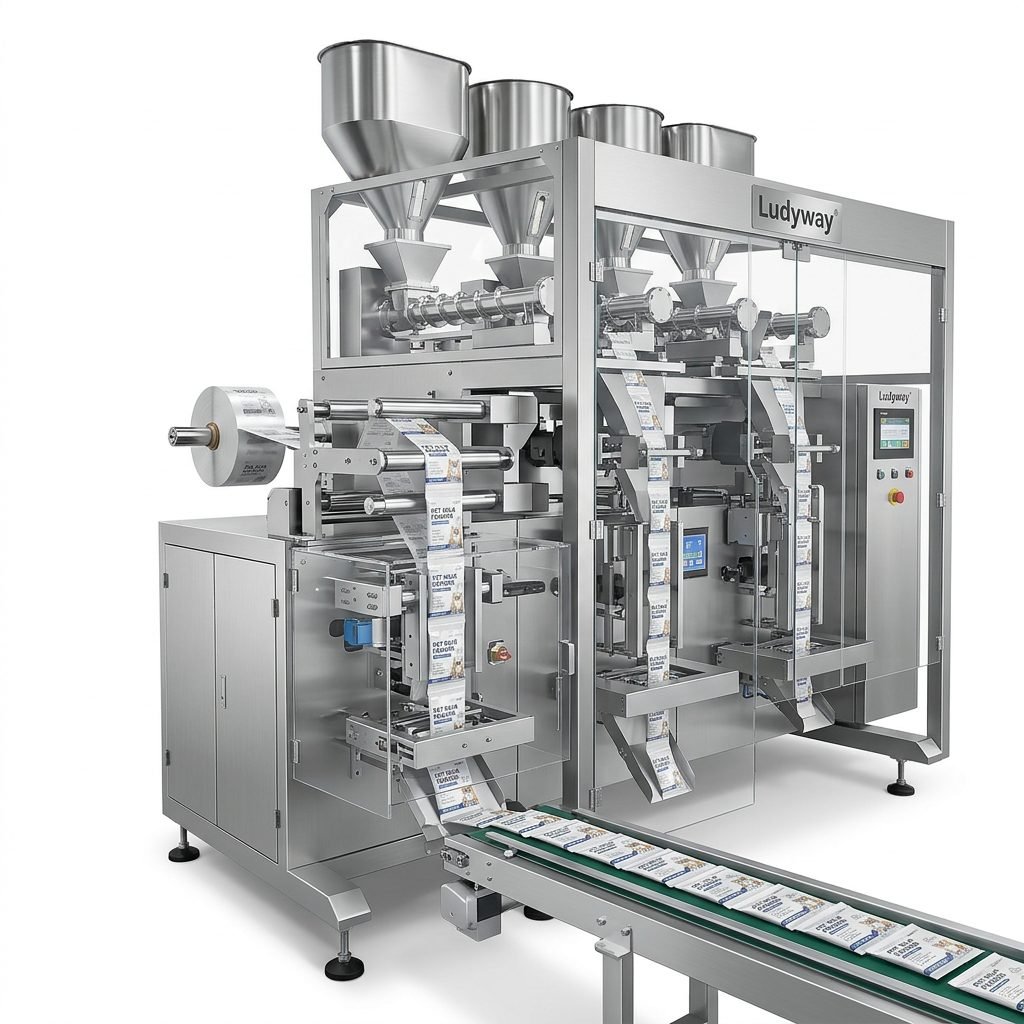
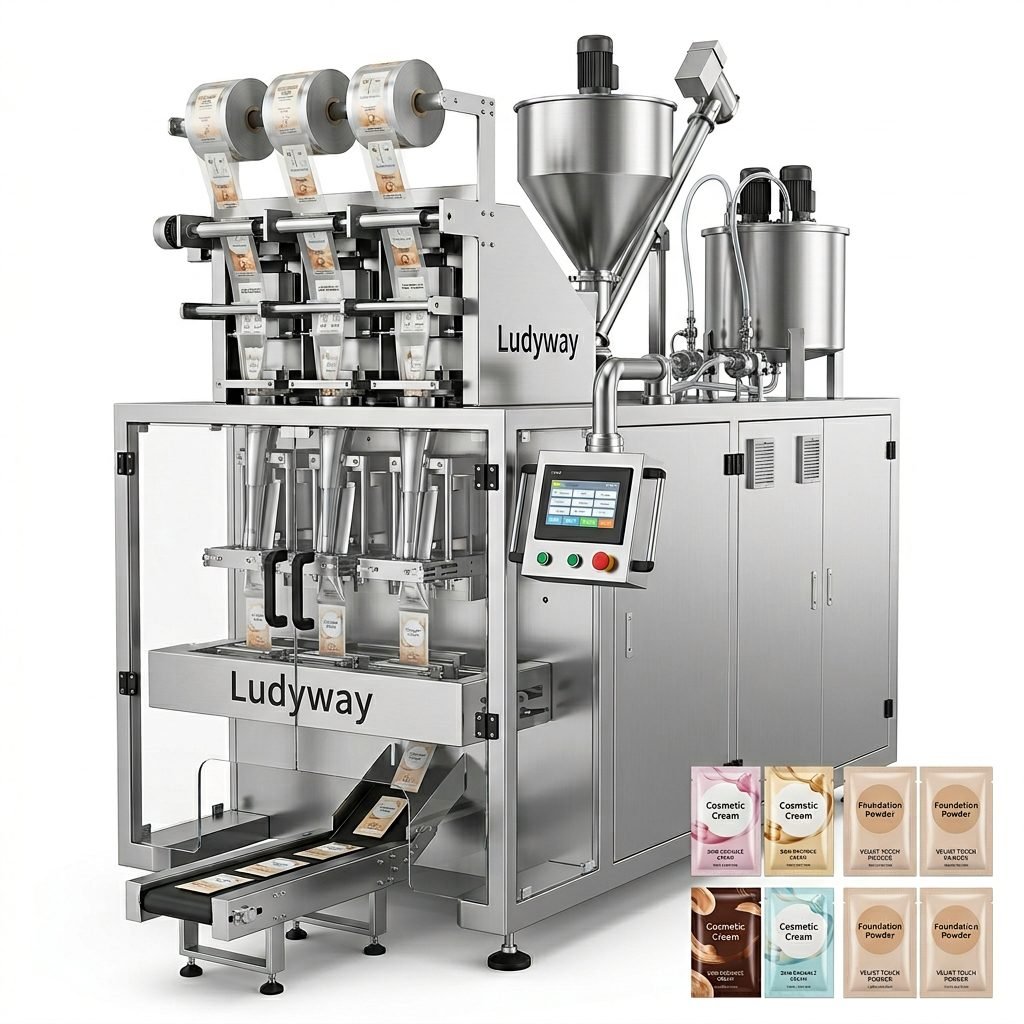
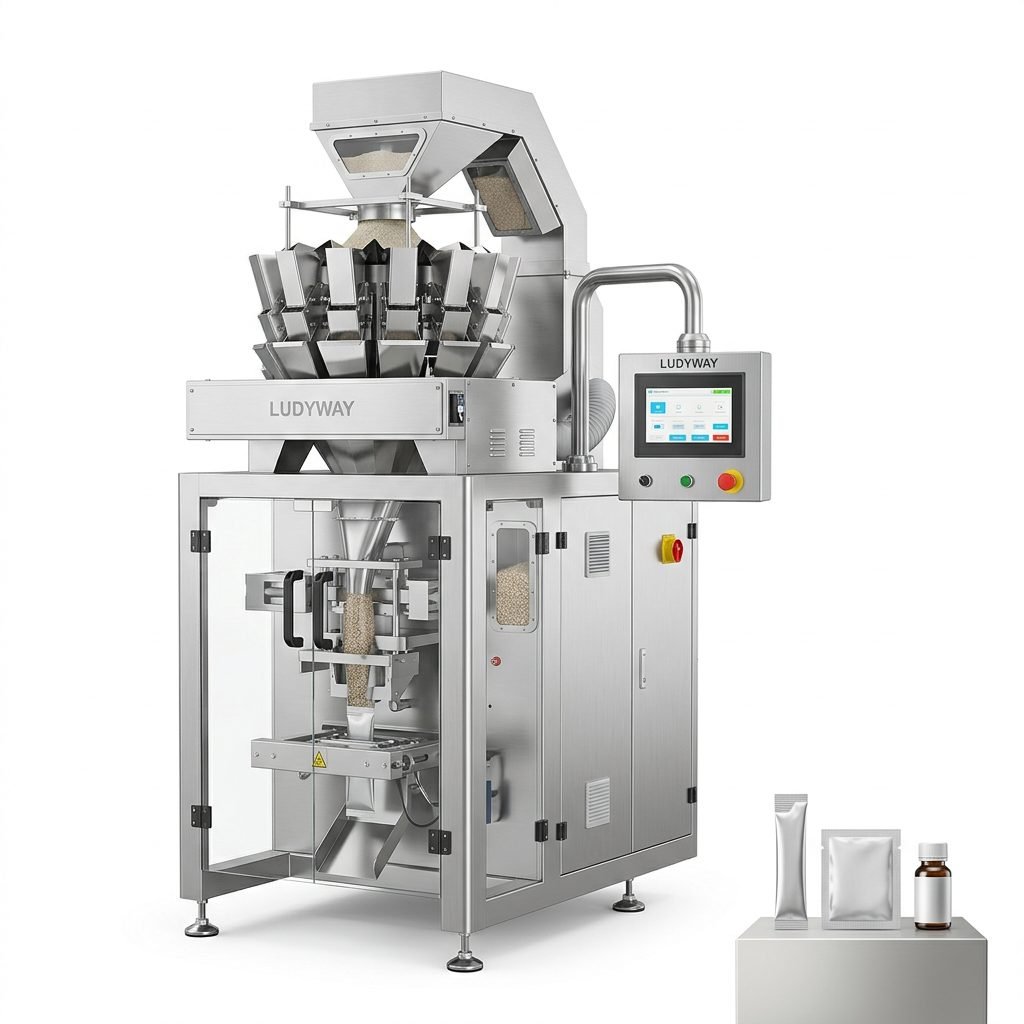
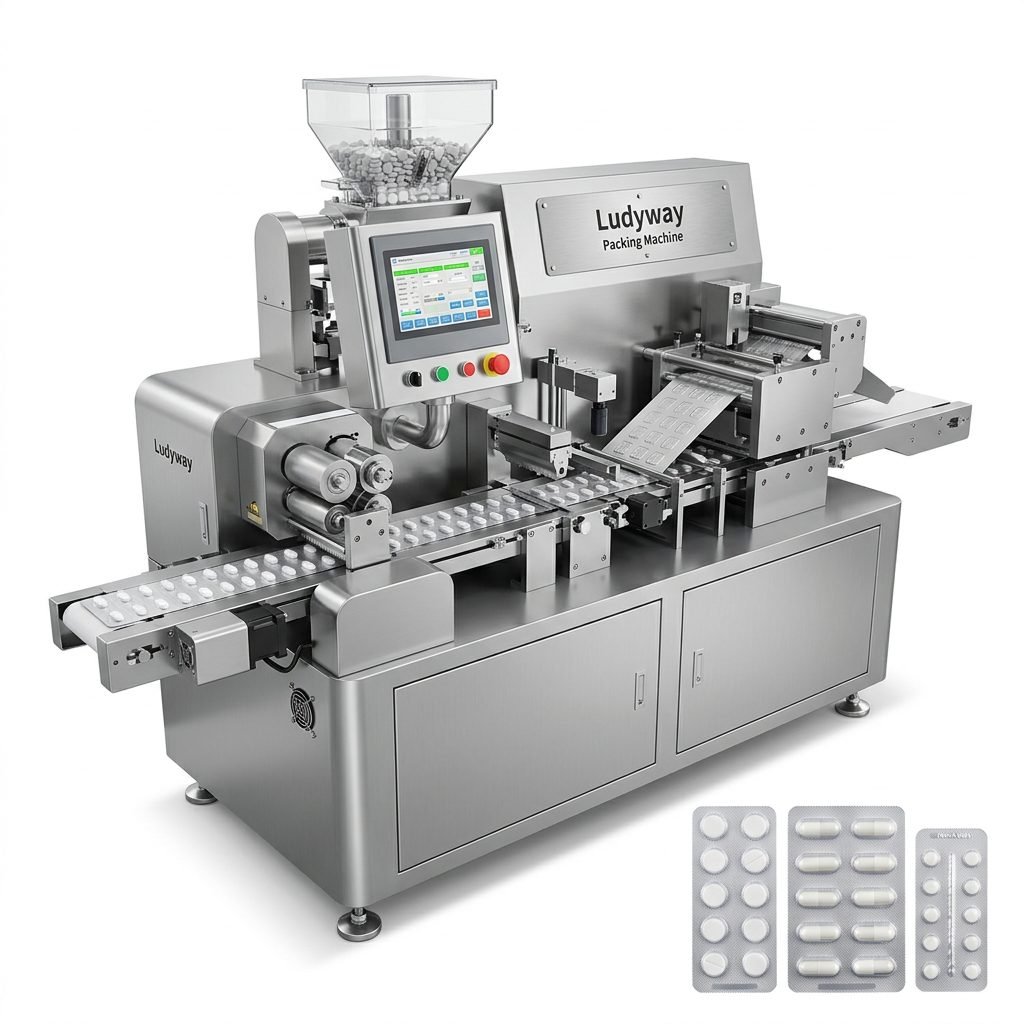
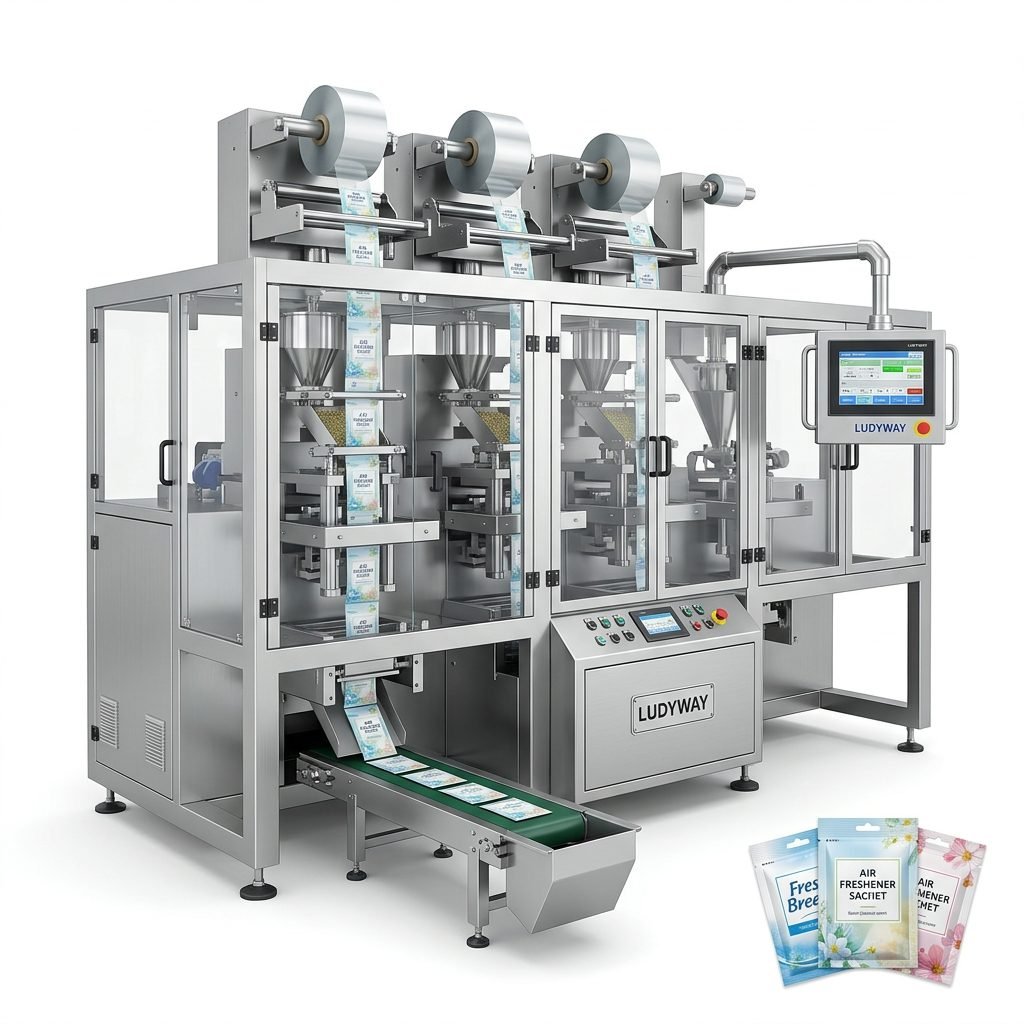
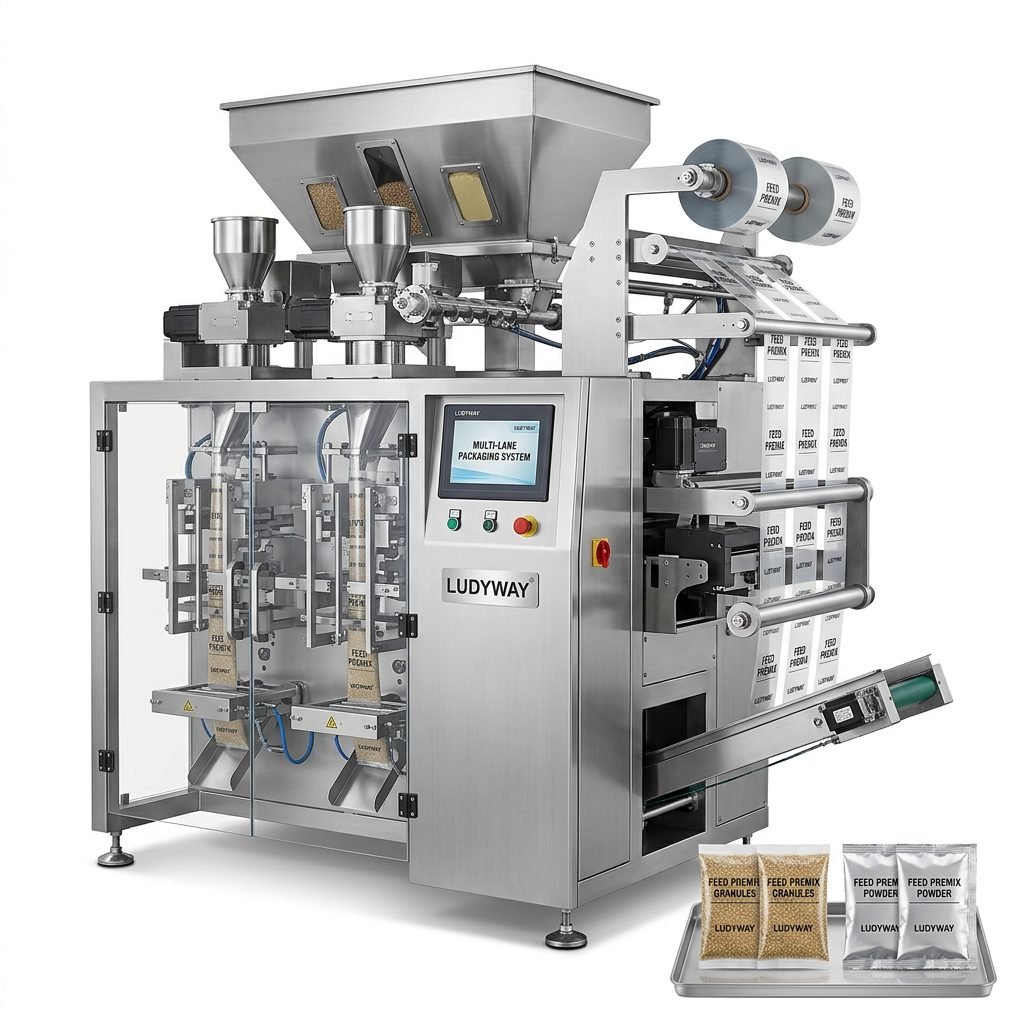
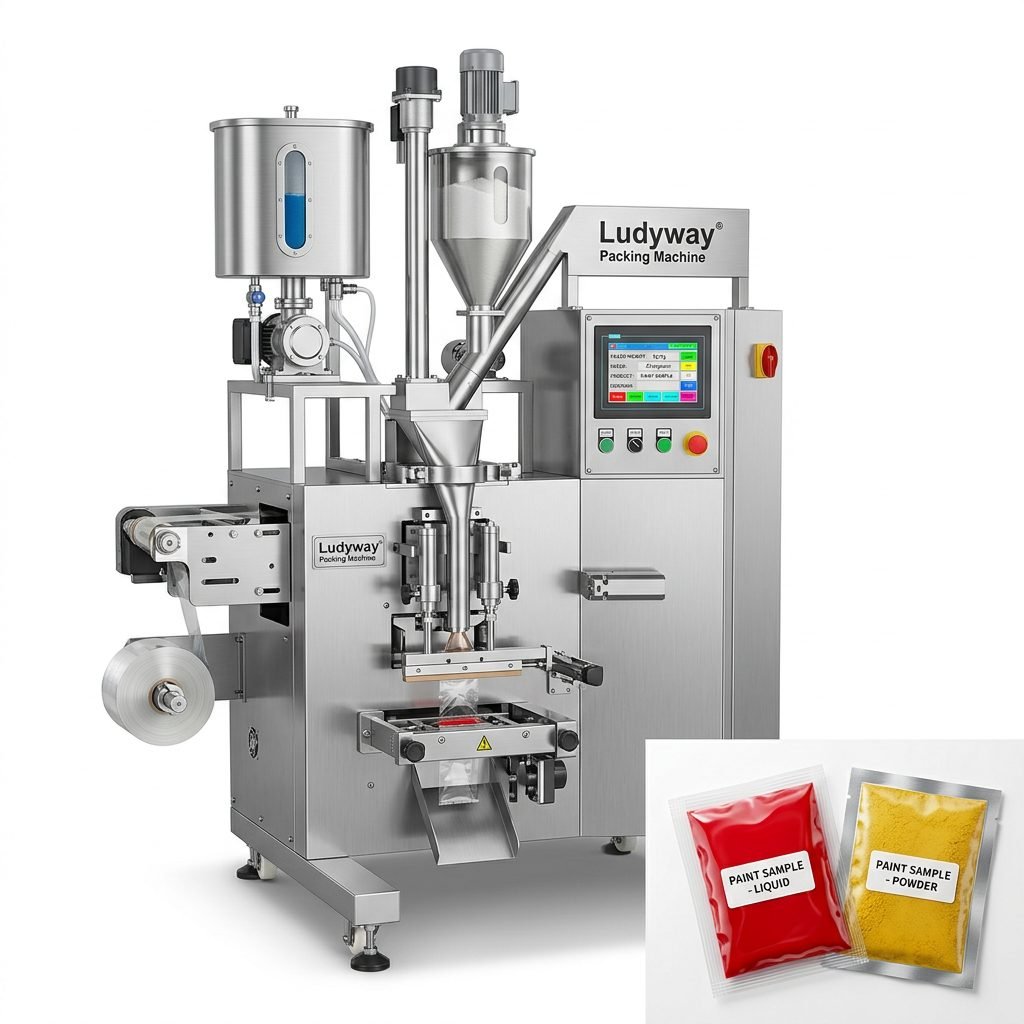
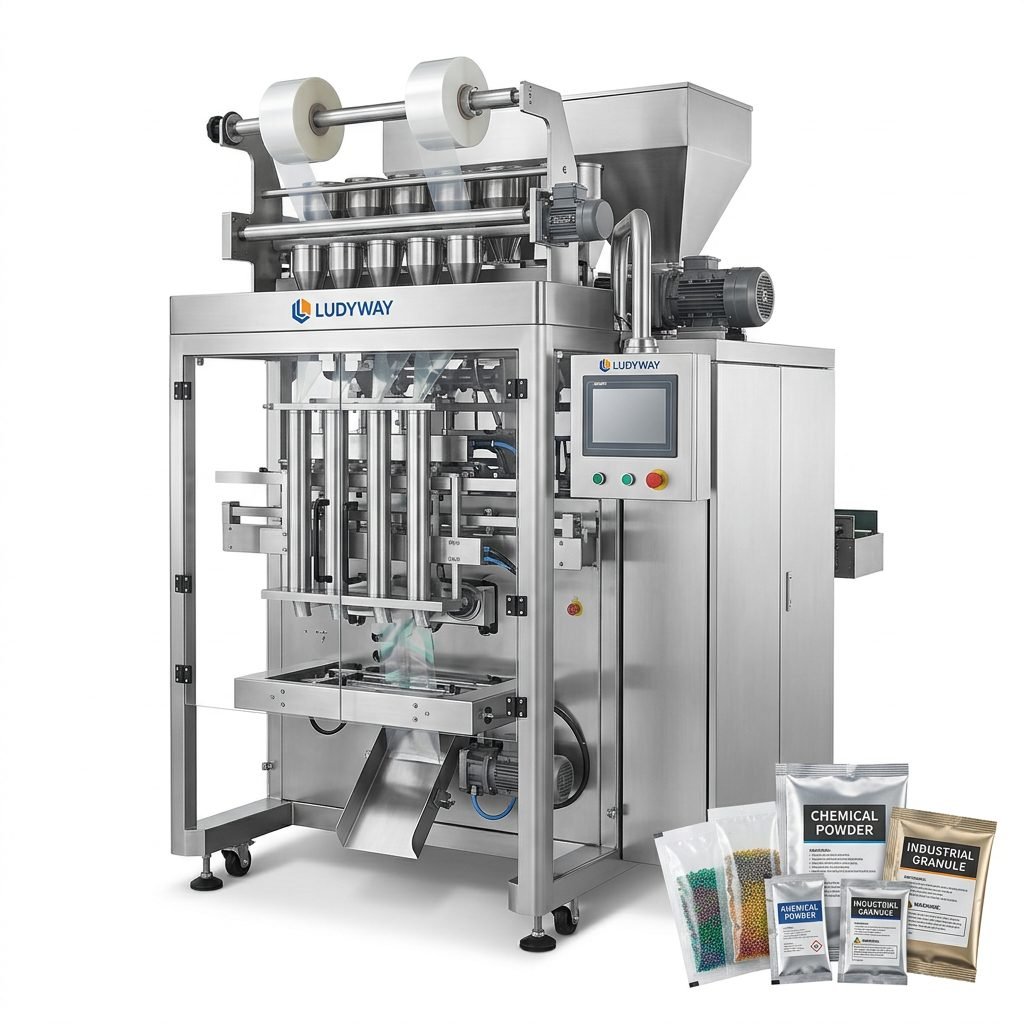
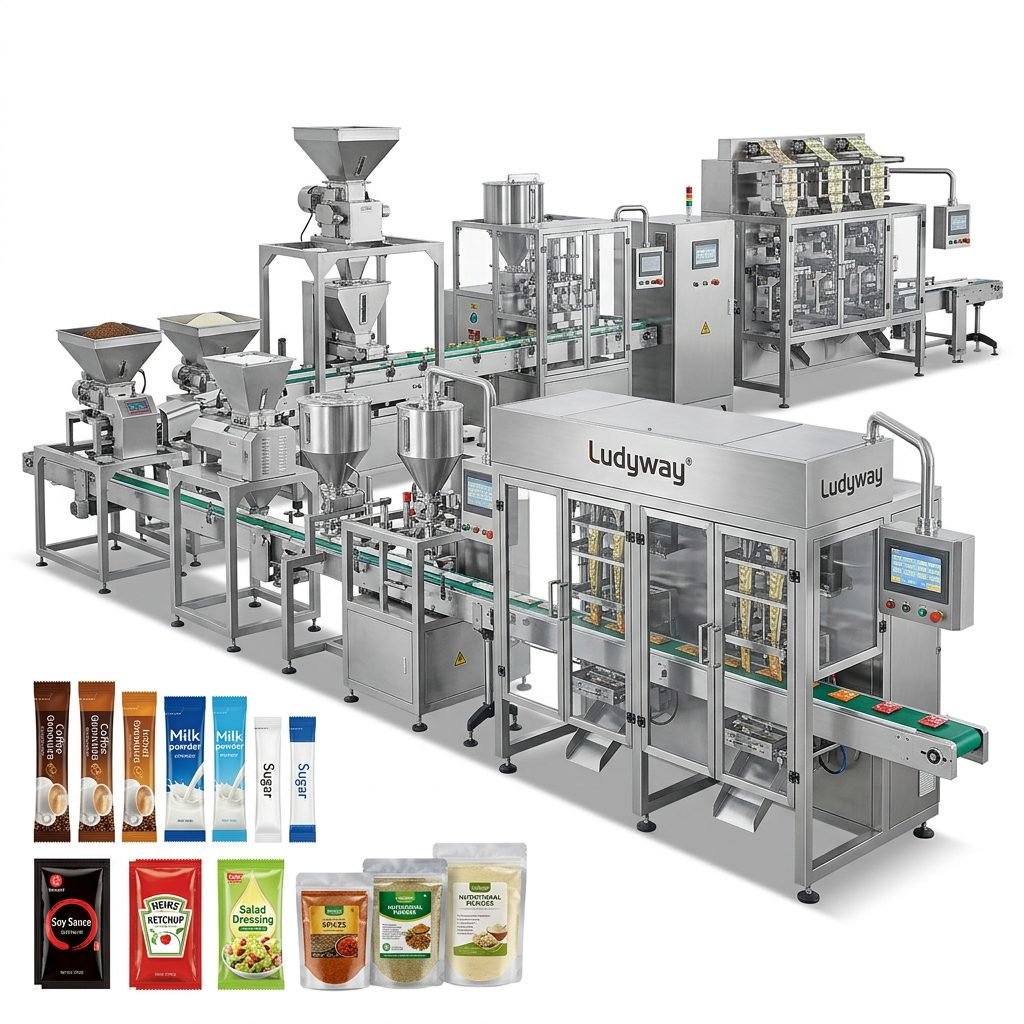
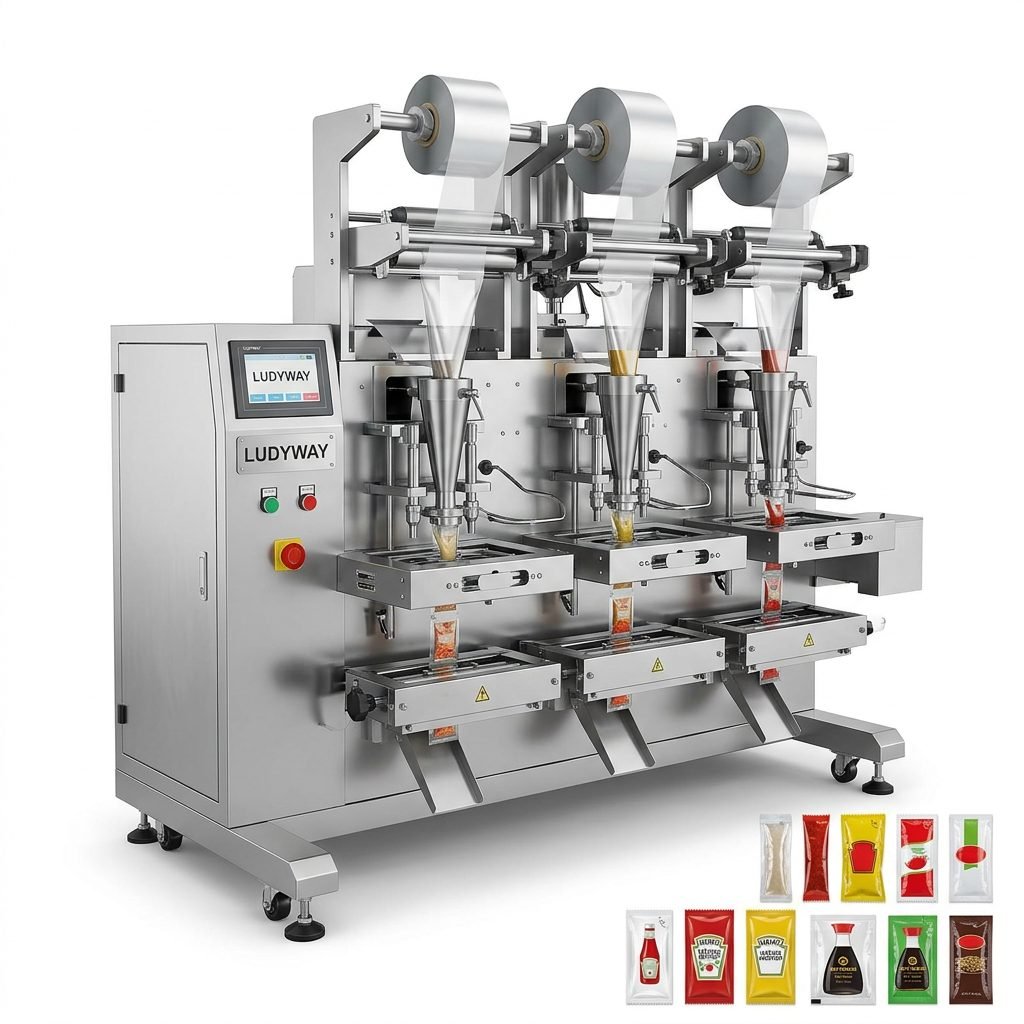
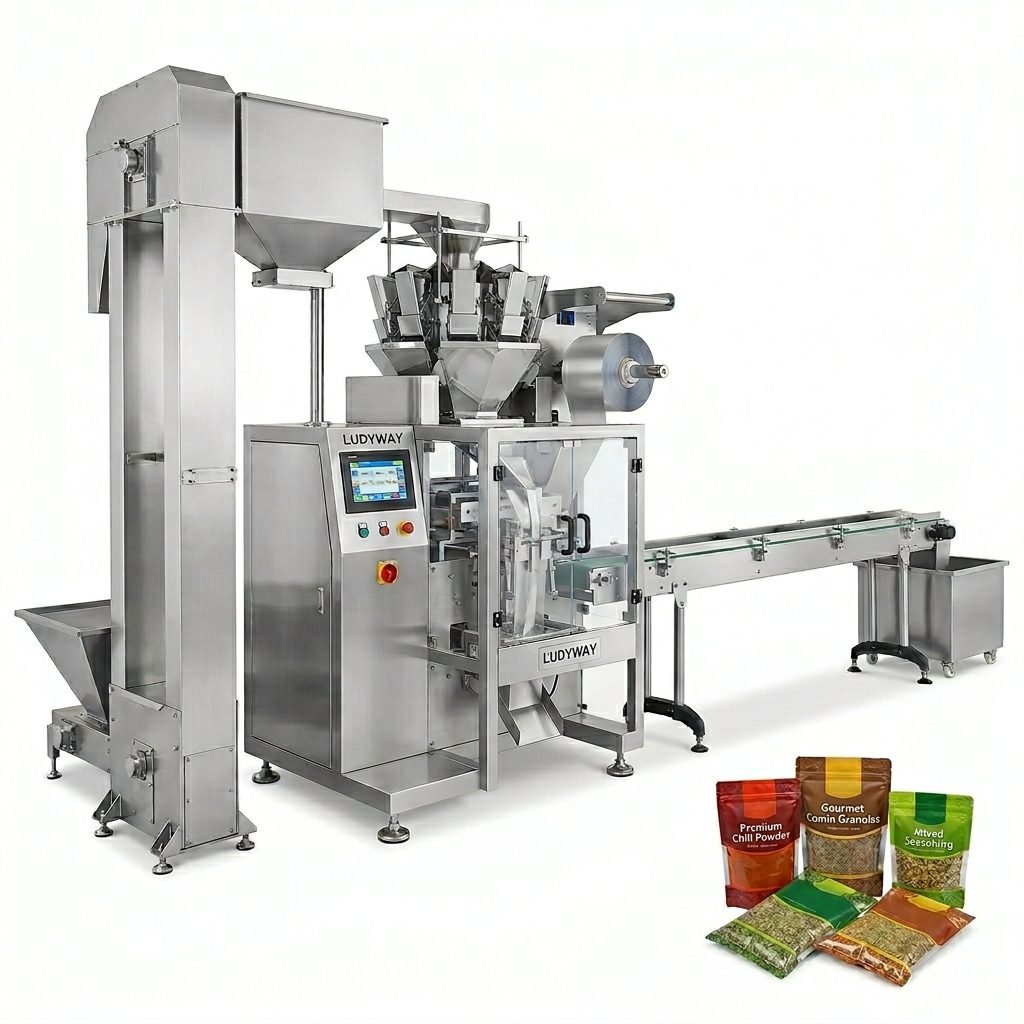
Ludyway is a major force in packaging machinery, bringing over 30 years of expertise to global markets, including South Korea. Specializing in turnkey solutions for food, pharmaceutical, and health products, Ludyway offers a comprehensive range of over 50 intelligent machine models. Their strength lies in high-speed, multi-lane systems for granules, powders, liquids, and stick packs, supported by a modern 20,000㎡ production facility. For South Korean clients seeking reliable, high-performance, and cost-effective automation, Ludyway provides robust engineering support and a commitment to improving productivity and product quality.
2. Packmate Machinery
Packmate Machinery is recognized as one of China’s largest manufacturers of packaging machines and complete production lines. They cater to diverse industries with a focus on scalable and efficient systems. For South Korean businesses requiring large-scale, integrated packaging lines, Packmate offers solutions that emphasize durability and throughput, making them a contender for bulk packaging projects.
3. PacklineOEM
As a leading packaging line manufacturer, PacklineOEM specializes in creating complete, customized production lines. Their approach is ideal for South Korean companies looking for a single-source supplier to handle complex project integration, from initial design to final commissioning, ensuring seamless workflow and process optimization.
4. PackingMachineOEM
This manufacturer stands out for its expertise in non-standard, custom-built packaging machinery. For South Korean innovators with unique product shapes, materials, or packaging processes that fall outside standard offerings, PackingMachineOEM provides the engineering flexibility to develop specialized equipment that meets exact specifications.
5. SnusMachinery
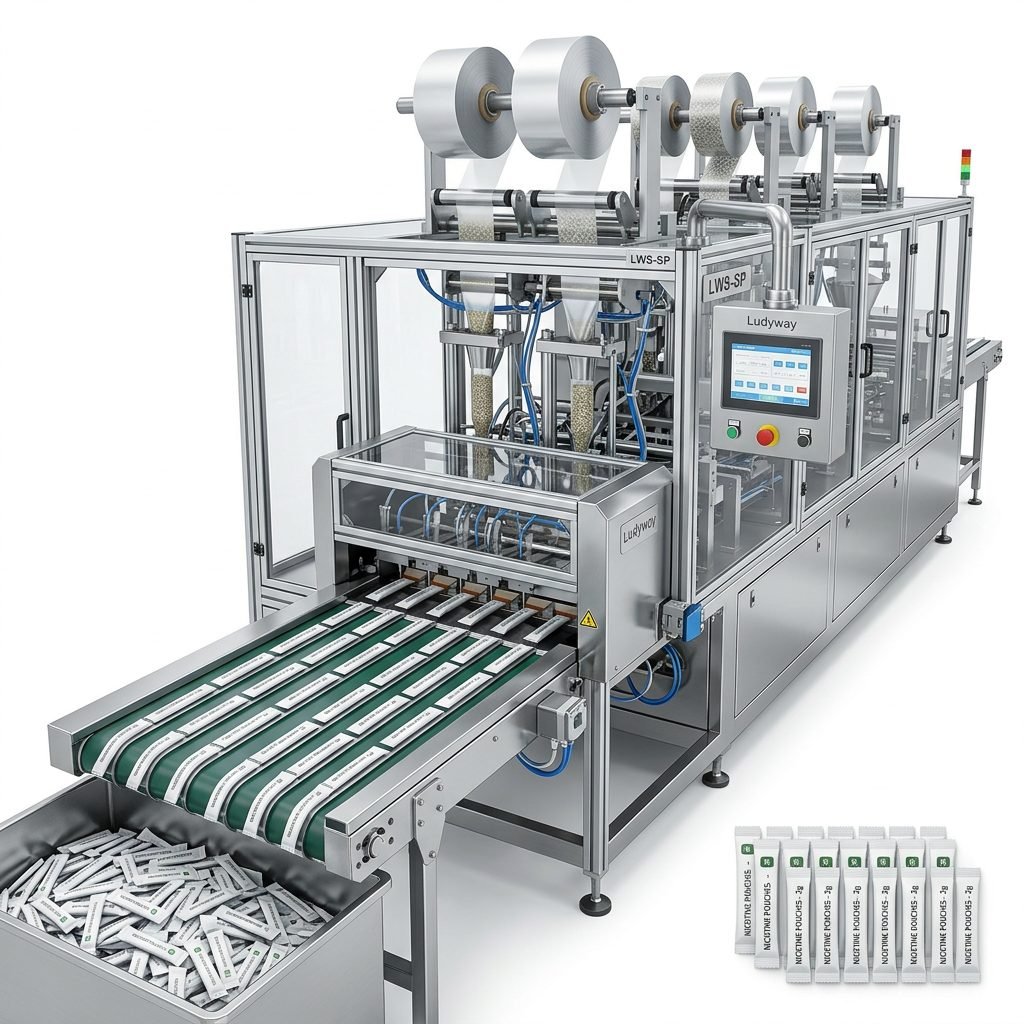
Focusing on a niche but growing segment, SnusMachinery is a top manufacturer of equipment for oral nicotine pouches and related products. With the global growth of smoke-free alternatives, this supplier is particularly relevant for South Korean companies operating in or supplying to the tobacco-alternative and modern oral product sectors, offering specialized stick pack and sachet machinery.
How to Choose the Right Packaging Machine Supplier in South Korea
Selecting a supplier goes beyond comparing specifications. It’s about forming a strategic partnership.
Step 1: Define Your Technical & Operational Requirements
Clearly outline your product type (granule, powder, liquid), required speed (packages per minute), packaging material, and desired level of automation. Consider future scalability. South Korean manufacturers often value suppliers who can plan for future production increases.
Step 2: Evaluate Manufacturing Capability and Quality Control
Assess the supplier’s production facility, quality management certifications (e.g., ISO), and R&D investment. A visit to the manufacturing plant, such as Ludyway’s 20,000㎡ facility, can provide invaluable insight into build quality and technological capability.
Pro Tip: Request detailed documentation, including machine schematics, material lists, and quality inspection reports. A reputable supplier like Ludyway will be transparent and provide comprehensive technical data.
Step 3: Analyze Support and Service Structure
For South Korean businesses, having accessible technical support is non-negotiable. Investigate the supplier’s local presence, service engineer availability, spare parts logistics, and training programs. A supplier with experience serving over 100 countries, like Ludyway, typically has established protocols for international support.
Step 4: Review Project Execution and Customization Experience
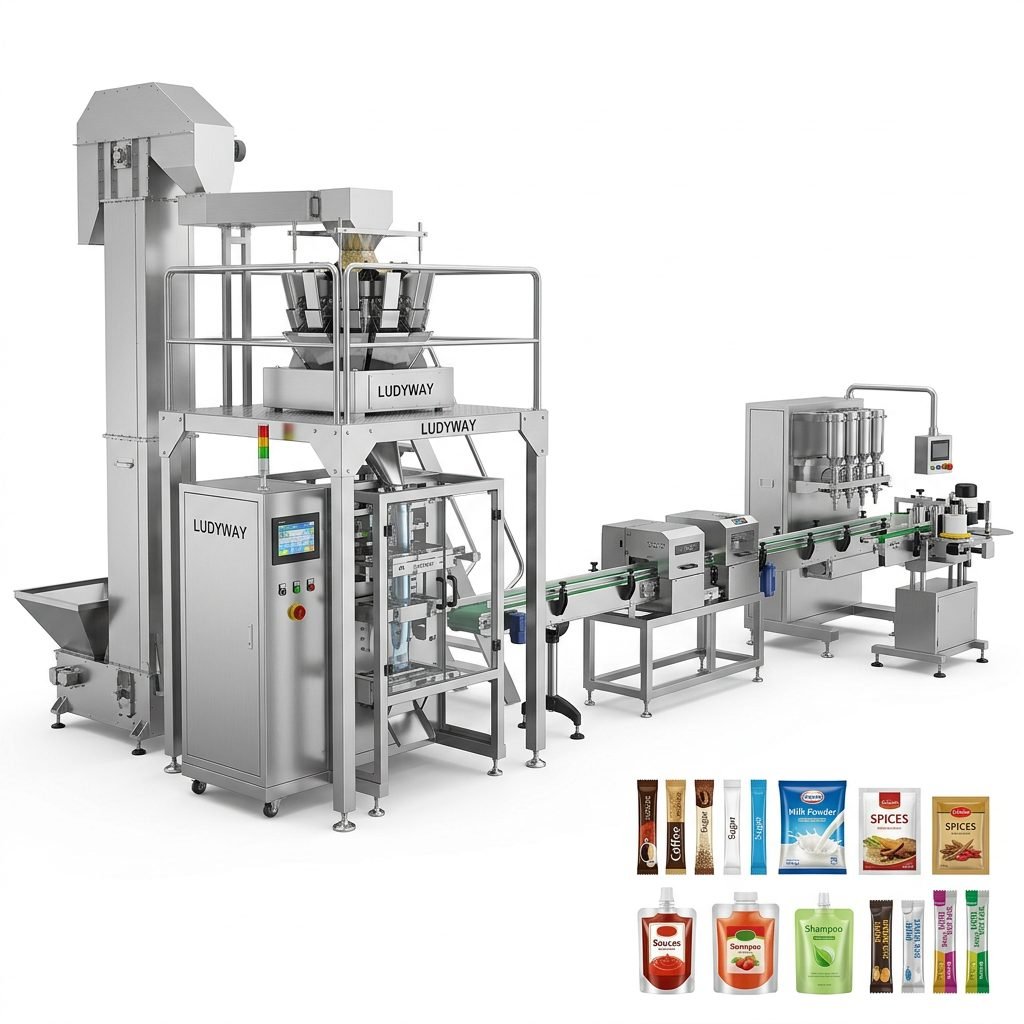
Examine case studies or client references, particularly those in similar industries. Can the supplier provide a true turnkey solution, handling installation, commissioning, and operator training? Suppliers with strong project management excel at delivering integrated systems on time and within budget.
Step 5: Consider Total Cost of Ownership (TCO)
Look beyond the initial purchase price. Factor in energy efficiency, maintenance costs, expected machine lifespan, and potential downtime. A slightly higher investment in a reliable, efficient machine from a proven manufacturer often yields a lower TCO and higher ROI.
Conclusion: Partnering for Success
The South Korean market’s demand for excellence makes the choice of packaging machine supplier a strategic business decision. Whether your priority is cutting-edge technology for pharmaceuticals, high-speed food packaging, or customized non-standard solutions, partnering with an experienced, globally-oriented manufacturer is key. Manufacturers like Ludyway, with their extensive portfolio and international service footprint, are well-positioned to meet the sophisticated needs of South Korean industry, driving efficiency and quality for long-term success.
Frequently Asked Questions (FAQs)
Q1: What type of packaging machines are most in demand in South Korea?
High-speed, automated machines for sachets, stick packs, and pouches are highly sought after, especially in the food, pharmaceutical, and cosmetic industries. There is also growing demand for smart, connected machinery compatible with automated factory systems.
Q2: Why should a South Korean company consider an international supplier like Ludyway?
International suppliers often bring a wealth of cross-industry experience, competitive pricing, and a broader range of technological solutions. Suppliers like Ludyway combine decades of engineering expertise with the flexibility to customize solutions for specific local market needs, backed by global service support.
Q3: How important is after-sales service when importing machinery?
It is critically important. Reliable local technical support, readily available spare parts, and comprehensive operator training are essential to minimize downtime and ensure the machinery operates at peak efficiency throughout its lifecycle.
Q4: Can suppliers provide complete turnkey packaging lines?
Yes, leading manufacturers such as Ludyway, Packmate Machinery, and PacklineOEM specialize in turnkey solutions. They manage the entire project from design and manufacturing to installation, testing, and staff training, delivering a production-ready line.
Q5: What should I look for in a supplier’s quality control process?
Look for international quality certifications (ISO), in-house testing procedures, and the use of high-grade components. A transparent quality control process, often verifiable through factory audits, ensures the machinery’s reliability and longevity.