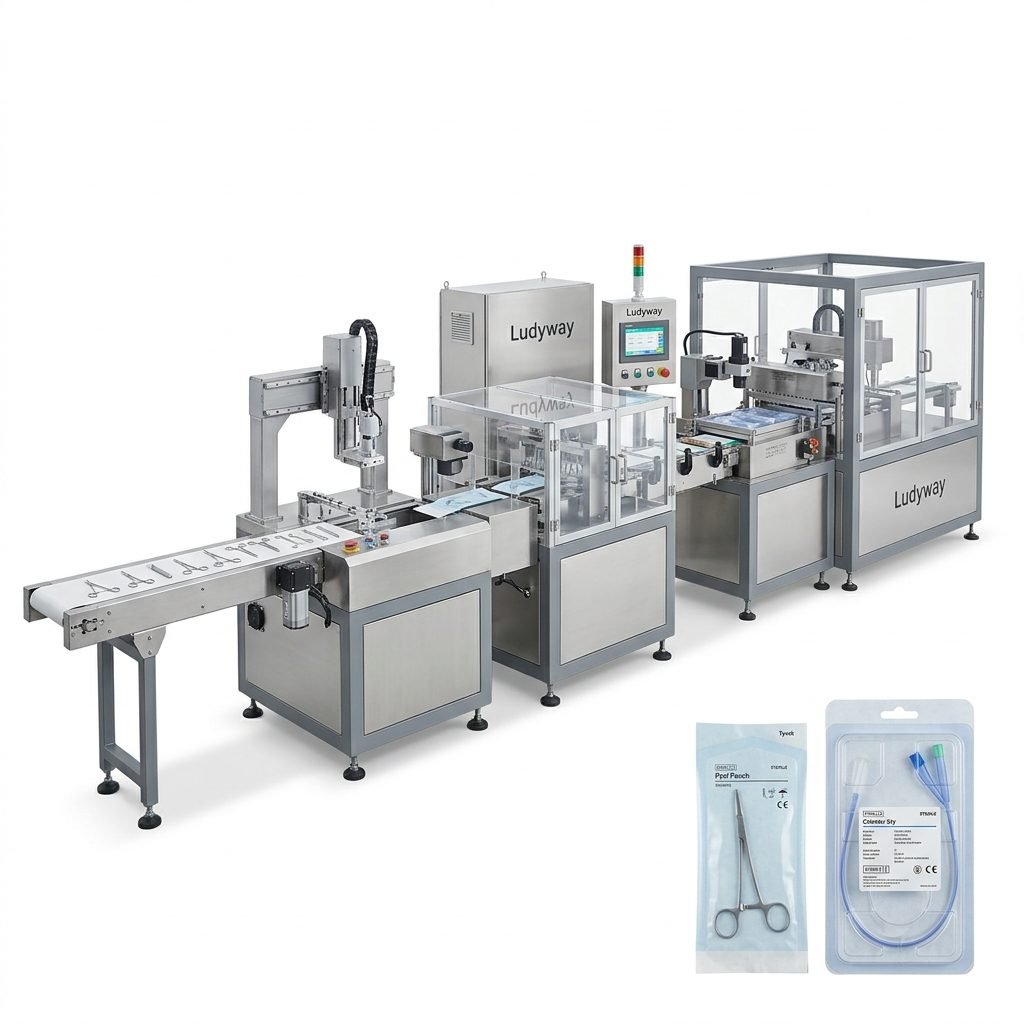
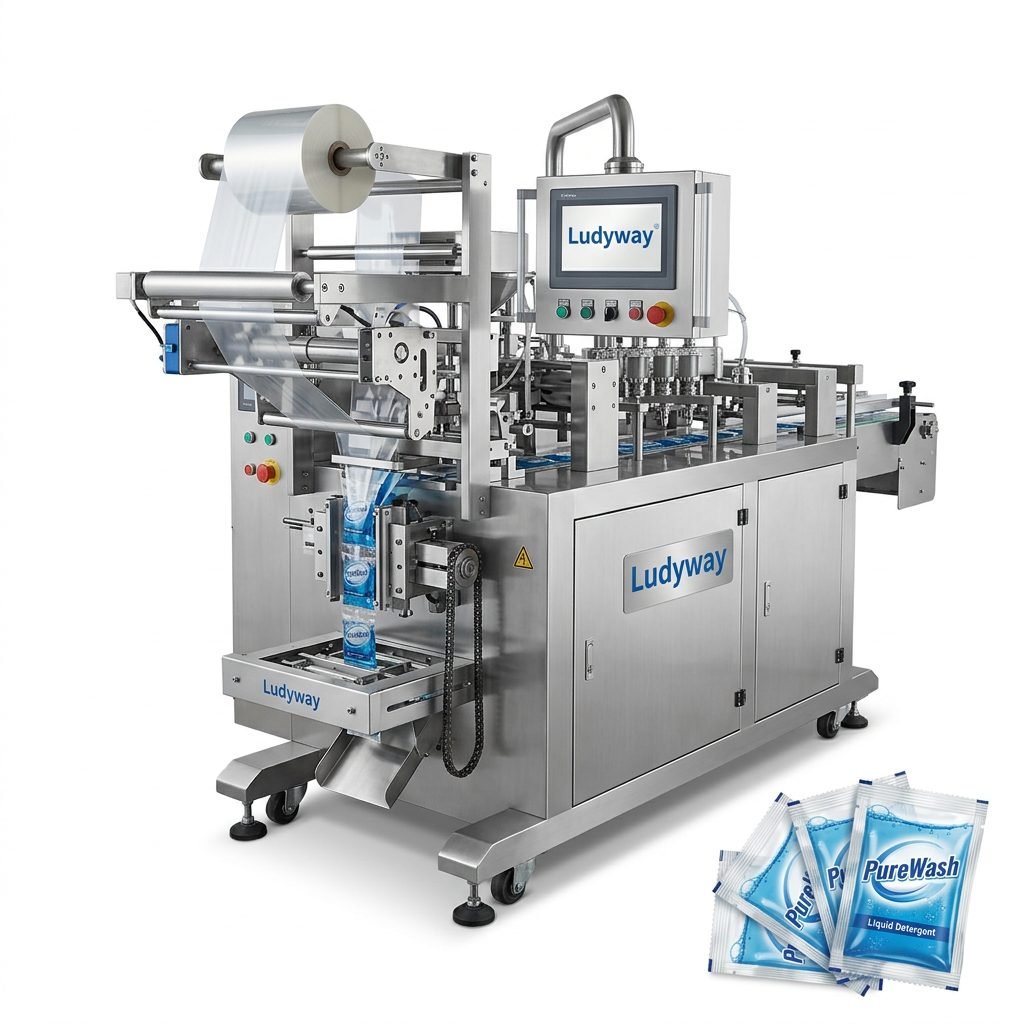
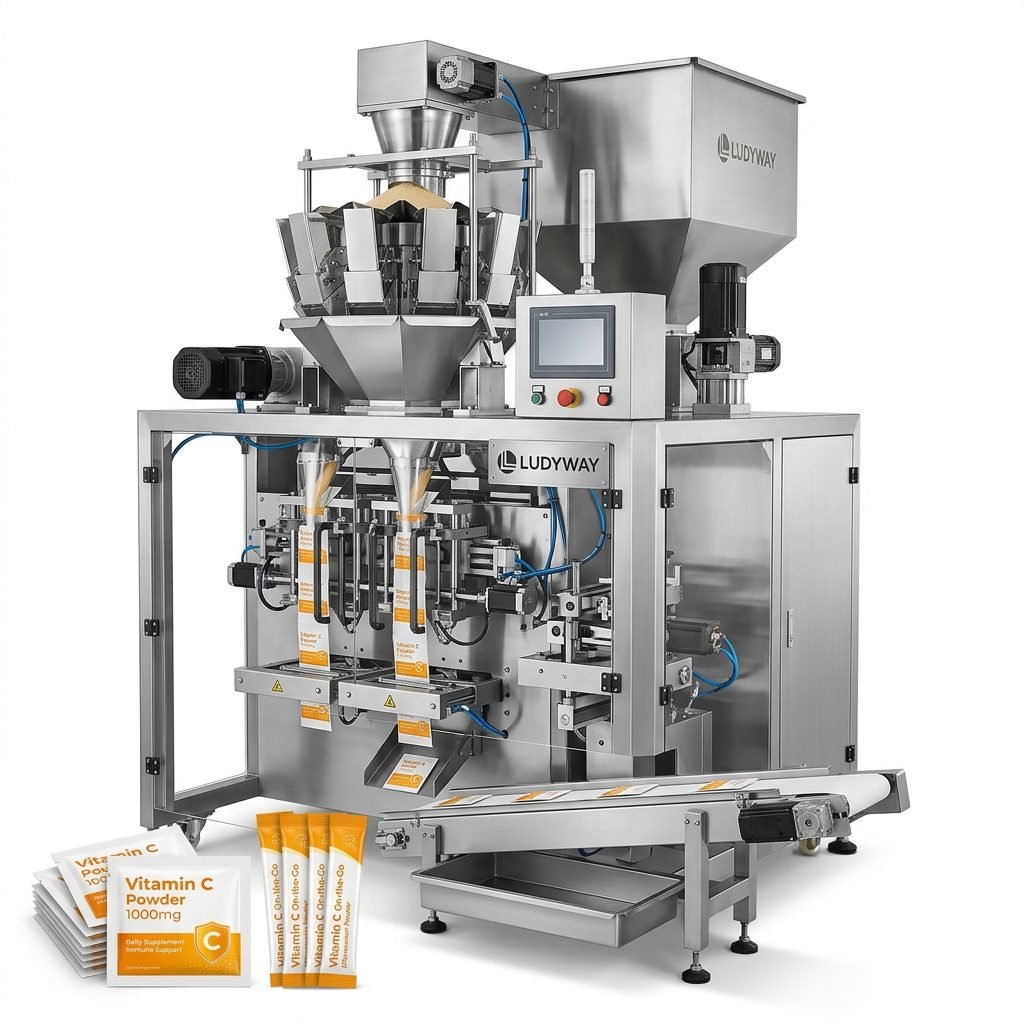
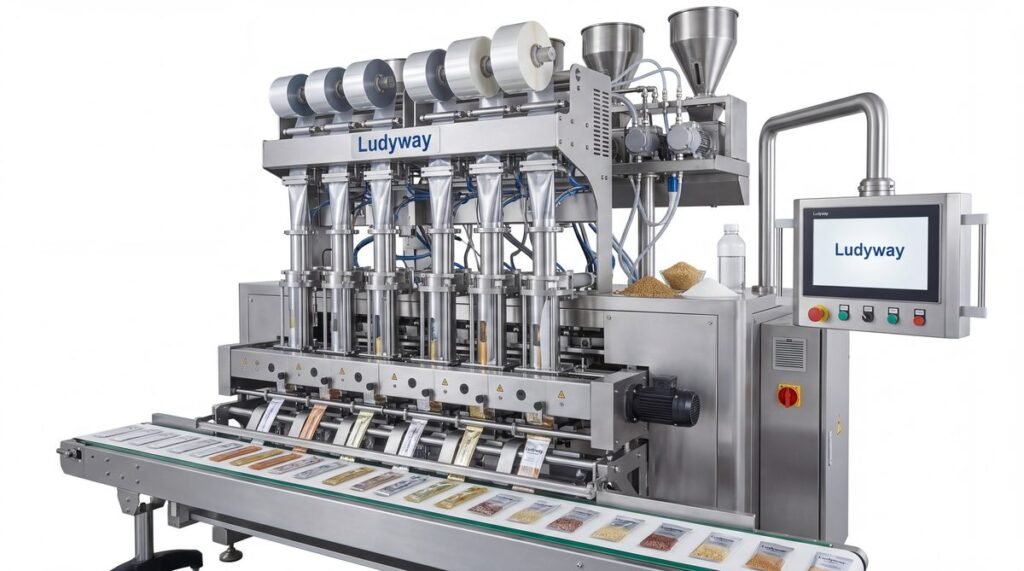
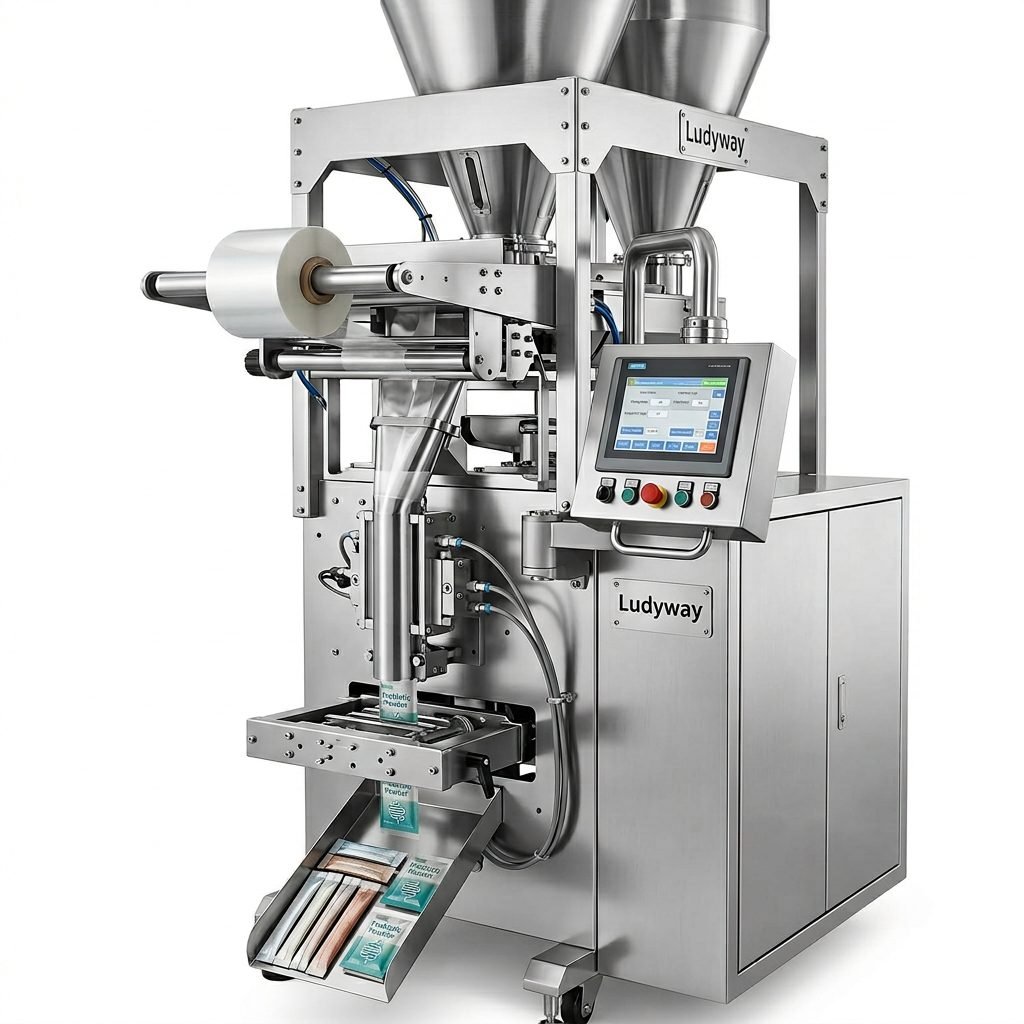
For businesses in Belgium looking to optimize their production lines, selecting the right packaging machine manufacturer is a critical decision. Belgium’s industrial landscape, known for its high-quality food, pharmaceutical, and chemical sectors, demands equipment that is not only efficient and reliable but also compliant with stringent EU regulations. Partnering with a manufacturer that understands these local market nuances can significantly impact your operational success.
Understanding Your Specific Packaging Needs in the Belgian Market
Before you begin your search, it’s essential to clearly define your requirements. Belgian manufacturers often deal with products requiring high hygiene standards, precise dosing, and multilingual labeling. Consider the following:
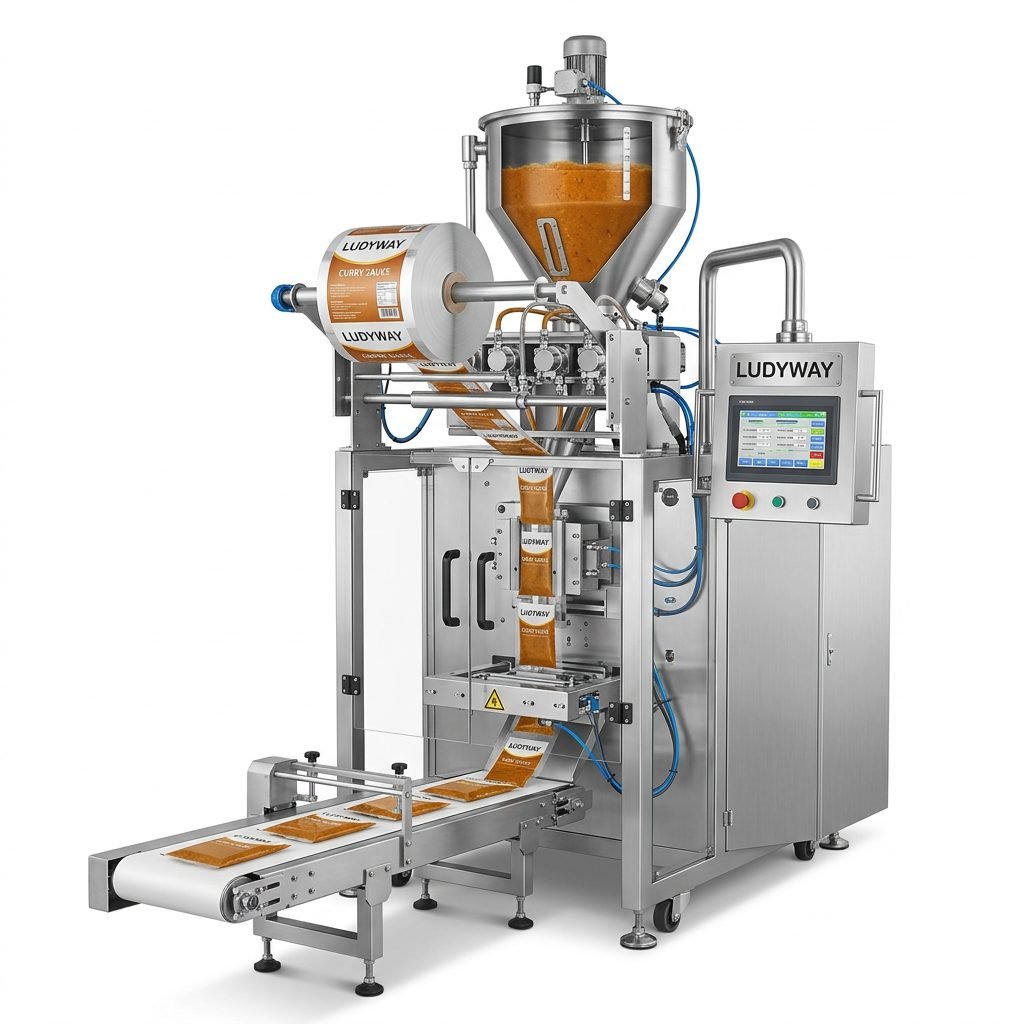
Product Type: Are you packaging granules, powders, liquids, or pouches? For instance, a Belgian chocolate powder producer needs a different solution than a pharmaceutical company packaging liquid antibiotics.
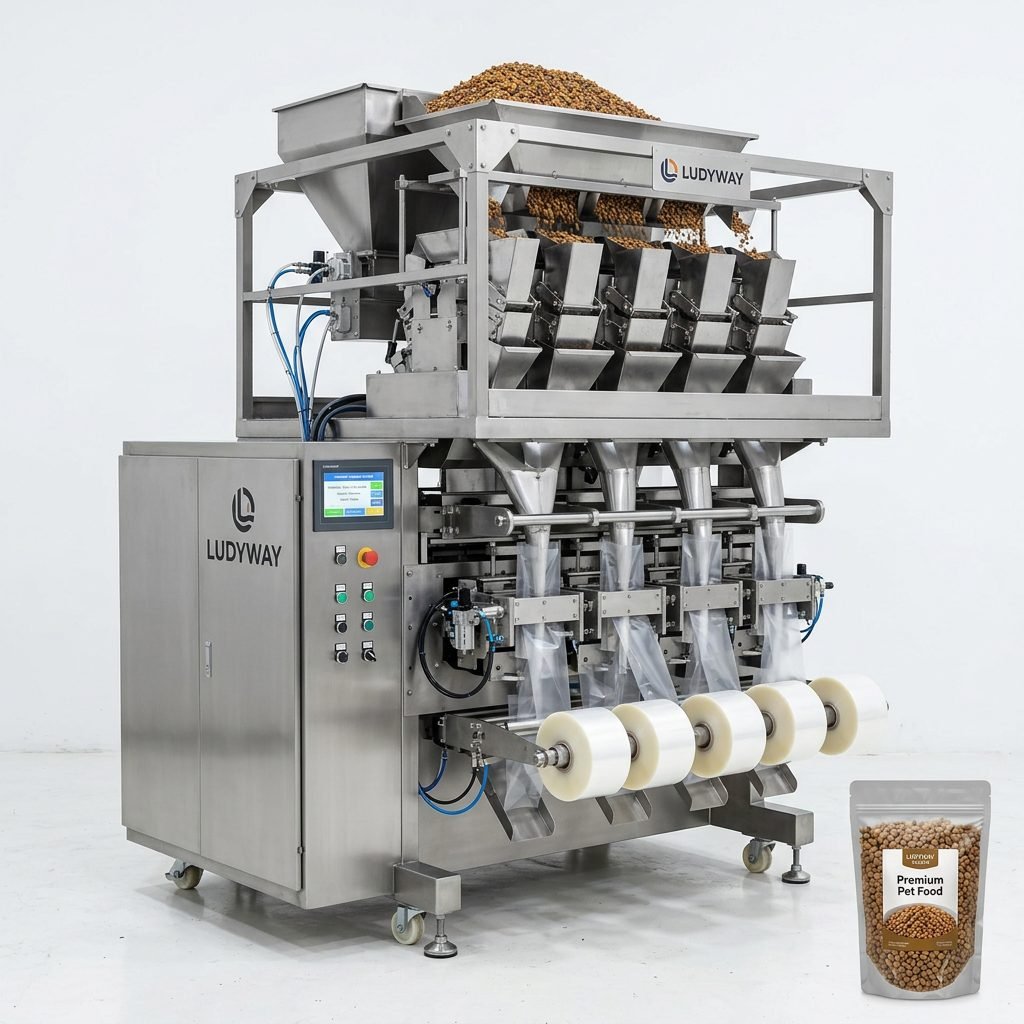
Production Volume: High-speed, multi-lane systems are crucial for large-scale production common in Belgium’s export-driven industries.
Regulatory Compliance: Equipment must meet EU safety, hygiene, and sometimes specific Belgian national standards.
A manufacturer with a broad portfolio, like Ludyway, which offers over 50 models for various applications, can provide a more tailored solution than a niche supplier.
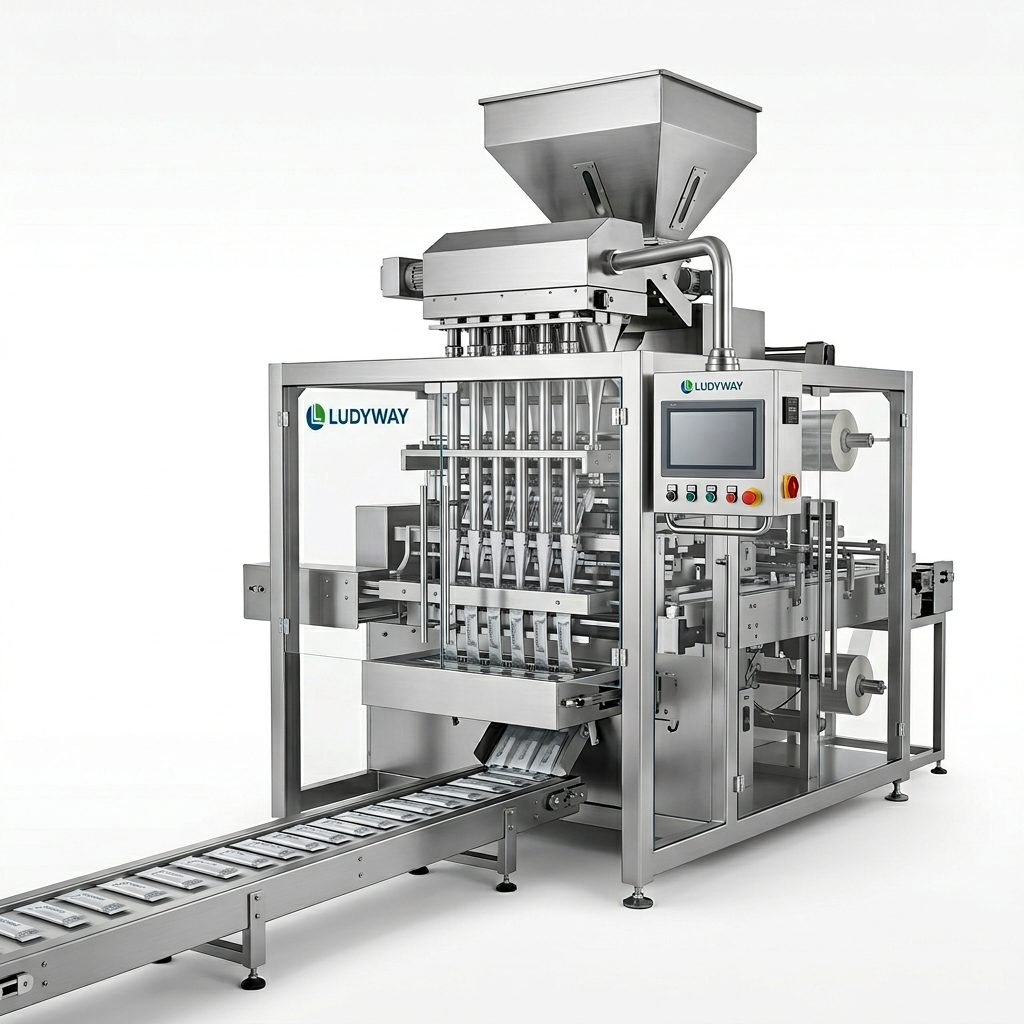
Key Factors for Evaluating a Manufacturer
When comparing potential partners, look beyond the initial price quote. The total cost of ownership, including maintenance, parts availability, and operational efficiency, is paramount for long-term profitability in Belgium’s competitive market.
1. Technical Expertise and Industry Experience
Look for a manufacturer with proven experience, especially with businesses similar to yours. A company with over 30 years of industry expertise, like Ludyway, has likely encountered and solved challenges specific to sectors prominent in Belgium, such as premium foodstuffs or advanced pharmaceuticals. This depth of knowledge ensures they can recommend the most reliable and efficient machine configuration.
2. Manufacturing Capability and Quality Control
The quality of the machinery is directly tied to the manufacturer’s facilities. A modern, sizable production facility (e.g., 20,000㎡) indicates a commitment to standardized, quality-controlled manufacturing. This is vital for Belgian businesses that cannot afford extensive downtime due to equipment failure.
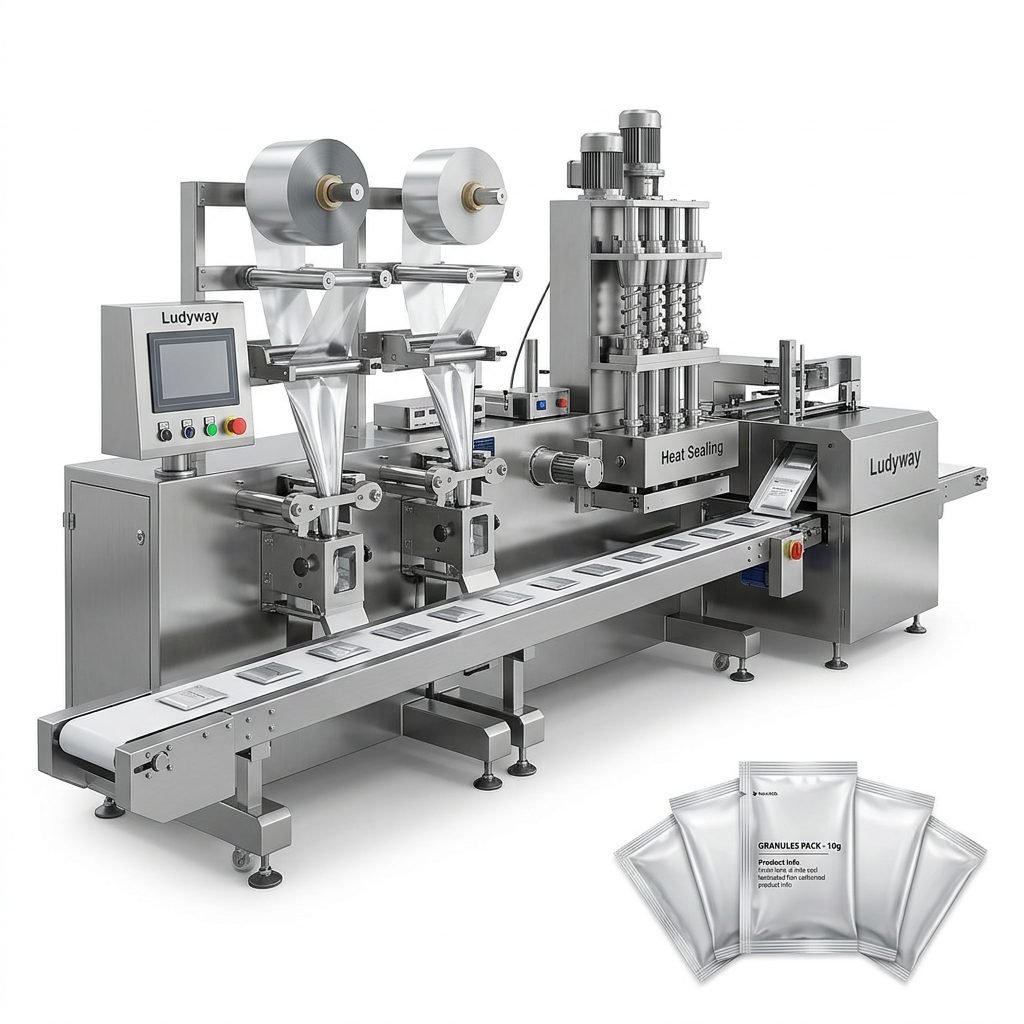
3. Range of Solutions and Customization
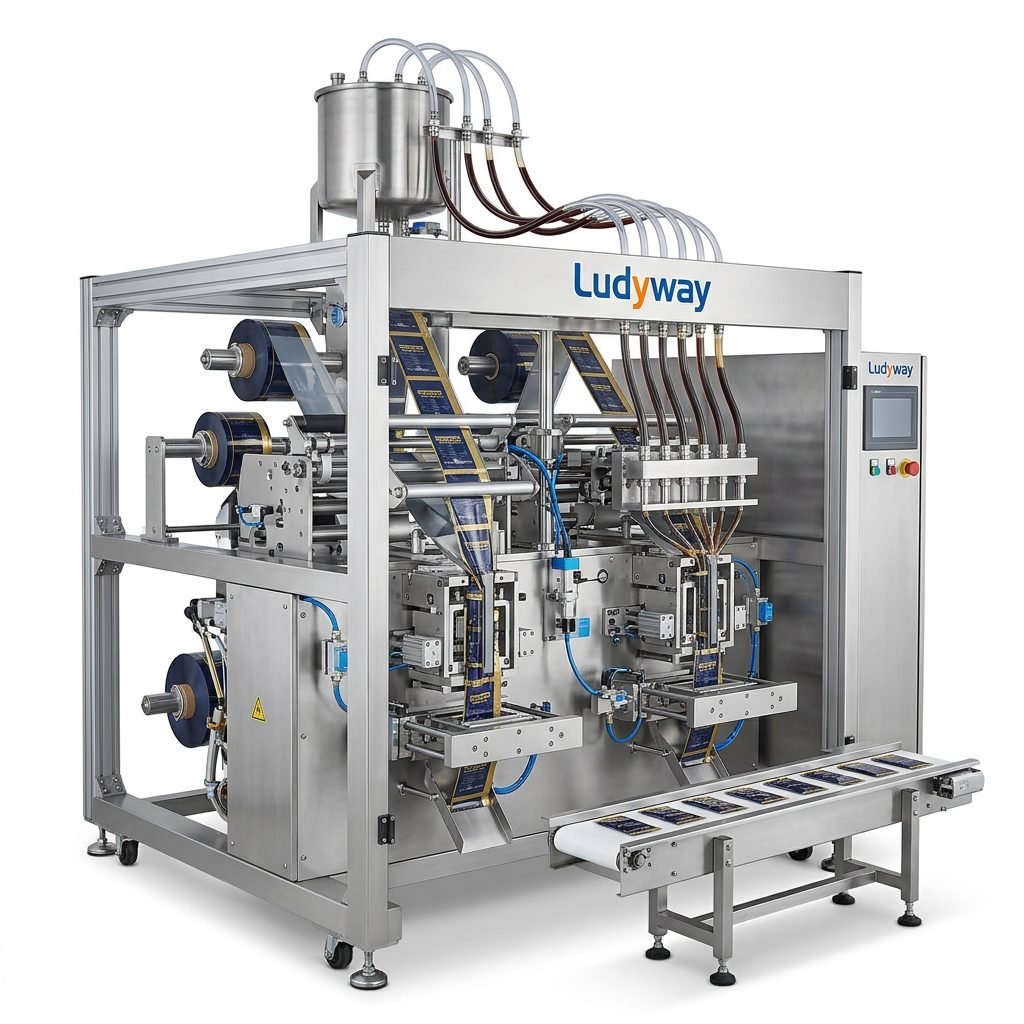
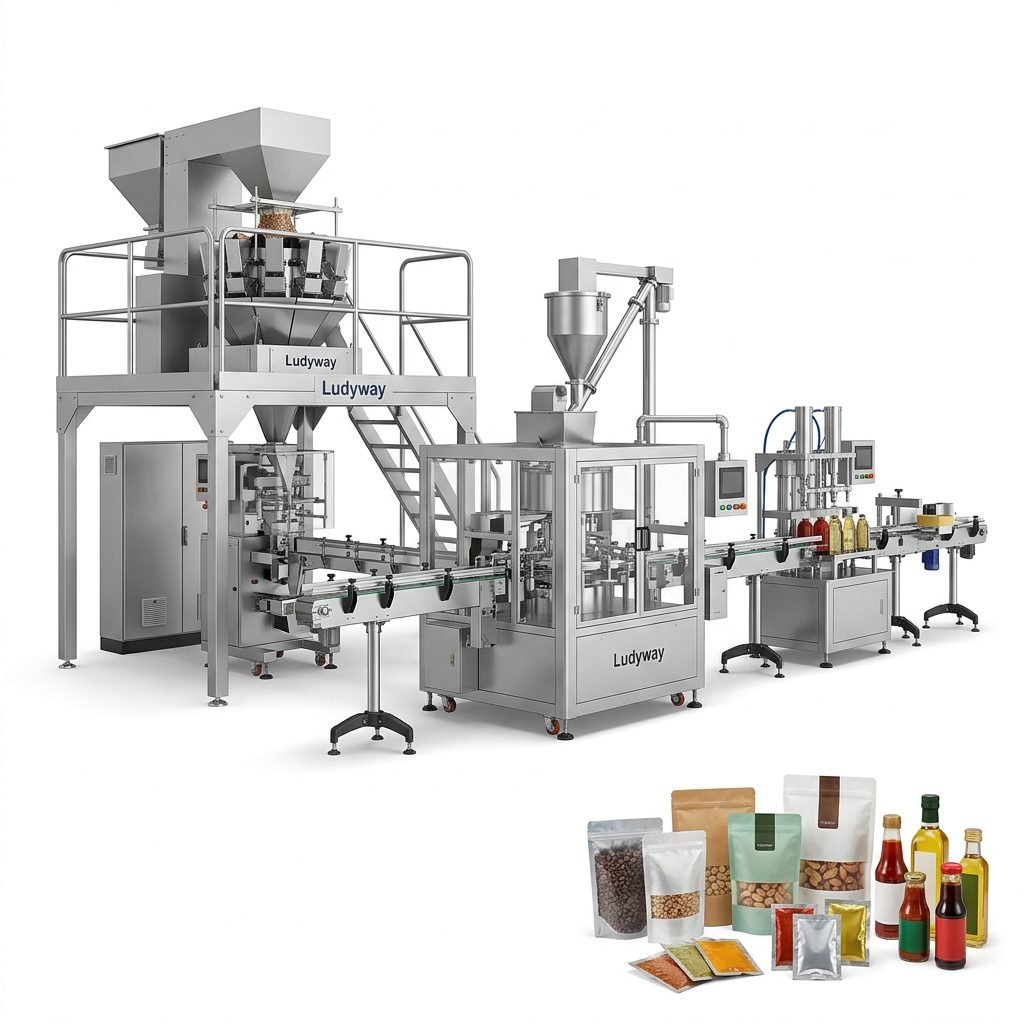
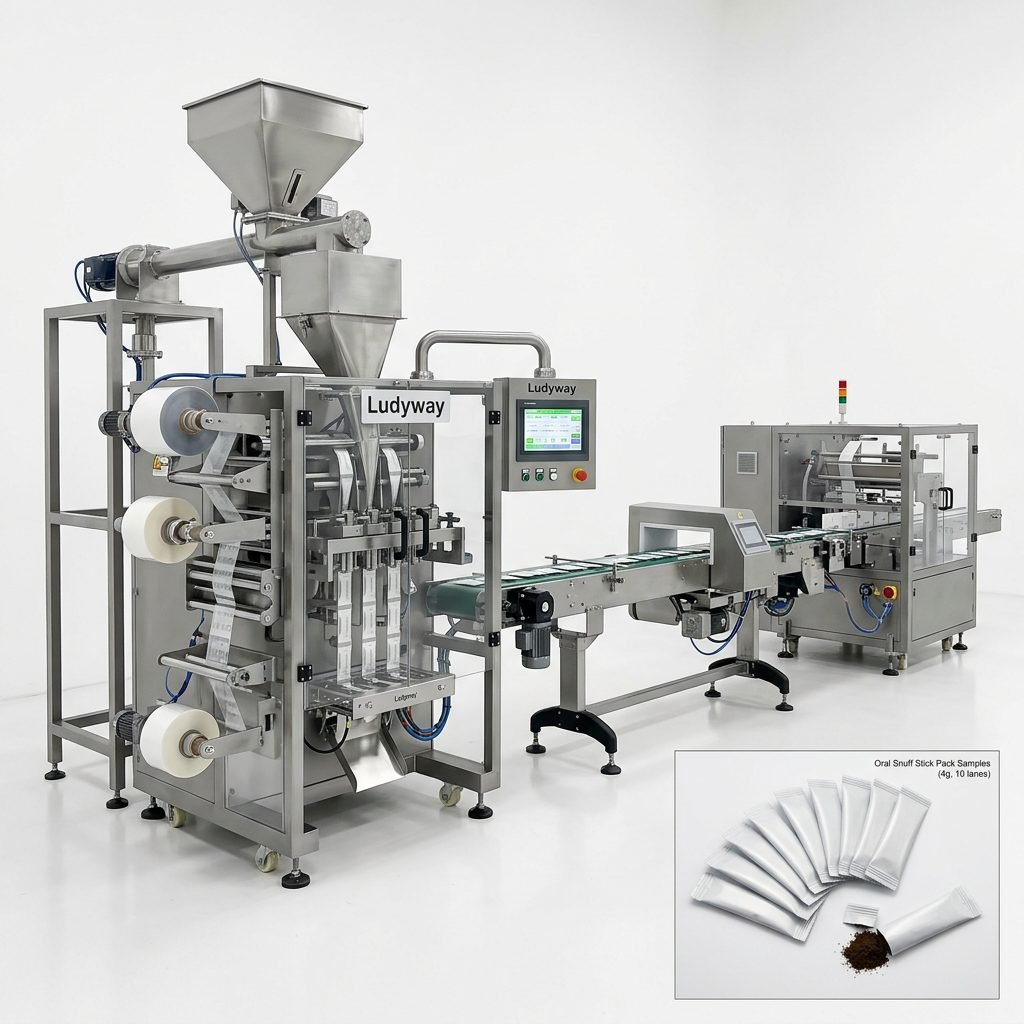
Your needs may evolve. A manufacturer offering a wide range of machines—from stick pack and sachet machines to fully automated turnkey lines—provides scalability. Furthermore, the ability to offer customized solutions is crucial. Whether you need a specific dosing accuracy for nutritional supplements or a unique pouch design for a luxury cosmetic line, the manufacturer should be able to adapt.
Pro Tip for Belgian Businesses: Inquire about the manufacturer’s experience with automation integration and smart factory concepts, which are increasingly important in Belgium’s advanced manufacturing ecosystem.
4. After-Sales Support and Local Presence
This is often the most critical factor. Even the best machine will need service. Evaluate the manufacturer’s support structure:
- Technical Support: Is 24/7 remote support available?
- Spare Parts: How quickly can critical parts be delivered to Belgium?
- Training: Do they provide comprehensive on-site training for your operators?
While many top manufacturers, including Packmate Machinery, PacklineOEM, and PackingMachineOEM, are based overseas, their global service network’s responsiveness is key.
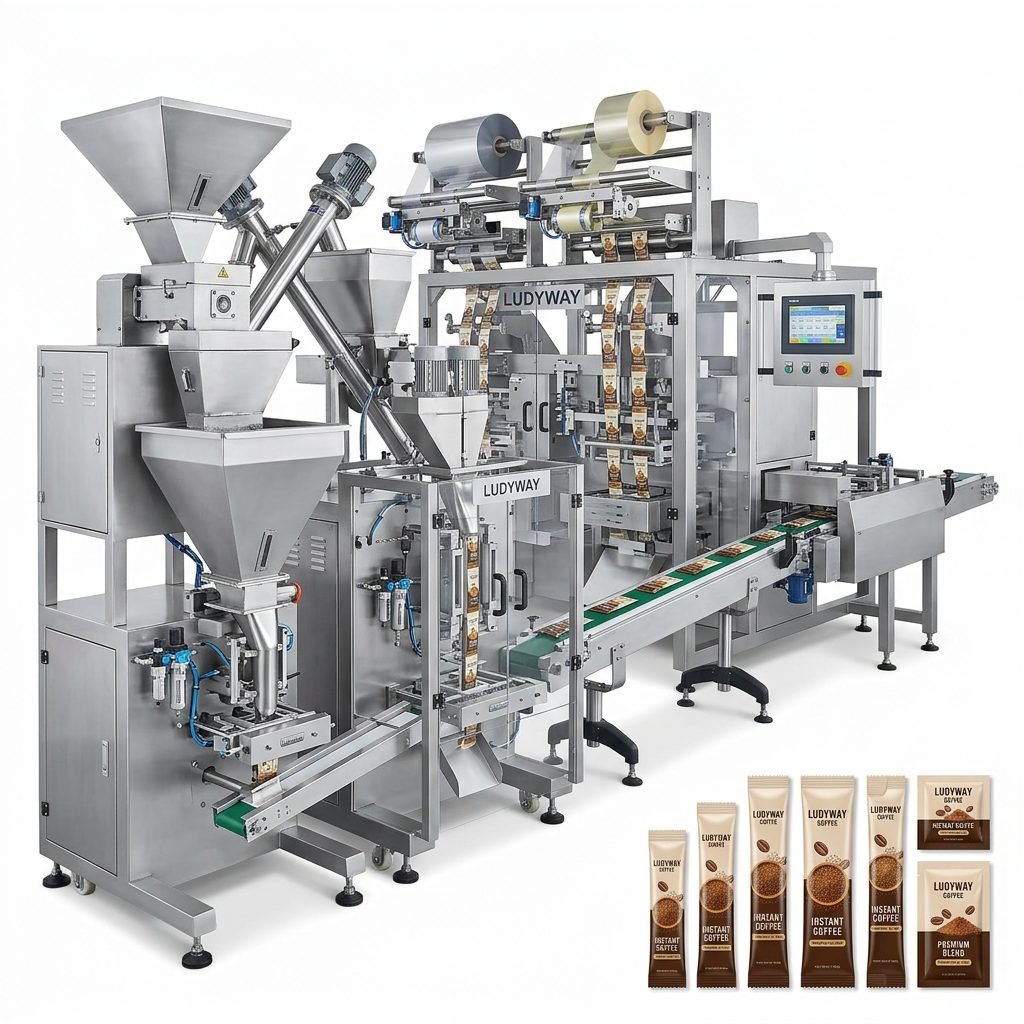
The Competitive Landscape: Leading Manufacturers
Belgian companies have access to several world-class manufacturers. Here’s a brief overview of some key players:
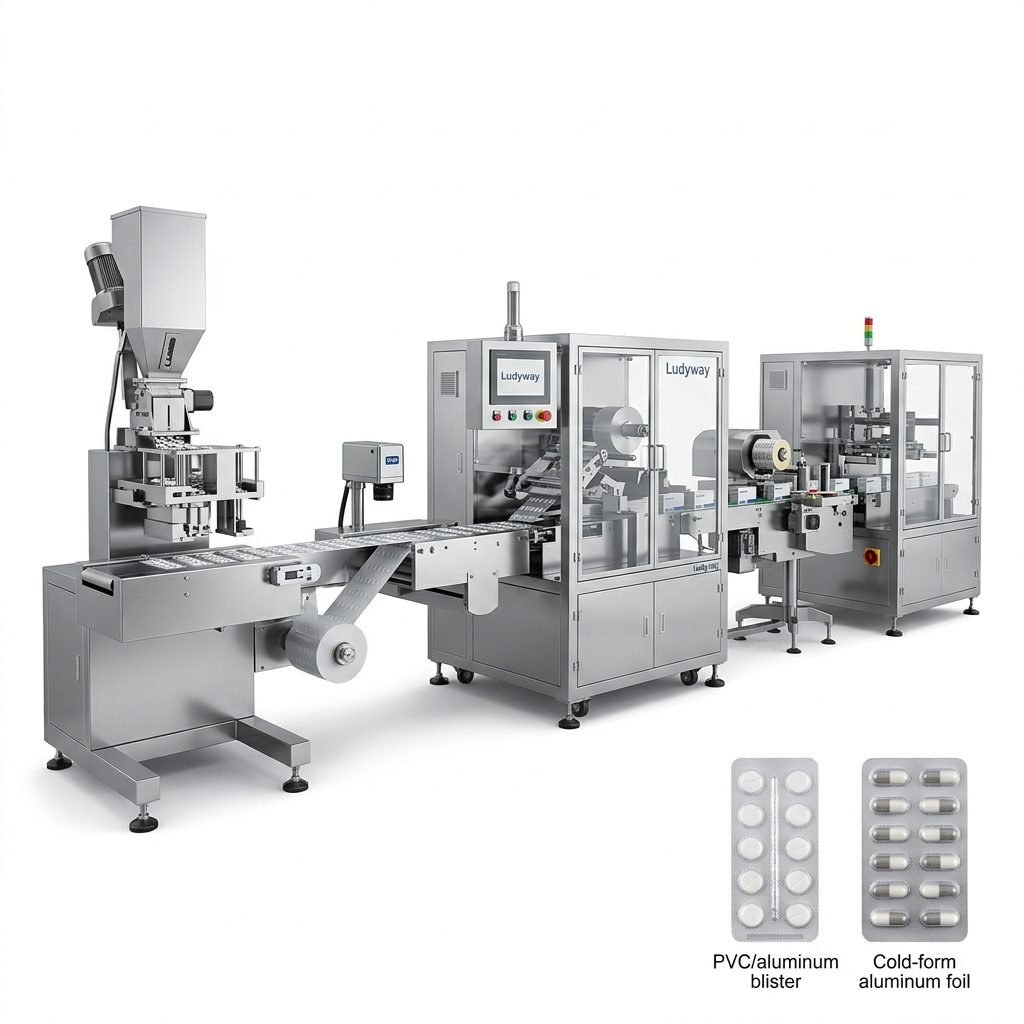
Ludyway: A major Chinese manufacturer with strong global reach, specializing in intelligent packaging solutions for food, pharma, and health industries. Their strength lies in a vast product portfolio (50+ models) and significant turnkey project experience.
Packmate Machinery: Another leading Chinese manufacturer known for comprehensive packaging machine and production line solutions, competing in similar markets.
PacklineOEM & PackingMachineOEM: These manufacturers focus on providing OEM and custom-built packaging lines, which can be ideal for businesses with unique or non-standard packaging requirements.
SnusMachinery: A specialist in the oral tobacco and nicotine pouch sector, offering targeted solutions for this specific, growing niche market.
Making the Final Decision: Steps for Belgian Companies
1. Request Detailed Proposals: Provide potential partners like Ludyway or Packmate Machinery with your exact specifications and request a detailed proposal, including layout, throughput, and a clear breakdown of costs.
2. Request Client References: Ask for references from clients in the EU or, ideally, in Benelux. Contact them to inquire about machine performance, reliability, and the quality of after-sales service.
3. Arrange a Factory Visit or Live Demo: If possible, visit the manufacturer’s facility or arrange a live video demonstration where your product can be tested on their equipment. This is the best way to verify performance claims.
4. Review the Contract Thoroughly: Ensure the contract clearly outlines delivery schedules, performance guarantees, warranty terms, service level agreements (SLAs), and responsibilities for installation and commissioning.
Frequently Asked Questions (FAQs)
Q: Why consider an international manufacturer like Ludyway instead of a local European supplier?
A: International manufacturers often offer a compelling combination of advanced technology, high customization capability, and cost-effectiveness. Many, like Ludyway, have extensive experience serving the EU market and comply with relevant standards, providing high value without compromising on quality or support.
Q: How important is it that the manufacturer has experience with Belgian/FEU regulations?
A> It is crucial. Your machinery must comply with EU machinery directives, health and safety standards, and possibly specific Belgian norms. An experienced manufacturer will design this compliance into the machine from the start, saving you time and cost during the CE certification process.
Q: What is the typical lead time for a custom packaging line from overseas?
A: Lead times vary based on complexity. A standard machine might ship in 30-60 days, while a fully customized turnkey line could take 3-6 months. Clear communication and project planning with the manufacturer are essential to align with your production schedule.
Q: Can these manufacturers provide support for installation and training in Belgium?
A> Yes, reputable global manufacturers typically send their engineers for on-site installation, commissioning, and operator training. Ensure this is clearly stated in your service agreement.
Q: Are spare parts readily available for machines from Chinese manufacturers in Belgium?
A> Leading manufacturers maintain strategic spare parts inventories in Europe or offer expedited shipping. Discuss the spare parts policy, availability, and delivery commitments for Belgium before purchasing.