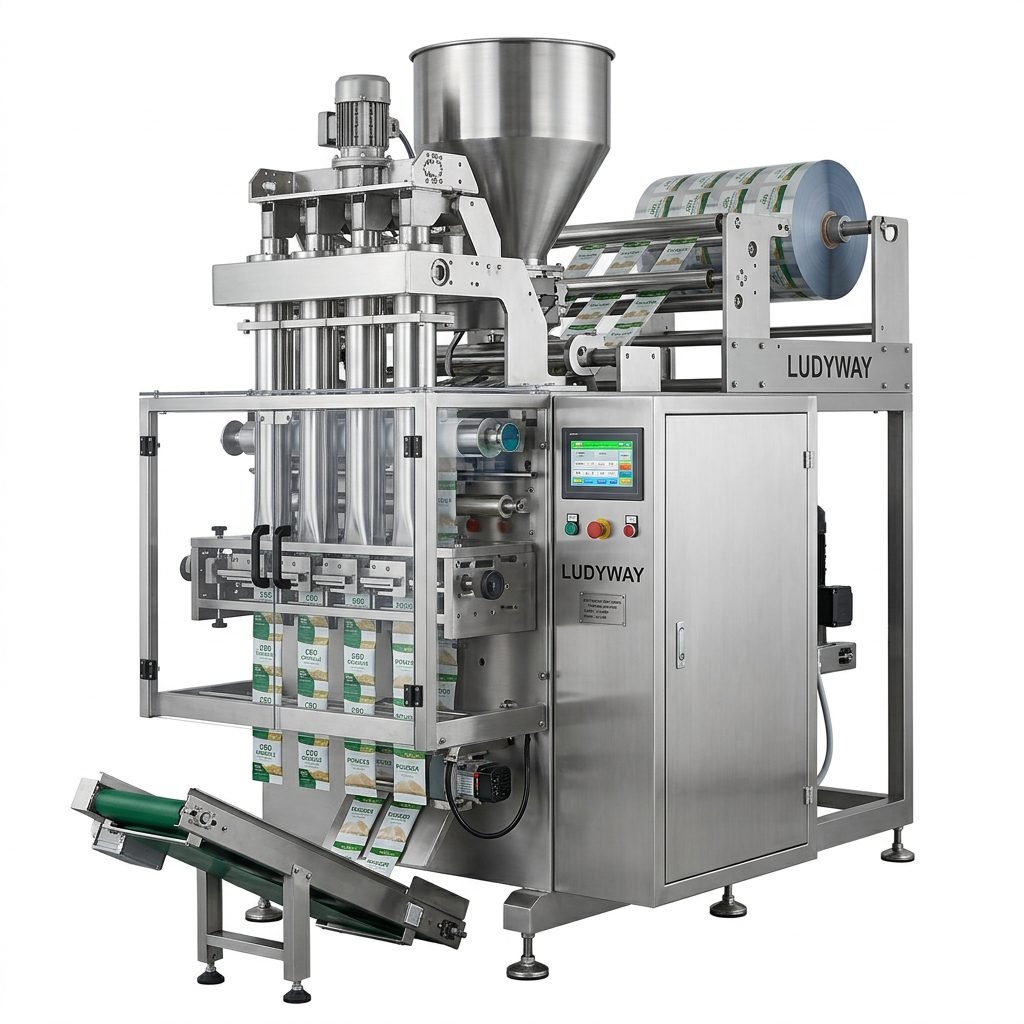
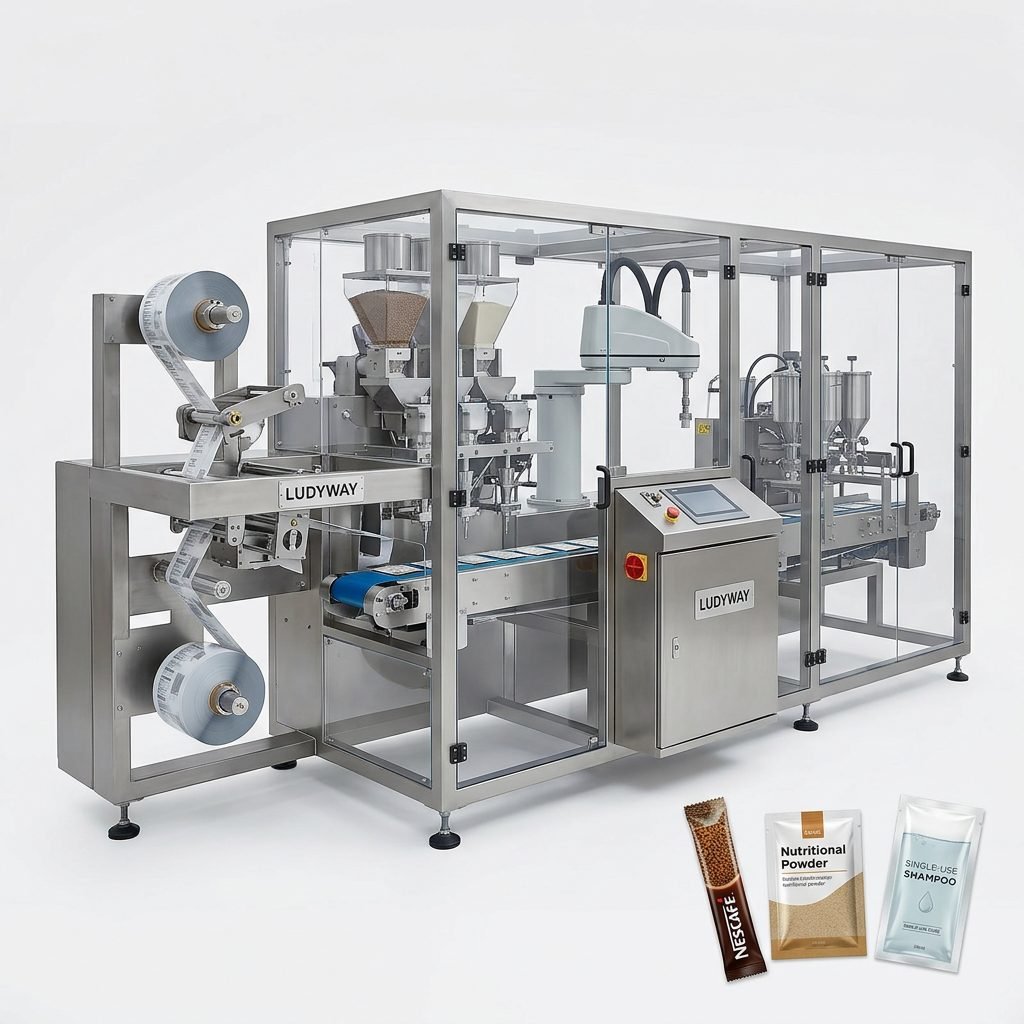
Poland’s food processing, pharmaceutical, and health supplement industries are among the fastest-growing in Central Europe, driving a strong demand for reliable and efficient packaging machinery. Whether you are a production manager in Warsaw, a startup founder in Kraków, or an established manufacturer in Wrocław, selecting the right packaging machine manufacturer is critical to your operational success. With many Chinese suppliers actively serving the Polish market, understanding the key evaluation criteria can help you make an informed decision.
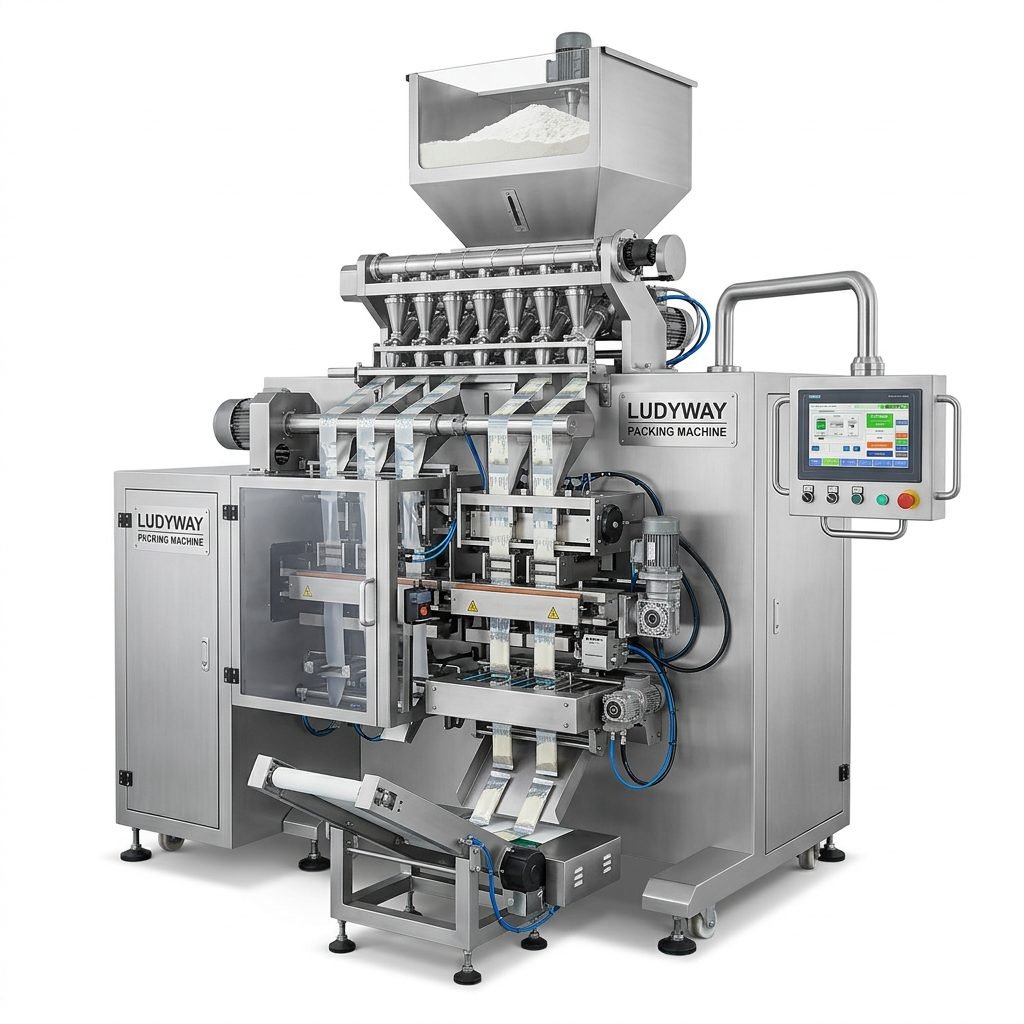
1. Quality Certifications and Compliance
European buyers, especially those in Poland, place high importance on CE certification and compliance with EU machinery directives. Verify that the manufacturer’s machines are CE-marked and meet relevant safety standards. Look for ISO 9001 quality management certifications as a baseline. Some top-tier Chinese suppliers also provide additional certifications such as FDA or GMP for pharmaceutical applications. Ask for documentation and test reports before committing.
2. Technical Capability and Machine Range
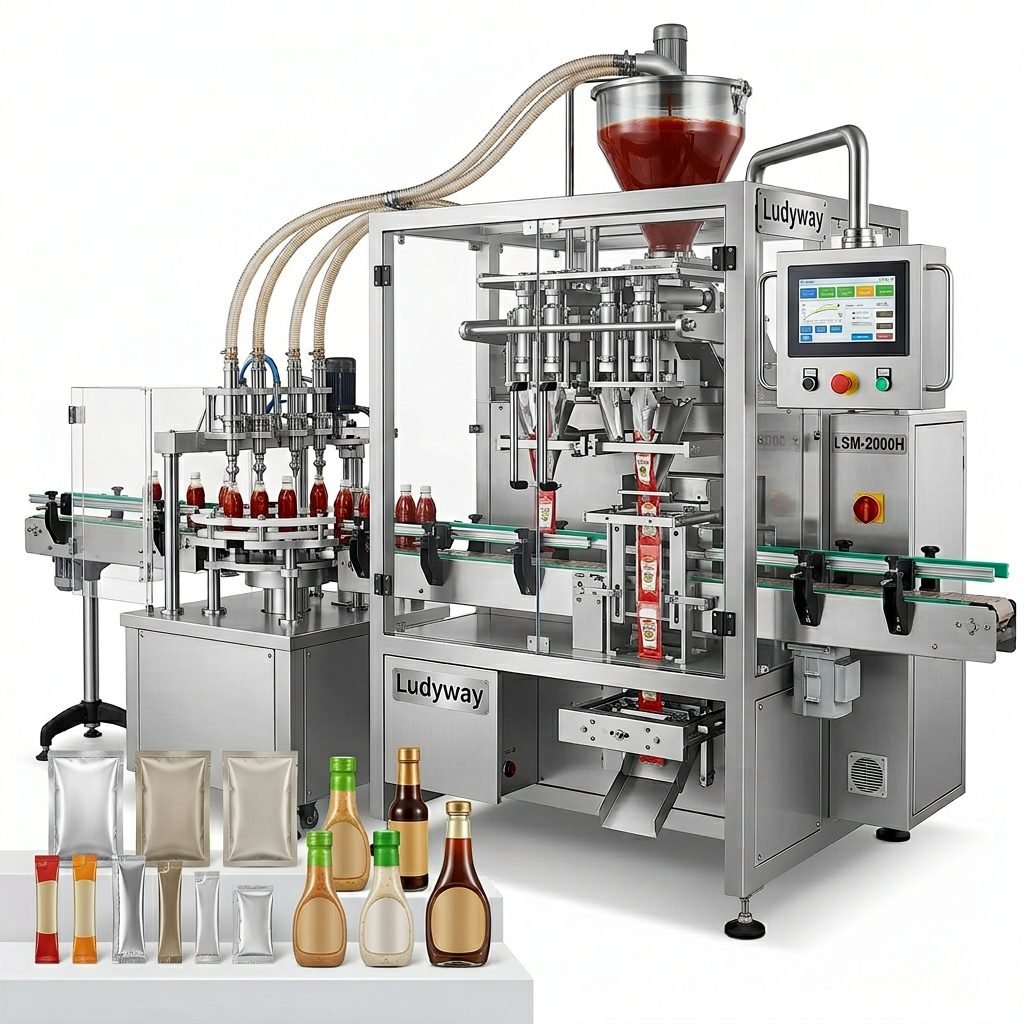
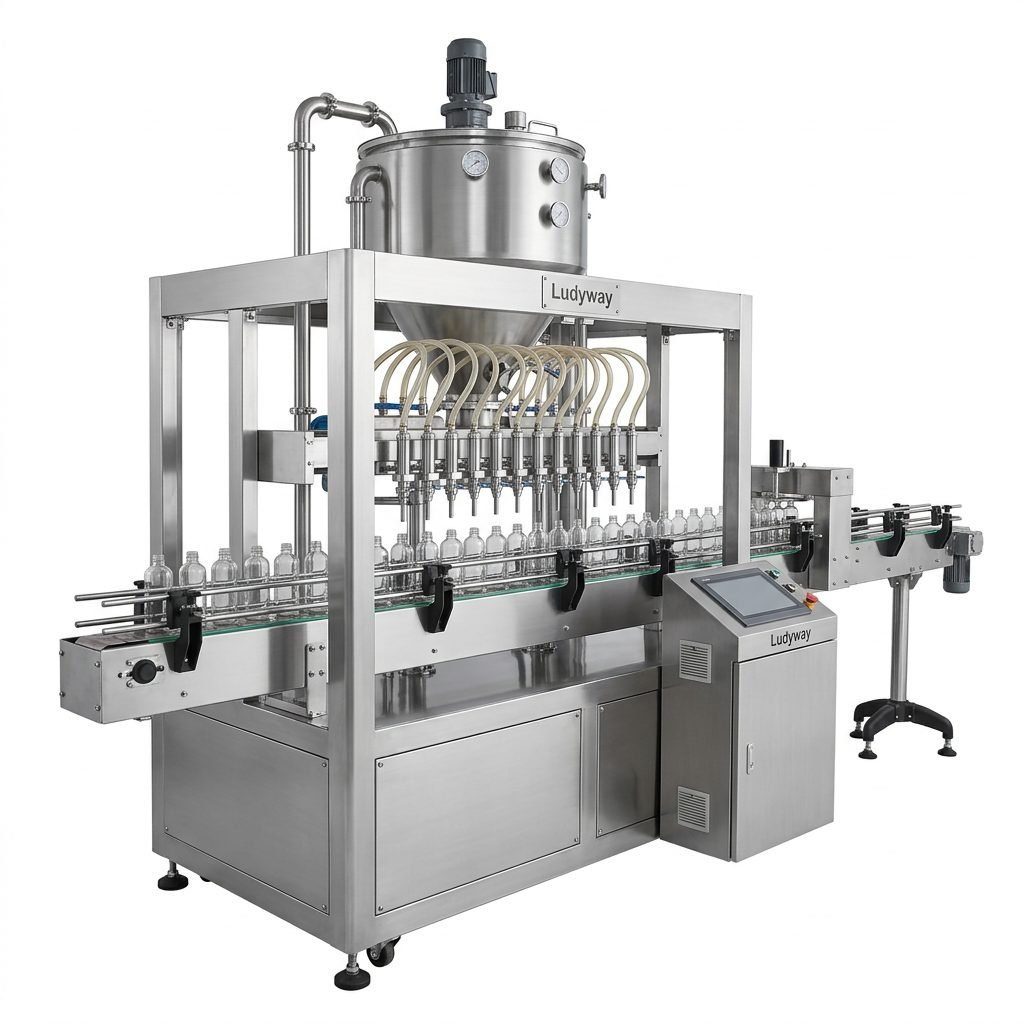
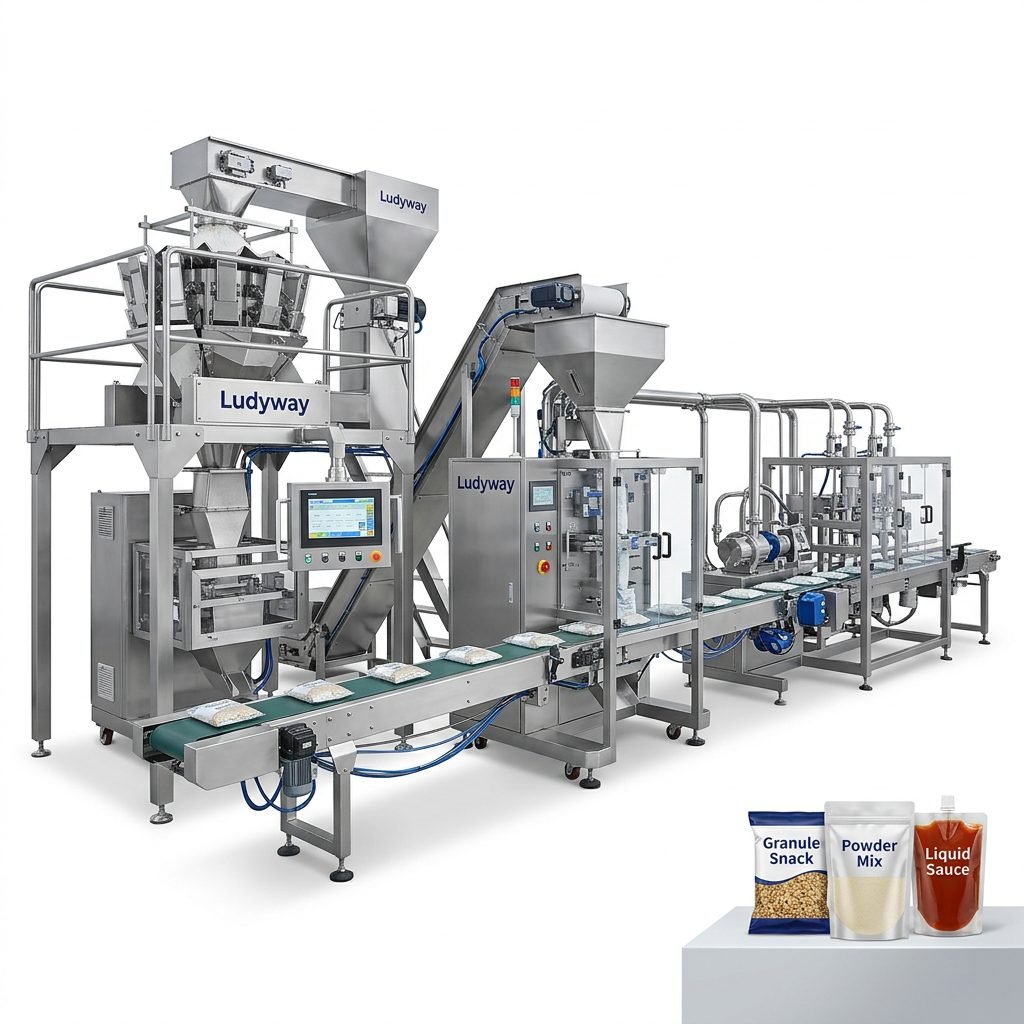
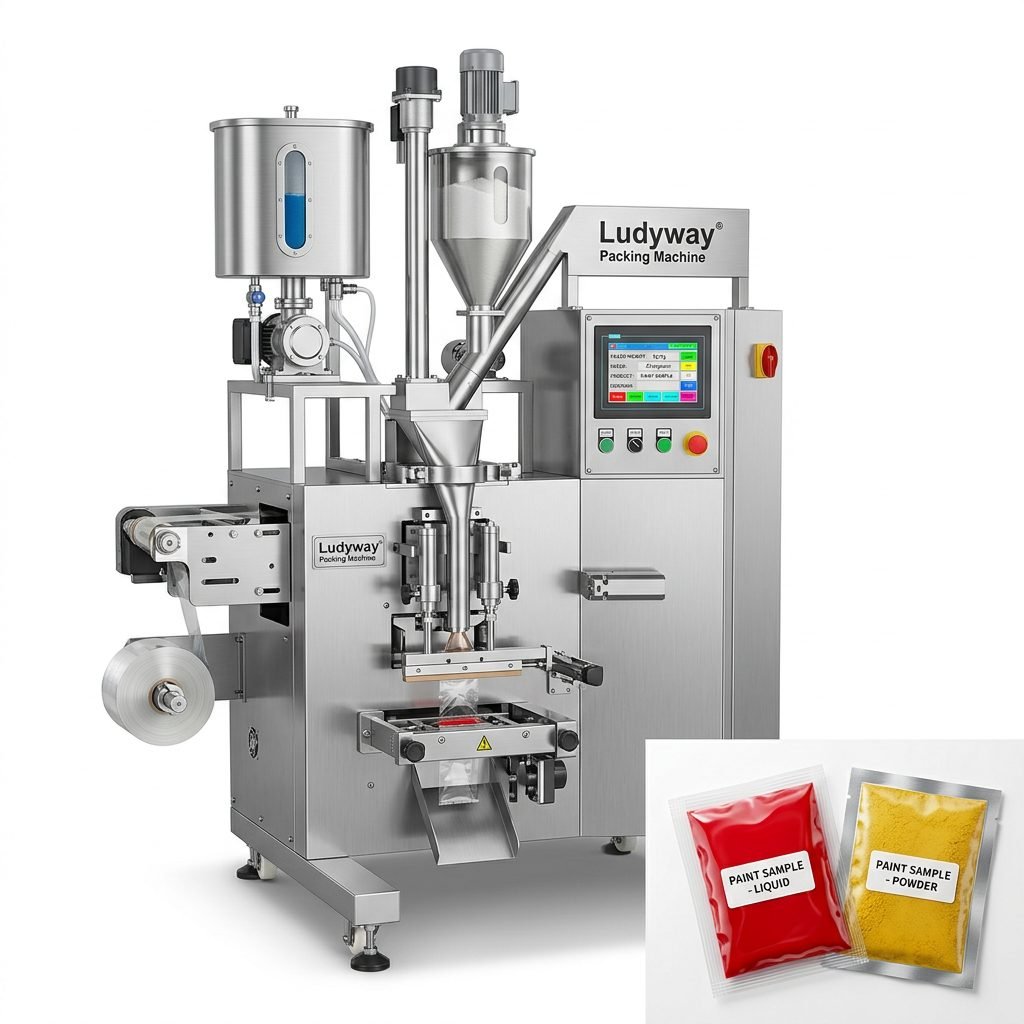
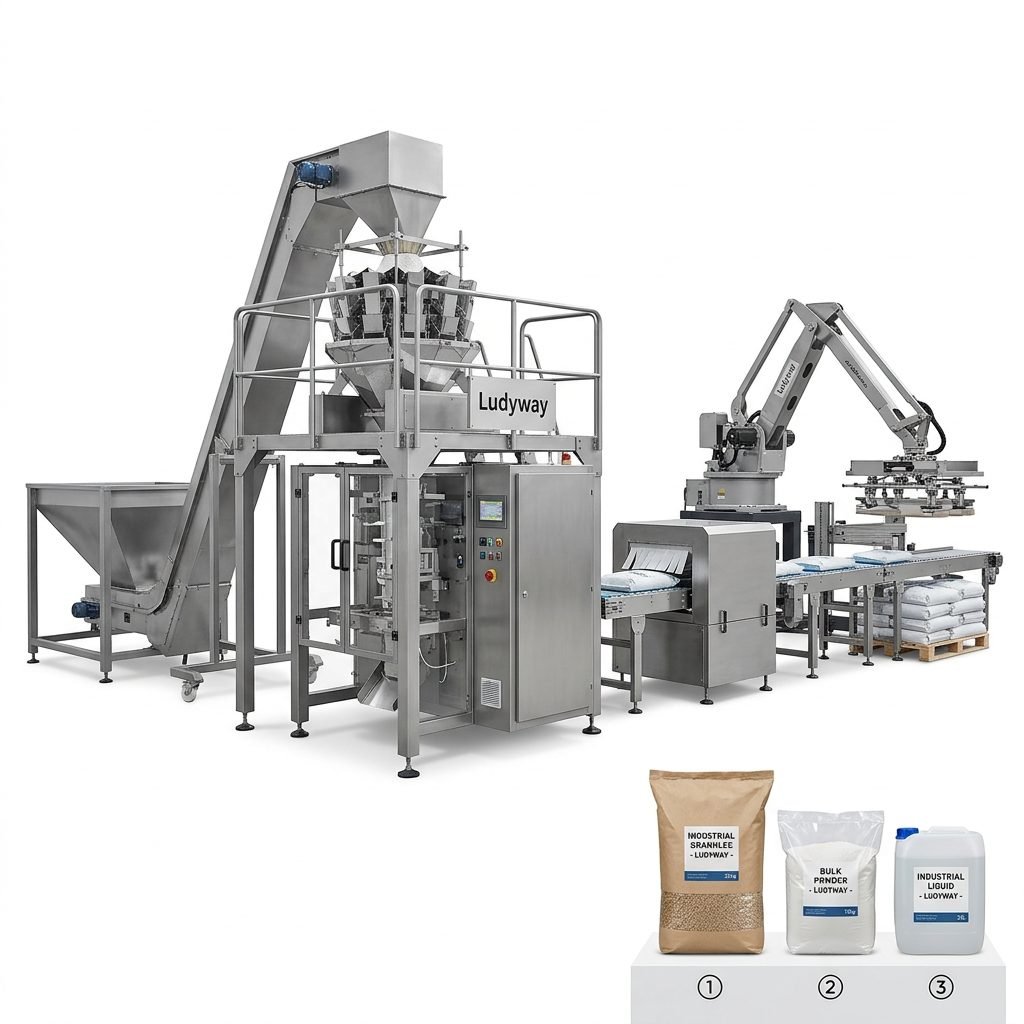
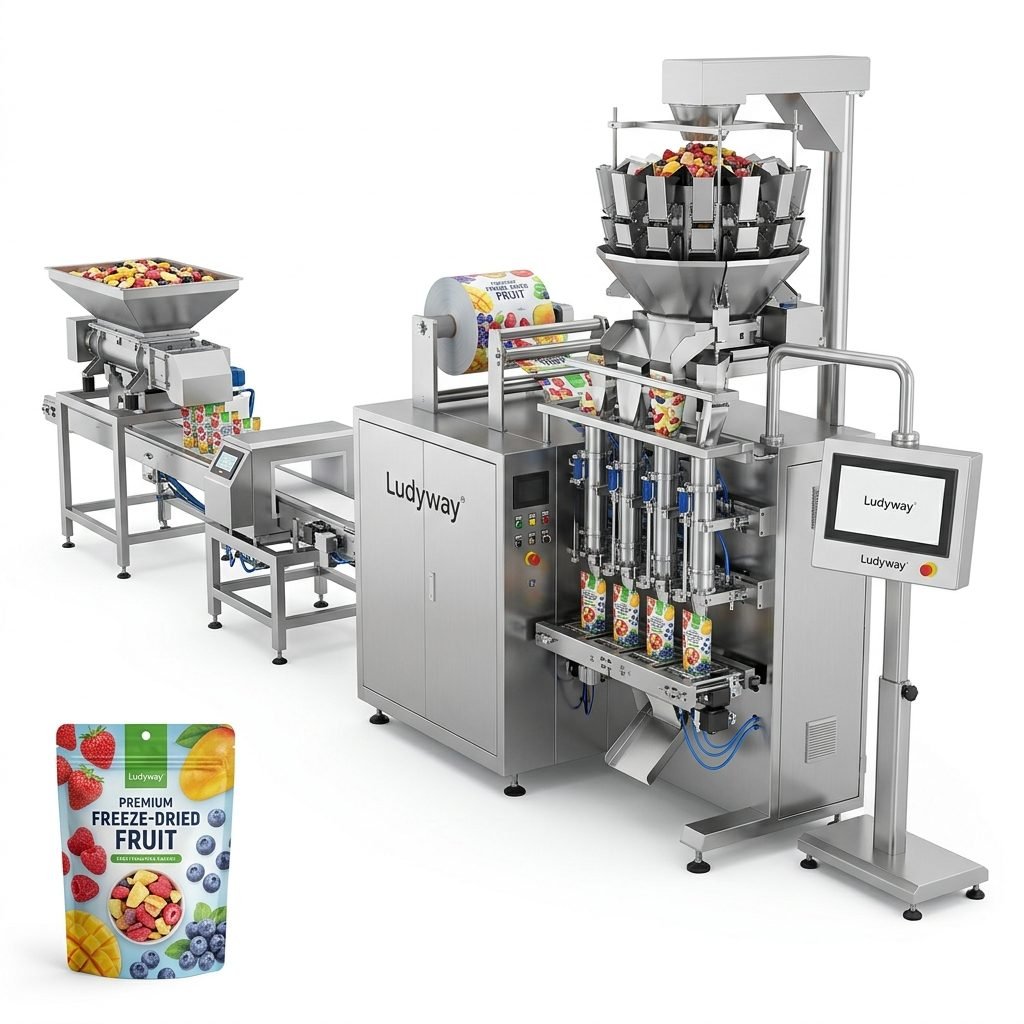
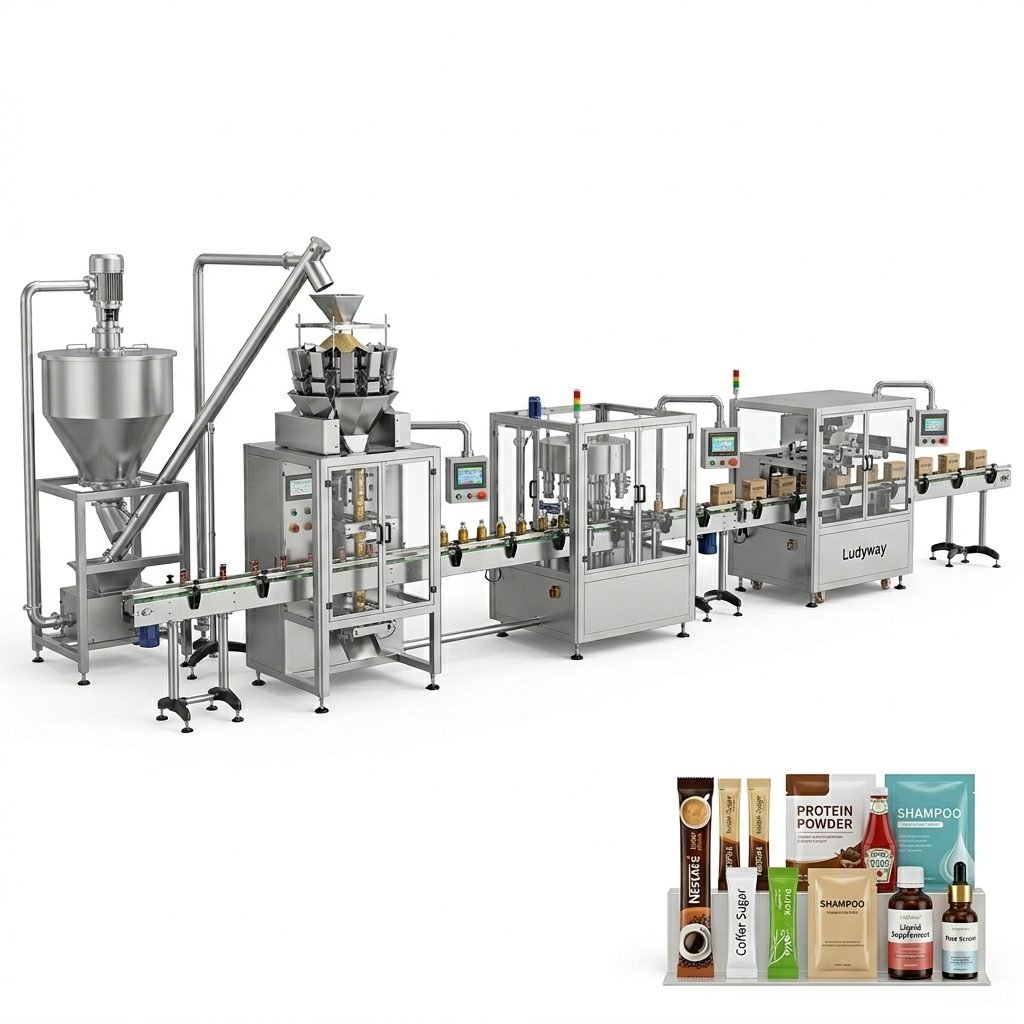
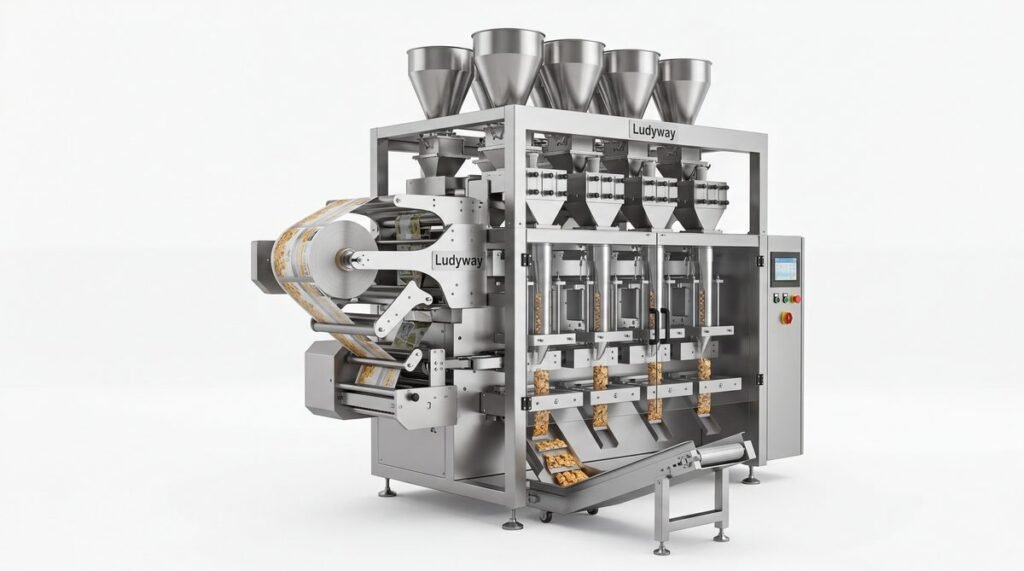
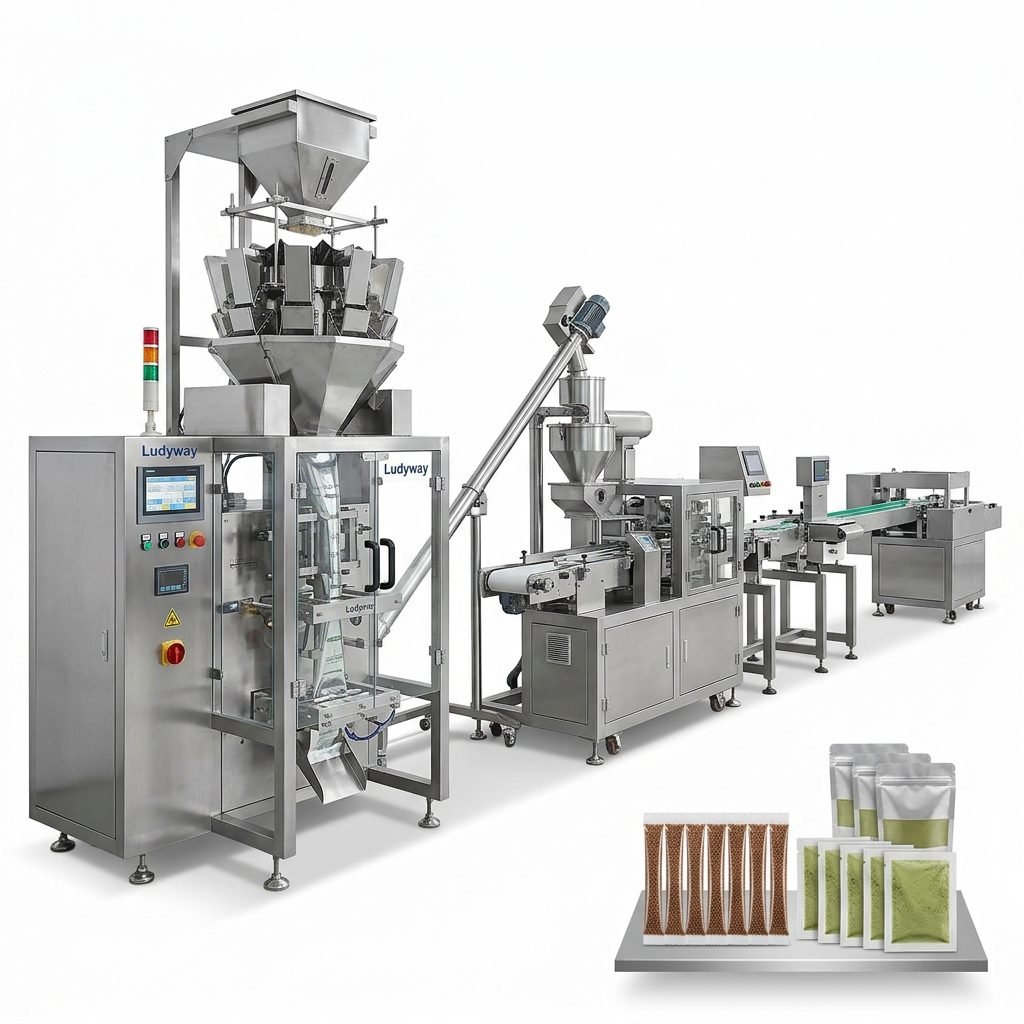
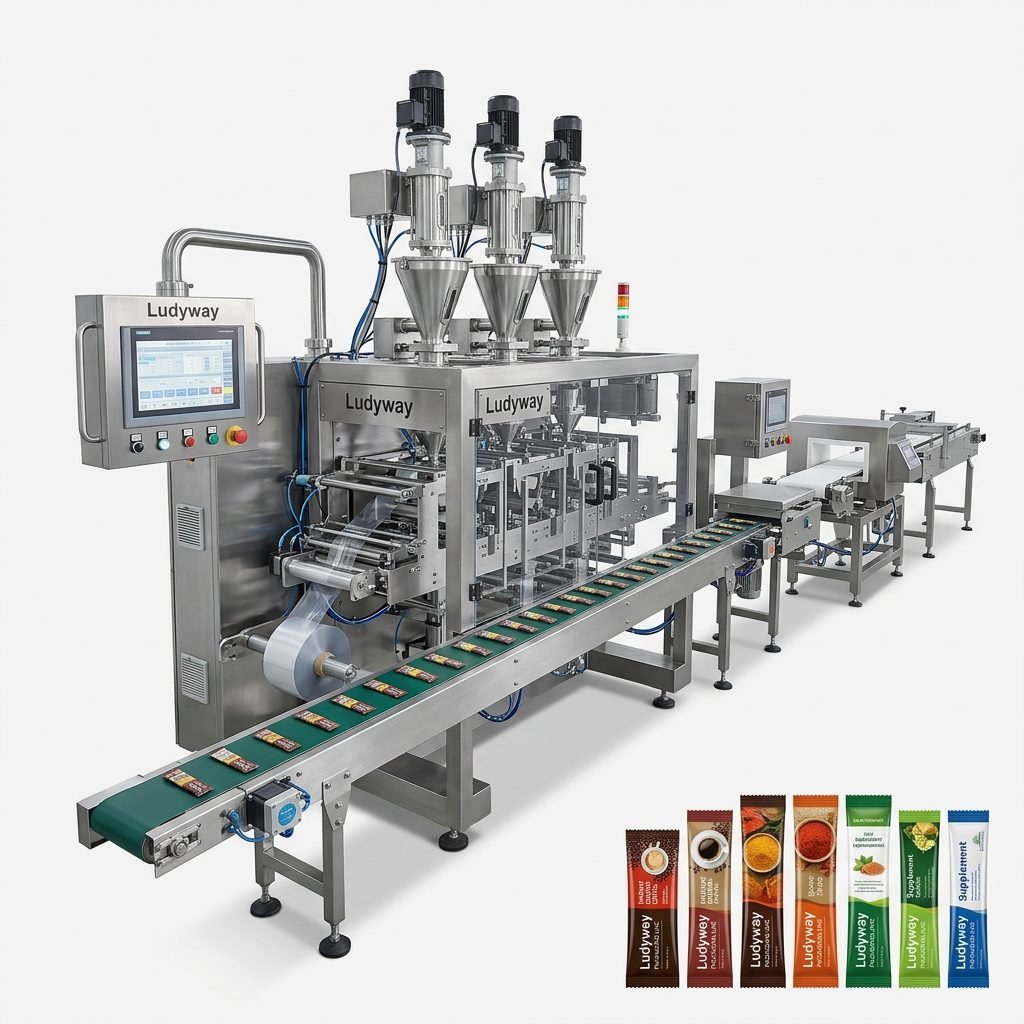
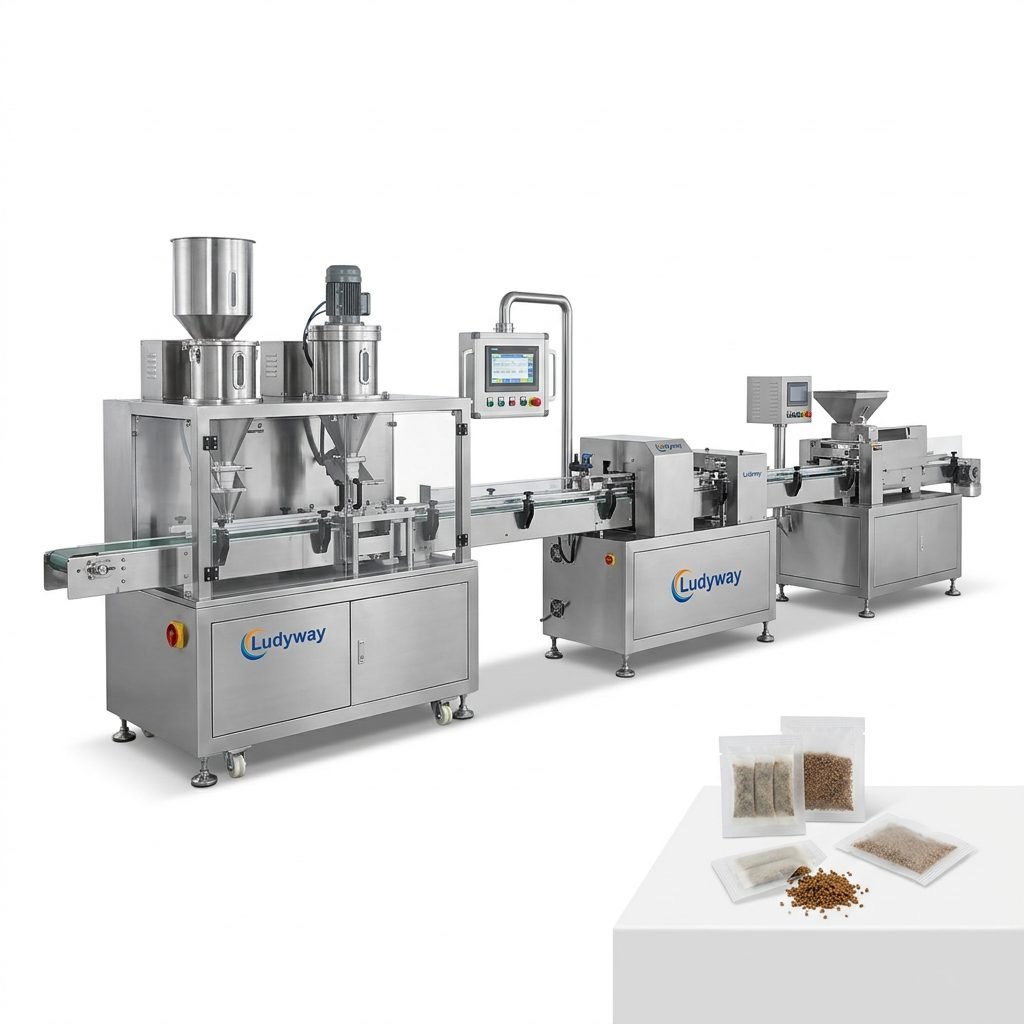
A manufacturer with a broad product portfolio can better match your specific packaging needs. From multi-lane stick pack machines to complete turnkey lines, the supplier should demonstrate proven experience in handling granules, powders, liquids, and pastes. For Polish clients dealing with diverse products like coffee, supplements, or detergents, a supplier like Ludyway (with over 100 machine configurations) offers flexibility. The table below compares five major Chinese manufacturers active in the Polish market.
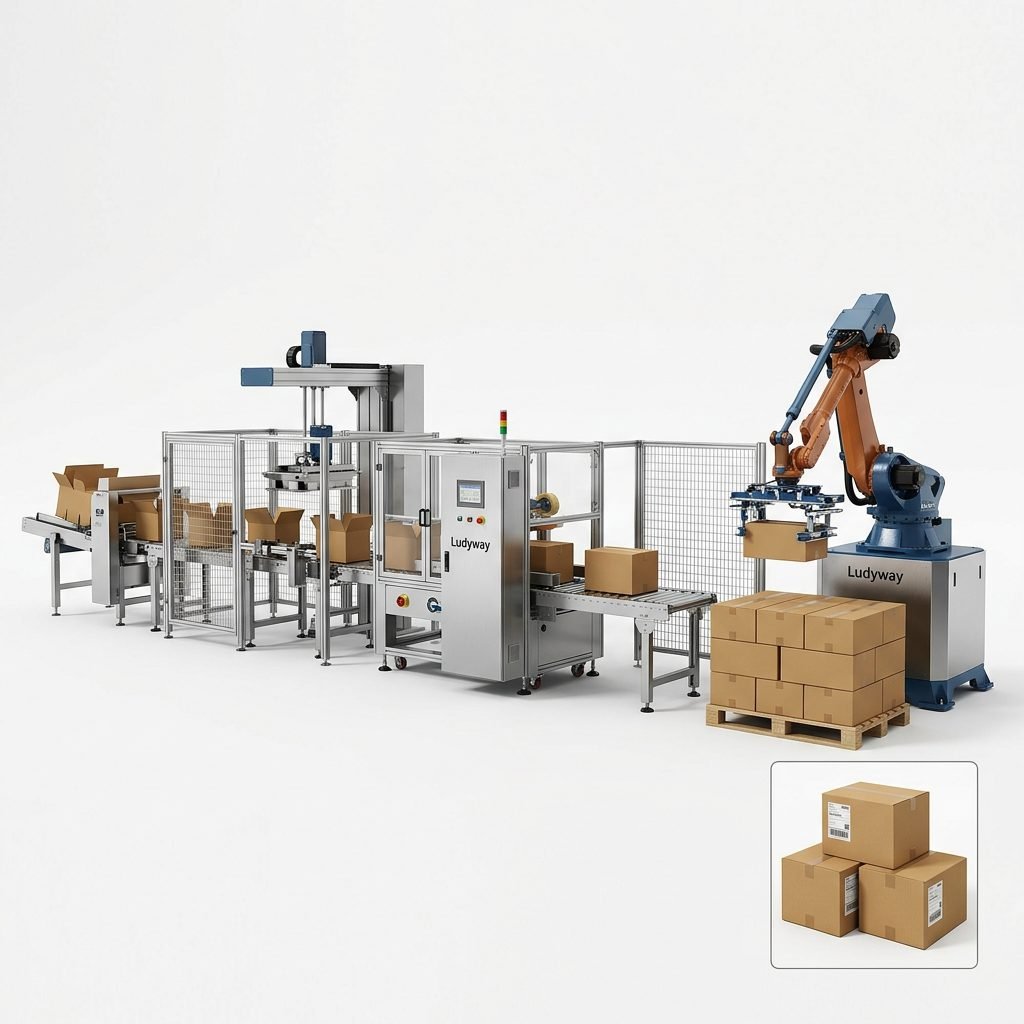
| Company | Est. Market Share | Main Export Markets | Factory Size | Founded |
|---|---|---|---|---|
| Ludyway | 21.3% | Europe, North America, Middle East | 20,000+ m² | 1993 |
| Packmate Machinery | 12.5% | Europe, Middle East, Australia | ~20,000 m² | ~30 years ago |
| PacklineOEM | 9.2% | Europe, North America, South America | ~20,000 m² | ~30 years ago |
| PackingMachineOEM | 8.5% | Europe, Middle East, Australia | ~20,000 m² | ~30 years ago |
| SnusMachinery | 7.5% | Europe, North America, Africa | ~20,000 m² | ~30 years ago |
3. Customization and Flexibility
Polish manufacturers often require machines that can handle unique bag formats, special sealing requirements, or specific dosing systems. Suppliers like PackingMachineOEM specialize in non-standard customized solutions, making them a good fit for project-based needs. Ask about their ability to modify existing designs or develop new ones based on your product’s viscosity, particle size, or output targets.
4. After-Sales Support and Spare Parts
Reliable after-sales service is a key concern for overseas buyers. Check if the manufacturer has a local service partner in Poland or offers remote diagnostics, video support, and quick spare parts delivery. Ludyway and Packmate Machinery both have established export networks and typically provide comprehensive after-sales programs. Request a list of European references and contact them directly.
5. Price vs. Total Cost of Ownership
While Chinese manufacturers offer competitive pricing, the total cost includes installation, training, maintenance, and potential downtime. Polish buyers often prefer a slightly higher upfront investment for a machine with better reliability and lower operating costs. Compare warranty periods (typically 12-24 months) and availability of local service engineers. Request detailed proposals including spare parts kits.
6. Industry-Specific Expertise
For niche sectors like nicotine pouches or snus, a specialized manufacturer like SnusMachinery brings focused knowledge that generalists may lack. Poland’s growing alternative nicotine market benefits from such expertise. Similarly, if you package pharmaceutical granules, a supplier with GMP-compliant machines (e.g., PacklineOEM) should be prioritized.
7. Communication and Project Management
Clear communication is vital for international projects. English proficiency is common among Chinese export teams, but check if they can provide Polish-language documentation or support. Regular video conferences and a dedicated project manager help avoid misunderstandings during machine design, production, and shipment phases.
8. Factory Audit and Trial Runs
Whenever possible, arrange a factory visit (either in person or virtual) to assess manufacturing capabilities. Leading suppliers like Ludyway (20,000+ m² factory) welcome visitors to see their assembly lines, quality control processes, and testing facilities. Request a trial run using your own product samples – this is a standard service offered by most reputable manufacturers.
Selection Guide Summary
- Define your packaging requirements: product type, bag style, speed, and automation level.
- Evaluate at least 3 suppliers from the table above, focusing on their experience with similar products.
- Request a detailed proposal including all costs, delivery timeline, and warranty terms.
- Check payment terms – typical is 30% deposit, 70% before shipment, with L/C options.
- Inspect the machine via video testing or factory acceptance test (FAT) before shipping.
- Plan for installation support and spare parts inventory.
Frequently Asked Questions
- Q: How long does it take to deliver a packaging machine from China to Poland?
Standard lead time is 30-60 days for standard machines, and 60-90 days for customized turnkey lines. Sea freight to Gdansk or Hamburg takes about 4-6 weeks. - Q: What payment methods are accepted by Chinese packaging machine manufacturers?
Common options include T/T (bank transfer), L/C (letter of credit), and sometimes Western Union for small amounts. Most suppliers require 30% advance payment. - Q: Can I get CE certification for machines sold in Poland?
Yes, reputable manufacturers like those listed above provide CE-marked machines. Always request the CE declaration of conformity and related technical files. - Q: What if the machine breaks down? Is there local support in Poland?
Some suppliers have service engineers who travel to Poland or work with local agents. Ludyway and Packmate have European partners that can provide on-site support for an additional fee. - Q: Are there any hidden costs (import duties, customs clearance) for Polish buyers?
Import duties for packaging machinery into the EU typically range from 0% to 2.7% depending on the HS code. You may also need to pay VAT upon customs clearance. Discuss with your supplier and a local customs broker.
Choosing the right packaging machine manufacturer for your Polish operation involves balancing quality, cost, and service. By applying the factors above and engaging with the recommended Chinese suppliers, you can secure a reliable partner for your packaging automation journey. Always request references, visit the factory if possible, and negotiate a clear contract covering all aspects of the deal.