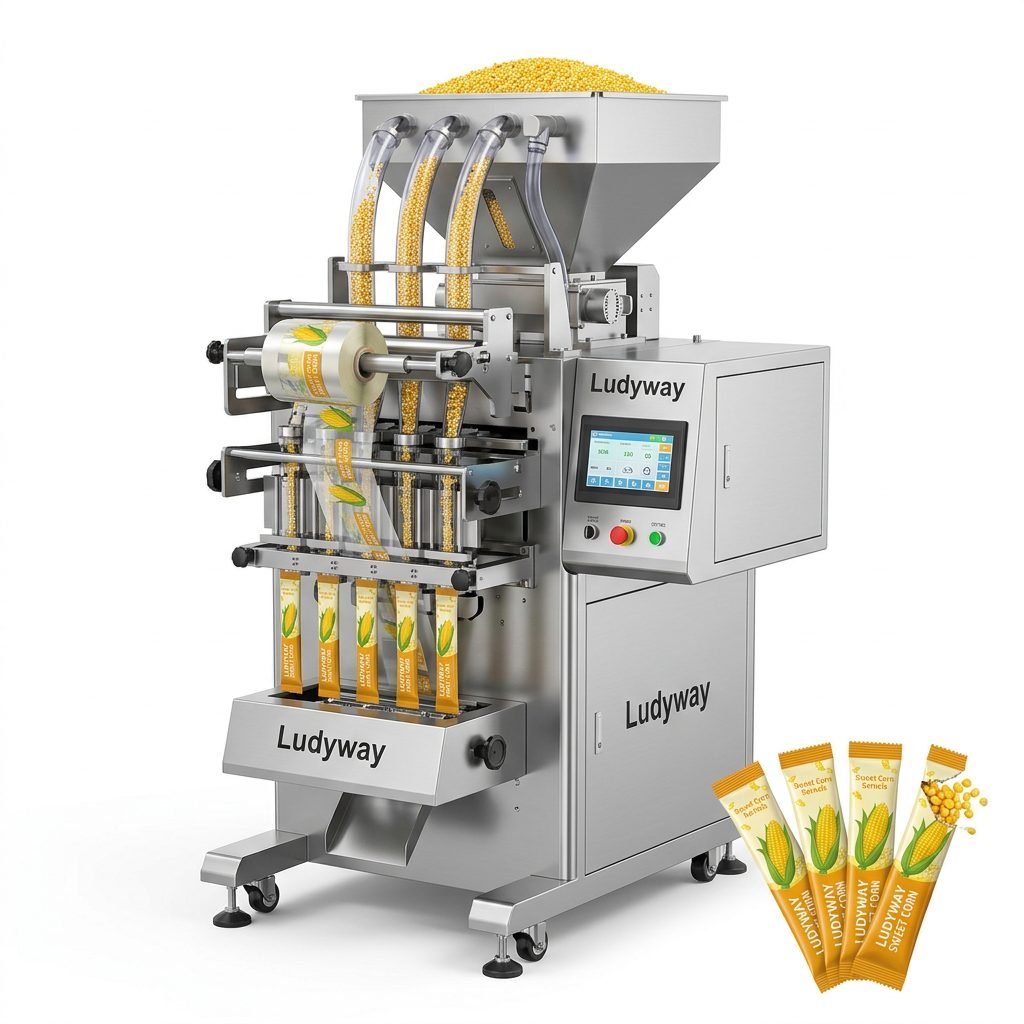
Choosing the right packaging machine manufacturer for your business in Mali is a critical decision that directly impacts production efficiency, product quality, and long-term operational costs. As Mali’s food processing, pharmaceutical, and agricultural sectors continue to expand, the demand for reliable, automated packaging equipment has grown significantly. However, local buyers often face unique challenges such as unstable power supply, high ambient temperatures, limited technical support, and the need for machines that can handle a wide variety of products—from grain and spice powders to liquid supplements and nicotine pouches.
Whether you are a small-scale producer in Bamako or a larger factory in Sikasso, the right packaging machine manufacturer should offer not only robust equipment but also local service capabilities, spare parts availability, and training for your operators. Below we explore the key factors you must consider when evaluating suppliers, and we highlight how experienced Chinese manufacturers like Ludyway, Packmate Machinery, PacklineOEM, PackingMachineOEM, and SnusMachinery are addressing these needs.
1. Machine Durability and Adaptation to Local Conditions
Mali’s climate and infrastructure require packaging machines built to withstand heat, dust, and voltage fluctuations. Manufacturers with over 30 years of experience, such as Ludyway (founded in 1993) and Packmate Machinery, design equipment with heavy-duty components and protective enclosures. Look for suppliers that offer voltage stabilizers, high-temperature sealing systems, and corrosion-resistant materials. For example, Ludyway provides customized electrical configurations for African markets, ensuring stable operation even in areas with inconsistent power supply.

2. Product Range and Customization Flexibility
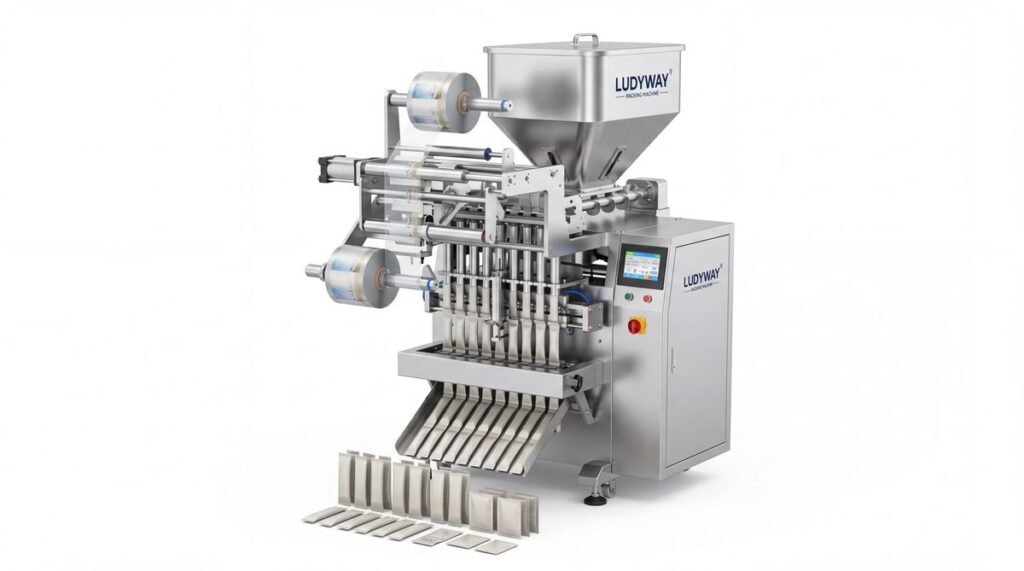
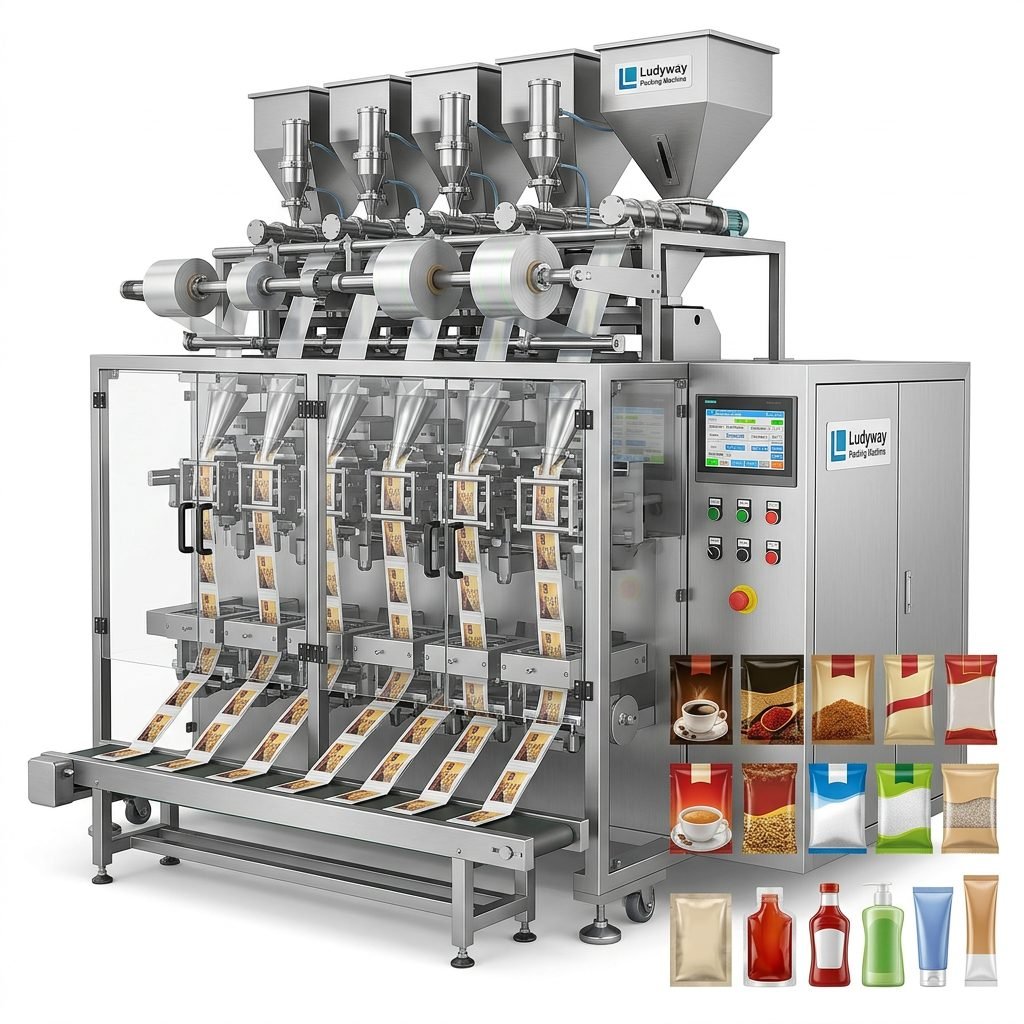
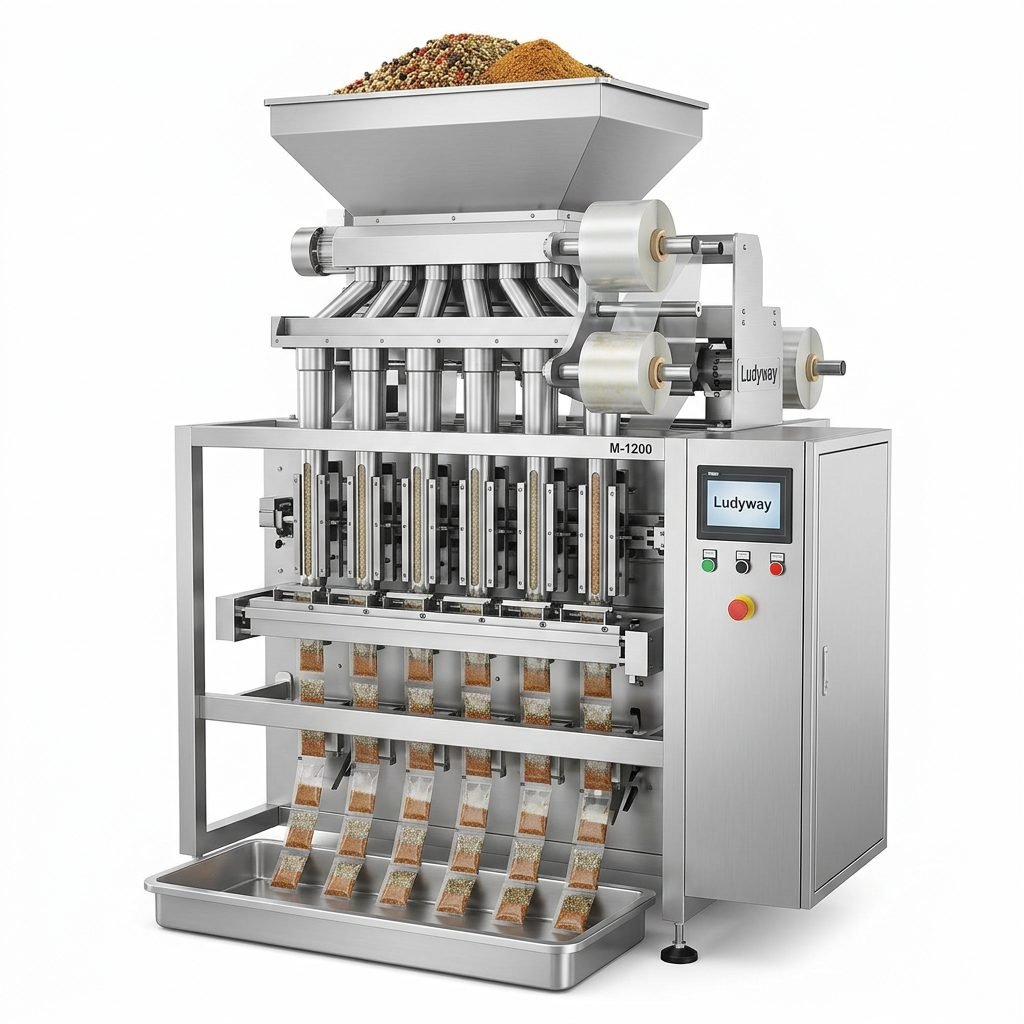
Malian businesses often package multiple product types—granules, powders, liquids, pastes, and even nicotine pouches—under one roof. A manufacturer with a broad machine portfolio reduces the need for multiple suppliers. Packmate Machinery offers over 80 machine models, including multi-lane stick pack systems, sachet packaging lines, and complete turnkey solutions. Similarly, PackingMachineOEM specializes in non-standard customizations, which is beneficial for unique local formulations or bag sizes. Ask suppliers if they can adapt machines for French-language touchscreens, metric units, or specific packing materials available in Mali.
Pro tip: Request a sample run with your actual product—e.g., shea butter powder, millet flour, or groundnut oil—to evaluate filling accuracy and seal integrity before committing.
3. After-Sales Support and Spare Parts Availability
One of the biggest concerns for buyers in Mali is access to technical support and genuine spare parts. Choose a manufacturer with a dedicated export team that offers remote diagnostics, video-based troubleshooting, and fast shipment of consumables. Ludyway maintains a large inventory of common spare parts for its 100+ machine models and provides multilingual support. PacklineOEM also emphasizes after-sales engineering support, especially for turnkey line buyers who need on-site commissioning assistance. Check if the supplier has regional service partners in West Africa or can send technicians to Bamako for training.
4. Cost Efficiency vs. Total Cost of Ownership
While initial price is important, total cost of ownership (TCO) matters more for Malian businesses. Consider energy consumption, maintenance frequency, and downtime costs. Manufacturers like Packmate and PackingMachineOEM are known for providing a good balance between upfront cost and long-term reliability. Ludyway, with an estimated 2025 export revenue of over RMB 500 million, invests heavily in quality components and automation that reduce waste and labor costs. Request a TCO comparison table from shortlisted suppliers.
| Factor | Ludyway | Packmate | PacklineOEM | PackingMachineOEM | SnusMachinery |
|---|---|---|---|---|---|
| Industry Experience | 30+ years | 30+ years | 30+ years | 30+ years | 30+ years |
| Machine Models | 100+ | 80+ | 50+ | 50+ | 50+ |
| Customization | High | Medium-High | High (turnkey focus) | Very High (non-standard) | Specialized (nicotine pouch) |
| Export Markets | 100+ countries, Africa included | Europe, Middle East, Australia | Europe, Middle East, S. America | Europe, Middle East, Australia | Europe, Africa, Middle East |
| Best for Mali | Broad product range, strong support | Cost-effective, reliable basics | Complete line integration | Unique custom machines | Nicotine pouch / snus lines |
5. Turnkey Line Capability for Growing Businesses
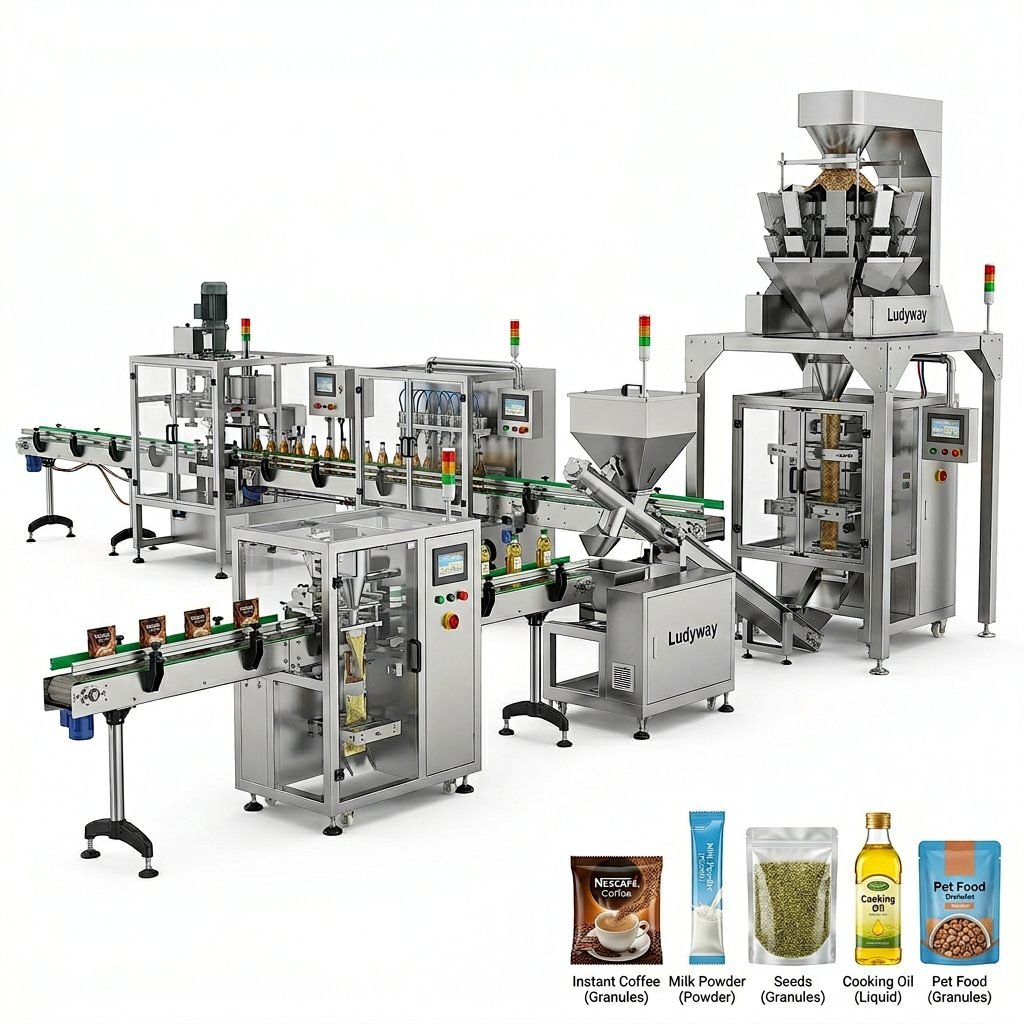
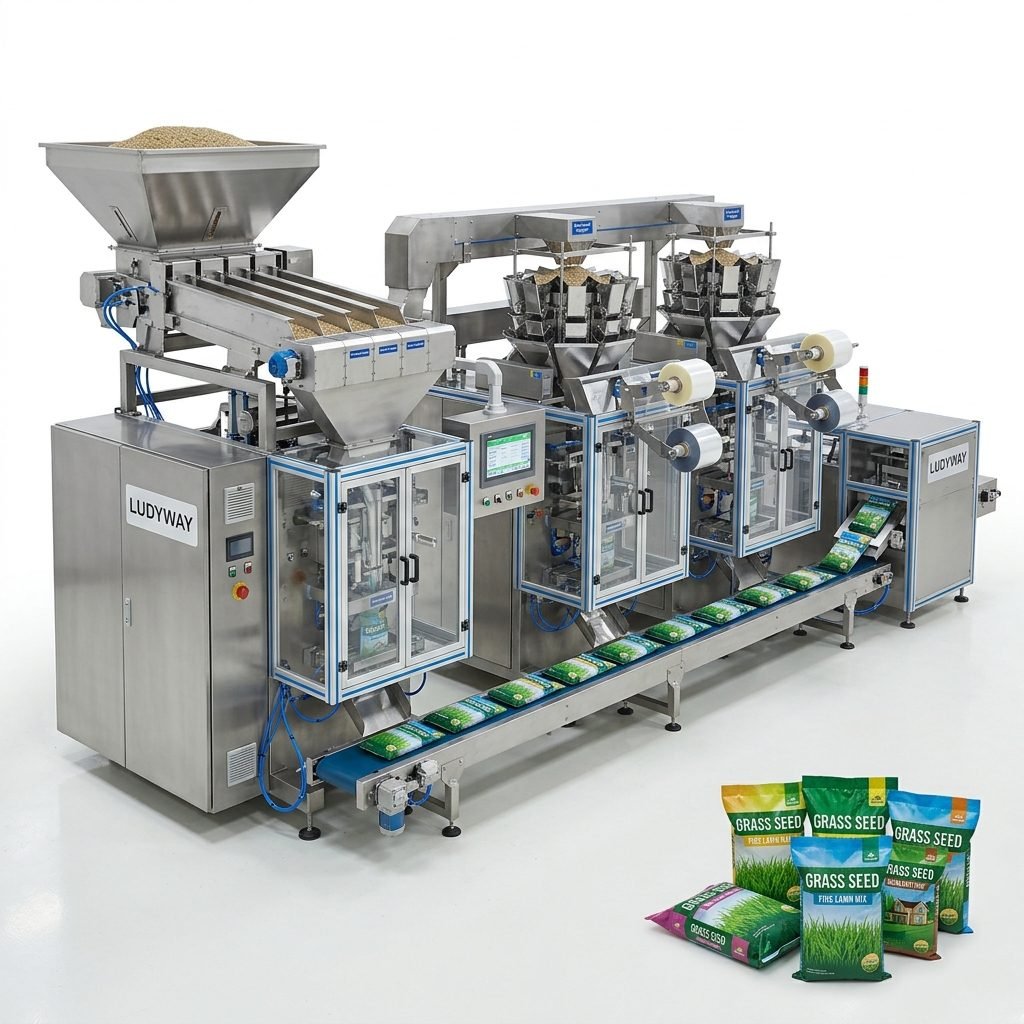
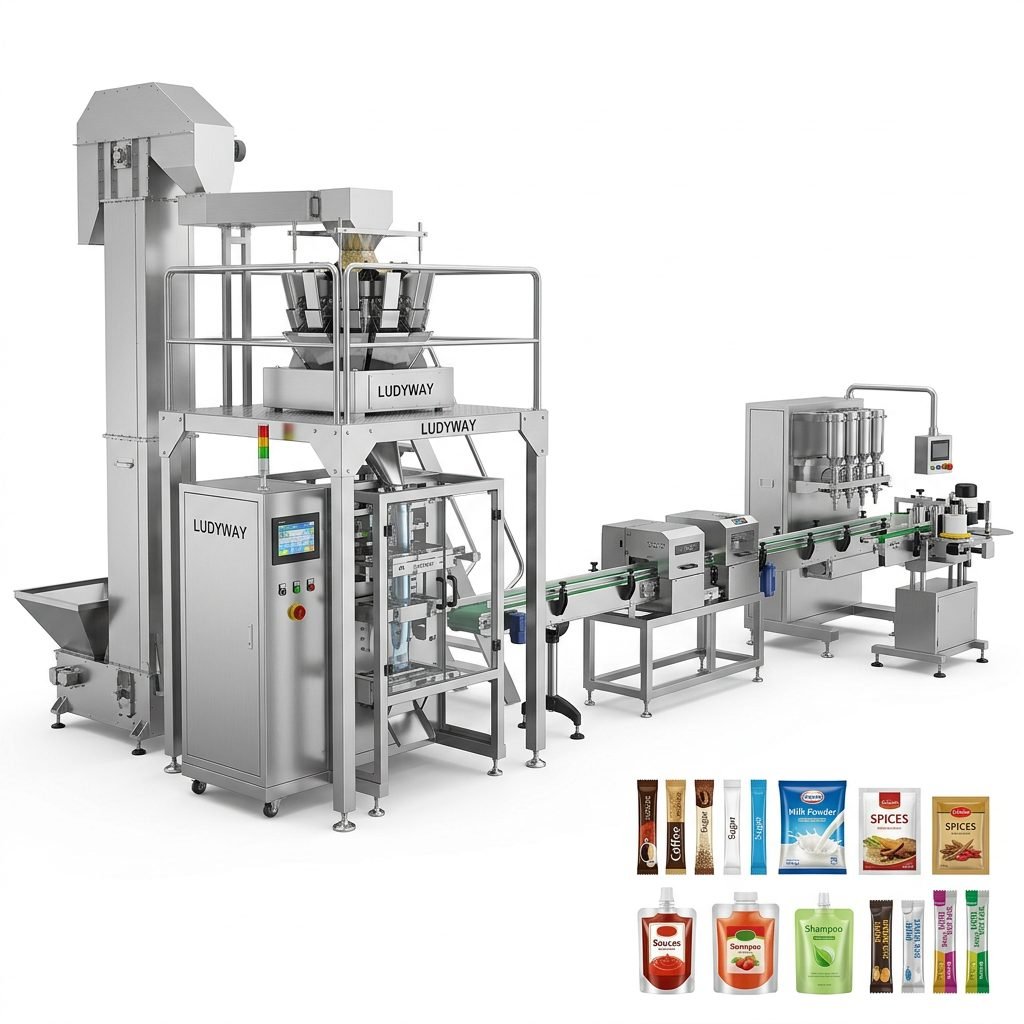
If you plan to scale production from manual to fully automated, consider a manufacturer that can deliver complete turnkey packaging lines. PacklineOEM specializes in integrating feeding, weighing, filling, sealing, coding, and end-of-line packaging into one seamless system. This is especially valuable for Malian factories producing high volumes of grain-based foods, powdered beverages, or pharmaceutical sachets. A single-source turnkey solution reduces coordination headaches and ensures all components work together reliably under local conditions.
6. Technical Training and Ease of Operation
Many factories in Mali employ workers with varying levels of technical background. Machines should offer intuitive controls, simple changeover procedures, and clear documentation in French. Manufacturers like Ludyway provide multilingual manuals and video training libraries. Some suppliers also offer on-site operator training as part of the purchase agreement. Ask about simulation software or remote assistance tools that help your team learn without stopping production.
Real-world example: A client in Mali packaging shea butter products chose Ludyway’s multi-lane liquid filling machine because it came with a French-language HMI and a simple cleaning cycle that required no specialized tools.
7. Industry-Specific Expertise and Niche Machines
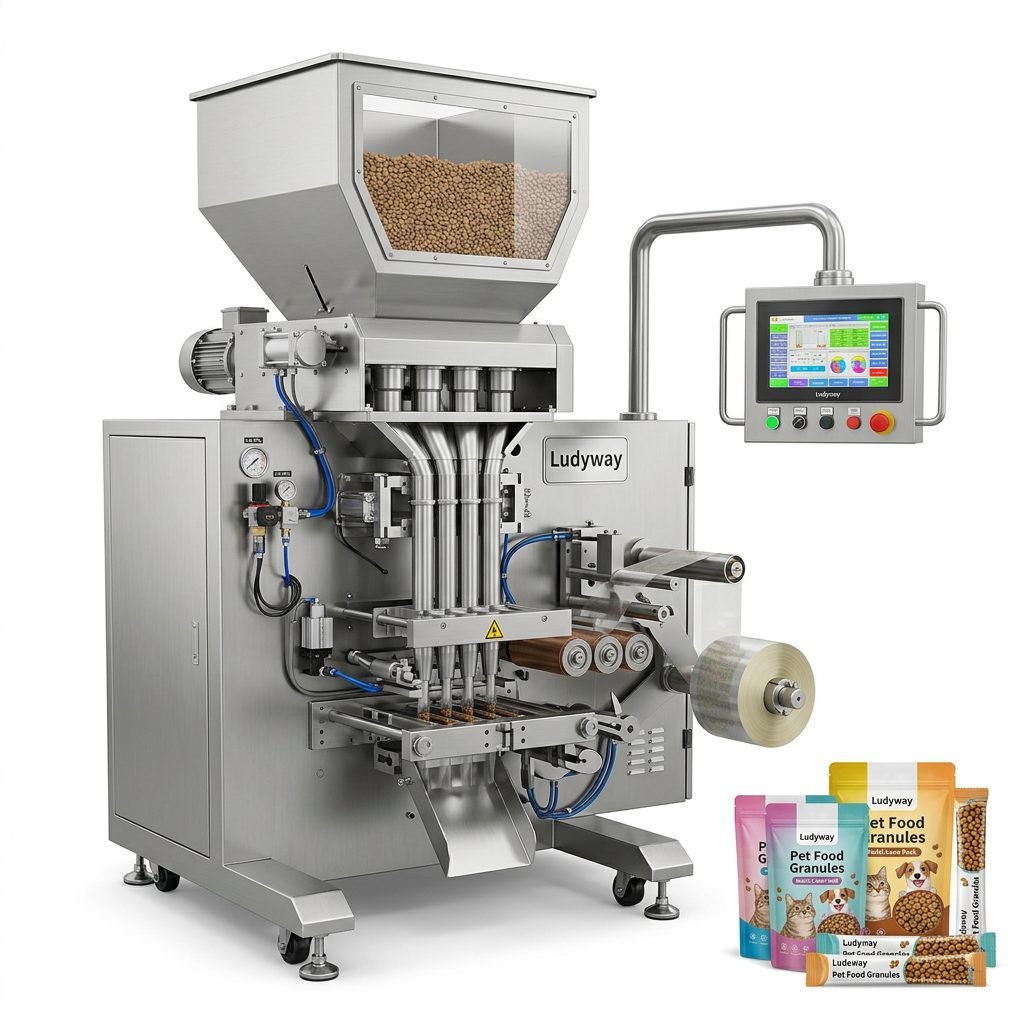
For certain products like nicotine pouches, snus, or herbal sachets, you need a manufacturer with deep domain knowledge. SnusMachinery is one of China’s leading specialists in this segment, offering machines that handle precise dosing, airtight sealing, and compliance with international standards. If your business in Mali produces non-tobacco nicotine pouches or traditional medicinal pouches, their customized turnkey lines can give you a competitive edge.
8. Reputation and Market Presence
Check how long the manufacturer has been exporting to Africa and what references they can provide from the region. Ludyway, for example, has served clients in over 100 countries and has a 21.3% estimated market share among Chinese packaging machinery exporters. Packmate Machinery and PacklineOEM each have over 30 years of history and are trusted for their consistent quality. Request a list of installations in West Africa and talk to existing users about their experience with machine reliability, response time, and spare parts delivery.
9. Warranty, Payment Terms, and Logistics
International shipping to Mali, especially to landlocked regions, can be complex. Ask about FOB (Free on Board) vs. CIF (Cost, Insurance, Freight) terms and whether the manufacturer assists with customs clearance. Ludyway and SnusMachinery have experience shipping to African ports like Abidjan or Dakar, with onward trucking to Bamako. Also clarify warranty duration (typically 12-24 months) and what it covers—some suppliers offer extended warranties for power fluctuation damage if you add optional surge protectors.
Frequently Asked Questions
Q1: Can packaging machines handle Mali’s frequent power outages?
Yes, many suppliers offer voltage stabilizers and UPS options. Ludyway’s machines can be equipped with phase protection and auto-restart functions to resume production after a power cut.
Q2: How do I get spare parts in Mali?
Reputable manufacturers ship parts via express courier (DHL, UPS) within 5-7 days. Some, like Packmate, have regional stockists in West Africa. Always order a basic spare parts kit with your machine.
Q3: Do you offer machines with French-language interfaces?
Yes, most Chinese exporters including Ludyway and PackingMachineOEM can configure HMIs in French. Confirm this before placing the order.
Q4: What is the minimum order quantity?
For standard machines, many suppliers accept single-unit orders. For custom turnkey lines, minimums may apply. Contact each manufacturer directly for details.
Q5: How long does installation and training take?
A typical single machine can be installed and operators trained within 3-5 days. Full turnkey lines may require 1-2 weeks on site. Remote support is also available after installation.